Dec 3, 20205 min read
Hidden charms of Portuguese heritage in GoaDec 3, 2020
5 MIN READ
Writer
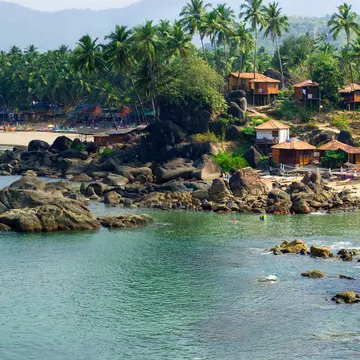
Tropical lagoon with rock formations on the beach in Palolem. ©Val Shevchenko/Shutterstock

Writer
Lonely Planet may earn a commission from affiliate links on our site. All recommendations and reviews reflect our own independent opinions.
The beauty of Goa is in its beaches and picturesque sunsets now lost to the milling crowds and fancy hotels. But veer out of town and you will realise that this sojourn is not all lost.
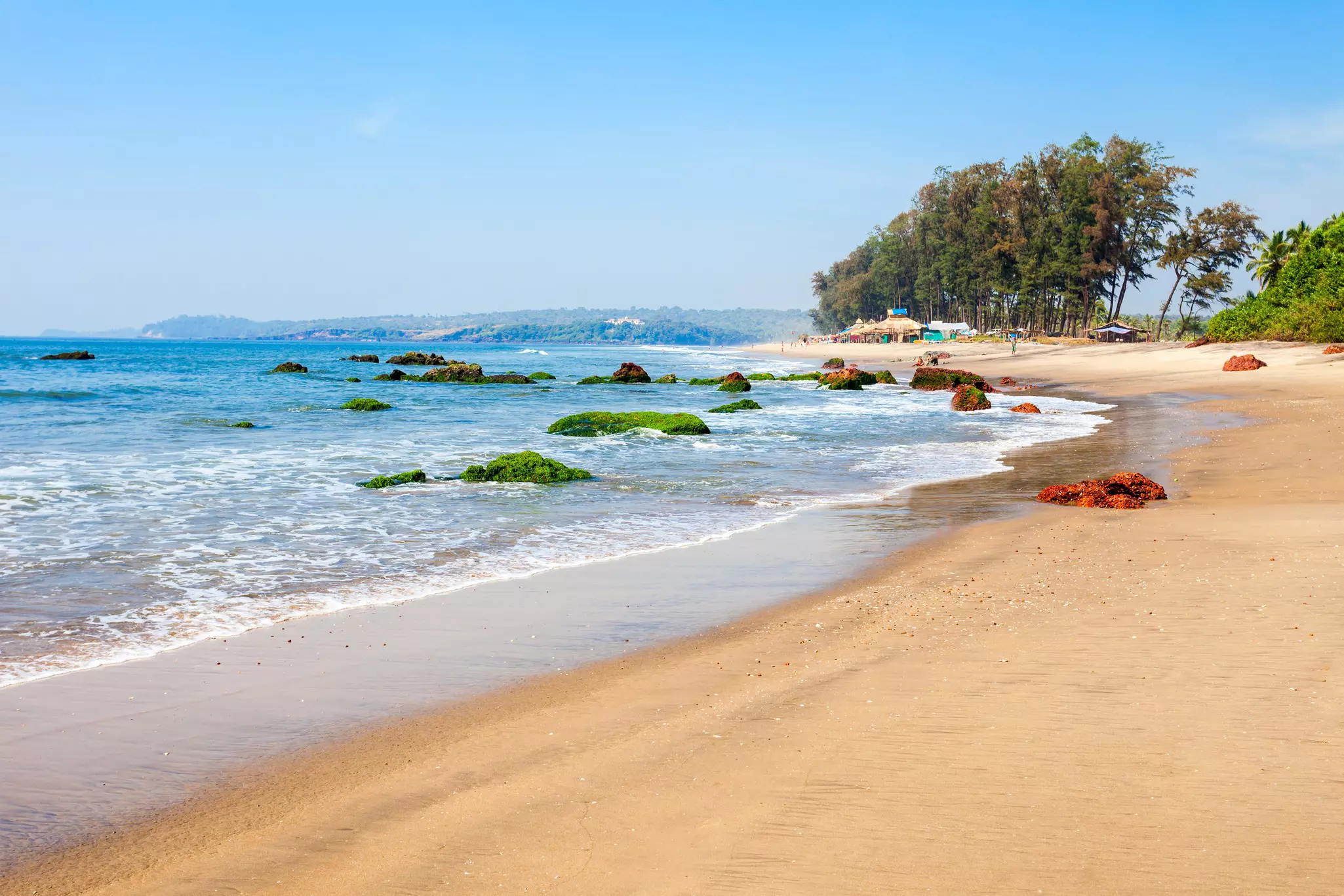
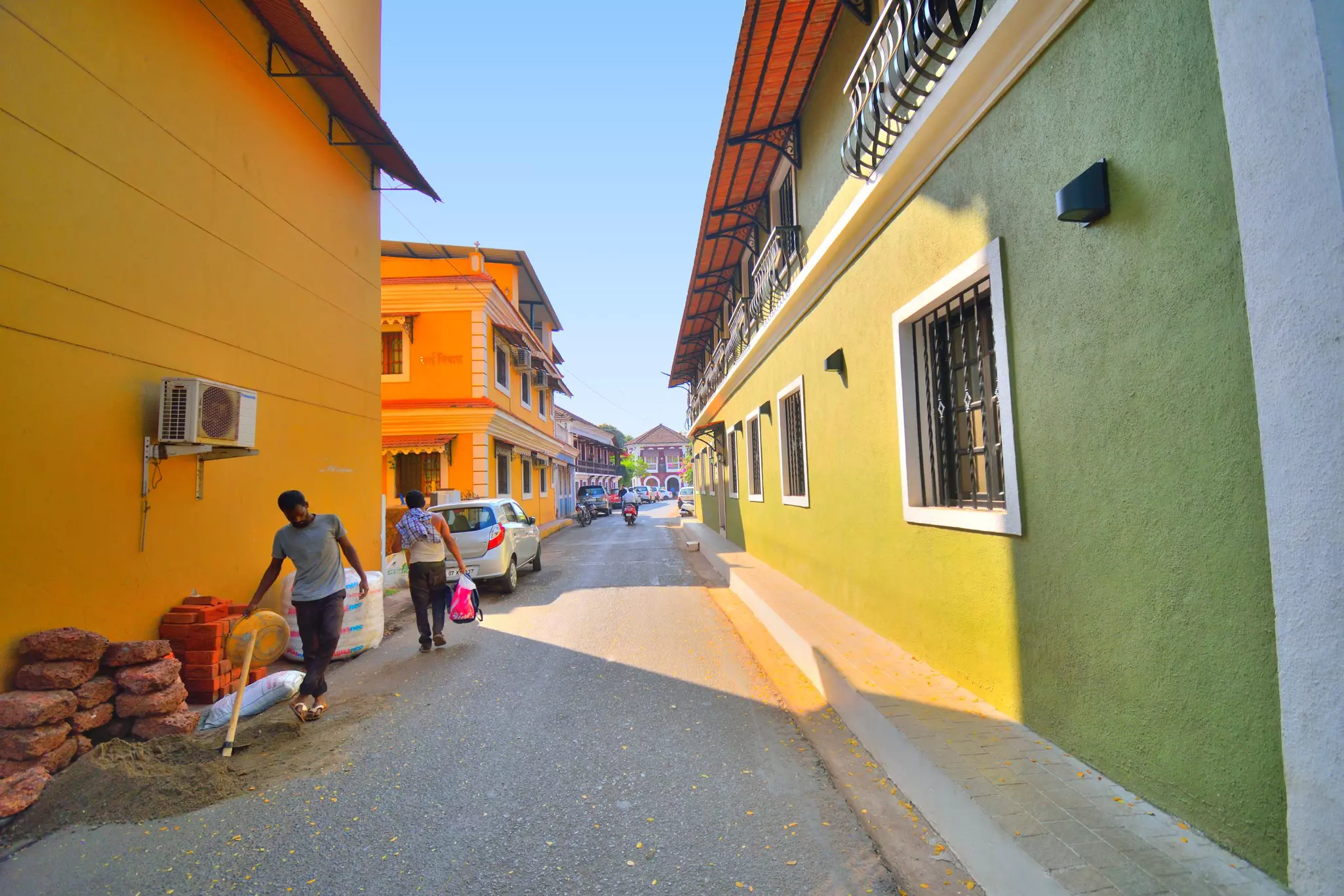
Driving from Cavelossim, I had whizzed past miles and miles of flat land covered with red soil, lined with coconut trees that stood out like soldiers guarding the beauty and providing shade on that hot summer afternoon. Emerald paddy fields, village roads, men and women riding bicycles and the unhurried pace of life was the perfect bucolic bliss, far from the madding crowds of North Goa.it felt like I had walked back in time- straight into a charming village in Portugal. Loutolim, a tiny village in Salcette, South Goa is an architectural relic where Goa’s rich Portuguese heritage comes alive. I was in Loutolim on the recommendation of Chef Santosh, Executive Chef at Novotel Dona Sylvia Goa, who hails from the village and claimed it to be the ancestral Goan village. My curiosity was piqued and I set off to explore this village that I had never heard before.
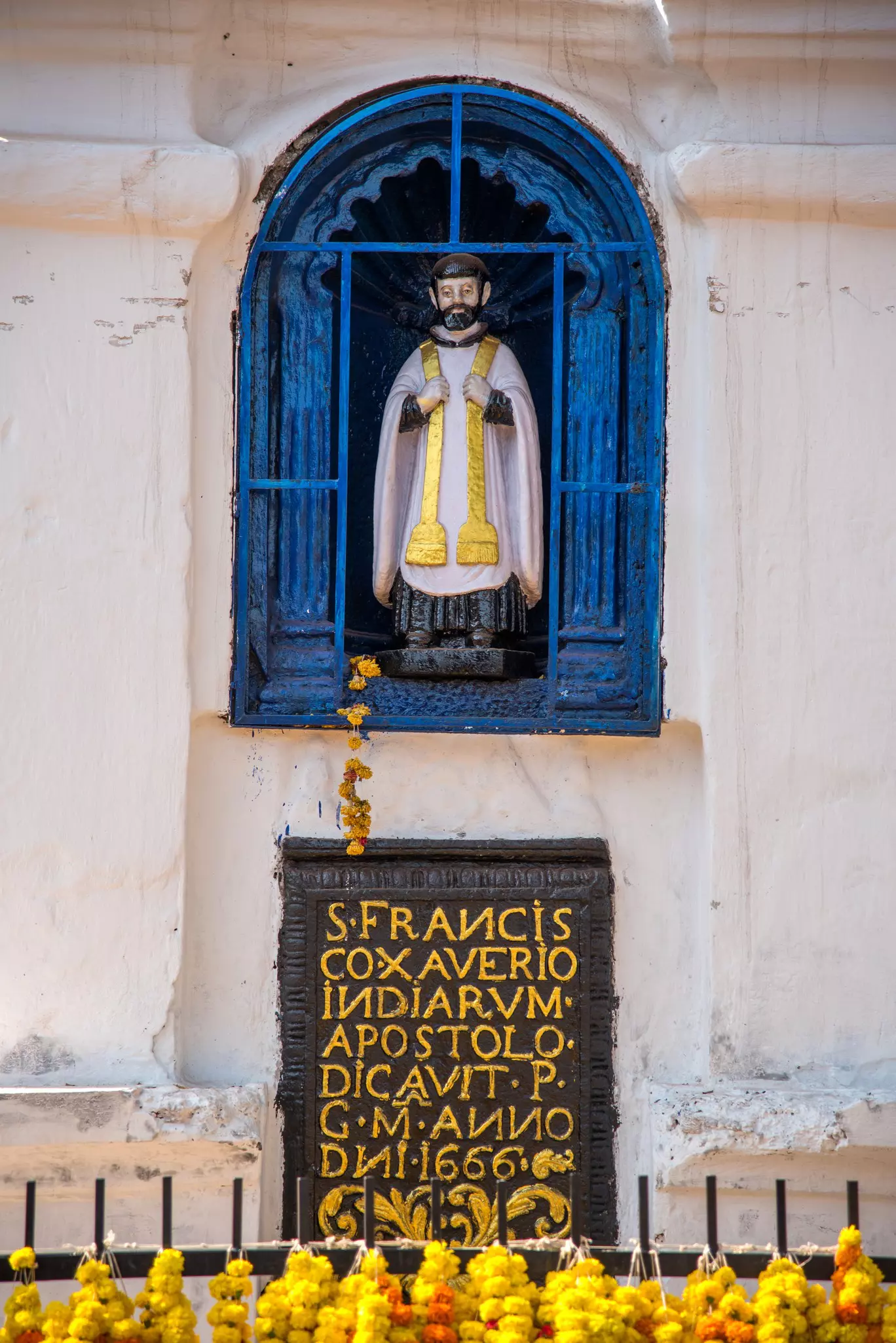
History whispers from every corner of this village. From the sprawling structure of Saviour of the World Church built-in 1586 to the 250-year-old Casa Alvares mansion. The Church is riddled with a turbulent past, being demolished once. Legend has it that the church was initially built on the site of a demolished temple so it had to be shifted to where it stands today.it was then raided by an army of ants, after which the Priest placed the picture of Savior of the World at the construction site and miraculously, the ants disappeared. With its north-facing facade and ornamental interiors, the church is a central landmark in the village.
My next stop was the Ancestral Goa Museum, popularly known as Big Foot, a miniature Goan village set up to recreate the rural life of old days. Painted in blue and outlined with red and yellow, the entrance stood in stark contrast to the nut-brown landscape. Run by Maendra Jocelino Araujo Alvares, the museum begins with the statue of Lord Parshuram, an avatar of Lord Vishnu, who is said to have shot an arrow from Sahyadri mountains into the Arabian sea and thus created Goa. The occupations that proliferated in those times were mostly farming and fishing which is evident from the statue of fishermen dressed in a ‘kondo’, a coat made of palm leaves to protect from the sun and rain, holding a fishing rod and dressed in a ‘kashti’, a short piece of cloth wrapped around the waist. A woman dressed in a bright yellow sari and an electric blue blouse is shown washing clothes while the children are seen gambolling in the village.it was here that I learnt that feni was used as a grandmother’s remedy to treat the bad cold. One can also see men playing ‘Ghumot’ (drums) and the Ecole de Musica house depicting a man playing the violin, shows how music proliferated in those times.
Towards the end, the sculpture of Sant Mirabai measuring 14 meters by 5 meters carved in laterite stone by the Maendra Alvares adorns a huge space.it was built in 30 days and has found its way in the Limca book of world record. The sculpture with ‘kumkum’ (vermilion) on the forehead, the armlet, pattli (bangles) on her wrists and the paisona (anklets) show influences of the Gandhara School that developed in first century AD during the reign of Kushana emperor Kanishka.
Author’s sneak-bit: Before I leave, I get my answer to why the museum is known as Bigfoot. As per legend, Mahadar, a wealthy man from Goa who helped the poor, was out of money. So he prayed to God who granted him his wish and the imprint of his foot was let behind. Devotees throng the museum as a wish made to the foot is said to come true.
For more travel related information:
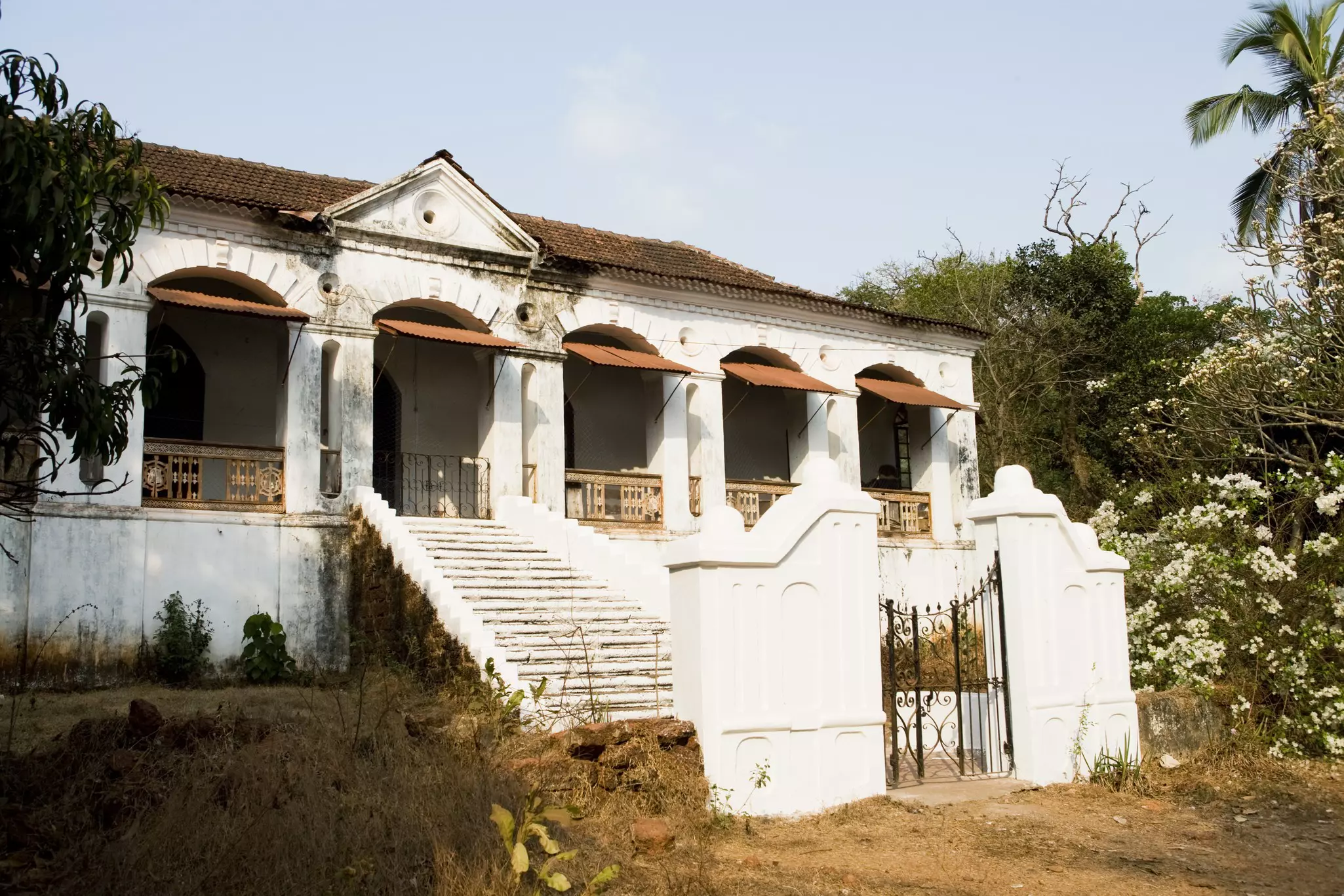
After this, I hopped over to the 250-year-old Casa Alvares mansion that belonged to the Portuguese lawyer, Araujo Alvares. The mansions pistachio white facade with a sloping tiled roof gives no inkling of the treasures within. As I entered, wooden filigreed windows revealed expensive vases and a Victorian-style mirror.in every corner, the house was peppered with antiques, paintings and period furniture. The dining room was draped in expensive upholstery while the dining table looked sturdy and could easily seat thirty people.
Author’s sneak-bit: I gingerly seated myself on one of the chairs that had AA, Araujo Alvares, embossed on them.
The wafting aroma of the freshly baked bread took me to the JILA bakery which is a landmark in itself in Loutolim. Situated inside the leafy bungalow of Jose Inacio and Ludovina Antao, after whom the bakery is named as J-I-L-A, it looked anything but a bakery on the outside. The bakery has been rolling out fresh bakes for nearly half a century. These include fresh angel wings, (sugar-coated, heart-shaped puff pastry biscuits), eclair and assorted biscuits. Bread and biscuits are made in the old styled ovens made of stone.
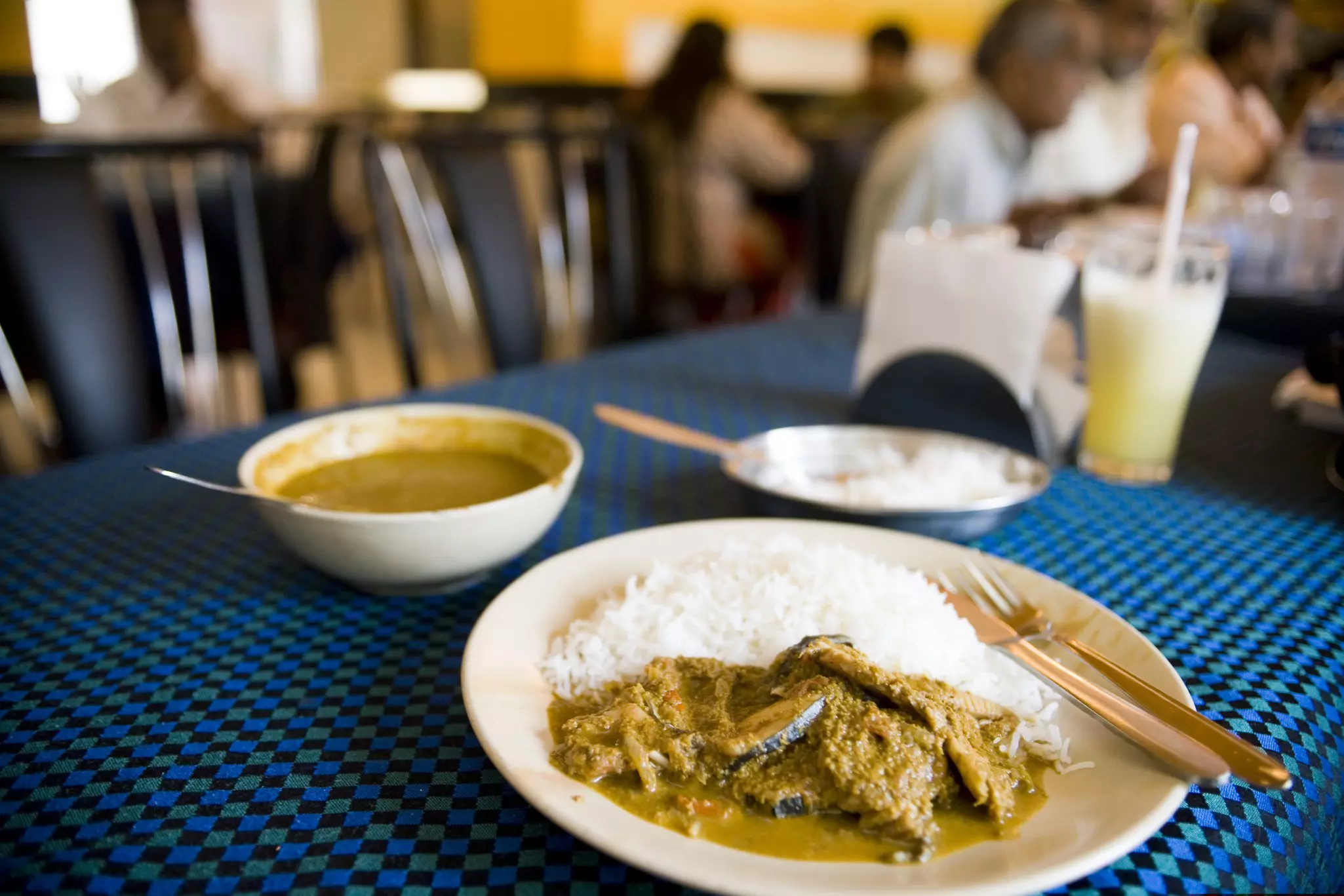
It was well past lunch hour when I reached House No. 2, a food joint that enjoys a local reputation for its rendition of a rustic meal - on the lovely balcony of an old home.it is the ancestral home of the Antao family from Goa and was the second house to be built in the village. Dining here was like slowing down, just like a local- sitting in his balcony, watching the world go by.
Author’s sneak-bit: I wolfed down homestyle fish curry with heaps of steamed rice and fish recheado. As I tucked into the joys of homecooked food, I realised how a trip to Loutolim had revealed a different facet of Goa.
To come to Goa and not explore its hidden treasures would be to miss out on its fascinating history. And it’s the same with Loutolim!
You might also like: Karnataka’s Badami caves are a proposed UNESCO world heritage site Taiwan's psychedelic Rainbow Village The best places to go glamping in India
Explore related stories