A Guide to São Tomé and Príncipe
Feb 3, 2026
9 MIN READ

Writer
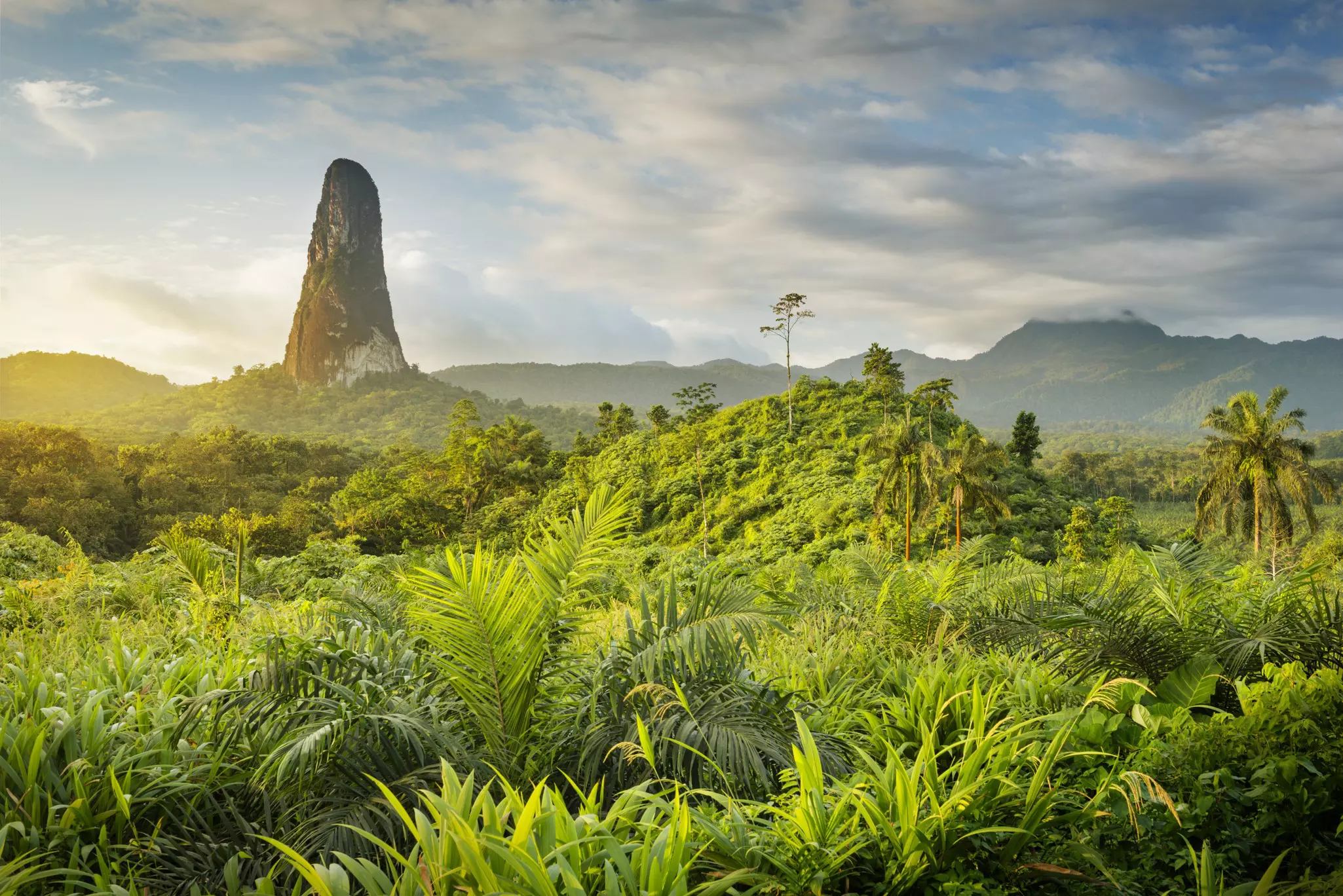
Pico Cão Grande rises over the Rio Caué. Xinovap/Shutterstock

Writer
Highlights
Writer Anthony Ham introduces São Tomé and Príncipe, Africa's charming island secret.
Visit June to August for dry weather; budget two weeks to truly savor the islands.
Hike past Pico Cão Pequeno in southern São Tomé or snorkel Príncipe's Baía das Agulhas.
Bring euros in cash, learn some Portuguese and budget around €100 per person per day.
Lonely Planet may earn a commission from affiliate links on our site. All recommendations and reviews reflect our own independent opinions.
Floating in the Gulf of Guinea off Africa’s west coast, São Tomé and Príncipe is one of the continent’s most charming secrets.
Made up of two main islands, São Tomé and Príncipe, and a collection of smaller islets, the archipelago might seem remote and inaccessible, but direct flights run here from Lisbon in Portugal, recalling the islands' history as a Portuguese colony until 1975.
In times past, São Tomé and Príncipe were associated with sugar and slavery, but today, the islands are best known for their long and deserted beaches, towering outcrops and landscapes cloaked with tropical vegetation.
But there’s something more here – in a word, harmony. On these islands, nature holds sway and the people move in respectful tandem with the natural world. Those who make the long trip here will find superb landscapes and a tourism industry in sync with its surroundings.
Expect quiet pleasures like lingering over a banquet of moqueca de peixe (fish stew) and gloriously named blá-bla (smoked fish) while gazing out over the Atlantic. This is a tropical archipelago where you can hike through the forest to a palm-backed beach and enjoy being the only one there.
Interest piqued? This guide will tell you everything you need to know for your first visit to São Tomé and Príncipe.
When should I go to São Tomé and Príncipe?
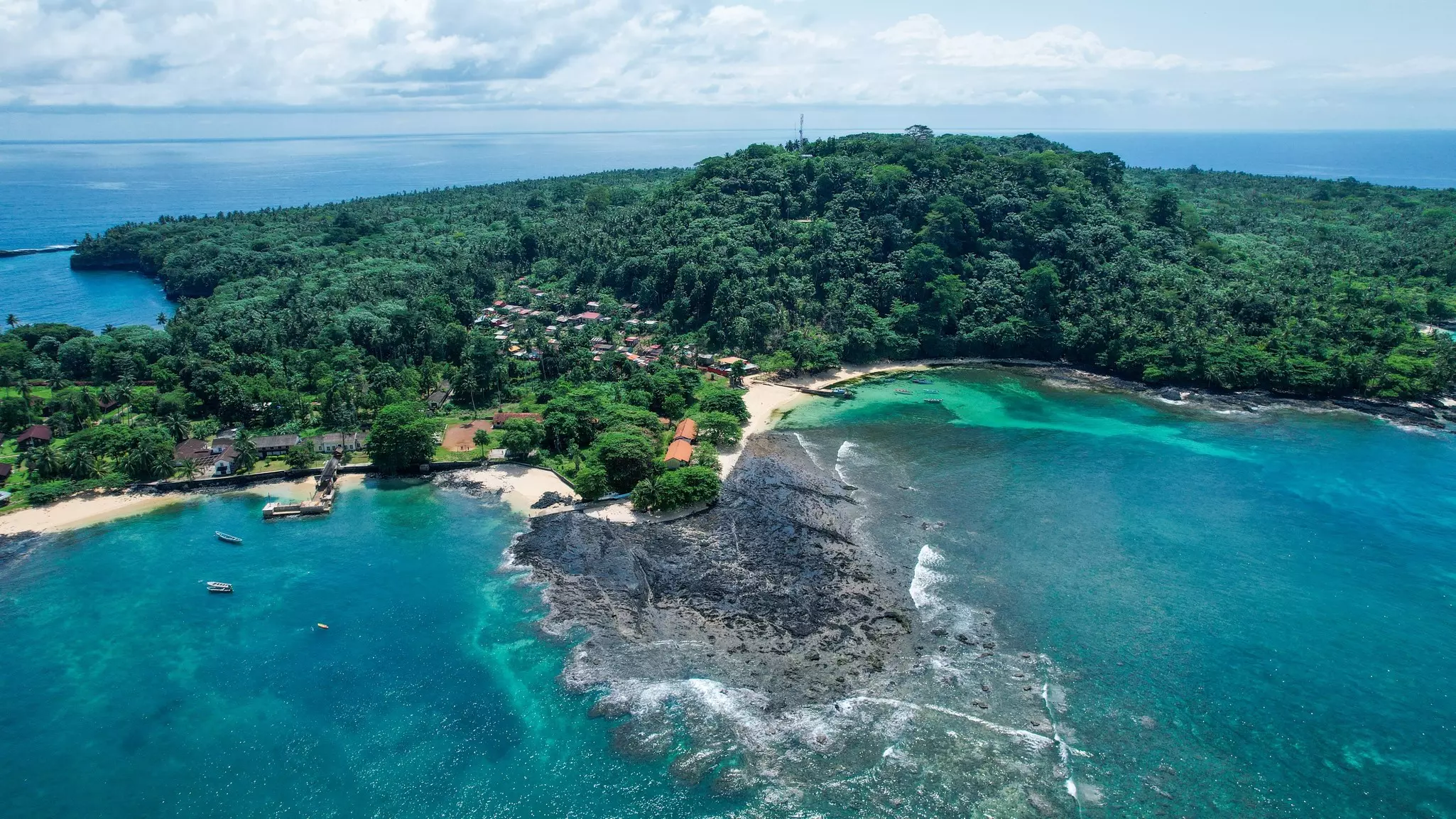
The busiest time to visit – though that's a relative term, given the wonderfully low visitor numbers – is between June and August. These are the driest months, and they coincide with European summer holidays, drawing holidaymakers from Portugal, who make up the bulk of tourists to the islands.
To avoid even the hint of a crowd, come in June, before Europeans set off on summer vacations but when the weather is already lovely. Note that while deep-blue skies are the norm in summer, in the tropics, it can (and often does) rain at any time – there's a reason the countryside is so lush and green!
There are two shoulder seasons in São Tomé and Príncipe. The first, from March to May, begins with the last rains of the wet season in March and April; May can be magnificent or torrential, depending on the year. The same applies from September to November, only in reverse. But the rain usually appears in the form of dramatic afternoon storms that disappear almost as soon as they arrive.
December to February is the rainy season, but the island can still be busier than usual due to the Christmas and New Year holidays in Europe. However, with near-constant rain, this isn't the best time to enjoy the beaches, and indoor activities are limited.
How much time should I spend in São Tomé and Príncipe?
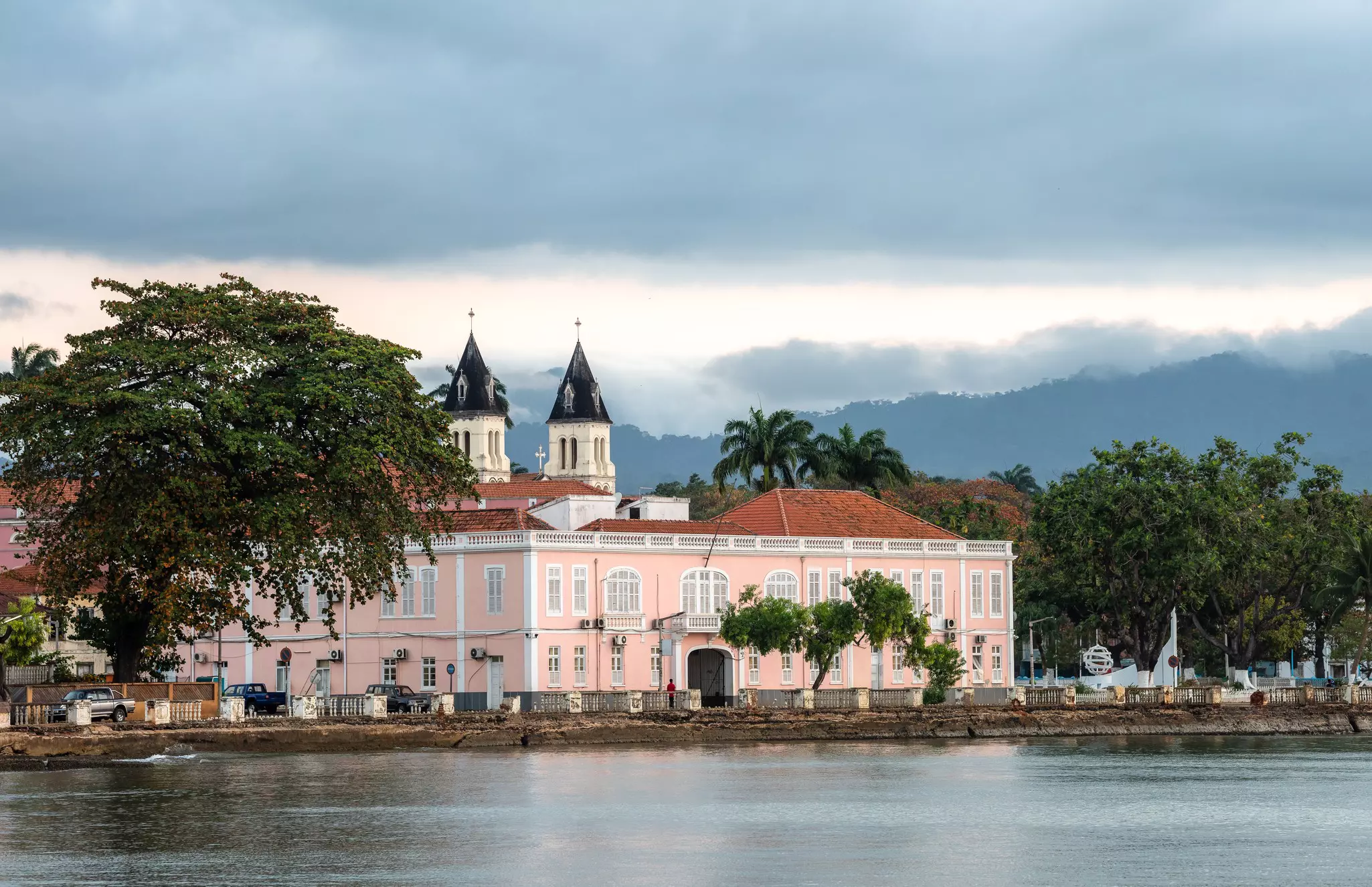
It’s feasible to see most of what this compact country has to offer in 10 days. Yet two weeks would be ideal for truly taking it all in. São Tomé and Príncipe deserves to be savored, rather than just “seen” and “done,” and budgeting an extra day or two for rain disruptions is never a bad idea. As well as enjoying the must-do experiences, any trip here is enhanced by slowing down and embracing the languid pace of life.
Is it easy to get into and around São Tomé and Príncipe?
Broadly, yes – but some aspects of a visit here require careful planning. Flight options for São Tomé and Príncipe are limited. If you don’t fly directly from Lisbon, you should count on connecting via Libreville in Gabon or Luanda in Angola. Because of the lack of competition, airfares from anywhere to the international airport on São Tomé tend to be expensive.
Once you arrive, however, domestic flights between islands open up the country. Boats between São Tomé and Príncipe can be overcrowded, slow and even dangerous – so book ahead to catch one of the regular flights between Príncipe and São Tomé offered by STP Airways.
Unlike many African countries, São Tomé and Príncipe makes things easy when it comes to visas. Citizens of the US, Canada, UK and most European countries don’t need a visa for a visit of fewer than 15 days; travelers with most other nationalities (or those staying more than 15 days) can apply for an e-visa.
Unless you’re on a tour with all travel arrangements taken care of, it makes sense to rent a car on each island you visit. International car rental companies don’t operate here, so the easiest way to arrange this is through your hotel, with a local driver and guide. If you want to plan on driving yourself, you’ll need an International Driving Permit (unless your license was issued in Portugal).
Top things to do in São Tomé and Príncipe
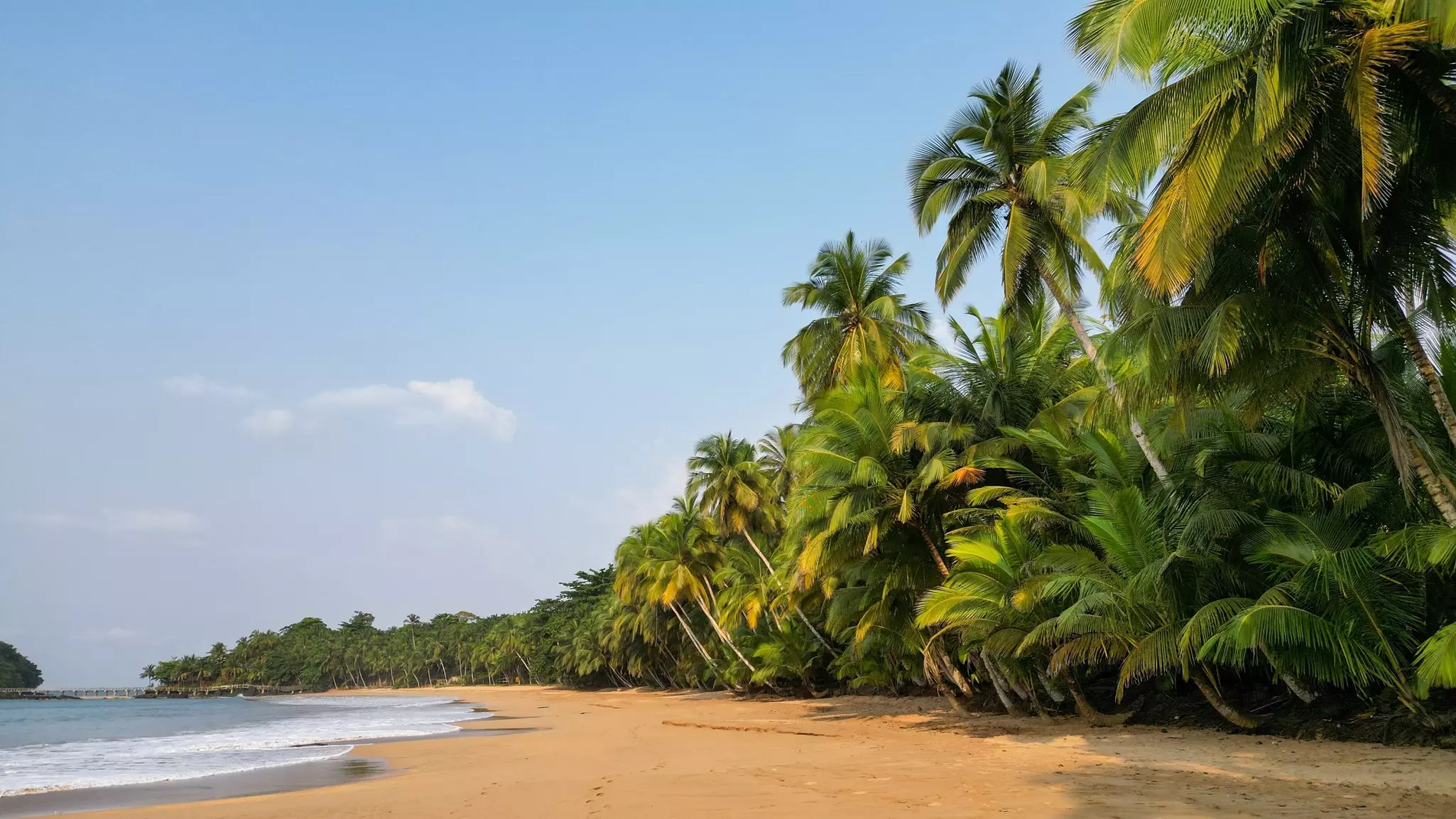
Verdant forests carpet the countryside and beaches encircle São Tomé and Príncipe, so most visitors focus on nature and enjoying the coast. Eating fabulous seafood, hiking to pristine beaches and climbing to volcanic summits are some of the most popular things to do here.
Savor the seafood of northern São Tomé
You’ll eat well wherever you go in São Tomé and Príncipe – even a plate of freshly frilled fish from a roadside stall makes for a guaranteed good meal. Yet to really elevate things, head for São Tomé’s northern coast, where two spots – the Mucumbli ecolodge and the Celvas restaurant in Guadalupe – do remarkable things with white grouper, amberjack, swordfish, spider crab and octopus.
The smell of the sea air, the profusion of tropical vegetation and the combination of local ingredients with Portuguese flavors mean you’ll find yourself looking for reasons to be in the area whenever lunch or dinner draws near. Mix things up by ordering feijoada à moda da terra, a rare land-based preparation of stewed beans. To fill the time between meals, you could always spend the afternoon swimming in the bath-warm waters of nearby Praia dos Tamarindos.
Be awed by nature in southern São Tomé
Things start to get wonderfully weird as you head south on the main island of São Tomé. Around 51km south of the capital, Pico Cão Grande thrusts up above the forest – a 663m-high finger of rock that appears to have been generated by CGI. In fact, this tower of petrified magma is all that remains of a long-disappeared volcano.
Rocky protrusions like these are found across the south of the island. Hike through the forest from the tiny hamlet of Santa Josefina and you’ll pass smaller Pico Cão Pequeno (271m). For a really great day out, continue along the Rio do Portinho to the blissfully isolated Praia de Santo António Mussacamú, a tiny cove beach accessible only on foot or by boat.
Lie out alone on Príncipe’s glorious beaches
São Tomé seems to lie apart from the hustle and bustle of the rest of the world, and then you arrive in Príncipe! The second-largest of the country’s islands, Príncipe is home to fewer than 10,000 residents, and its interior is swathed in forest, rich in biodiversity.
Then there are the empty beaches on the coast – some of the world’s best. From the clifftop lookout at Roça Belo Monte, your first view of Praia Banana will be a sweep of elemental colors – deep forest greens, golden-white sands, profound Atlantic blues.
Continuing south along the coast, Praia Macaco and Praia Boi – each accessible along its own winding forest path – are just as pretty. Pick the right day to visit and you may be the only one there.
My favorite thing to do in São Tomé and Príncipe
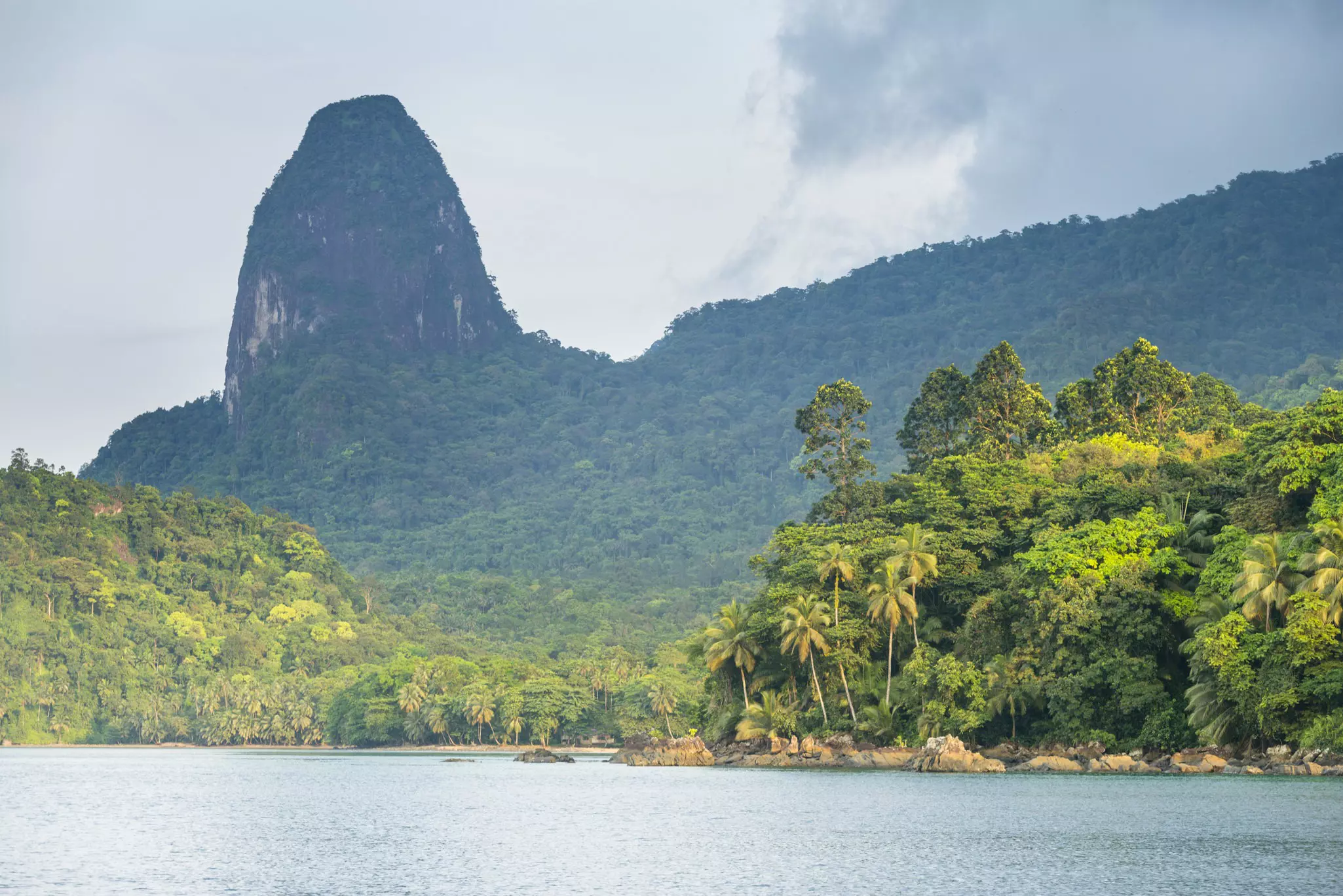
I have seen no body of water in Africa more beautiful than the Baía das Agulhas (Bay of Spires) in Princípe. Looking like a drowned city of skyscrapers cast into stone, the bay is a stunner, with granite towers (called the Father, the Son and the Grandson, and Table Mountain) soaring over the ocean. The only reason this extraordinary place is not packed with people is that very few people know it exists.
There are many ways to experience Baía das Agulhas. You can arrange a scenic (and pricey) helicopter flight through the Bom Bom Resort, or go on a 3-hour boat trip looking for whales (which pass through from July to September). Alternatively, strap on a mask and go snorkeling; if you’re in the water from October to December, you might swim with sea turtles.
How much money do I need for São Tomé and Príncipe?
São Tomé and Príncipe is not a cheap destination – though it’s far more reasonable than other island idylls off the shores of Africa such as Mauritius or the Seychelles. For a top-notch hotel, you might pay €300 a night rather than €3000. On a tight budget, you could get by on €100 per person per day, though this would mean skipping organized tours and sightseeing independently. For a more comfortable stay, expect to spend at least €200 per person per day, although you could spend three times that.
Here are some sample costs:
Hotel room: €40–350 per day
Car/4WD rental: €40–100 per day
A scuba dive by boat: €55
Snorkeling excursion to Ilheu das Cabras: €120 per boat (up to 8 people)
Meal for two at a tourist restaurant: €30–50
Street food, such as riz sauce (rice with sauce): €2–5
Pint of beer at the bar: €3
Is São Tomé and Príncipe safe?
Yes – in fact, São Tomé and Príncipe might just be the safest country in Central Africa, with crime of any kind extremely rare. Still, remember that some smartphones may be worth the equivalent of a local’s annual salary, so be discreet with your valuables. Be especially careful on beaches (leave any valuables in your hotel’s safe), particularly near Morro Peixe, north of São Tomé city.
Bring euros with you
São Tomé and Príncipe is almost entirely a cash economy, with credit cards accepted only at the most luxurious hotels, restaurants and travel agencies. The local currency is the dobra (Db), which you’ll mostly use for smaller transactions such as buying fruit or drinks from a market stall or paying for a meal in a local restaurant.
Everywhere else, it’s increasingly the norm to pay in euros, so make sure you bring plenty of euros with you, in a range of different denominations. Note that US dollars are becoming far less popular (and harder to change) than they used to be.
Learn some Portuguese
It’s a good idea to brush up on your Portuguese before visiting São Tomé and Príncipe. Nearly 99% of islanders speak the language, compared to just 5% who speak English. While that ratio is higher in larger hotels and restaurants that cater to tourists, it’s not by much. Nearly one-third of people here use Forro, a kind of Portuguese Creole, for day-to-day conversations.