Feb 18, 202613 min read
An Unforgettable Expedition to Antarctica and the South PoleFeb 17, 2026
8 MIN READ
Contributors
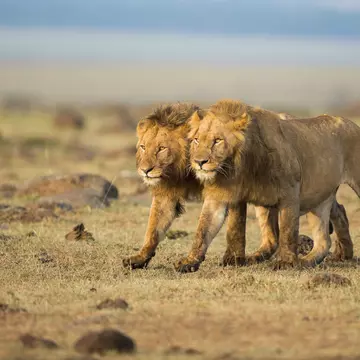
A pair of lions cross the Masai Mara in Kenya. Massimo Mei/Getty Images

Contributors


Sarah Stocking, Deepa Lakshmin
Lonely Planet may earn a commission from affiliate links on our site. All recommendations and reviews reflect our own independent opinions.
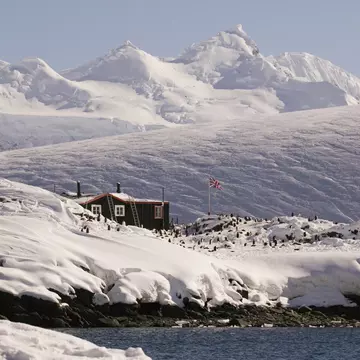
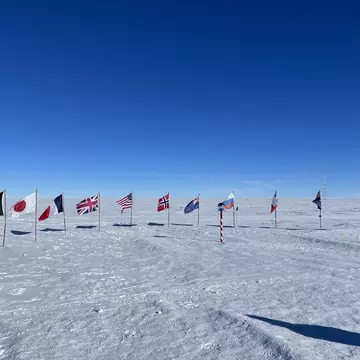
So, you've been dreaming and saving for years, and now the time has come to pick the big trip of a lifetime, but where do you go? For some, a wildlife safari is a no-brainer – getting close to lions, elephants and rhinos in an open 4WD is the stuff travel dreams are made of. Other travelers crave the chance to step off the mainstream travel map into a mystical land of ice and snow, in the company of penguins and orcas in Antarctica.
But given the choice between a dream wildlife safari or an Antarctica expedition, which way should you lean? Here, two Lonely Planet experts make their pitch to help you decide which trip wins in the battle of safari versus Antarctica.
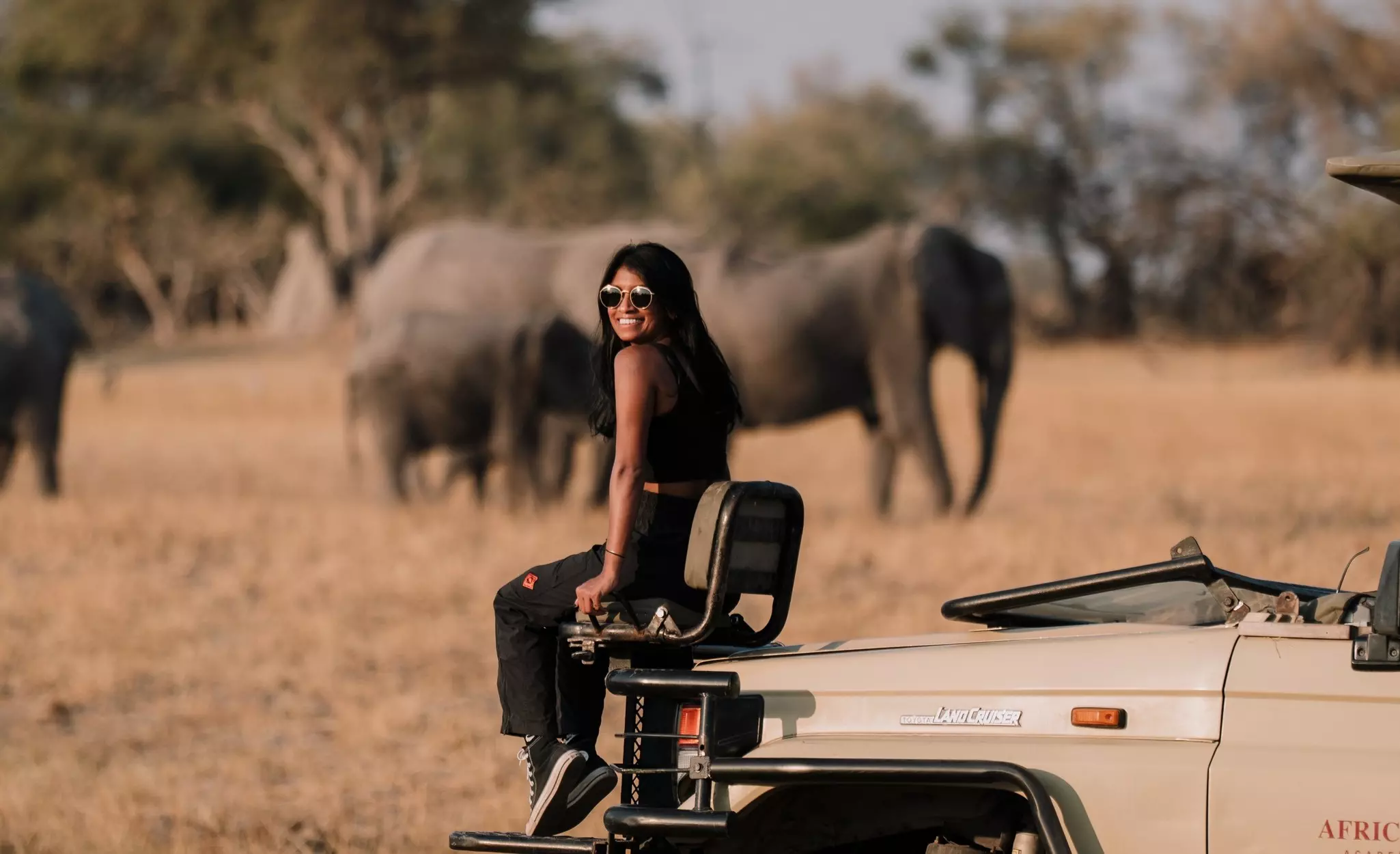
Deepa Lakshmin is the director of social media at Lonely Planet and she has been on multiple safaris over the past decade, including seeing the Great Migration across the Mara River between Kenya and Tanzania, and camping in Botswana’s bush during field-guide training.
Like visiting Antarctica, going on a safari is a once-in-a-lifetime trip for many travelers, yet every safari I’ve had the privilege of taking has been wildly different. In Botswana, I made prolonged eye contact with an elephant. In Kenya, I witnessed two lion cubs take down an unlucky wildebeest. In Tanzania, I searched for rhinos in the Ngorongoro Crater. And in South Africa, I glamped next to a 3000-year-old baobab tree. My next dream trip, fingers crossed: seeing tigers in India!
I always say “yes” to safaris because of the incredible diversity of animals and destinations on offer around the world. There are countless options for every type of traveler, and every budget, and spotting an elephant in Sri Lanka is a totally different experience from spotting elephants anywhere in Africa.
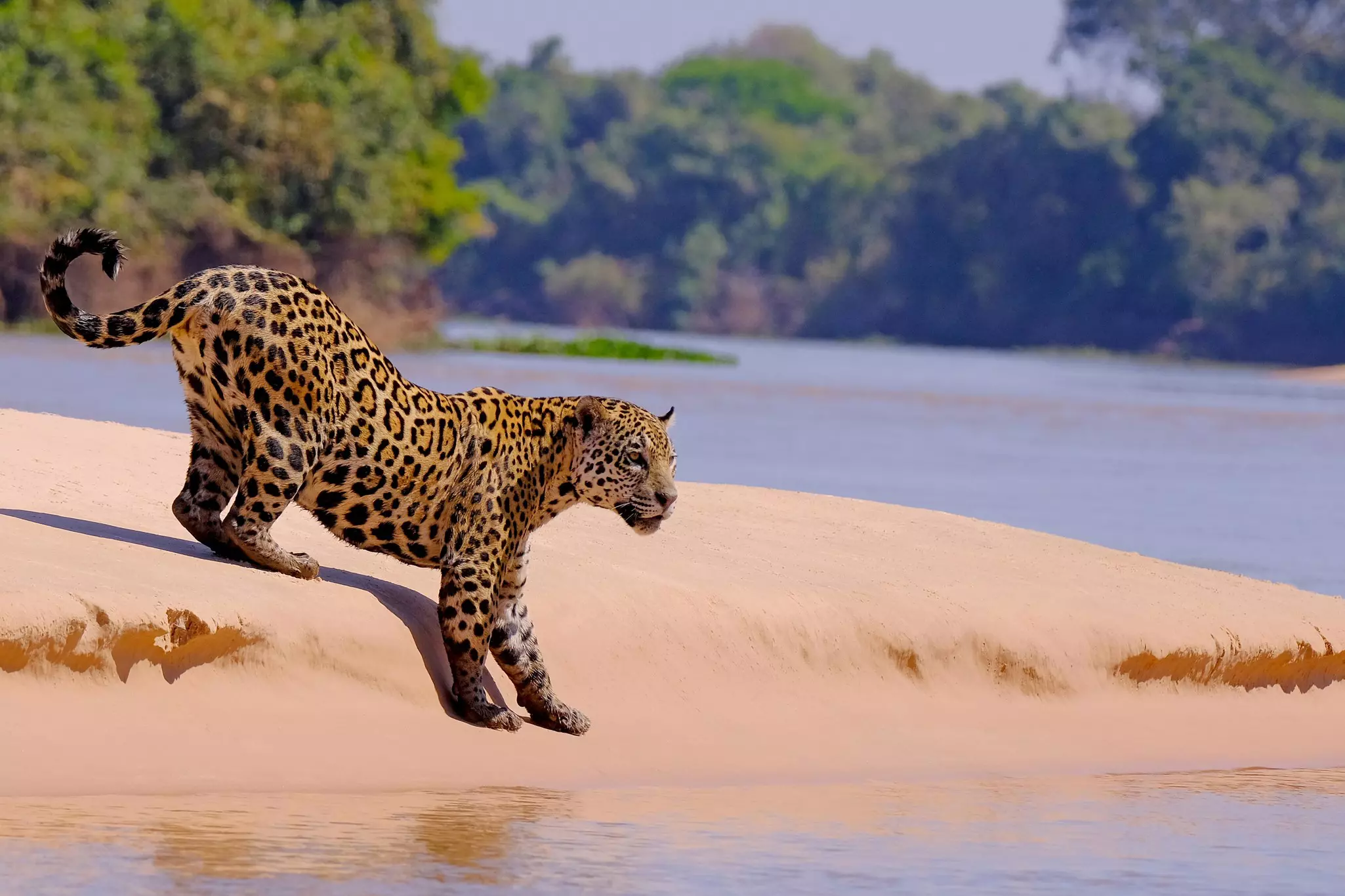
Beyond what I’ve already shared, you could go to Brazil to track jaguars, head to Uganda or Rwanda for gorillas, visit Borneo for orangutans, travel to British Columbia for grizzly bears, or hit Madagascar for lemurs. If you’re into marine life, you can even go on an ocean safari.
Compared to the somewhat fixed options for an Antarctica itinerary – most journeys start from Ushuaia, Argentina, or Punta Arenas, Chile by necessity – safaris are more flexible and can be combined with a longer vacation or some extra beach days. Zanzibar or Seychelles, anyone?
Safaris also give you a glimpse into a broad range of natural life, from spectacular animal species down to tiny (but no less important) plants. Don’t get me wrong, Antarctica has its own critical ecosystem – one our planet depends on – but it’s difficult to get up close and personal with something covered by snow and ice.
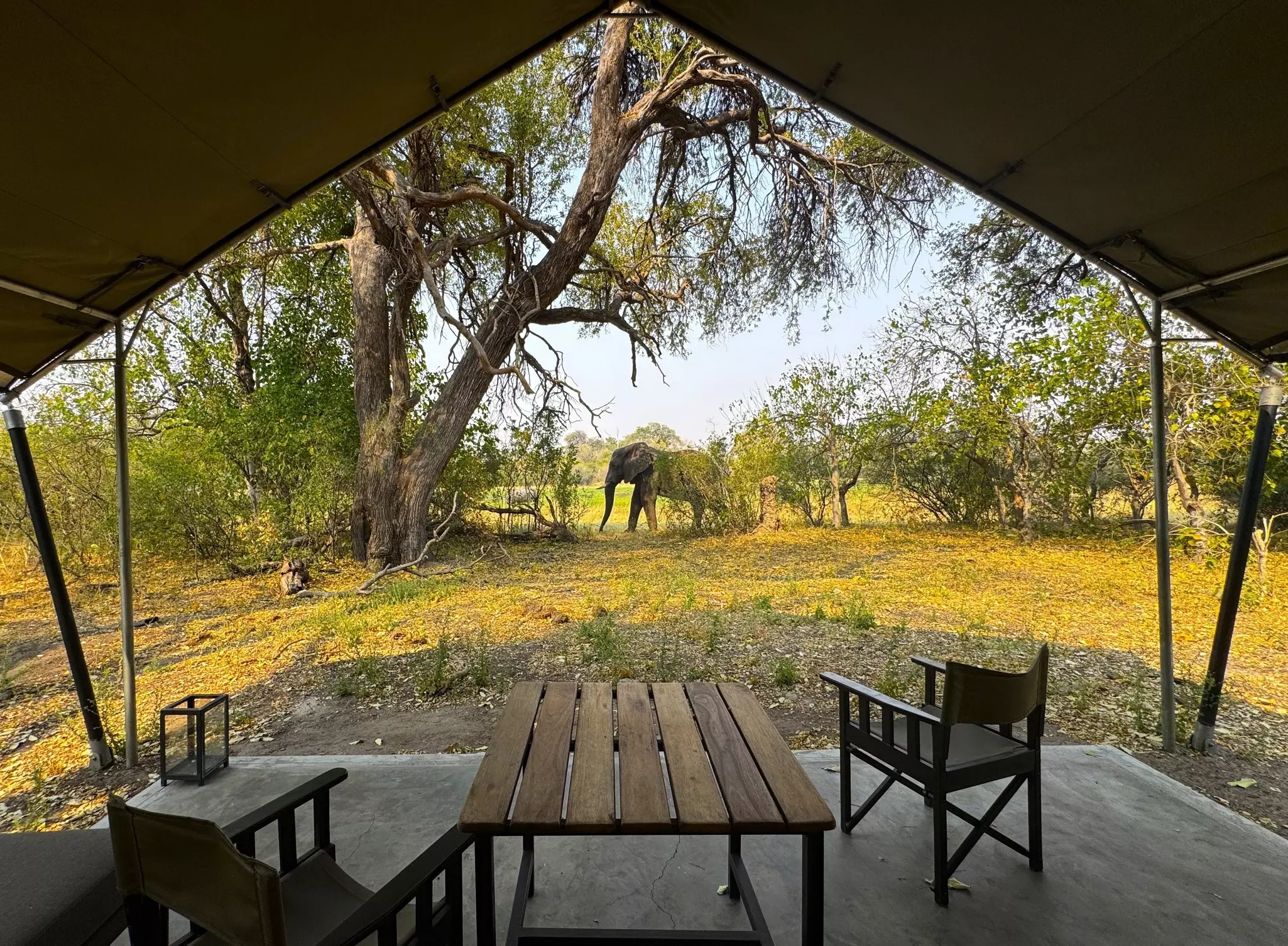
On safari in Botswana’s Okavango Delta, I stood next to termite mounds (some taller than me!) that help to restore the region’s soil. In Limpopo, South Africa, our jeep rolled past plots of land sectioned off for rewilding efforts such as regrowing grasslands and clearing out invasive species. The ecological cycle of life is just an arm’s reach away.
Because of this, most safari-goers (even kids) can contribute to conservation work without any prior training. For example, I spent a week camping in the Okavango bush learning how to be a field guide with Natucate’s African Guide Academy.
At the opposite end of the spectrum, in Limpopo’s Soutpansberg Mountains, I glamped at a solar-powered luxury ecolodge, Few & Far Luvhondo, where ecologists taught us how to collect data on baobabs and took us on educational nature walks.
One of the coolest things I learned is that when a giraffe eats an acacia tree, that tree signals nearby trees to protect themselves by releasing a compound that makes their leaves taste bitter. It blows my mind how interconnected Mother Nature is! All that said, I also need to state the obvious: Antarctica is frigid, and you'll need to wear (and make room to pack) the thickest, puffiest clothes you own.
After visiting the Arctic Circle in February 2024, I know so-called " coolcations" take a lot out of me. I enjoy them occasionally, but I prefer heading somewhere sunny if I’m already living with wintry conditions at home. Any safari, unless you’re looking for polar bears, is going to require fewer layers than the South Pole.
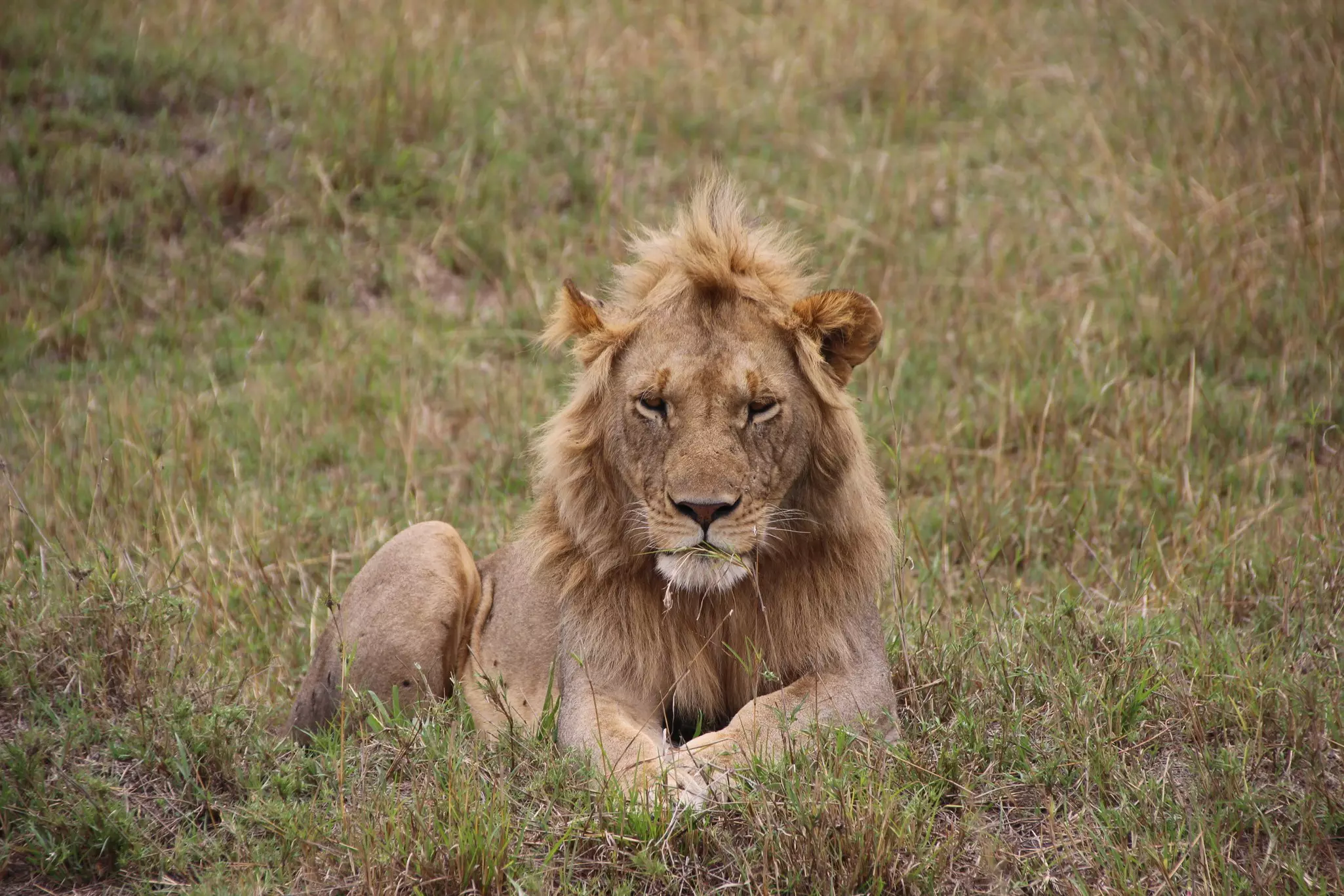
And lastly, a silly but sincere decision-making factor for me personally – I am a cat person through and through, and I get endless joy from watching lions, cheetahs and leopards doing big stretches and slow blinks just like my 9-pound domestic shorthair in my studio apartment. I’m basically visiting his ancient ancestors!
Sarah Stocking is a digital editor at Lonely Planet. Before landing her gig at LP, she cut her teeth in the travel industry, helping people travel to Antarctica and the Arctic and occasionally going along for the ride.
I’ve said it before and I’ll say it again, sometimes safaris make me uncomfortable. In Africa, there is a colonial history that’s hard to come to terms with. Those extravagant lodges and the cost that goes along with them always felt a little over the top to me.
Plus, I’m constantly wondering about the guides carrying guns and what would happen if an animal decided to get too close. I'd hate to feel responsible if it came to a them-or-us situation. And speaking of the animals, are they annoyed by all these humans ogling them?
Don’t get me wrong, Antarctica is going to be a pricey trip, but there is a lot of clarity around how and where you’re spending your dollars. It's a long journey (typically from the south of Argentina or Chile), but you'll be well fed, with three meals a day, and there are so many naturalists and experts aboard these ships that the level of care a guest receives is incredibly high.
But that’s not why I love Antarctica so much, and it's not why I think it's better than a safari. It's because there is nowhere else on Earth where you can experience life without human intervention.
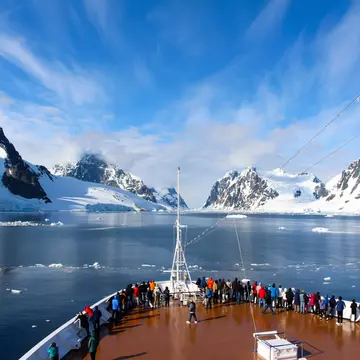
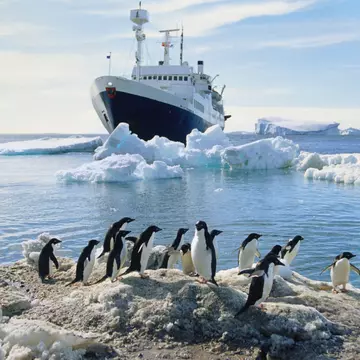
Standing on the deck of a ship headed to the Antarctic Peninsula, you will start to see tiny white terns zip through the air. They look like starfighters. And the naturalist on board the ship will explain that Arctic terns fly from Antarctica to the Arctic every year and you’ll be filled with wonder that something so tiny can journey so far.
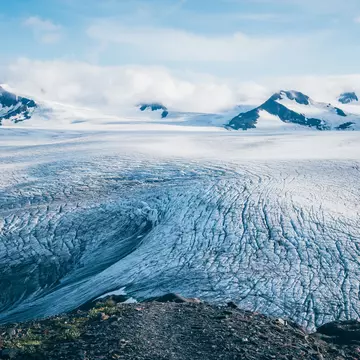
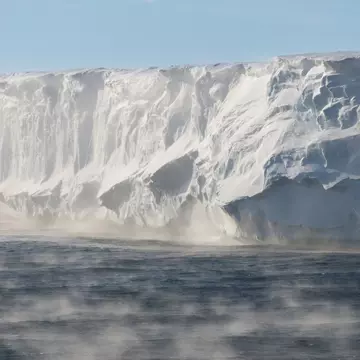
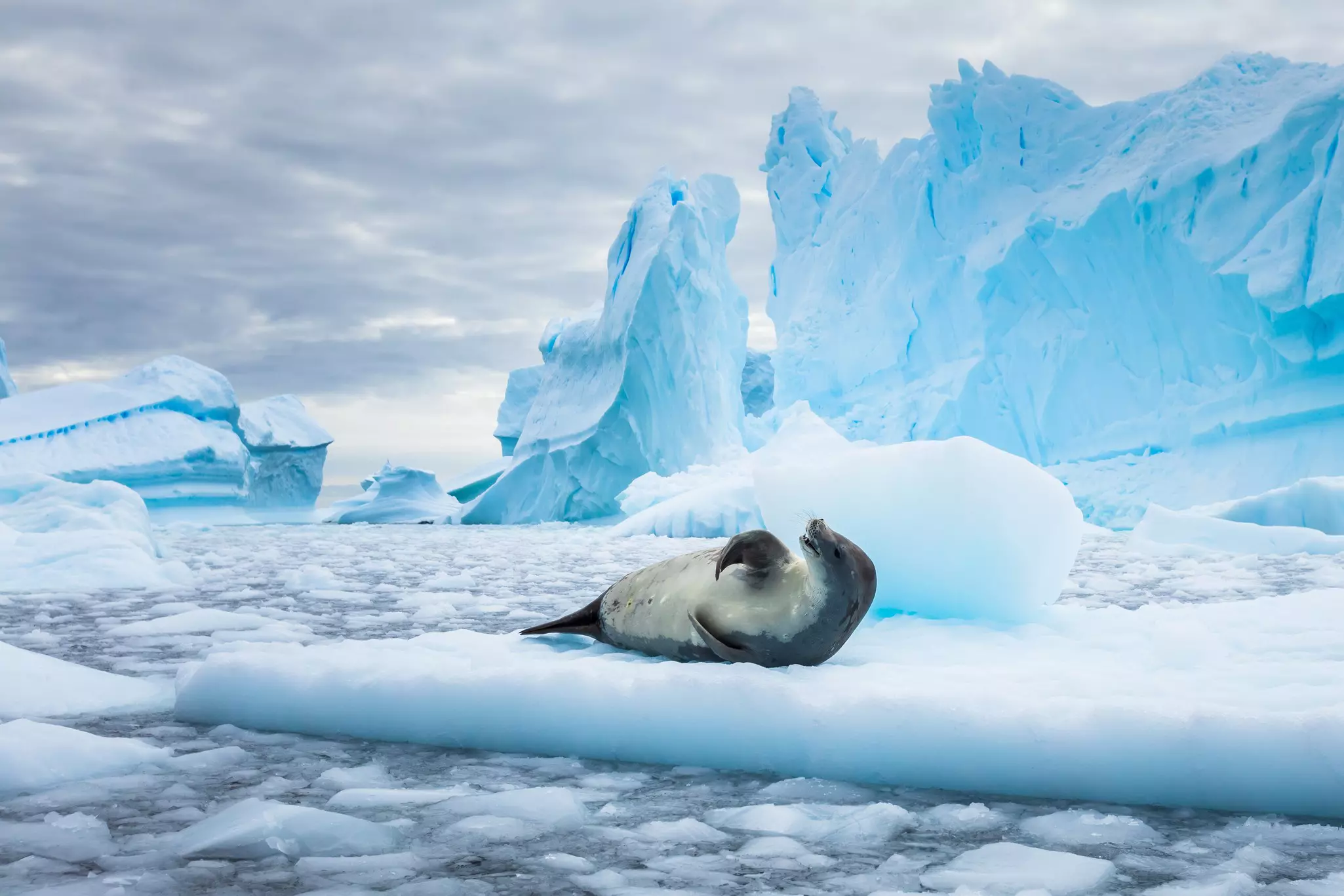
But that’s just the start. Soon you’ll see pancake ice, then larger bits of iceberg, and as those icebergs grow to unfathomable sizes, so will your level of wonder.
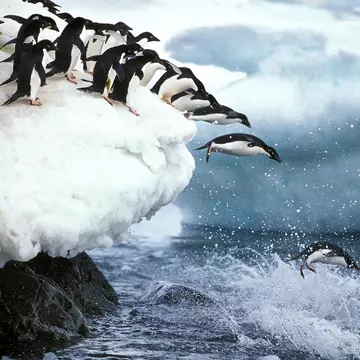
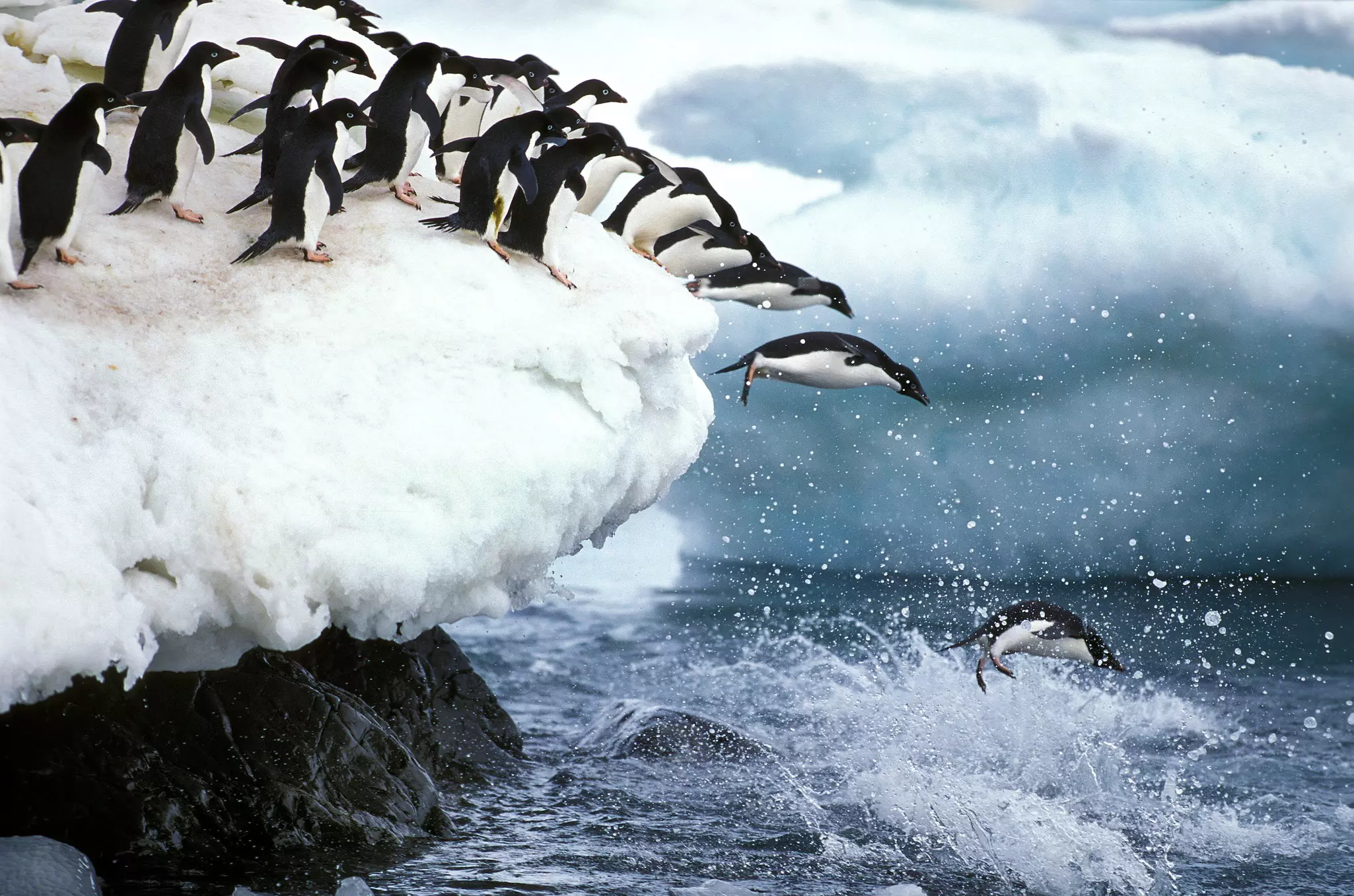
Then you’ll be on the continent, surrounded by the squarks of joyful penguins as they waddle and slide and swim. I sat on the shore of a bay on one excursion, and a little penguin just hopped into my lap and took a little nap.
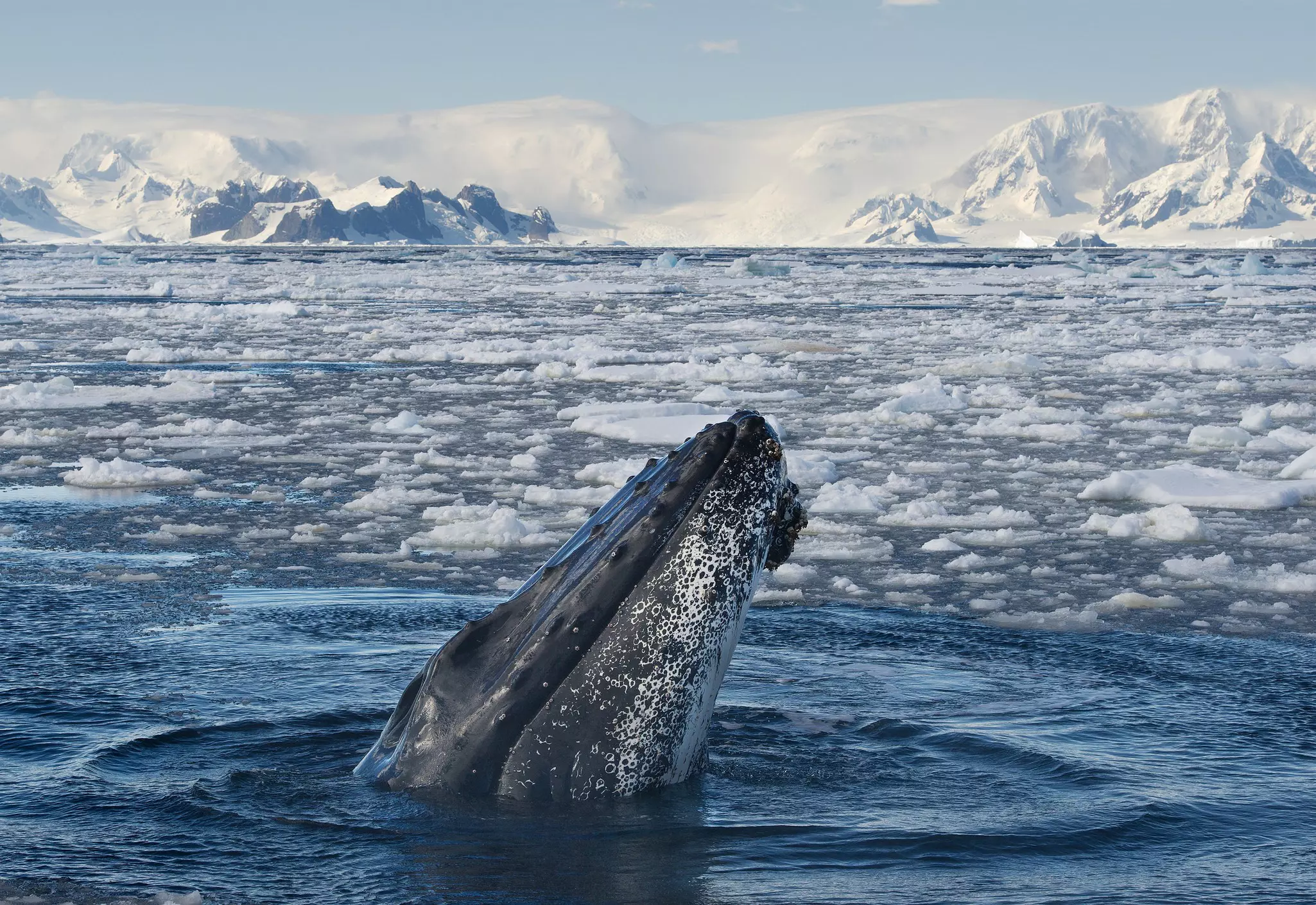
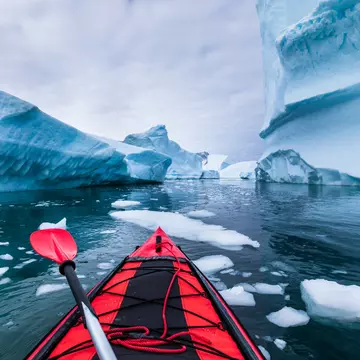
In Wilemena Bay, I kayaked while minke whales swam under me and around me. The next day, a southern right whale slowly rose to the surface of the water as I watched from the edge of a Zodiac boat. It turned its body slowly until it could see me, and it stared at me with its one giant eye for a few moments, before sinking slowly beneath the surface and swimming away.
While taking a safari can grant you a cornucopia of options, a trip to Antarctica is focused on just one place, but that place is exceptionally well looked after. The membership-only association IAATO oversees tourism in Antarctica, and member organizations and operators have to agree on the best way to offer tourism while centering conservation.
This means strict rules and regulations that help protect travelers and also the continent of Antarctica and its wild inhabitants. These regulations help trips run smoothly, help expedition leaders make good choices, and ensure that each trip is not only as sustainable as possible, but also as engaging as possible.
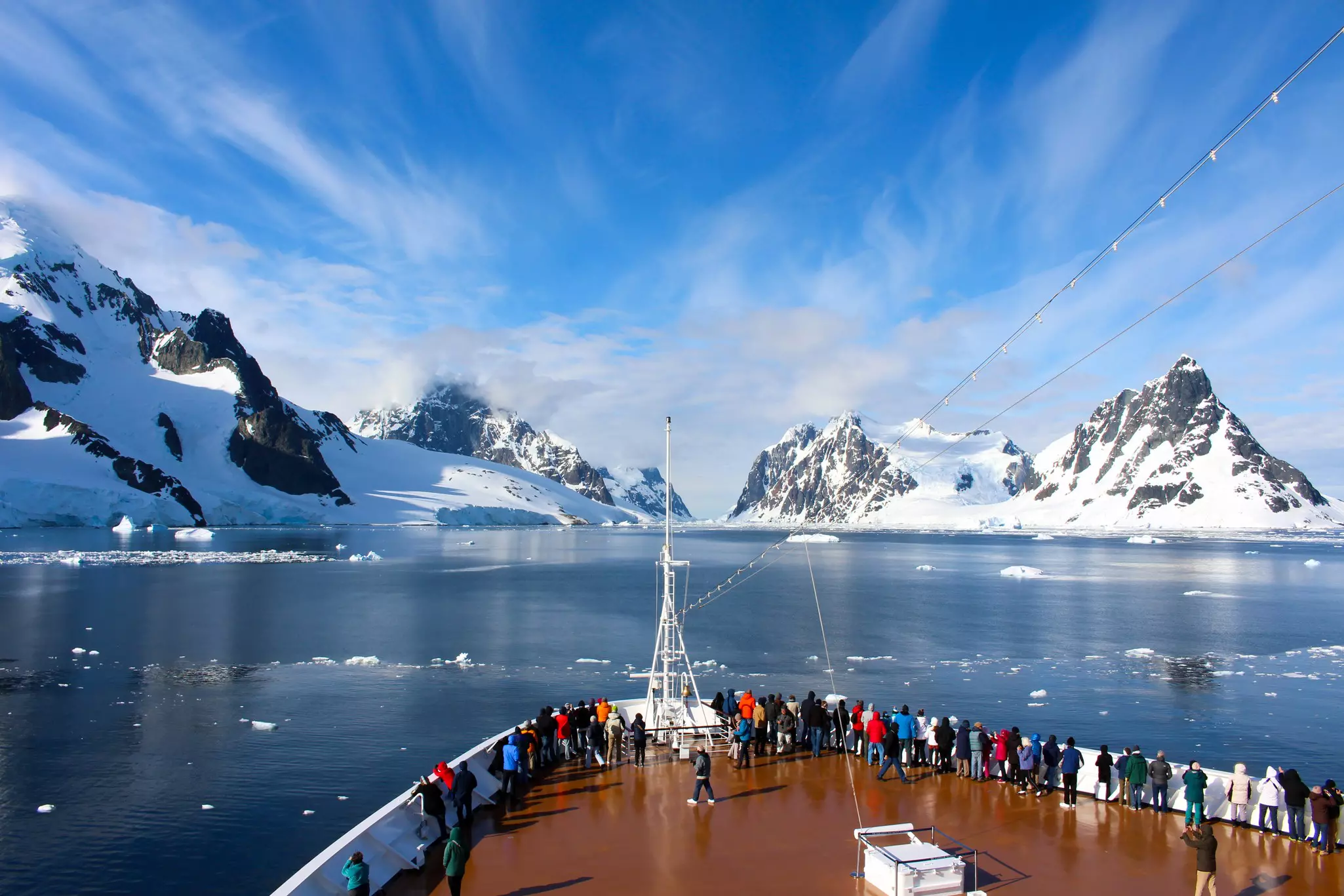
Which leads me to the expedition teams that lead trips to the Antarctic. I can’t speak for safari guides, but guides in Antarctica truly make each moment better. They are passionate, knowledgeable and genuinely feel like each trip they take is the best trip they’ve ever been on.
They will teach you anything you ever wanted to know about seabirds, ice, whales, seals and even how ships function. A trip to Antarctica is like the best science class you ever took, times infinity.
I accept that Antarctica isn’t easy to get to. It's far away, and expensive, and crossing the choppy waters of the Drake Passage might make you queasy. But the wonder and awe you’ll feel at being somewhere so unmatched make it all worth it.
Explore related stories