Feb 8, 202610 min read
A Guide to Solo Travel in BotswanaFeb 8, 2026
10 MIN READ

Writer
GettyImages-1531651320.jpg

Writer
Lonely Planet may earn a commission from affiliate links on our site. All recommendations and reviews reflect our own independent opinions.
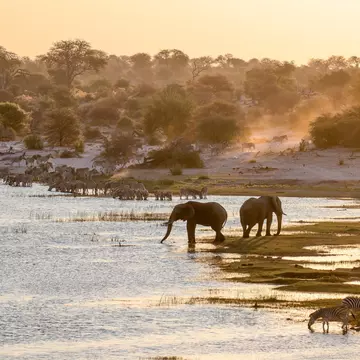
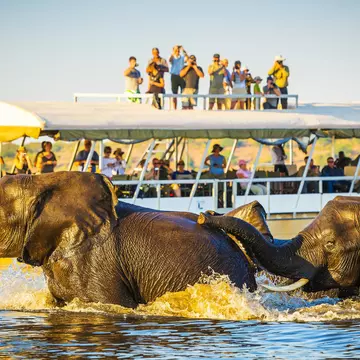
Located in southern Africa, Botswana conjures images of khaki-clad tourists on safari, gazing across the savannah as herds of elephants, lions, antelope, and every other species in the animal kingdom gather to drink at a sundrenched reservoir. Find this in Chobe National Park, one of the best destinations for wildlife viewing on the entire continent. Head southwest to the remote Okavango Delta and you’ll find a smattering of traditional local villages and landscapes so untouched they make you feel like a guest in the home of the wild animals that live there.
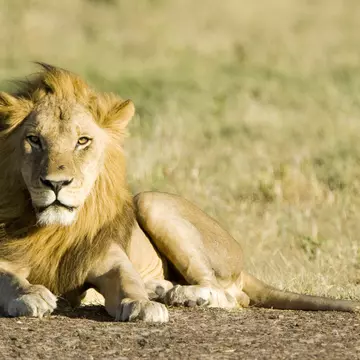
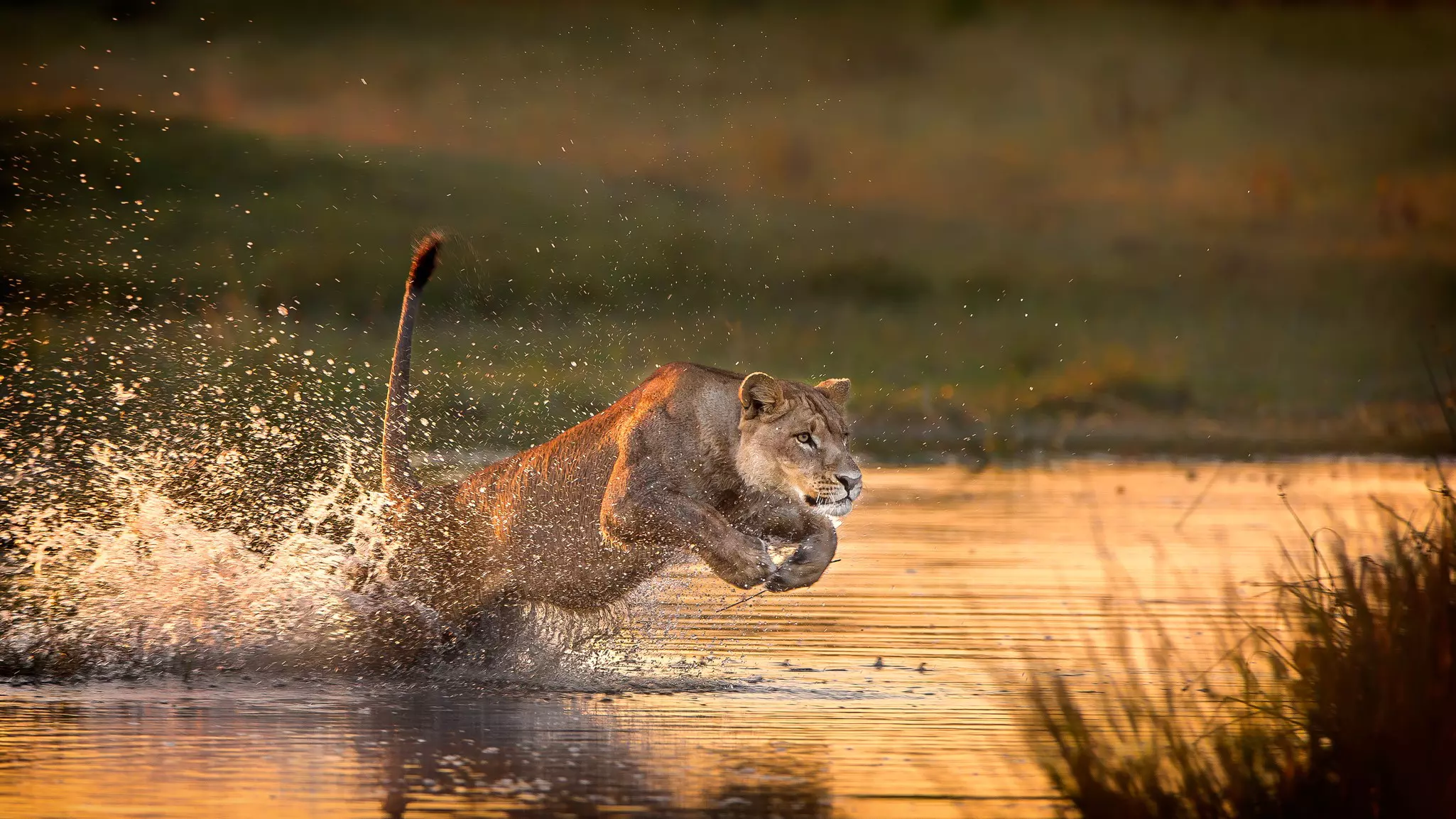
From searching for the Big Five African animals – lion, leopard, elephant, buffalo and rhino – on game drives to camping out under impossibly starry skies, Botswana has everything you think of when you imagine a quintessential African safari.
But this country is more than just migrating zebras and meandering giraffes. It also has a rich culture, an upscale hospitality scene, and a convenient location that makes it the perfect jumping off point for exploring more of the region.
Due to its relatively low crime levels, decent standard of living, and reputation as one of the safer African countries, Botswana is well suited for solo travelers. However, having done it myself, I would still recommend joining an organized tour or, at minimum, hiring a guide to accompany you on safari, as Botswana can be particularly challenging to navigate on your own.
Here's all you need to know before booking your trip to Botswana.
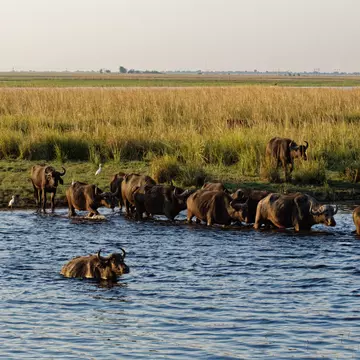
Visiting during Botswana’s dry season, which runs from May to October, is ideal. This is widely accepted as the best time of year for game viewing as animals congregate around watering holes and, as a result, your chances of seeing a wide variety of wildlife are higher. During this season the topography lends itself more easily to accessing harder-to-reach destinations, like the Okavango Delta.
Conversely, Botswana’s wet season runs from November to April, and offers generally lower prices (a plus for budget travelers), and significantly rainier weather. On the one hand, the rains bring lush, green landscapes and prime bird-watching. But on the other, flooding during this period makes roads that are already in poor condition impassable, so areas like the Makgadikgadi Pans and parts of Chobe National Park become inaccessible. This is something to consider, especially if it’s your first visit to Botswana and you’re looking to get the classic experience.
Four days is the absolute minimum amount of time needed to experience Botswana, though I’d say between seven to 10 days is the sweet spot if you want to cover the highlights. More time will offer you greater opportunities for game drives – both during the day and at night as you search for nocturnal animals – which enhance your chances of seeing all of the Big Five. A week or two will also afford plenty of time to visit and enjoy multiple parks and reserves including areas that are more isolated.
Well positioned for exploring more of southern Africa, you may also want to consider extending your trip to the surrounding countries. Visiting Victoria Falls in neighboring Zambia and Zimbabwe is a worthy addition, as is popping over to Namibia to experience Sossusvlei's dramatic desert landscape. You’ll have to fly to reach Johannesburg, Cape Town, or iconic Kruger National Park in South Africa, but if you have the time, it’s an excellent choice.
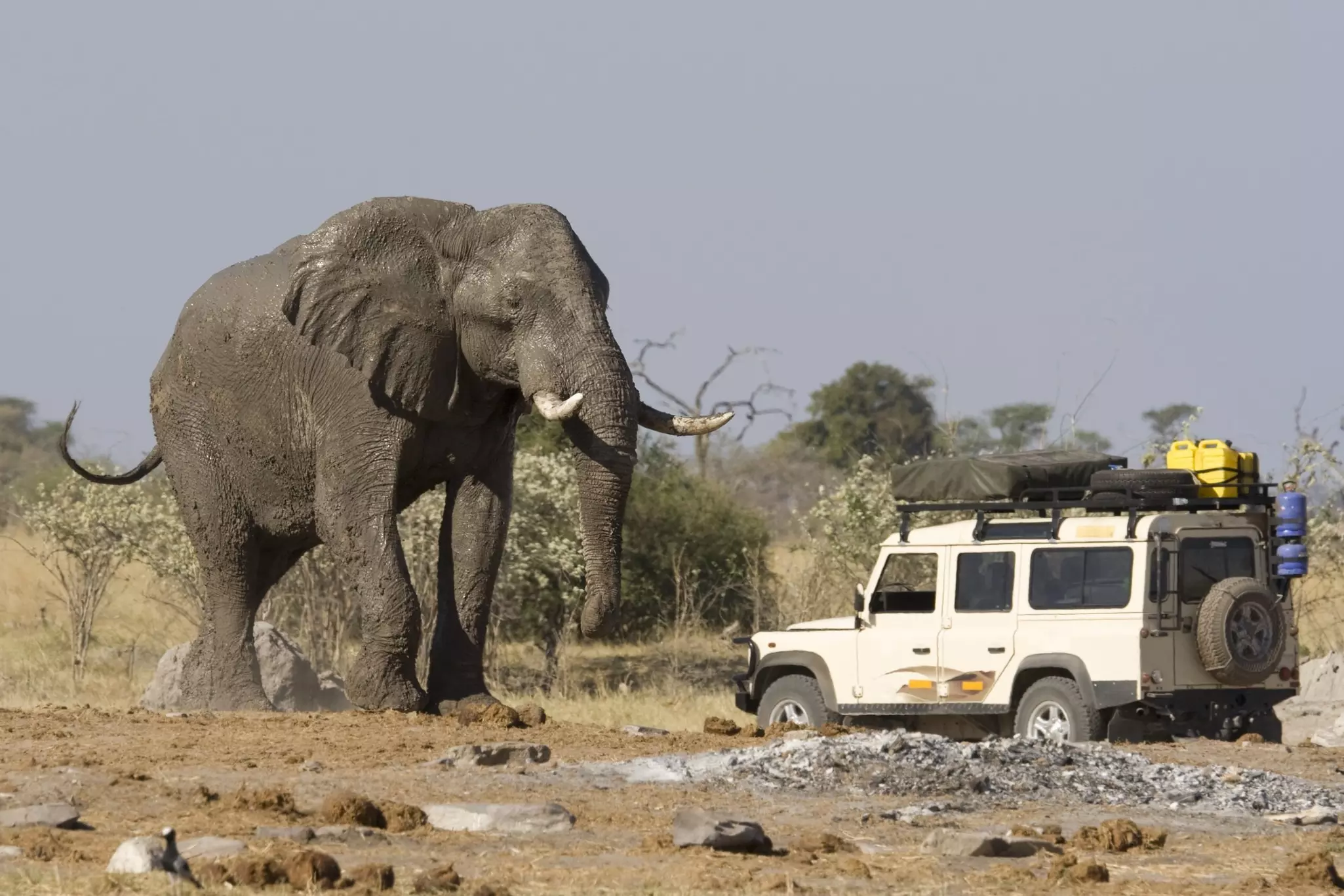
There are four international airports in Botswana, including in Maun, Gaborone, Kasane, and Francistown, so it’s easy to book flights in and out of the country. However, after you arrive, the best way to get around the country is either by joining an organized tour (which is a convenient option that offers numerous benefits outside of transport alone, especially as a solo traveler), or by renting your own car (be sure it’s a 4WD vehicle if you choose this option, as roads in Botswana are notoriously uneven).
Using public buses is feasible for getting to and from major cities, and getting around within the cities themselves, but truly the parts of the country you’ll want to explore are situated outside of the metropolitan hubs.
It probably shouldn’t come as a surprise that the best things to do in Botswana are nature- and wildlife-oriented. From pristine Chobe National Park to the vast Makgadikgadi Salt Pans, you won’t want to skip taking at least a few game drives, experiencing a safari lodge, and immersing yourself fully in a wild, untouched corner of the world.
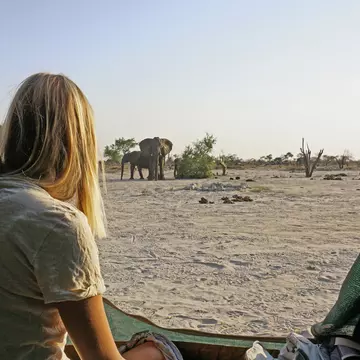
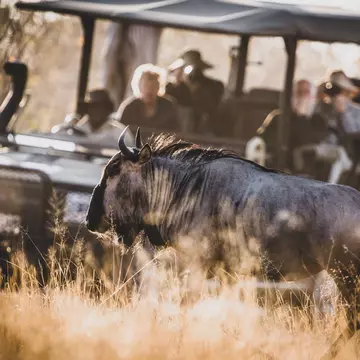
Among the richest locations in Africa for viewing wildlife in its natural habitat, Chobe National Park should not be missed during a trip to Botswana. Whether you plan to self-drive or join a guided tour, be sure to partake in early morning, late afternoon, and evening game drives for the opportunity to see the full spectrum of animals as they exist in the wild. Going with an expert safari guide is a great way to experience the park, as they know exactly where and when to go as well as how to get there, plus the best safety practices to ensure a smooth trip.
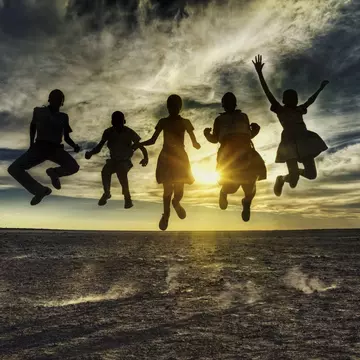
The Makgadikgadi Pans are among the world’s largest salt flats, covering a space that’s nearly the size of Belgium. The flat, endless expanse of reflective wasteland provides the opportunity to capture unique perspective photos including optical illusions (think images where you appear as a giant about to step on a friend who appears much smaller, based on the angle of the shot).
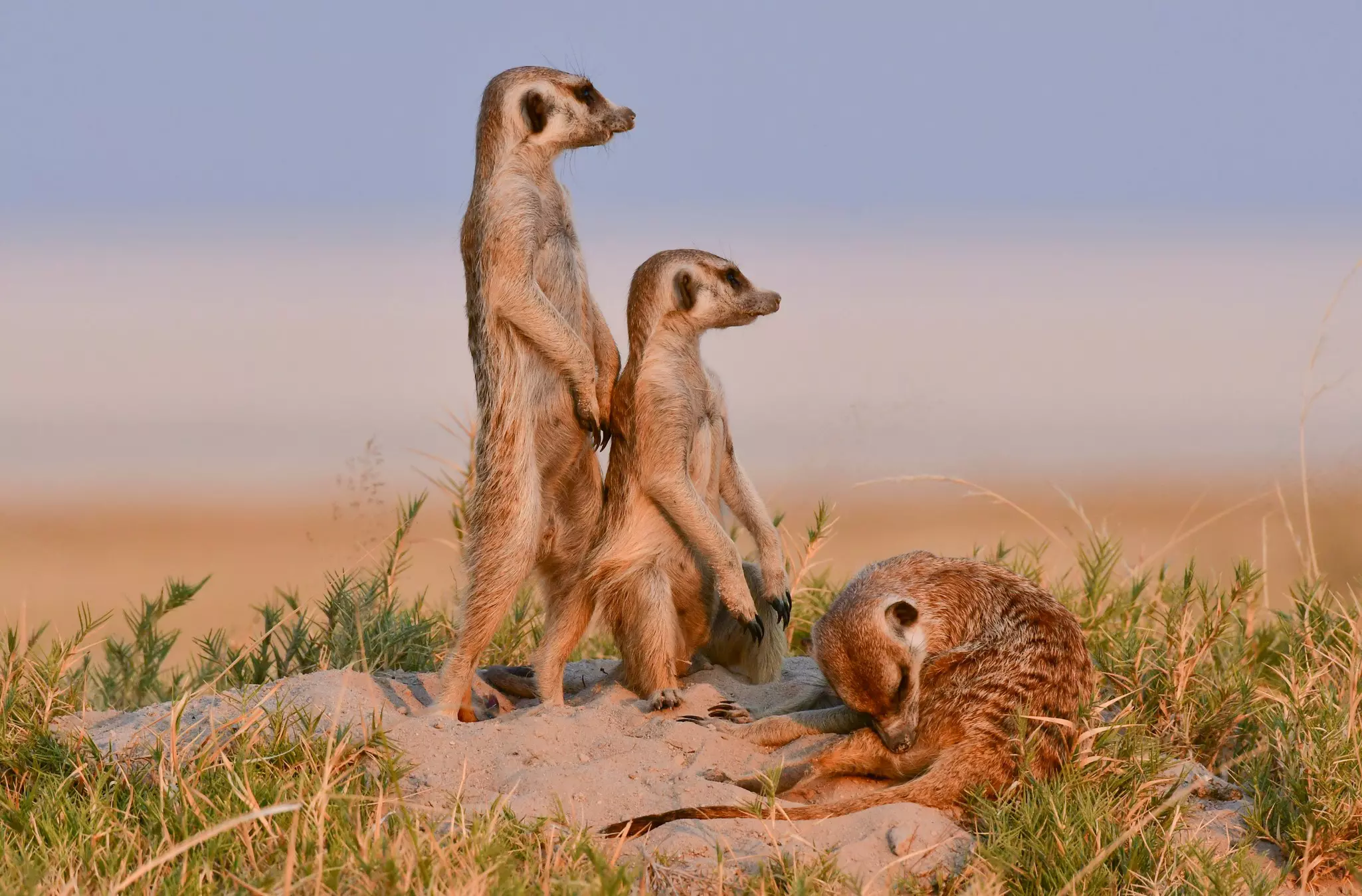
The Makgadikgadi Pans are also home to numerous meerkat colonies, and searching for them as they burrow and scurry about the flats is another can’t-miss experience in Botswana.
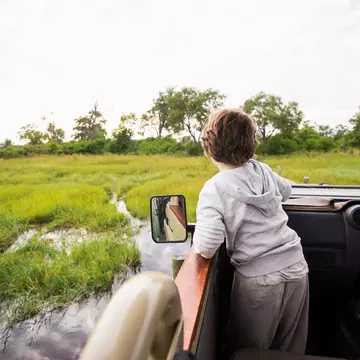
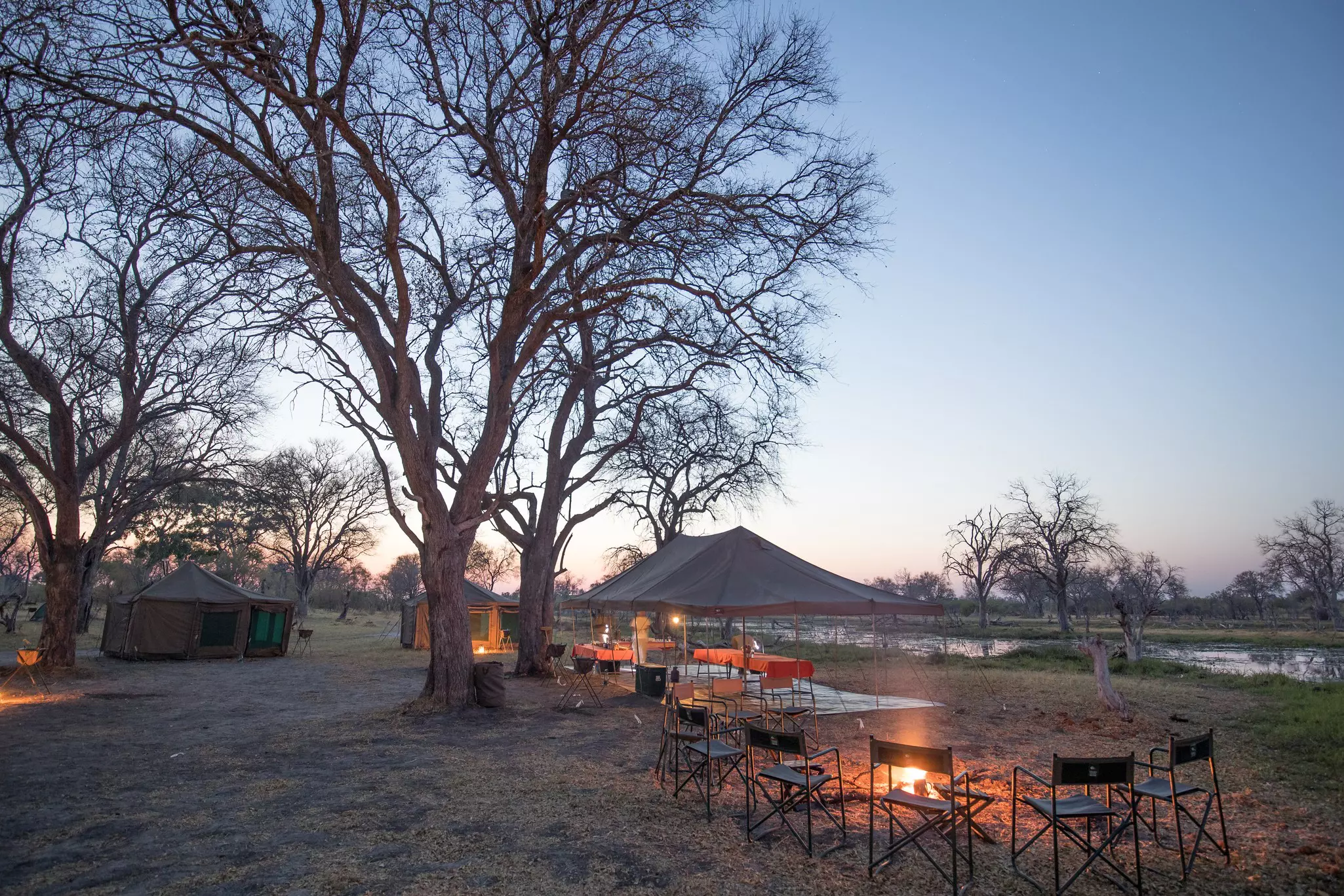
Totally remote and completely off-the-grid, camping in the Okavango Delta is, for many, a once-in-a-lifetime experience. During the day you can explore the untamed landscape on game drives and at night you’ll sit by the fire and gaze up at a sky sparkling with stars.
Campsites are not fenced in or physically separated from the rest of the delta, meaning wildlife will roam freely in and out of your living space, both during the day and at night. While it’s a unique opportunity, it’s recommended to follow expert guidance for protecting both yourself and the animals during your visit.
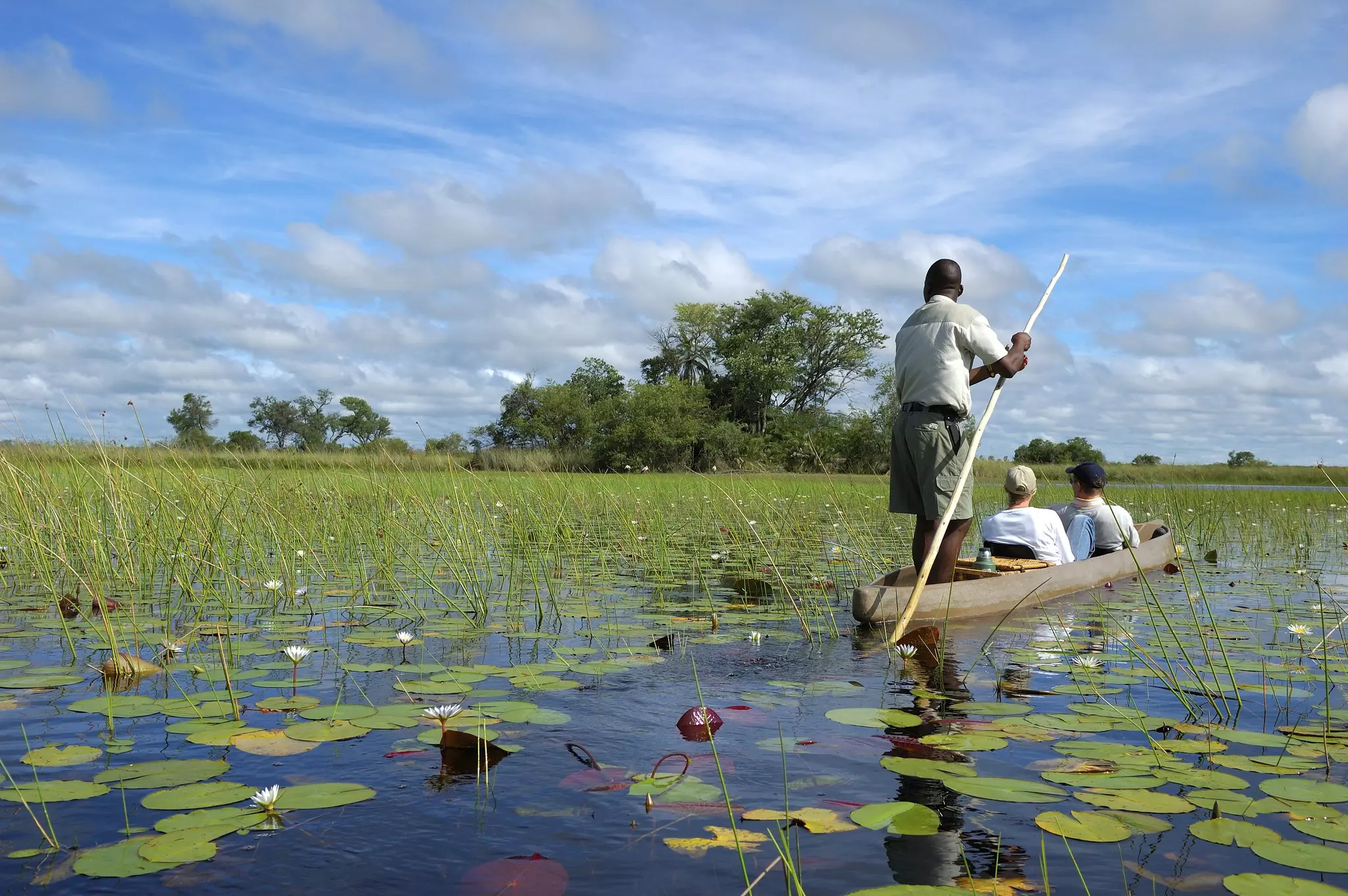
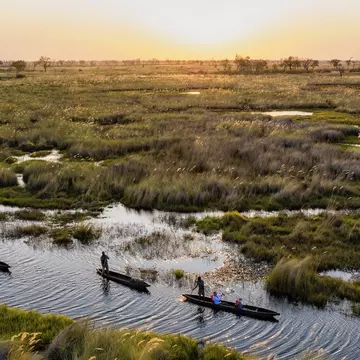
During Botswana’s dry season when the channels of the Okavango Delta are flooded, you can board a traditional mokoro (a dugout canoe, native to Botswana) and enjoy a peaceful ride through the Delta’s reedy waterways. Contrary to typical game drives that keep you at a safe distance from the animals, this serene cultural tour offers a more intimate wildlife experience as you’ll come literally face to face with smaller creatures like frogs, birds, flora and fauna.
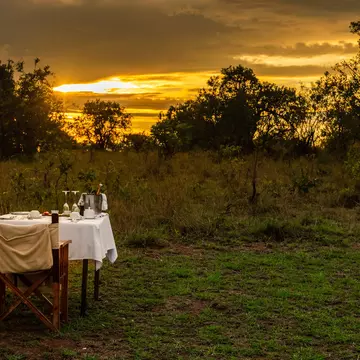
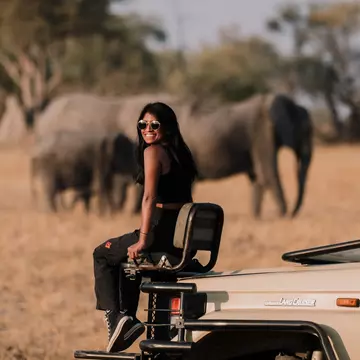
Perhaps unsurprisingly, heading out for game drives on safari, especially in the Okavango Delta, was hands down my favorite thing to do in Botswana. Finishing the day with drinks at a natural watering hole as the sun descended and the sky filled up with a million stars before we headed back to our campsite was an experience I’ll never forget. Being out there in the middle of nowhere, where you are truly unplugged and forced to reconnect with nature is extremely peaceful. It allows you to embrace the present moment and really just BE where you are, simply existing in nature with nothing else to do but drive around observing animals in their natural habitat.
As a solo traveler, joining a Contiki tour (which was ideal for my 18–35 demographic) offered me the convenience of exploring the country with other travelers and gave me the opportunity to visit less accessible places with ease.
Botswana is generally considered to be one of the more expensive safari destinations in Africa, and typically skews toward luxury lodgings and experiences. This is largely due to its “high-cost, low-impact” policy, which aims to limit the number of tourists who visit the country to promote conservation efforts, thereby offering fewer, but higher-end experiences.
Flights to Botswana can be expensive (depending on where you’re coming from), and once you arrive, joining a tour and staying at safari lodges is typically quite pricey, especially if you’re visiting during the high season. For this reason, a Botswana safari is a bucket-list experience for many. However, if you’re looking to visit on a budget, traveling during the offseason, self-driving, and camping out rather than staying in safari lodges can help you cut costs.
7-day all-inclusive tour: US$900–12,000+ per person
One night stay at Chobe Game Lodge: US$690–1290
A craft beer from Okavango Brewing Company: ~US$2
4WD rental car: US$69–205 per day
Campsite fee in Chobe National Park: US$50–70 per night
Botswana is considered to be one of the safer countries in Africa for solo travelers, especially if you plan to join an organized tour. However, it can be a bit complicated to travel completely on your own without the help of a guide or tour group as you’ll need your own 4WD vehicle and are likely lacking the expert-level knowledge for wildlife viewing, safety, and getting around that seasoned guides offer.
That said, taking public buses throughout the country is generally safe, as is self-driving and camping within designated areas. All of this comes with the caveat that solo travelers should take special care by implementing common sense precautions such as avoiding walking alone at night, not carrying flashy valuables in public, and staying on designated roads when self-driving.
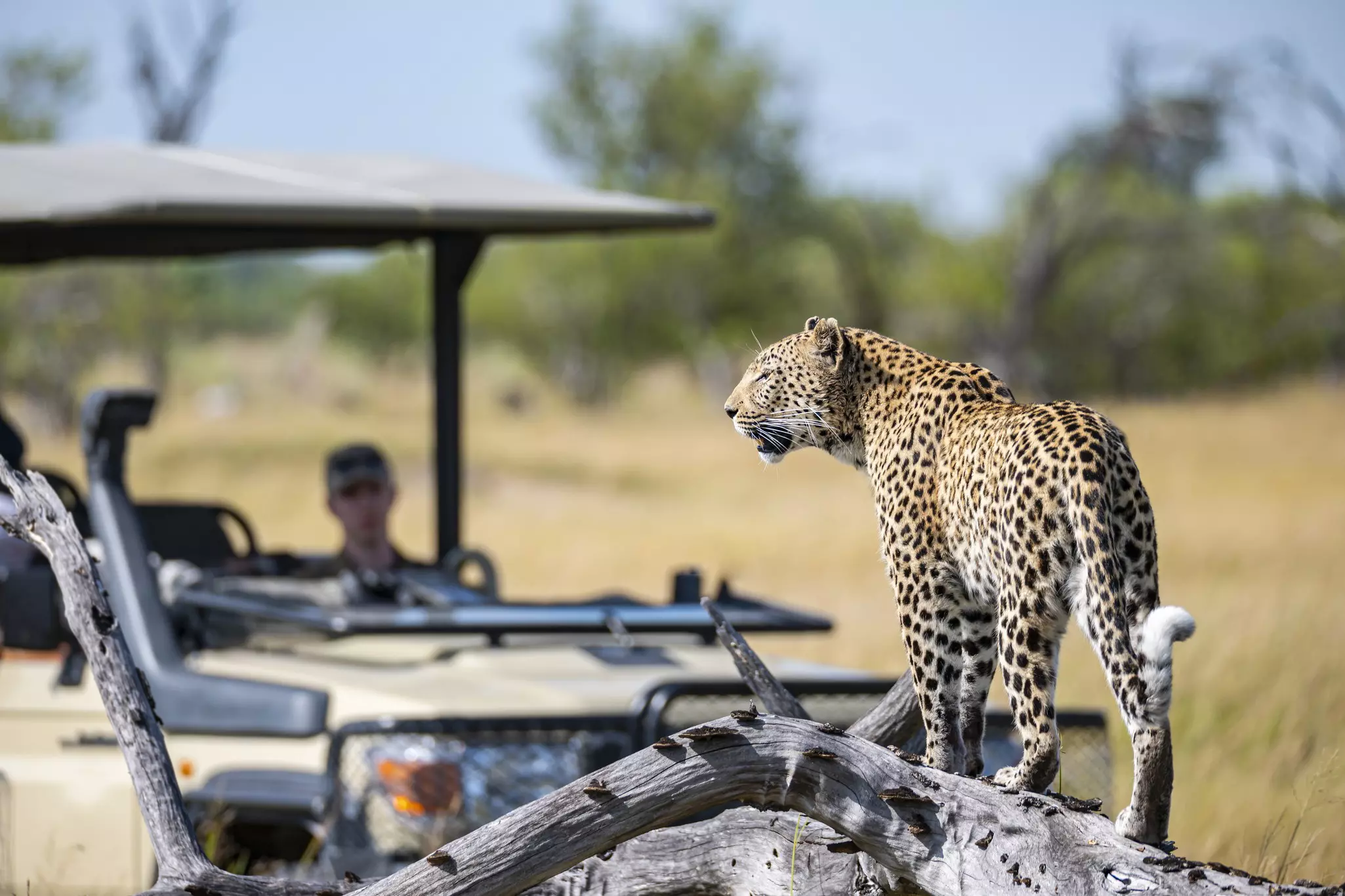
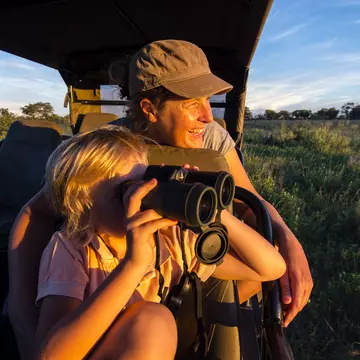
Yes, Botswana is one of the best countries in Africa for finding the Big Five African animals, which are the lion, leopard, elephant, rhinoceros, and Cape buffalo. If you plan to spend multiple days dedicated to game drives (early morning and late afternoon included) and are open to heading out on evening game drives to search for nocturnal animals, your chances of seeing the Big Five are high. Be sure to pack a good pair of binoculars to further increase the possibility of viewing them all.
There’s a reason why you always see people wearing neutral shades of khaki on African safaris, and it’s not purely for the aesthetic! Wearing colors that blend in with the natural surroundings of the bush has numerous benefits, including warding off biting flies and dirt from dusty roads. Wearing bright colors with loud patterns can scare and confuse the animals – which is the last thing you want to do when you’re riding in an open-air safari vehicle – so leave your neon green tank top at home. Lightweight, breathable clothing and multiple layers is also key for staying comfortable and protected in Botswana’s ever-changing weather. Finally, when visiting local villages and rural areas, women should be sure to dress more modestly out of respect for local customs.
Book your Botswana trip with Lonely Planet Journeys
See Botswana how it's meant to be seen
Planned by local experts and tailored to you, Lonely Planet Journeys handles the logistics so you can just enjoy the trip. Tell us what you want and we'll build your Botswana itinerary from scratch, or browse our bookable trips to get inspired.


Explore related stories