Sep 21, 20268 min read
A Guide to Valle de Guadalupe, MexicoJan 16, 2026
8 MIN READ

Writer
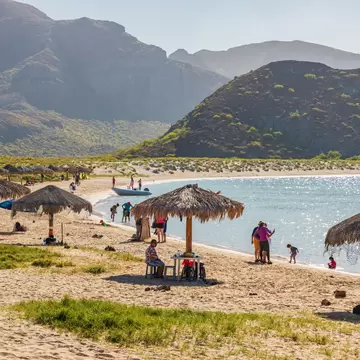
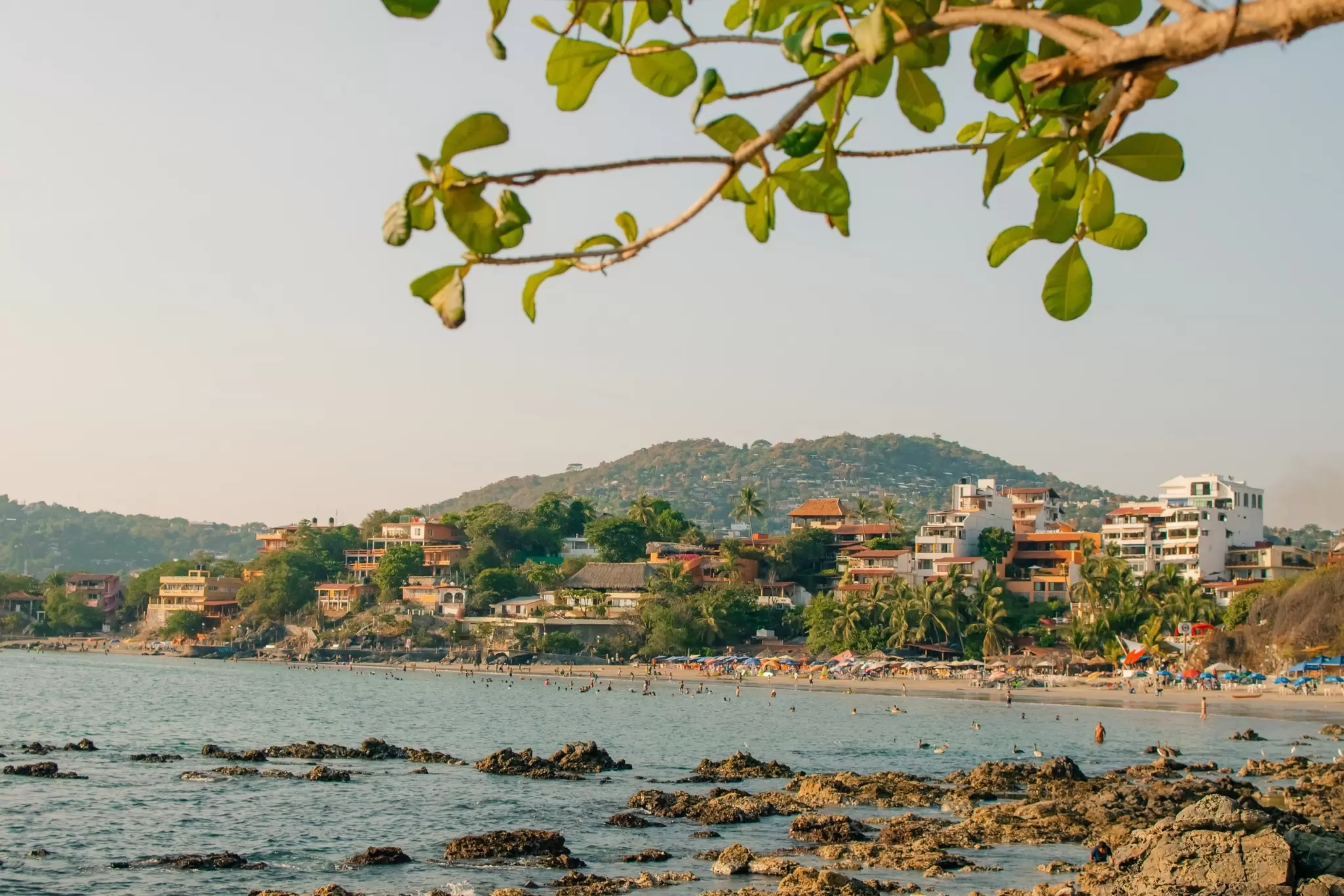
La Ropa beach at Ixtapa, Zihuatanejo. Brester Irina/Shutterstock
Writer
Lonely Planet may earn a commission from affiliate links on our site. All recommendations and reviews reflect our own independent opinions.
Blooming jacaranda trees and sunny skies form the backdrop to memorable springtime adventures in Mexico. Spring marks the tail end of the dry season, making for ideal weather before the summer rains (and bigger crowds) arrive. It's among the most festive times to visit, with elaborate Holy Week processions, highland revelry and renowned arts events.
You can also witness a variety of extraordinary natural phenomena, from watching the sunrise over a perfectly engineered Maya pyramid on the spring equinox to seeing huge flocks of flamingos during the breeding season in a biosphere reserve. For something entirely different, Mexico offers enchanting seaside destinations, home to both buzzing nightlife districts and serene tropical beaches.
Wherever you roam, you won’t be far from deliciously diverse cuisine and a warm welcome that Mexico is so famous for. Here's our rundown of the best places in Mexico to visit in the spring.
Best for a seaside escape
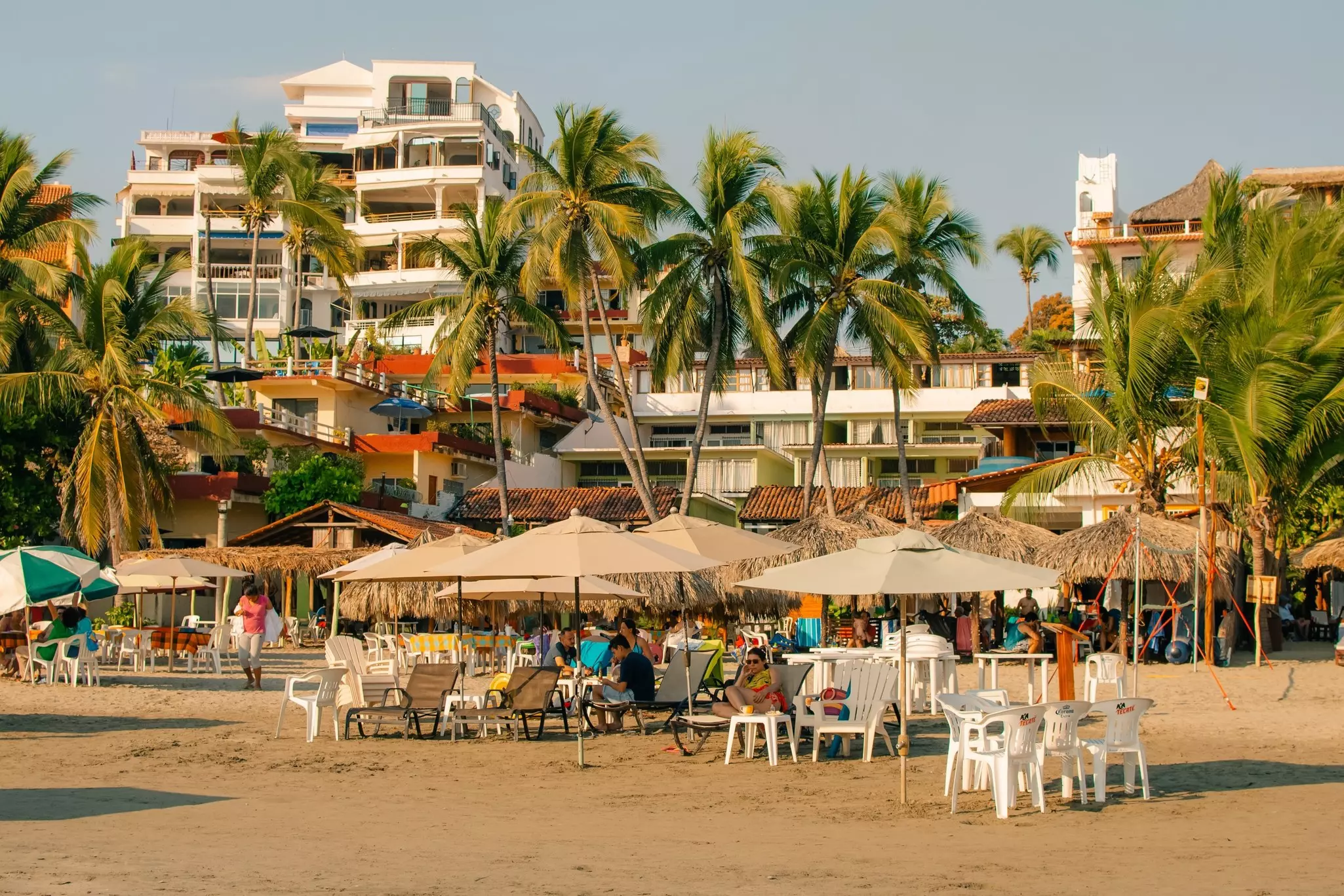
One of the most captivating destinations on the central Pacific coast, Zihuantanejo is a slow-paced fishing town hemmed in by hills and jungle with a diverse array of beaches and a welcome lack of oversized resorts. While Zihua (as it's often called) has grown significantly since the 1980s, its compact center hasn't lost its charm. Small boats pull up on the beaches, and little-trafficked cobbled streets are lined with handsome porches supported by orange-terracotta columns. With its small boutique hotels (some with spectacular views) and unpretentious coffee and taco joints, Zihua's unhurried and peaceful vibe makes for an enchanting oceanfront getaway.
Planning tip: The nearest airport is Ixtapa/Zihuatanejo International Airport, located 12km southeast of Zihuatanejo. Colectivo (shared) taxis are a reliable and affordable way to get into town from the airport.
Best for Holy Week processions
Many places in Mexico celebrate Semana Santa (Holy Week) on the days leading up to Easter with processions, candlelight gatherings and concerts. Nothing quite compares to the wild Passion Play in Itzapalapa, a neighborhood on the southeast side of Mexico City. The streets of town become the backdrop to a realistic passion play that kicks off on Good Friday, followed by the carrying of the cross some 8km uphill (the role of Jesus always goes to someone with exceptional fitness) to the top of Cerro de la Estrella for a faux execution. Hundreds of actors take part, and members of the community arrange all of the logistics. The incredible spectacle attracts an estimated 2 million visitors. Staged for over 180 years, the Passion Play in Itzapalapa earned UNESCO status in 2025 when it was added to the list of Intangible Cultural Heritage of Humanity.
Planning tip: The best way to get around Mexico City is on the metro. The Passion Play (known locally as Pasión de Cristo en Iztapalapa) begins at Macroplaza Iztapalapa, located a short walk from Itzapalapa metro station.
Best for arts and culture
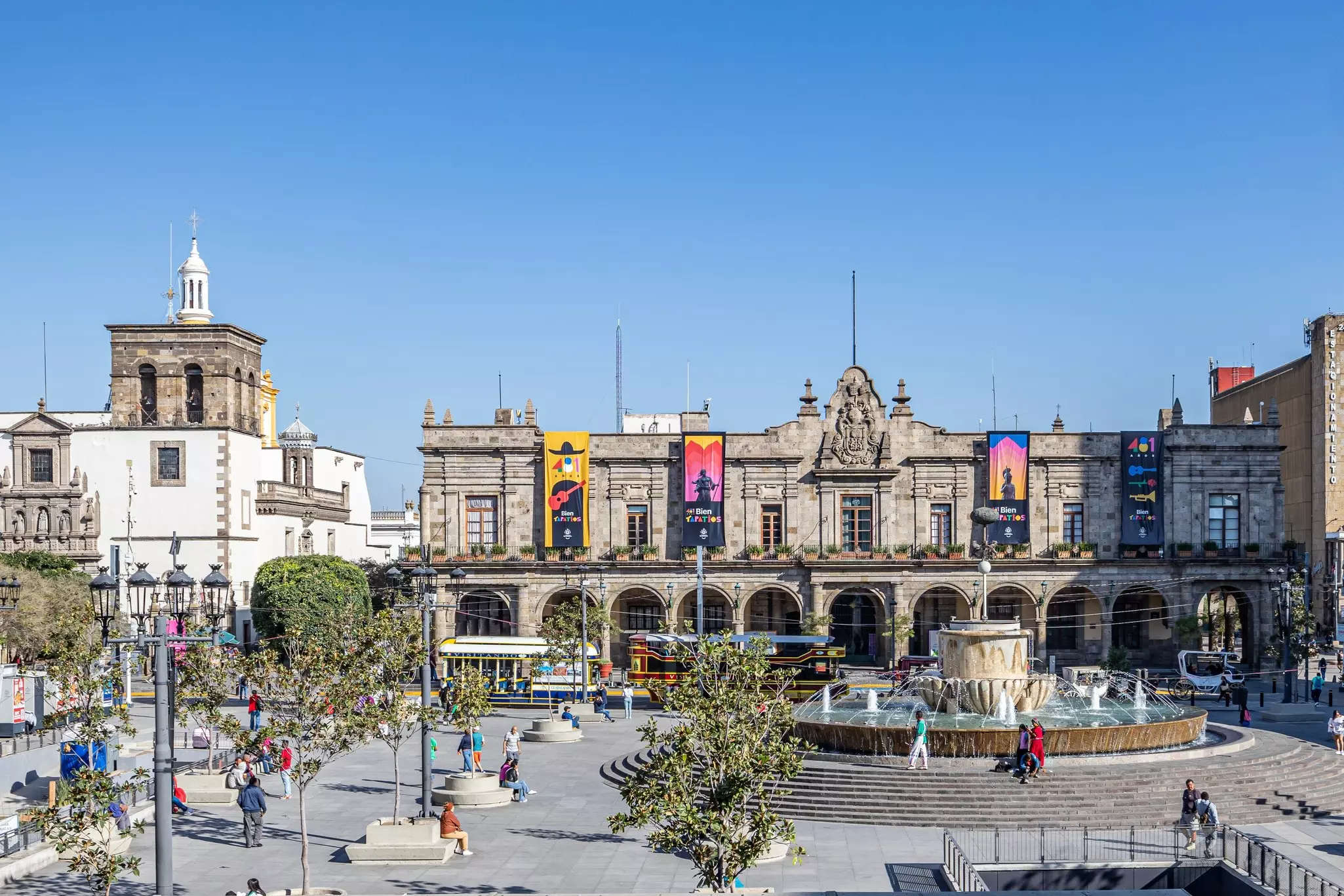
In spite of its centuries-long history, Guadalajara simmers with the energy of a young, forward-looking city, with a wealth of excellent museums and other cultural attractions, fusion chefs driving the city’s cutting-edge dining scene and fashionable nightspots in the vibrant Colonia Americana district. In April, Guadalajara hosts the week-long Festival Internacional del Cine – one of Latin America’s biggest film events – with screenings and parties across the city.
Guadalajara boasts a fabled art scene, which you can explore inside 19th-century architectural beauties. Among the standouts is the Instituto Cultural Hospicio Cabañas, a UNESCO World Heritage site that's home to 57 modernist murals and hundreds of other works, by the great Mexican painter José Clemente Orozco.
Just 8km from downtown Guadalajara, artsy Tlaquepaque has a photogenic central plaza lined with pastel-colored houses and an abundance of shops, selling everything from designer furniture to some of Mexico’s best-quality textiles, ceramics and artwork. This is one of the best places in the region to browse for one-of-a-kind gift ideas. Before you go shopping, visit the Museo Pantaléon Panduro, a converted religious mission turned folk art museum featuring hundreds of exquisite ceramics. Tlaquepaque is also prime terrain for hearing mariachis, those sombrero-wearing, guitar- and lute-playing singers synonymous with Mexico. You can see top performers while dining in the courtyard restaurant of El Parián de Tlaquepaque.
Planning tip: Guadalajara is vast, but getting around isn’t difficult; download the Moovit app to use the extensive bus network that’s mostly channeled along the main arteries. Guadalajara is also a bike-friendly city. Obtain a pase temporal (short-term pass) at any docking station to use the MiBici bicycle-sharing scheme.
Best for highland celebrations
Tucked into the highlands 500km northwest of Mexico City, Aguascalientes is one of the country's most underrated cities. At its heart is a fine plaza and several blocks of handsome colonial buildings, with a handful of fascinating museums. From mid-April to early May, the city center springs to life during the Feria Nacional de San Marcos, which features exhibitions, dance performances, livestock displays, rodeos, craft stalls and plenty of eating and drinking - with favorite local dishes like pollo aguascalientes (chicken in a spicy sauce, sometimes topped with dried fruits). The festival's impressive (and free!) concert lineup features big names like Pitbull, Scorpions and the Killers - all of whom played here in 2025.
Planning tip: Accommodation prices rise and hotel rooms book up quickly during the festival. You won't be left out in the lurch, however, as locals rent out rooms and apartments (via sites like Airbnb) to meet the demand.
Best for nightlife
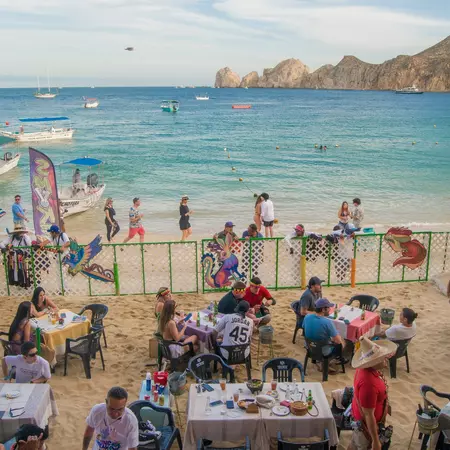
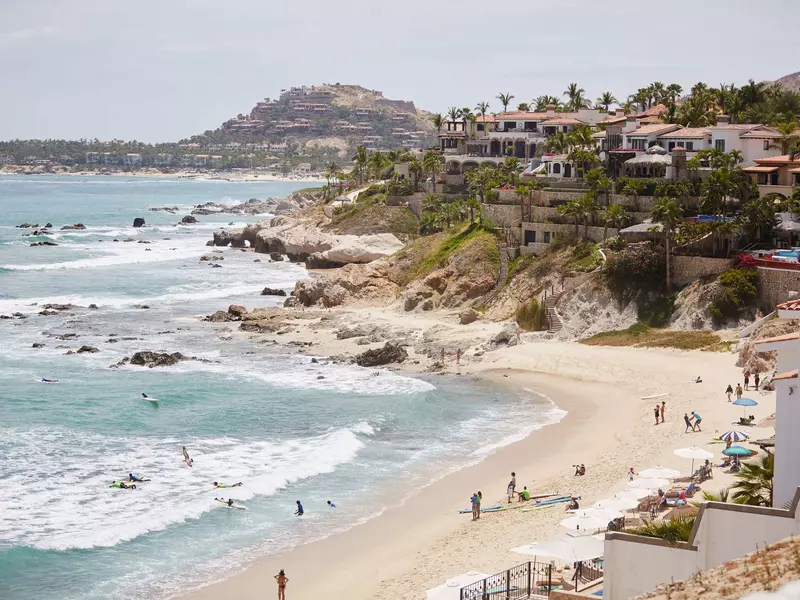
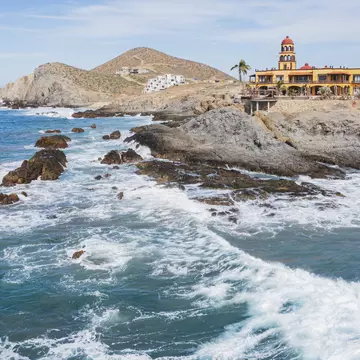
Perched on the southern tip of the Baja Peninsula, Cabo San Lucas is one of Mexico's top party spots. Its pulsating, Vegas-style clubs and unabashed nightlife are legendary. One night you might find yourself hanging with rock stars at Sammy Hagar's renowned Cabo Wabo bar. The next evening might bring tequila poppers and dancing crazily in conga lines at El Squid Roe. For something more low-key, head to Rooftop at the Cape. The panoramic view coupled with the stylish setting is perfect for a sundowner.
By day, you can bask on the lovely shores of Playa Palmilla, a powdery golden sand beach lapped by some of the calmest waters on the coast. Don't miss a trip to Land's End, the terminus of the Baja Peninsula. Take a water taxi or glass-bottomed boat out and you'll get to visit the emblematic rock formation, El Arco (the Arch), for scenic photos. You'll also see the resident sea lion colony, getting up close to the friendly creatures as the boat cruises by. For a bit more adventure, get there by renting a kayak on Médano Beach and paddling out to the landmark, weather permitting.
Planning tip: About an hour north of Cabo San Lucas is the other Cabo town: Cabo San José, which lies near the airport and offers a more sedate travel experience, with galleries, quaint restaurants and sidewalk cafes.
Best for birdwatching
The months of March through June mark the breeding season for flamingos in Ría Lagartos in the Yucatán. With luck you may see thousands of these birds – engaging in courtship dances and strutting their stuff as they prepare to pair off. If you haven't heard of this place, you're in good company. The Ría Lagartos Biosphere Reserve is one of the Yucatán’s great unsung wilderness sanctuaries. Set on the north, Gulf-facing side of the peninsula, the reserve harbors a wide range of plant and animal life tucked in a mangrove-lined estuary. Many operators lead trips, but ecotourism pioneers like Río Lagartos Adventures earn high marks for its conservationist approach. Book an early morning or sunset boat trip for the best wildlife viewing. On a 3-hour excursion, you’ll see alligators and a dazzling array of birds: frigate birds, osprey, cormorants, royal terns, kingfishers and various species of egrets and herons, along with the famed flamingos.
Planning tip: It's a little difficult to get here - which ensures the region faces no threats from overtourism. You can get here by rental car; it's a three-hour drive from Cancún. Alternatively, take a bus from Valladolid, to Tizimín, then transfer to a Noreste bus to the town of Río Lagartos, gateway to the slightly differently named Ría Lagartos reserve.
Best for history and ancient ruins
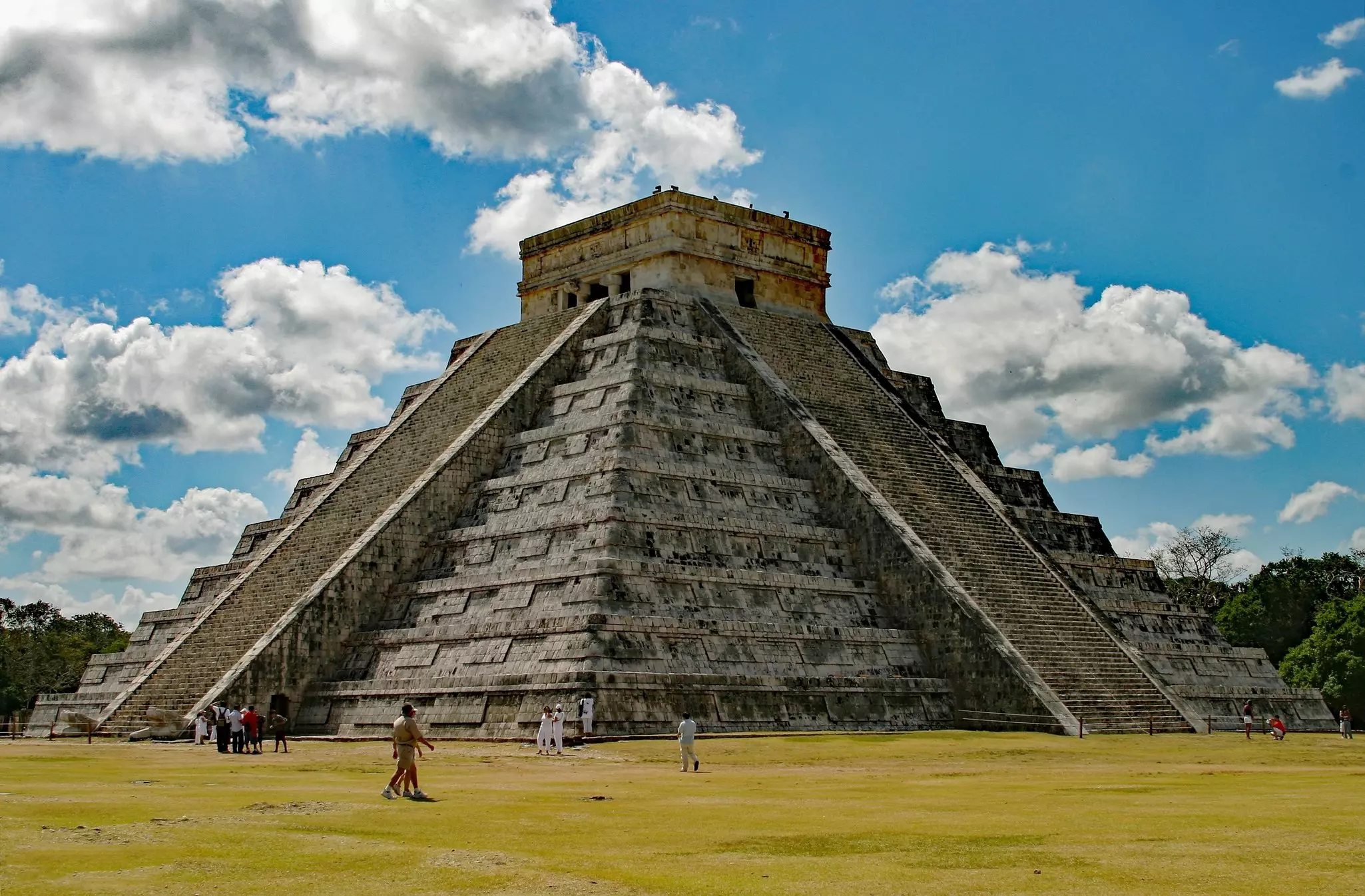
One of the great wonders of the Yucatán Peninsula, the 1000-year-old Maya city of Chichén Itzá is packed with temples and elaborately carved stonework, including a soaring pyramid known as El Castillo (the castle). The best time to visit is during the spring equinox (around March 20), when the setting sun produces a light-and-shadow illusion of a great (10-story) serpent slowly descending the side of El Castillo’s staircase. The mystical site typically happens between 3pm and 5pm. The phenomenon is nearly as impressive on the week before and after the equinox - an alternative strategy if you want to beat the crowds.
Planning tip: Chichén Itzá is easy to reach from towns on the Caribbean coast, with bus and train service from Cancún, Playa del Carmen and Tulum.
Best for epic sunrises
A great place to see Maya ingenuity in action during the spring equinox is the archaeological site of Dzibilchaltún, about a 40-minute drive north of Mérida. Rise before dawn and position yourself facing the Templo de las Siete Muñecas. Shortly after daybreak, the sun aligns directly with the main door of this temple. As the sun rises, the temple doors glow, then seem to light up as the sun passes behind. It also casts a square beam on the crumbled wall behind. If you have your own car, it’s easy to wake up early for the Dzibilchaltún sunrise and then make it to Chichén Itzá (a 2-hour drive east) by midafternoon, catching both spectacles on the same day.
Planning tip: The historic city of Mérida is an excellent base for visiting Dzibilchaltún, with good-value accommodation, some outstanding restaurants, and nightly cultural events.
Book your Mexico trip with Lonely Planet Journeys
See Mexico how it's meant to be seen
Accommodations, activities and ground transportation all taken care of, so you can focus on the fun part. Tell us what your dream trip to Mexico looks like, and our local experts will build it from scratch. Or start with one of our itineraries and make it your own.

Explore related stories