Aug 19, 20268 min read
11 Best Places to Visit in PortugalJun 22, 2026
11 MIN READ

Writer
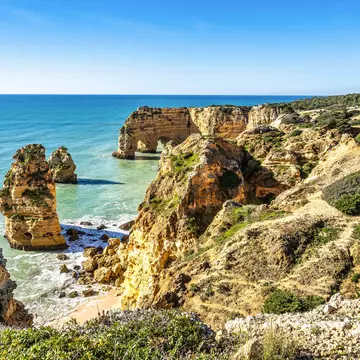
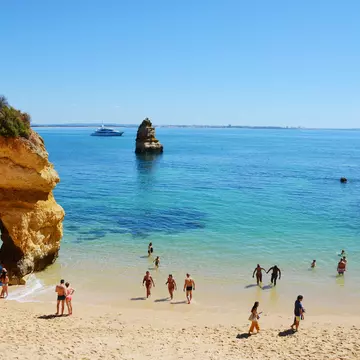
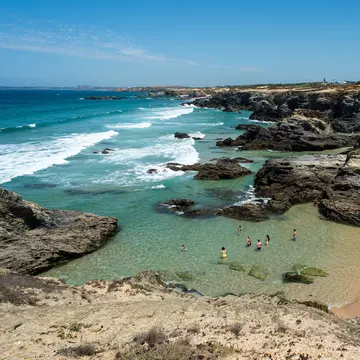
Praia da Marinha in the Algarve, Portugal. Rudolf Ernst/Getty Images

Writer
Highlights
Writer Sandra Henriques picks 13 essential experiences in Portugal, from fado to Roman ruins.
Head to Lisbon's Alfama for live fado, and admire blue-and-white tiles in Porto.
Watch giant waves at Nazaré, stargaze at Great Lake Alqueva, or drive Estrada Nacional 2.
For history, visit Conímbriga's Roman ruins, Évora's Roman temple and the Mosteiro dos Jerónimos.
Lonely Planet may earn a commission from affiliate links on our site. All recommendations and reviews reflect our own independent opinions.
Small in area but outsize in influence, Portugal boasts diverse cultures, a rich and varied cuisine, and incredible landscapes that range from the rugged coast in the west to the mountainous inland. Ancient Roman, Celtic and Islamic influences shaped the customs and language of this land, which has officially been a country for more than 870 years. Portugal equally delights foodies, outdoor adventure seekers, culture and history buffs, and travelers who want to hop from one must-visit spot to the next.
Shape your travel plans using this list of the best things to do in Portugal.
Fado, a musical genre started in Portugal that's on UNESCO's Intangible Cultural Heritage of Humanity list, envelops listeners in melancholic, heartfelt music. Lingering songs are accompanied by Portuguese guitar and other string instruments.
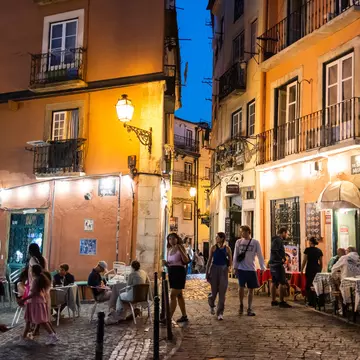
To experience it, head to a casa de fado – a traditional restaurant where fadistas (fado singers) perform between courses at dinner – in Lisbon. Popular venues include Parreirinha de Alfama and A Baiuca in Alfama, and Adega Machado and Café Luso in Bairro Alto.
Planning tip: For more range and diversity, visit Lisbon in late September to attend Caixa Alfama, a 2-day music festival dedicated to fado.
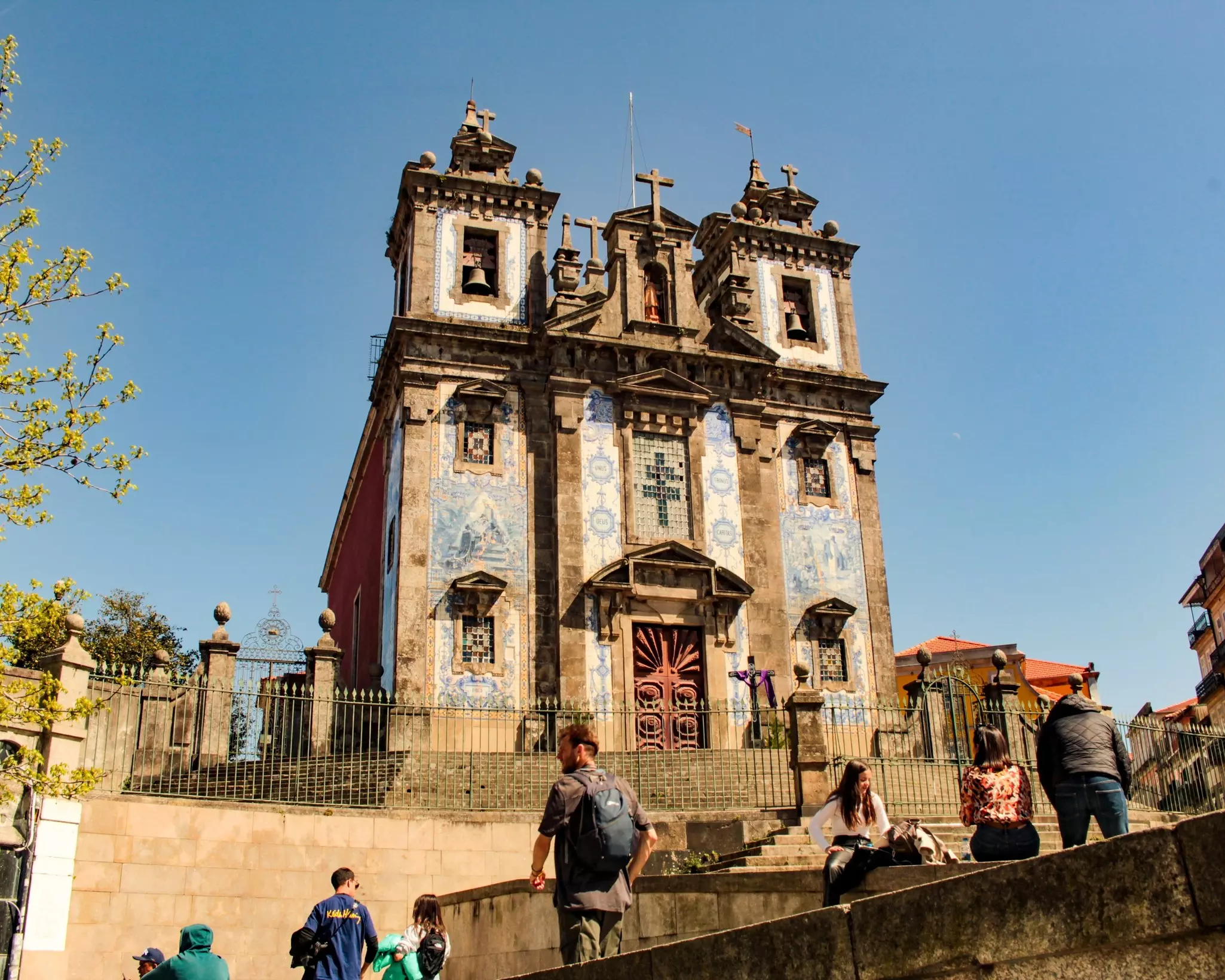
Housed in a sublime 16th-century convent, Lisbon's Museu Nacional do Azulejo covers the entire spectrum of azulejos (hand-painted tiles). Star exhibits feature a 36m-long panel depicting pre-earthquake Lisbon, a Manueline cloister with weblike vaulting and exquisite blue-and-white azulejos, and a gold-smothered baroque chapel.
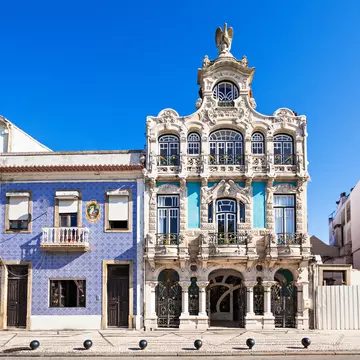
On Rua de Santa Catarina in Porto stands the strikingly ornate, azulejo-clad Capela das Almas; its magnificent blue-and-white panels depict scenes from the lives of various saints. The captivating, tile-covered Igreja do Carmo is one of Porto’s best examples of rococo architecture.
Igreja de São Lourenço de Matos, near Almancil in the Algarve, is smothered in azulejos – even the ceiling – depicting the life and death of St Lawrence. In the 1755 earthquake, only five tiles fell from the roof.
Planning tip: At Gazete Azulejos in Porto, you can sign up for a tile-painting workshop based on a catalog of the city's facades.
A UNESCO World Heritage site since 1998, the prehistoric rock art at Vale do Cô in the Douro Valley, together with nearby Siega Verde in Spain, is the most noteworthy Paleolithic art site in the Iberian Peninsula. Be sure to head to the Museu do Côa before joining a guided tour of the archaeological site and open-air rock art gallery. There are more than 1000 rock engravings from the Paleolithic and Iron Age periods scattered around 80 identified sites here.
Planning tip: To reach Vila Nova de Foz Côa by public transportation from Porto, you have to get a train to Pocinho, then take a taxi to the museum. Alternatively, you can take a Rede Expressos bus, changing in Viseu, but you’ll still need a ride to the museum.
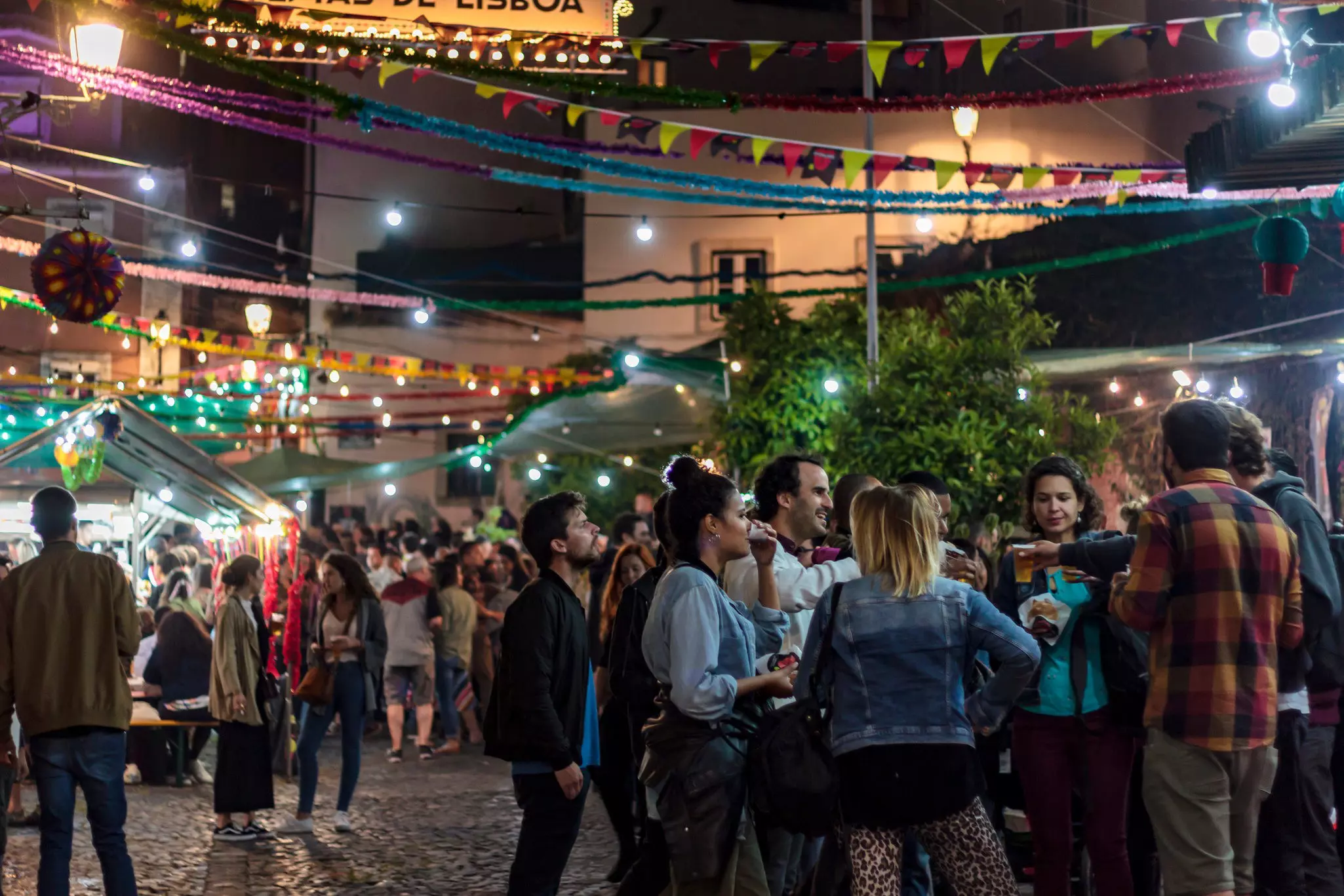
Saints festivities happen all over Portugal in June, but Santo Antonio's (St Anthony's) in Lisbon (June 13) and São João's (St John's) in Porto (June 24) are the best known. In these cities' historic neighborhoods, locals hang colorful ribbons across the narrow cobblestoned streets and set up charcoal grills to cook sardines and pork steaks, preferably washed down with a cold local beer or house wine. These festivals started as a way to honor the communities' patron saints, but nowadays, they're the perfect excuse to meet residents, share a meal and dance the night away.
Planning tip: If you visit in the fall instead, festivals celebrate the grape harvest, which is in full swing. Vindimas (harvest programs) are held across the country’s wine regions, including the Douro, the Alentejo and Palmela.
Egg yolks, sugar and occasionally almonds are the core ingredients of typical Portuguese pastries known as conventual sweets. Cloistered nuns and monks (hence the name "conventual") created these concoctions, making use of extra egg yolks (the whites were exported and used in wine making) and newly imported sugar from Brazil in the 15th century. Initially these treats were for the residents, but in the 19th century, when religious orders were to be dissolved, the sweet creations became their only source of income as convents and monasteries were forced to stop taking in novices.
Each region of Portugal has its traditional conventual sweet, with some local or seasonal ingredients thrown in the mix, such as beans in the pastel de feijão in Torres Vedras or the paper-thin, wafer-encased ovos moles in Aveiro. Pastel de nata (custard tarts) are Lisbon's most famous conventual sweet and also the one that's seen the most variations, including vegan alternatives.
Planning tip: Pastéis de Belém has held the original (and very secret) pastel de nata recipe since its creation in 1837 by monks at Mosteiro dos Jerónimos. Unless you get to the Lisbon shop at opening time (8am), there is always a line, but the eat-in-one-bite crunchy and creamy tarts are worth the wait.
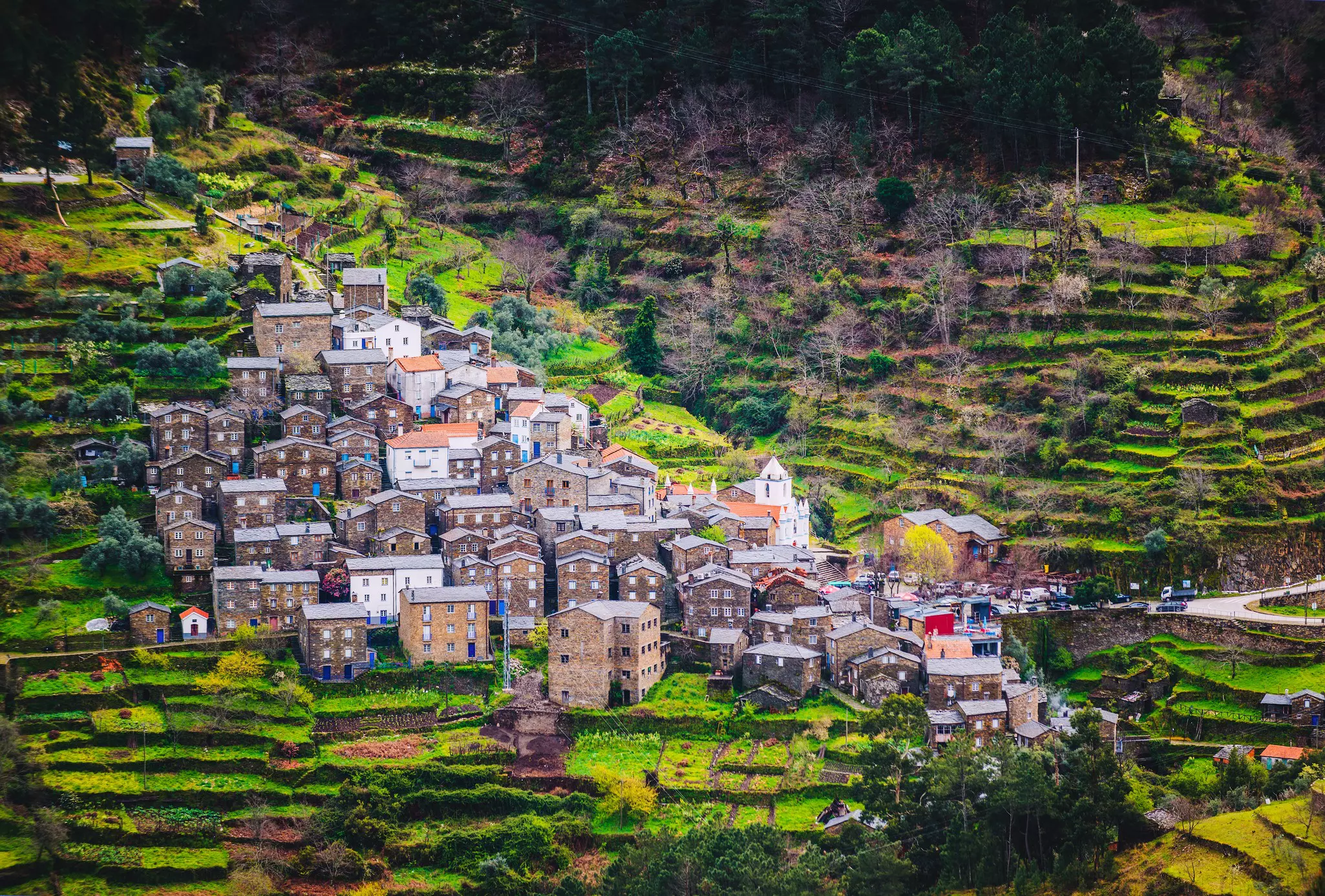
Once located at the crossroads of important commercial routes, the mountain villages between Coimbra and Castelo Branco were practically deserted in the mid-20th century as locals migrated elsewhere in Europe. The dark schist stones used to build the houses not only were unique to the center of Portugal but also became one of the region's calling cards.
To revive this piece of the country's heritage, the Aldeias do Xisto project transformed 27 villages into rural tourism areas surrounded by rugged mountains, lakes and riverine beaches. The stone houses' traditional design was kept to honor and maintain the region's cultural identity.
Planning tip: From nature hikes and wellness retreats to traditional cuisine tastings, book your local experiences at these villages in advance.
For 3 days before Ash Wednesday (in February or early March), kids and adults dress up in costumes and participate in Carnaval celebrations all over Portugal. The first celebrations can be traced back to the 13th century, when some of ancient Rome's pagan festivities were appropriated by the Catholic Church. Nearly every town around Portugal hosts a parade on Carnaval Tuesday (the day before Ash Wednesday), but some are better known than others. At Torres Vedras, Ovar and Loulé, they mix local traditions with Brazilian-inspired samba parades.
Planning tip: On the other side of the religious calendar, on Christmas Eve, locals in Barreiro, across the Tagus from Lisbon, gather around Tasca da Galega to share shots of ginjinha (a sour cherry liquor). It may not sound like the holiday’s customary drink, but it’s a way to honor a tradition started by factory workers, who would stop at a tavern for a ginjinha at the end of their shift before heading home for Christmas dinner.
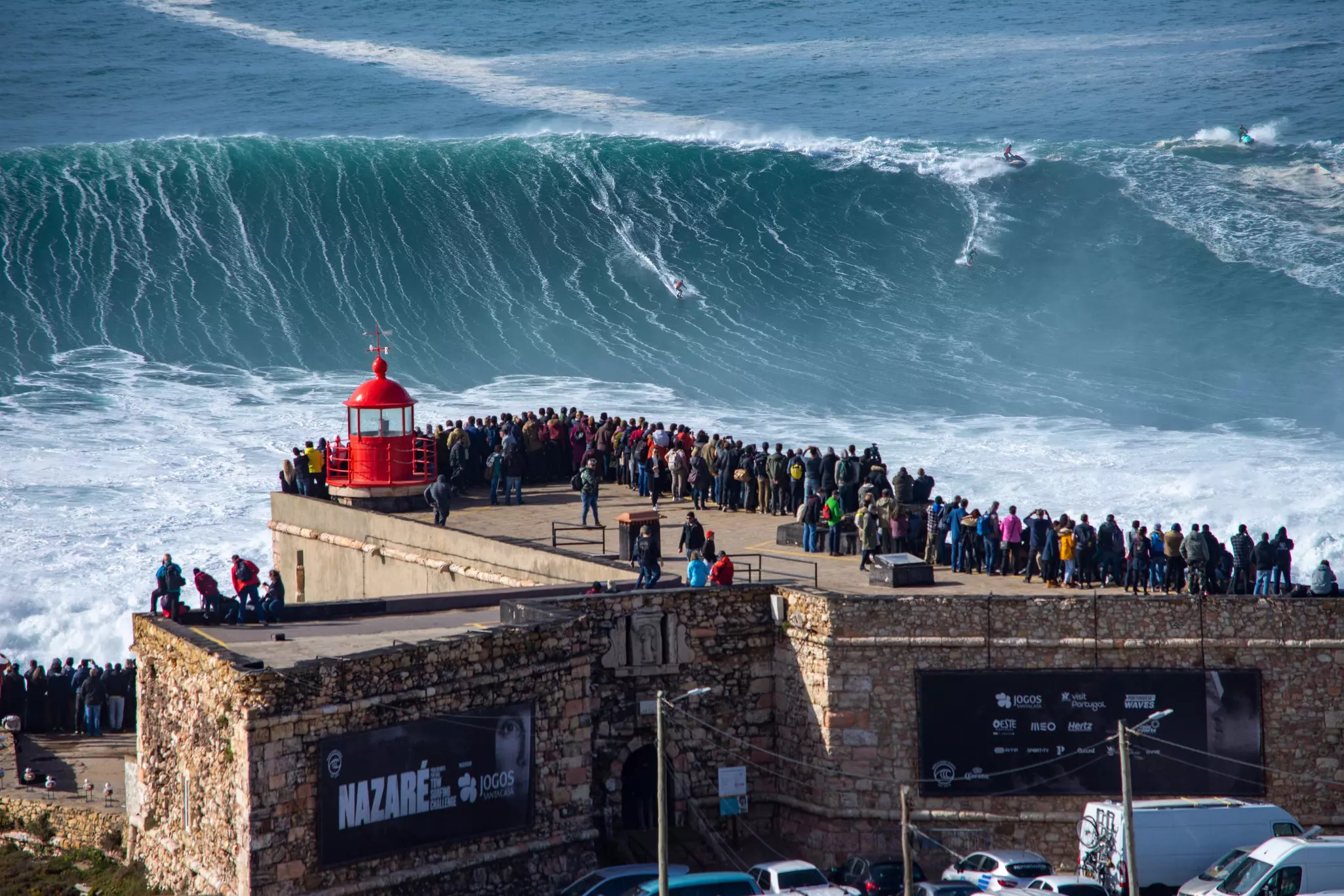
The giant Atlantic waves that roll in during Nazaré's rough winters were no secret to local surfers and fishers, but when surfer Garrett McNamara established a new world record by riding a 24m wave in 2011, the village on Portugal's west coast, 120km south of Lisbon, jumped to international fame. Giant-wave surfing has become one of Nazaré's calling cards, and the view from Farol da Nazaré is one of the most photographed in town.
Planning tip: The big-wave season begins in Nazaré in November, and fans of the sport start to keep a close eye on the ocean forecasts to see the best big-wave surfers in action.
With cloudless skies most of the year and little light pollution, the artificial Great Lake Alqueva in the Alentejo is one of Portugal's most perfect spots for stargazing. These extraordinary conditions made the lake the first official starlight tourism destination in the world, as certified by Spanish-based Fundación Starlight. Several local companies offer stargazing and nighttime tours of the lake, and budding astronomers can also visit the observatory.
Planning tip: Scheduled starry observations are held during the day and night. Prebooking is required. Admission is free for kids under 8.
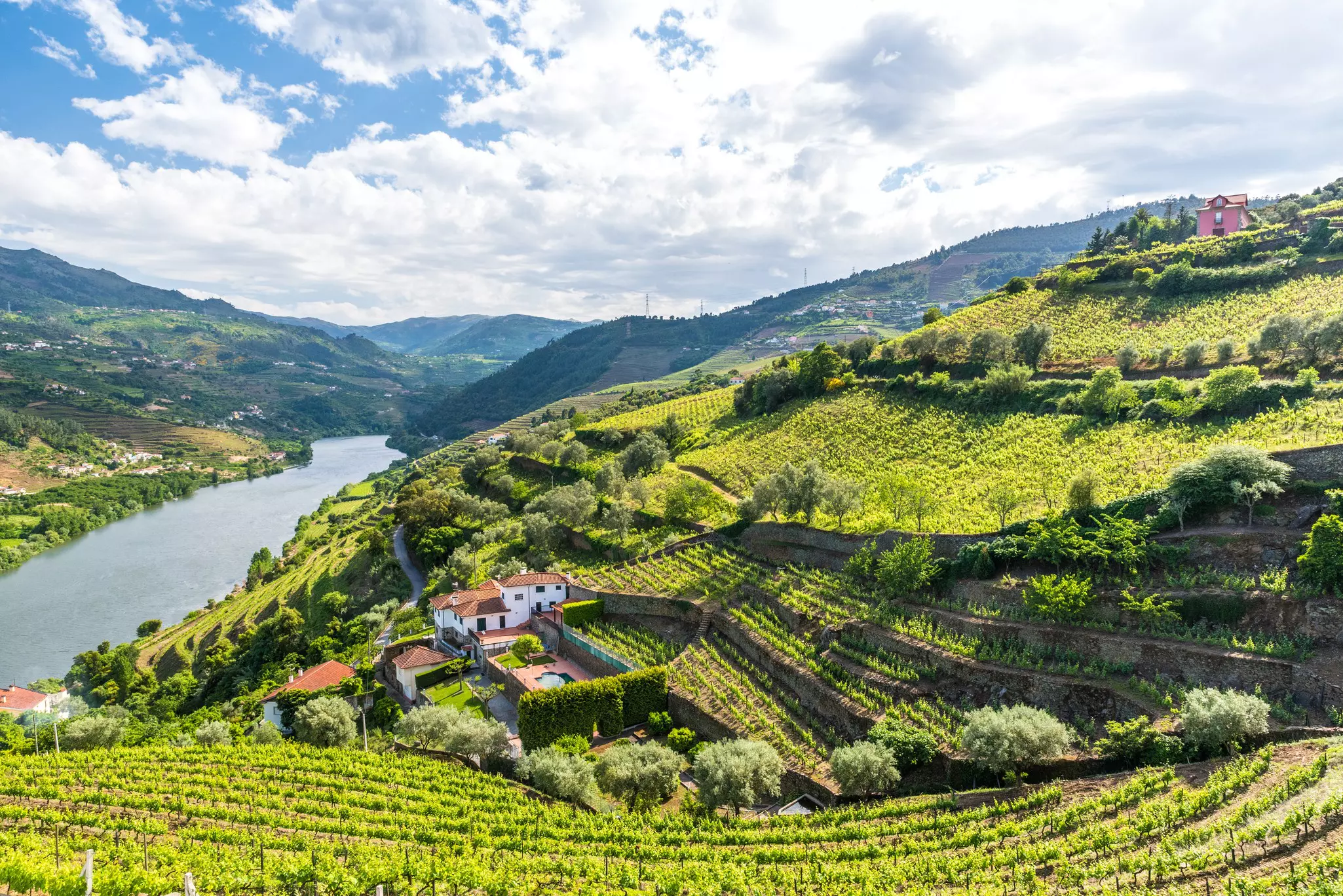
Portugal is home to the well-known wine regions of the Alentejo, producing bold and hearty reds, and the Douro, where port is the star, but you can find wineries and vineyards practically all over the country, including on the Azores and Madeira archipelagoes. The region of vinho verde (meaning "young wine") in the Minho produces unique wine from indigenous grape varietals, making it the most authentically Portuguese wine of all.
Planning tip: While vintage ports can run into the hundreds of euros, most Portuguese wine is pocket-friendly, with decent bottles costing less than €5 at a supermarket. Vinho de mesa (table wine) is often the least expensive option on the menu; vinho regional and Denomination of Origin wines are produced under stricter regulations.
Connecting Chaves in the north to Faro in the south, the picturesque Estrada Nacional 2 is a 740km stretch of road that shows road-trippers the Portugal they miss when they stick to the highways. Now, the N2 is seeing a touristic revival as people are rediscovering Portugal's longest road.
Witness the change of scenery as you drive, from the twists and turns of the secondary road as it cuts through the mountains in Portugal's north and center to the almost treeless plains of the Alentejo and the golden sand beaches of the Algarve. Take time to visit landmarks along the way, or stay a little longer in each town, experiencing community life and local cuisine. Be adventurous and see where the N2 takes you, or follow one of two established routes: one dedicated to castles and the other to museums.
Planning tip: Car-rental companies typically charge rates per 24 hours, not per calendar day. Most cars in Portugal are manual; automatic transmission cars are in short supply and typically more expensive. Rentals are available at all airports, but Lisbon offers a wider choice. To avoid drop-off fees, return the car to the same pick-up spot.
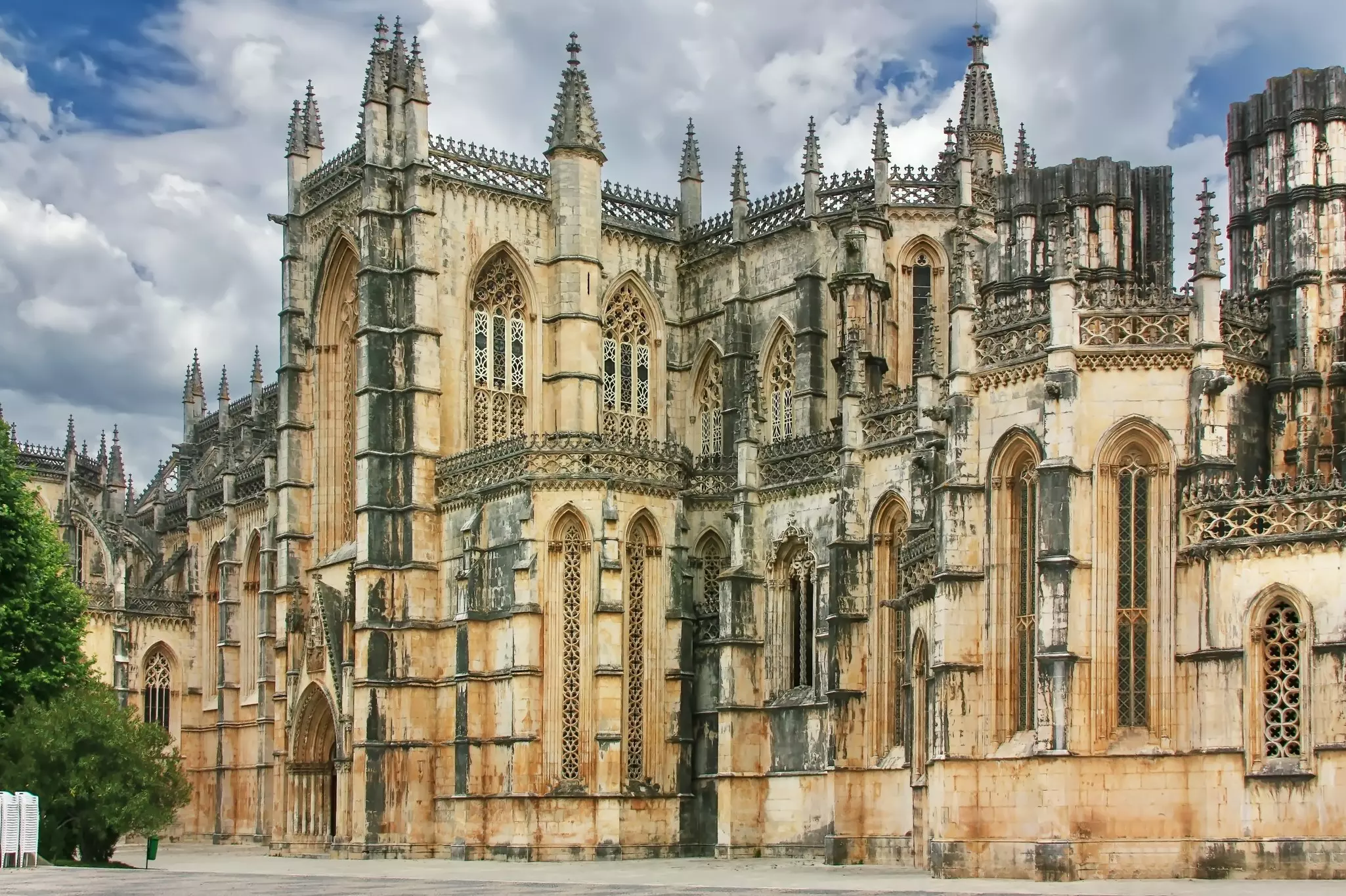
Many of Portugal's historic monasteries and convents have notable architecture. The Mosteiro de Santa Maria de Alcobaça utterly dominates the town of Alcobaça, in the Oeste. Founded in the 12th century, the monastery estate became one of the richest and most powerful in the country. In the 18th century, the monks were known for their growing decadence, but the party ended in 1834 with the dissolution of the religious orders. See the combination of gothic ambition and Cistercian austerity in the church, with intricately carved 14th-century tombs.
In Batalha, in the Centro region, gaze upon the glorious limestone exterior of the Mosteiro de Santa Maria da Vitória, bristling with pinnacles and parapets, flying buttresses and balustrades, and late-gothic carved windows. Manueline exuberance in the Claustro Real steals the show, thanks to additions made in the 15th and 16th centuries.
Lisbon's UNESCO-listed Mosteiro dos Jerónimos is Belém’s undisputed heart-stopper and the stuff of pure fantasy. Don't miss the honeyed stone Manueline cloisters, dripping with organic detail in their delicately scalloped arches, twisting auger-shell turrets and columns intertwined with leaves, vines and knots.
Planning tip: Pousadas de Portugal is a network of old monasteries, convents, forts, castles and palaces transformed into luxury hotels. Despite the modern facilities, each hotel respects the history and architectural traits of the former monuments. Prices vary according to location, but rates start at around €100 per night.
Set in the lush countryside southwest of Coimbra, Ruínas de Conímbriga is Portugal’s largest and most impressive Roman site. Ancient Conímbriga was an important city in the Roman province of Lusitania. Highlights include villas paved with elaborate floor mosaics – in particular the Casa dos Repuxos – and a 3rd-century defensive wall.
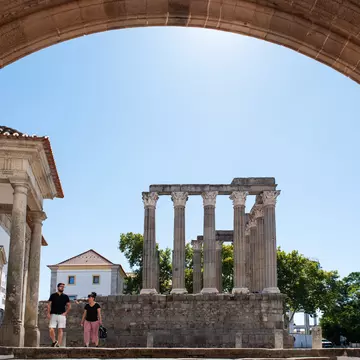
Right in the center of Évora is the Templo Romano, among the best-preserved Roman monuments in Portugal and probably on the Iberian Peninsula. It has 14 Corinthian columns, capped with Estremoz marble, that have managed to survive in good shape for around 2000 years.
Planning tip: If you don’t have a car, the Ruínas de Conímbriga can be accessed by Transdev bus, with morning departures going directly to the museum and the last return around 1pm. Later departures only go as far as Condeixa, so you need to get a taxi from there.
Book your Portugal trip with Lonely Planet Journeys
See Portugal how it's meant to be seen
Planned by local experts and tailored to you, Lonely Planet Journeys handles the logistics so you can just enjoy the trip. Tell us what you want and we'll build your Portugal itinerary from scratch, or browse our bookable trips to get inspired.


Explore related stories