Sep 2, 202612 min read
A guide to touring Auschwitz-Birkenau in PolandApr 26, 2025
8 MIN READ

Writer
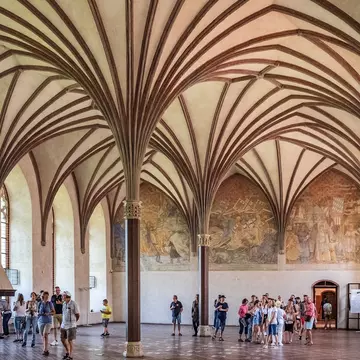
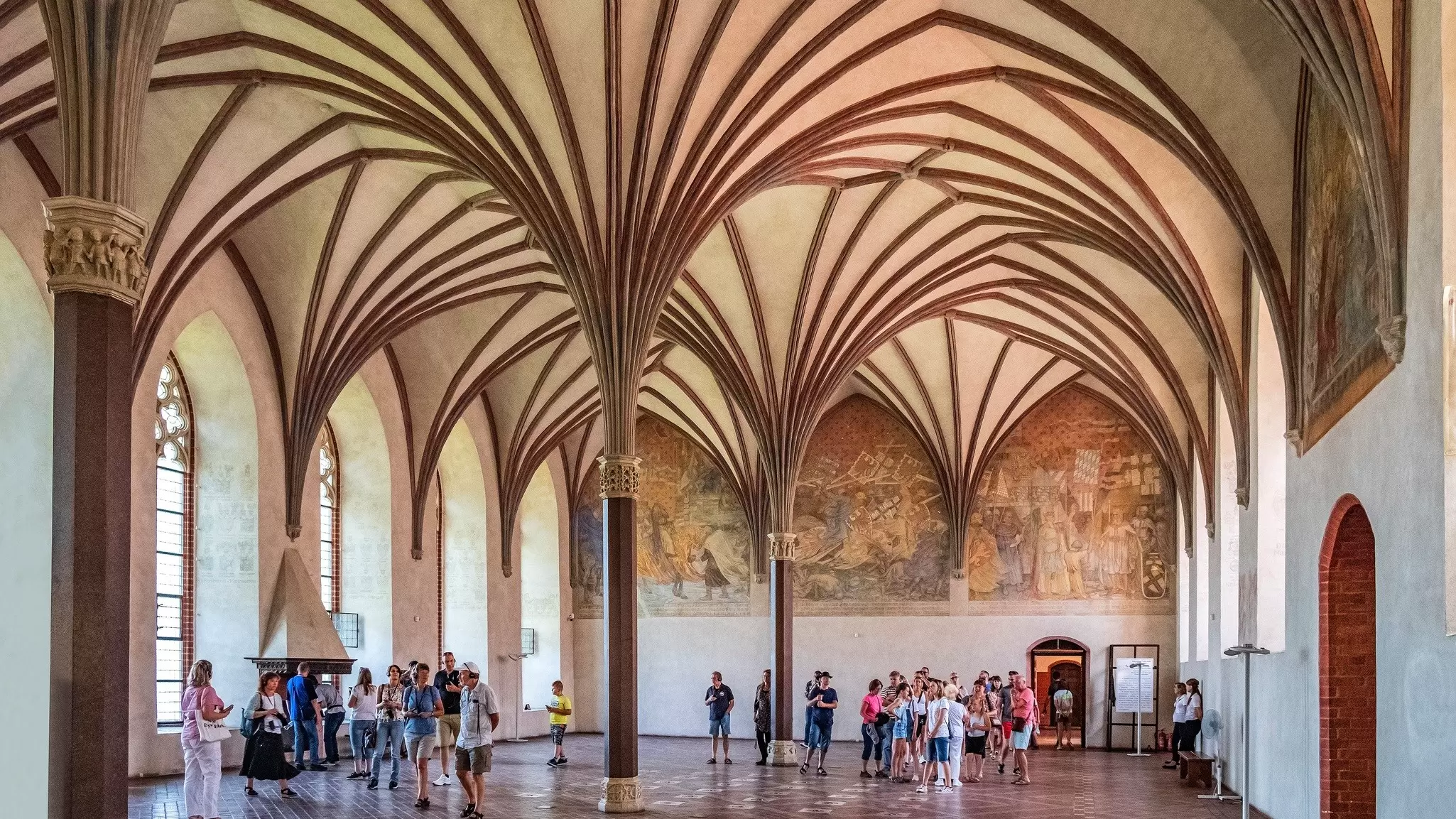
The Great Refectory at Malbork Castle, Poland. ArtMediaFactory/Shutterstock
Writer
Highlights
Writer Simon Richmond picks 10 memorable Polish experiences, from Warsaw to the Tatras.
For history, visit Renaissance Zamość and descend into Kraków's Rynek Underground.
Spot wild bison in Białowieża National Park, then hike or ski in the Tatras.
Tour UNESCO-listed Malbork, visit Gdańsk's dramatic WWII museum or taste gingerbread in Toruń.
Lonely Planet may earn a commission from affiliate links on our site. All recommendations and reviews reflect our own independent opinions.
The savvy travelers who make it to Poland sing its praises for good reason.
For those who love history and culture, this European gem delivers, with castles, churches, palaces and museums packing its cities and countryside. Outdoorsy types can take their pick from Baltic beaches, snow-capped mountains, meandering rivers, thousands of lakes and 23 national parks.
And if you thought that Polish cuisine was all pickles, potatoes and vodka, think again. That culinary trio is a mere amuse-bouche for a gastronomic buffet ranging from blueberry-filled dumplings to gold-leaf-flaked liquors.
These 10 experiences will begin to show you the breadth and depth of all Poland has to offer.
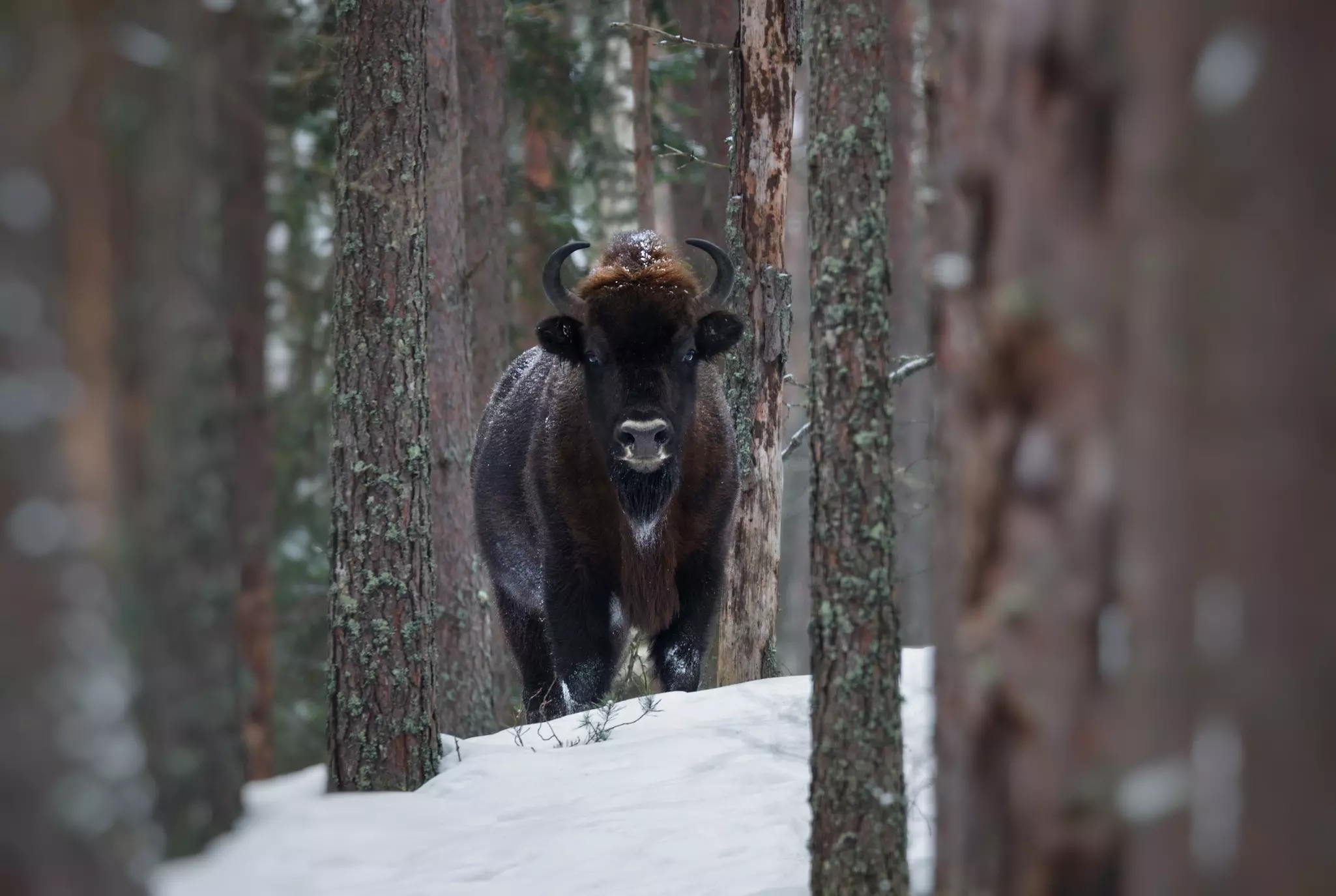
In the northeast of the country, adjoining Belarus, the forests of Białowieża were protected for centuries by royal patronage, first as a private hunting ground for Polish kings and later for Russian tsars. Today, this is Europe’s largest old-growth forest – and home to some 800 bison. There’s a chance of spotting the continent’s largest mammal and Poland’s national symbol in the wild on an early-morning walk among the ancient lime, oak and hornbeam trees. Yet bison spotting or not, any time spent here is simply a wonderful opportunity to connect with Polish nature.
Detour: Seven bison live at the European Bison Show Reserve, near the national park. You can view several other species in the large pens here, too, including elk, wild boar, deer, a wolf and a three-legged lynx (sadly, it’s the wolf that bit off the lynx’s fourth leg).
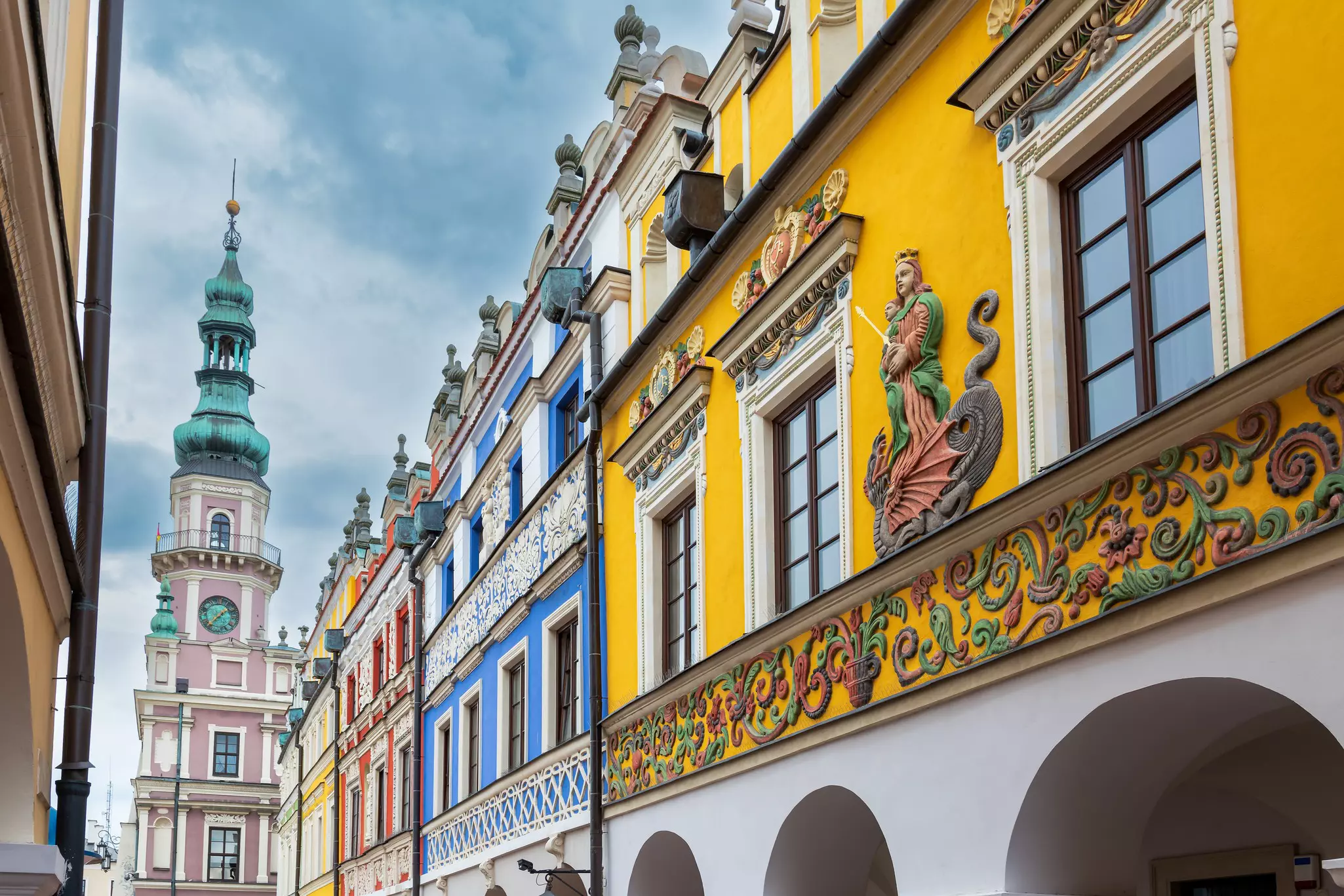
The beautifully proportioned “Pearl of the Renaissance, ” Zamość is a time capsule of the 16th century, with an Old Town centered on a gorgeous arcaded plaza surrounded by the former residences of Armenian merchants. In Poland’s southeast corner, the town is also ringed with defensive bastions that kept the Swedes at bay in the 17th century when they rampaged with ease through other Polish settlements.
Detour: The Old Town of Lublin also survived WWII relatively unscathed. Its legend-filled cobbled lanes and main square surrounded by Renaissance and baroque townhouses, along with the city’s vibrant festival scene, draw many visitors today.
Economically vibrant and culturally coming into its own, Warsaw is one of Europe’s most dynamic capitals. Its forward-looking energy takes soaring shape in the Varso Tower – at 1017ft (310m), the EU’s tallest building. While looking up at this ultra-modern skyscraper is impressive enough, its observation deck – at 755ft (230m) above the ground – is slated to open in summer 2025. Those with acrophobia might consider taking a pass.
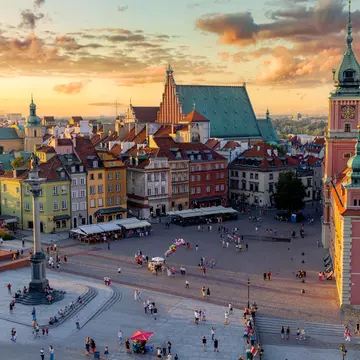
If you’re craving high-up city views in the meantime, the observation terrace of the over-the-top Palace of Culture and Science of 1955 gets you above the very heart of the city. The amazing panorama of Warsaw’s reconstructed Old Town opens up from the bell tower of St Anne’s Church, while you can enjoy vistas over the Vistula from the rooftop garden of Warsaw University Library.
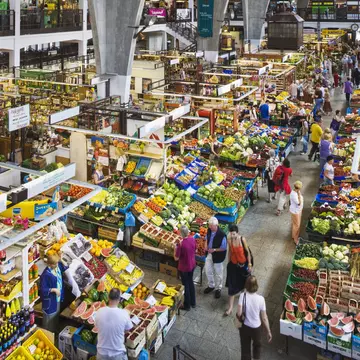
Detour: Around the corner from the Varso, former metal factory Fabryka Norblina is today the biggest of Warsaw’s many redevelopments of onetime industrial sites. Here, you’ll find the city’s biggest food hall and lots of other fun places to eat and drink.
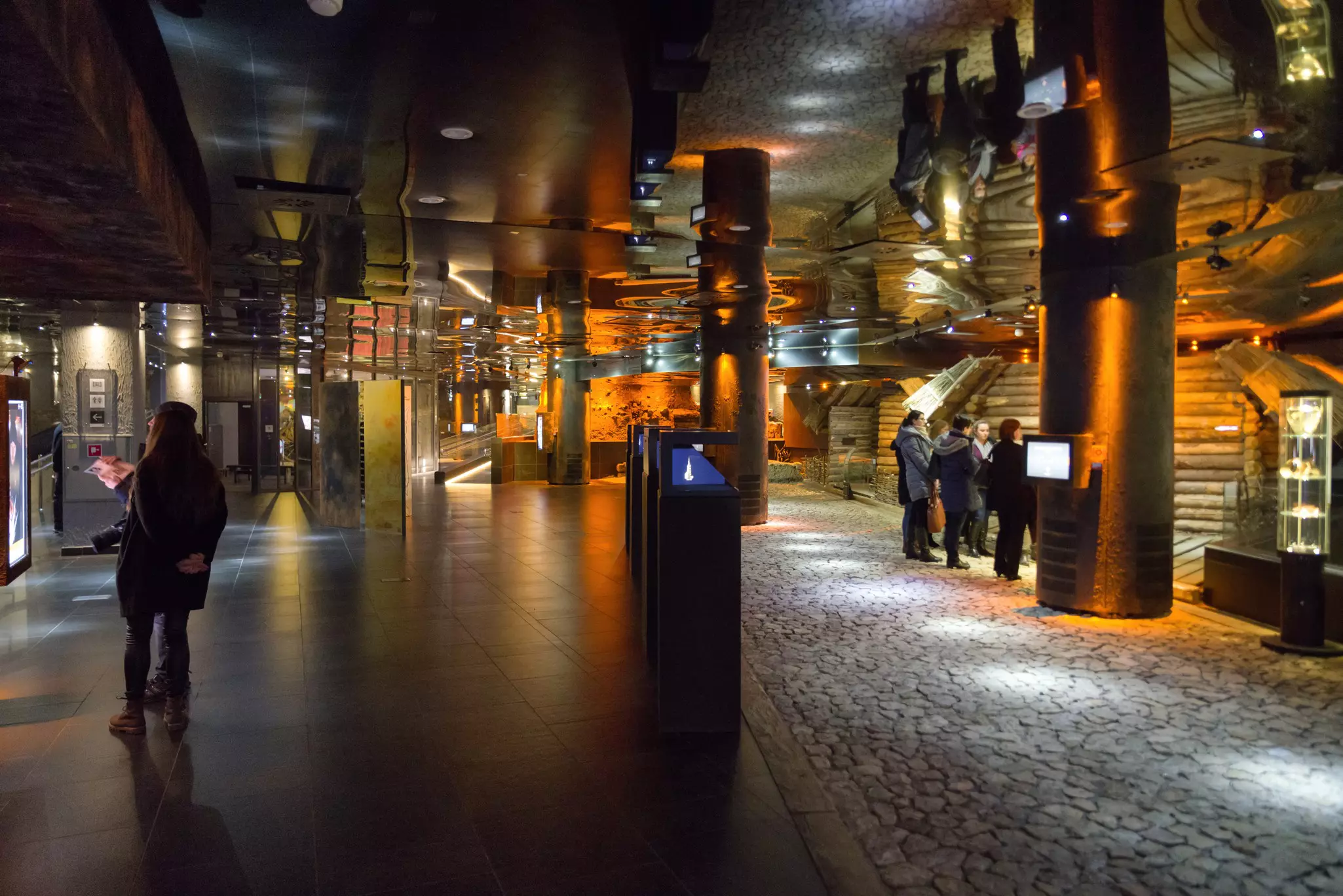
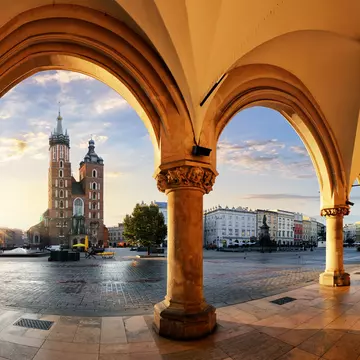
Kraków’s atmospheric Old Town is centred on Rynek Główny (Market Square), Europe’s largest public plaza, which is dominated by the magnificent Cloth Hall. Get the story behind the square by going beneath it, to Rynek Underground. Here, you’ll get a sense of what the market might have been like six centuries ago, enhanced by a few 21st-century audiovisual effects.
Back above ground, on the hour you can listen for the hejnał (bugle call) emanating from the taller of the two towers of St Mary’s Basilica on the square’s west side. Inside, Jan Matejko’s polychromatic murals flank the high altar, Poland’s greatest masterpiece of Gothic art.
Detour: One of the world’s oldest salt mines, the Wieliczka Salt Mine is around 9 miles (14km) southeast of Kraków. This subterranean labyrinth contains some 186 miles (300km) of tunnels, lakes and chambers, including astonishing chapels with altarpieces, statues, monuments – even chandeliers – all carved out of salt.
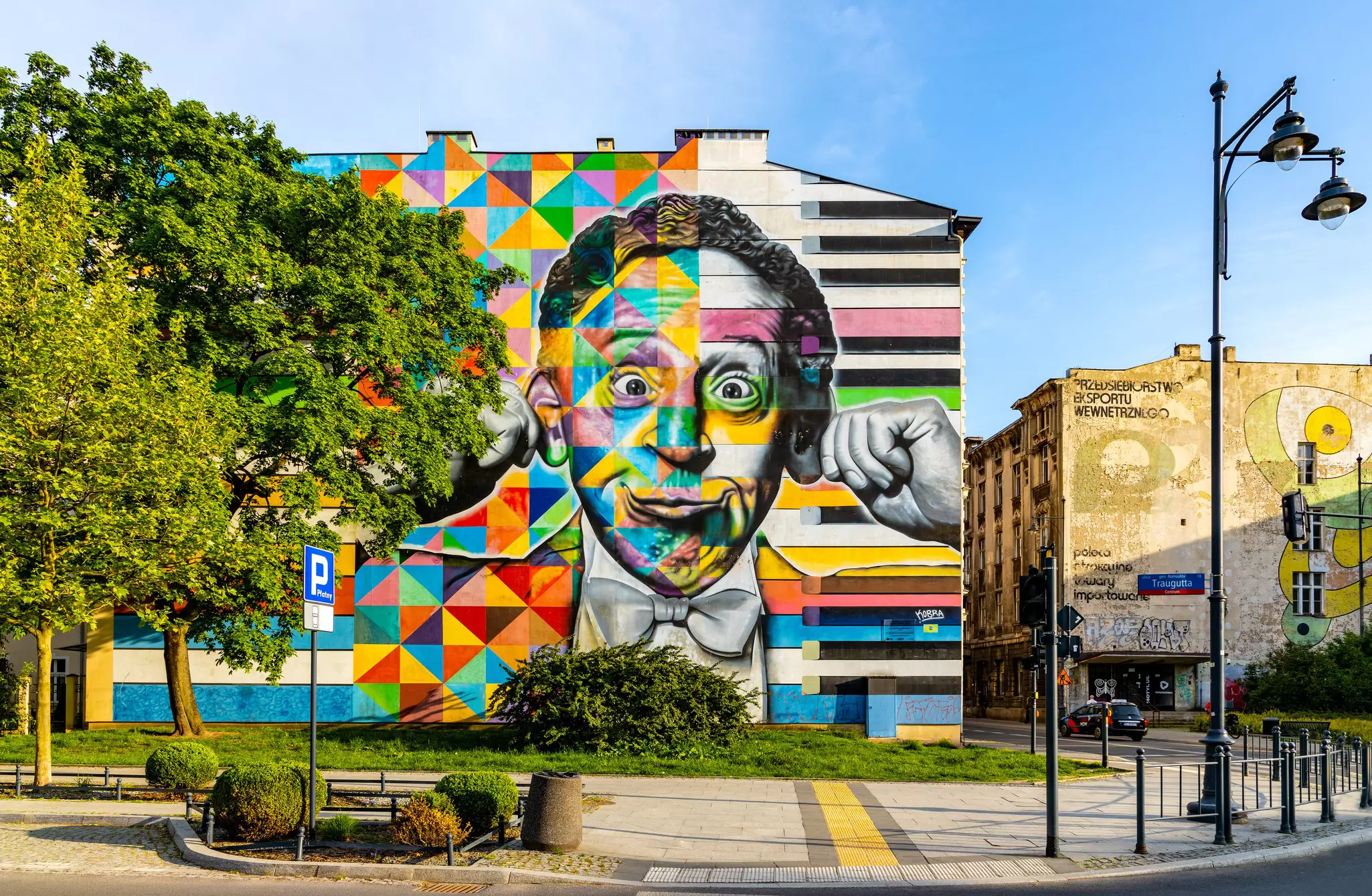
The city of Łódź grew fabulously wealthy in the late 19th and early 20th centuries through manufacturing – and in the 21st has embraced street art in a way no other place in Poland has. There are well over 200 public works of art to discover as you walk around, including Pasaż Róży by Joanna Rajkowska, a somewhat humdrum courtyard that Rajkowska covered completely in mirror fragments arranged in swirling rose patterns; and Wiedźmin (Witcher), designed by Jakub Rebelka, which is Poland’s tallest piece of street art and covers the 230ft-high (70m-high) sides of an apartment block.
Detour: Marco Italian Food and Street Art, the on-site restaurant at Łódź’s Central Museum of Textiles, includes a gallery of images from Urban Forms, the foundation that organizes the creation of some of the city’s most impressive pieces of street art.
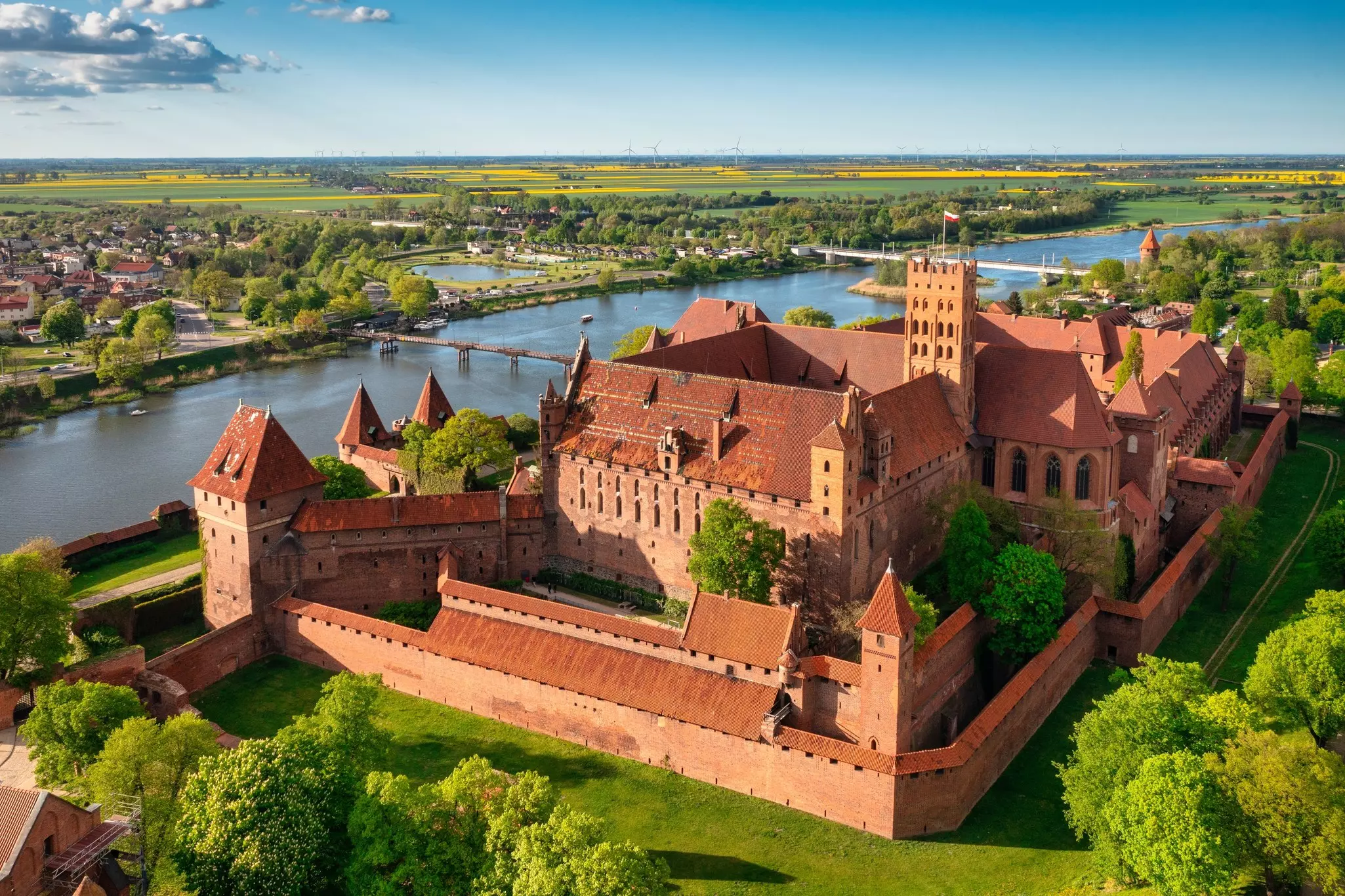
This UNESCO-listed complex is Europe’s largest castle. Begun by the Teutonic Knights in the 13th century, Malbork Castle served as the order’s headquarters for almost 150 years. Despite sustaining serious damage during WWII, almost all of the complex has been preserved and restored, and the castle today looks much as it did six centuries ago. Highlights include the Grand Masters’ Palace, with such splendid interiors as the Great Refectory (look out for its remarkable palm-vaulted ceiling), and the Amber Museum.
Planning tip: Avoid queues by purchasing tickets online – and pack a picnic, as the dining options at the castle are limited.
They’ve been perfecting gingerbread in World Heritage–listed Toruń for centuries. To learn more about this sweet and peppery treat, visit one of town’s two museums devoted to the baked confection. The bigger and better of the two is the Museum of Toruń Gingerbread, housed in the world’s oldest gingerbread bakery. You can even sign up for one of the museum’s workshops to learn the secrets of baking Torún gingerbread for yourself.
Detour: Gateway to the Great Masurian Lakes, Olsztyn offers an attractive, spruced-up Old Town and plenty of new hotels, restaurants and bars. Never overwhelmed with tourists, it makes for a refreshingly slow stop before moving on to the usually busier lakeside towns.
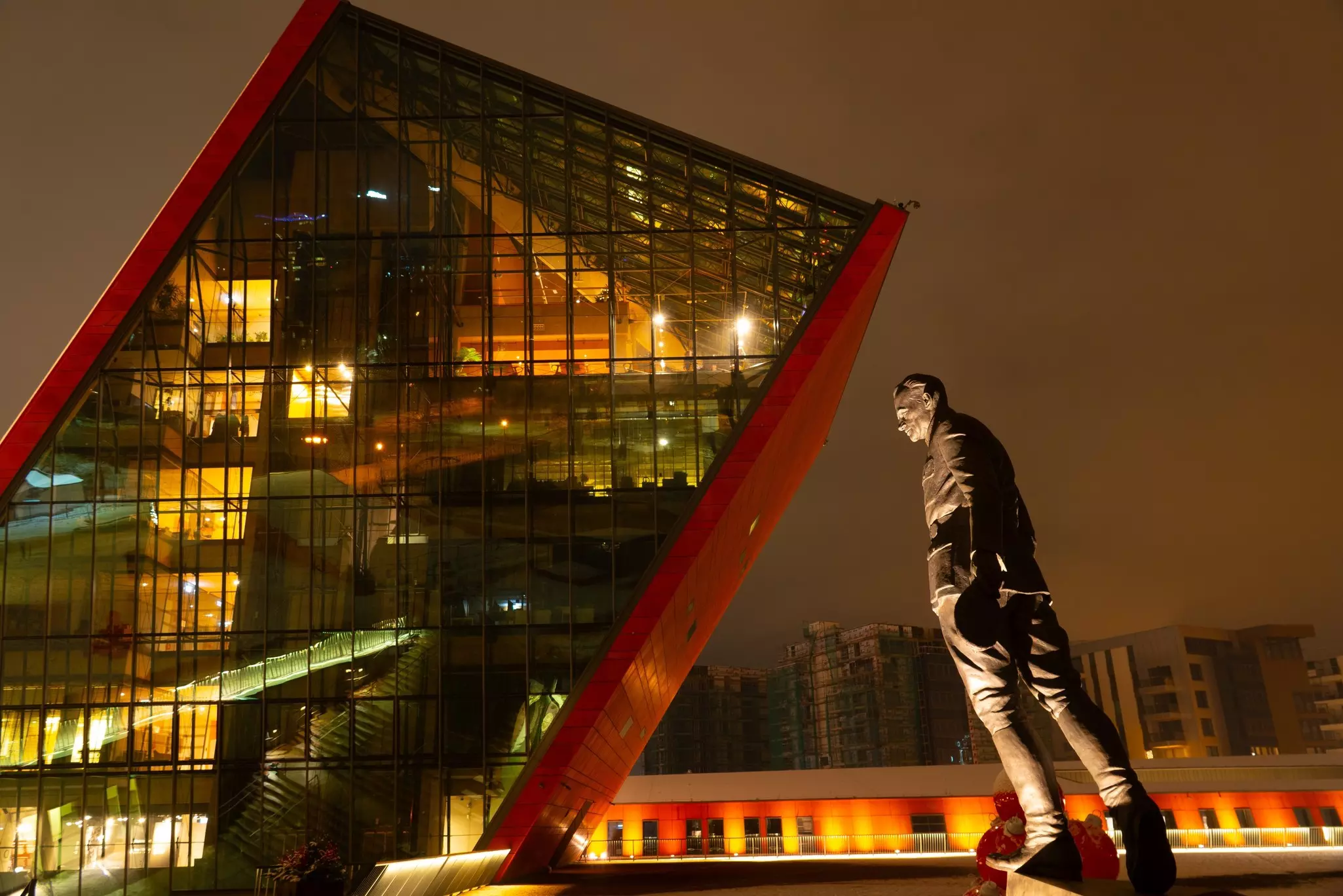
The first shots of WWII were fired in Gdańsk, so it’s fitting that this historic Baltic Sea port is home to the monumental Museum of the Second World War. The 53,819-sq-ft (5000-sq-m), architecturally dramatic museum delivers an emotionally powerful history lesson as it charts the causes, progress and aftermath of the 20th century’s biggest conflict. The exhibits tell the story of how Poland was victimized in just about every way by the war’s larger players. If you think you know your WWII history, a visit here will have you thinking anew.
Planning tip: This is a massive museum that can easily take half a day to properly take in. Refreshments at the museum cafe can help break up your visit; you can also leave and return the same day using the same ticket.
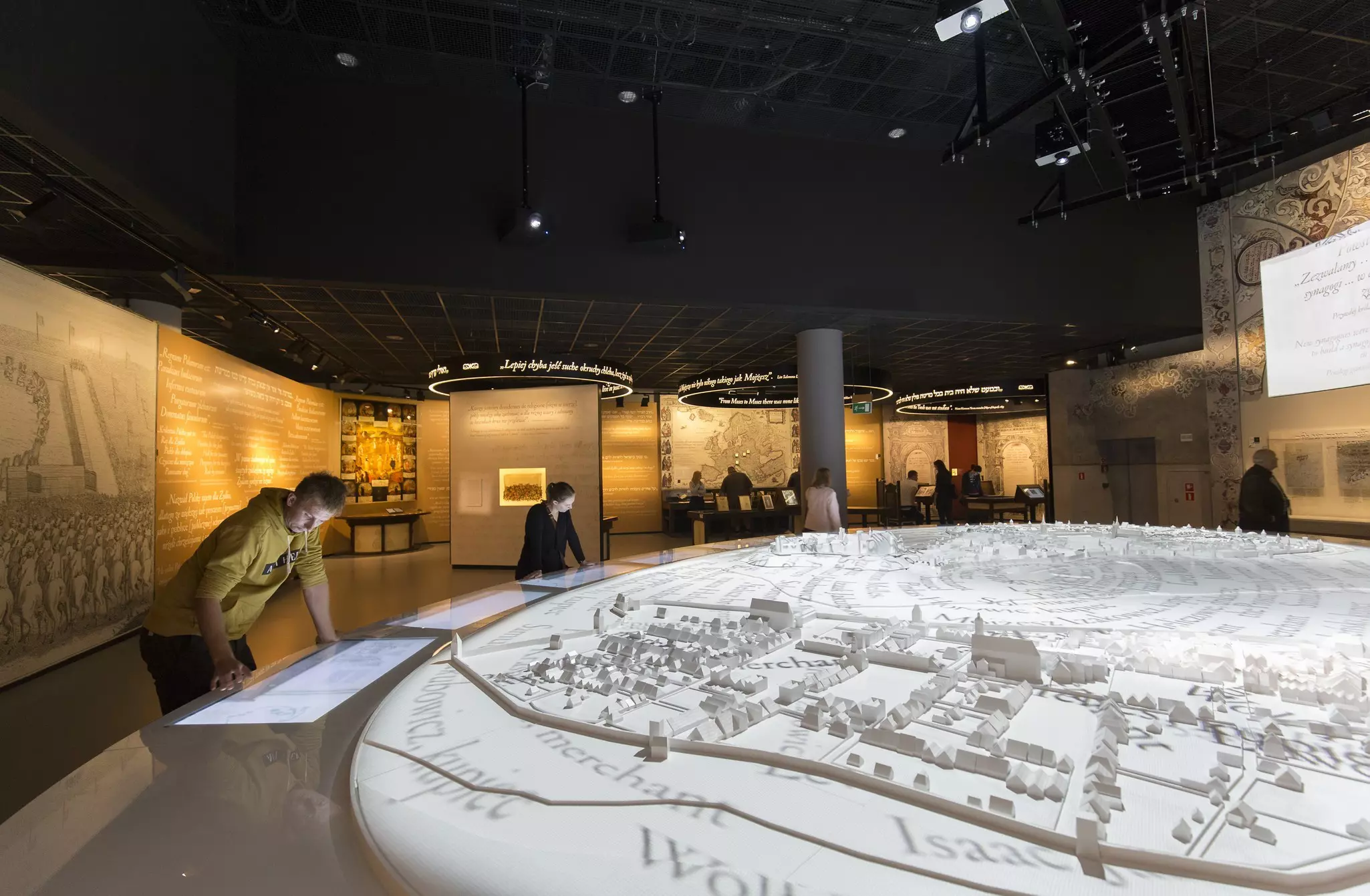
Another exceptional Polish museum is POLIN, which charts over 1000 years of Jewish history across the nation’s historic territories. The highlight is a dazzling reconstruction of the painted ceiling and bimah (raised central platform for reading the Torah) of the synagogue that once stood in Gwoździec (now part of Ukraine). The section covering the Holocaust (1939–45) is, appropriately, dark, claustrophobic and even physically unsettling. The exhibition ends with videos of local Jews talking about the continuing specter of anti-Semitism in contemporary Poland.
Detour: Warsaw’s Jewish Historical Institute houses the UNESCO-listed Ringelblum Archives, a precious collection of 6000-plus diaries, drawings, photographs, posters and other documents that provide first-hand accounts about Nazi Germany’s extermination of Jewish communities in Poland.
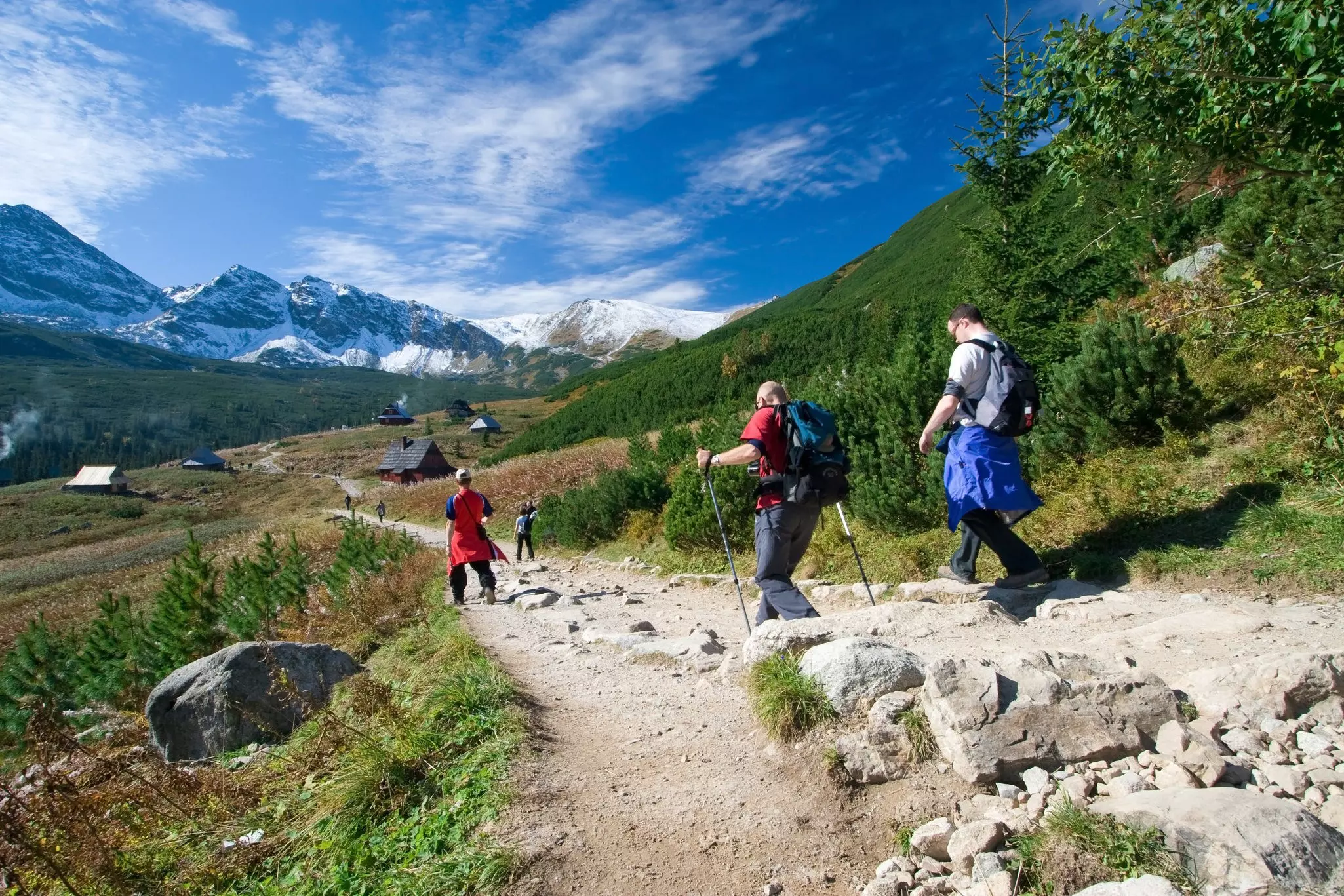
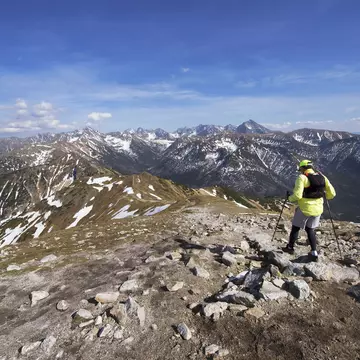
No other area of Poland boasts such a diversity of landscapes as the Tatra Mountains, which form the border with Slovakia. The most popular area for hiking is 82-sq-mile (212-sq-km) Tatra National Park, which begins just south of Zakopane, Poland’s most fashionable mountain resort. For short walks, the densely forested valleys of Dolina Strążyska are lovely. Alternatively (and more ambitiously), you can strike out for the 6214ft (1894m) summit of Mt Giewont.
When the snow starts to fall, Zakopane’s 50 or so ski lifts and tows crank into action. There’s ski terrain here for everyone, from level cross-country touring to black-diamond slopes for hardcore shredders.
Planning tip: Book ahead online for a ticket to visit the Tatra Park Nature Education Centre as numbers are limited to 25 people at a time.
Explore related stories