Oct 8, 20268 min read
12 Best Christmas Markets in LondonApr 16, 2024
14 MIN READ
Contributors
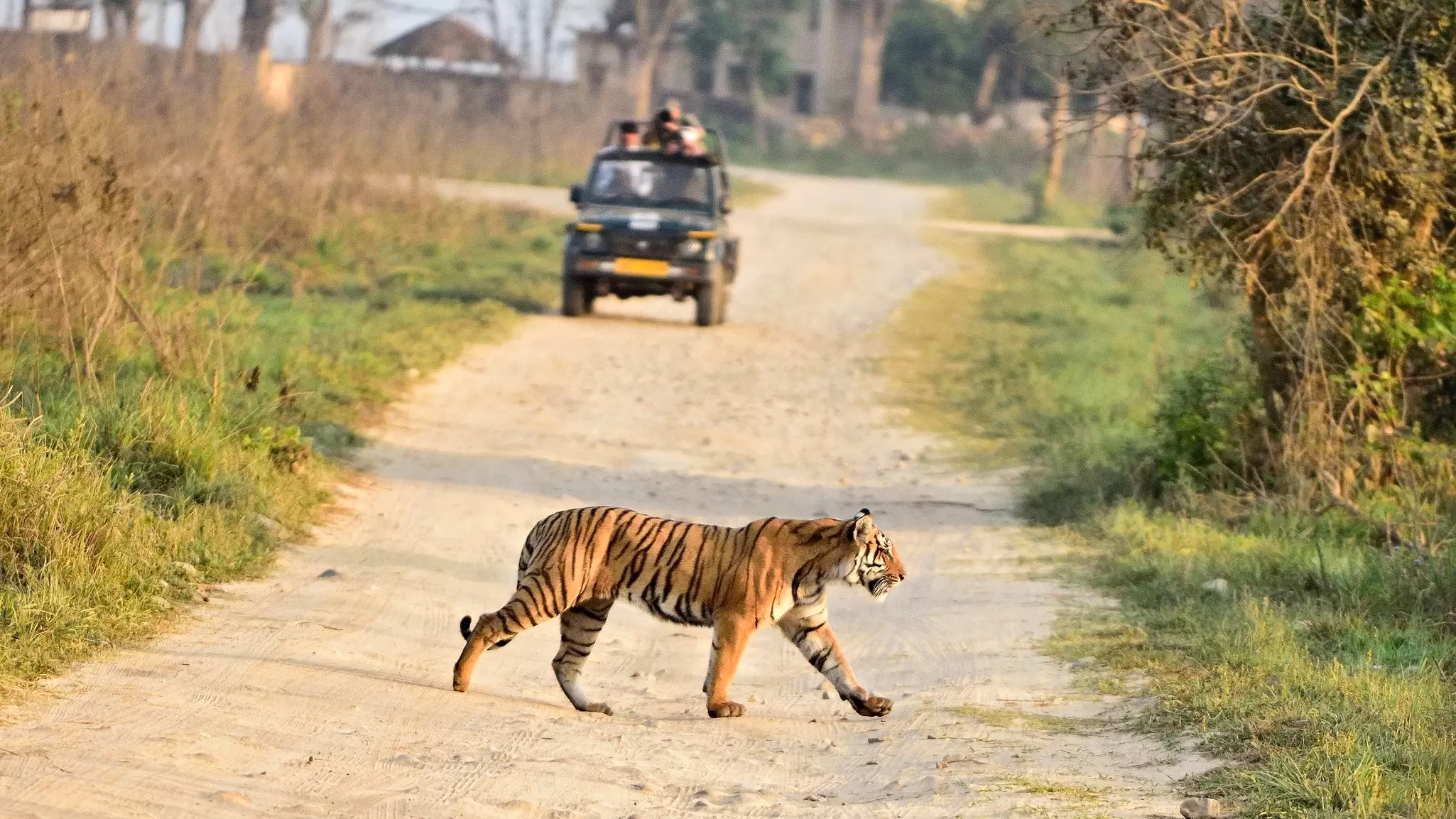
From a 4WD vehicle, on foot or even on the back of an elephant, here’s where you can see a tiger in the wild © Safique Hazarika Photography / Getty Images
Contributors


Sarah Reid, Josh Laskin
Lonely Planet may earn a commission from affiliate links on our site. All recommendations and reviews reflect our own independent opinions.
There are as few as 3900 tigers left in the wild. Here’s where and how to spot one of them.
The modern world hasn’t been kind to tigers. Three of the nine tiger subspecies became extinct within the last century, and the remaining six are endangered, some critically, thanks to ongoing threats to survival ranging from habitat loss to illegal poaching.
But there is some good news: wild Bengal and Siberian tiger numbers have both been increasing in recent years. Continually improving tourism infrastructure in key tiger habitats offering visitors a good shot at spotting one with minimal impact on the animals. Such expeditions offer a much more sustainable alternative to visiting a captive-tiger attraction, many of which have come under fire for animal mistreatment. (Would you visit the domain of the Tiger King?)
As you think about the ultimate encounter with one of nature’s most majestic apex predators, read on to find out more about where you might be lucky enough to see a tiger in the wild.
Top tips for spotting animals: a guide to watching wildlife around the world
Established in 1936 as Hailey National Park and later renamed after the renowned hunter and naturalist, Jim Corbett National Park in Uttarakhand was the first national park in India, the country with the most tigers in the wild. As of 2020, 225 tigers call the park’s sal forests, marshes and grasslands home – a huge rebound from recent years. The park is one of the few tiger reserves in the country that allows overnight stays within its perimeter, increasing your opportunities for spotting one of these elusive creatures.
How safaris work at Jim Corbett National Park: You can take Jeep or 20-seat Canter safaris in the park’s five different zones, which are intended to spread safari vehicles evenly throughout the preserve. Tours are managed by India’s forest department; it’s left up to the guides to determine which zone any safari will take place in on a given day (All five zones report a similar amount of tiger sightings.) Tours are offered daily in the mornings and evenings.
What else there is to see at Jim Corbett National Park: While in the park, keep your eyes open for Indian elephants (especially during the summer), mongooses, leopards, sloths, bears and deer. Spend the night at the Dhikala Forest Lodge, which is one of the only opportunities you’ll have to stay within an Indian national park.
When to go to Jim Corbett National Park: Visit between April and June for the best chance of spotting a tiger. While the summer months can get extremely hot, this is when tigers are most likely to leave the cover of the brush to cool off and get a drink in an open watering hole, providing visitors with a spotting opportunity.
How to make it happen: In addition to the daily safaris offered by the park, a number of local tour companies offer multi-day tour packages. Nature Safari India, for instance, offers a 10-day tour consisting of five days in the park, during which visitors will have the chance to view the unique and diverse wildlife, visit the trails and settlements at the park and learn about the naturalist Jim Corbett.
The 12 best hikes in India, from the high Himalayas to the steamy Western Ghats
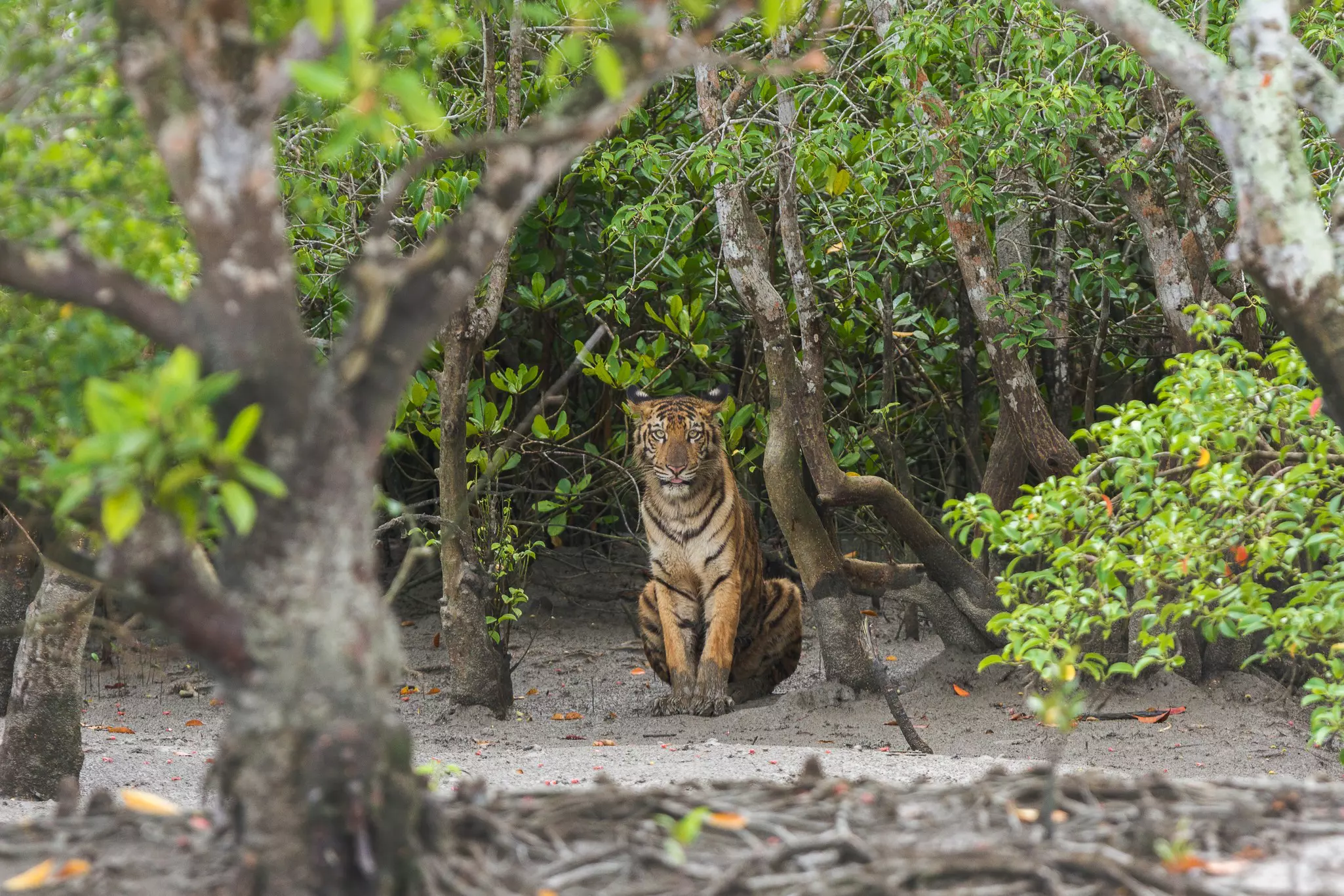
Straddling India and Bangladesh, the Sundarbans is the world’s largest mangrove forest. Thought to be home to more than 114 Bengal tigers, the misty maze of tidal waterways and small islands is best visited from the Bangladeshi side, which offers deeper access and greater chances of spotting a tiger. Sightings of the elusive predators, however, remain rare.
How safaris work in the Sundarbans: Safaris consist of a multi-day boat tour from the southwestern city of Khulna or nearby. You’ll eat and sleep onboard your main tour boat; during the day you’ll break into smaller groups and track tigers, either on foot (accompanied by armed forest guards) or on smaller boats (along narrower river channels).
What else there is to see in the Sundarbans: The Sundarbans is home to a wealth of wildlife. You can expect to spot saltwater crocodiles, wild boar, langurs and many of the region’s 260 bird species.
When to go to the Sundarbans: The cooler season from October to March – when you may spot tigers sunning themselves on river banks – is the most comfortable time to visit. But you’re more likely to the cats in the water during the hotter months of April and May.
How to make it happen: UK-based Responsible Travel offers an 8-day tiger safari in the Sundarbans with a zoologist guide.
Rivers, tigers and tea: experience the best of Bangladesh
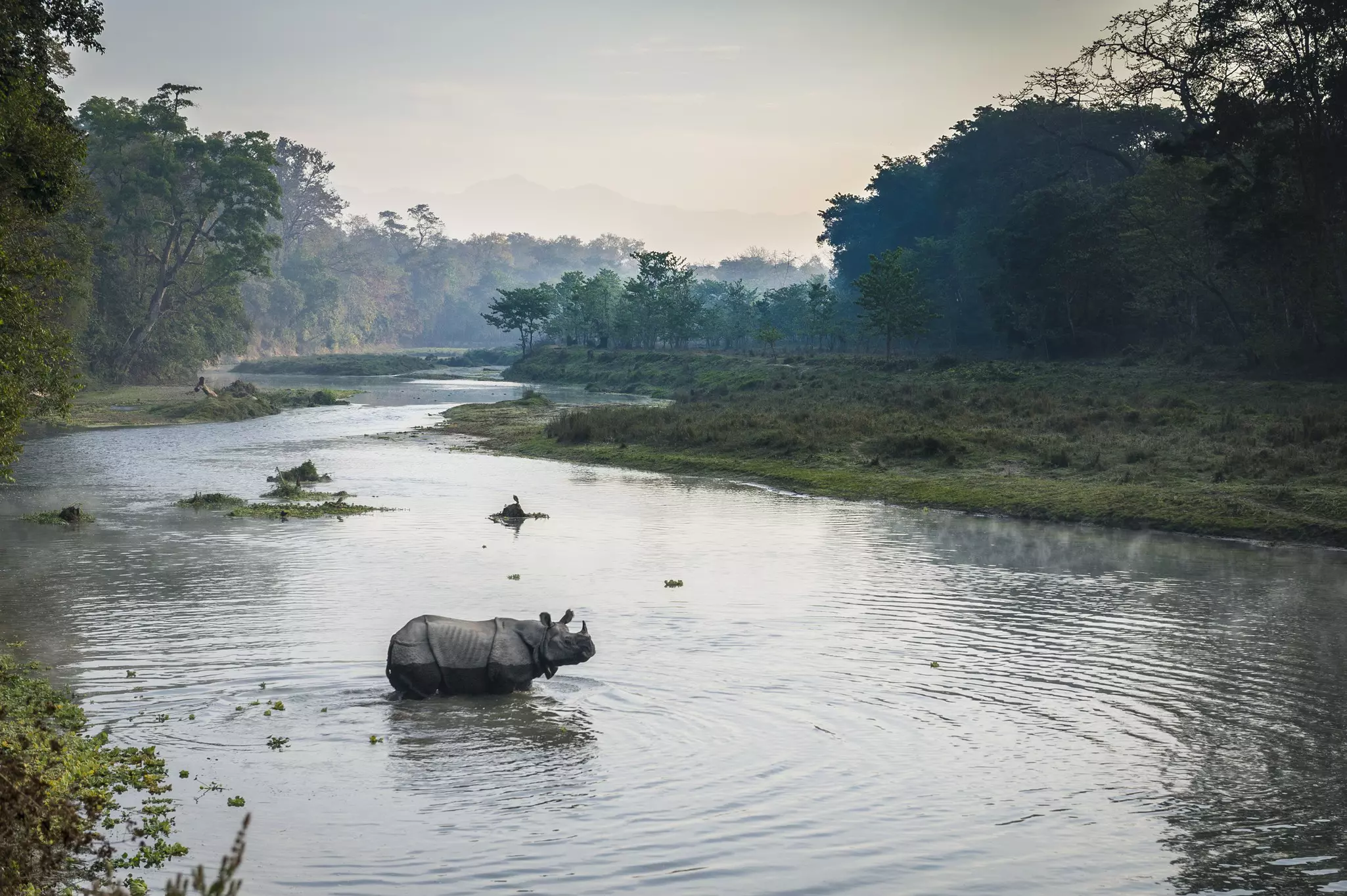
Located near the Nepal–India border, Chitwan National Park is a recognized UNESCO World Heritage Site known for its population of one-horned rhinoceroses, royal Bengal tigers and gharial crocodiles, which inhabit the grasslands and subtropical forests along with over 50 other mammal species. As of the last census, which was conducted in 2018, 128 tigers roamed Chitwan – and an effort to increase the tiger population in Nepal is ongoing. While tiger sightings are rare, the park’s thriving population of one-horned rhinos is another reason to make the trip.
How safaris work at Chitwan National Park: Count on a booking a travel package through a private tour company to go on a Chitwan safari. Most safaris take place in all-wheel-drive vehicles, though some tour operators offer walking and even elephant-back safaris.
What else there is to see at Chitwan National Park: In addition to tigers, one-horned rhinos are a major draw here. The park is also home to elephants, antelopes, pangolins, leopards and striped hyenas, among other majestic species.
When to go to Chitwan National Park: The region has the best weather from October through March, though the chances of spotting a tiger or rhino increase during April and May. Temperatures can sometimes hit triple digits in the spring, so make sure to bring plenty of water and dress accordingly.
How to make it happen: And Beyond offers a 6-day itinerary that starts in Kathmandu. The tour includes a full-day tour of the capital, a sightseeing flight above Everest, a walking tour in Chitwan and elephant-back and 4x4 safaris. Chitwan Jungle Safari also offers a variety of itineraries, including a shorter 2-day tour that includes an elephant safari.
Nepal’s best road trips take in mountains, monasteries and more
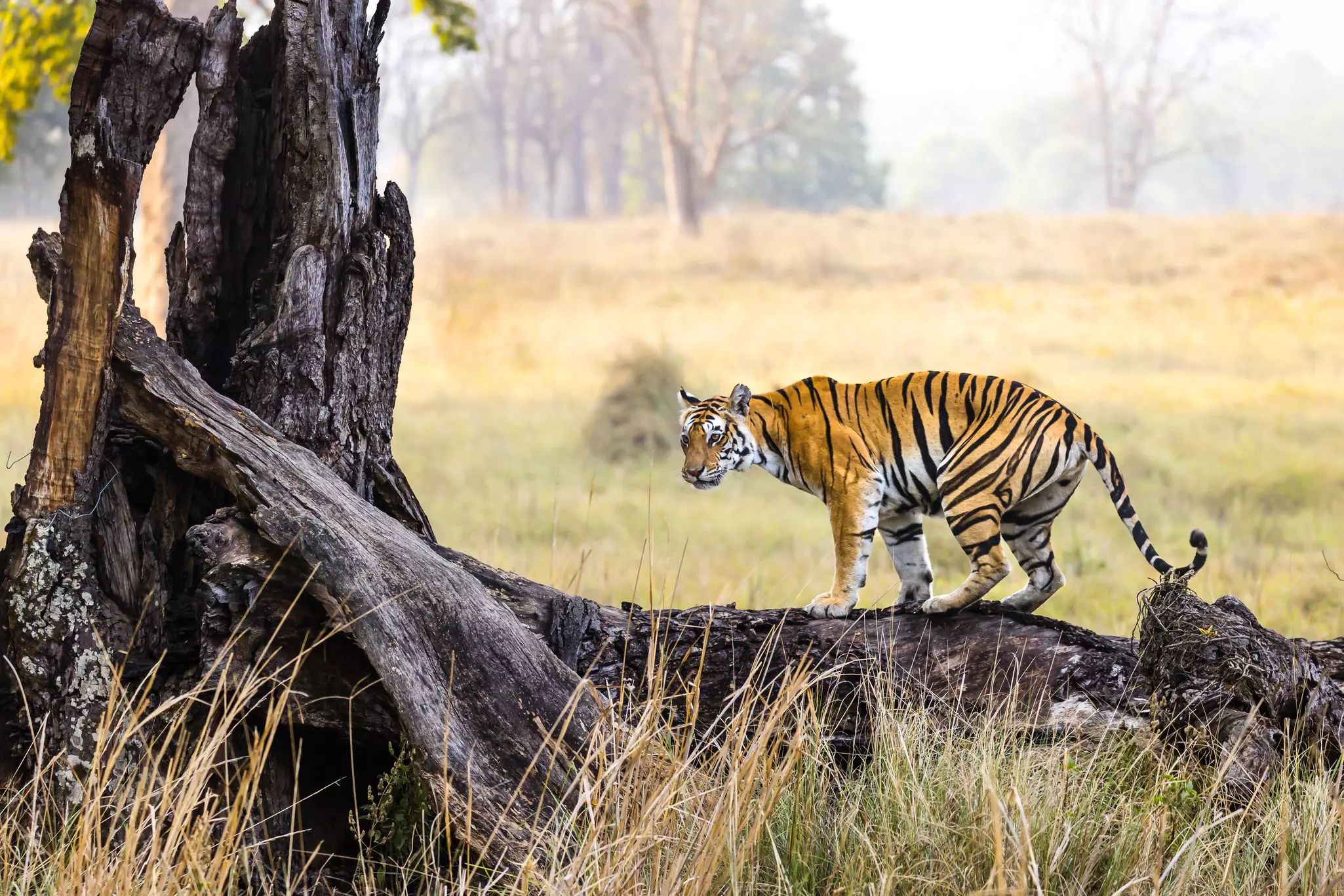
Madhya Pradesh – known as India’s ‘Tiger State” – is home to some 50 tiger reserves. The most accessible and best-managed include Kanha, widely thought to be the setting of Rudyard Kipling’s classic The Jungle Book.
How safaris work in Madhya Pradesh: With the marvelous exception of Satpura in the only reserve in the state that offers walking safaris, you can expect to go tiger-spotting in a Maruti Suzuki Gypsies, which can be booked for morning, afternoon and sometimes night drives with a local guide. Aim for at least four drives for the best chance of spotting a tiger.
What else there is to see in Madhya Pradesh: Other wildlife you’re most likely to spot include deer, particularly the sambar, spotted and swamp subspecies; raptors like owls and eagles; gaur buffalo; langurs and macaques; and, if you’re lucky, maybe even a sloth bear or a jungle cat.
When to go to Madhya Pradesh: Most tiger reserves close during the July-to-September monsoon season. While tigers can be spotted year-round, the hot, pre-monsoon months of April and May tend to offer the best sightings, typically at water holes.
How to make it happen: The remoteness of Madhya Pradesh’s reserves makes organized tours attractive options. Visit Forsyth Lodge in Satpura, which works with the local community to provide transfers to Bhopal’s airport, a 4-hour drive away.
The 8 best national parks in India for lions, tigers and bears
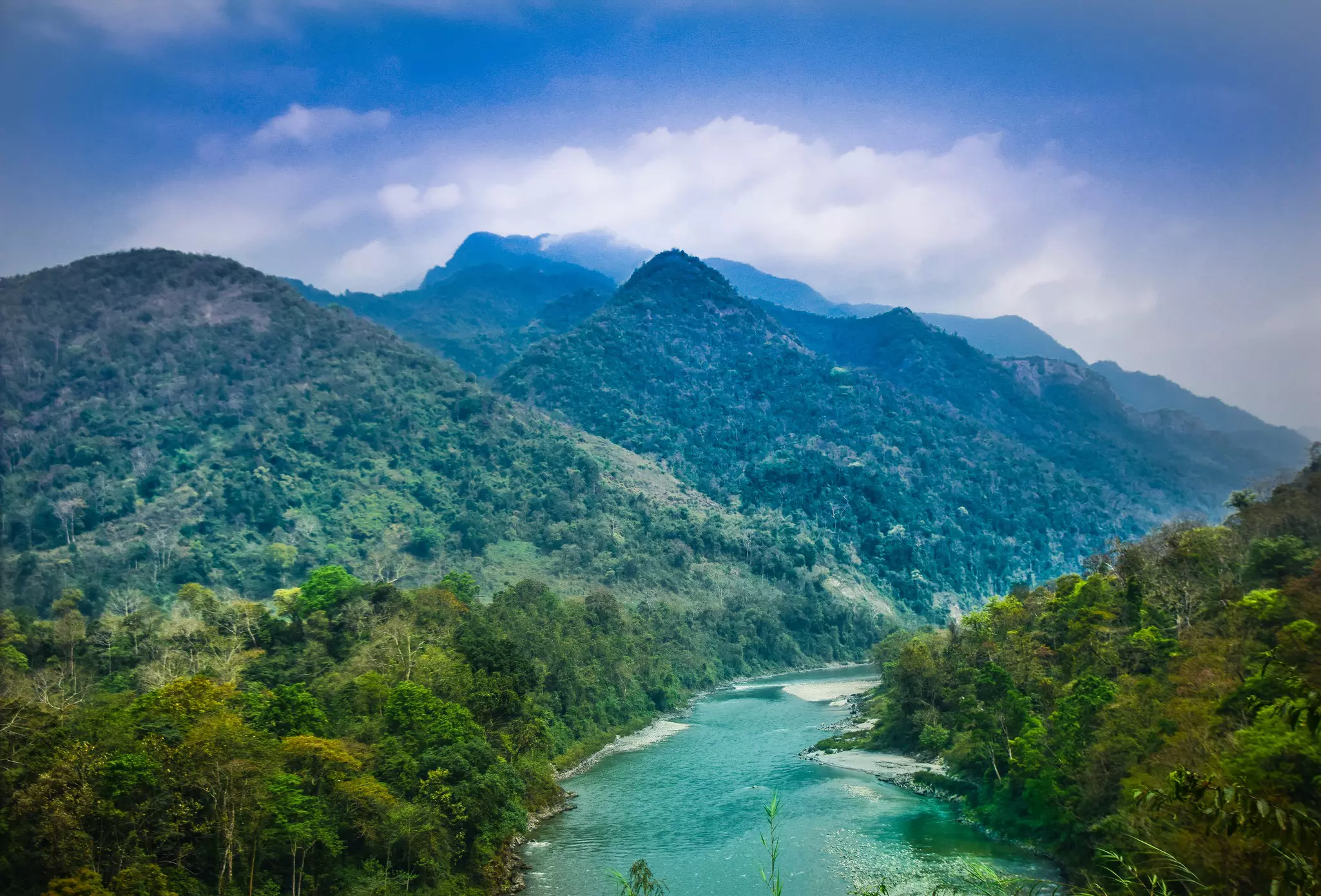
Located in the eastern Himalayas, Royal Manas is Bhutan’s first and oldest national park. UNESCO recognizes the park as a Natural World Heritage site thanks the diversity of its endangered flora and fauna, including rhinos, elephants, water buffalo and (of course) royal Bengal tigers. Consisting largely of mountainous, forested terrain, the park is home to the highest tiger density in the world, with a total population that has more than doubled since 2008. Royal Manas is surrounded by other wildlife sanctuaries and parks, like Manas Tiger Reserve, Phipsoo Wildlife Sanctuary, Khaling Wildlife Sanctuary and Thrumshingla National Park. Together, they form a large inhabit for tigers to roam safely.
How safaris work at Royal Manas National Park: While safari offerings are view and tiger sightings less frequent than at some Indian destinations, Royal Manas National Park is still well worth visiting. A number of tour itineraries that focus on nature, culture and wildlife are offered by various operators. For an actual safari, consider heading just south to Manas National Park in Assam, just over the Indian border.
What else there is to see at Royal Manas National Park: This biodiverse park is home to some of the rarest animals in the world, including clouded leopards, pygmy hogs, water buffalo, one-horned rhinoceros, elephants and the golden langur, which is found almost nowhere else in the world.
When to go to Royal Manas National Park: While the best weather at Royal Manas is experienced between November and February, the summer months are when the likelihood of a tiger spotting increases. Keep in mind that monsoon season — during which nearby Manas National Park in India is closed — is from May through September, so if that’s when you decide to visit, bring your rain gear.
How to make it happen: Many tours focus on a range of activities and experiences throughout Bhutan, with Royal Manas National Park one piece of the marvelous puzzle. Yatara Adventure offers a range of itineraries that include visiting the park.
A 7-day journey on the Trans Bhutan Trail
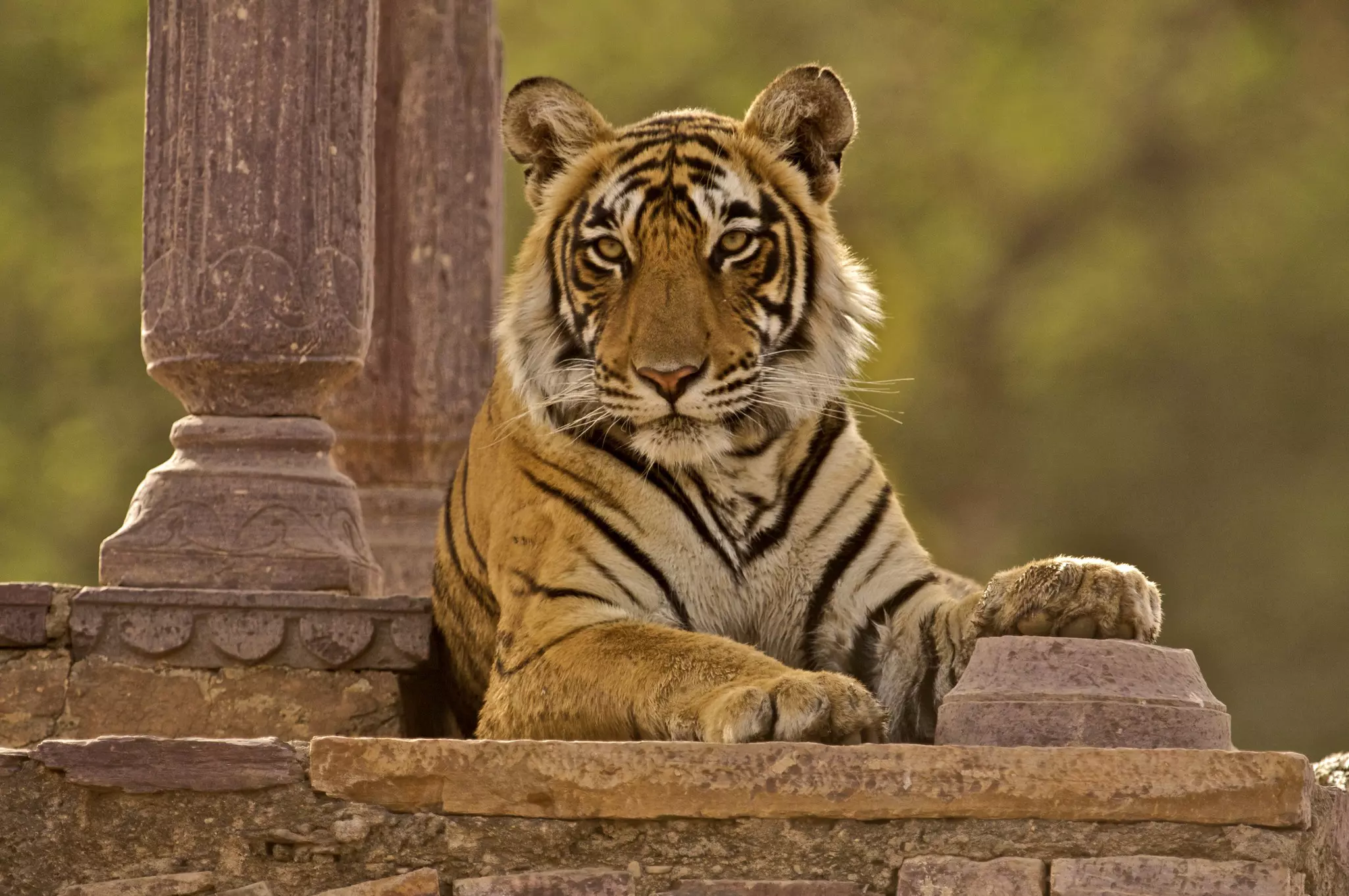
At nearly 330, 000 acres (133, 546 hectares), Ranthambore National Park is one of the largest national parks in northern India. Reportedly home some 88 Bengal tigers as of 2023, the Rajasthan park is known as one of the famous hunting grounds of Maharajas of Jaipur, layering a level of culture and history onto a diverse ecosystem. Visitors will discover a number of ancient temples, mosques and even a 10th-century fort scattered throughout the park — a worthwhile point of interest in itself.
How tiger safaris work at Ranthambore National Park: Most safaris here set out in either a six-person Jeep or 20-seat Canter. While most book tours at least 90 days in advance, last-minute spots are sometimes available. These three-hour tours are available between October 1 and June 30.
What else there is to see at Ranthambore National Park: In addition to the ancient ruins and tigers, it’s not uncommon to see leopards, sloth bears, jackals, crocodiles, Indian foxes, hedgehogs and even hyenas.
When to go to at Ranthambore National Park: February and March tend to have the nicest weather. But the heat of April and May coax tigers to popular watering holes, offering the best chances of spotting one.
How to make it happen: Ranthambore’s diverse wildlife, historical and cultural destinationsm and picturesque landscape make it one of the best photography destinations in the world. Natural Habitat Adventures offers an 11-day photo tour, which includes a 5-day safari, a sunrise and sunset photo session at the Taj Mahal, a balloon ride over Jaipur and a half-day tour of Delhi. For those who don’t want to book a full package itinerary, the park offers morning and evening tours daily.
Visiting the Taj Mahal: plan the perfect trip to India’s iconic monument
Thanks to concerted conservation efforts during the last decade, Nepal’s Bengal tiger numbers have almost doubled, with more than 235 individuals roaming across five national parks. While Chitwan is the best known, Bardia National Park in the nation’s remote northwest is home to some 80 tigers.
How safaris work at Bardia National Park: All Bardia safari lodges offer walking and 4WD safaris. While you can cover more ground in a half-day driving safari, full-day walking safaris lend to more-intimate wildlife viewings. With guides carrying only a bamboo pole for protection (tiger attacks are rare, but not unheard of), it’s a bigger thrill, too.
What else there is to see at Bardia National Park: Look out for Bardia’s 30-odd greater one-horned rhinos, as well as otters, crocodiles, wild elephants, five species of deer and more. At the very least, you’ll meet Vikram the rhino, a victim of human-wildlife conflict living out his days in an enclosure near the park entrance.
When to go to Bardia National Park: Bardia is open year-round. As elsewhere in the region, it’s generally easiest to spot tigers in the hot season when tigers (and rhinos) can often be seen cooling off in the Girwa River.
How to make it happen: Of the several dozen safari lodges in or near the village of Thakurdwara, near the park entrance, Bardia Ecolodge is a standout for its superb meals and fantastic local guides. For more comfort, consider the luxurious Karnali Lodge, run by responsible tourism pioneer Tiger Tops. All good lodges can arrange transport from the local bus stop, or from Nepalganj, the closest airport.
The best national parks in Nepal will have you trekking, biking and rhino spotting
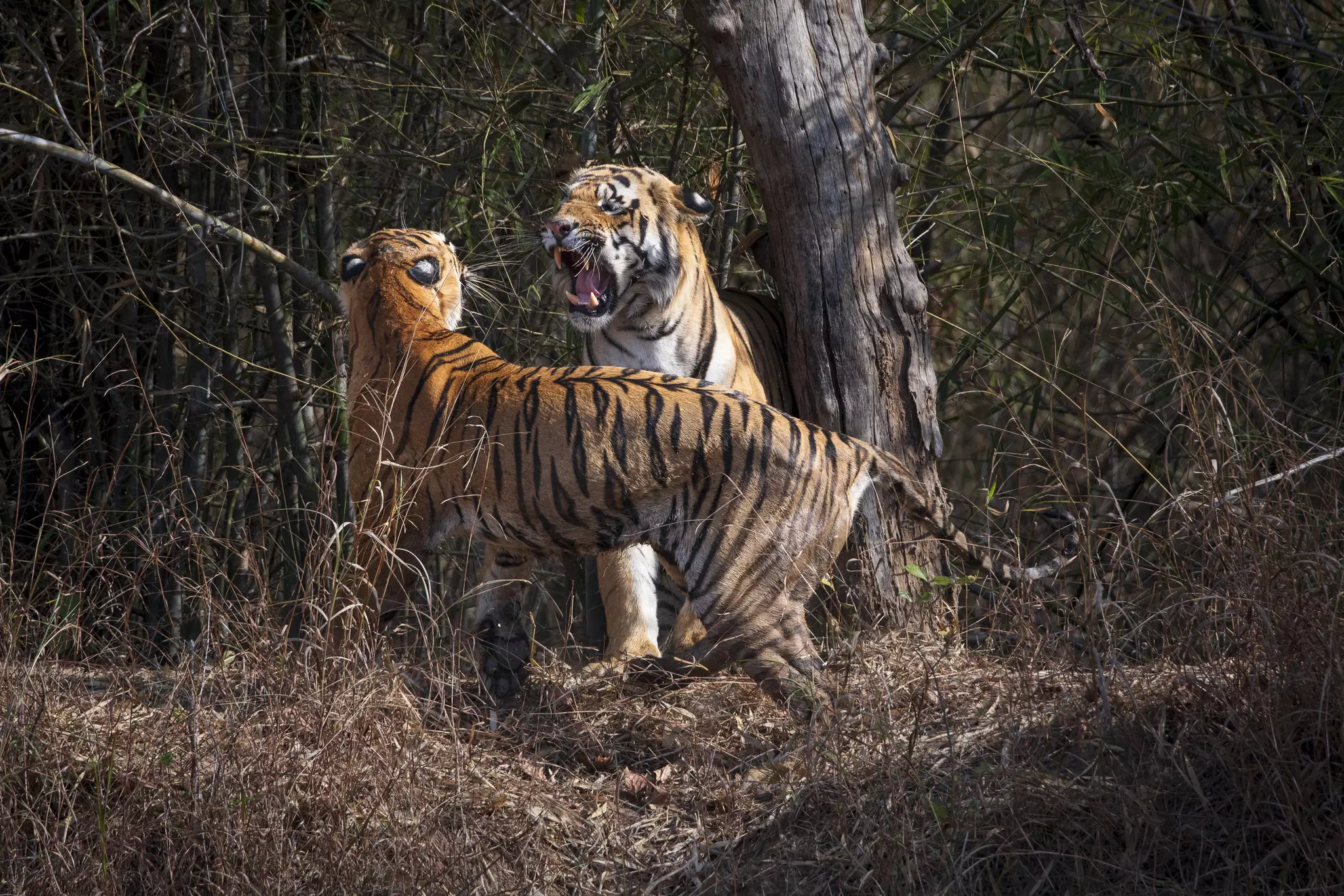
Located in the state of Maharashtra in central India, Tadoba National Park (also known as the Tadoba Andhari Tiger Reserve) is a lesser-visited destination despite being home to at least 80 tigers – not to mention the additional 200 in the surrounding region. Tadoba’s dry-tropical ecosystem is said to harbor the country’s fastest-growing tiger population, making it a great destination for those trying to spot the elusive creature.
How safaris work at Tadoba National Park: There are three different zones in the park that allow Jeep safaris during the winter and summer months. Visitors can also book a Canter safari upon arrival at the Moharli gate on a per-seat basis – a great option for those on a budget. Timing varies depending on the exact date you plan on visiting; safaris typically set out each morning and evening from October 1 through February 28, and March 1 through June 30.
What else there is to see at Tadoba National Park: Even if you don’t see a tiger in Tadoba, the park is also home to a myriad of other rare and spectacular species, like cheetahs, leopards, sloth bears, crocodiles and Indian pythons.
When to go to Tadoba National Park: As you surely know by now, the best time to spot tigers doesn’t coincide with the most pleasant weather. The rising heat in March brings the tigers out into the open, where visitors have the best chances of catching a glimpse. Consider visiting between March and May for increased odds – just be prepared for the heat.
How to make it happen: Tour operator Responsible Travel, which prides itself on supporting sustainable travel for both the environment and local communities, offers an 8-day itinerary that begins in Delhi. The trip focuses solely on Tadoba, so your chances of seeing a tiger are greater than on tours that spend only a day or two in the park. Tour My India also offers a seven-day package that incorporates Nagzira and Pench National Parks into the itinerary.
India's best train trips are a journey to the soul of the subcontinent
Sarah Reid traveled to India with the Adventure Travel Trade Association, and to Nepal with support from Encounters Travel. Lonely Planet contributors do not accept freebies in return for positive coverage.
Explore related stories