Sep 24, 202610 min read
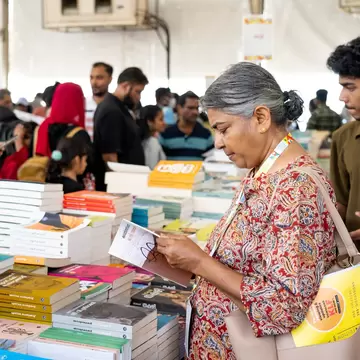
A Book Lover’s Guide to IndiaApr 9, 2021
3 MIN READ
Writer
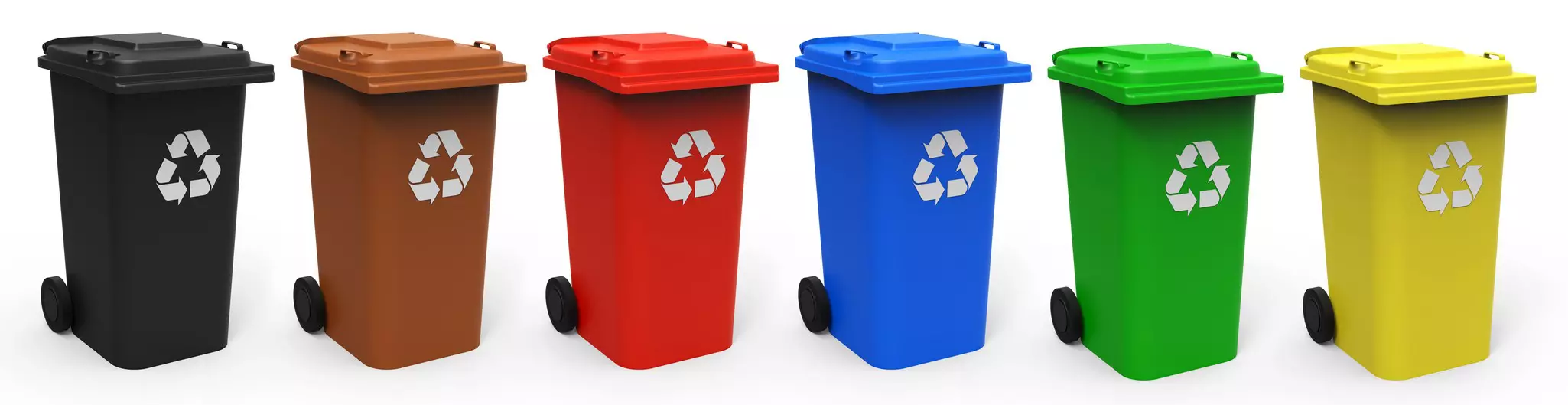
Composting is said to benefit the earth © Shutterstock
Writer
Lonely Planet may earn a commission from affiliate links on our site. All recommendations and reviews reflect our own independent opinions.
Composting is one of the simplest ways to reduce greenhouse gas emissions and improve soil health. An easy use of the kitchen waste, which may otherwise take years to decompose, compost is great for the earth too and is often referred to as black gold by horticulturalists.
Composting is a natural process of decomposition of organic materials (food waste) into simpler organic and inorganic compounds in the presence of oxygen. Composting is extremely important because it promotes the creation of healthy soil along with an ability to sequester immense quantities of greenhouse gases. This supports the larger objective of nations in meeting their climate change commitments being pledged towards achieving zero carbon emissions.
Compost has numerous benefits. It is an excellent alternative to chemical fertilizers. It acts as a soil conditioner and helps in providing additional nutrients to the soil for our plants, it promotes good health of plants by introducing beneficial microscopic organisms to the soil and also helps in retaining soil moisture and prevents soil erosion by binding soil together and controlling the flow of water. Another important benefit of composting is that it reduces up to 30% of the household waste that would otherwise typically end up in landfills and take years to decompose. Natural compost helps reduce the release of methane in the atmosphere and results in reducing the impact of global warming.
It may sound hard, but composting at home is not impossible. It’s a great way to reuse kitchen waste and also make your own fertilizer. Time required for composting varies between 90-100 days in winter and 70-80 days in summers.
To begin the process the following items are required:
1. Earthen pots (preferred for faster composting) or large old plastic drums
2. White /brown paper tissue papers.
3. Fruit and vegetable skin and egg shells (wash with water before putting in compost bin).
4. Pieces of paper or dry leaves from planters or lawn.
5. Used and washed tea leaf
6. Jaggery
7. Soil
8. Buttermilk or very sour curd
9. Garden tool to turn the layers in compost bin
1. Make a few holes at the bottom of the drum or pot to be used as a compost bin.
2. Take another bucket or container and place it under the compost bin.
3. Add some 20-25 gms jaggery in the bucket.
4. Spread a sheet of paper to cover the holes in the compost bin to avoid clogging of the holes with waste
Layering the compost bin
Start the process by layering the waste in the compost bin. The correct way of layering the kitchen waste is the secret to achieving a healthy compost pile. We need to maintain the correct balance of carbon and nitrogen. A higher level of carbon content is recommended for the compost bin. Sources of rich carbon are dry waste especially dried leaves, twigs, brown paper, cardboard etc. Sources of rich nitrogen are kitchen waste, green leaves, green lawn clippings, egg shells etc. Always start layering with dry waste. First add a layer of 2 inches of dry leaves, paper, twigs etc. Add a second layer of 2 inches of green leafy waste, pea peels etc. Use some garden soil to make the third layer of about 1inch. Spread fruits and other vegetable peels as the fourth layer of about 2 inches. Now add a fifth layer, mix of dry waste and soil. Repeat this cycle till the compost bin is full.
1. Always remember to cover the top layer with good amount of soil
2. Each layer should not be more than 5 inches.
3. To accelerate process, add 1 or 2 cups of sour buttermilk in the compost bin.
4. Gently turn or mix the layer of waste with a garden tool.
5. Strain the liquid collected in the bottom container and store in a plastic bottle.
6. Use the collected liquid fertilizer for your plants only after diluting with water in a ratio 20 ml in 1 liter of water.
Book your India trip with Lonely Planet Journeys
See India how it's meant to be seen
Accommodations, activities and ground transportation all taken care of, so you can focus on the fun part. Tell us what your dream trip to India looks like, and our local experts will build it from scratch. Or start with one of our itineraries and make it your own.

Explore related stories