Apr 14, 20267 min read
The 9 Best Things to Do in Málaga, Spain Apr 14, 2026
7 MIN READ

Writer
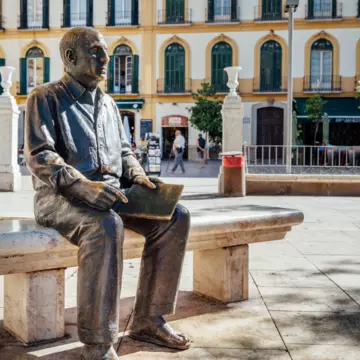
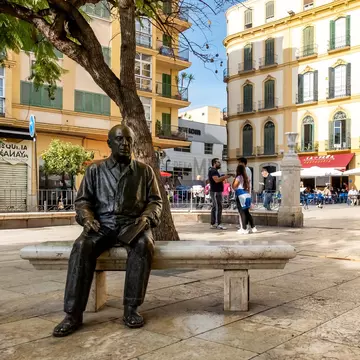
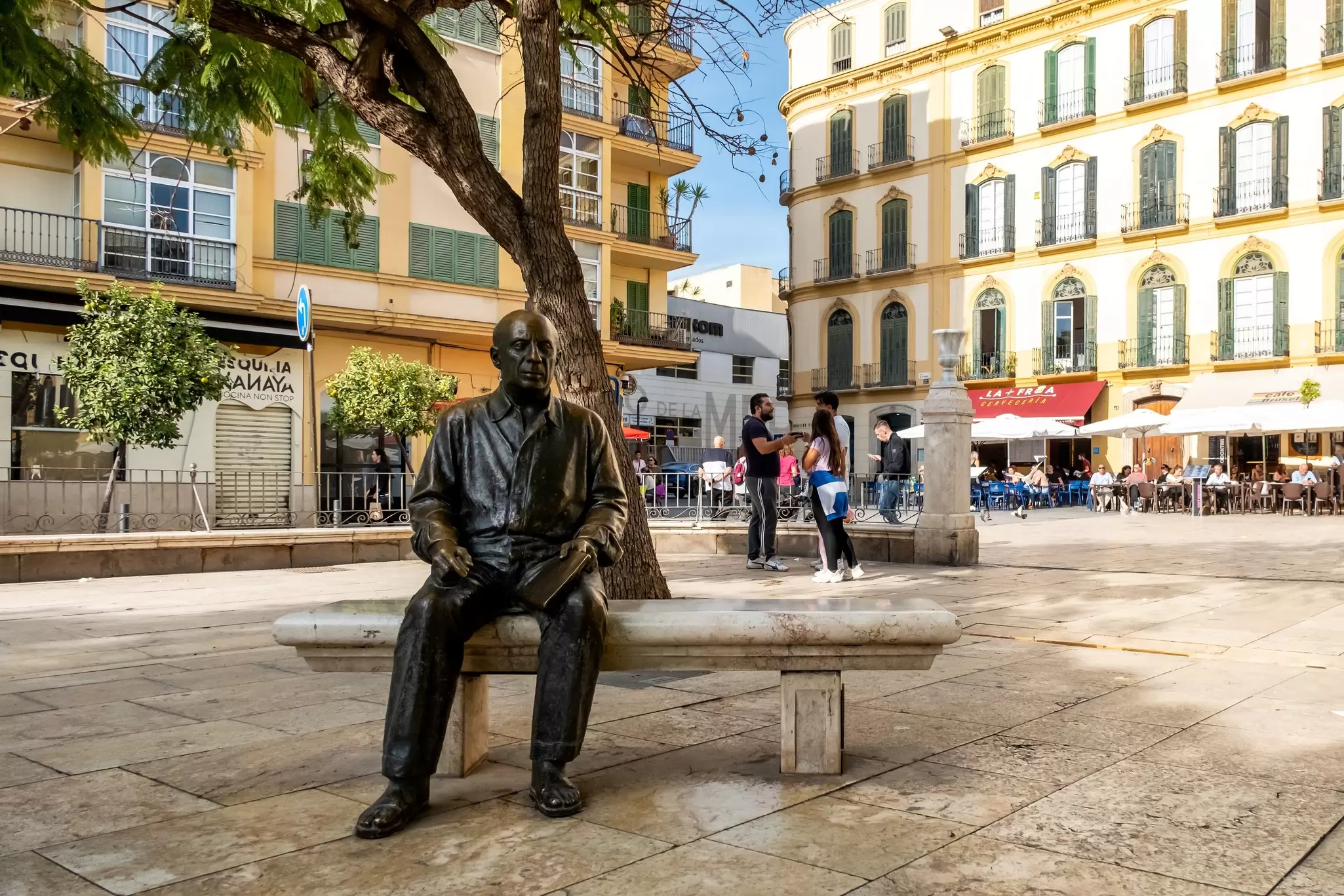
A statue of Pablo Picasso in a square in Málaga, Andalucía, Spain. WR7/Shutterstock
Writer
Highlights
Editors pick nine things to do in Málaga, from Roman ruins to Picasso's masterworks.
Picasso fans should visit Museo Picasso Málaga and his childhood home, Casa Natal de Picasso.
Climb the Moorish Alcazaba and Castillo de Gibralfaro for epic views over Málaga.
Browse the Mercado de Atarazanas for Payoyo cheese, local olives and fresh seafood.
Lonely Planet may earn a commission from affiliate links on our site. All recommendations and reviews reflect our own independent opinions.
Visitors to Andalucía have been discovering that Málaga is more than just a place to fly in and out of. A city museums, the birthplace of Picasso, a center for the arts and dense with centuries of history, Málaga has emerged as one of Spain’s top cultural destinations.
In recent years, international tech companies and digital nomads have remade the city yet again. Its shiny marble streets buzz with life, and bars and taverns overflow onto the squares and pavements every moment of the year. And the archaeological sites, art museums and contemporary galleries? They never get old.
As you plan your next trip to this fabulous city, consider our picks for the best things to do in Málaga.
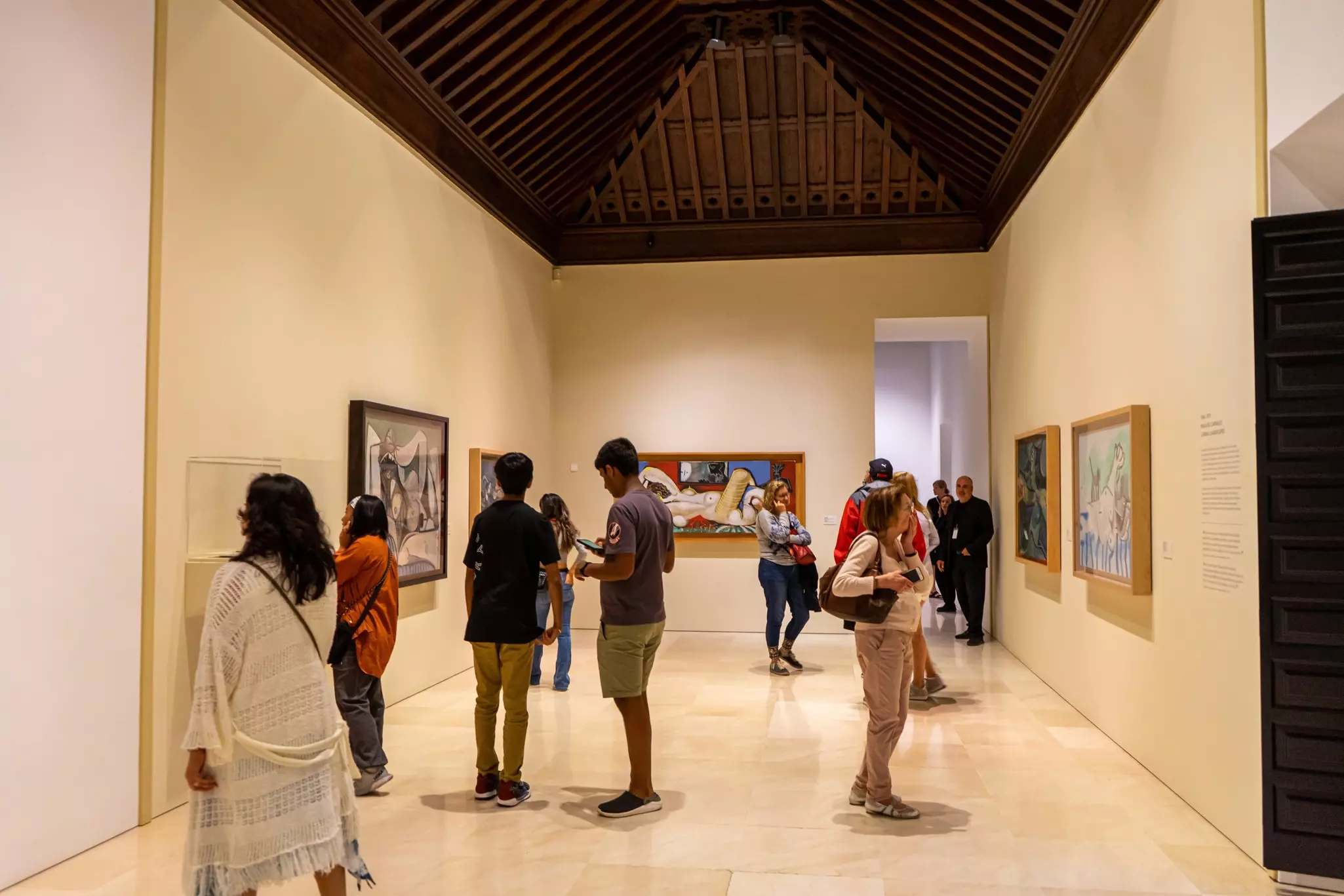
While Pablo Picasso only lived in Málaga for the first 10 years of his life, the city has embraced the modern master as a native son. Museo Picasso Málaga showcases more than 200 of the artist’s works from across his phenomenally rich eight-decade career – a collection given to the city by his daughter-in-law Christine Ruiz-Picasso and grandson Bernard Ruiz-Picasso. The galleries proceed chronologically, including from the artist’s earliest days (discover a painting of his sister Lola, made when he was just 13) through to his pioneering explorations of Cubism and then Surrealism. Look out for the haunting Still Life with Skull and Three Sea Urchins, a museum highlight.
The Picasso idolatry continues at Casa Natal de Picasso, located in Plaza de la Merced, one of Málaga’s liveliest squares. Here, the young Pablo spent the first decade of his life: the first few rooms downstairs show how he first developed as an artist, training with his father, José Ruiz Blasco, a drawing teacher at the Málaga School of Fine Arts. Upstairs are childhood and family photos of Picasso, as well as a room evoking the period during which they lived here, complete with a collection of the family’s paintings and busts. Several works by Picasso’s father grace the walls.
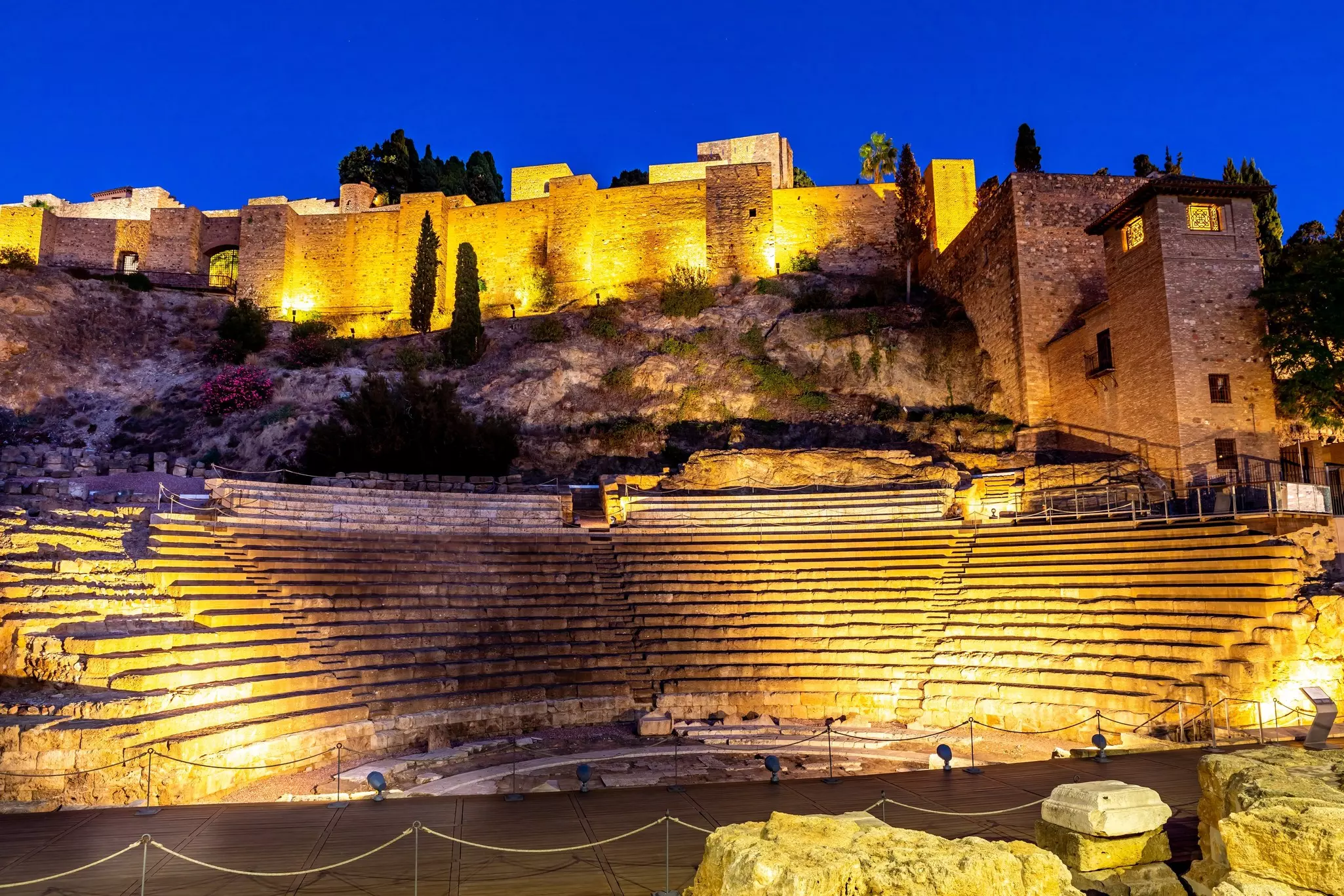
A testament to the importance of Spain in the Roman Empire, Teatro Romano is an almost fully intact amphitheater built during the reign of Emperor Augustus in the 1st century CE. Buried for centuries, it was rediscovered in 1951 when builders were digging the foundations for a new Casa de Cultura, a structure later demolished to make more of this important ancient site. Next to the outdoor amphitheater sits a small interpretation center that houses several Roman artifacts excavated in the area.
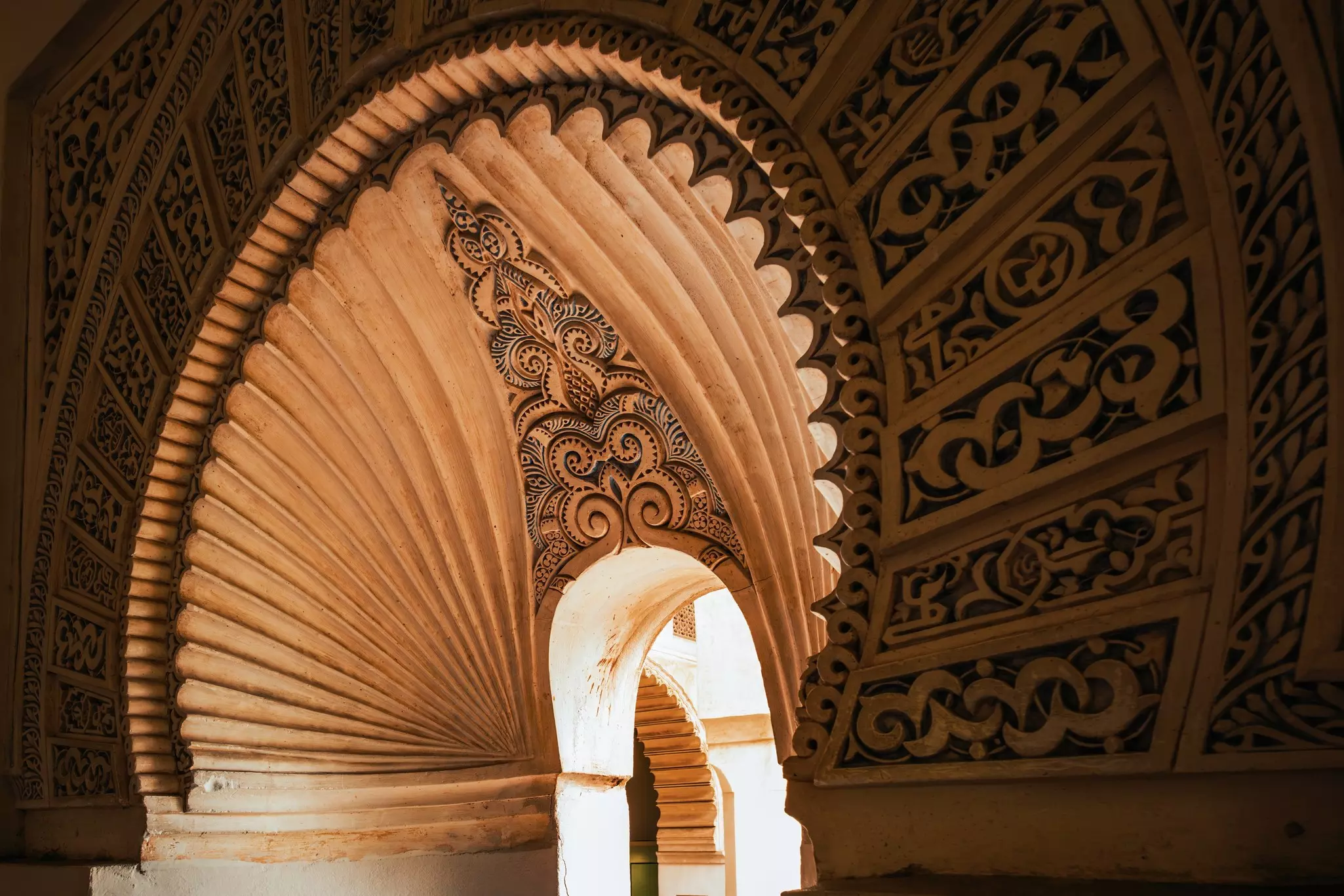
The Alcazaba provides a beautifully preserved glimpse into the city’s fascinating past. The 11th-century Moorish fortification welcomes visitors with a resplendent Arabic arch and winding pathway lined with orange blossoms and jasmine blooms. The visit continues through a series of majestic doorways to a series of tranquil gardens tucked between castle-like turrets. As you climb further still, alongside old water channels and through fountain-filled patios, you’ll enter the palace part of the fortress. Here, ornately carved arches sit beside peaceful pools and colorful geometric tiles.
The main Alcazaba is believed to have been constructed between 1057 and 1063 CE on order of the Berber Taifa king of Granada, though some historians date parts of it earlier. The complex was remodeled several times over the centuries – assuming its profile as a palatial fortress and the seat of the city government in the 14th century, under Nasrid rule.
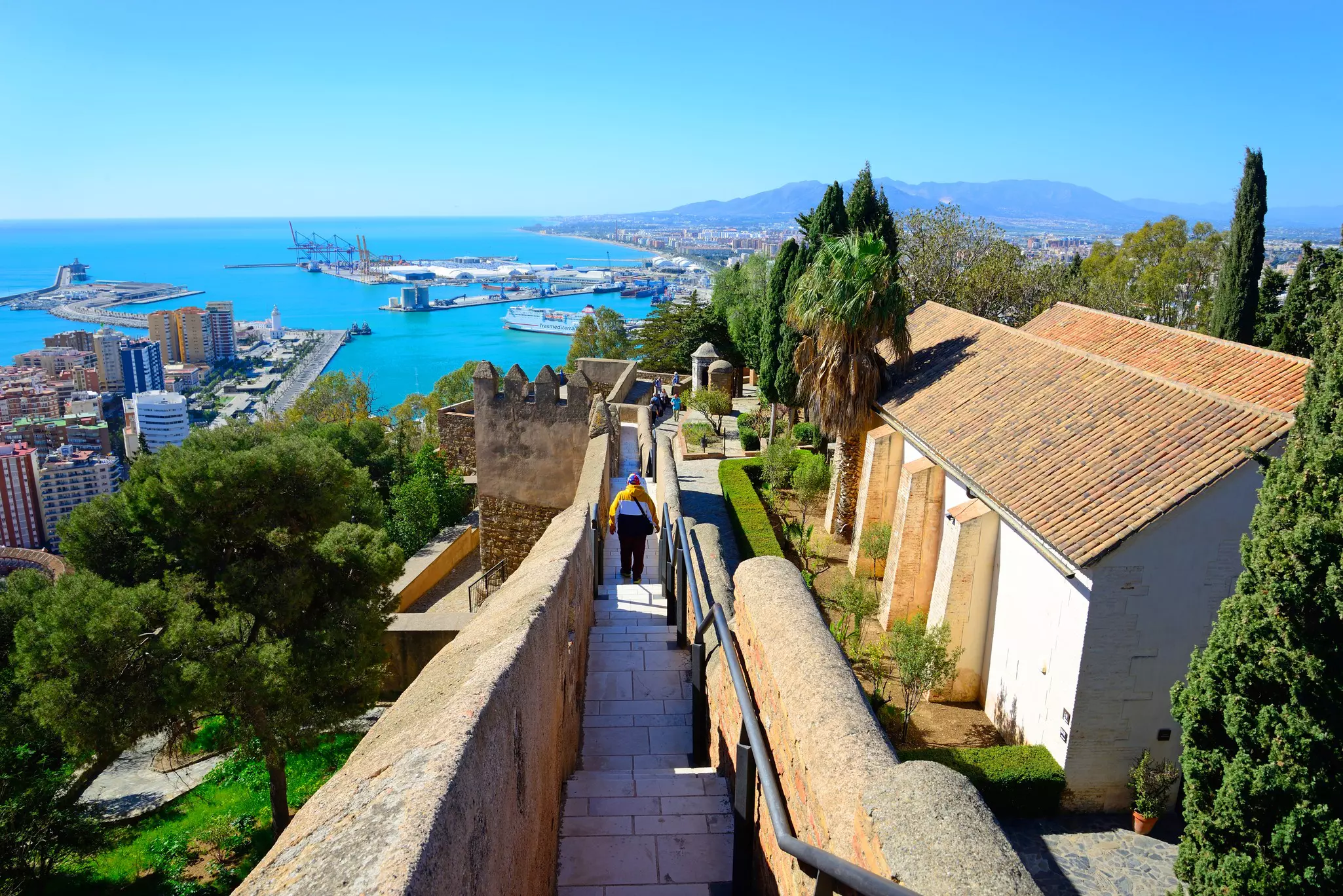
Proudly presiding over the city, the Castillo de Gibralfaro was constructed largely in the 14th century to house troops to protect the Alcazaba below. (As at the Alcazaba, some foundations seem to be older.) It was connected to the Alcazaba by the coracha, a walled corridor to allow troops to easily move between the two. (The coracha still stands today, though it’s not currently accessible. )
Walk along the castle’s walls and bastions for epic views across the city and down toward the port, then visit the Interpretation Centre in the upper part of the castle to learn more about this important site.
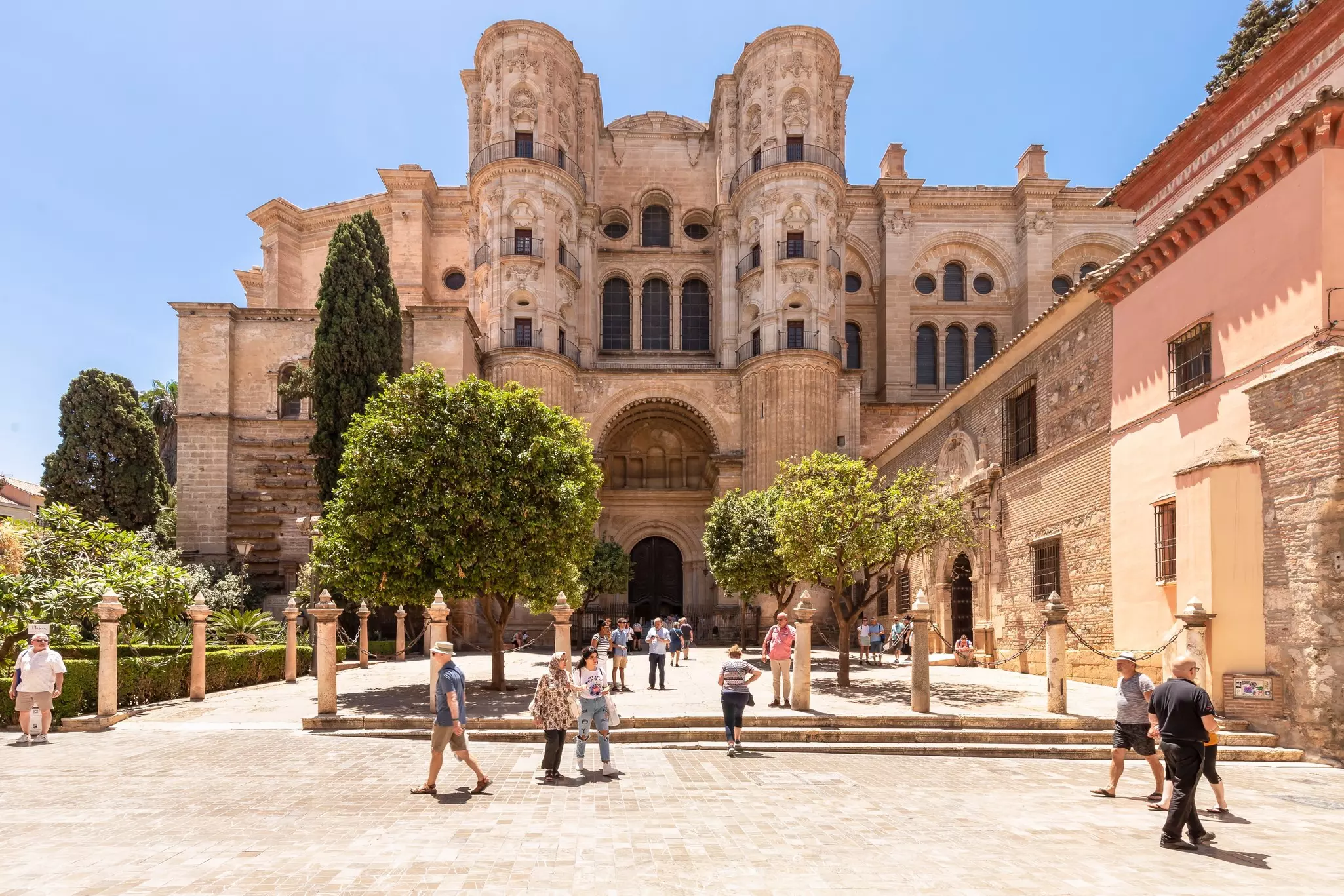
The gargantuan Catedral de Málaga sits on the edge of the historic center, surrounded by lush gardens of palms and fountains. A landmark of Renaissance architecture that was built on the site of a demolished Moorish mosque, the cathedral was commissioned by the Reyes Católicos, Isabel I of Castilla and Fernando II of Aragón in the first half of the 16th century. The building took at first took the Late Gothic style and continued throughout the 17th and 18th centuries – and the result is a high-Renaissance masterpiece with baroque influences.
The cathedral is known locally as “La Manquita“ (“one-armed lady”) as it’s missing its southern tower, omitted for lack of funds. Inside, white and gold ornament and graceful, wedding-cake-like pillars dazzle. Look out for the exquisitely carved wooden choir stalls, made in the 17th century by the sculptor Pedro de Mena. For an extra fee, you can add on a visit to the rooftops.
Planning tip: Entrance to the main cathedral is free from 8:30–9am Mondays to Saturdays, and from 8:30–9:30am on Sundays.
Housed in the elegant Palacio de la Aduana, once a customs house for the port, the Museo de Málaga gives visitors a great overview of the history of both the city and the entire province, with insights on other places you may be planning to visit. The museum brings together the collections of the older archaeology museum and the fine-arts museum, with separate galleries displaying objects from the two institutions. Archaeology highlights include Neanderthal bone remains found in Zafarraya, the Phoenician tombs of Chorreras, the huge Roman mosaic of the Birth of Venus and pieces of carved wood from the Alcazaba.
The art section is mostly dedicated to malagueño artists, with some pieces dating back to the 16th and 17th centuries. Most of what you’ll see are 19th- and 20th-century works, including pieces by Joaquín Peinado, José Moreno Carbonero and Bernardo Ferrándiz. There are also some sketches by Pablo Picasso.
The Centro de Arte Contemporáneo (CAC) is a center for new art housed inside the old Málaga wholesale market. You never know what will be on exhibition here – though you can expect 20th-century and contemporary fare by both international and malagueño artists. Some of the artists whose pieces have been displayed here include such art-world stars as Louise Bourgeois, Damien Hirst and Julian Opie.
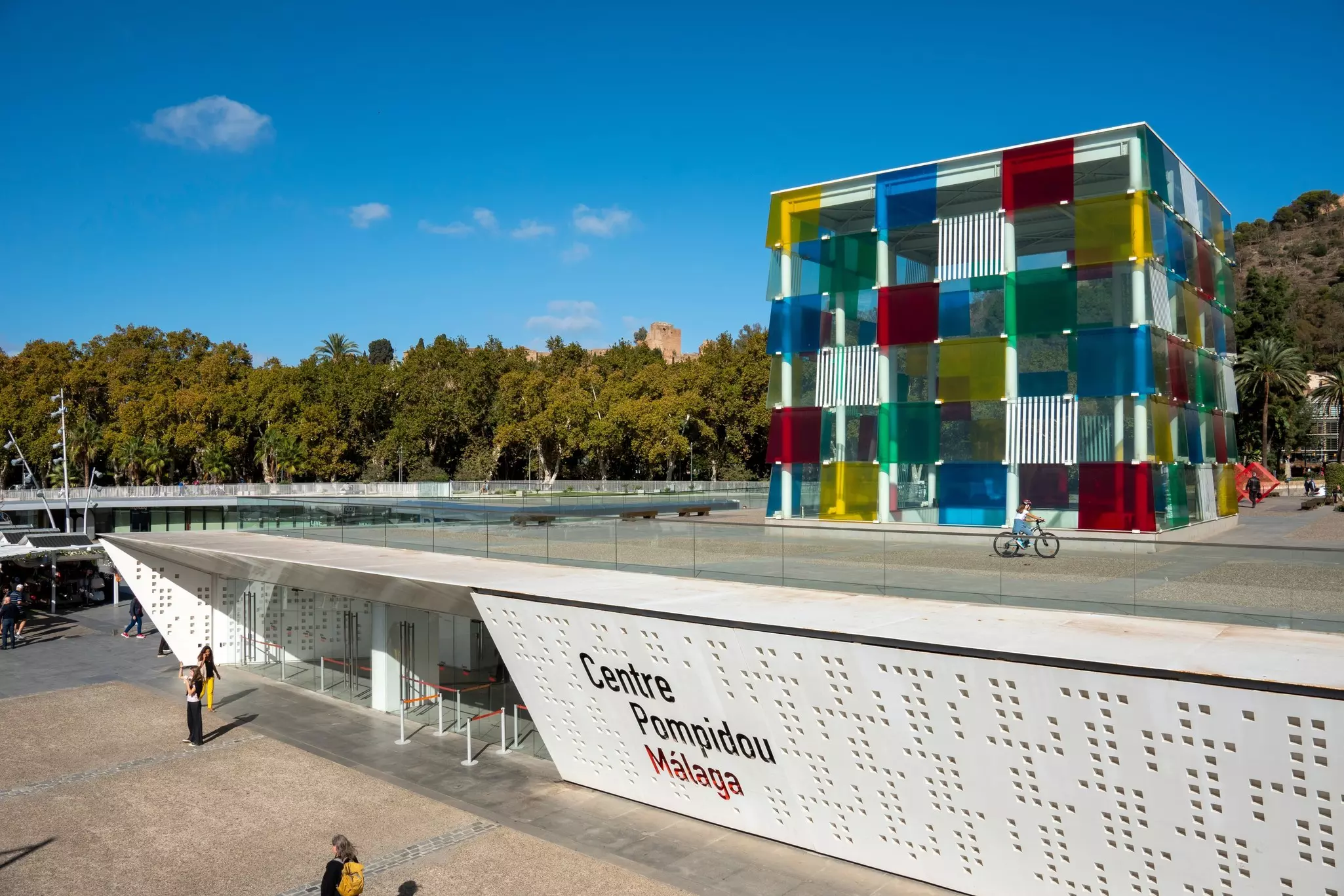
Centre Pompidou Málaga is an offshoot of the famous Paris museum of the same name. Located near the port, this contemporary art collection is topped by a playful multicolored glass cube designed by Daniel Burren. Artists represented in the galleries include David Hockney, Francis Bacon, René Magritte and Joan Miró.
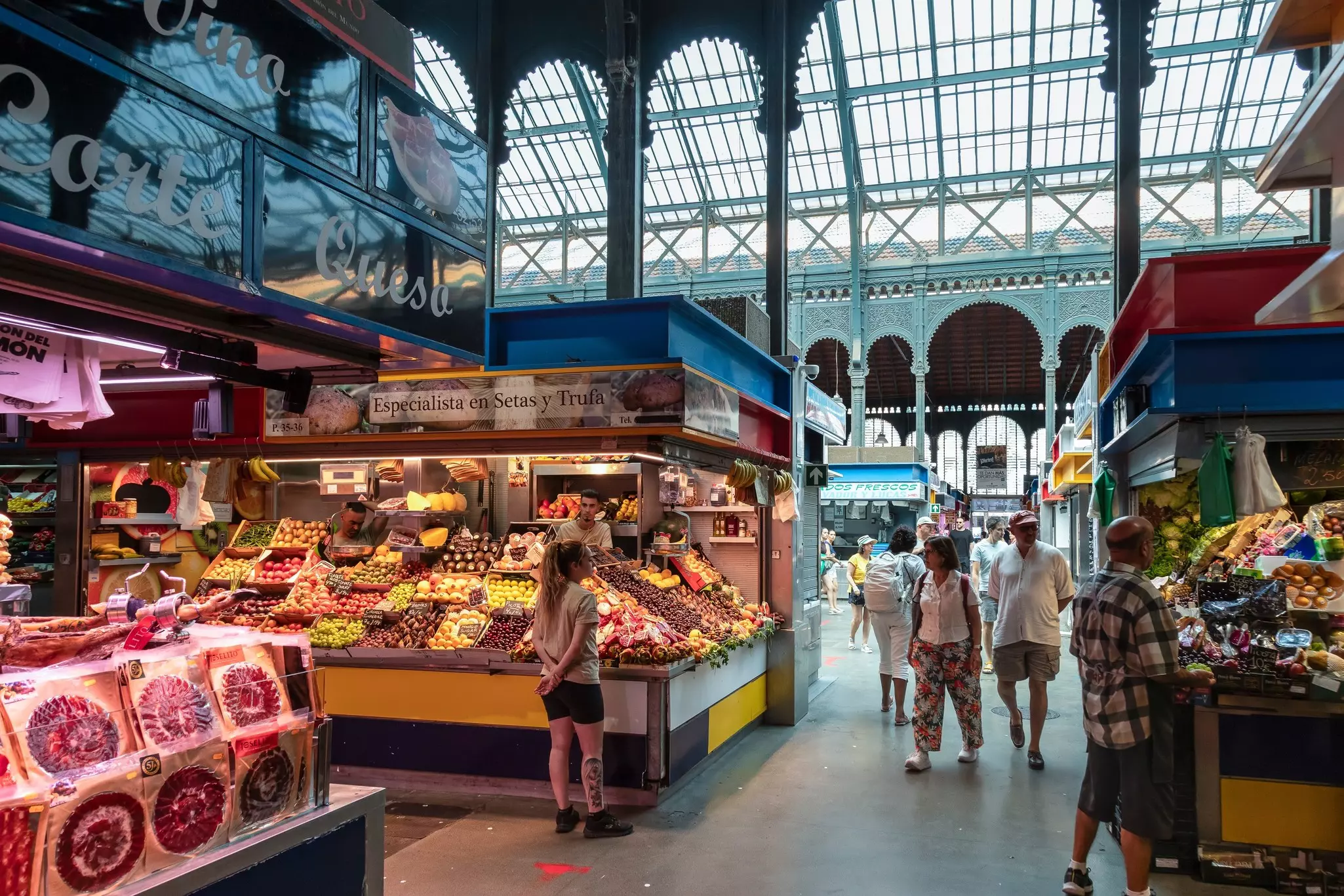
Málaga’s busy marketplace is a mixture of sights, sounds and smells. Unlike some big markets in Spain that have been taken over by mass tourism, the Mercado de Atarazanas remains a place where locals shop, fishers sell their latest catch and restaurant owners come to stock up. Two of its most striking features are the magnificent Moorish archway entrance and its mesmerizing stained-glass window, depicting some of the city’s most prominent highlights. Whether you’re shopping for delicacies or just looking at all the bounty, you’ll make your way past mountains of local Payoyo cheese, buckets of brightly colored olives and fresh seafood of the day laid out on ice.
Explore related stories