Dec 10, 20258 min read
The 10 Best Things to Do in Marbella, SpainDec 10, 2025
8 MIN READ

Writer
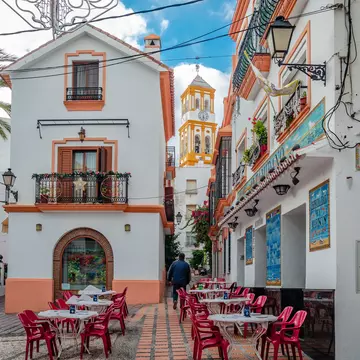
Plaza Altamirano in Marbella, Spain. Apostolos Giontzis/Getty Images

Writer
Highlights
Writer Kerry Walker picks 10 Marbella experiences, from old-town art to beach clubs.
Stop at the Plaza de los Naranjos for cocktails, then browse free Museo Ralli.
For more peace, try broad, dune-flanked Playa de Cabopino east of the center.
Catch flamenco in the Casco Antiguo or zip through the trees at Adventure Amazonia.
Lonely Planet may earn a commission from affiliate links on our site. All recommendations and reviews reflect our own independent opinions.
Where the Sierra Blanca mountains ripple down to the bright blue Mediterranean Sea, Marbella positively dazzles. The Costa del Sol turns up the glam to max here, with celeb-magnet beach parties and yacht harbors, flashy hotels and star-studded clubs. But there’s more to Marbella than meets the Gucci-sunglass-shaded eye.
Delve deeper and a more authentic glimpse of Andalucía emerges as you wander the cobblestone alleys of the Casco Antiguo to dazzling white Renaissance plazas, Moorish castle ruins and jacaranda-shaded parks. Galleries showing Picasso, Miró and Dalí delight, as do cafes, tapas bars and low-lit flamenco bars fizzing with life. Beyond the center, dune-wisped beaches invite relaxation. Or you can step up the action by bouncing across the sea in search of dolphins or swinging above the tree canopy on zip lines. You decide.
Seek out 10 of our favorite Marbella experiences for the inside scoop on this vivacious Spanish city.
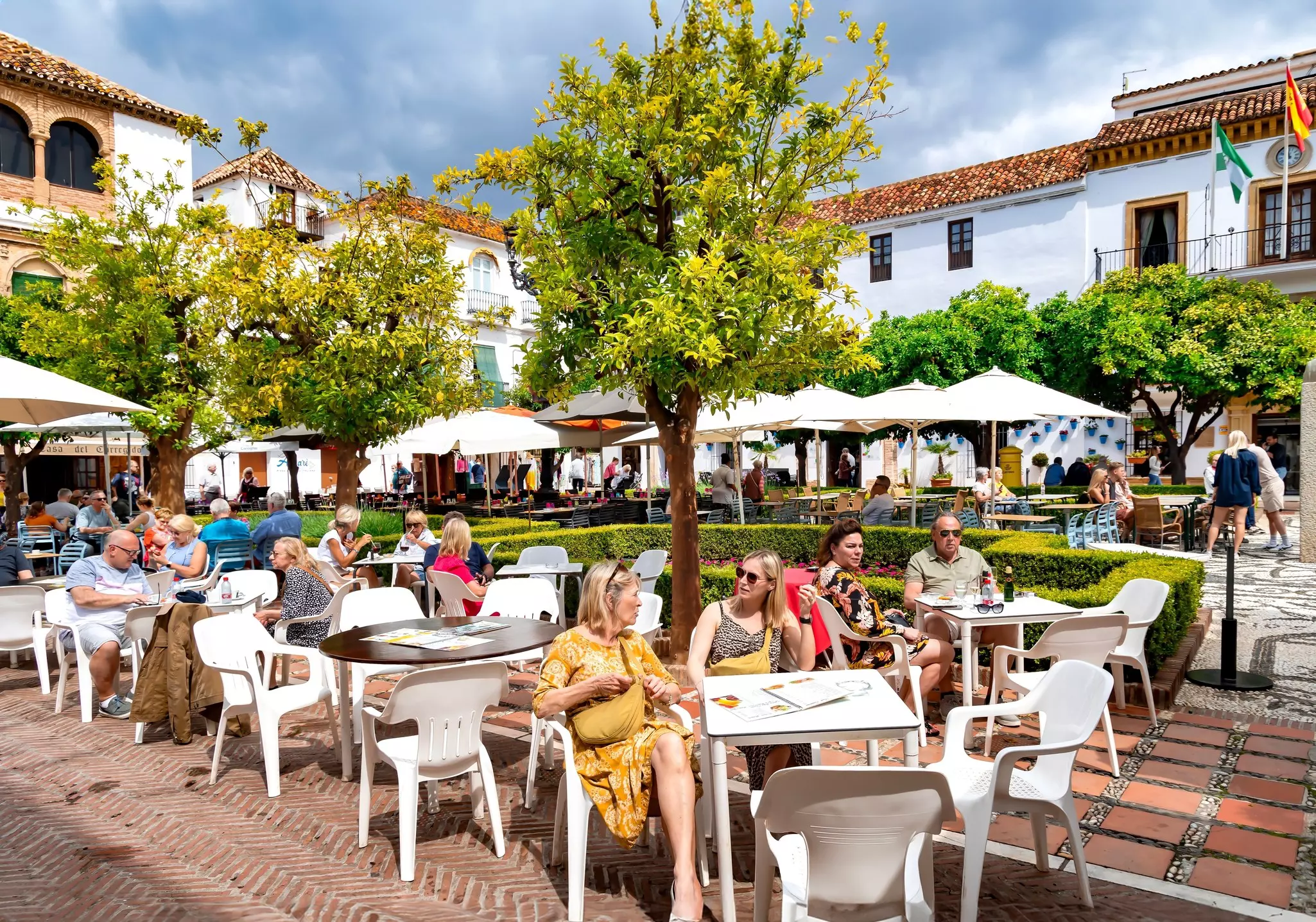
Winging you back to the Christian conquest of 1485, when Marbella was captured from the Moors, the Plaza de los Naranjos is just how you imagine every Spanish square ought to be. Rimmed by the namesake orange trees, which are a riot of fragrant blossoms in March and early April, the mosaic-paved, prettily whitewashed plaza is an atmospheric spot for a coffee or cocktail at one of the terraces.
Keep an eye out for the Renaissance fountain and nip into the Ermita de Santiago, a 15th-century chapel where Moorish tiles dance across the nave. To cool off, stop by Borgo’s Heladeria for a cone of proper gelato.
Planning tip: Aimed squarely at tourists, the restaurants here are nothing special and get rammed full, so you’re better off eating elsewhere. Visit early in the morning for a calmer vibe.
If you see just one museum in Marbella, make it this one. Zooming in on avant-garde Latin American art, with an emphasis on surrealism, it is right up there with Andalucía’s finest galleries. Rotating exhibitions draw on an outstanding permanent collection, which includes sculptures by Salvador Dalí; bold, playful paintings by Argentine surrealist Alicia Carletti; figurative works by Peruvian artist Herman Braun-Vega; and originals by heavyweights like Joan Miró, Henry Moore, Francis Bacon, Man Ray and Giorgio de Chirico. Best of all: it’s free to visit.
Planning tip: Museo Ralli is open 10am–5pm Tuesday through Friday and 10am–4pm Saturday. It’s 6km west of the center near Puerto Banús. To get there, take a 12-minute bus ride from Avenida Ricardo Soriano to the Coral Beach hotel. It’s a 5-minute walk from there.

Fat artichokes, glossy olives, tomatoes as big as your fist, zingy citrus fruits, melons that smell and taste of summer – for a shot of local life, get up bright and early for a nose around one of Marbella’s produce markets. On the northern fringes of the Casco Antiguo, the Mercado Municipal is the big one, with stalls piled high with fruit and veg, cheese, jamón serrano, fresh fish and shellfish, spices, olive oil and wine. Take the locals' lead and linger over coffee at one of the bars or the terrific tapas at El Puesto 85.
In a residential area slightly east of the center, Mercado Divina Pastora has a more off-the-radar feel but is just as atmospheric. After a market ramble, go for a blowout tapas lunch at Bar las Redes.
Planning tip: The markets are open 8am–3pm Monday through Saturday. The earlier you arrive, the fresher the pickings.
Hands down Marbella’s most charismatic boutique hotel, Claude has just seven rooms and suites, each a beautifully composed love letter to Andalucía’s provinces - from Almería’s deserts to Córdoba’s patios. Once the regal summer residence of Eugénie de Montijo, Napoleon III's wife, this fabulously converted 17th-century manor blends heritage charm with modern-day artistic flair.
Moorish-style arched courtyards, graceful pillars and brick-tiled floors keep history intact, chandeliers and plush fabrics add a touch of glamour, while bespoke contemporary art grounds you in the 21st century. The romantic roof terrace is the clincher.
Planning tip: Can’t stay the night? You can still get a flavor of Claude over an expertly mixed cocktail or dinner on the roof terrace. The menu plays up clean, bright Mediterranean flavors.
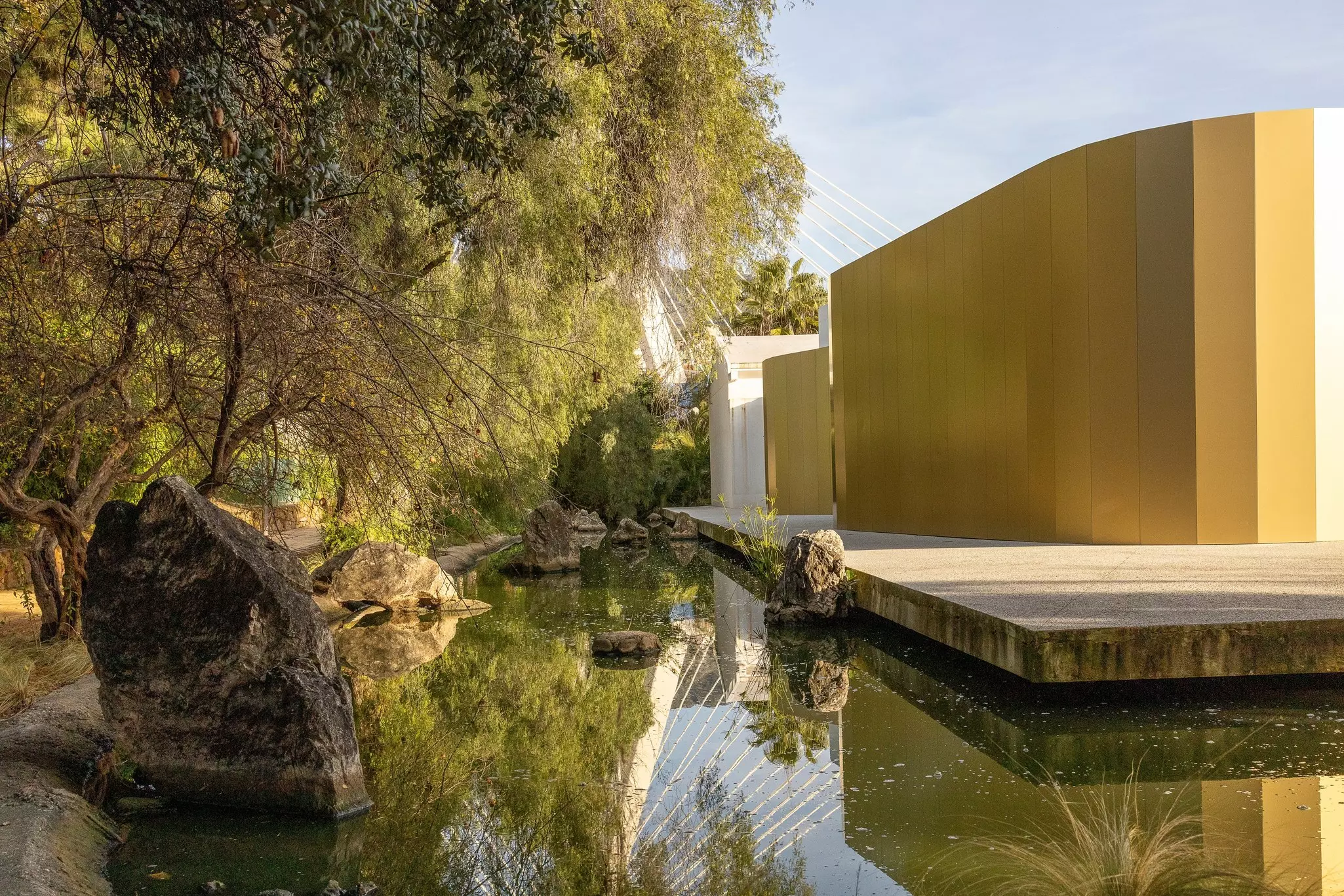
With lush greenery and rugged mountains hovering in the distance, this long slither of a park, running all the way to the ruins of the city’s Moorish castle, transports you momentarily away from Marbella’s buzz.
Built above a dry stream, it’s now a terrific spot for a walk, run or picnic. Cork oaks, strawberry trees, palms and Spanish firs offer much-needed shade and cool breezes in the roasting heat of summer (June to August). If you have kids in tow, they’ll love the playground and fountain-splashed ponds with ducks and terrapins.
Planning tip: Come in late May to see the jacaranda trees in full purple bloom or in June for open-air flamenco performances and concerts at the Feria de San Bernabé.
Once a Renaissance mansion and a hospital, this bijou art museum, on the eastern cusp of the Casco Antiguo, harbors a high-caliber collection of modern and contemporary graphic works and prints. Greats like Picasso, Dalí, Miró, Chillida and Goya are on show in intimate rooms with original brick arches.
Planning tip: Kick-start an art-packed morning over a sweet breakfast of sugar-dusted churros (fried dough sticks) and hot chocolate at nearby Churreria Generalife.
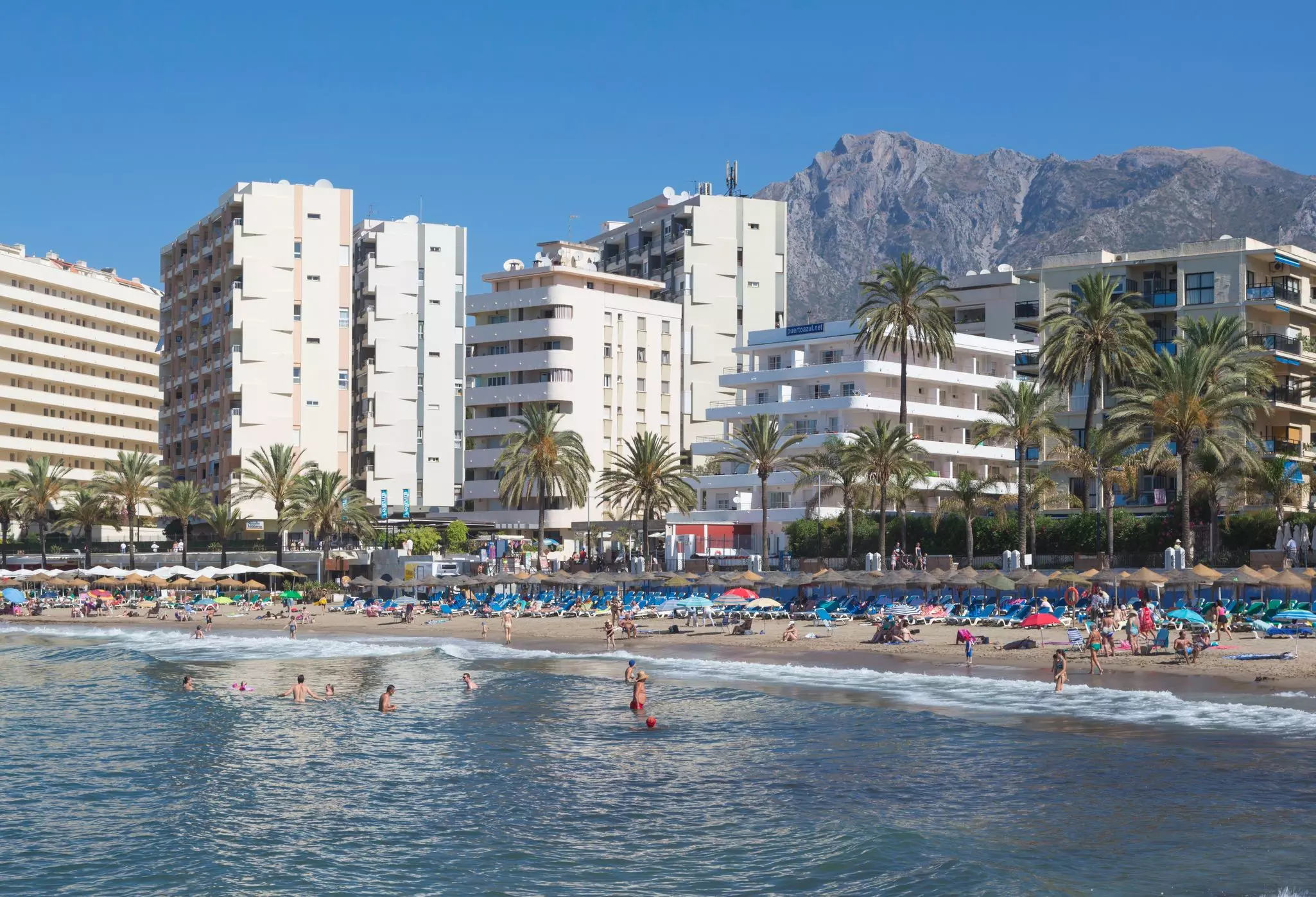
One glimpse of the Med’s blue glitter and you’ll be itching to flop on the beaches on Marbella’s doorstep. Start with a walk, cycle or jog along the palm-fringed Paseo Marítimo, lined with cafes, DJ-spun beach clubs and chiringuitos (beach bars) for sunset drinks and chill tunes. The 6km-long seafront promenade runs from Marina La Bajadilla, with its simple pescaítos (fish restaurants) and dolphin-watching boat trips, all the way to the jet-set harbor of Puerto Banús.
Central beaches like Playa de Venus and Playa de la Bajadilla are fine for a quick dip, but you won’t find much towel space. For more peace, head east to the broad, dune-flanked sands of Playa de Cabopino.
Planning tip: Summers in Marbella are scorching. For fewer crowds and milder temperatures, head to the beach in shoulder seasons (April, May, September and October are ideal).
Wandering the lantern-lit alleys of Marbella’s Casco Antiguo, you might be drawn to the guitar strumming, rhythmic clapping and sorrowful cante (singing) drifting from one of Marbella’s flamenco joints. Don’t rush by. Experiencing one of these shows and tapping into the duende (passionate spirit) of flamenco is your backstage pass to Andalucía’s fiery soul. The more intimate the venue, the better: as the atmosphere builds in dimly lit spaces, the swishing skirts and fancy footwork of the bailaoras (dancers) enrapture audiences.
On Plaza Santa Cristo, Tablao Flamenco Marbella is a classic, with mic-free, improvised shows. For superb organic food with a side order of flamenco, try The Farm, a gorgeous rustic restaurant with a big terrace in the heart of the old town.
Planning tip: Book in advance. Flamenco tickets sell out in a flash for weekends, especially in peak season.
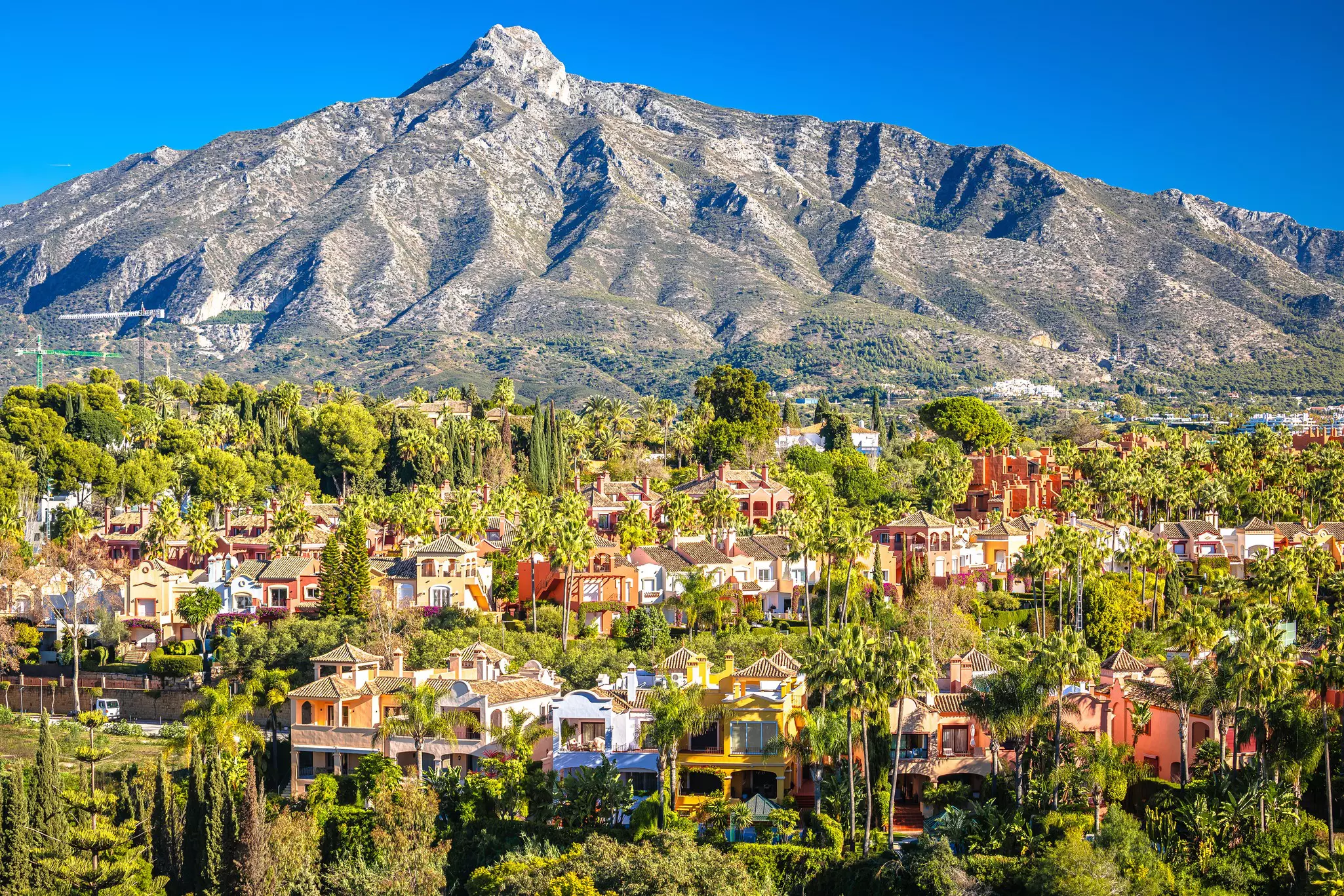
The Sierra Blanca range is coastal Marbella's dramatic backdrop. If you want to get a little sporty but not dial it fully up a mountain trail, skip just east of town to Elviria for treetop thrills deep in a shady pine forest at Adventure Amazonia. You can easily devote half a day to tackling the heart-pumping zip lines, jumps and trails, which are graded according to age and ability. For a proper challenge, check out the 250m-long super zip line and the Deportivo course, with its daredevil Tarzan’s Leap and surfboard through the trees. For tots, there’s a mini course.
Planning tip: Book ahead to secure your slot, which is valid for 3 hours and begins with an intro course to the equipment and safety measures. Wear comfy sports clothes and shoes. Coming from central Marbella, it’s a 15-minute drive via the A7 or a 20-minute ride on bus 220, followed by a 5-minute walk.
In the 10th century, the Moors built Marbella’s ring walls high and mighty around the Alcabaza, the mosque-topped citadel, to keep out would-be invaders. At the time, they would have been surrounded by orchards of figs and mulberry trees used for the silk trade.
While the medieval fortifications are no longer intact, you can get a sense of just how impressive they once were by exploring remains of walls, chunky towers and crenulations at Murallas del Castillo. The best viewpoint is Calle Portada. On Calle Trinidad, three Ionic capitals stand in testament to an earlier Roman structure.
Still today, Marbella’s alley-woven Casco Antiguo has a medina feel, with its maze of narrow alleys and whitewashed houses.
Planning tip: Dodge the crowds and ramp up the atmosphere with a wander to the illuminated walls at night.
Explore related stories