Sep 27, 202627 min read
The Best Budget Destinations in Europe Jul 14, 2026
6 MIN READ

Writer
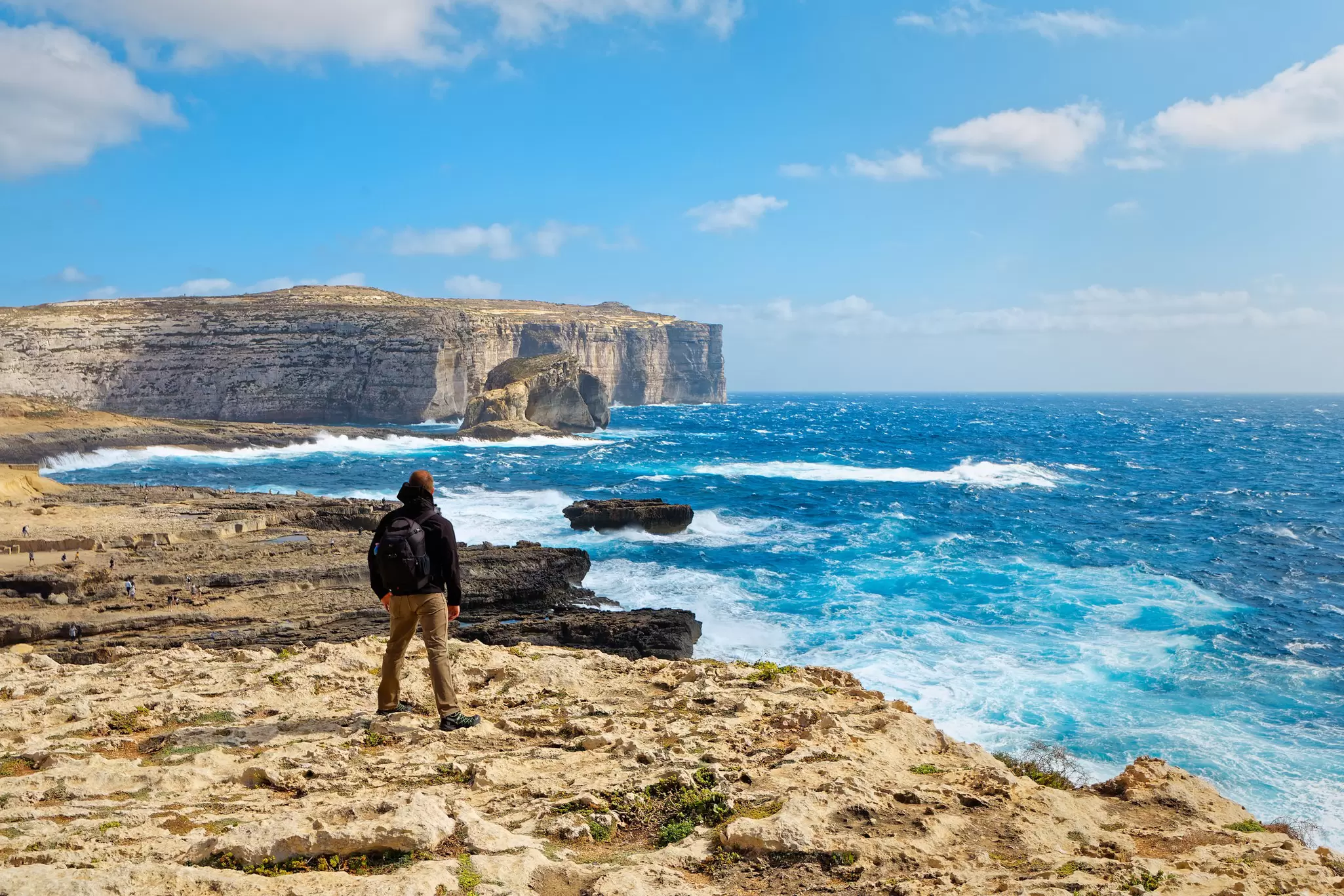
On the cliffs of Dwejra Bay in Gozo, Malta. arkanto/Shutterstock
Writer
Highlights
Writer Jamie Ditaranto maps six countries where Christopher Nolan filmed The Odyssey.
Sicily's Favignana featured in key scenes; Greece's Voidokilia Beach staged a film shipwreck.
Morocco's Ait Ben Haddou plays Troy; Malta hosts the film's sweeping open-sea sequences.
Scotland's Moray Firth and Iceland's highlands deliver wild, otherworldly imagery for the film.
Lonely Planet may earn a commission from affiliate links on our site. All recommendations and reviews reflect our own independent opinions.
Christopher Nolan’s newest film, The Odyssey, was filmed over 91 days in six different countries – which somehow does justice to the story of the legendary Odysseus and his decade-long journey home from the Trojan War. You might even call the filmmaker’s undertaking, well, epic.
Last year, I had the privilege of visiting one of the main Odyssey filming locations myself. I arrived on the Sicilian island of Favignana just after production wrapped, and had the chance to speak to many locals about the excitement of the production. Many had the chance to appear as extras, and they gave me the lowdown on a few filming locations for what I bet will be the movie’s most epic scenes.
What’s more, the actual vessel used in the film – the Draken Harald Hårfagre, a 35m-long, ocean-worthy, Viking-style longship – has recently docked in Oslo, and is open to the public on guided tours through July 31.
Yet since we imagine you can’t make it to Norway despite your Odyssey fever (it opens Friday, July 17), here’s what we know so far about all the places the epic was filmed. The list may even inspire travelers to forge their own odysseys, across the Mediterranean and beyond.
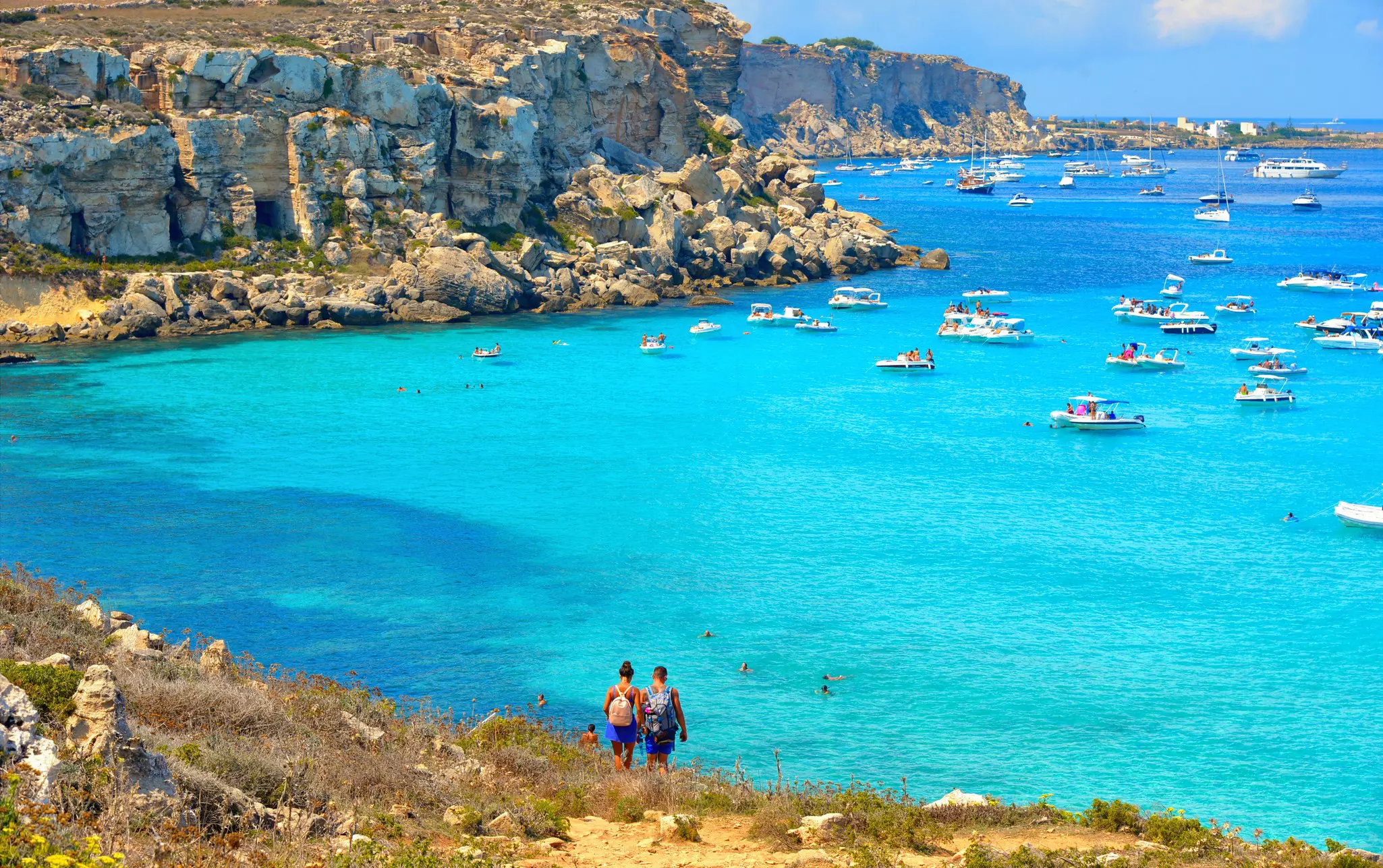
The Italian island region of Sicily was once occupied by the ancient Greeks. As the likely location of many of the original epic poem’s settings, it was an obvious choice for on-location shoots. While film crews and ships were spotted in the Aeolian Islands, one of the biggest segments of the production took place in Favignana, a butterfly-shaped island just west of Trapani – and my personal favorite place in all of Sicily.
It was here that I was clued into the use of sites like Castello di Santa Caterina and Cala Rossa for filming. In the trailer, I also spotted the quarry-carved shore of Bue Marino.
What to do: Favignana is best explored by bike, so you will want to stay for at least 1 or 2 nights. As soon as you get off the ferry, be sure to stop in at U Bar du Marinaru for a famous caffè pistachio: a shot of espresso with a dollop of pistachio cream.
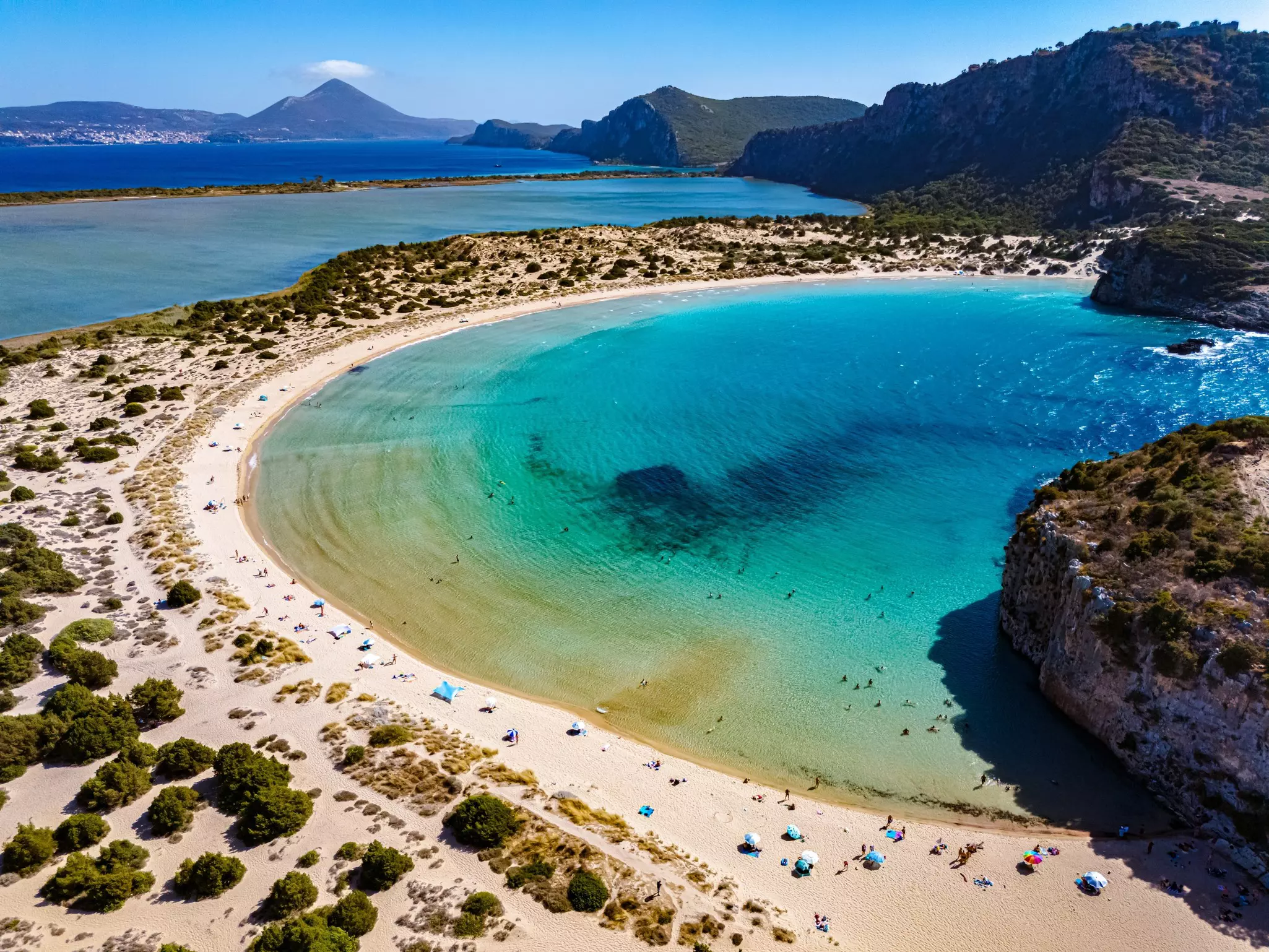
Obviously, you can’t bring to life one of the most famous literary epics of the ancient world without returning to Greece. Production sites were reported far and wide, including in Messinia and elsewhere in the Peloponnese. So far, we know (ahem, spoilers) that Nestor’s Cave was used for the Cyclops scene, and that Voidokilia Beach, one of the best in Greece, was the site of a shipwreck. Additionally, parts of Methoni Castle and Acrocorinth fortress stood in for the palace of Ithaca, while naval scenes were filmed in Pylos’ harbor.
Getting there: Since you probably don’t have time for a 10-year-long trip across the entire Aegean, these locations all cluster on the Peloponnese, part of the Greek mainland. Voidokilia Beach is only an hour’s drive from Kalamata International Airport.
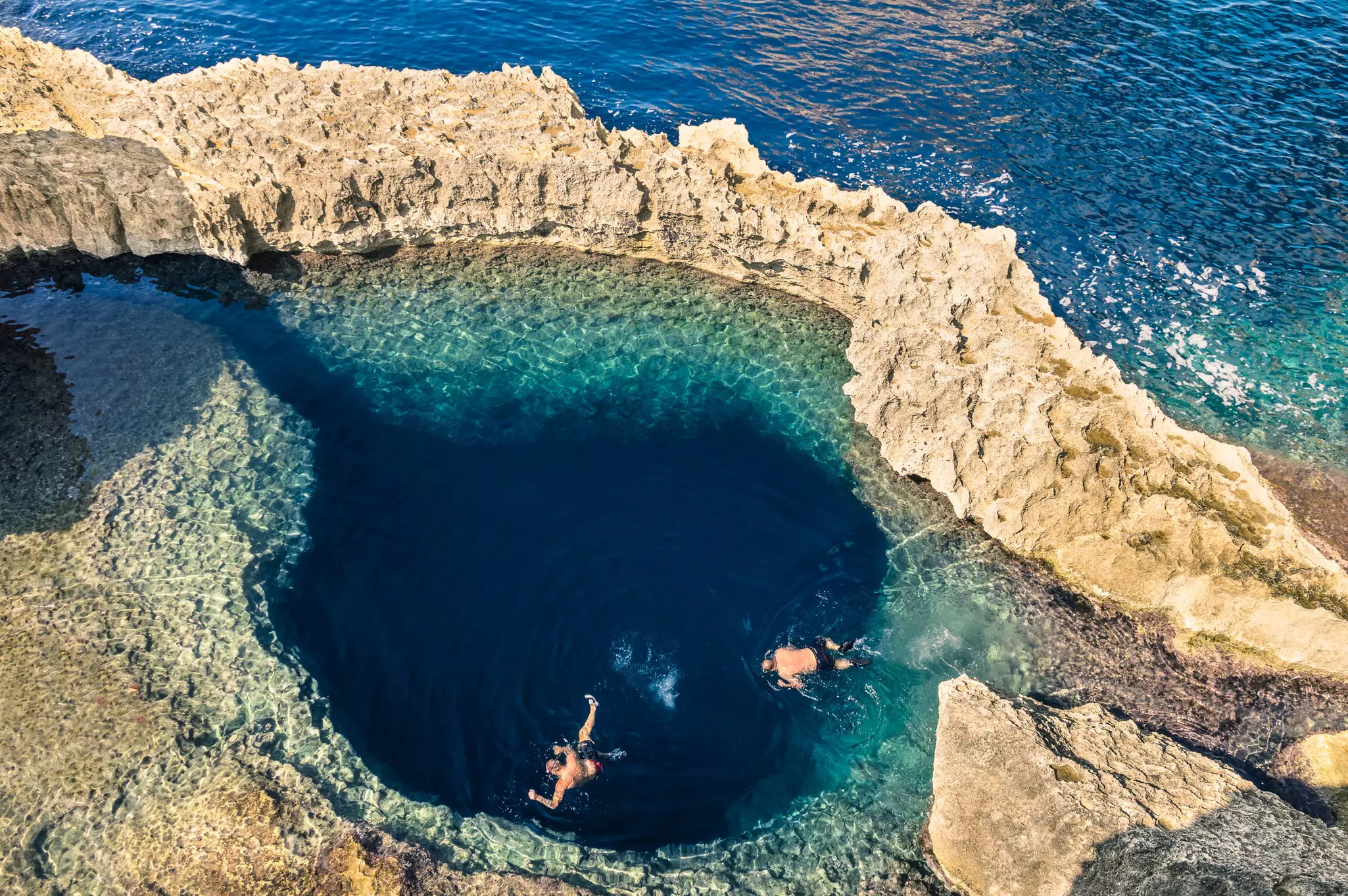
Malta is one of the confirmed filming sites for the movie – though you may not recognize any of the nation’s landmarks. News outlets have reported that the coast was used for filming the film’s open-water scenes – and the horizon line will likely be empty to reflect the vastness of the open sea and large-scale nautical scenes that will surely make use of green screens.
Nonetheless, Malta is home to a site said to be one of the original locations in Homer’s poem. The island of Gozo is believed to correspond with Ogygia, where Calypso held Odysseus for 7 years; there’s even a cave there called Calypso’s Cave. Since it’s closed to the public for safety reasons, however, it’s an unlikely backdrop for Matt Damon and Charlize Theron to portray the voyager and the nymph.
What to do: The deep waters off Malta are famous among divers and scuba divers, with one of the most popular dive sites being the shipwreck of a Libyan tanker.
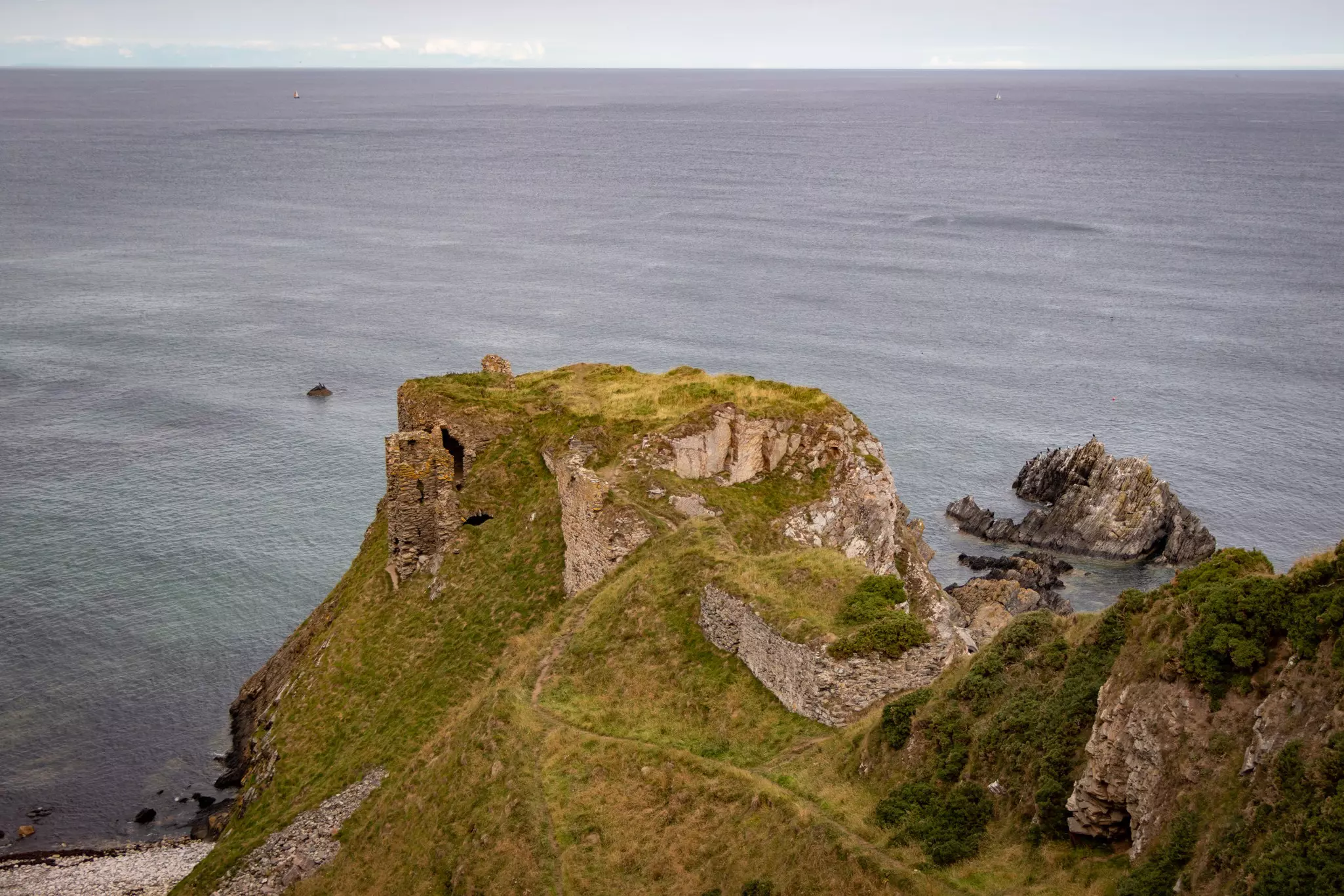
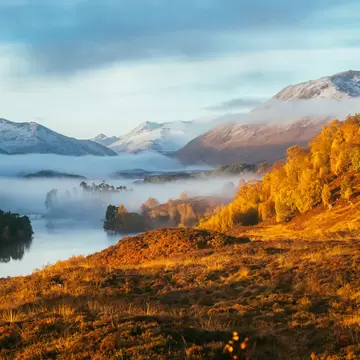
The Odyssey isn’t all sun-scorched coves and sparkling seas. Nolan also took his cast and crew to Scotland to film on the dramatic coasts that represent “end of the world”–style landscapes. A few locations have already been identified: actors Matt Damon and Tom Holland were spotted meandering around the small village of Burghead in 2025. Although we still don’t know what scenes these Scottish locales will appear in, you can keep your eye out for the ruins of Findlater Castle and the Culbin Forest on the coast of Moray Firth, where the tree line of a thick forest goes all the way up to the shore. A perfect landing site for our hero, maybe?
What to do: Explore the coastline between Inverness and Aberdeen and keep your eye out for the sirens – aka bottlenose dolphins – that call the area home. If you don’t mind cold water, the aquarium in Macduff even has a snorkel trail.
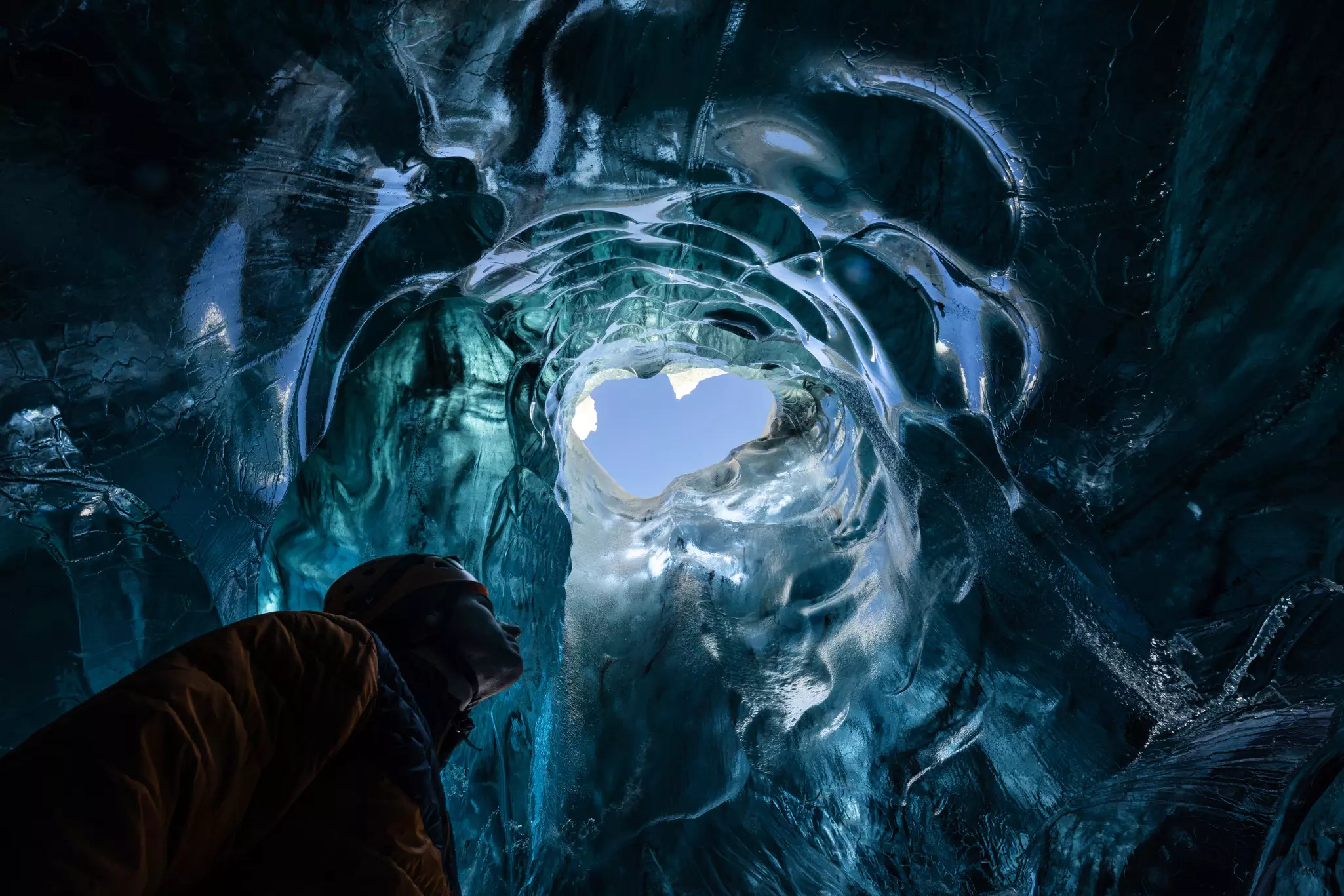
Few details are available about the Iceland part of the production, but it’s been reported that Nolan’s team traveled deep into the Icelandic highlands and along the coast. Between the country’s astonishing green valleys, volcanic fields and crackling glaciers, it’s safe to expect that we’re in for a treat of otherworldly imagery.
Where to go: Glaciers don’t figure in Homer’s original Odyssey – though if Nolan’s hero were to end up in an icy locale, I’d say you can (likely) follow in his footsteps to Jökulsárlón, a popular and very accessible stop on the Golden Circle route.
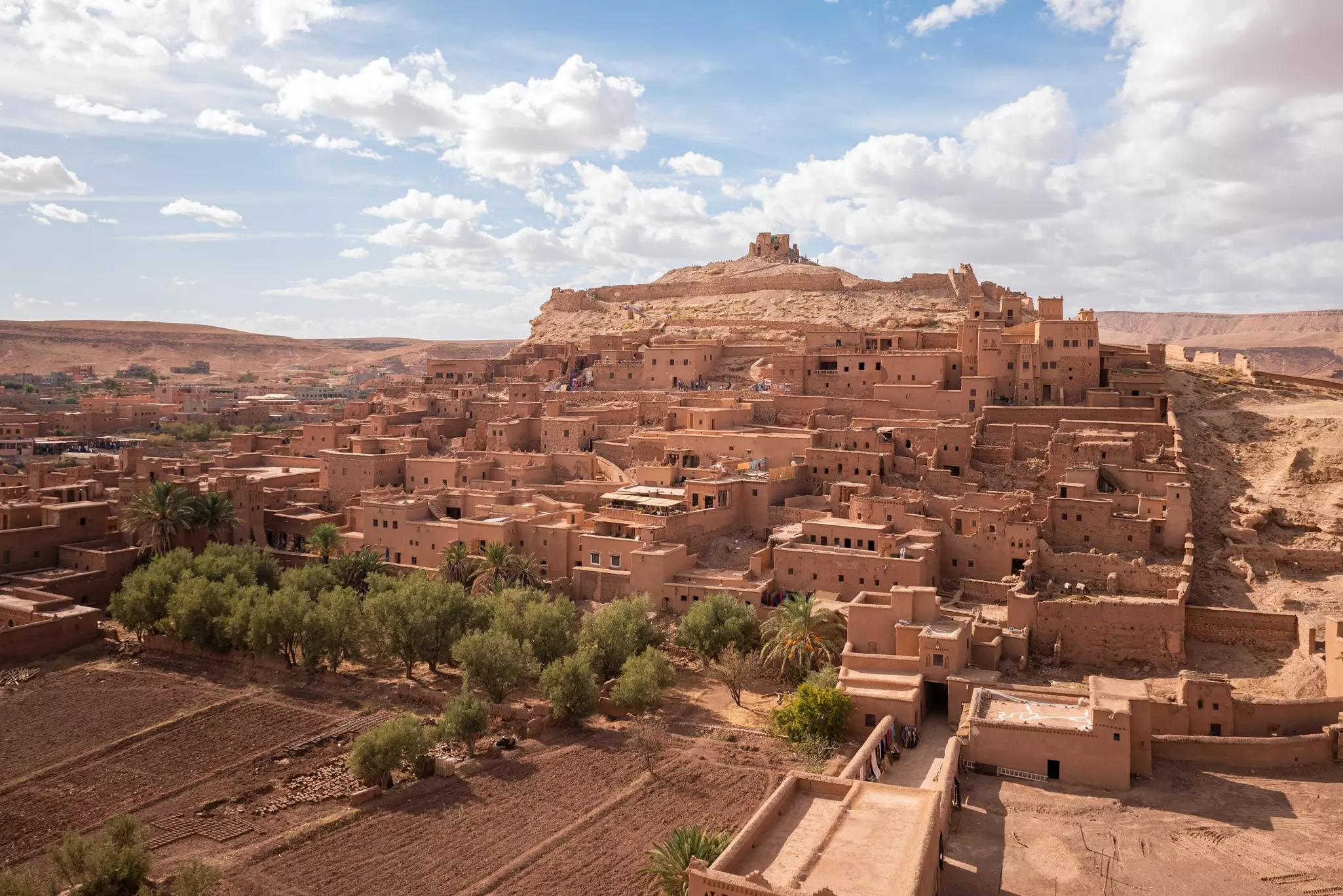
The UNESCO World Heritage site of Ait Ben Haddou won the role of the legendary city of Troy – a city that may or may not have existed in real life, and which kicks off the story. Dating to the 11th century CE, the fortified Moroccan city has been a favorite of Hollywood, used as a filming location in Lawrence of Arabia and Gladiator in addition to Nolan’s film. He also used the shores of Essaouira to suggest the rough conditions spurred by the wrath of the sea god Poseidon.
Where to stay: As it turns out, Poseidon is usually in a good mood on this side of Morocco, with Essaouira a hub for surfers. For an affordable surf trip and beginner-friendly waves between here and Agadir, I recommend Salt House Morocco, a hostel and surf camp with daily yoga.
Explore related stories