Sep 21, 20268 min read
A Guide to Valle de Guadalupe, MexicoAug 7, 2026
8 MIN READ

Writer
Naples, Italy. Iryna Makukha/Shutterstock

Writer
Highlights
Writer Aastha D picks six cities where getting lost is the whole point.
Navigate Fez by scent and sound; Tokyo reveals itself through daily neighborhood habits.
Follow Venice's waterways and bridges; Varanasi's ghats set a different rhythm every hour.
Hong Kong demands vertical thinking; in Naples, follow a stranger's tip over any plan.
Lonely Planet may earn a commission from affiliate links on our site. All recommendations and reviews reflect our own independent opinions.
Most travel advice is built around efficiency – the quickest route, the highlights, the places you shouldn’t miss. Yet some of the richest encounters happen when an itinerary loosens its grip.
In the 1950s, a group of artists and political thinkers in Paris known as the situationists began asking a strange question: what if cities were experienced according to feeling rather than function? They developed the idea of the dérive (literally “drift”), an unhurried walk without a predetermined destination, guided instead by curiosity, chance encounters and the emotional pull of streets. Sometimes they wandered through neighborhoods at night, sometimes after drinking. Their point wasn’t aimlessness. It was to discover that cities contain invisible maps beyond the official one.
The 20th-century Italian writer Italo Calvino imagined something similar in Invisible Cities. In his 13th-century writings, Marco Polo rarely describes streets or monuments; he tells stories of cities remembered through dreams, desires, rituals, fears and repetitions. Seen this way, a city becomes less a collection of buildings than a way of paying attention.
Of course, wandering isn’t experienced equally. Safety, visibility and belonging shape who gets to surrender control and where. Women, queer travelers, travelers with mobility issues and travelers of color often read places differently, carrying an awareness that is practical versus philosophical. An anti-itinerary is not the absence of preparation – it asks for another kind of preparation: learning a few phrases, carrying cash, understanding a neighborhood's rhythms, and knowing when to ask for help and when to keep walking.
These six places teach their own way of getting lost, not because they are confusing but because each asks you to navigate through something other than a map.
Best for letting the senses lead
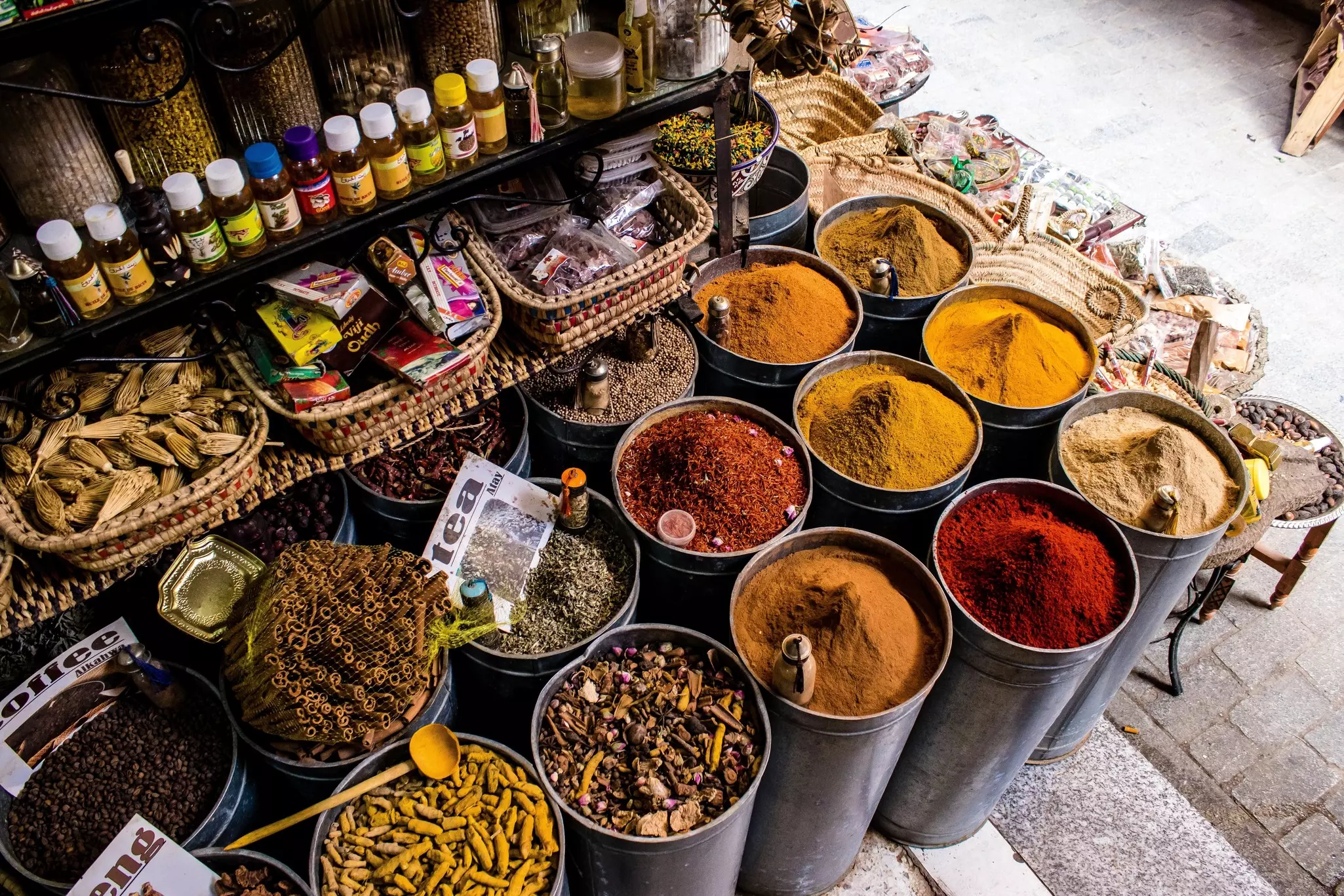
The medina in Fez is often described as one of the world’s largest urban labyrinths. Like many medieval Islamic cities, Fez evolved gradually over centuries, responding to climate, privacy, commerce and neighborhood life rather than geometric planning. Narrow lanes created shade. Houses turned inward. Crafts clustered together. During periods of conflict, nonresidents struggled to orient themselves while locals moved confidently through the same streets because orientation came through repetition, not signage.
Such knowledge has to be acquired slowly. Stay inside the medina for several days and the city begins to organize itself differently. You stop trying to remember streets by their names and begin remembering sequences of sensations. The atmosphere of the tannery announces itself before it comes into view. The scent of cedar signals the woodworking quarter. Hammering copper carries through artisan workshops. Mint tea aromas escape from open courtyards. Fez teaches that orientation can happen through smell, sound, temperature and texture as much as vision.
Planning tip: Stay inside the medina instead of commuting from the Ville Nouvelle. Returning to the same doorway each evening allows your body – not just your phone – to begin recognizing the neighborhood’s logic.
Best for establishing daily habits
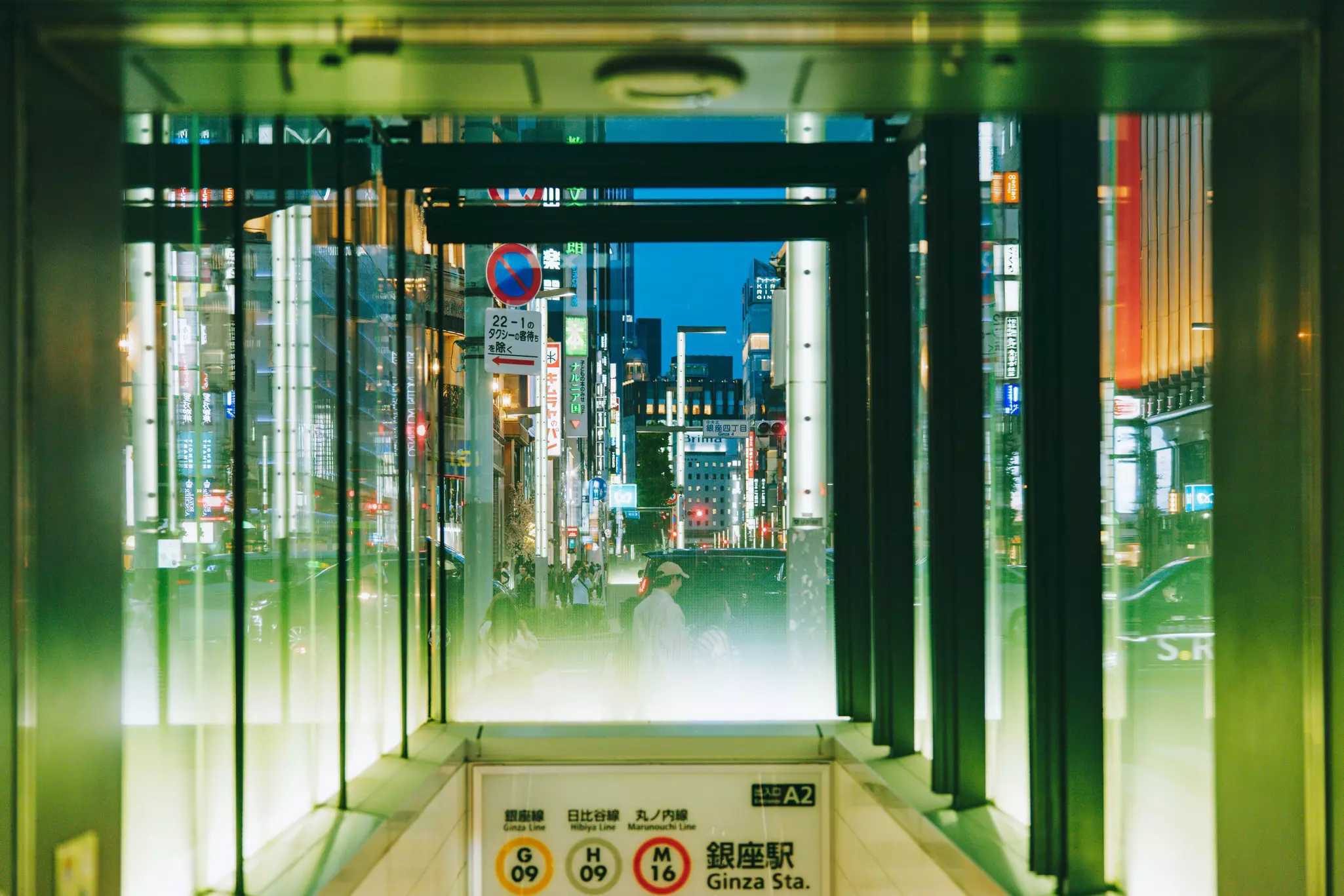
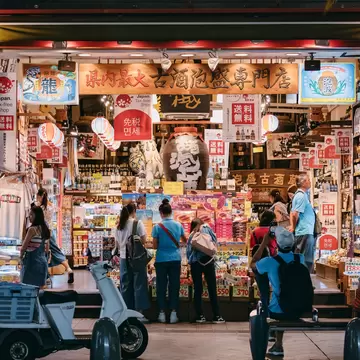
Tokyo can feel illegible at first. Railway lines overlap with department stores, underground passages connect entire districts, restaurants occupy upper floors without obvious entrances, and neighborhoods often announce themselves through routines, not monuments. While English signs appear in many transit hubs, when you are back on the smaller streets, handwritten menus and notices at family-run businesses frequently remain primarily in Japanese. Instead of translating everything immediately, it helps to accept that not every sign needs to be understood for the city to become familiar.
Tokyo’s orientation often depends on the habits shared by its residents – a particular station exit, the convenience store where someone buys breakfast every morning, the neighborhood bathhouse, the small shrine visited on the walk to work. Rituals shaped by older ideas about seasonality, attention and repetition continue to exist within one of the world’s most technologically dense cities, making daily life feel organized less by spectacle than by practice.
Planning tip: Spend an entire day in one neighborhood, such as Yanaka, Kōenji or Shimo-kitazawa. Depth is often more revealing than distance.
Best for navigating by water
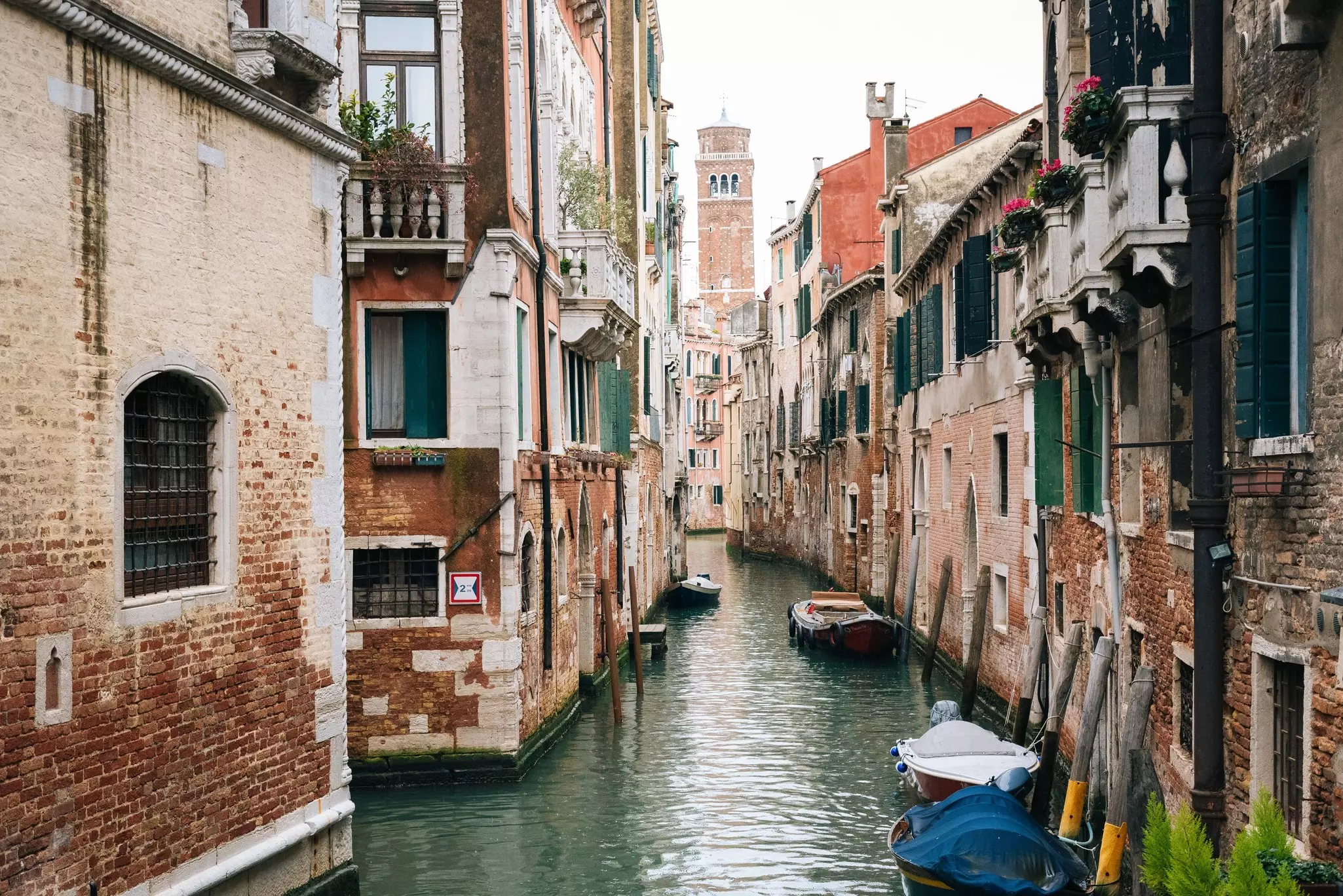
Venice developed around canals long before modern ideas of traffic and road networks. Movement here is shaped by bridges, waterways, narrow passages and small campi (squares) that open unexpectedly between buildings. Dead ends are common because many routes terminate at canals.
Residents often give directions by naming bridges, churches or neighborhoods rather than complete street addresses. Navigation depends on recognizing the relationships between crossings while tracing a continuous route. Water sets the city’s pace as much as its geography. Deliveries arrive by boat. Public transportation follows canals. Daily life accommodates tides, flooding and routes that change subtly throughout the day.
Planning tip: Visit early in the morning or later in the evening, when local routines become easier to perceive after the busiest visitor hours.
Best for observing rituals
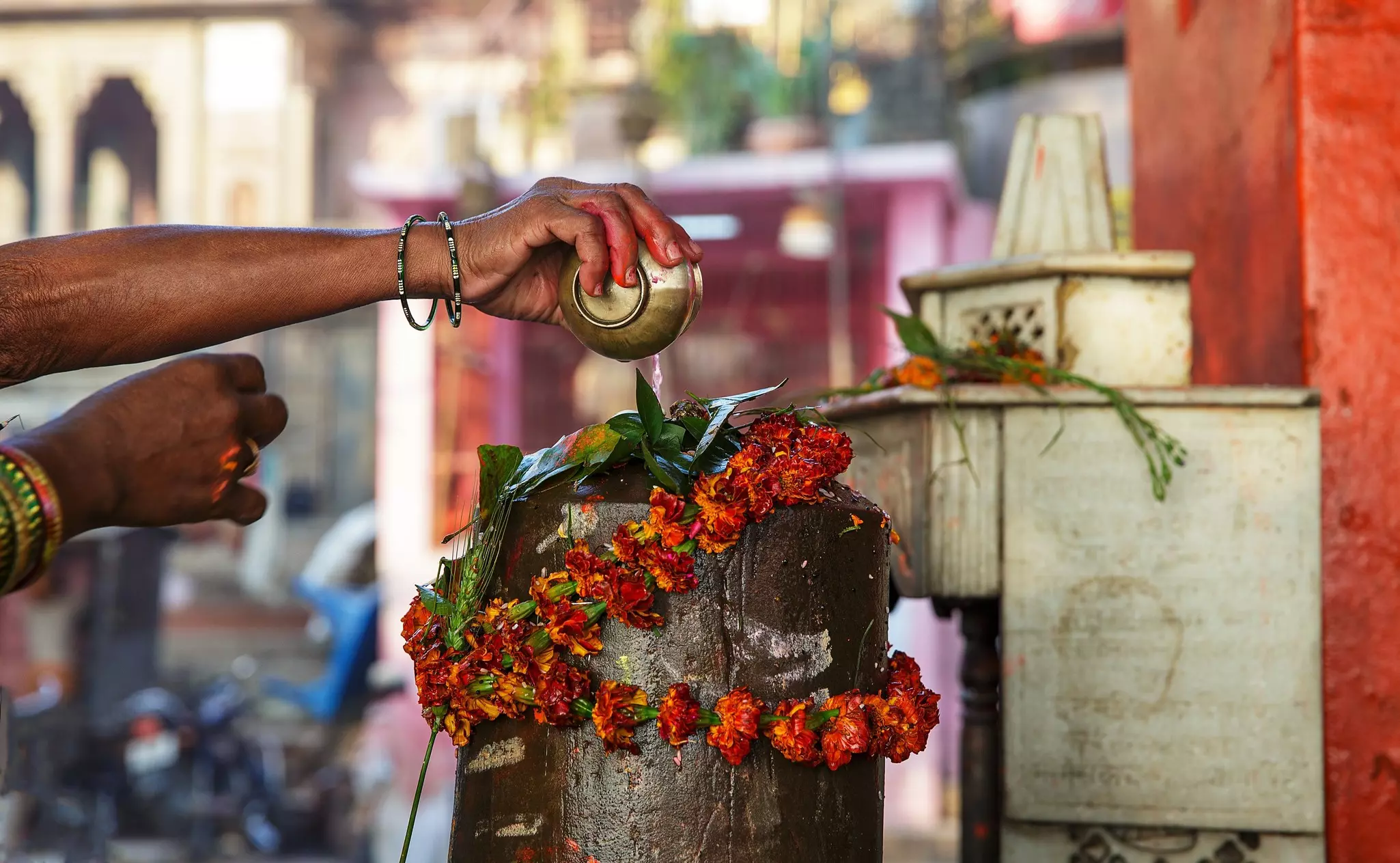
Varanasi is one of the world’s oldest continuously inhabited cities, and many of its rhythms are organized around the Ganga (a Hindu goddess representing the sacred Ganges River). For Hindus, the river is a site of pilgrimage and a place where life, death and renewal meet. The city is also home to long-established Muslim communities whose contributions shape its weaving traditions, music, neighborhoods and cuisine. Shared urban life unfolds through many forms of devotion, labor and everyday exchange.
Morning begins with bathing, prayer and boats crossing the river. Funeral processions move toward the ghats throughout the day. Markets swell and empty. Evening aarti (the lighting of lamps or candles) gathers crowds along the waterfront. Time is experienced through recurring practices rather than fixed appointments. The same steps by the river become an entirely different place at dawn, midday and night.
The city’s food follows similar rhythms: kachori sabzi (potato masala in a fried pastry with vegetables) in the morning, lassi thick with malai (cream), chaat (a snack) eaten standing in crowded lanes, seasonal sweets, Banarasi paan (a mixture of betel nut and leaves) and and neighborhood eateries serving both vegetarian dishes and meat traditions associated with the city’s Muslim quarters. Eating here is another way of keeping time.
Planning tip: Choose a stretch of river. Watching the same place across different hours reveals more than constantly moving forward.
Best for moving vertically
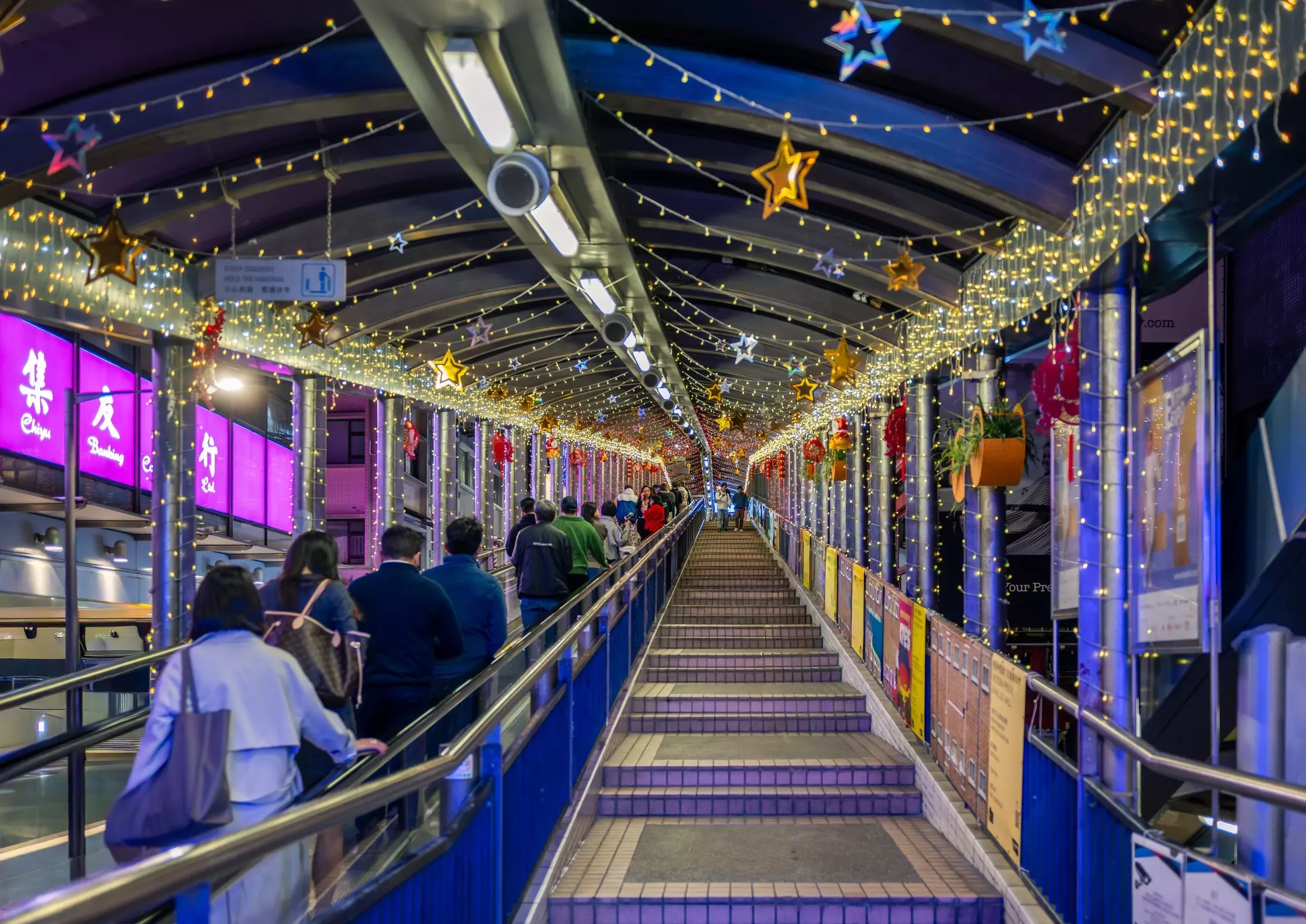
Hong Kong builds upward, not outward. Steep terrain, density and limited land have produced a city where movement happens across multiple levels at once. Office towers connect through elevated walkways. Shopping centers merge into transit stations. Escalators, footbridges and underground passages create overlapping pedestrian networks.
An address therefore contains more than a street and building number. It may require the correct tower, entrance, elevator bank and floor before you find the place. Learning the city means paying attention to height as carefully as distance.
The elevated walkway system around Central and Admiralty functions almost as its own neighborhood, linking buildings independently of the streets below. At ground level, wet markets, tramlines, harbor winds and smaller shops produce another set of rhythms. Neither is more representative than the other; together, they demonstrate how Hong Kong has adapted to geography through vertical urbanism.
Planning tip: Central offers one of the clearest introductions to Hong Kong’s layered pedestrian networks because several modes of movement intersect within a relatively compact area.
Best for acting on recommendations
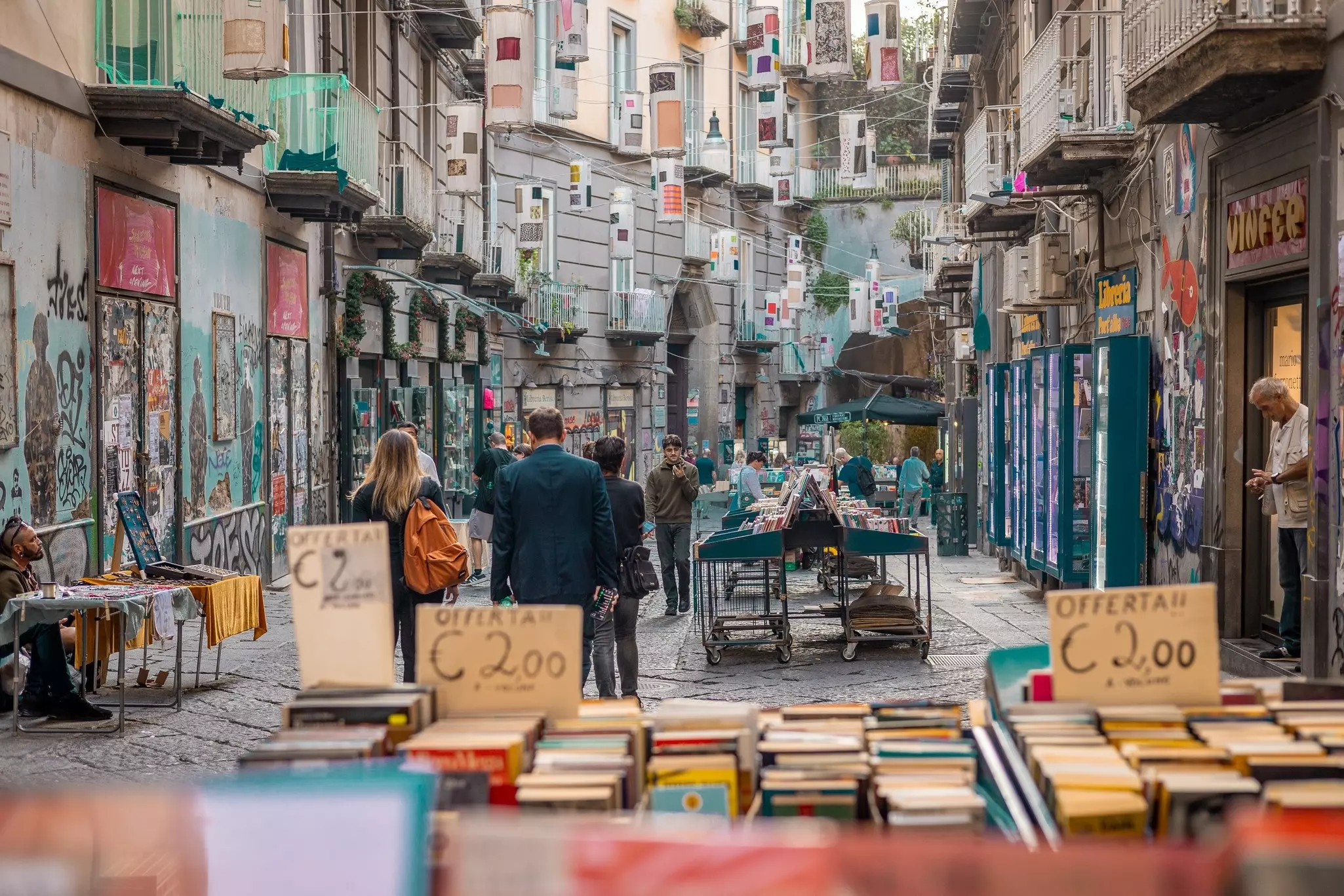
Naples is best understood on foot because walking keeps you available to interruption. A fruit seller recommends a side street for coffee. Someone waiting outside a tobacconist points you toward a neighborhood bakery. A small procession carrying the Madonna passes through the Spanish Quarter, briefly reorganizing traffic as residents emerge on balconies and in doorways. On match days, football celebrations spill into streets with much the same collective energy. Public life regularly reshapes movement.
An anti-itinerary in this city doesn’t mean abandoning plans altogether – it means leaving enough unstructured time for conversations to alter them. Naples has long been organized around neighborhood life, where cafes, piazzas, markets and street corners function as places of exchange as much as destinations. Orientation comes through participation more than observation.
Planning tip: Resist scheduling every meal and museum. Some of the city’s most memorable walks begin because someone says, “Not here. Go two streets over.”
The situationists believed that cities could be rediscovered by drifting through them. Anthropologist and geographer Tim Ingold makes a related distinction between navigating with a map and way finding – learning a place through continuous engagement with it. One produces directions; the other produces familiarity.
An anti-itinerary is not anti-planning but a slightly bent version of it, a little odd and mischievous. Plan enough to feel safe. Learn a few words. Understand local customs. Leave room for conversations, repetition and detours. Carry a notebook alongside your map.
You may still remember where you went years later. More importantly, you may remember how you learned to find your way.
Explore related stories