Oct 14, 20269 min read
11 of The Best Things to Do in AucklandAug 6, 2026
6 MIN READ
Writer
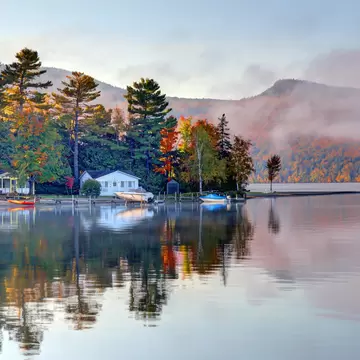
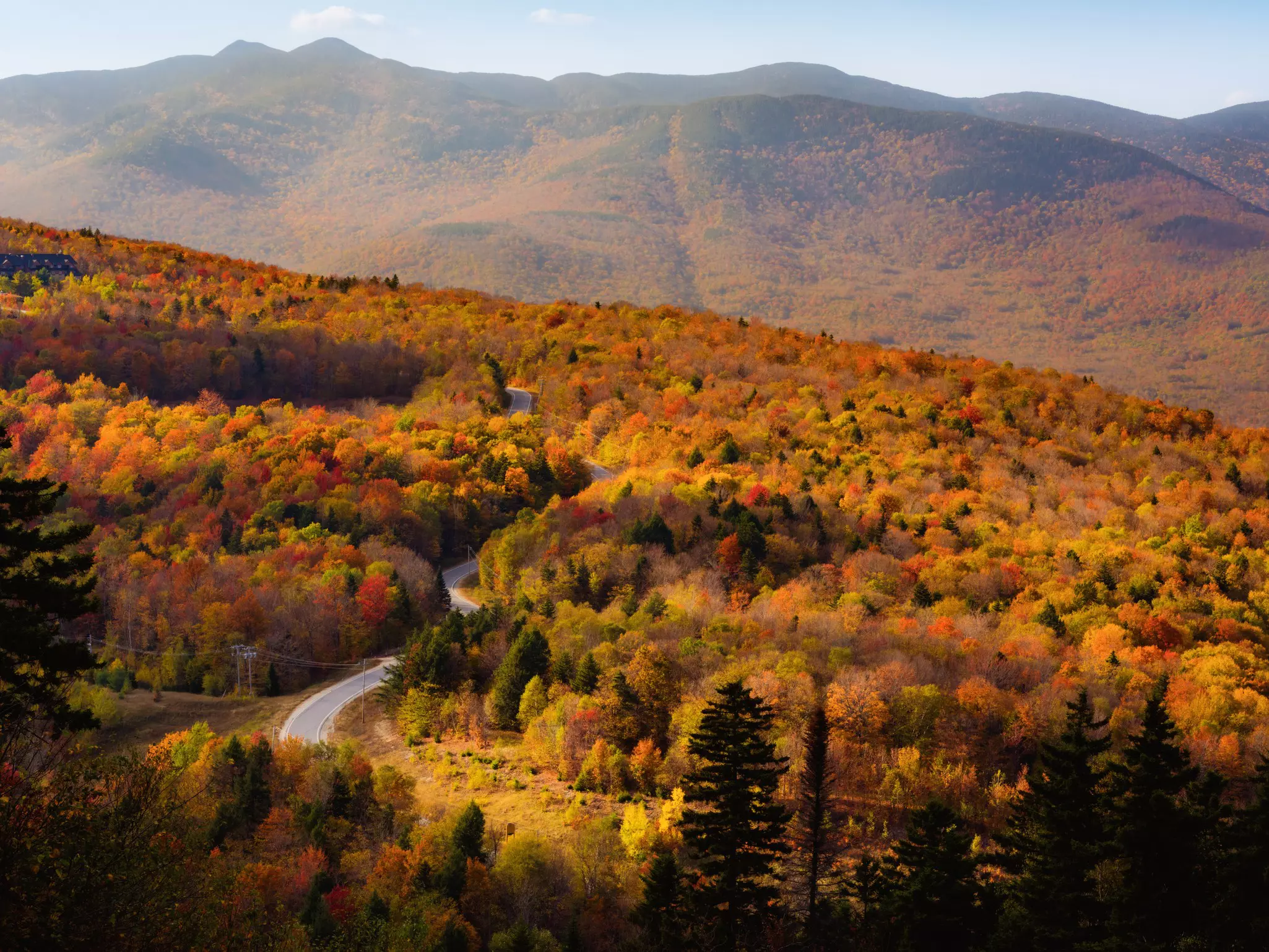
Autumnal views of Maine's Sunday River valley and Mahoosuc Mountains from the Sunday River Chondala. Justin Kaneps for Lonely Planet
Writer
Highlights
Writer Taryn Shorr-McKee gives nine shoulder season reasons, from savings to wildlife.
Shoulder season trims crowds, prices and temperatures from the Amalfi Coast to Yosemite.
Leaf-peepers thrive in New England, the Pacific Northwest, the Rocky Mountains and Japan's Nikkō.
Head to Yellowstone or Grand Teton in fall for crisp air, bugling elk and jewel-toned foliage.
Lonely Planet may earn a commission from affiliate links on our site. All recommendations and reviews reflect our own independent opinions.
Avid travelers sing the praises of the offseason for its lower costs and smaller crowds – but it’s not always ideal. Weather can be dicey, businesses may close seasonally, and you risk missing out on the things that make a destination special.
Enter shoulder season.
Typically falling in September and October in the Northern Hemisphere, between peak summer travel and the offseason, these in-between months offer a sweet spot: pleasant weather, open businesses, fewer crowds and better prices, especially across Europe and North America. If you find yourself longing for a travel experience that more closely resembles the classic daydream – lingering over espresso at a sidewalk cafe, strolling scenic streets blissfully free of tour groups, chatting with locals who aren’t burned out from tourist overload – this is your time.
Here are nine excellent reasons to use your vacation time on a shoulder season trip.
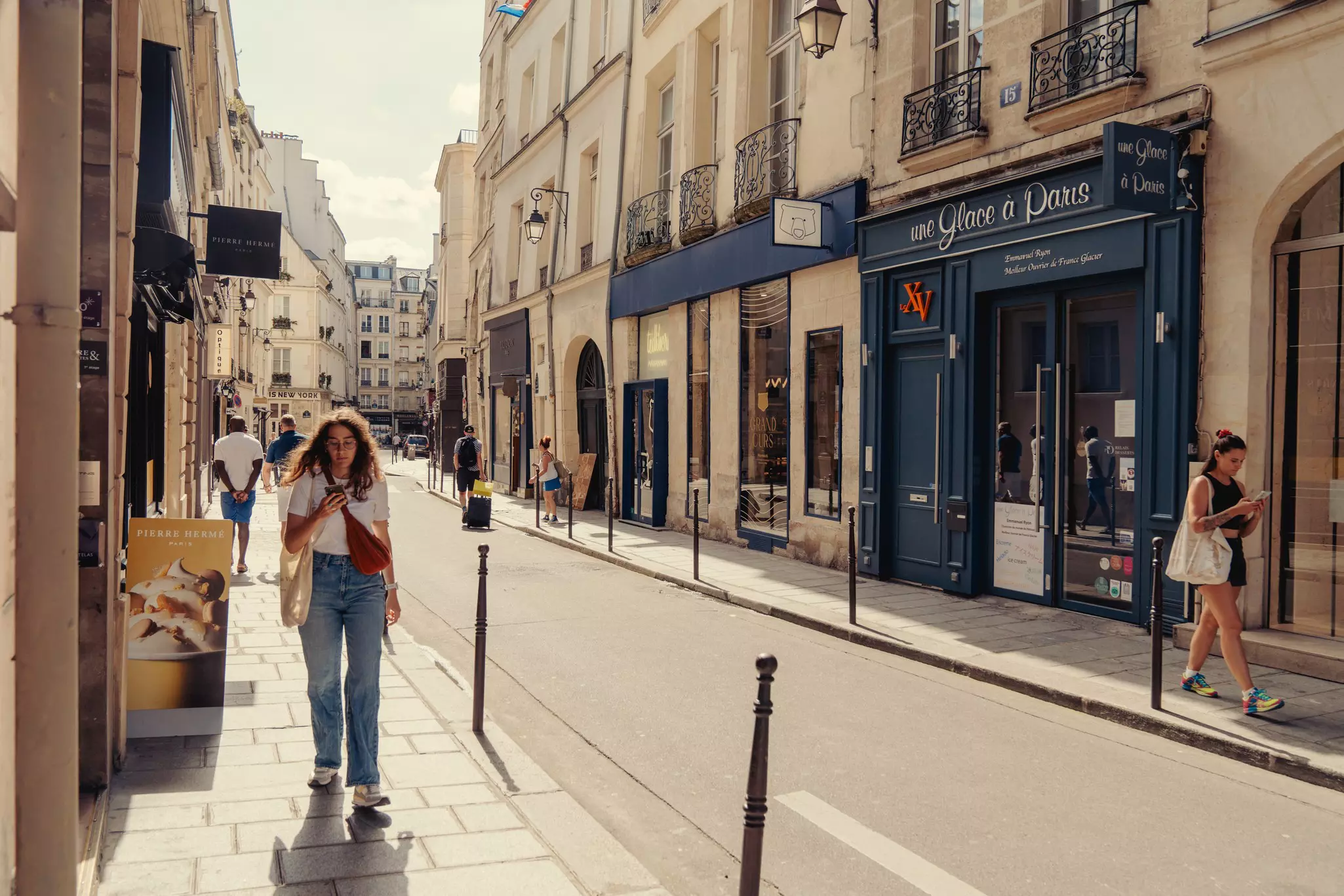
This one’s obvious, but it's also one of the best arguments for traveling during shoulder season. Kids are back in school and holiday travel hasn’t ramped up, which means smaller crowds just about everywhere – shorter lines at museums and theme parks, easier access to national parks (in the US, Europe and beyond) and less frenetic energy overall. Even perennially busy destinations like Paris and the Amalfi Coast are more enjoyable after the summer crush.
Three summers in a row, a group of friends and I unsuccessfully entered the lottery for Yosemite’s Half Dome Cables Route. In year four, we tried for mid-September, after Labor Day, the unofficial last summer hurrah. We got the permits, easily found in-park lodging, and didn’t have to elbow our way through Tunnel View.
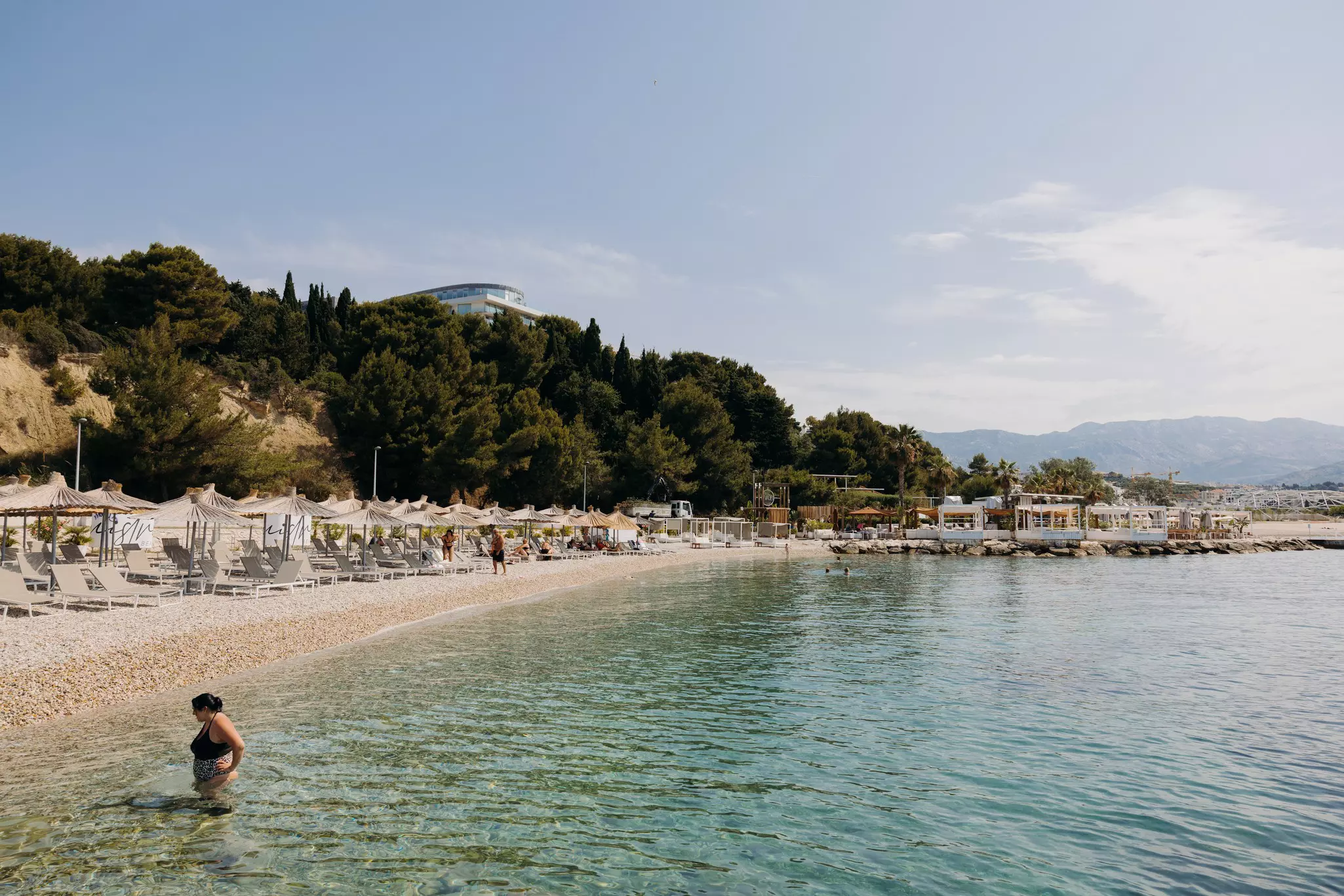
If you've ever felt like you were wilting in Rome in July or bailed on a desert hike because of triple-digit temps (as a former Arizonan, I’ve been there), you know the value of moderate temperatures. Shoulder season brings cooler weather and still enough daylight hours for outdoor adventures.
Take the entire southern portion of the US, from Utah’s national parks to arid Texas and Florida beaches. They all trade scorching summer heat for pleasant, sometimes even crisp, mornings and golden afternoons. Coastal destinations like Croatia and Thailand enjoy sunny days without the swelter, and hurricane risks subside in the Caribbean by November. In fact, that's my sweet spot for traveling to Florida's Gulf Coast – beaches and restaurants are practically deserted, and summer crowds are long gone. Just check local forecasts before you go.
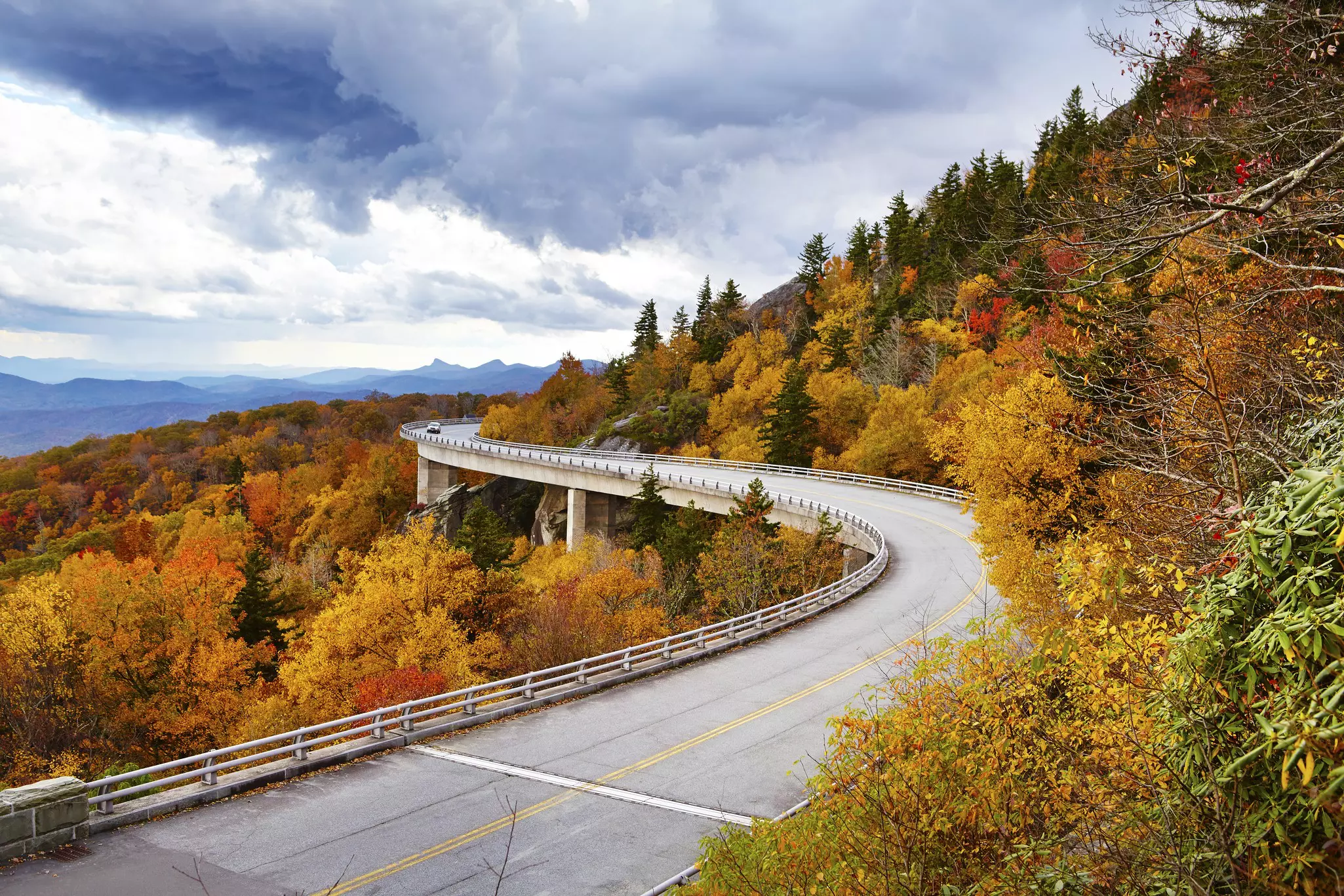
In the Northern Hemisphere, fall shoulder season offers a tremendous bonus: blazing color. It’s peak foliage time in places such as New England, the Pacific Northwest, the Rocky Mountains and Japan’s Nikkō region.
For an immersive sensory experience, pair iconic road trips like the Blue Ridge Parkway or Canada’s Icefields Parkway with mountain hikes, scenic train rides, stops at roadside cideries and small-town harvest festivals.
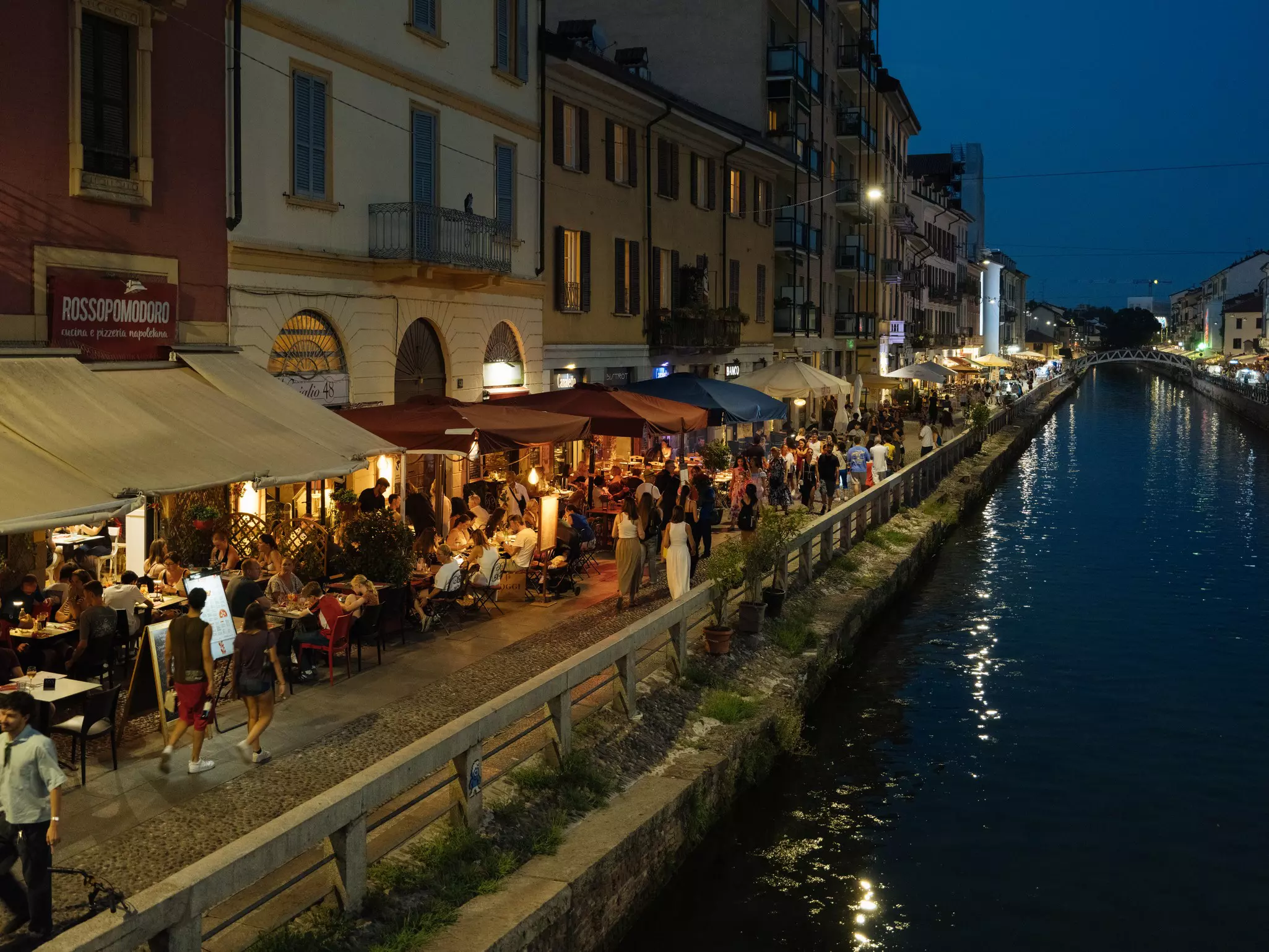
One of the biggest perks of shoulder season travel is lower costs. Flights and hotel prices tend to drop, and rental cars, tours and restaurant reservations are easier to come by – and often more affordable.
That bucket list stay you wrote off as out of reach? It’s likely more attainable in the shoulder season. With the money you save, you may be able to tack on a night or upgrade your hotel. Two girlfriends and I planned a five-day Alaska road trip for July, but RVs were so pricey we pushed it to September. We ended up staying eight days and added a once-in-a-lifetime glacier helicopter tour thanks to the savings.
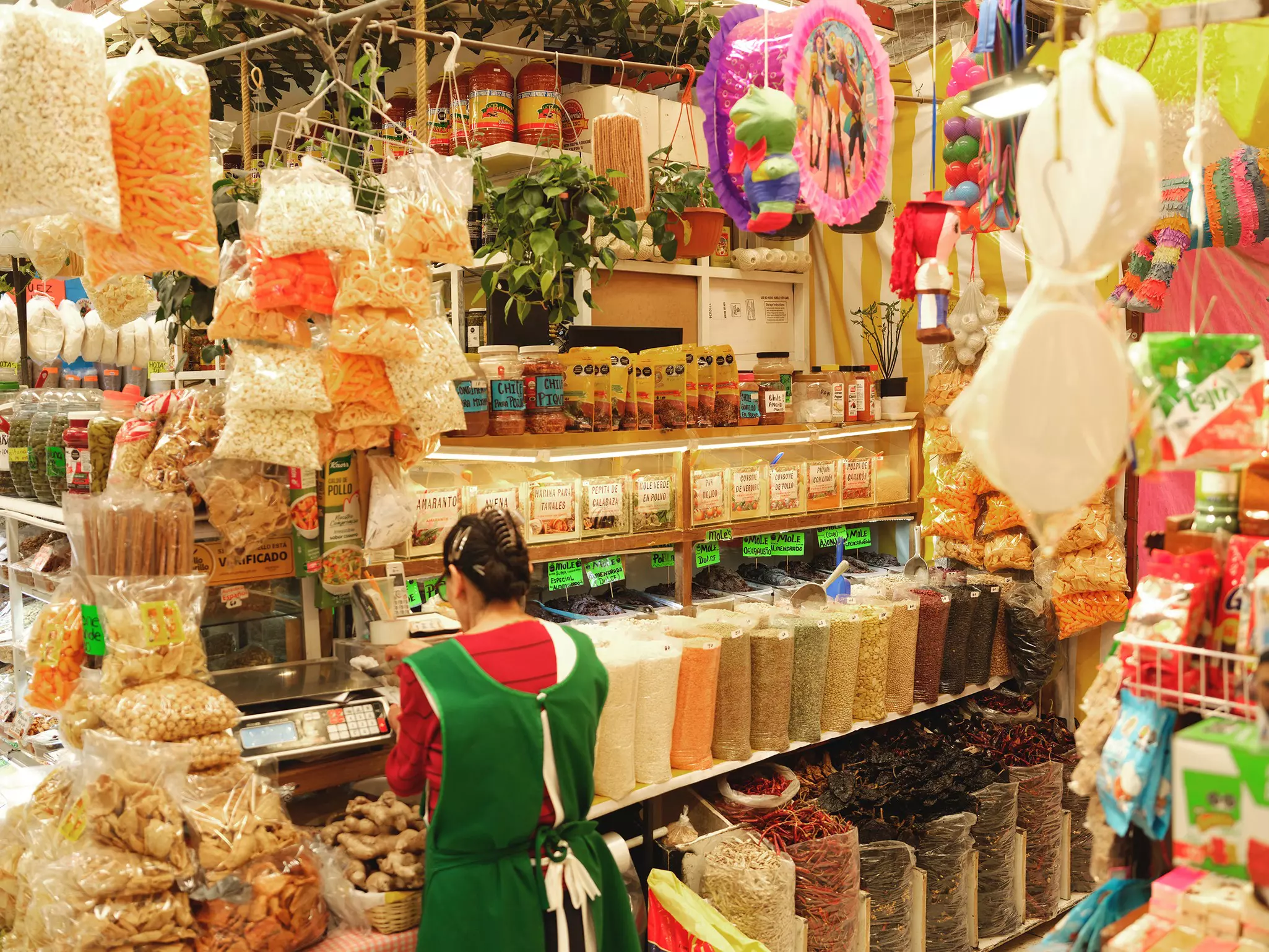
Shoulder season happily coincides with harvests in many regions, which means ultra-fresh produce, seasonal menus and events centered around local ingredients.
In Germany, Oktoberfest and wine festivals take over in September and October, following the summer tourist season. In wildly popular US leaf-peeping destinations such as Vail and Breckenridge, Oktoberfest happens in mid-September, between summer’s end and peak foliage. Orchards and pumpkin patches also pop up in small towns across the country. In Europe, Italy’s truffle and olive oil festivals kick off in the fall, pairing rich culinary experiences with local heritage.
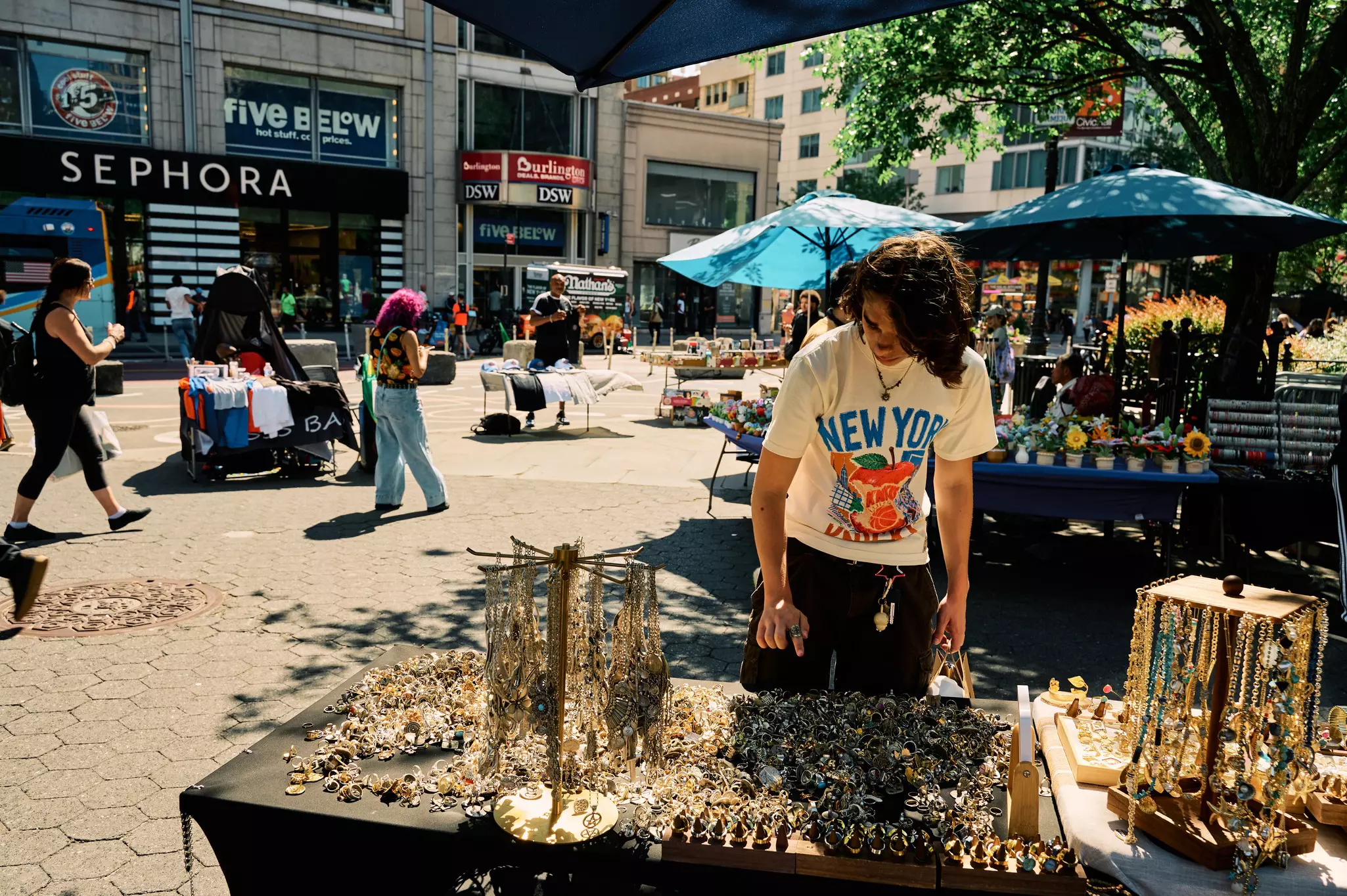
Many popular destinations shift into survival mode during peak season, as businesses are slammed and locals are exhausted. But in shoulder season, people tend to be more relaxed, making them more amenable to conversation (and open to sharing their favorite spots). These moments – a chat with a winemaker, a suggestion from a barista, your driver pointing out a hotspot – create travel magic.
You also get to move at a slower, more authentic speed, giving you a much fuller sense of a place. Slowly sip your drink and people-watch. Stop at all the pullouts on that scenic drive.
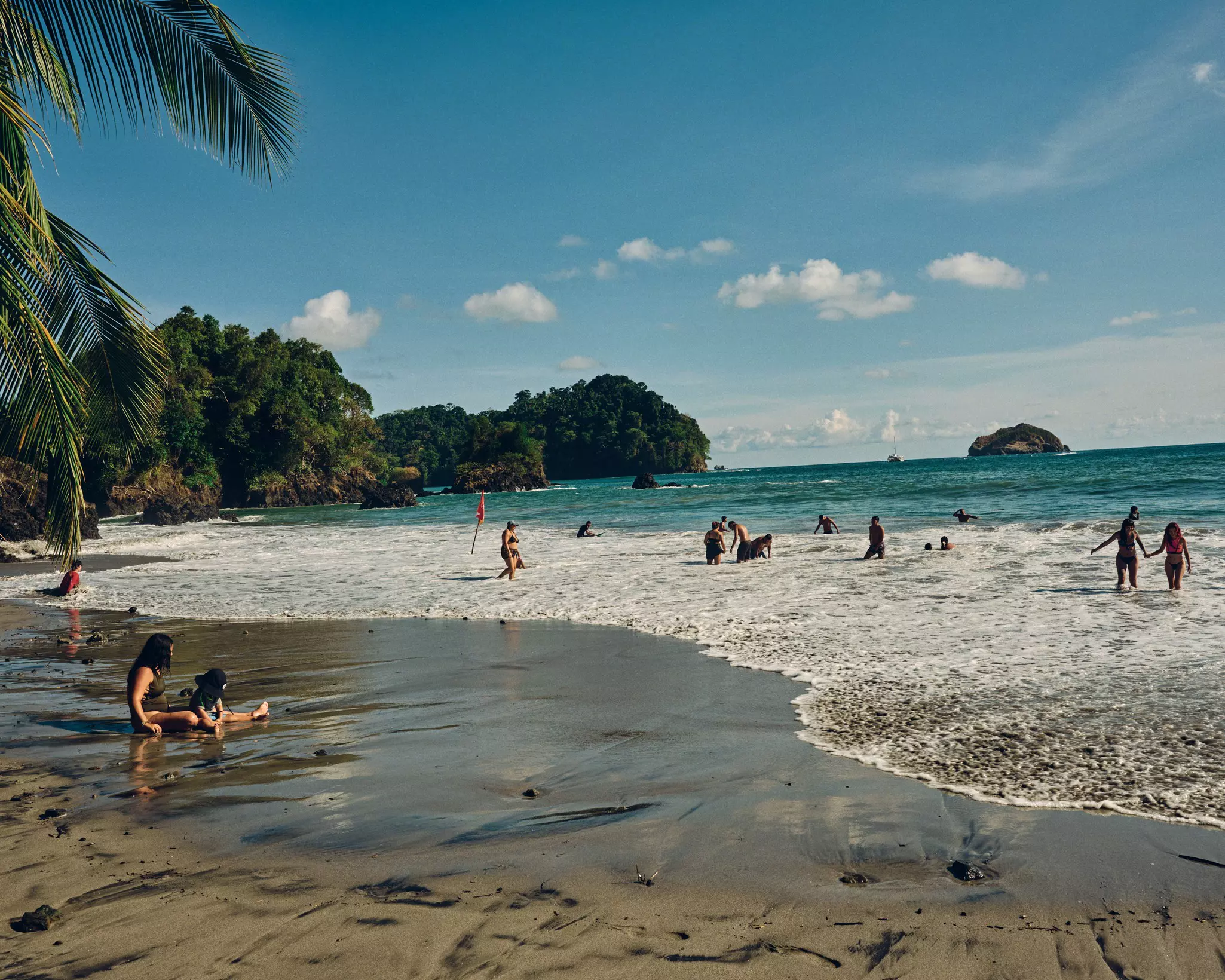
Lower demand at many locations lets you build room into your itinerary to follow your whims. Want to swap that museum visit for a beach day or try a cooking class your server recommended? Outside peak season, that’s very doable without much, if any, advance planning.
Restaurants that are usually fully booked in the summer may have walk-in availability, and you can often snag same-day tour tickets. You’ll spend less time waiting around and more time enjoying. It’s still smart to book ahead for anything ultra-specific you have your heart set on, like the Louvre or an NYC observation deck.
Pro tip: I love booking food tours on day one of a trip. It’s a perfect intro to a local food scene (and possibly new friends), plus it lets you scout places to return to later.
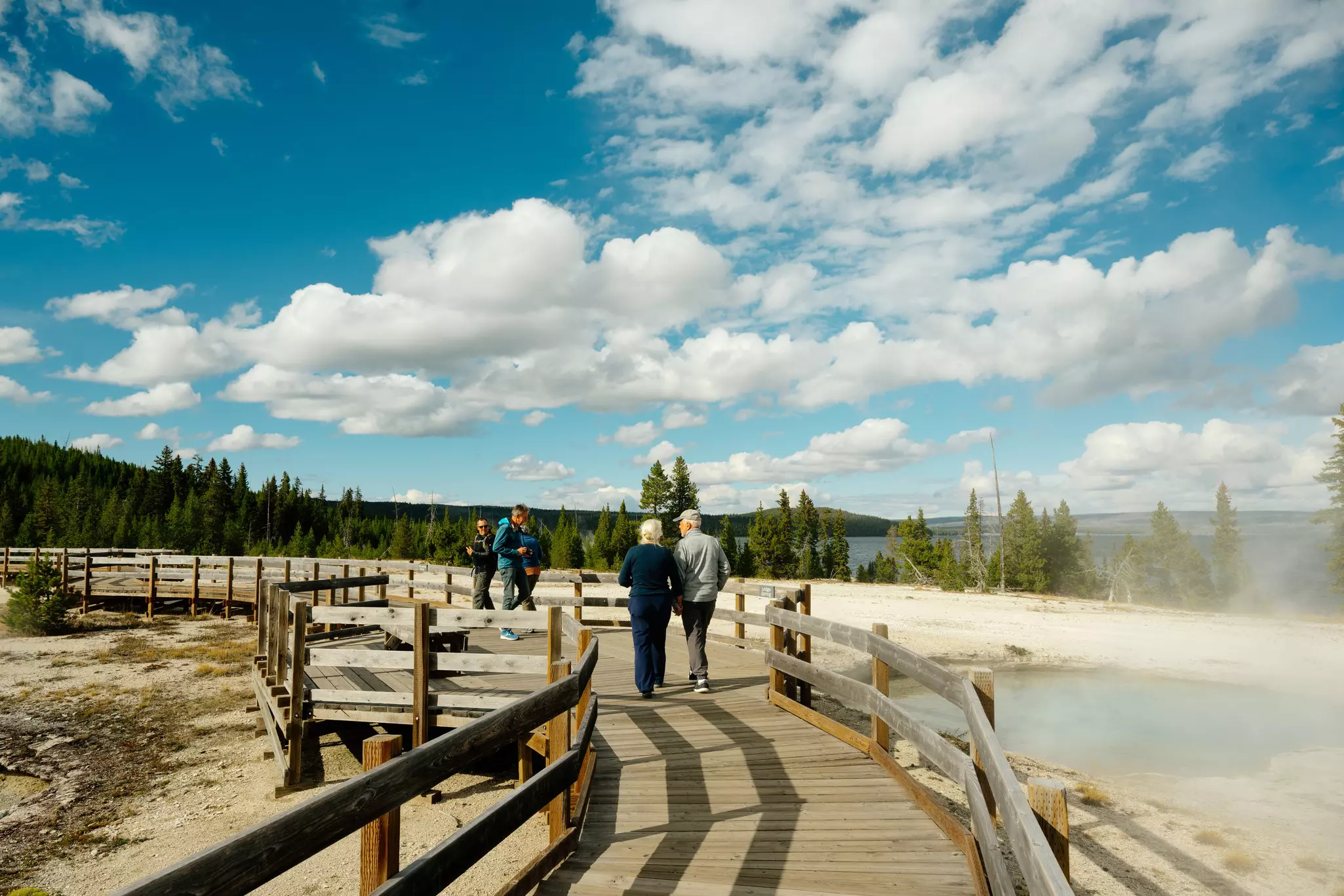
In nature-centered destinations, shoulder season aligns with prime wildlife viewing. Fall is rutting season for deer, elk and moose in North America and thus a perfect time to spot elusive big game. You’ll also find thousands of birds migrating along flyways, and bears become more active before hibernation.
September and October in western US national parks like Yellowstone, Rocky Mountain, Glacier and Grand Teton are especially rewarding, with crisp air, forests studded with jewel-toned foliage and the distinct sound of bugling elk.
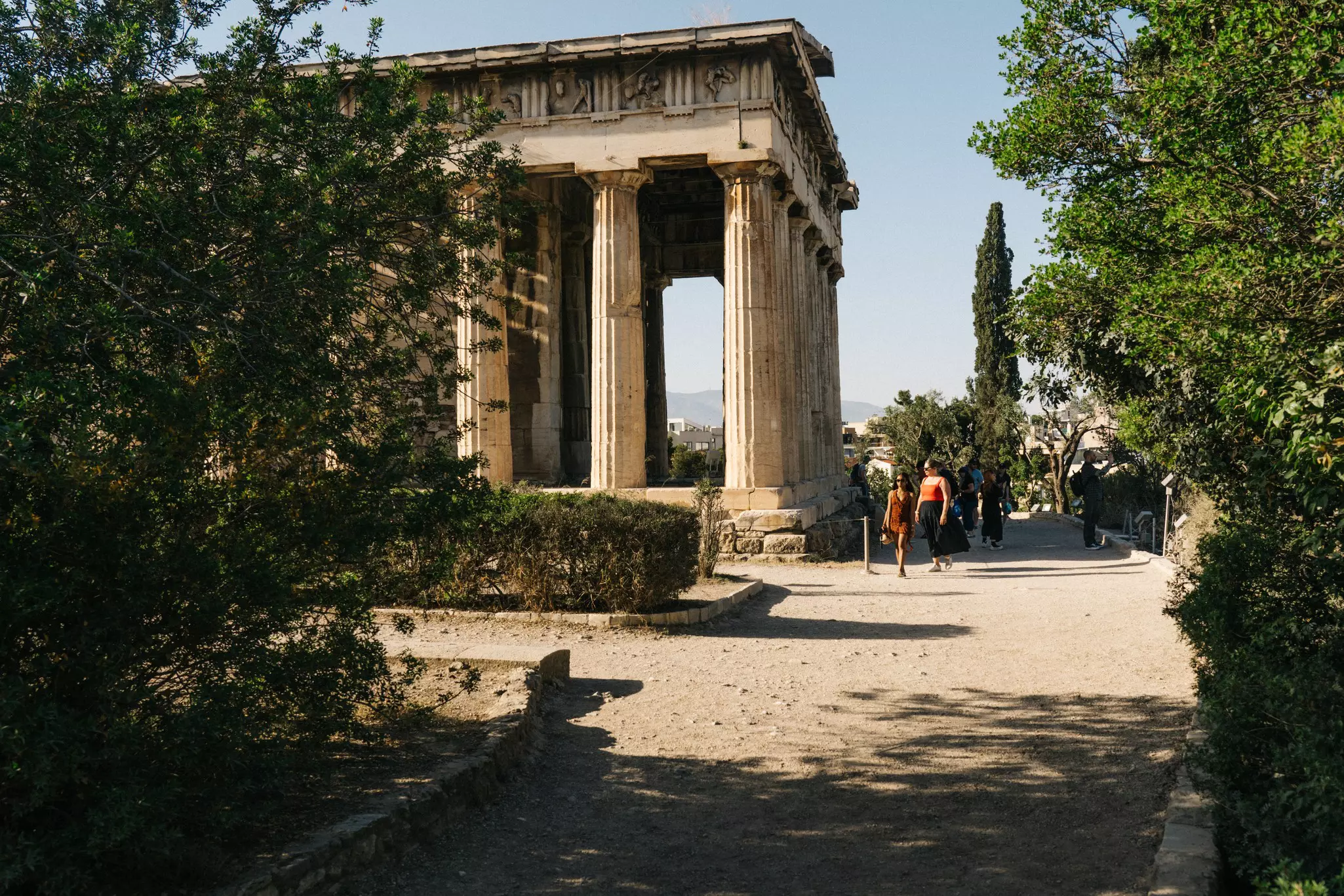
Overtourism is one of the biggest challenges in travel, putting immense pressure on wildlife, cultural heritage and local infrastructure and resources, which are often limited even in the best conditions. This happens in well-known bucket-list destinations like Athens as much as tiny off-grid villages and national parks. One simple way to lessen your impact? Visit during shoulder season.
This spreads tourism dollars more evenly throughout the year, allowing local businesses to operate more sustainably and preserving the destinations’ integrity for the future. You also get a much truer sense of the place, not just its highlight reel.
Explore related stories