Oct 19, 202611 min read
Rockies Versus Sierra: Two Ways to Road-Trip the American WestApr 8, 2026
14 MIN READ
Writer
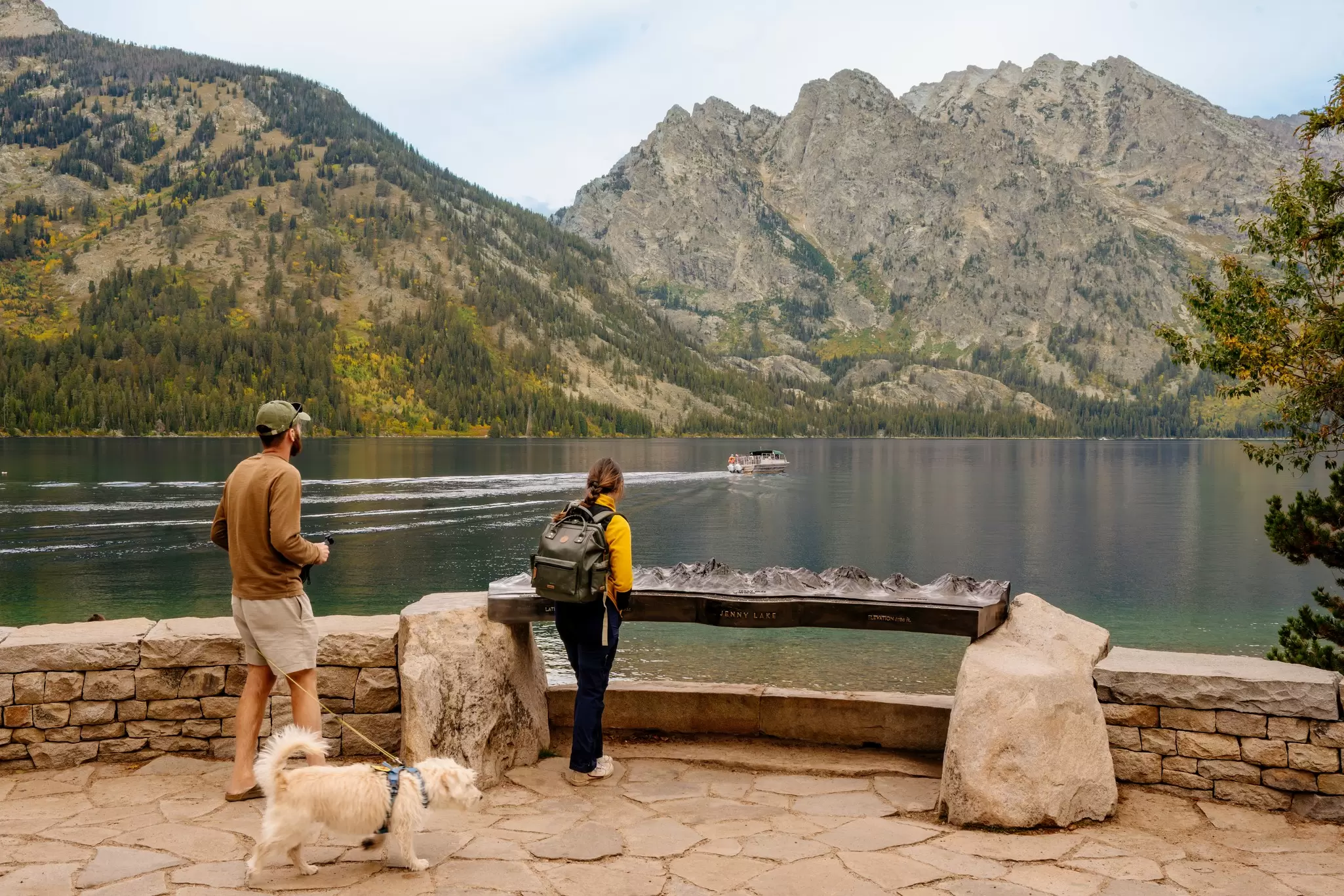
Visitors at Jenny Lake in Grand Teton National Park, Wyoming. Katelyn Perry/Lonely Planet
Writer
Lonely Planet may earn a commission from affiliate links on our site. All recommendations and reviews reflect our own independent opinions.
Picture it now: you’re standing atop Ooh Ahh Point, soaking up magnificent views of the Grand Canyon. The skies are blue, there's a light breeze, and life is good. But one nagging thought keeps cutting through the vibe: was it really a good idea to wear flip-flops?
Looking ahead up the trail, you realize that, yep, the steep and twisting climb to the South Rim, with the possibility of mule poop and rocks to stub your toe on, is going to be a painful ordeal if you’re wearing flimsy footwear.
But there's an easy solution – when visiting America's spectacular national parks, a little preparation can go a long way. From wearing the right shoes to booking permits ahead for popular trails, there are important rules to remember when visiting a US national park.
Even if you mean well, if you don't come prepared, it’s easy to irritate other park users or fall foul of official park regulations, and nobody wants to annoy the park rangers, particularly at a time when the National Park Service is facing a staffing crisis.
The National Park Service recorded more than 323 million visits for recreation in 2025, including over 13 million overnight stays, and similar numbers are expected in 2026, but staff numbers have fallen by nearly a quarter. Over the coming year, travelers can expect longer wait times, reduced programming, less regular maintenance of facilities and trails, and the potential closure of certain areas, as well as higher park fees for overseas visitors (stay prepared with this guide).
Alongside the standard rules for visiting wilderness areas anywhere – such as following Leave No Trace principles – here are some of the key dos and don’ts for visiting national parks in the US.
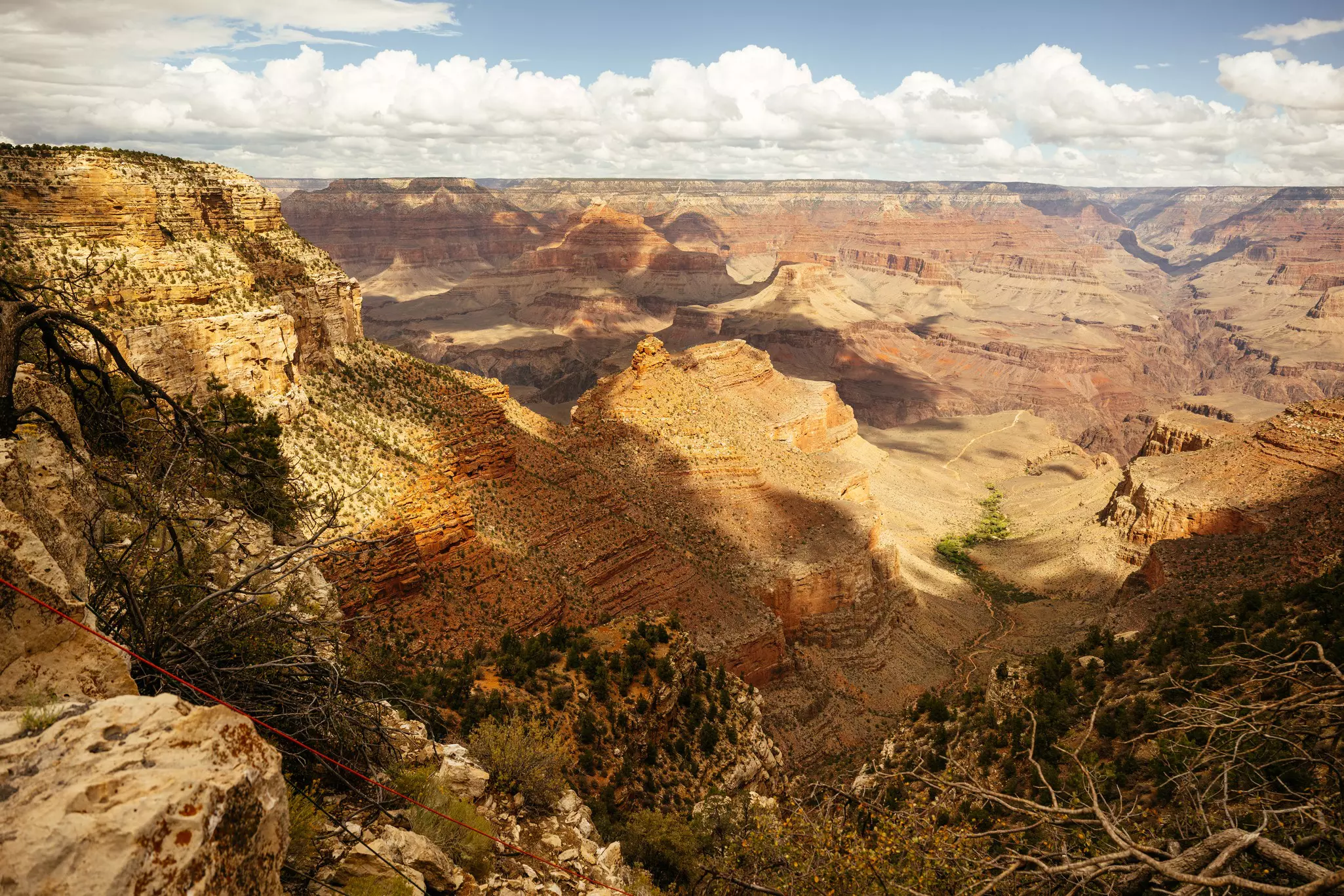
1. Do consider the season. Different parks have different opening dates and different optimum times to visit. If you want to explore the North Rim of the Grand Canyon, for example, you'll have to visit from early summer to early fall (May 15–October 15); lodges and restaurants close on the North Rim out of season. Conversely, desert parks like Big Bend and Death Valley are at their best in late winter and early spring, when temperatures are comfortable and wildflowers brighten the trails.
2. Do confirm opening dates for roads in the Sierra Nevada Mountains and the Rockies. Some park roads are seasonal, too. The Tioga and Glacier Point Roads in Yosemite and the Going-to-the-Sun Road in Glacier are closed over winter until they are cleared of snow, which can be as late as mid-June. Similarly, the high-elevation section of Trail Ridge Road in Rocky Mountain National Park is usually only open from June through November.
3. Don't forget to secure your timed-entry reservation. During peak times for visitors, you’ll need a permit to enter some national parks, including Rocky Mountain, where a timed-entry permit is required to access all areas from May to October. You'll also need a permit to watch the summit sunrise at Haleakalā National Park. A reservation was previously required to access Glacier’s Going-to-the-Sun Road from the west side but the rules were revised in 2026; check the park website for the latest.
4. Do be mindful of Indigenous history. Many national parks across the country include lands that are entwined with the stories, heritage and traditions of the nation's diverse Indigenous peoples. At parks such as Mesa Verde National Park in Colorado and Hawai'i Volcanoes National Park, visitors have the opportunity to learn about the local, traditional importance of the land through community-led projects. Ask about events and programs involving Associated Tribes as part of your trip planning to integrate Indigenous experiences into your trip.
5. Do book a room at a national park lodge as soon as you have your travel dates. Don't leave booking accommodation at national park lodges till the last minute, because rooms often sell out. You can often book up to a year in advance, so plan early. Cancellations sometimes occur, so it’s worth checking regularly to see if a room at your first-choice lodge has opened up.
6. Do make a loose daily itinerary. Plan to enjoy your top-choice activities in the morning. Crowds and traffic can throw off your schedule as the day progresses, and if you leave things till the afternoon, you may miss out.
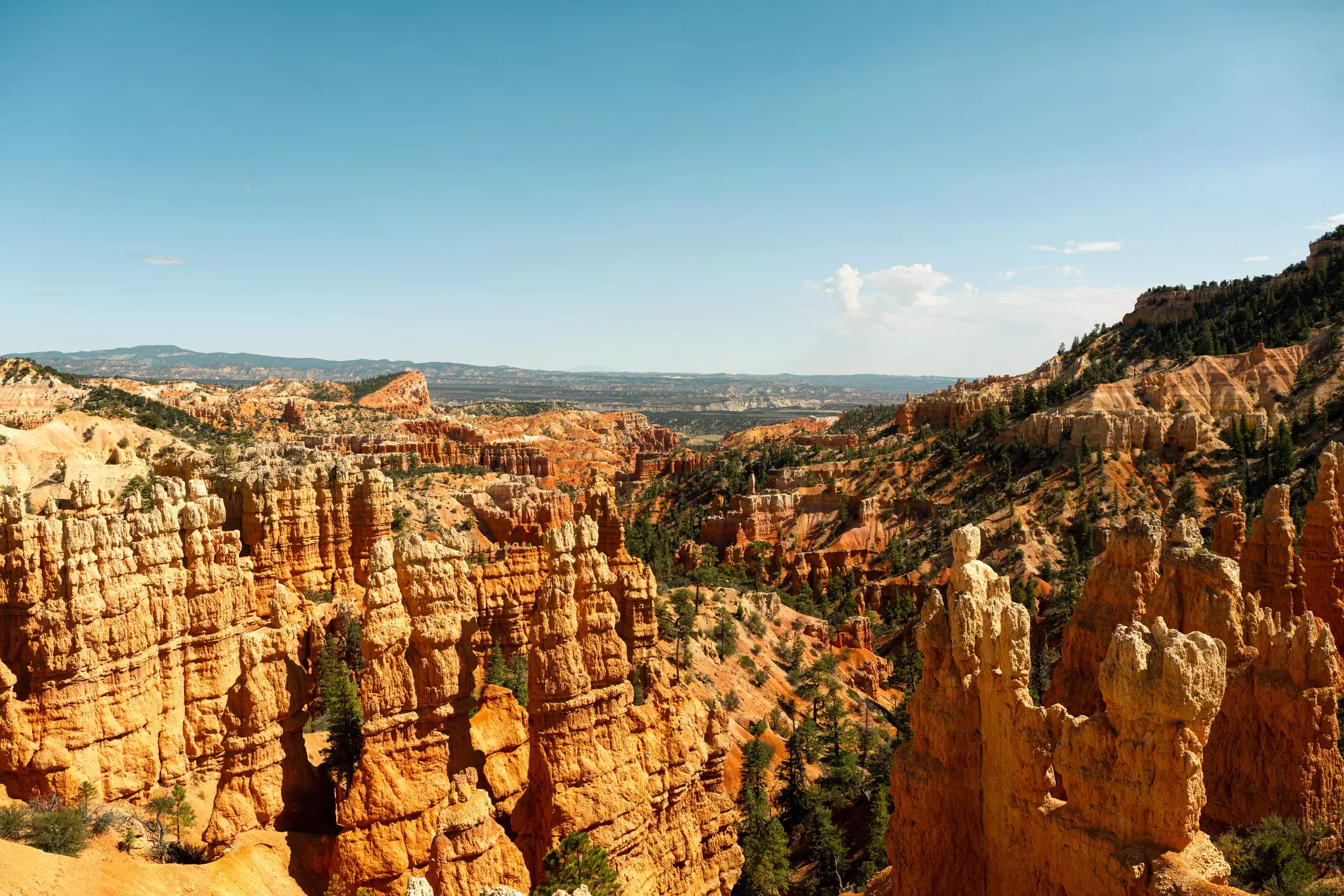
7. Do check regional maps to see if other national parks are worth including in your trip. Several fantastic parks – Bryce Canyon, Zion, Capitol Reef, Arches and Canyonlands – could all be included on one stunning multi-day adventure.
8. Do visit individual park websites before your trip. Things change, sometimes at short notice, so it's always wise to consult the official websites for the parks you plan to visit before your trip for last-minute alerts and closures.
9. Don't bring your drone. The recreational use of drones in US national parks is prohibited, with very few exceptions.
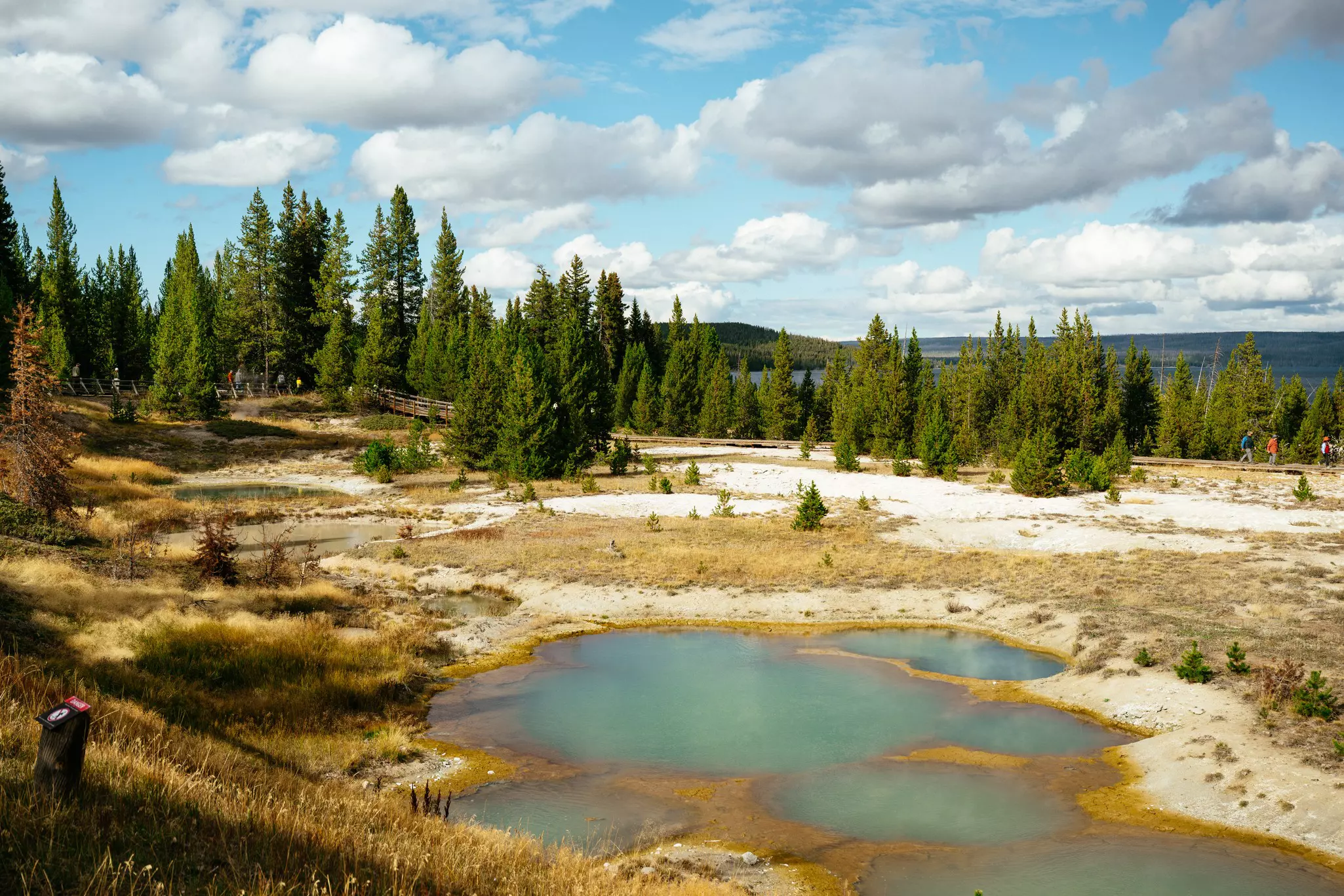
10. Do share the view with others. Pausing to take a vertiginous photo from the top of Angels Landing in Zion, or waiting to snap the geysers performing at Yellowstone, is completely understandable, but look around. Are other snappers waiting for their turn to capture the view? If so, take your photo and move on.
11. Don't blast out music. Use your headphones on trails and shuttles – your choice in music is, of course, impeccable, but some uncultured heathens may not appreciate your taste in hip-hop beats and heavy rock. The same applies at campgrounds – even if you feel like staying up late, other people will be trying to sleep.
12. Do pack out your trash. Clean-up services in America's national parks are being affected by staffing levels, so it's especially important to dispose of your waste properly. Litter poses a significant threat to fragile national park ecosystems, so carry garbage bags on every visit and be sure to carry out all of your trash to a place where it can be properly disposed of. To make an even bigger difference, order a clean-up kit and pick up any litter you find around the park.
13. Do log litter with the TrashBlitz app. Picking up litter is one thing, but you can also help by logging the trash you collect to maximize your impact. Just download the TrashBlitz app, select the “Plastic-Free National Parks” project, and upload images and information about the trash you collect. Every record uploaded contributes to datasets that can help inform environmental policy in the US and around the world.
14. Do be kind to park employees (and extend a little grace to fellow travelers). We’re all here to enjoy nature’s bounty, but with heavy crowds and reduced staffing at US national parks in 2026, a little generosity of spirit will go a long way.
15. Do get ready to pay as soon as you reach the entrance gate so you don’t hold up the line. Many parks – including Acadia, Death Valley, Grand Canyon, Yosemite and Zion – are now cashless, so make sure you have a credit or debit card on hand to pay the admission fees.
16. Do use a national park pass. If you’re planning to visit several national parks and monuments, save money with an America the Beautiful Pass. Costing $80 for US residents and $250 for non-residents, it covers fee-free admission to national parks and federally managed recreation areas for one year. Even with the price increase for foreign visitors, the pass can offer savings if you are visiting multiple parks on an extended trip. Senior and military annual passes are also available.
17. Don't crowd the wildlife. Never feed or get too close to animals, no matter how cute they appear to be. At Yellowstone, you must remain at least 25 yards from bison and elk and 100 yards from bears and wolves. Similarly, visitors should keep 50 yards away from bears and elk in the Great Smokies.
18. Do use the park shuttle system to explore the South Rim at Grand Canyon National Park. If you hit the South Rim, leave your car in Tusayan (in summer only) or at the Grand Canyon Visitor Center, then hop aboard a park shuttle to explore. Other national parks with seasonal shuttles include Acadia, Bryce Canyon, Glacier, Rocky Mountain, Yosemite and Zion.
19. Do rent a bike to reduce traffic at the South Rim. To help reduce the peak season gridlock in Grand Canyon National Park, rent a bike from Canyon Adventures beside the Grand Canyon Visitor Center. It's easy to follow greenways to the key attractions and viewpoints.
20. Don't miss park ranger talks. Most national parks have programs of ranger talks and other educational activities, and the rangers can explain complicated concepts like park geology in a way that most visitors (even youngsters) will understand.
21. Do pay for parking in Great Smoky Mountains National Park. There is no admission fee to visit Great Smoky Mountains National Park, but the NPS implemented a parking fee in 2023 to help cover the park's running costs, and there are penalties for parking without a daily or weekly parking tag.
22. Do maintain spatial awareness when taking selfies and photos. Don't get carried away in the moment when snapping shots of wildlife and landscapes – or yourself! Be extra careful when taking photos beside cliffs and rocky slopes to avoid injury, and even death, from a fall.
23. Do download the National Park Service app onto your smartphone. For up-to-the-minute park info, download the National Park Service app. It includes maps, alerts, events and activities for all US national parks. Information can be downloaded for offline use.
24. Do keep things fun for kids. Junior Ranger programs are available at most national parks, encouraging younger travelers to learn about the park through activities such as educational scavenger hunts. Kids can also send digital postcards of their photos using the National Park Service app.
25. Don't let your pets run wild. Dogs are often allowed in approved areas of national parks, such as campgrounds, but check the rules by park to see if your dog is allowed on the trails, and keep your pooch on a leash wherever this is required.
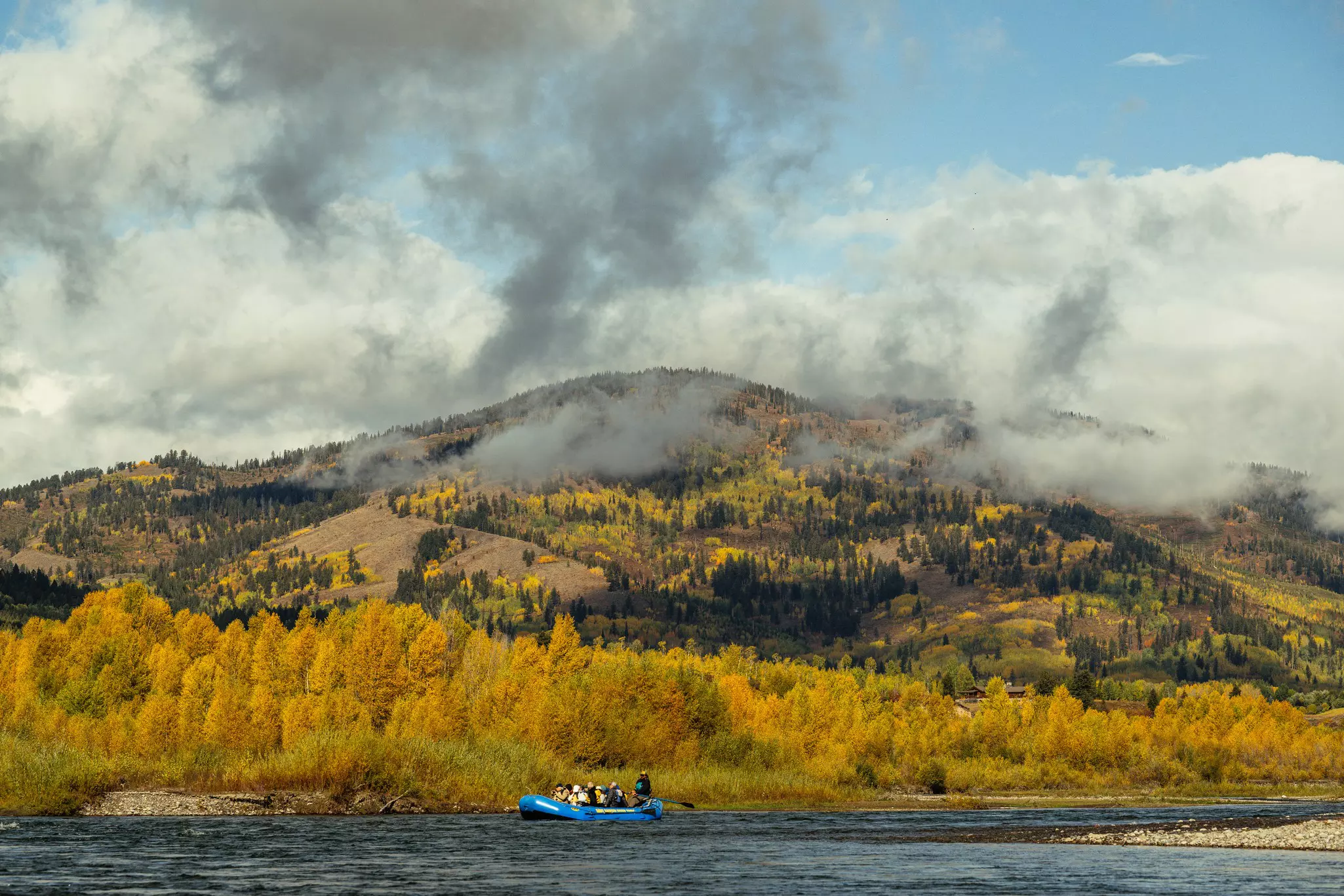
26. Do secure a day-use ticket for key hikes. Some hikes require a day-use ticket – you'll need one to hike Old Rag in Shenandoah National Park from March to November, and for the famous hike up Half Dome in Yosemite from late May to mid-October. In Zion, you’ll need a permit for the Angels Landing hike and for the 16-mile top-down hike through the Narrows.
27. Do stay hydrated. Make sure you carry enough drinking water to stay hydrated. Officials at Great Smoky Mountains recommend carrying at least one liter of water per person for every 2 hours of hiking. That's just a starting point; you may want to carry more depending on the temperature and terrain in the park you’re visiting.
28. Don't underestimate ascents when hiking. Always give yourself extra time for uphill climbs, particularly in the Grand Canyon or in other parks with high summer temperatures and big elevation changes. Trail veterans know that the time it takes to hike back up to the Grand Canyon rim will typically be twice as long as the time it took to hike down. Be extra careful in summer, when canyon temperatures can exceed 100ºF (38ºC).
29. Do dress in layers. Visiting parks such as Grand Teton National Park will take you up into rugged landscapes with changeable weather conditions, so bring warm layers. While hiking, you can remove them as needed to stay comfortable. You’ll typically want three layers – a base layer on your skin, an insulating layer and a shell layer for protection from rain and wind.
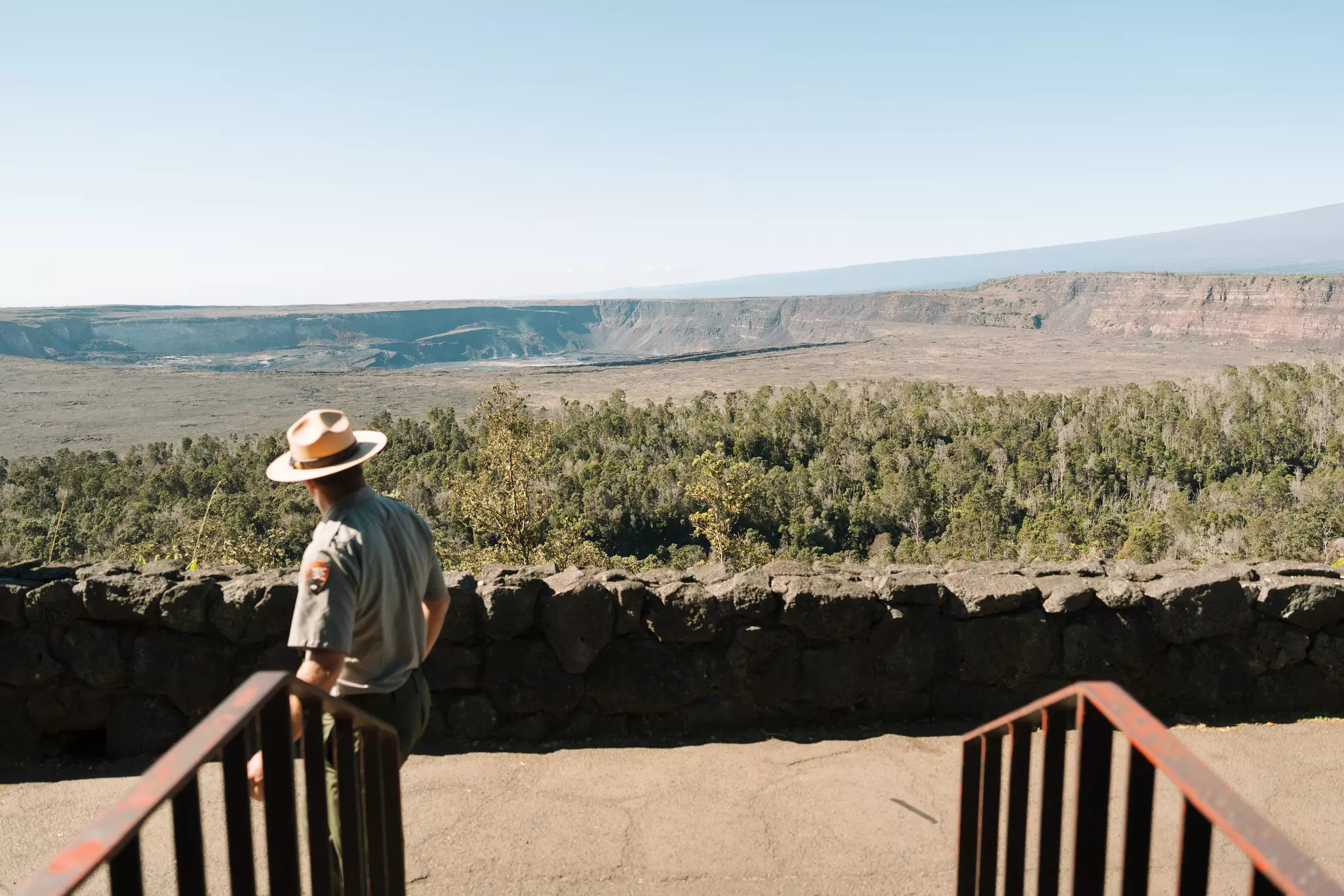
30. Do wear the right footwear to avoid injury. If you’re scrambling over rocks and hiking down steep switchbacks, your feet will be happier and safer in hiking boots or trail running shoes. Sturdy sneakers with grippy soles are usually fine on easier trails.
31. Do follow hiking best practice. This includes staying on defined trails, as cutting between established paths on switchbacks contributes to erosion and destroys vegetation. On a narrow section of trail, hikers walking uphill have the right of way over hikers traveling downhill. Do not disturb rock cairns – these rock towers let hikers know they’re on the right path.
32. Don't damage cultural, historic and natural sites. It should go without saying, but don’t disturb or vandalize plants and trees, geological features, manmade structures and other things you find as you explore America's national parks. Leave fossilized wood where you find it at Petrified Forest National Park in Arizona; there's a minimum fine of $325 for removing or damaging rocks, fossils and artifacts at the park.
33. Do enjoy waterfalls at their most beautiful. Waterfalls are fickle creatures; they can thunder in one season and slow to a trickle in another. Try to visit locations such as Yosemite Falls in spring and early summer, when the cascades are swelled by snowmelt and seasonal rains.
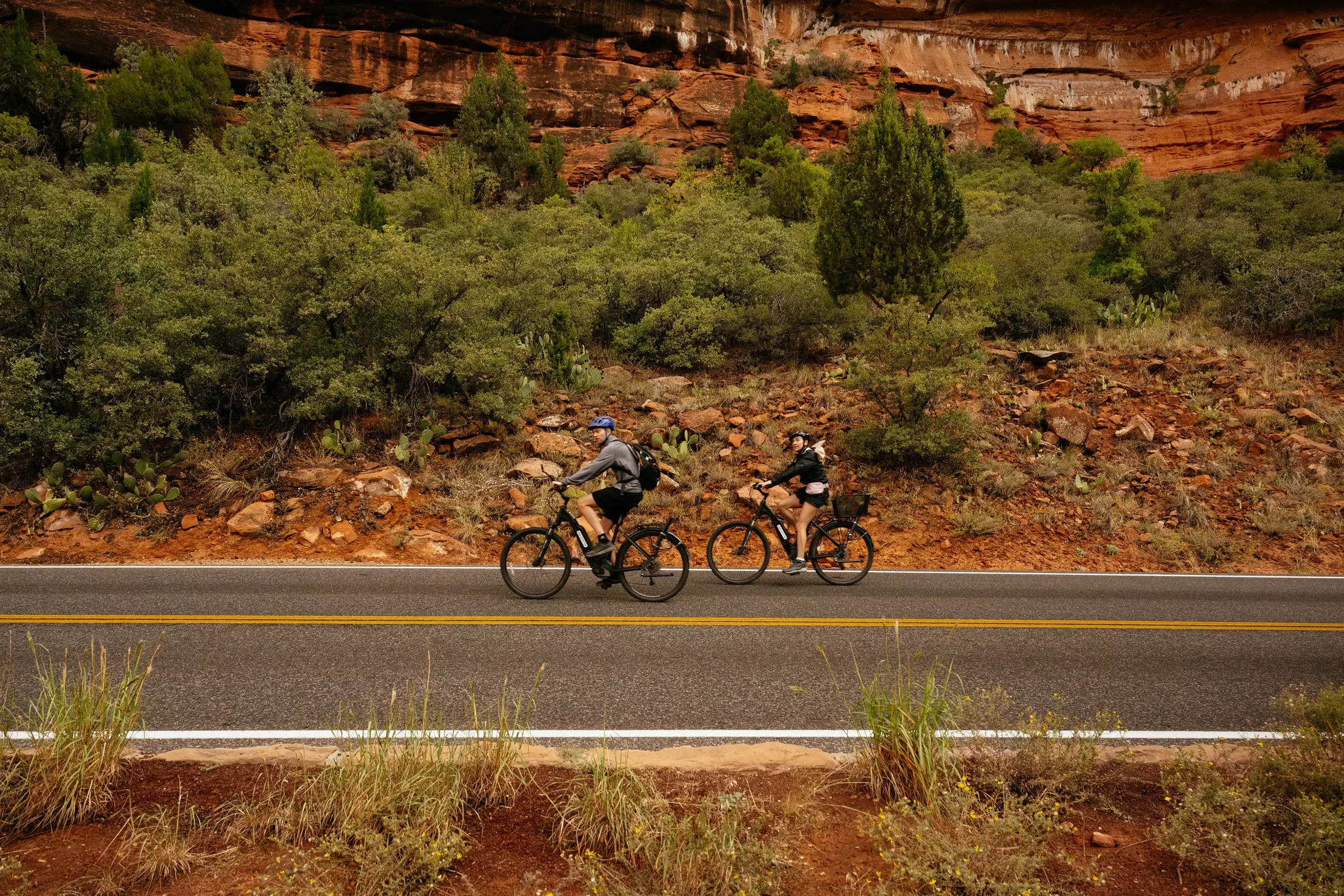
34. Don't get bored while waiting in line at the park entrance. It can take 90 minutes to enter Grand Canyon National Park from the South Rim, so make sure you have some form of entertainment to keep your group happy. We rate the spooky National Park After Dark podcast.
35. Don't block the road while looking at wildlife. If you spot any must-see critters, pull into the closest roadside pullout rather than stopping immediately and impeding other drivers. Look online for specific driving tips for Yellowstone and Great Smoky Mountains.
36. Do make sure you have plenty of gas. Larger parks may have only one or two gas stations, so keep an eye on your fuel gauge. To be safe, fill up at the nearest gateway town before you visit.
37. Don't exceed the speed limit. It might seem obvious, but animals and hikers often wander onto roads unexpectedly, often straight out of the woods, and the speed limits are there for their protection, as well as your own. Obstacles can be especially hard to see on unlit park roads at night, and speed demons do get pulled over and fined, in case you needed an extra incentive.
38. Do respect fellow passengers on park shuttles. When boarding park transport, always let others disembark before you climb aboard. Watch your backpack, too; nobody wants loose sandals and water bottles hitting them in the face.
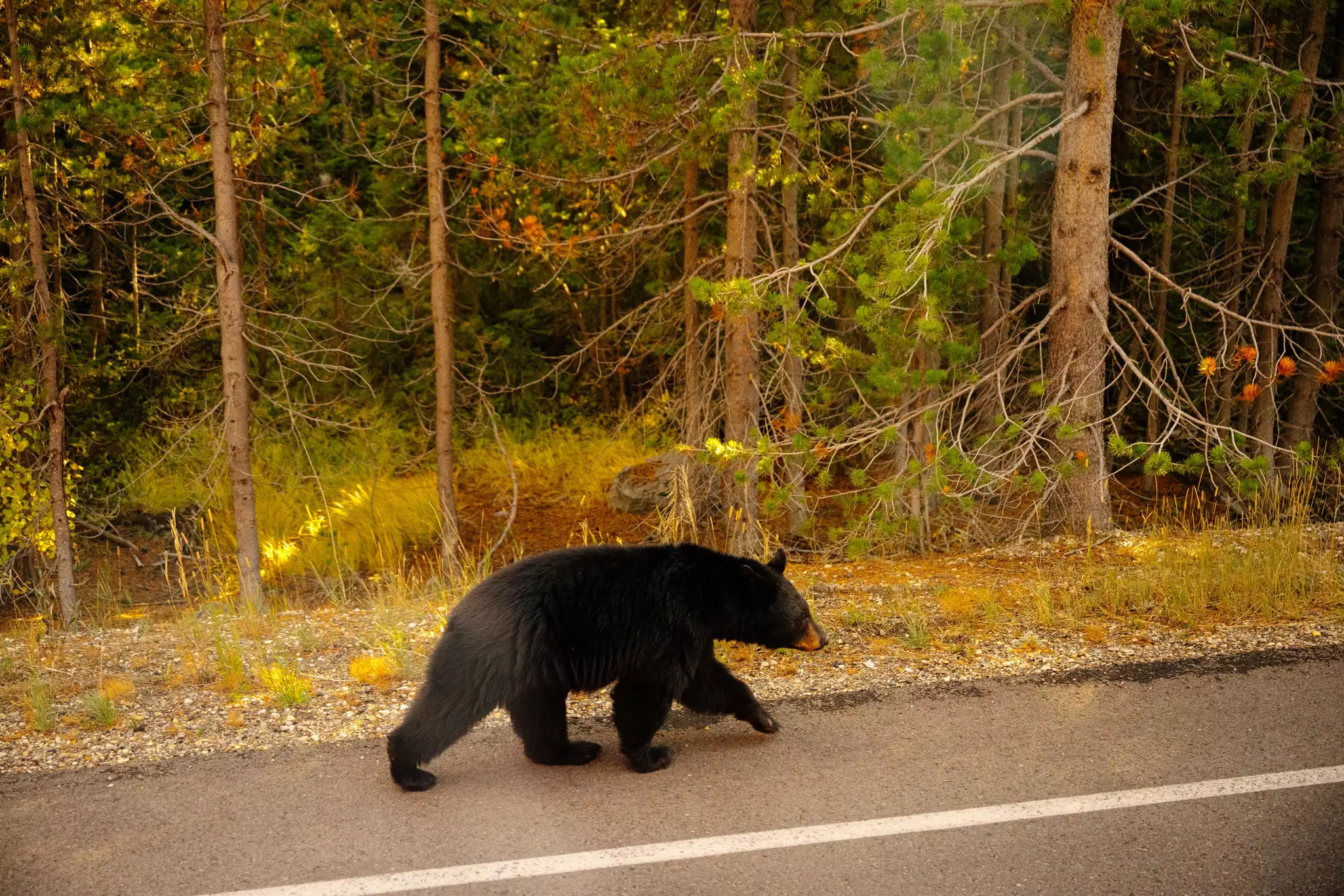
39. Do secure a permit for wilderness camping. If you plan to trek deeper into the wilds to camp, wilderness camping in national parks typically requires a permit, which should be obtained in advance.
40. Do pack the camping essentials. Make sure your camping kit is ready for travel before you visit. Test flashlight batteries before you leave home and make sure your tent has all its parts. Check the fuel levels in your camp stove; airlines will typically let you fly with an empty camp stove, but make sure it is completely empty before you head to the airport. Compressed gas for stoves and flammable liquids cannot be carried on planes, so buy fuel after you land. Remember to bring camp shoes for trips to the shower and bathroom, and ingredients to make s’mores for a snack by the campfire.
41. Don't attract bears with food. Your camping provisions will lure hungry bears and other wildlife unless they are stored properly. Use bear canisters or other bear-safe storage containers. In some parks, you may need to hurl a bear bag over an elevated line or tree branch to keep the contents (and your camp) safe.
42. Do look up at the sky at night. You’ll be amazed by how many stars and constellations are visible in America's national parks, even the ones that are not designated as Dark Sky reserves. Parks with great stargazing potential include Acadia, Big Bend, Bryce Canyon, Grand Canyon, Great Basin and Shenandoah. Check park calendars for information on upcoming star talks and star parties.
43. Do check and follow park rules about campfires. No fires are permitted in some national parks and others have rules about where they are allowed. The National Park Service has a useful overview of fire safety on its website.
Book your United States trip with Lonely Planet Journeys
See United States how it's meant to be seen
Accommodations, activities and ground transportation all taken care of, so you can focus on the fun part. Tell us what your dream trip to United States looks like, and our local experts will build it from scratch. Or start with one of our itineraries and make it your own.

Explore related stories