Oct 13, 20268 min read
This Hack Is a Lifesaver for US Passport HoldersMar 27, 2026
9 MIN READ
Writer
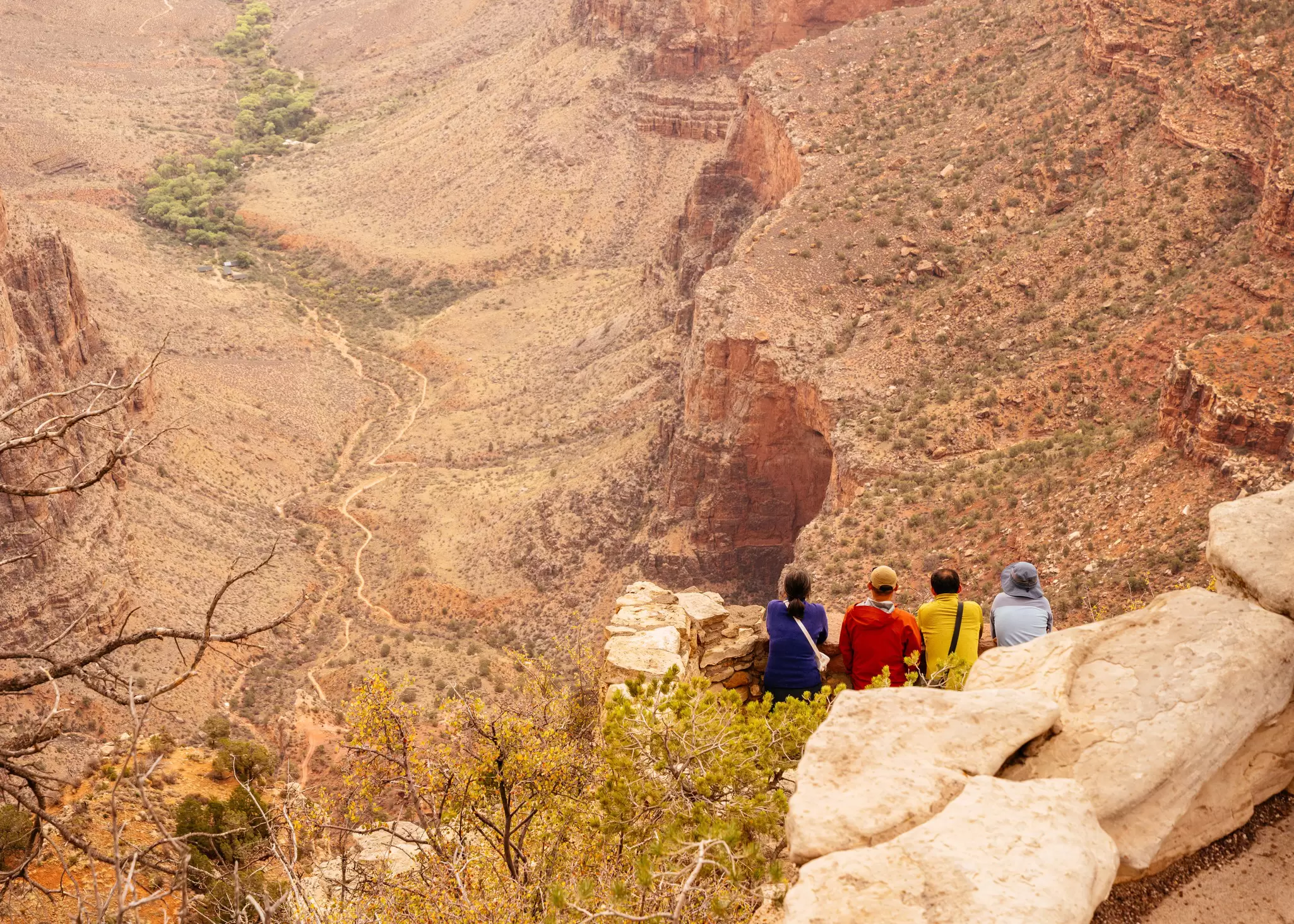
Hikers sit on the canyon rim in Grand Canyon National Park. Katelyn Perry/Lonely Planet
Writer
Lonely Planet may earn a commission from affiliate links on our site. All recommendations and reviews reflect our own independent opinions.
In the spectacular national parks of the USA, you can do anything you’ve ever dreamed of, from climbing volcanoes in Hawai`i to scuba diving with sea lions in California to white water rafting in West Virginia. Few countries on the planet can match America when it comes to natural wonders.
The National Parks Service (NPS) manages and conserves over 85 million acres of public land across the USA, allowing wildlife to thrive, nature to blossom and visitors to experience breathtaking sites.
Each national park has its own history, topography, geological sites and top-notch programming for visitors of all ages. It’s no wonder these parks are a source of pride for all Americans and a draw for travelers from around the world.
However, between budget cuts, staff layoffs and changing government policy, our cherished parks require some extra love and care. It is vital that we, as a travel community, continue to give back to the parks while planning our trips in the most mindful and respectful way possible.
Here’s what you need to know about how the parks are changing, what to expect, how to plan a trip and how to protect America's national parks for future generations.
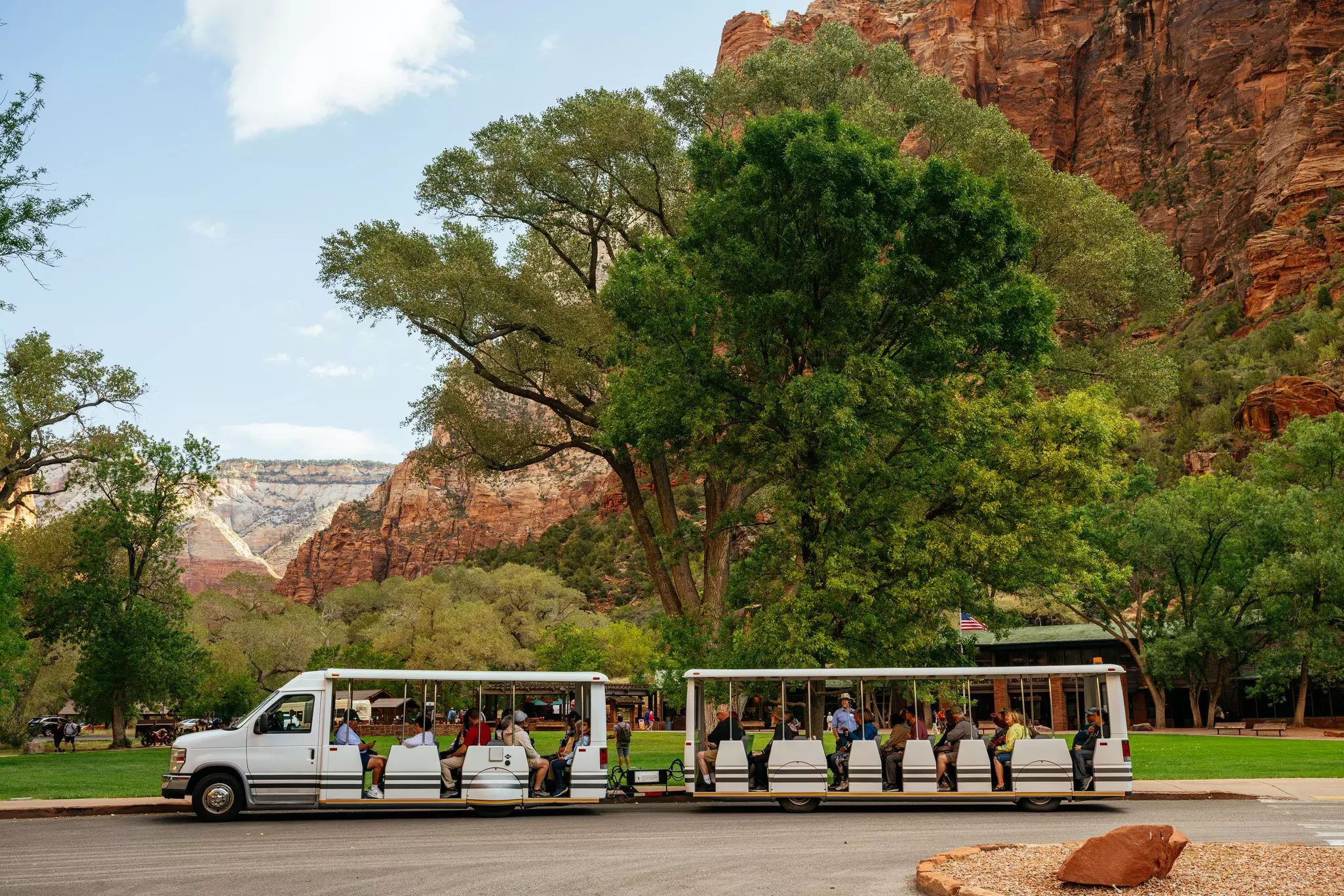
While millions of travelers visit US national parks every year, the NPS is facing an unprecedented financial squeeze, and the funding crisis is affecting travelers from across the world. Parks around the country are struggling to balance rising costs with a restricted budget and government-mandated cuts to staffing levels.
Therefore, maintenance, public programming and even conservation activities have all been impacted. With spring break ushering in the busy season for outdoor activities, here are some of the ways the changes are affecting visitors
In 2026, the US Department of the Interior increased the fees for non-resident visitors to $100 at 11 of the most-visited parks: Acadia National Park, Bryce Canyon National Park, Everglades National Park, Glacier National Park, Grand Canyon National Park, Grand Teton National Park, Rocky Mountain National Park, Sequoia & Kings Canyon National Parks, Yellowstone National Park, Yosemite National Park and Zion National Park.
This list includes many of America's most popular national parks for overseas visitors. However, both resident and non-resident travelers can save money using the America the Beautiful annual pass, especially if traveling in a group or when visiting multiple parks.
According to the National Parks Conservation Association (NPCA), nearly a quarter of NPS staff have been let go in the last year-and-a-half, leaving the parks with fewer staff and lower funds than they’ve previously enjoyed. Expect this to impact opening hours, wait times, amenities such as restrooms, campsites, picnic areas and even emergency services.
While educational programs may be limited compared to previous years, NPS staff and loyal volunteers are doing everything they can to keep the parks running smoothly. “Expect more variability than in fully staffed years, especially at peak times, with some places seeing shorter visitor center hours and fewer staffed programs," explains Maxie Johnson, a lead guide for EXP Journeys. "The best way to avoid surprises is to check the park’s official alerts and operating hours right before you go.”
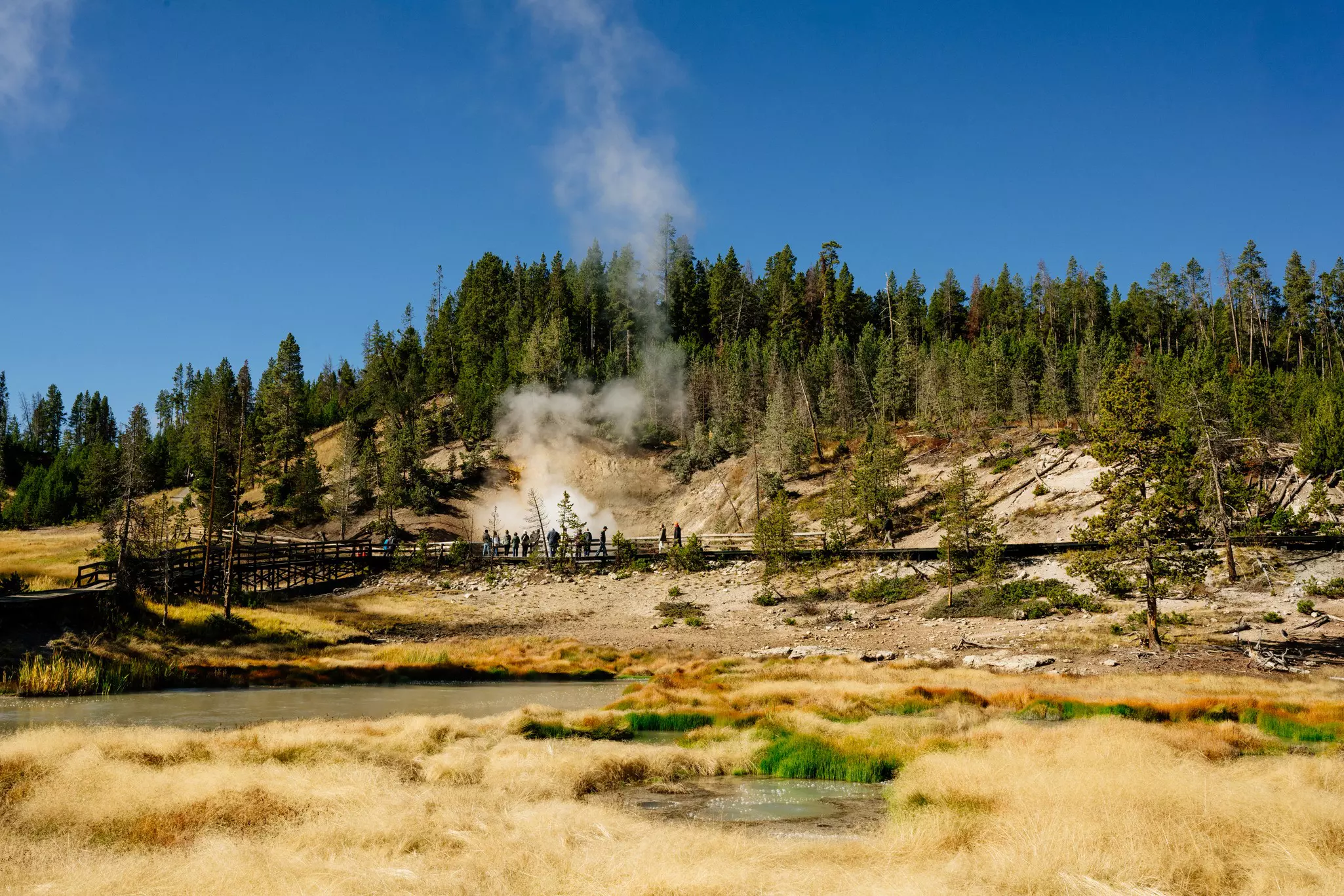
“The parks thrive when people from all backgrounds continue to experience these places firsthand, learn their stories, and build the personal connection that leads to stewardship, advocacy, and support for preserving them for the next generation,” says Johnson.
More than 323 million people visited America’s national parks in 2025, and each visit reminds us of why these lands matter, and empowers us to take steps to protect them. Parks are where we learn about the country’s past, present and future, whether we are hiking through slot canyons in Zion in Utah or educating ourselves about the struggle for civil rights in Birmingham, Alabama.
In order to keep the parks running, it is essential that travelers continue to visit these precious sites. However, if you’re planning a trip, be sure to be mindful of the current changes and plan responsibly.
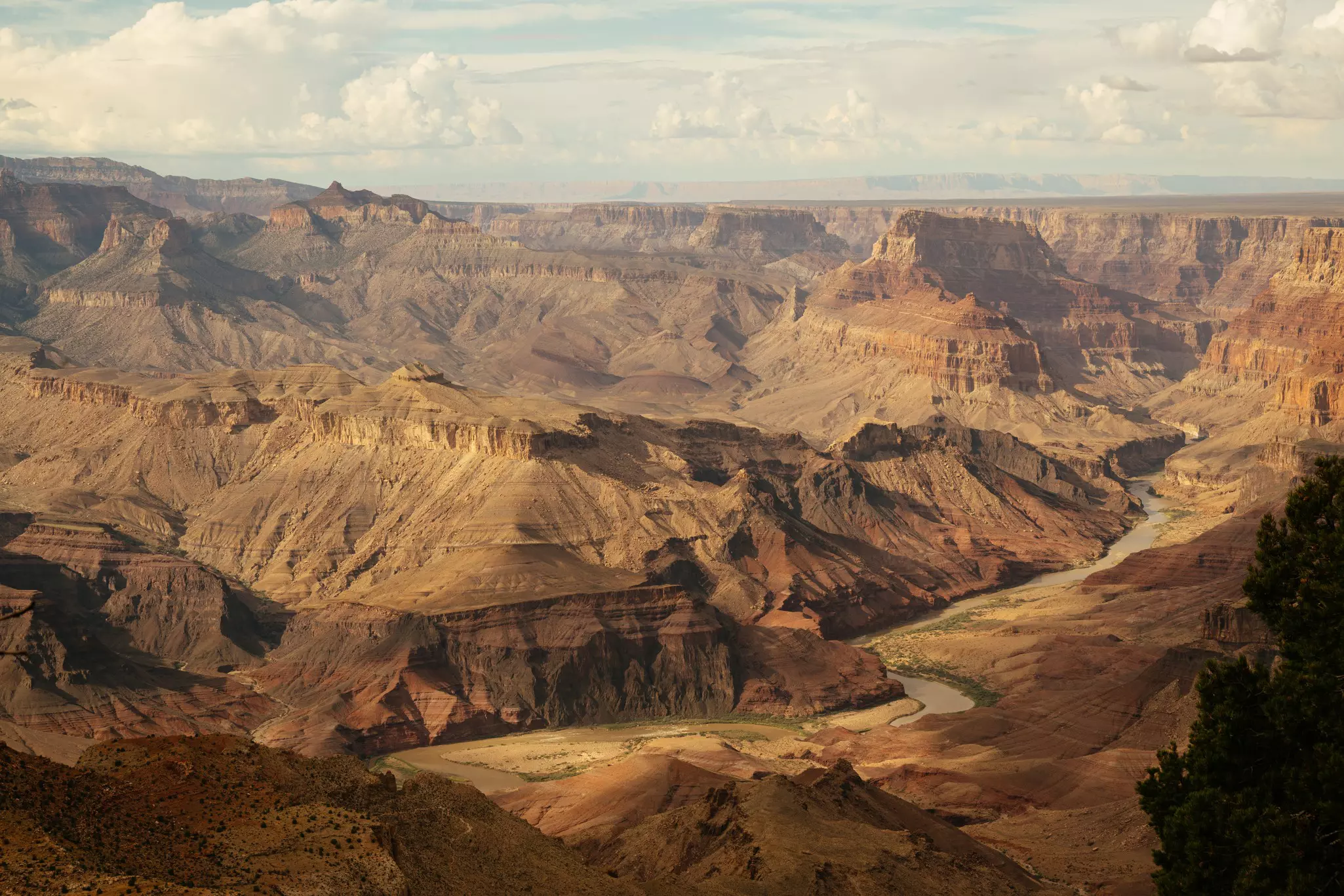
There are several steps you can take to help ensure you have a safer and more enjoyable trip, easing the pressure on NPS staff.
Avoid putting too much pressure on NPS staff and ecosystems by choosing lesser-known parks or visiting during the shoulder season, when visitor numbers are lower. Not only will you be doing your part to protect the land, you will also have a chance to experience America's breathtaking natural beauty in relative peace and quiet.
Luckily, there are countless overlooked wonders scattered across the national park system. Johnson recommends seeking out “parks that routinely deliver ‘big’ experiences with fewer pinch points than the most visited headline parks, including East Coast gems like New River Gorge and Cumberland Island, and less visited, more remote options like Voyageurs in Minnesota and the parks in Alaska and Hawai`i.”
Ease the burden on overstretched NPS staff by coming prepared and checking the NPS website or app prior to your trip for advice and warnings. Reading up on what to pack, the park entrance rules and emergency warnings can help prevent any avoidable mishaps.
As a general rule of thumb, bring layers, sunscreen, food and plenty of water, as well as a charged cellphone in case of emergencies. Play it safe when it comes to timing for your trip, particularly in areas where temperatures are high or low, at altitude, or in areas with low cell-phone coverage. If you go hiking, look at the tips on the NPS website and respect the advice of park staff; always let someone know where you are going and when you plan to be back.
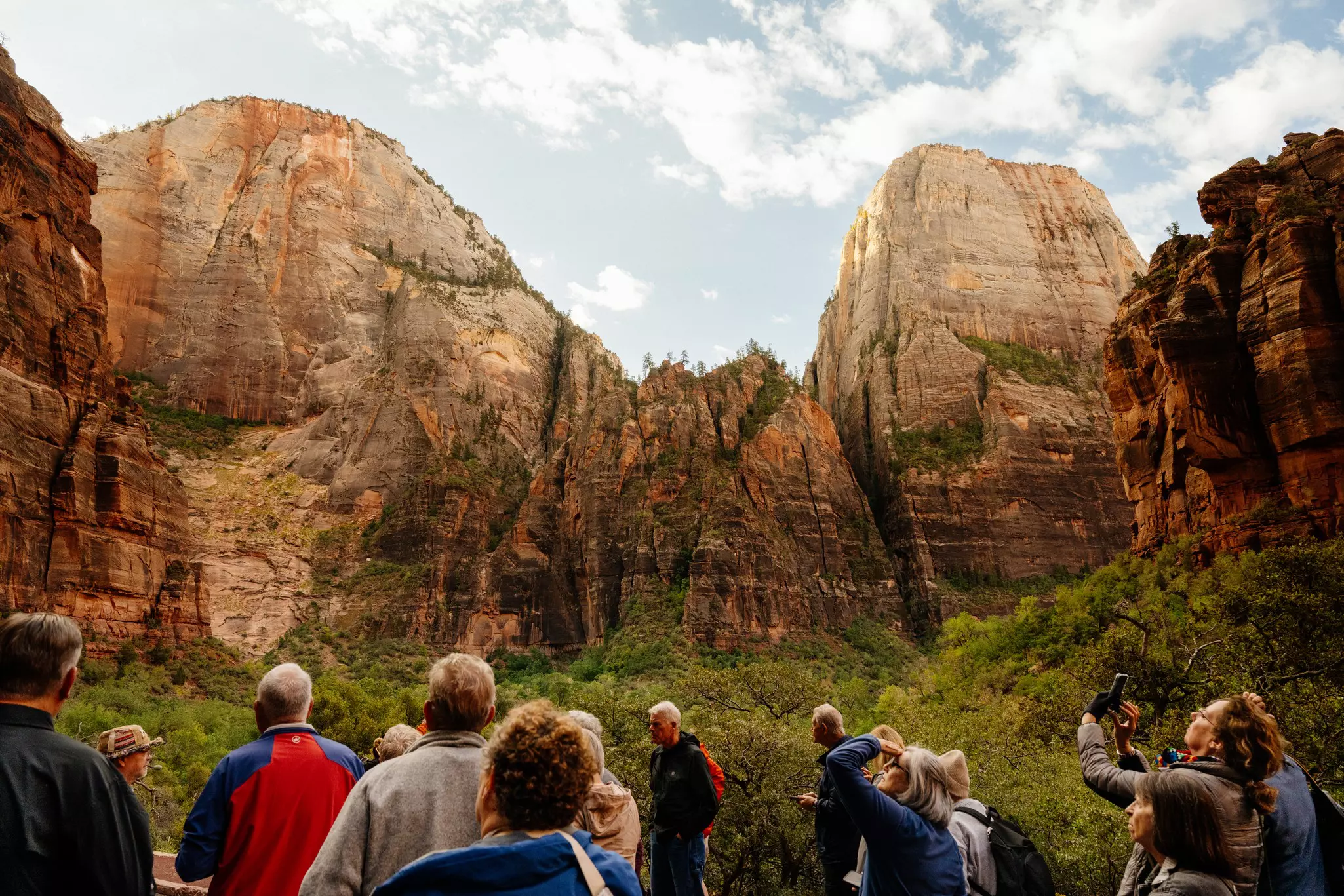
With reduced clean-up services in America's national parks, it has become especially important that visitors dispose of their waste properly. Litter poses a significant threat to the fragile ecosystems of the national parks; even what might seem like a small amount of waste can have a big effect on plants and wildlife.
Bring garbage bags on every visit and be sure to carry out all of your trash, leftover food and other litter to a place where it can be properly disposed of. Even if you don't produce any litter yourself, bring some rubber gloves and a garbage bag or a clean-up kit and pick up any litter you find around the park.
Take things a step further by logging the trash you collect to maximize your impact. All you have to do is download the TrashBlitz app, select the “Plastic-Free National Parks” project, and upload images and information about the trash you collect.
Every record uploaded contributes to local, national and global datasets, which help inform environmental policy in the US and around the world. While a trash cleanup has an immediate benefit, providing this data has an ongoing ripple effect by supporting policy measures that protect national lands.
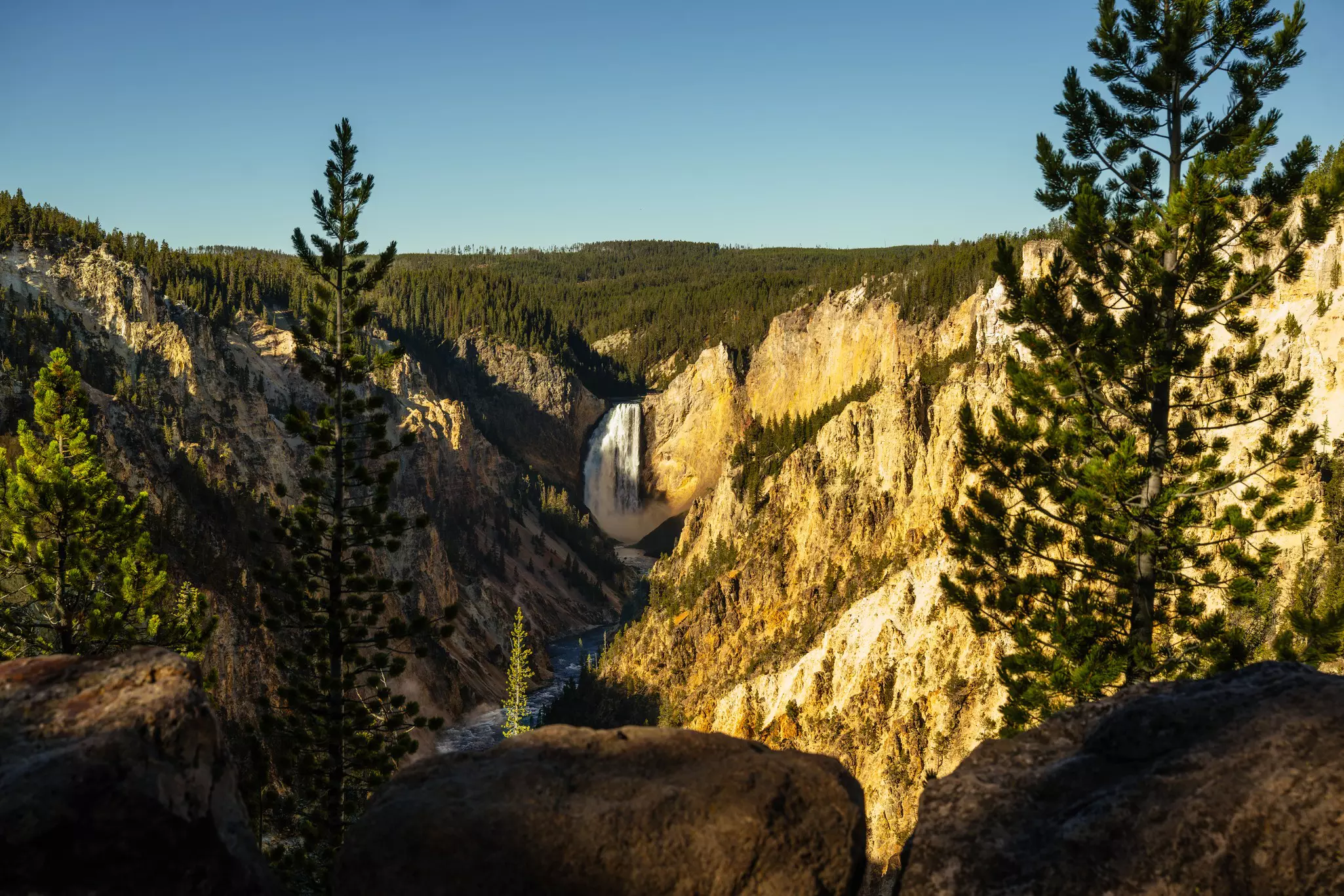
In order to avoid the increased fees for international travelers, purchase an annual America the Beautiful pass. This pass covers access fees for the national parks and other public lands for the cardholder and up to three other adults for a 12-month period, with discounts for seniors over 62 years.
The America the Beautiful pass costs $80 for residents or $250 for international travelers, and it covers one vehicle and up to four occupants, which can save you a lot of money if you are in a group and plan on visiting more than one park. You can purchase passes online or at participating parks.
In order to protect your pass, be sure to purchase a sleeve from the Recollection Project. While covering the image or personalizing your pass with stickers can invalidate it, these handy covers will keep your pass in pristine condition, and you can choose between several image options.
Millions of Americans are united in their support for the nation's national parks, and every voice matters when it comes to protecting public lands. Follow groups like the NPCA, National Park Foundation, Outdoor Alliance and the Sierra Club and consult their online resources to find petitions and volunteer opportunities.
“For more than a century, park staff have worked to share the full, unvarnished story of our nation with visitors," explains Emily Douce, Deputy Vice President for Government Affairs for the NPCA. "That’s what Americans want. That’s what they deserve and it’s what makes our country stronger.”
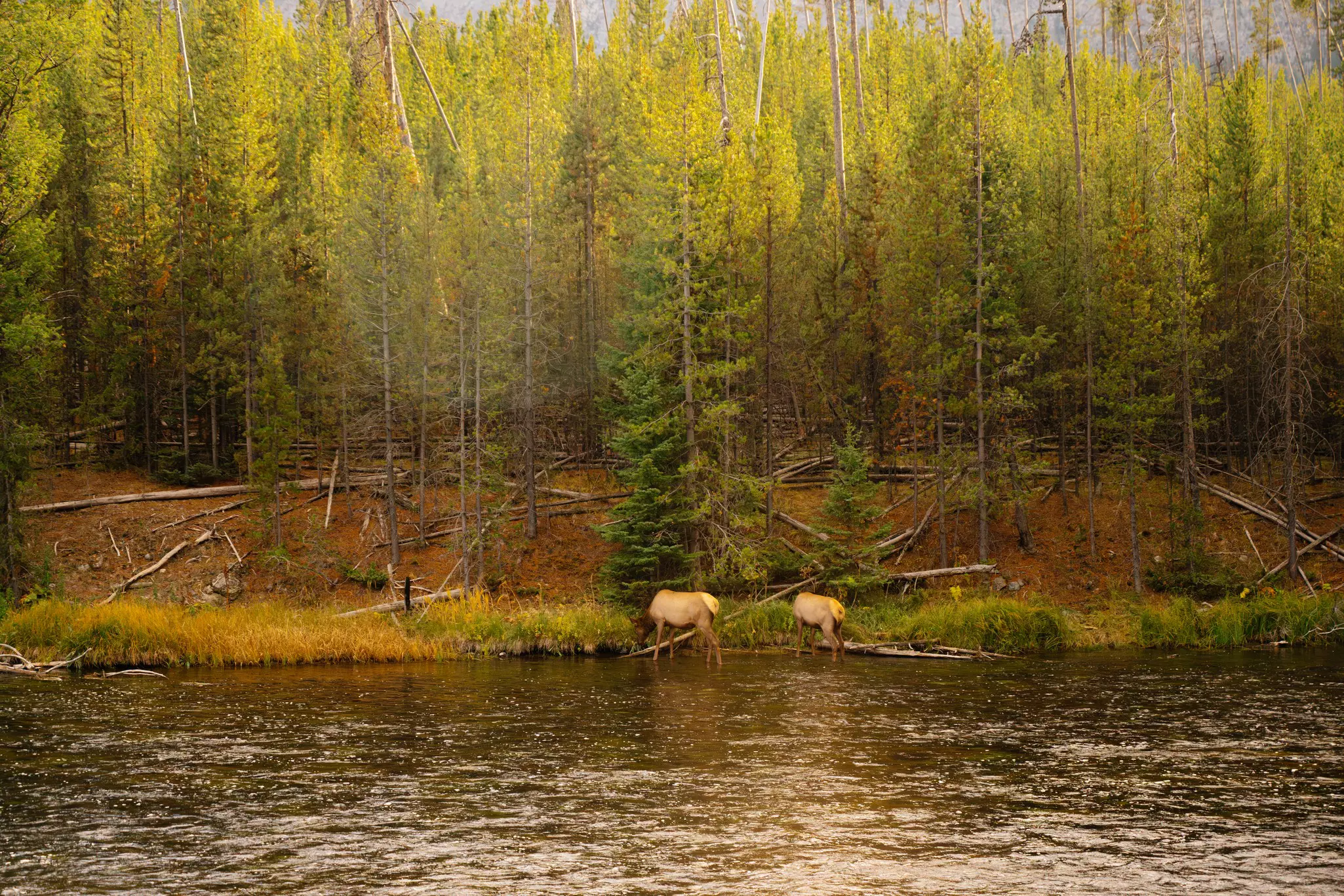
With limited emergency services operating in many areas, it is especially important to check official warnings, behave responsibly towards wildlife, and respect closures of areas and trails inside the national parks. In areas that are open, keep a safe distance from animals and store your food properly, for the safety of both animals and humans.
While finding out that a place you want to visit is closed can be disappointing on a trip to a national park, these closures are essential for the well-being of humans and nature. With reduced staffing levels, it’s crucial to respect closed zones to stay safe; notices about closed areas are prominently displayed on the NPS web pages for each national park.
Many national parks across the country preserve and share the stories, heritage and traditions of the nation's diverse Indigenous peoples, including Mesa Verde National Park in Colorado, Knife River Indian Villages National Historic Site in North Dakota and Hawai'i Volcanoes National Park.
At these parks, visitors have the opportunity to learn about the local, traditional importance of the land through community-led projects and special programs and events. The NPS encourages visitors to ask about groups working with Associated Tribes as part of their trip planning, and to integrate Indigenous experiences into their trips.
The thousands of workers employed by the NPS are invaluable to the parks. During the longest shutdown in government history, park staff continued to show up, sometimes without pay, to keep parks open and visitors safe. On your visit, be patient and kind to workers and respectful that they are doing a difficult job in challenging circumstances. Above all, be a good guest in the parks, and always stay mindful of the nature and people around you.
Book your United States trip with Lonely Planet Journeys
See United States how it's meant to be seen
Accommodations, activities and ground transportation all taken care of, so you can focus on the fun part. Tell us what your dream trip to United States looks like, and our local experts will build it from scratch. Or start with one of our itineraries and make it your own.


Explore related stories