Aug 6, 20269 min read
3 Days in Madrid, SpainAug 6, 2026
9 MIN READ

Writer
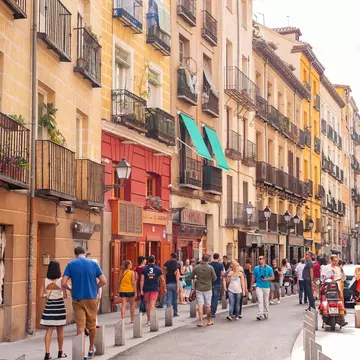
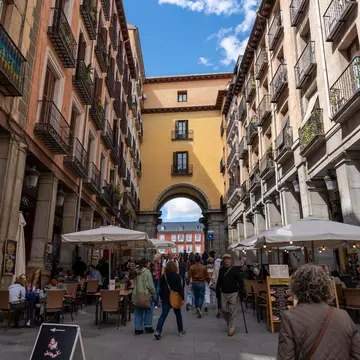
A street off Plaza Mayor. Blake Horn for Lonely Planet

Writer
Highlights
Writer Felicity Hughes maps three days in Madrid, from plazas to Chueca nightlife.
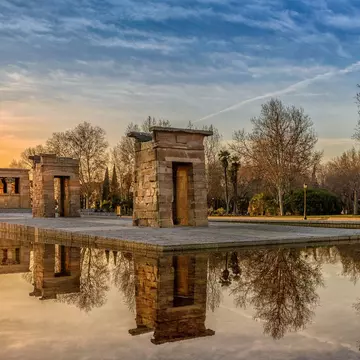
Begin at Plaza Mayor, then catch the sunset from the Templo de Debod.
Day two pairs the Prado's Goya and Velázquez with a wild night out in Chueca.
Catch El Rastro flea market on Sunday, then go tapas-hopping along Cava Baja.
Lonely Planet may earn a commission from affiliate links on our site. All recommendations and reviews reflect our own independent opinions.
When I arrived in Madrid 15 years ago, I fell in love with the elegance of Retiro Park’s velvet lawns, the drama of Plaza Mayor’s jet-black spires printed against darkening skies and the mystery hidden behind beautifully carved wooden doors. Back then, it was a very different city: the dusty indoor markets were quietly decaying, and Malasaña was cool but not gentrified – in one seedy bar, a chair comically collapsed under me! Now, of course, the markets are buzzing destinations, and Malasaña is much more sophisticated. Despite these changes, the things that first drew me to Madrid remain the same.
From high art to pop culture, this weekend itinerary offers an interesting mix of classic destinations and up-and-coming sights that will help you get the most from a trip to Madrid.
When to arrive: The very best time to come is from May to early June, when parks burst into bloom, and citizens spill out into the streets to enjoy an aperitivo and a chat at a coveted terraza table. After that time, you’ll need to cope with the heat, which drives the Spaniards to the coast but doesn’t deter the summer tourist crowds.
How to get from the airport: Most international travelers arrive via Adolfo Suárez Madrid–Barajas Airport, and it’s generally a half-hour journey into town. The airport train runs every half an hour or so. You can get out earlier at Chamartín, Nuevos Ministerios or Recoletos (all central stops). Keep your ticket, as it can be reused for further journeys. The metro runs from all terminals to Nuevos Ministerios (a €3 airport supplement is charged on top of the usual fare), and a taxi to central Madrid costs roughly €30 — always insist that the meter is on.
Getting around town: Madrid is a compact city, and it’s usually easy to get around on foot, but you can always zip between destinations by jumping on the metro – it’s usually cheapest to buy a €2.50 metro card (Tarjeta Multi) and charge it with 10 journeys for €6.10. The Madrid MBC (Metro Bus Cercanías) app provides info on metro, bus and train times. The less extensive cercanías (local train) network can be even faster. Buses and taxis take longer, depending on the traffic.
Where to stay: Pestaña Plaza Mayor is one of the most sought-after addresses in downtown Madrid, with exposed brick and blue velvet walls. The views of Plaza Mayor and the rooftop pool make it worth the splurge. Close to Plaza Mayor, Petit Palace Posada del Peine is an old-fashioned inn dating back to 1610, with a gorgeous painted facade and beautifully appointed rooms.
What to pack: Bring comfortable walking shoes; the city rewards those who wander on foot. In summer, carry water and a parasol if you plan to queue at exposed sites like the Palacio Real.
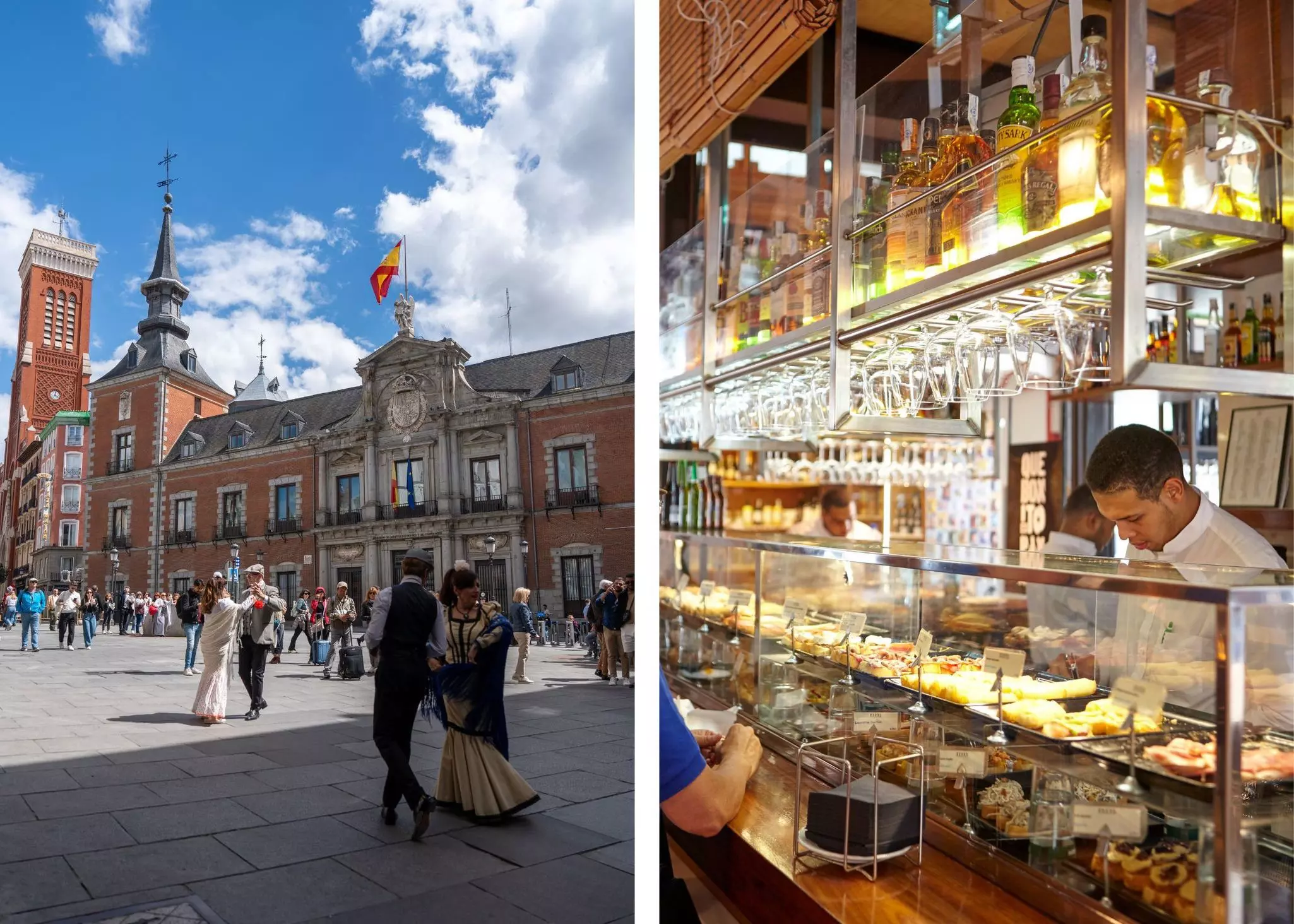
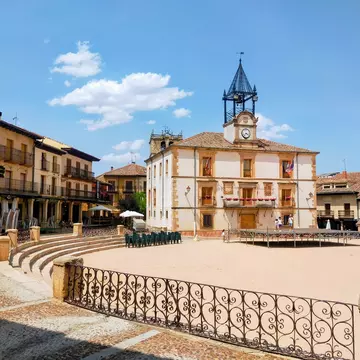
Begin your day with a coffee in the Plaza Mayor, soaking up the historic atmosphere. The square sits at the heart of what locals call Madrid de los Austrias, a reference to Habsburg rule, and until 1700 it was the beating commercial and cultural heart of the city. Its spiked Flemish rooftops and plain ochre walls reflect the rather dour aesthetic of the Habsburg dynasty; the handsome arena was completed in 1619 after three destructive fires reshaped it over the centuries.
Then head to the Mercado de San Miguel. Madrid's only surviving example of a glass and cast-iron market is a feast for the eyes as well as the belly, so take a peep at the action inside before continuing. Pro tip: public bathrooms are scarce in Madrid, so if you need the loo, take advantage of the market’s facilities.
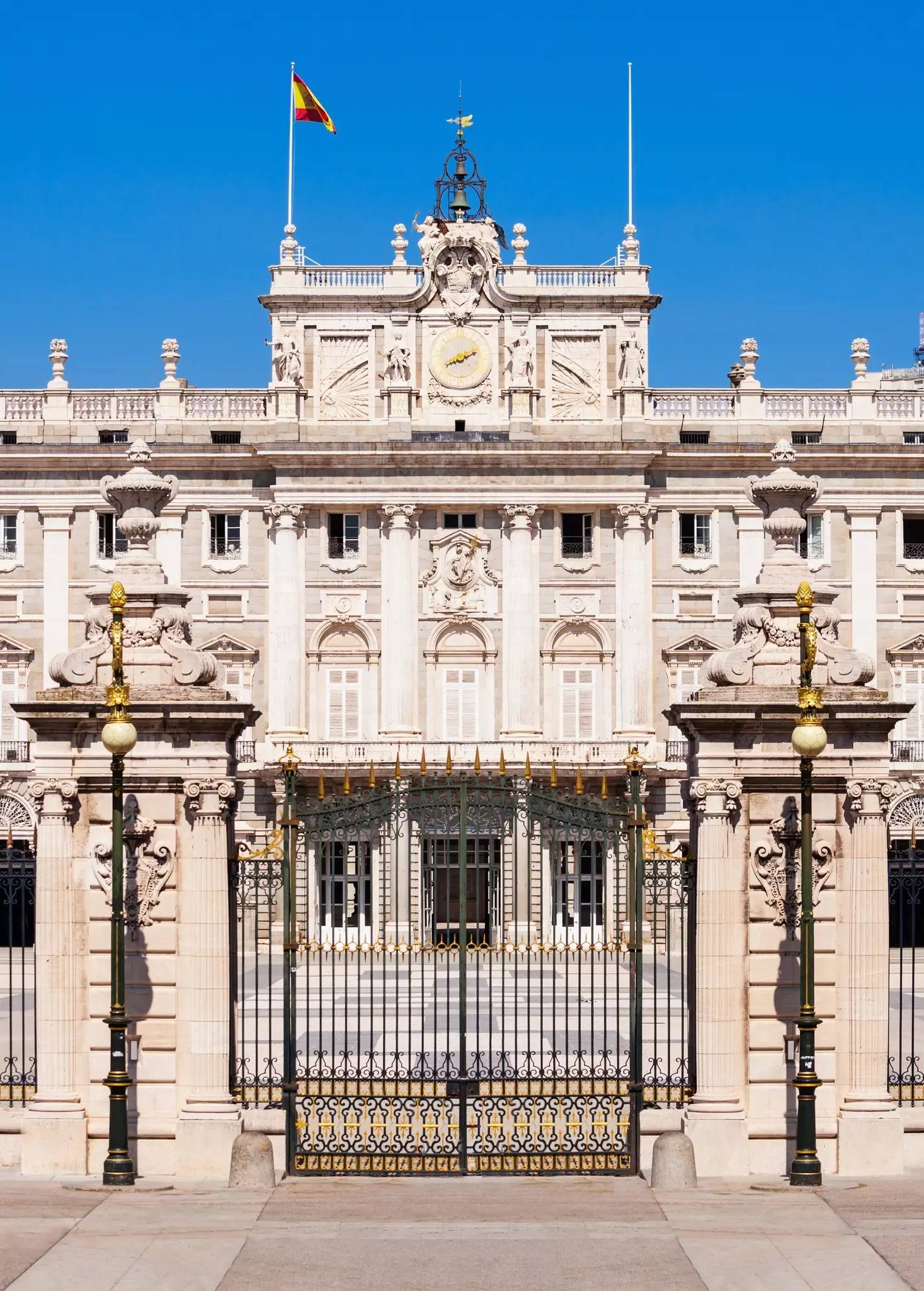
Spend the afternoon checking out the sumptuous interiors of the Palacio Rea l, one of the largest palaces in Europe. A testament to the enormous wealth of Spain's royal family, while only a fraction of its 3418 rooms are open to the public, that's more than enough to satisfy those with a taste for opulent excess. Pick up an audio guide, as there's little information on display inside. Note that the palace is still used for state functions, so check it's open before you visit.
Continue along a pretty pedestrianized walkway to Plaza de España.
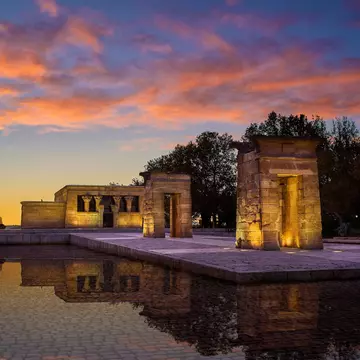
Walk to Parque de la Montaña and catch a stunning sunset by the Templo de Debod. Perched high above the city in a leafy setting, this ancient 2nd-century-BCE Egyptian temple — dedicated to the god Amun and the goddess Isis — is an arresting sight. It was a gift to thank Spain for its help preserving the Abu Simbel temples; the entire structure was taken from the Nile and reconstructed stone by stone before being opened to the public in 1972. Entry is free, and the views of the palace and cathedral turning pink in the last rays of the sun are not to be missed.
Following the park visit, eat out in the Mercado de los Mostenses, a multicultural market offering caviar from the Caspian Sea, Shanghaise cuisine and more.
Start the day in Sol and have your photo taken by the iconic statue of the bear and strawberry tree – the symbol of Madrid – in the Puerta del Sol, the pulsing heart of downtown Madrid.
From there, wander down through Huertas, pausing in Plaza de Santa Ana to enjoy the literary neighborhood's lively atmosphere. The plaza presides over the upper reaches of Madrid's literary district of Huertas, also known locally as Barrio de las Letras. Its literary connection goes back to Madrid's first dedicated theatre; the neoclassical facade of the Teatro Español bears the names of many of Spain's greatest authors, including Lope de Vega and Calderón de la Barca. Take a break at Cervecería Alemana, whose wood-lined bar was one of Hemingway's haunts and hasn't changed much.
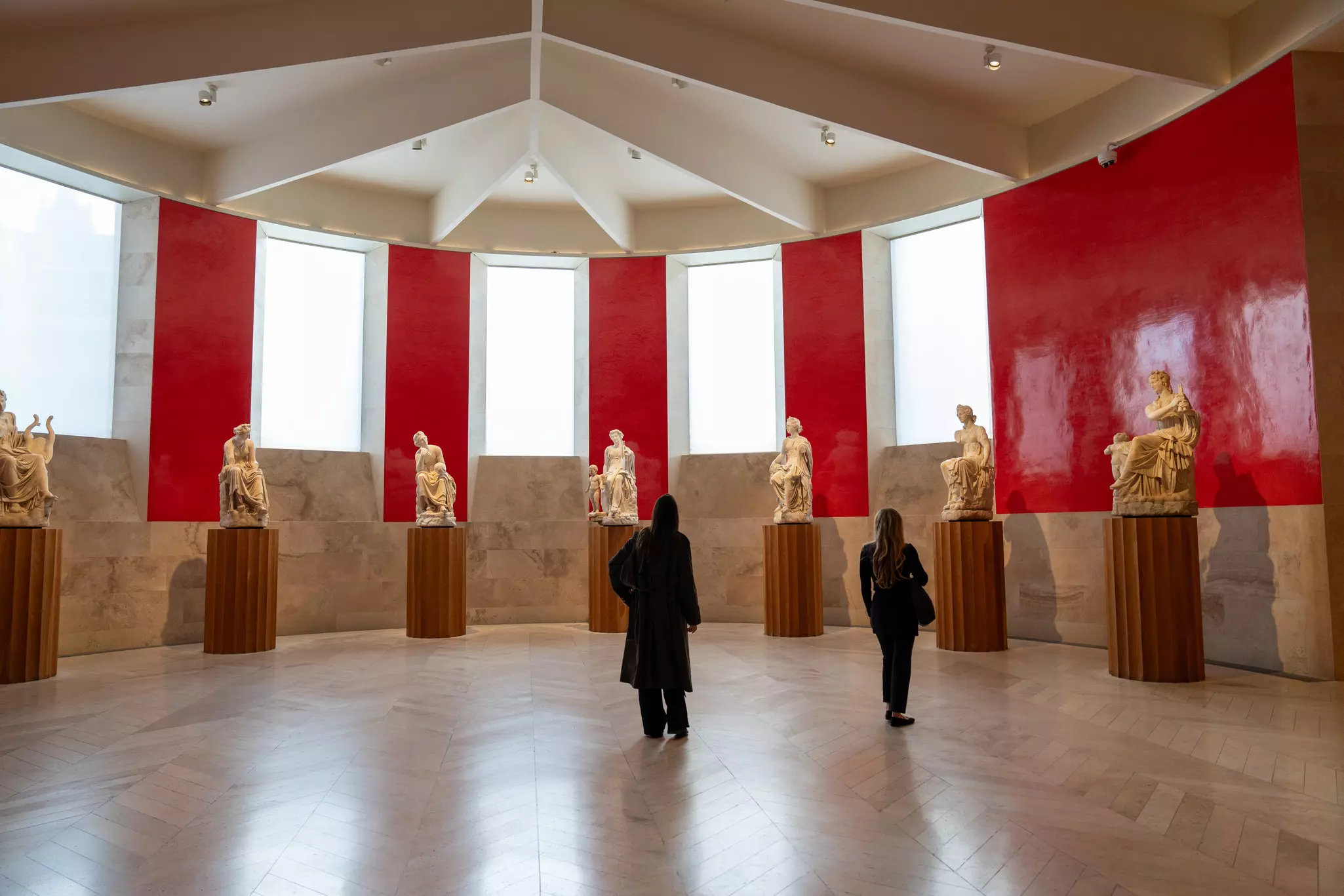
Devote the afternoon to checking out works by Goya, Velázquez and El Greco in the Museo del Prado. You can easily spend a full day here; if you plan to do this, arrive first thing in the morning to beat the crowds.
Afterward, space out with a stroll around the gorgeous Parque del Buen Retiro. Once the preserve of kings, the park is now free for everyone to enjoy. Inside its vast grounds, you'll find a boating lake, exhibition spaces, strutting peacocks and landscaped gardens.
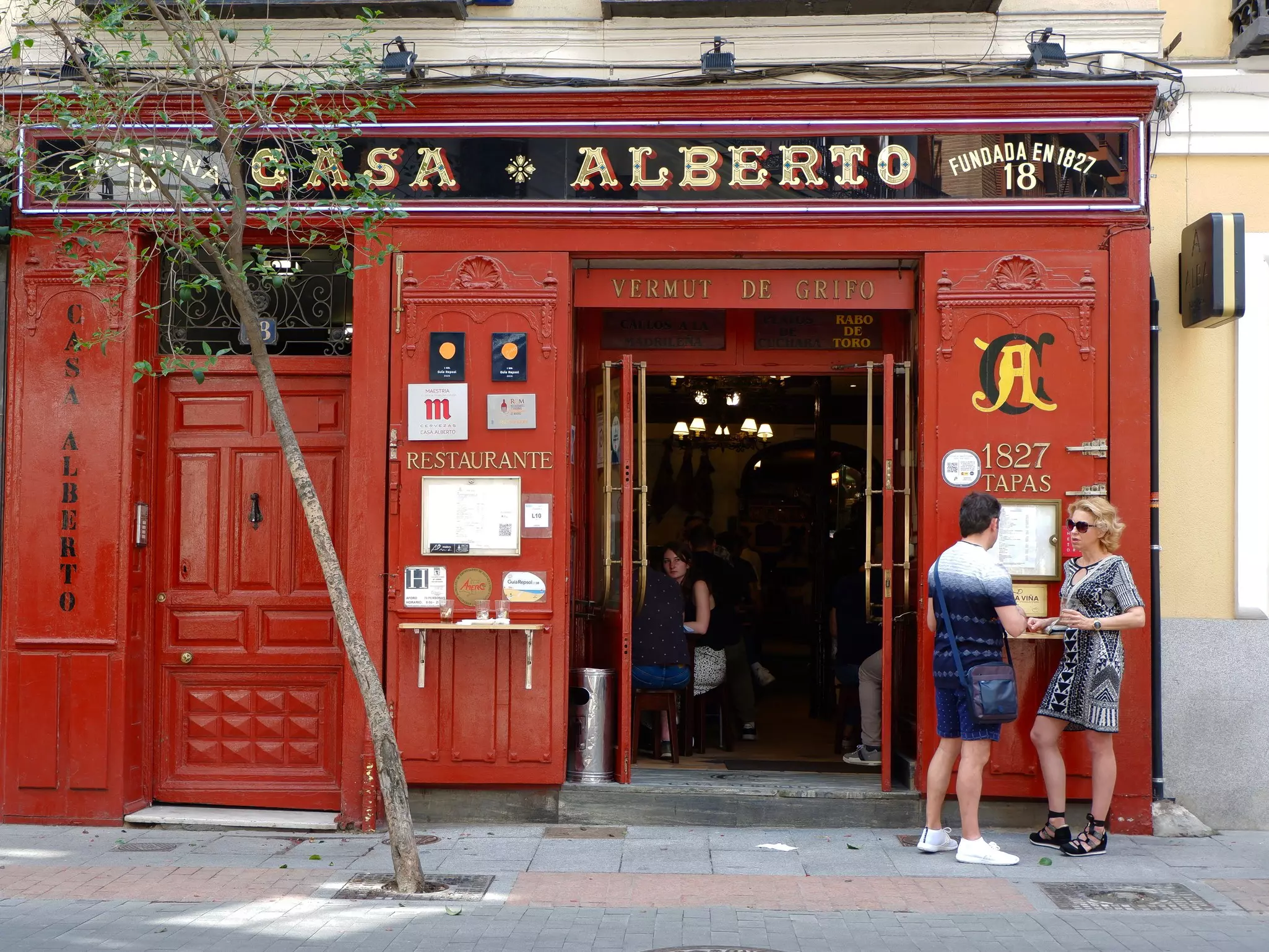
Back in Huertas, book a table at Casa Alberto, an atmospheric old tavern on the site where Cervantes is believed to have written Don Quijote. If it’s full, head to nearby Casa Labra. Going strong since 1860, this evocative place is famed for its bacalao (salted cod).
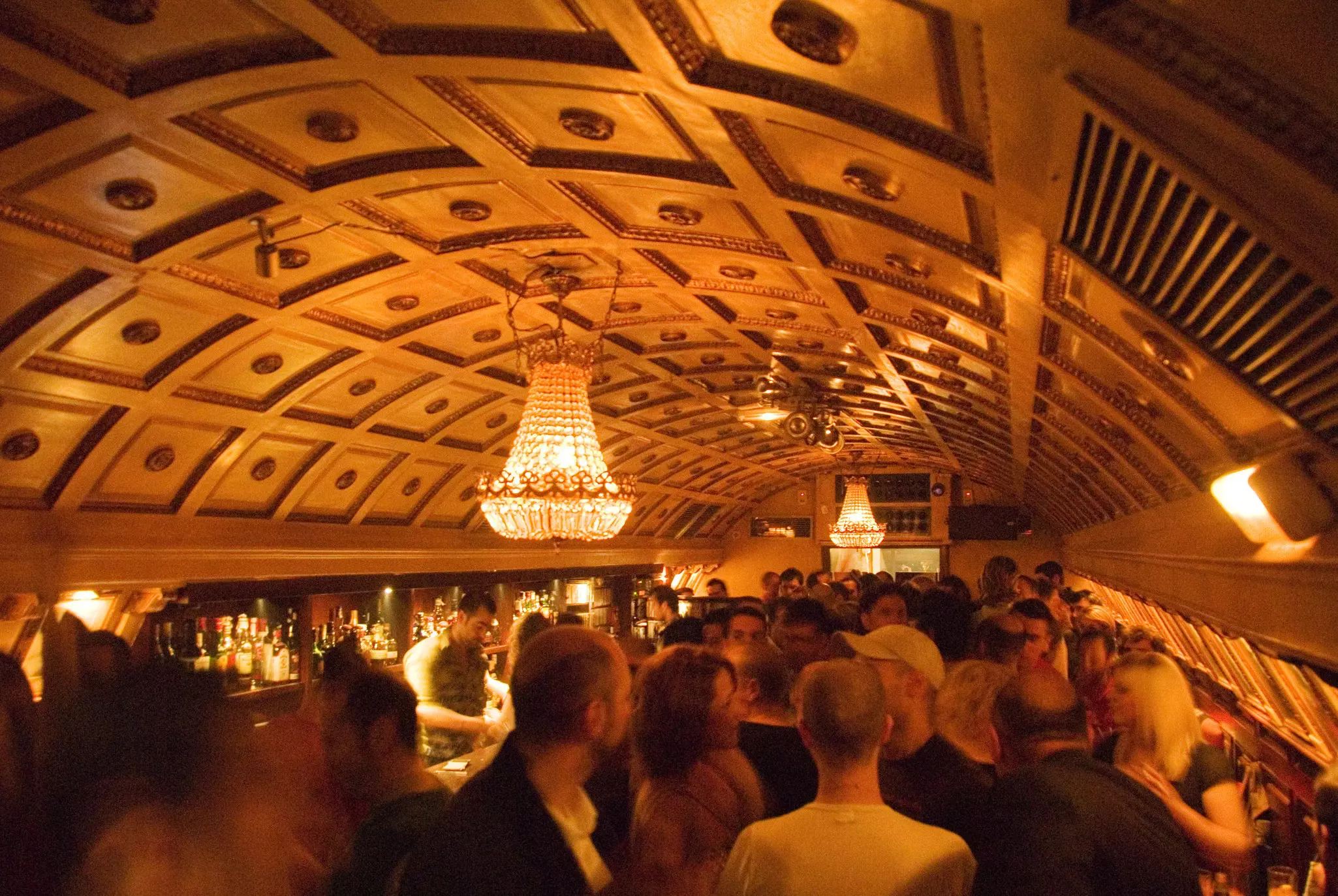
Indulge in a wild night out in Chueca. The city’s gay district is filled with exciting bars and clubs that stay open until the wee hours. Underground, narrow and packed with bodies, gay-friendly Why Not? is just the best place for dancing. Or try Studio 54, a nightclub modeled on the famous New York club Studio 54, with a stomping atmosphere and loads of dancing.
Have breakfast in Plaza del Dos de Mayo before learning about the square’s turbulent history at the Museo de Historia de Madrid, housed in a beautiful 18th-century building that was once a hospital. This square was at the heart of the fighting when Madrid's citizens rebelled against the French in 1808, a story the museum tells in full. The star attraction is Pedro Teixeira's 1656 map of Madrid, drawn up just after the city walls were expanded.
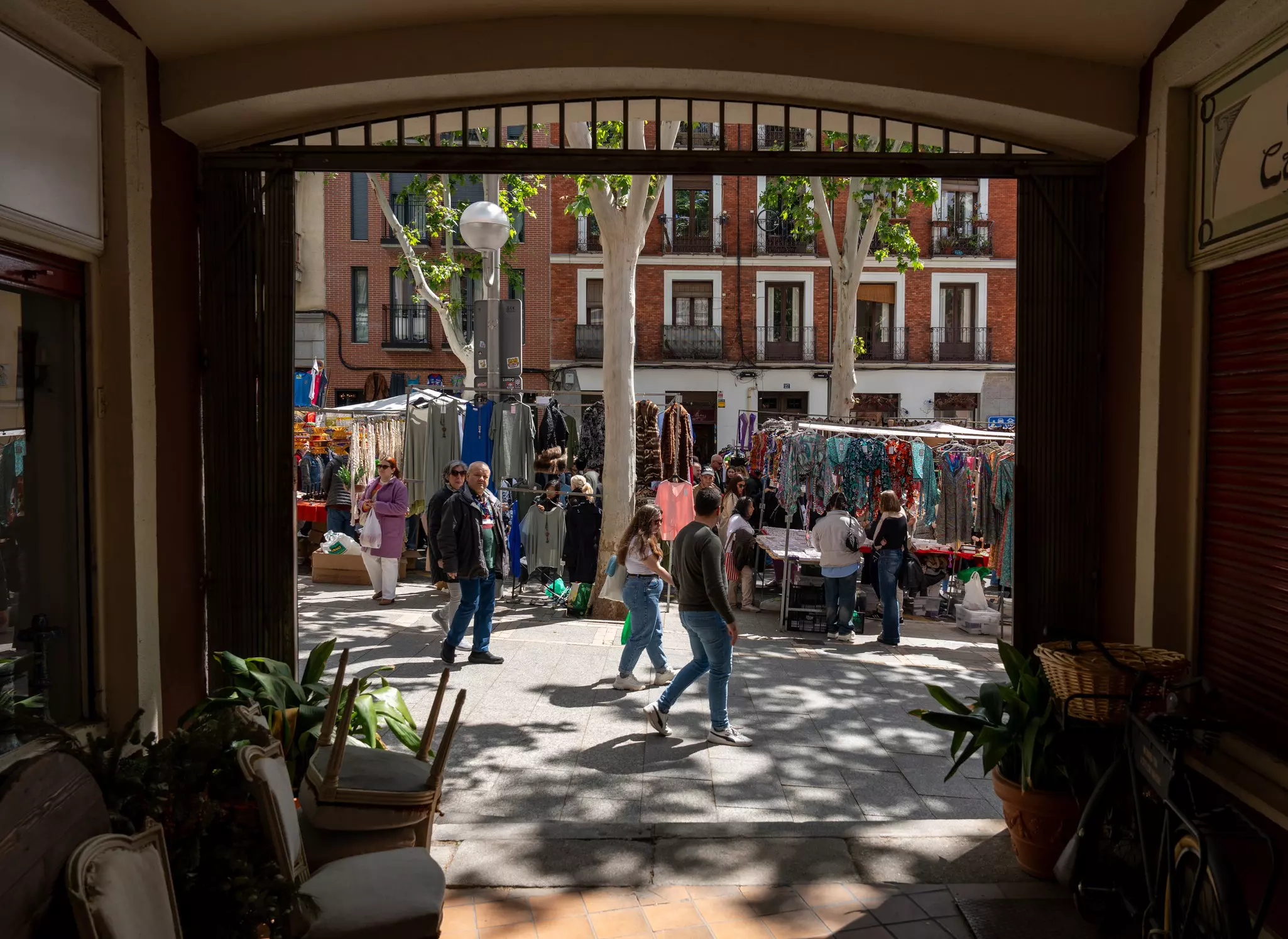
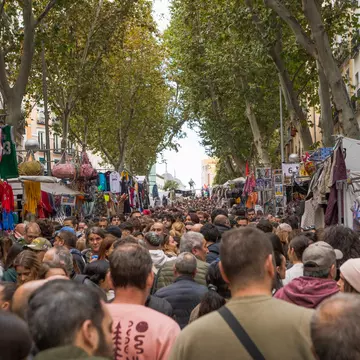
Take the metro to Tirso de Molina and walk past Sala Equís, a cinema that once showed X-rated films but now is strictly indie, to Plaza de Cascorro. On Sundays, this is the heart of El Rastro flea market, a tradition stretching back more than 400 years. Open from 9am to 3pm, El Rastro stretches between La Latina's Plaza de Cascorro, Calle de la Ribera de los Curtidores and Ronda de Toledo, featuring a labyrinth of open-air stalls peddling clothes, souvenirs, handicrafts, antiques and other bric-a-brac. If you're visiting on another day, wander the streets of La Latina instead.
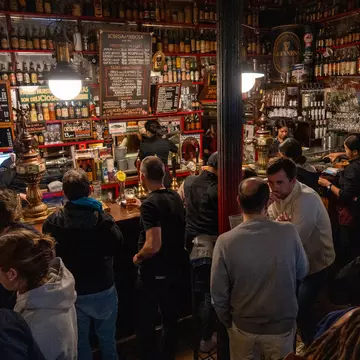
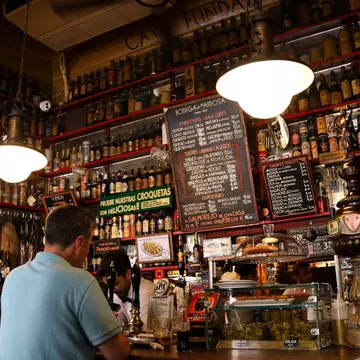
Go tapeando (tapas-hopping) down Cava Baja. The city’s old transport hub is filled with traditional tapas-serving inns that have retained their character surprisingly well. The city’s old transport hub is filled with traditional tapas-serving inns that have retained their character surprisingly well. Stop at Casa Lucio, the iconic Spanish restaurant known for oxtail and hearty stews (ask for its dish of the day), and Posada del Dragón, which retains its traditional corrala courtyard structure. Finish up in the sloping medieval square of Plaza de la Paja.
Take a break from the museums and hit the shops in swanky Salamanca, breaking for lunch in the lovely Mercado de la Paz. Stroll over to Chueca for even more stylish shops and the laid-back Museo del Romanticismo. After a leisurely coffee in the museum's courtyard, wander down towards Calle de Alcalá, where you can see some of Madrid's most stunning architecture – not only the iconic Edificio Metrópolis but also the stately Círculo de Bellas Artes by Antonio Palacios. Grab a drink on the rooftop of this arts center for gorgeous views of the city.
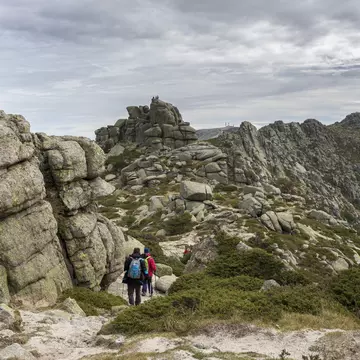
With an extra day, head to El Escorial, a monumental palace in the mountains. Especially cool in summer, this was where King Felipe II liked to retreat and strategize. The enormous palace and monastery are a treasure trove for art and history buffs alike, with an extensive library of more than 400,000 tomes, a spooky mausoleum housing the grand tombs of Spain’s Habsburg rulers and a breathtaking collection of 16th- and 17th-century Italian, Spanish and Flemish art. There are also some lovely gardens to explore.
Explore related stories