Aug 19, 20268 min read
11 Best Places to Visit in PortugalAug 6, 2026
7 MIN READ

Writer
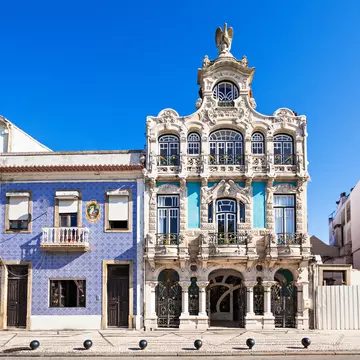
The Museu Arte Nova, Aveiro. saiko3p/Getty Images

Writer
Highlights
Writer Rachel Ifans picks three quieter alternatives to Porto within 90 minutes.
Swap Porto for Aveiro's lagoon canals, art nouveau townhouses and ovo mole sweets.
Vila do Conde pairs sandy beaches with the Santa Clara monastery-hotel and Michelin-starred Oculto.
Head inland to Guimarães for its UNESCO-listed Old Town, after-dark bars and torta de Guimarães.
Lonely Planet may earn a commission from affiliate links on our site. All recommendations and reviews reflect our own independent opinions.
Portugal’s second city, Porto boasts a picturesque riverside location, gracious monuments and churches, a lively cultural scene, and long tradition of fine food and wine. Such assets make the place catnip to travelers, whose weekend jaunts have unfortunately brought the scourge of overtourism to the historic city. Indeed, according to Portuguese authorities, recent growth has put Porto in the top five cities globally for tourist density, with 2800 tourists for every 100 local residents. That’s a lot of sweaty bodies.
But thanks to Portugal’s small size and efficient transport network, you don’t have to travel far from Porto to experience the country’s culture and charm in the company of just locals. All within 90 minutes of Porto’s bustle, these three towns brim with Portuguese character, heritage and gastronomy – and all have a wonderfully slower pace of life.
Best for canal jaunts and easy beach access
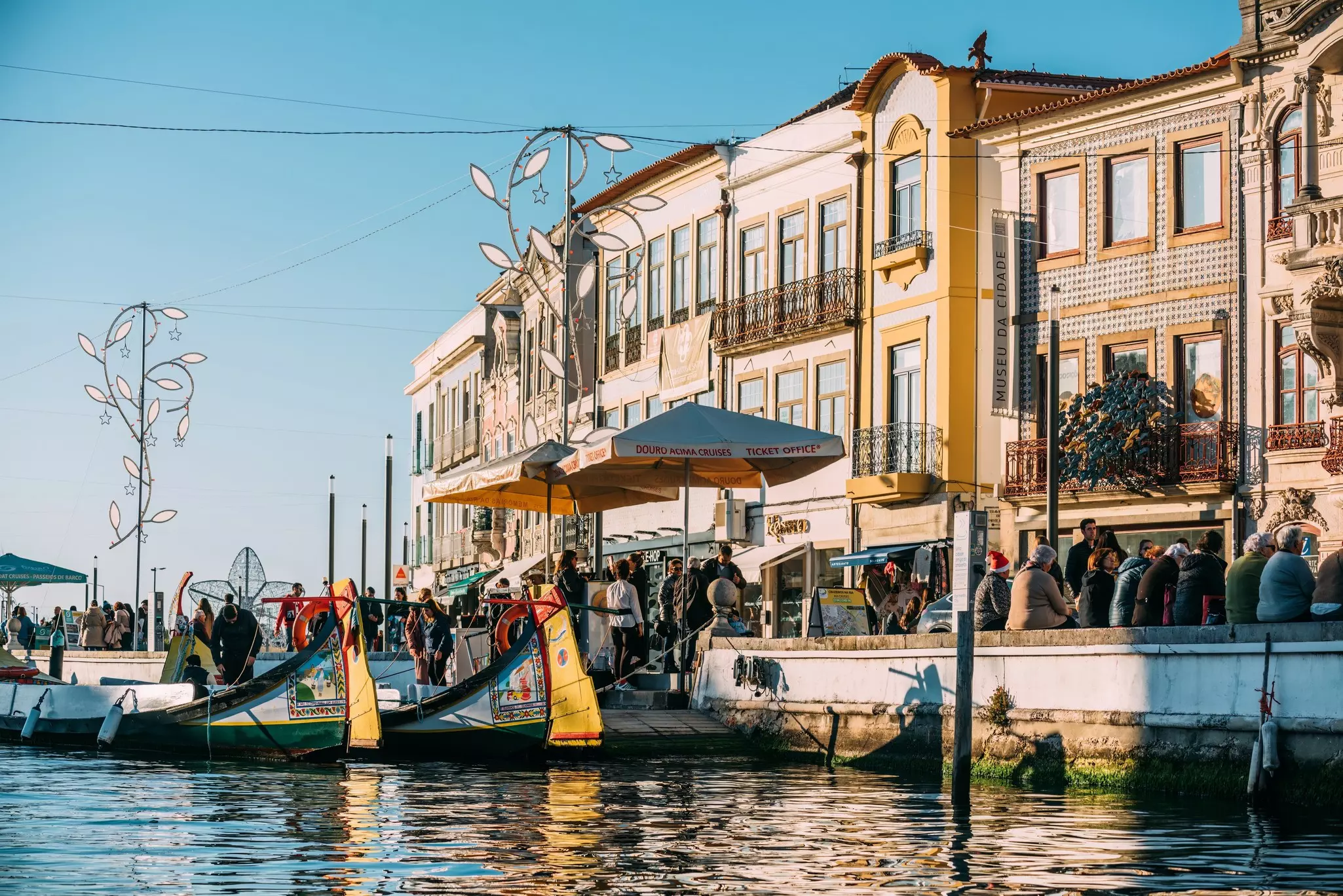
Aveiro sits on a lagoon an hour south of Porto. Thanks to the canals that crisscross its tidy center, it’s the kind of place that elicits a swoon of delight in anyone who’s been there. This cohort consists almost entirely of Portuguese, for Aveiro is largely unknown to global travelers.
Aveiro has a long history of salt production: its canals were built in the 19th century to transport salt from nearby pans, and to harvest moliço, a seaweed historically used as a fertilizer. These days, you can take a tour on one of the highly decorated moliceiro boats that chug up and down the canals and under Aveiro’s ribbon-bedecked, arched bridges.
On dry land, the town is an open-air museum of art nouveau architecture. Thanks to its prosperous past, the town has many elegant townhouses with curved lines, floral motifs, wrought-iron balconies and decorative tiles. Grab a map and wander the streets on a self-guided walking tour to spot the 28 mansions dotted around town.
Stop off in one of Aveiro’s shady cafe-edged squares for lunch, or nip into a confeitaria to taste an ovo mole – the sweet treat that originated in the town’s convent in the 16th century, and which makes any Portuguese swoon. Stock up at shops like Peixinho; if you’re lucky, you might even find one perched on your plumped-up pillow at hotel check-in.
Planning tip: Stay an extra day so you can visit nearby the Costa Nova, with its beautiful white-sand beach and distinctive architecture. Originally built as shelters for fishermen’s clobber, the candy-striped palheiros were converted to homes in the early 20th century and are ridiculously photogenic.
Stay at: Palacete de Valdemouro, an elegant historic townhouse hotel with literary kudos that was the family home of Portuguese novelist José Maria de Eça de Queiroz. You’ll find a steady stream of his fans visiting the hotel’s reading room in homage; some suites in the hotel are decorated and themed around Queiroz’ famous novels. There’s also a basement spa and courtyard swimming pool.
How to get there: Rede Express and FlixBus both offer bus services from Porto Airport to Aveiro. The ride takes between 60 and 90 minutes, and costs between 5 euros to €15, depending on the time of day and route.
Best for a lived-in feel
Just 14km north of Porto Airport, Vila do Conde is perfect for a no-stress break. Its local, lived-in vibe makes it a favorite with landlocked Spaniards in search of the nearest beach. Here, you can wake up late, walk the perimeter of the town, have a sunbathe and swim on the beach, lunch at a locals’ haunt and still be back at your hotel for siesta time.
Start early on the River Axe estuary to admire the rowers; Vila do Conde is a hub for paddle sports. In town, check out the Capela de Nossa Senhora da Guia, a bright white chapel with steps that lead up to a great sea view. The town-center beach, Praia da Senhora da Guia is sandy, with rocks to lean on and shelter by, and numerous rock pools to explore.
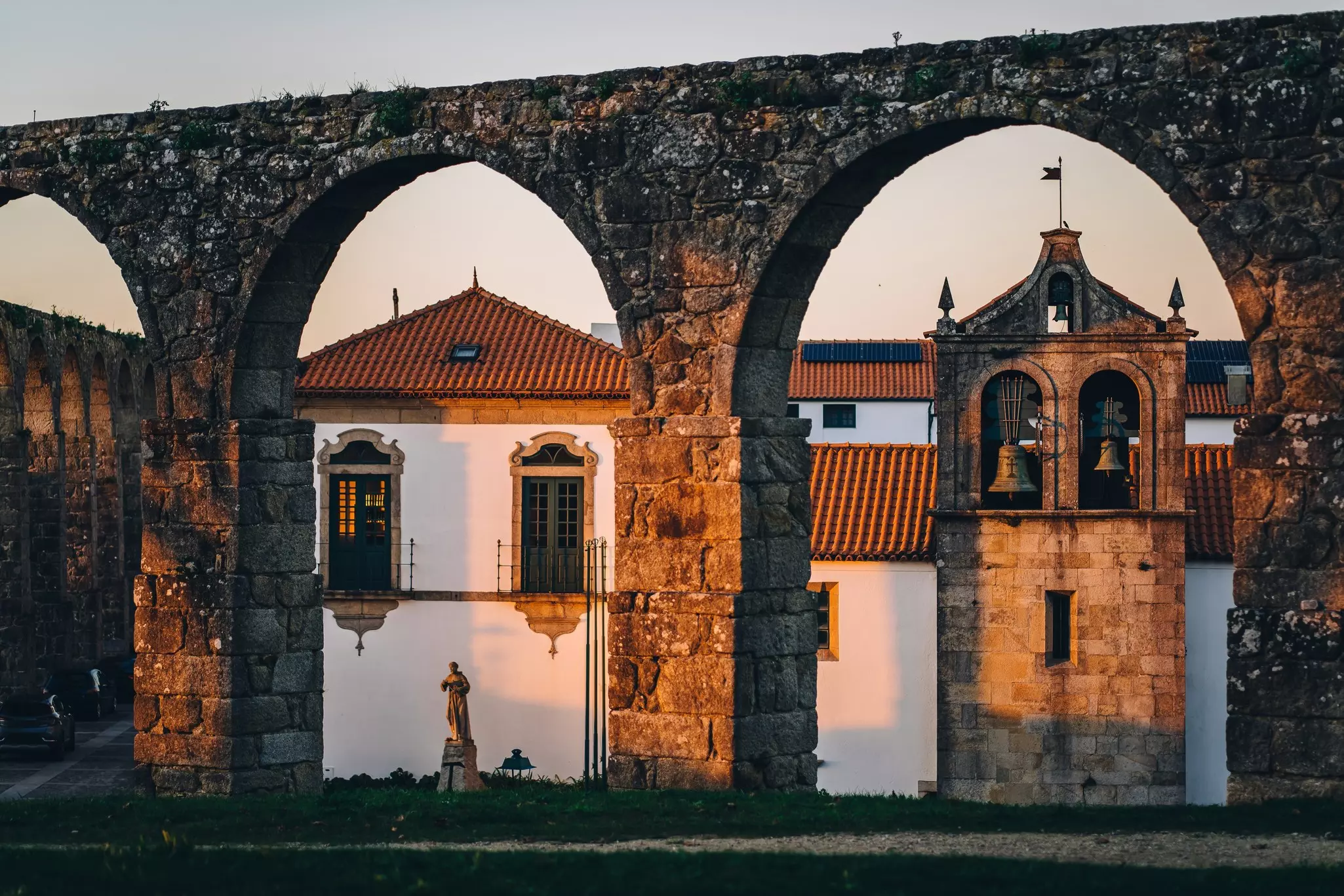
Head up the hill to visit the Santa Clara monastery, the area’s historical highlight, which looms over the town below. Built in the 17th century to supply fresh water to the Convent of Santa Clara, the adjoining aqueduct once stretched 4km across almost 1000 stone arches – a testament to the power and wealth the monastery once wielded.
The monastery’s interior includes triple-height, brick-built arched ceilings and massive courtyards connected by echoey stone staircases and long, silent corridors. It was converted into an exquisite luxury hotel in 2024; just 87 rooms in such a huge building mean endless peaceful places to relax whether you’re staying over or just popping in.
The best museum in town is in the monastery’s cellar. Free to enter, the underground rooms tell the story of the Poor Clares, an order of nuns that only allowed destitute noblewomen to join.
Planning tip: Vila do Conde has become a culinary destination thanks to Oculto, the Michelin-starred restaurant in the monastery cellars. The unforgettable 12-course tasting menu, created by Chef Vitor Matos, features fishy delicacies like goose barnacles, caviar and even wine that’s been aged at the bottom of the ocean for 10 years (!).
Stay at: Lince Santa Clara, an unforgettable historic hotel, spa, mini museum and restaurant set on the hill above Vila do Conde. It’s worth the splurge.
How to get there: The FlixBus takes about 50 minutes and costs from €5 round trip; time your journey carefully as there are only a few buses per day. Rede Express provides more choice, but costs slightly more.The beach lies about 3km from the bus station so you may need to order an Uber on arrival.
Best for a winning mix of history and youthful energy
Many people head to inland Guimarães for a day trip from Porto – but its historical and contemporary chops make it worthy of a longer visit.
If you’ve only explored the coastline of Portugal before, Guimarães provides a fantastic introduction to the country’s rich hinterland without the bustle of a bigger city like Braga. What’s more, with almost half of the population aged under 30, the town has a youthful energy that stands out among other places in Portugal.
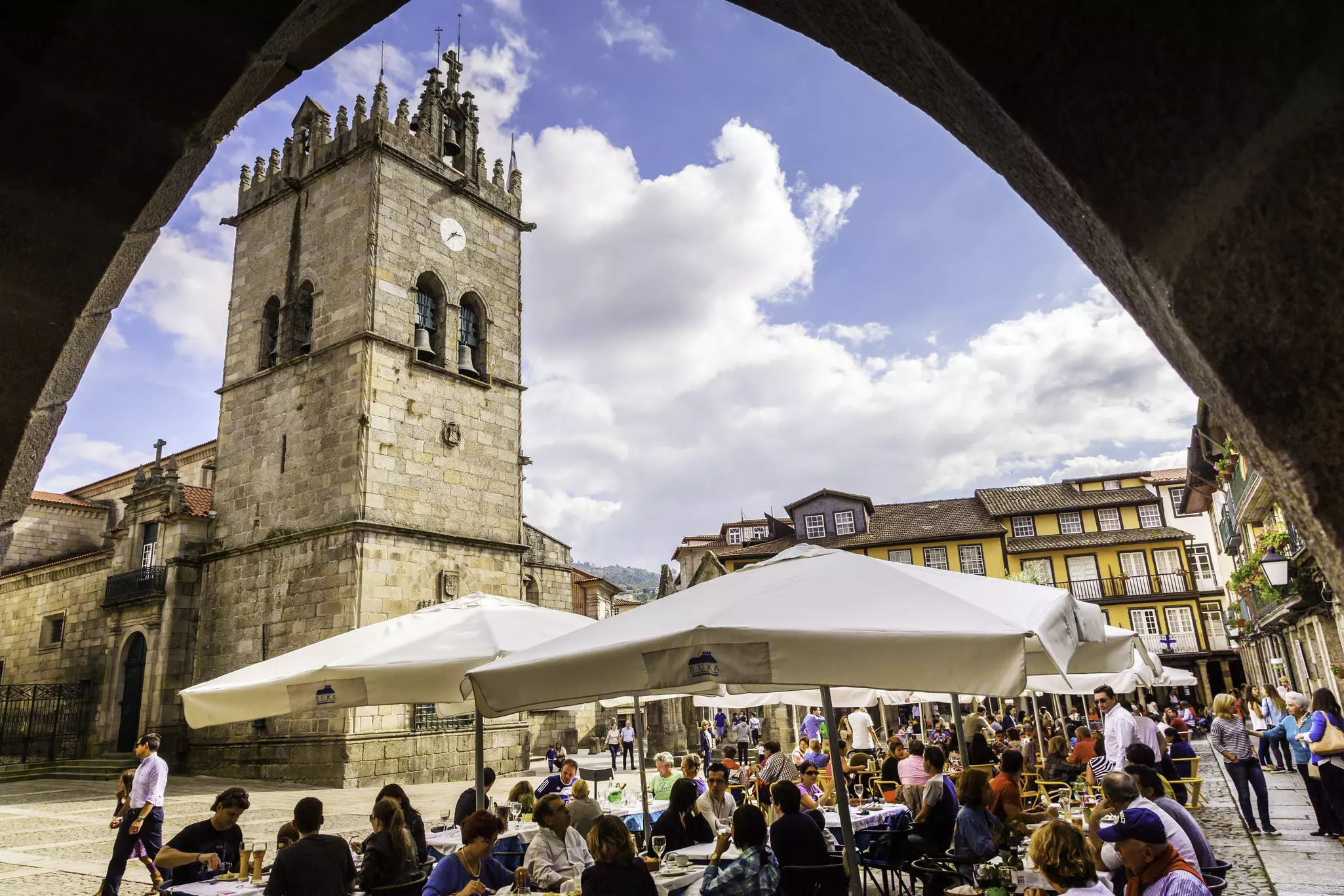
History is everywhere here. Portugal’s first king, Afonso I, was born in Guimarães in 1109. Granite-bottomed, timber-topped houses and cobbled streets dating to the Middle Ages fill the UNESCO-listed Old Town. You’ll also spot noble palaces in the mix, as well as grand, cafe-filled squares like Largo da Oliveira and Praça de São Tiago, and boulevards with central gardens such as Largo República do Brasil.
Visit the 10th-century castle, built to defend the region from Viking and Moorish attacks, and the neighboring Paço dos Duques de Bragança, a 15th-century palace with a panoramic view over the red rooftops of town. For an even better view of Guimarães and the Minho countryside, take the 10-minute cable car to Penha Park’s pine forest and walk its shady trails.
Having served as a European Capital of Culture in 2012, Guimarães has many modern buildings, too, from the gold blocks of the International Arts Center to the old/new mashup of the Centro Cultural Vila Flor and the Casa António Rocha, a Le Corbusier–inspired housing complex.
As is often the way in Portugal, the city has an eponymous tart. The crescent-shaped torta de Guimarães takes 36 hours to make – and each crescent-shaped pastry filled with a sweet paste made from almonds and squash is worth the wait.
Planning tip: Stay overnight. After day-trippers return to Porto, Guimarães comes alive as coffee shops transform into bars. Start at Bar Cara & Coroa or Oub’Lá on Praça de São Tiago.
Stay at: Pousada Mosteiro de Guimarães, a restored 12th-century monastery with lush gardens and pillared balconies.
How to get there: The best way to get from Porto’s airport is by FlixBus, which takes 40 minutes and costs up to €15, depending on time of day. Rede Express also offers a longer and sometimes less direct bus service.
Explore related stories