Aug 19, 20268 min read
11 Best Places to Visit in PortugalAug 14, 2026
12 MIN READ
Contributors
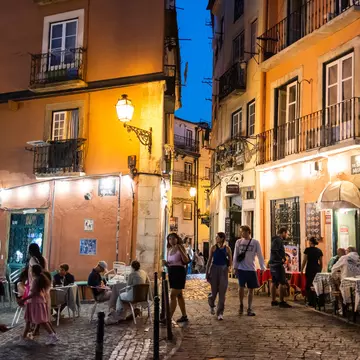
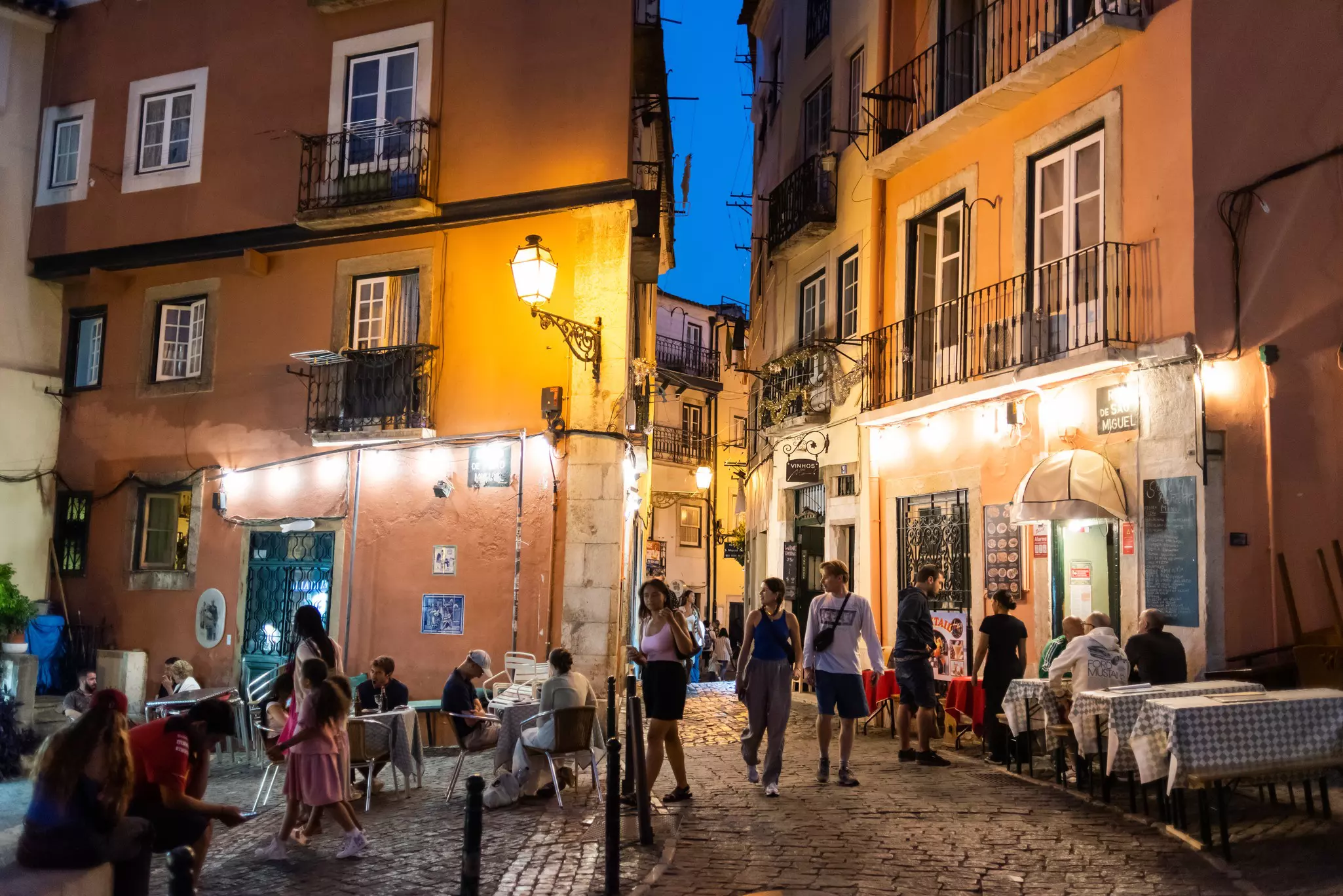
Dining at a pavement cafe in Alfama in Lisbon, Portugal. Kerry Murray for Lonely Planet
Contributors



Austin Bush, Regis St Louis, Lonely Planet Editors
Highlights
Writers Regis St Louis and Austin Bush cover Portugal's cash, cobbles and couvert.
Portugal is not Spain – English works nearly everywhere, and speaking Spanish can seem insensitive.
At Lisbon's airport, take Uber, Bolt or the Metro to avoid overpriced taxis.
Restaurants bring unsolicited bread, olives and cheese – couvert starters that land on your bill.
Lonely Planet may earn a commission from affiliate links on our site. All recommendations and reviews reflect our own independent opinions.
I’ve lived in Portugal for 4 years and I was a regular visitor to the country for nearly a decade before I moved here. Over this time, I’ve come to associate the nation with one word in particular – pleasant, in the best possible way.
The people are pleasant, the weather is pleasant, the food is pleasant. And, as you might suspect with this pleasant disposition, Portugal is a pretty easy country to travel in. But there are a few things to know in advance that will make your trip to Portugal more enjoyable and yes, even more pleasant.
From dining etiquette to advice on transport, safety and trip timing, here are the most important things to know before visiting Portugal.
The first step toward a smooth trip to Portugal is planning ahead; here are some essential tips.
The best time to visit Portugal depends on your goals for the trip. Spring and fall are great for outdoor activities and smaller crowds, while the low season (November to March) is suited to travelers on tighter budgets. But for blissful weather, the busy, more expensive summer is hard to beat.
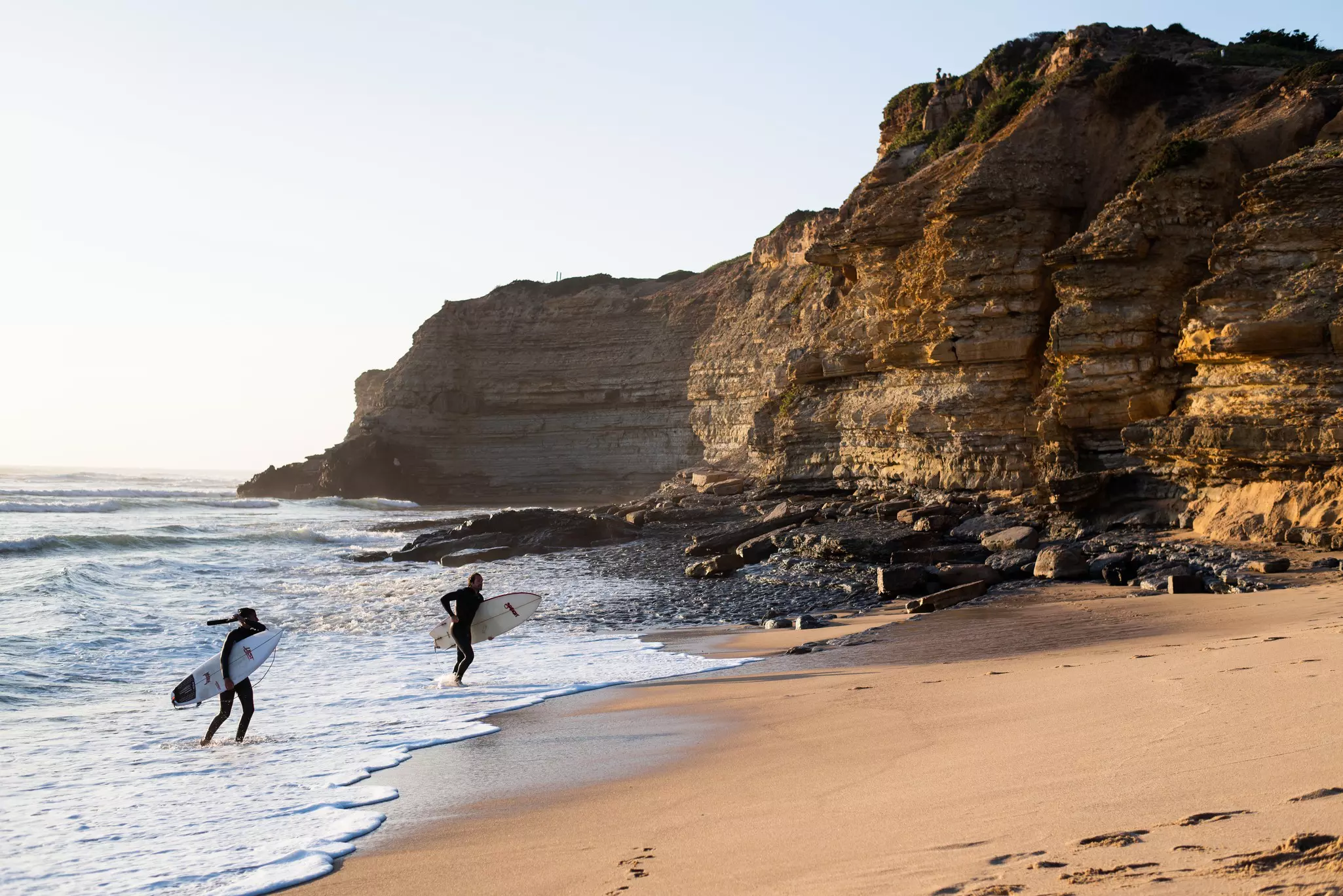
Pro surfers prioritize the big wave months from September to May, but for novices and learners, the summer swells are just right. Bear in mind that the Atlantic Ocean keeps the coast a little cooler than areas inland – a blessing in summer. Also note that the Atlantic is cooler than the Mediterranean, so you may need a wetsuit to surf, even in summer.
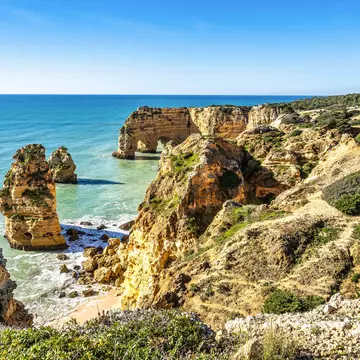
You need at least 5 days to visit Portugal. While it's a small country – roughly the size of the state of Indiana in the United States and slightly larger than Scotland – there’s a lot to see here, from hilltop villages in the Alentejo to remote UNESCO World Heritage sites such as the Knights Templar-founded Convento de Cristo, not to mention over 100 beaches in the Algarve.
A rookie mistake is trying to see all of Portugal during one visit. Even if you have a few weeks to spare, you won’t be able to visit everything. Instead, pick one or two regions and focus your trip there, allowing time to see highlights as well as local markets, vineyards and other less-visited attractions. Don't overlook the cities in the rush to the coast – Porto and Lisbon are each worth several days of your time,
Lisbon, Porto, Sintra and the Algarve are among the best places to stay in Portugal, but with Portugal’s popularity, some of the best places get booked up months in advance. This is especially true if you’re traveling in the peak months of summer, from June through August. As soon as you have your itinerary planned, reserve your accommodation, or you'll risk paying more or having fewer choices. If you’re traveling in the low season, you’ll have much more flexibility – book your first few nights and plan your other nights on the go.
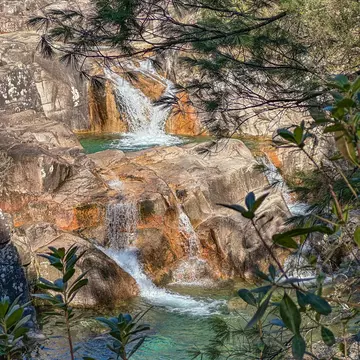
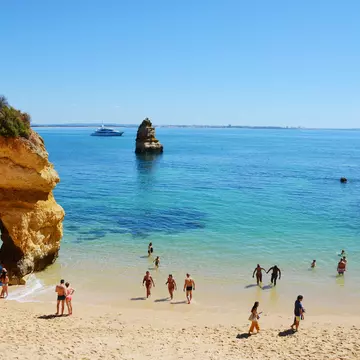
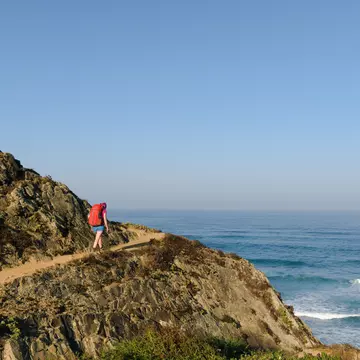
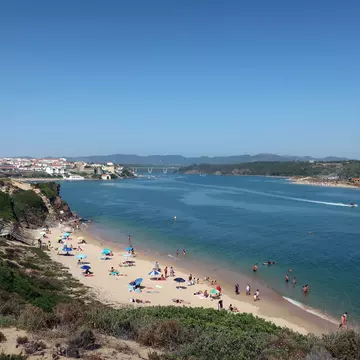
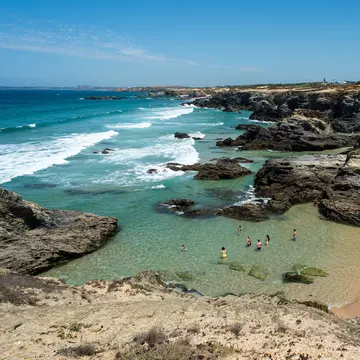
No matter where you roam in Portugal, you’re never far from the beach or a sparkling inland lake or river. Porto and Lisbon both have lovely beaches within easy reach of their city centers, while remote corners of Portugal such as Parque Nacional da Peneda-Gerês have pristine waterfalls and natural pools.
It would be a mistake not to bring your swimsuit, even if you think you won’t need it. If you plan to surf, in summer, a 3/2mm shorty or fullsuit should be fine, but from fall to spring, you'll want a 4/3mm suit, or something even thicker in winter.
While in Portugal, you’ll also likely find yourself scaling steep slopes simply to reach your hotel or get from the beach to your car. Given the challenging topography, it pays to bring comfortable walking shoes with good grips. In addition to steep hills, you’ll find loose cobblestones and uneven sidewalks in Lisbon, Porto, Coimbra and many other towns. Save the heels and dress shoes for nicer restaurants and nightclubs. Doing a couple of weeks of pre-trip hill walking is not a bad idea if you don’t want to have sore calves during your stay.
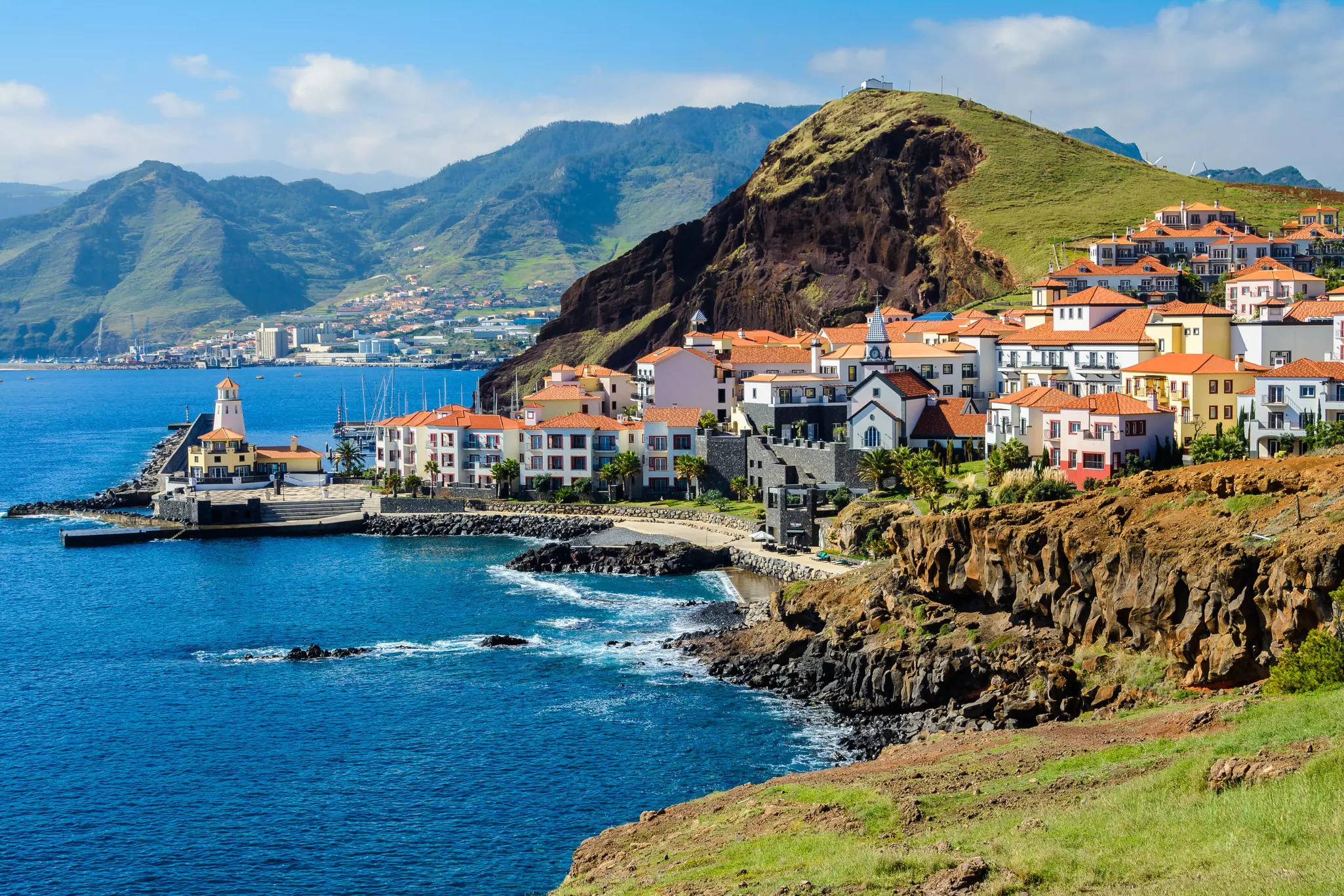
There’s a lot to see on the mainland in Portugal, but there's still more to see on the amazing islands offshore – highlights of the country that are often neglected by most travelers. If you can squeeze it in, consider a side trip to Madeira, a rugged, semi-tropical island off the coast of western Africa, or to the nine green islands in the middle of the Atlantic that constitute the Azores.

Lonely planet’s trusted travel insurance provider
Travel with confidence. Protect your trip and your wallet.
We don’t represent World Nomads, we receive a fee from quotes using this link. This is not a recommendation to buy travel insurance.
Flights to both archipelagoes are frequent – both from the Portuguese mainland and direct from other parts of Europe – and aren’t necessarily expensive. Once you arrive, day-to-day costs are only slightly higher than those on “the continent,” as mainland Portugal is referred to on the islands.
Generally speaking, it’s easy to tap and pay with a credit or debit card across much of Portugal, but there are occasionally machines that only accept local cards, and many small businesses still only deal in cash, which means you’re advised to carry some euros for day-to-day spending. This is particularly important if you head to villages and towns inland, away from tourist areas.
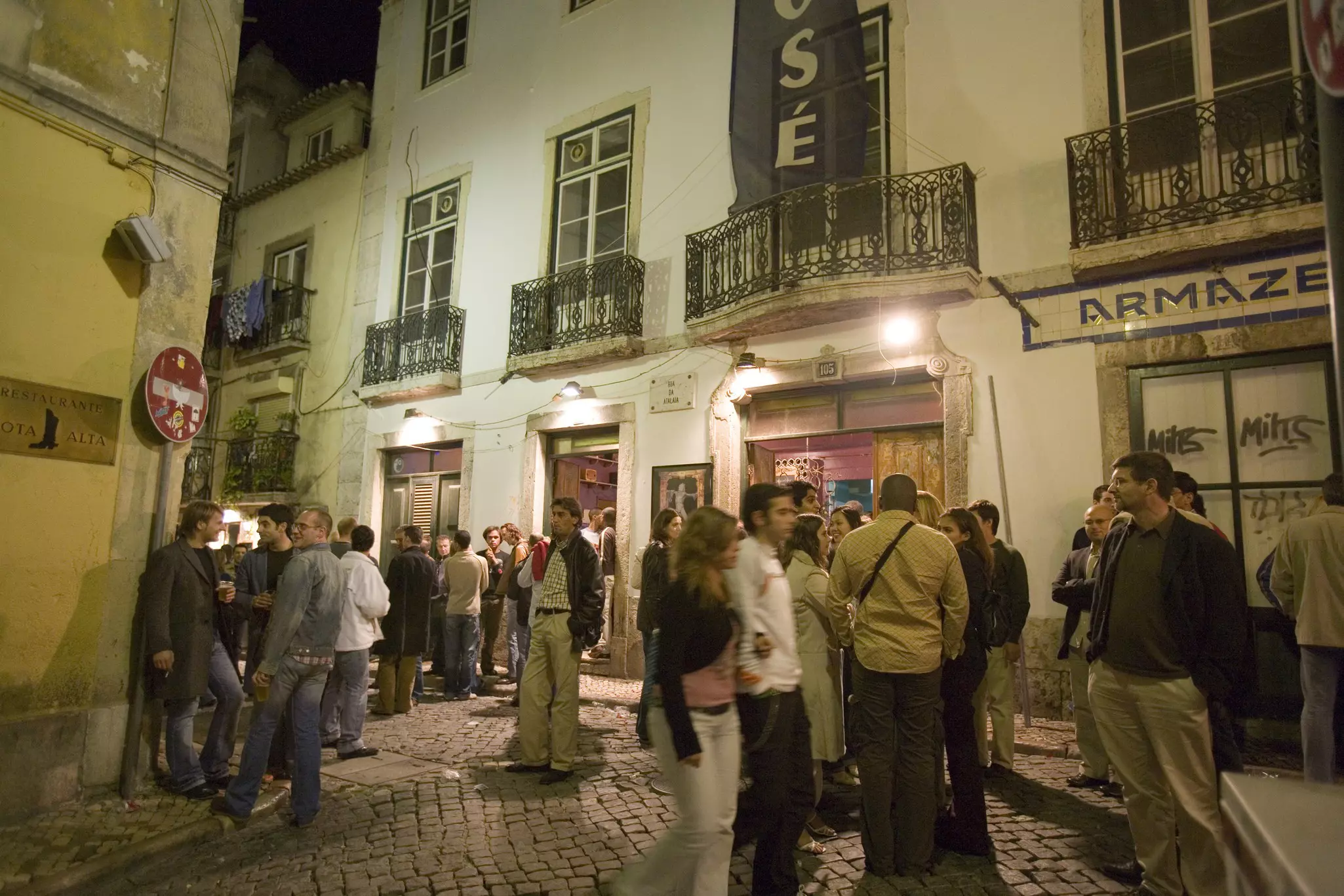
Portugal is a very relaxed place, but there are a few rules of etiquette to consider.
Yes, Portugal has much in common with its neighbor to the east, but it has been an independent kingdom since 1143. The country is generally considered the oldest in Europe, and it has its own unique culture and language, not to be confused with the culture and language of Spain.
When in Portugal, don’t expect tapas, or flamenco, or paella, or for people to understand you when you speak Spanish. Indeed, speaking Spanish can sometimes be seen as culturally insensitive; you’ll get much further in Portugal if you speak English, which is understood almost universally.
How you greet people in Portugal will depend on how well you know them. For people you are just meeting, say olá for a casual hello, or use phrases specific to the time of day such as bom dia ("good morning") or boa tarde ("good afternoon") to be more polite. For people you know well, a light kiss on the right cheek and then the left is the norm for women greeting women and men and women greeting each other; men greeting men usually default to a handshake.
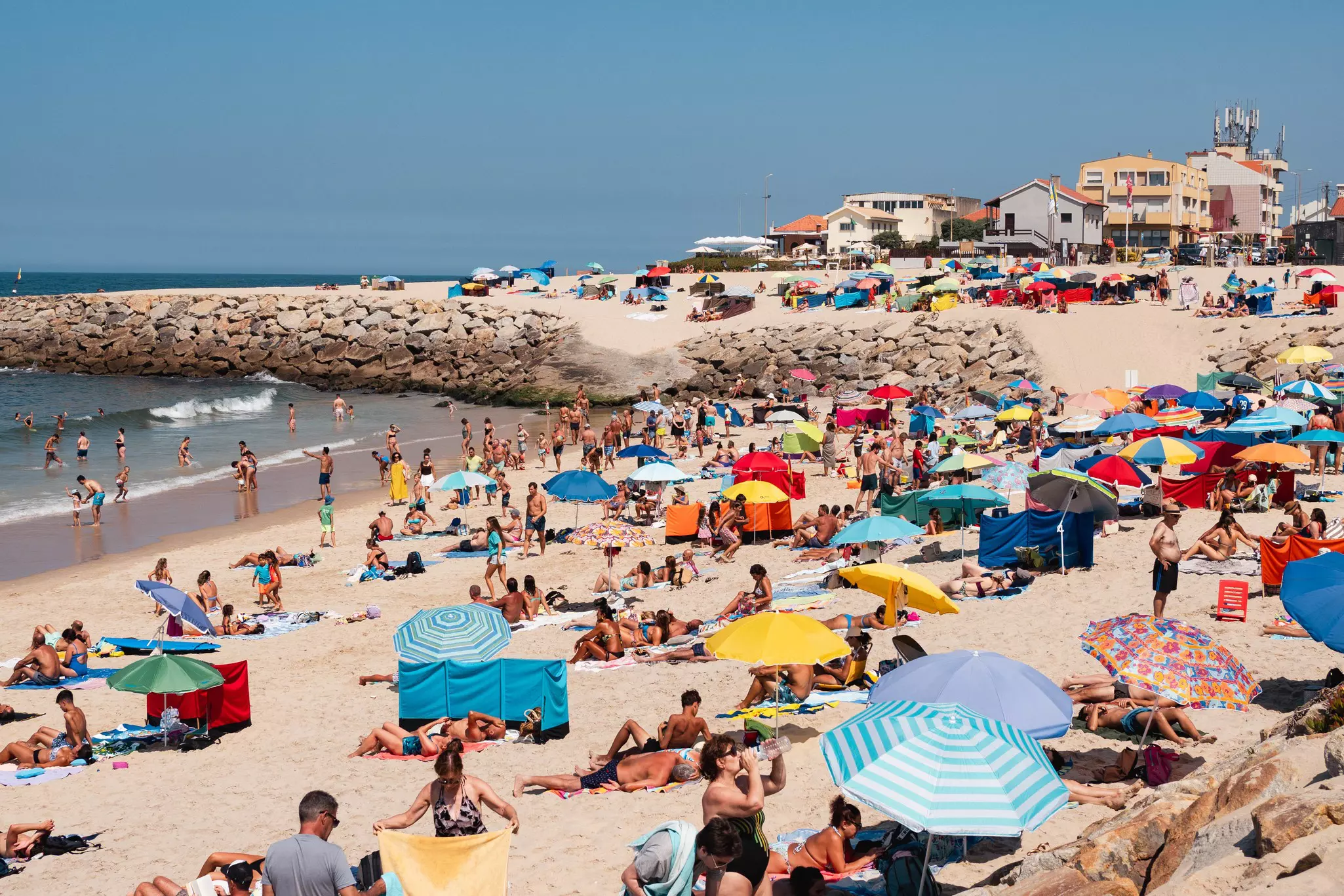
While Portugal hasn't seen quite the same backlash to overtourism as neighboring Spain, there is rising resentment in heavily touristed areas such as Lisbon, Porto and Sintra about the annual influx of visitors, and the impact this is having on the cost of living, water supplies and traffic. The growth of holiday apartment rentals in particular is having a disruptive influence on the housing market, pushing up prices and leading to restrictions on new holiday lets in some areas.
You can do your part to reduce the pressure by traveling outside of the peak season, spending time in less-visited parts of the country, staying in locally-owned, licensed accommodations, and spending your money with local businesses, such as family-run shops and restaurants, to help ensure that residents experience some benefits from the tourism industry.
Although Portugal may seem inexpensive – costs here are lower than in much of Western Europe – local salaries are also much lower. Portugal’s minimum wage is a scant €920 per month, its average monthly wage is about €1700, and local people are being squeezed by rising food prices and a housing crisis in many cities. Before you enthuse in public or on social media about how cheap your meal was in Portugal, remember that this is likely to be perceived as incredibly insensitive by locals.
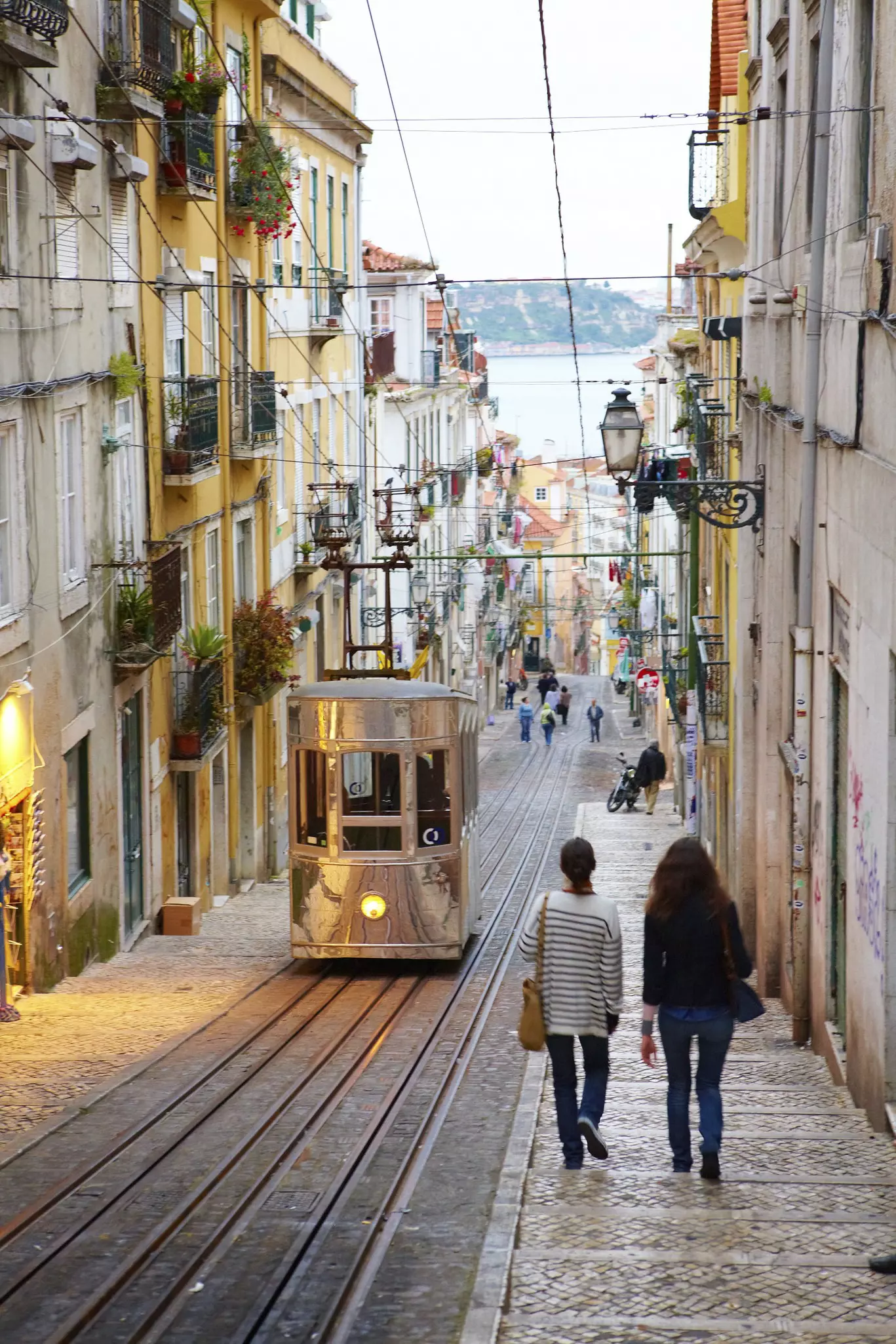
There aren't too many safety considerations to worry about in Portugal, but a little caution can help ensure a trouble-free trip.
Portugal is generally a safe country to visit, with a low overall crime rate. Violent crime in particular is extremely rare, and there are few areas where tourists can't walk around safely. That said, pickpocketing and bag and phone snatching do occur, especially on public transport and in busy tourist areas.
Car break-ins can also happen, and rental vehicles are frequently targeted. Don’t leave anything of value in your car if you park up to explore on foot. It's best not to leave luggage or other items in the trunk of your vehicle either. If you don't want to carry your bags with you for the day, ask if your hotel can store them until you are ready to leave for your next overnight stop.
The early founders of Portugal’s urban areas clearly opted for beauty over safety when designing the country’s calçadas, or tiled walkways. Many cobbled stretches are handsome, but they are slippery on the best of days and are downright ice-like when wet.
Combine this with a profusion of steep, footfall-polished streets, and the simple act of walking can be pretty intimidating in wet weather. I’ve slipped on several occasions, and have seen numerous others go down. Opt for grippy shoes and take it slow when exploring on foot, especially if it’s raining.
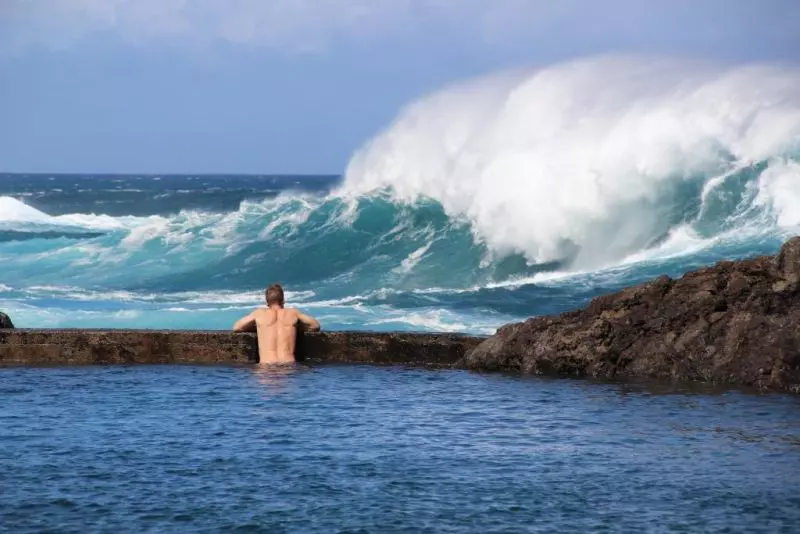
The Atlantic waves that break along the shores of the Algarve and beaches further north are legendary among surfers, but treat the sea with the respect it deserves. Waves around Nazaré can exceed 25m, and are best left to experts; there are plenty of gentler breaks for beginner surfers (check out our surf guide to the Algarve).
Even at non-surfing beaches, be wary of currents, and stick to beaches with lifeguards if you are swimming with children. At patrolled beaches, a yellow flag means you should be cautious in the water, while a red flag means swimming is banned.
As with other destinations in southern Europe, rising summer temperatures in Portugal are increasing the risk of wildfires. Severe fires in 2024 caused widespread damage around Porto and Aveiro, and temperature spikes are becoming more common, with implications for public health.
Monitor the weather conditions by checking the website of the Instituto Português do Mar e da Atmosfera, and in areas with a high fire risk, make sure you do not do anything that could trigger a wildfire, such as lighting barbecues or disposing of cigarettes unsafely.
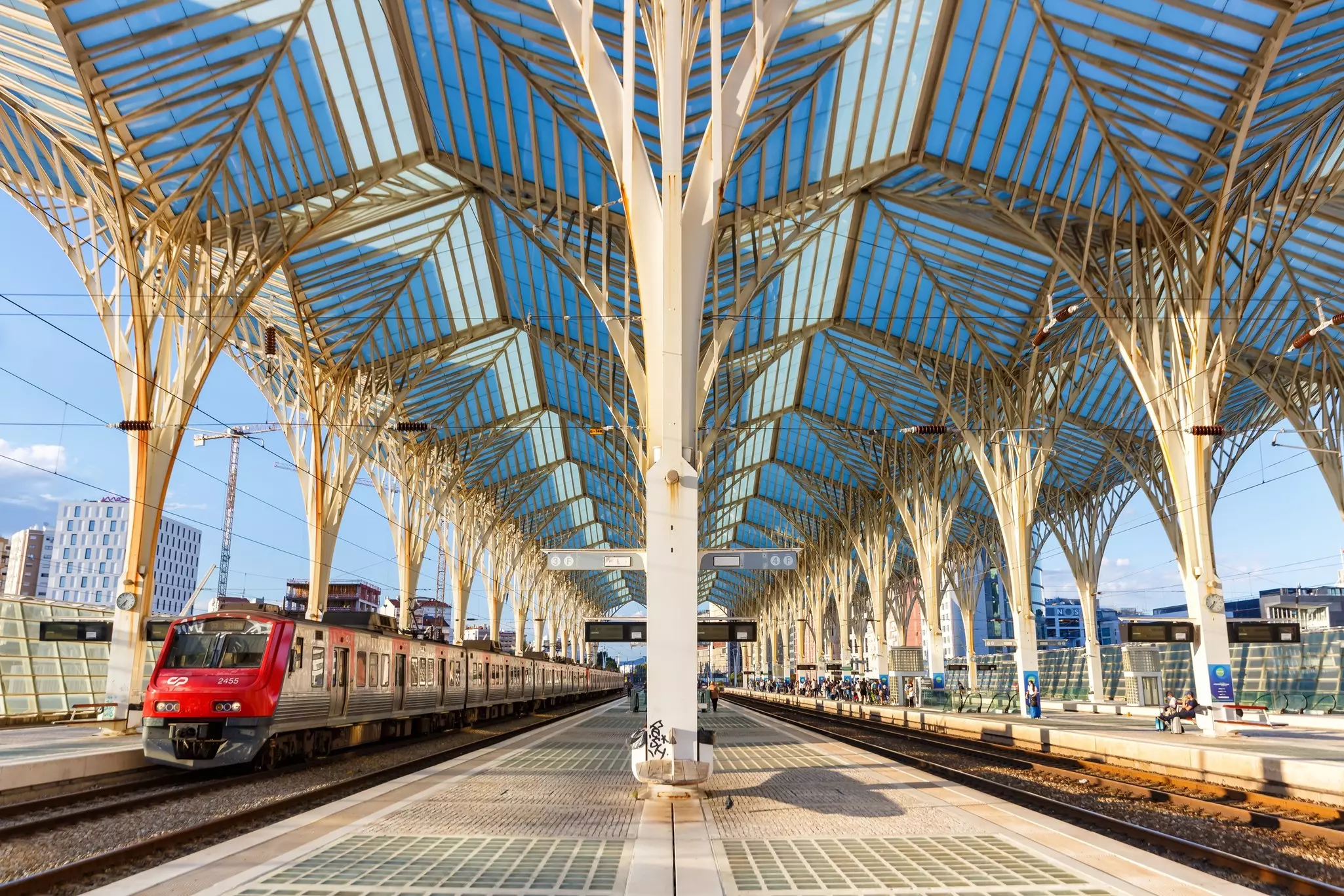
Portugal's public transportation system is generally easy to use and efficient, but there are some tricks and tips to be aware of.
For years now, taxi drivers at Lisbon’s airport have been simply ignoring their meters and are instead charging a flat fee – typically about €35, more than twice the meter rate – for the journey to the center. You can ask drivers to confirm that they’ll use the meter before you get in the taxi, but this doesn’t always work and can lead to confrontations. Until the authorities choose to crack down on this scam, the best option is to use a ride service – Uber and Bolt are the most common options – or take the Metro.
In recent years, Comboios de Portugal (CP), Portugal’s state-owned railway company, has seen services disrupted by frequent strikes. If you’re planning a train journey in the country, be sure to check the rail company website in advance for notifications of disruptions to services. Frequent strikes are also a problem on Lisbon’s Metro, so check online for service updates.
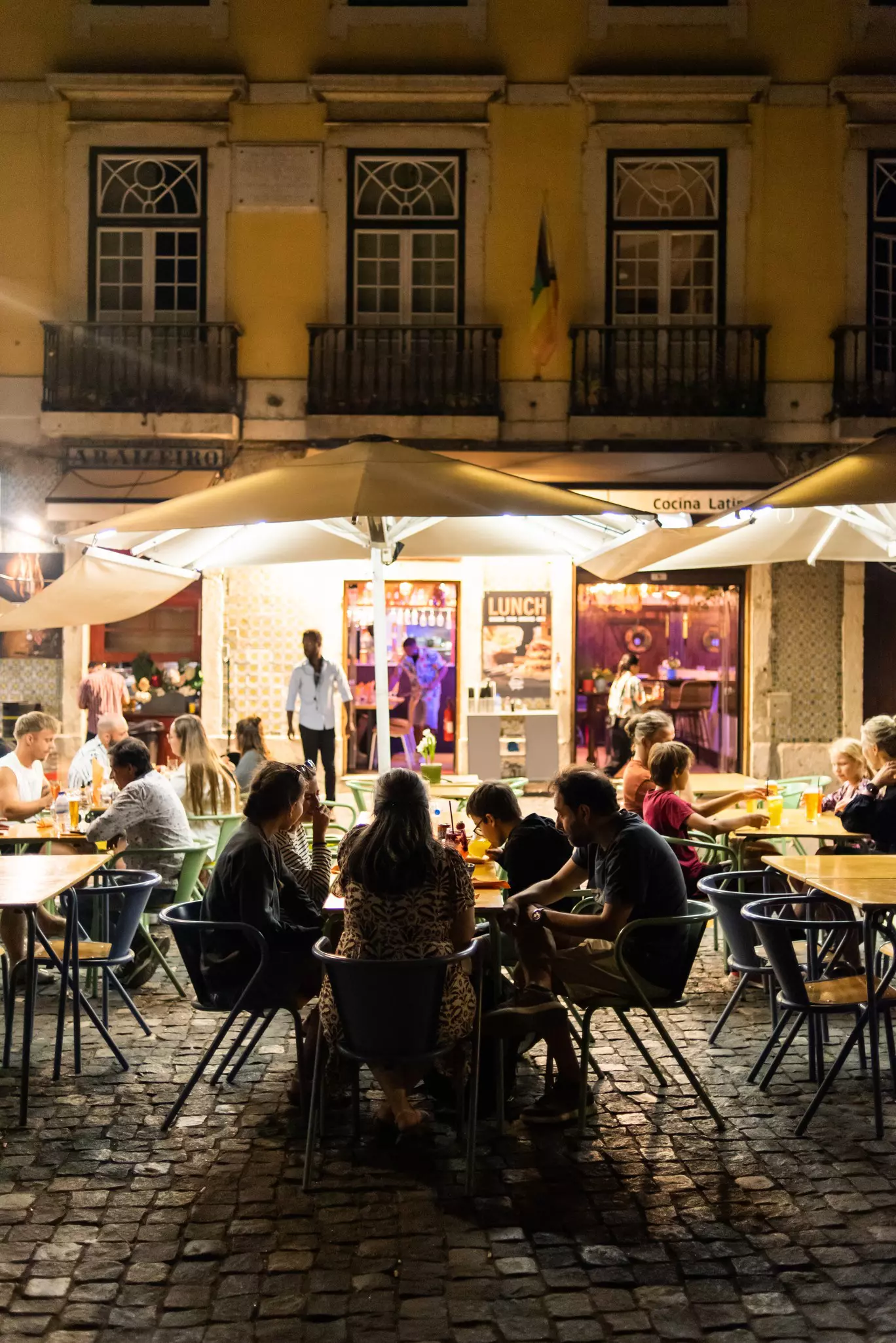
Portugal has a rich and layered food culture to rival neighboring Spain, and there are a few local quirks to be aware of, such as a preference to pick up "finger foods" with a napkin. Wherever you go in Portugal, be sure to try the tapas-like small plates known as petiscos for an introduction to flavors local to the area.
At restaurants in Portugal, servers often bring bread, butter, olives and even cheese or other appetizers to diners before their meal. These unsolicited starters are known as couvert, and they will be added to your bill if you eat them. If you don’t want them, just send them away with a polite "no, thank you" (não quero, obrigado/a). Conversely, drinking water is free if you ask for it, and tap water is safe all over Portugal.
Waitstaff are happy to let diners take their time in Portugal, and you'll probably need to ask for the bill – a conta, por favor is the phrase to remember. When it comes to payments, Portugal doesn't have a big tipping culture. Portuguese diners will often just leave some change or round up the bill, if they tip at all. However, at fine-dining establishments, a tip of around 10% is appropriate.
To continue planning your trip to Portugal, check out Lonely Planet's Portugal guidebook.
Book your Portugal trip with Lonely Planet Journeys
See Portugal how it's meant to be seen
Planned by local experts and tailored to you, Lonely Planet Journeys handles the logistics so you can just enjoy the trip. Tell us what you want and we'll build your Portugal itinerary from scratch, or browse our bookable trips to get inspired.


Explore related stories