Aug 19, 20268 min read
11 Best Places to Visit in PortugalJun 26, 2026
12 MIN READ
Writer
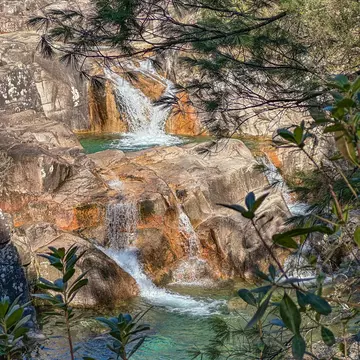
Cascata do Tahiti in Parque Nacional da Peneda-Gerês, Portugal. AnaMarques/Shutterstock

Writer
Highlights
Writer Daniel James Clarke picks 12 top natural parks in Portugal.
For mountain hiking, try Peneda-Gerês; for coastal trails, walk the Rota Vicentina.
Bird-watchers should head to Ria Formosa for flamingos or Tejo Internacional for Egyptian vultures.
Day-trippers from Lisbon can swim Arrábida's calm coves or hike forested trails around Sintra and Cascais.
Lonely Planet may earn a commission from affiliate links on our site. All recommendations and reviews reflect our own independent opinions.
Portugal has only one national park, but its clutch of nature reserves more than compensates. Within the country’s relatively compact borders, these diverse, free-to-access natural spaces span snow-speckled peaks and sun-seared, sandy isles. Multiday treks traverse the country’s best beaches. River-hugging hikes lead to monumental stones. Seasonal visits can mean skiing, flamingo-frequented wetlands or bedding down in an island fortress. And then there’s the prehistoric rock art, frontier-crossing falcon sightings and subterranean depths.
Surprises come standard at these 12 of Portugal’s best natural parks and reserves.
Best for hiking
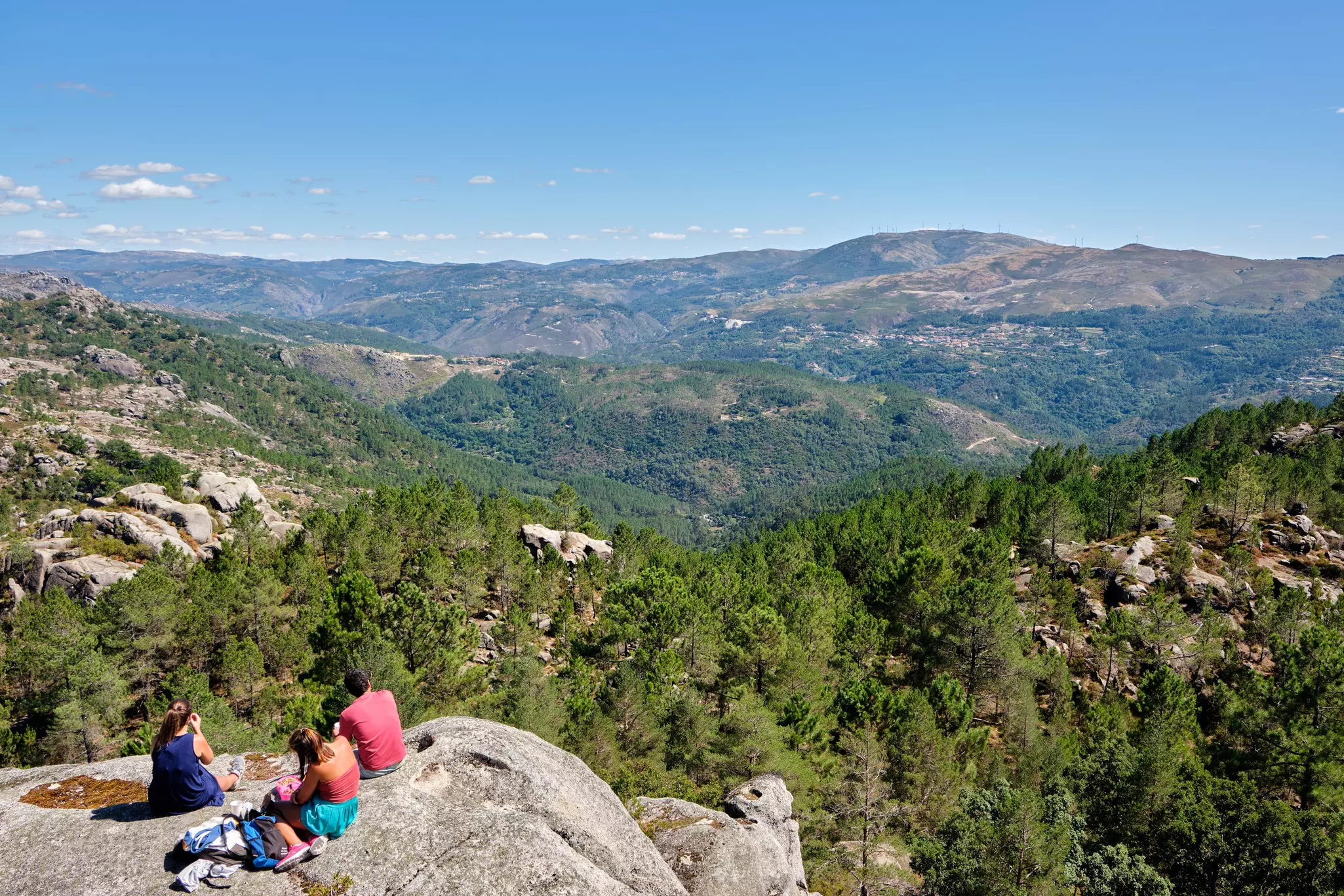
Portugal’s sole national park, the 703-sq-km Parque Nacional da Peneda-Gerês is phenomenal. It straddles the nation's two northernmost regions and arches around Spain. The park’s four main mountain ranges shelter endangered and elusive Iberian wolves, roe deer and wild Garrano horses in their folds. Yet Peneda-Gerês preserves more than wildlife and pristine, waterfall-laden landscapes – around a hundred perennial granite villages are scattered throughout. Here, far from the fast-changing coastal cities, you’ll still find Castro Laboreiro’s centuries-old dog breeds accompanying shepherds, ox-drawn carts working corn fields and espigueiros (stilted, stone-built granaries) spilling out from Soajo.
Come after the winter’s snow has thawed and exhilarating canyoning, kayaking down the Cávado, rafting on the Minho and trekking between tumbling waterfalls like Cascata do Arado will feed any adrenaline craving. Hiking is equally remarkable. Ease in among the Mata de Albergaria's pristine oak forest, walking atop the Roman-placed slabs of the historic Via Geira. Then tackle the challenging 16.7km Trilho Castrejo between meadows, castle ruins and lofty, goat-roved seasonal pastures.
Visiting Parque Nacional da Peneda-Gerês: Roads reach most miradouros (lookouts) and trailheads, but bus services are more suited for slow travel. Peneda-Gerês has a couple of official campgrounds alongside village guesthouses and thermal spa resorts – book well ahead in the summer.
Best for surfing
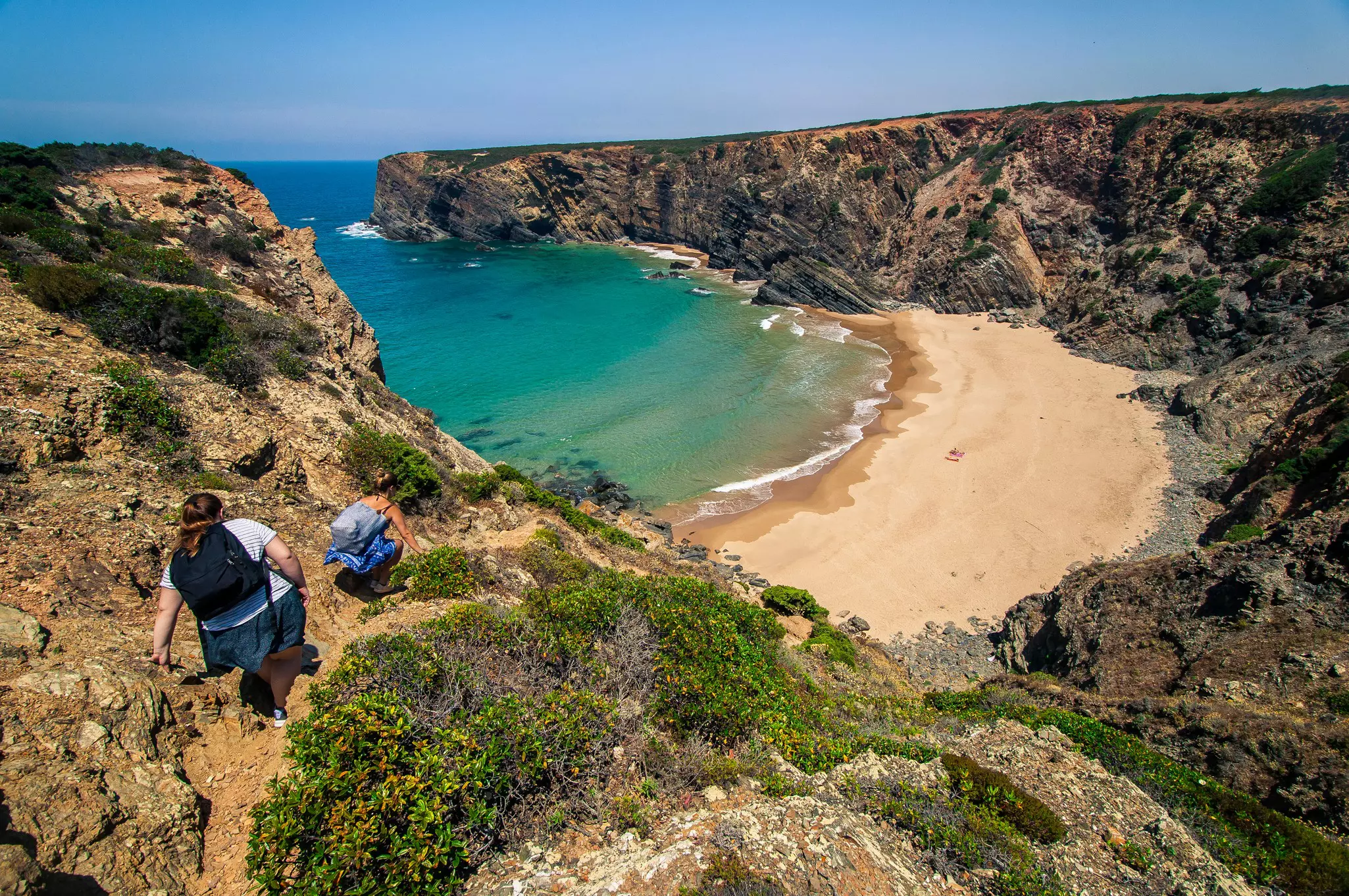
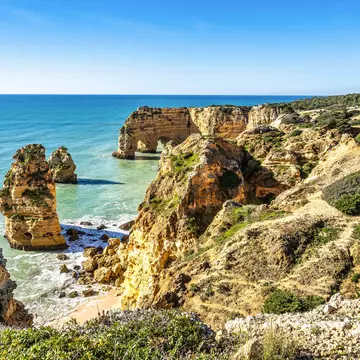
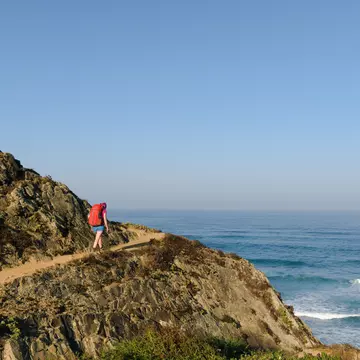
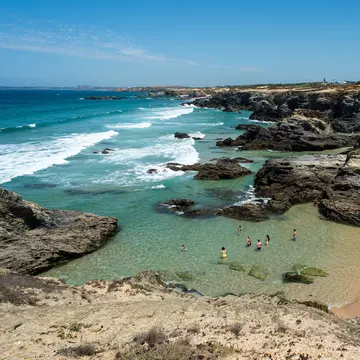
Curving around Portugal’s scenic southwestern corner, the Parque Natural do Sudoeste Alentejano e Costa Vicentina is a serious contender for Europe’s best active coastal escape. Sensational surf pounds ocean-chiseled bays, river-wrapped and dune-ribboned beaches dazzle, and near Cabo de São Vicente, mainland Portugal's southwesternmost point, Sagres’ hulking, windswept fortress surveys the Atlantic Ocean. Dramatic? Yes. De-stressing? Even more so.
Traversing it all, between Sines in the Alentejo and Lagos in the Algarve, are the Rota Vicentina’s two outlandishly handsome 13-day trails. Plan a foot-forward fortnight here and the 226km cliff-hugging Fishermen’s Trail will take you on a soul-stirring shoreline route that seafood and sunset dreams are made of. Slightly inland, the Historical Way traces donkey-trampled tracks through juniper-scented scrub. Prefer your hikes bitesize? Each section is roughly 20km between settlements, ideal for a sun-kissed day in nature.
Visiting Parque Natural do Sudoeste Alentejano e Costa Vicentina: Towns within the park, including Aljezur and Porto Covo, are reachable by bus (Rede Expresso or Vamus in the Algarve), though limited timetables mean linear day hikes need good planning. A luggage transfer service can lighten the load on multiday routes.
Best year-round
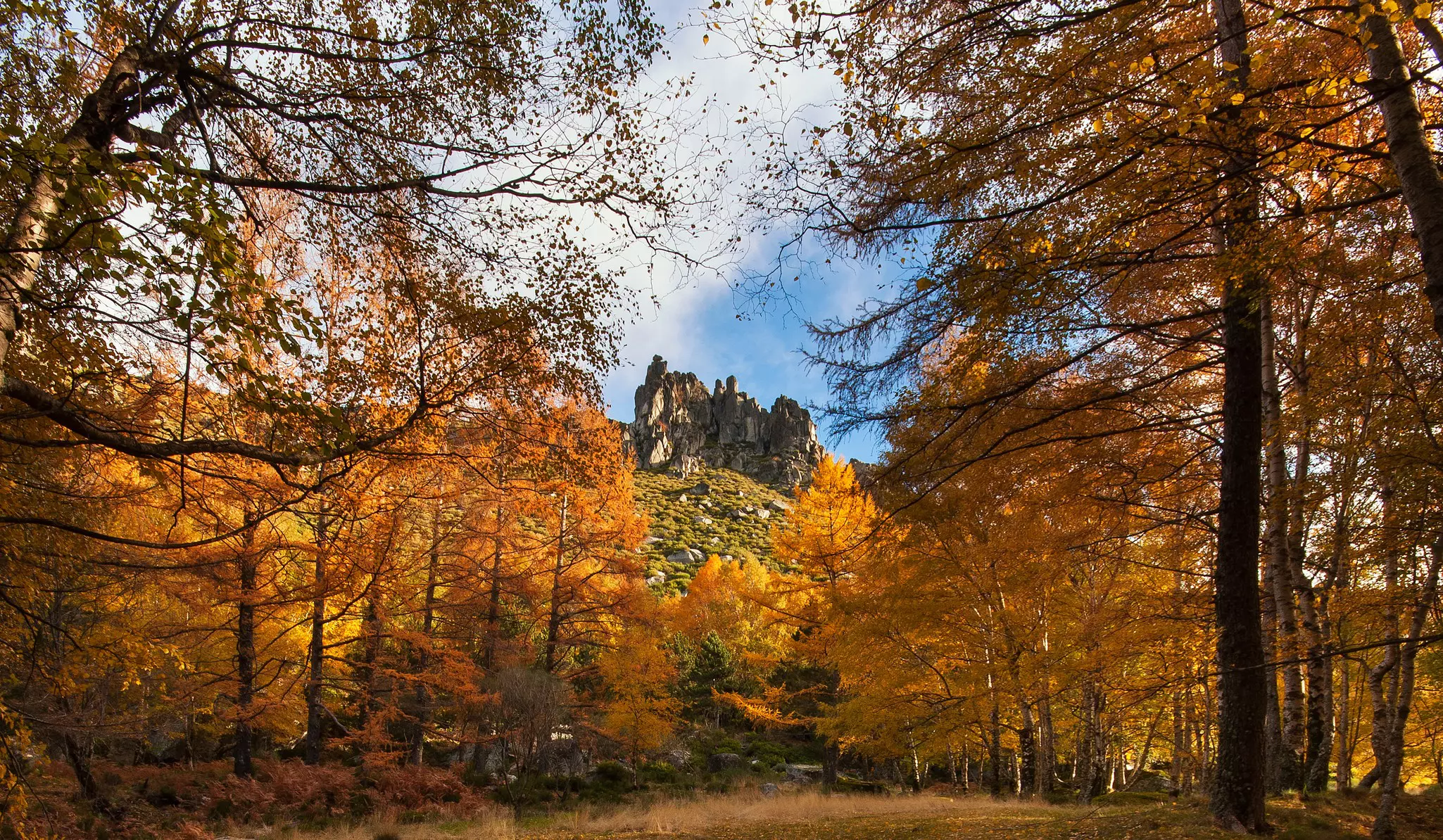
The boulder-strewn planalto (high plateau) of Portugal’s largest protected park, Serra da Estrela, presents a smorgasbord of seasonal adventures. Sprawling out from Torre, the mainland’s highest peak at 1993m, are glacier-carved valleys, oak and pine forests, sheep-herded meadows, the Mondego and Zêzere Rivers’ sources, and some of the Beiras’ most enchanting and loftiest villages.
Come in spring to hike the PR6 MTG from peak to pasture against a backdrop of yellow and blue wildflowers. In summer, join the eagles and falcons on a paragliding rush from Linhares da Beira before cooling in the Poço do Inferno waterfall. Fan of fall? Copper-hued chestnut trees and golden birches blaze as temps cool. Rounding off the year is a splattering of snow, giving Portugal’s only ski resort a brief stint.
Visiting Parque Natural da Serra da Estrela: Rent a car to explore the park in a day, including driving to the top at Torre. Limited buses will only get you as far as Seia or Manteigas (from Guarda with TransDev). If you’re visiting during the snow season, check road access and purchase ski passes online in advance.
Best for a beach near Lisbon
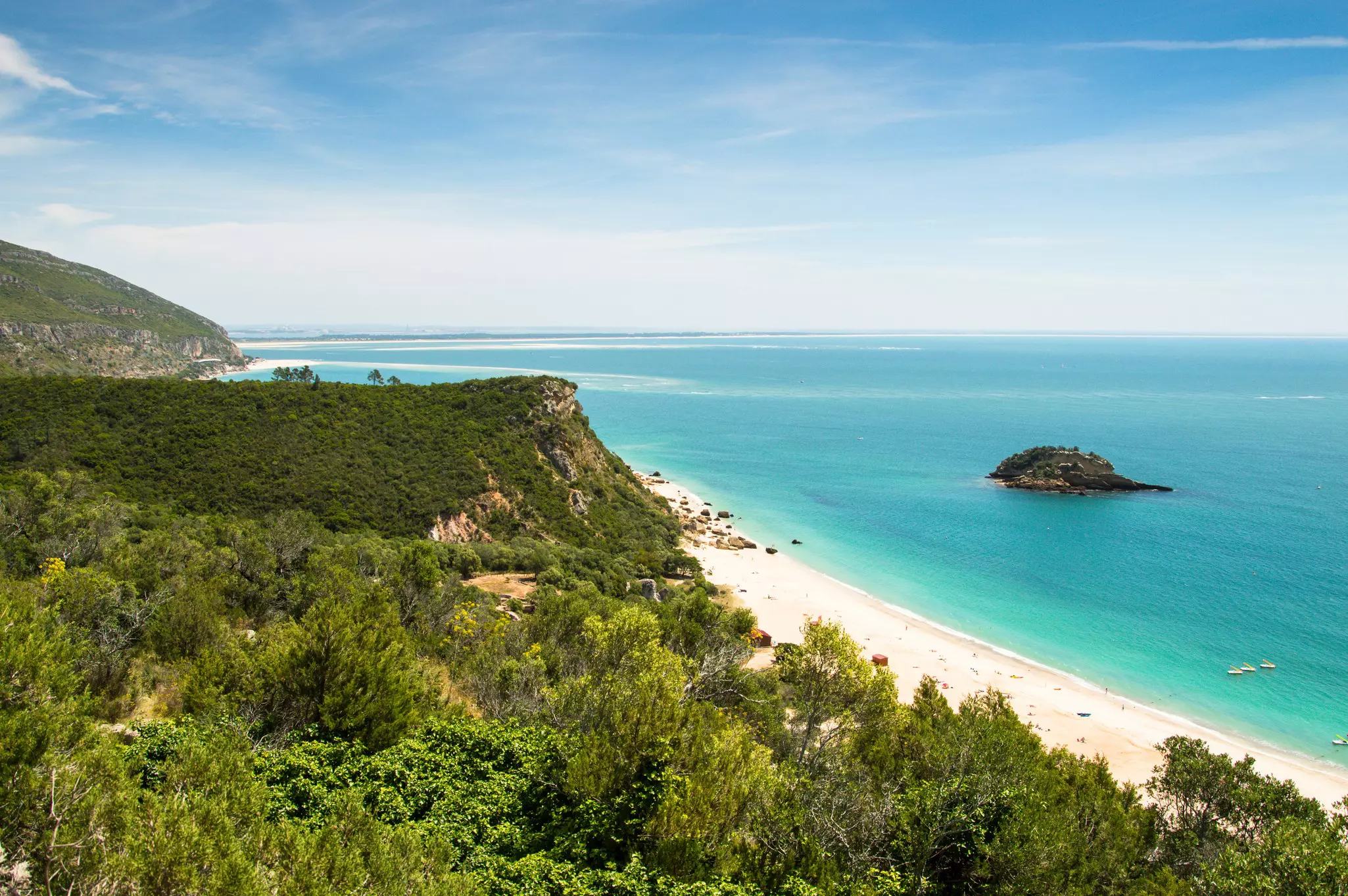
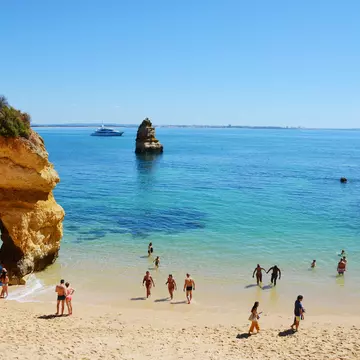
An hour south of Lisbon by train, the Setúbal Peninsula shelters some of Portugal’s finest family-friendly coves among the vegetation-clad limestone cliffs of the Parque Natural da Arrábida. The flora is distinctively Mediterranean – with wild olive trees, orchids, corks and pines – yet the ocean scenes of swirling cyan and creamy sand could be plucked straight from a Caribbean postcard. For the best panoramas, drive the high road or hike 380m up Serra do Risco to survey the verdant cliffs sinking into the shimmering shallows.
But the main magic is beachside. Sands are lapped by calm, clear ripples, with water temperatures slightly more welcoming than those on the exposed west coast. Bring a picnic and beeline to Praia da Figueirinha or Galapinhos for a delightful day of sunbathing and splashing, or join a boat or kayak tour to visit the otherwise inaccessible bays in the Professor Luiz Saldanha Marine Park.
Visiting Parque Natural da Arrábida: Setúbal and Sesimbra are the closest urban bases (Setúbal is easier to access), but a day trip from Lisbon is straightforward. Carris Buses are Setúbal’s quickest onward beach connection, especially in summer, when car access is restricted.
Best for boardwalks and trilobites
Rewind some 420 million years and what is now Arouca Geopark was deep undersea – an era recounted via the remarkable trilobites found across the 328-sq-km park. Spend an hour at the Museu das Trilobites, marveling at the Ordovician-period Giant Trilobites of Canelas, some up to 70cm high, and it’s impossible not to be wowed. But there’s more. On the Serra da Freita’s slopes awaits an even more mind-boggling phenomenon: the pedras parideiras (birthing stones). Both baffling and unique, these giant granite rocks take thousands of years to grow and push out smaller biotites.
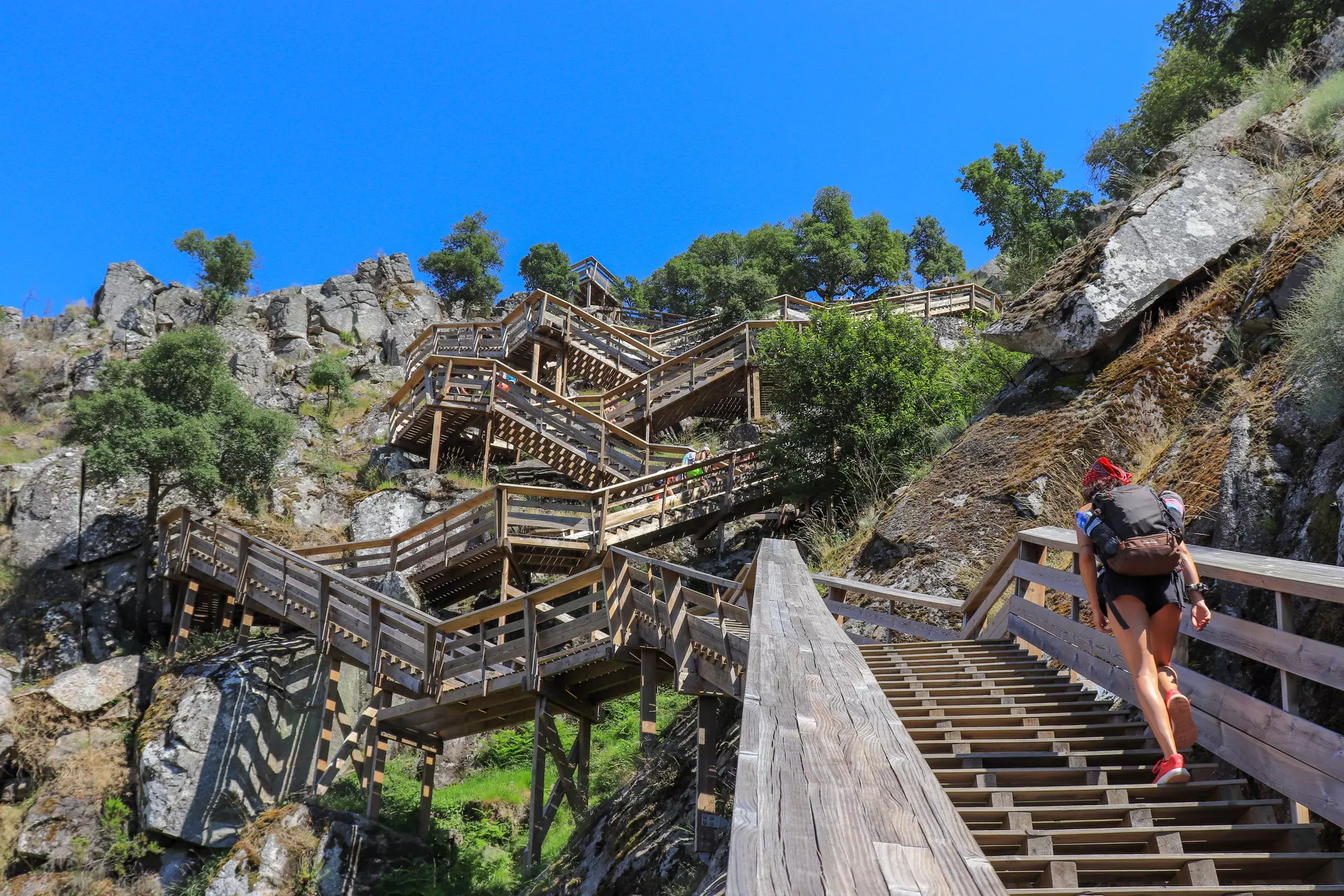
Circling the geological wonders, Arouca has a number of village-anchored hikes across its slender valleys. Top billing goes to the 8.7km Passadiços do Paiva, a river-tracking trail of wooden walkways, steep staircases and gravel paths that can be paired with 516 Arouca, once the world's longest pedestrian suspension bridge.
Visiting Arouca Geopark: Arouca is the geopark’s central hub and a good base. Merujal is the only campsite in the park and usually has sites on arrival. Access via public transportation requires planning and connections – check TransDev from Aveiro or Porto’s UNIR lines.
Best for isolation and Portugal's second language
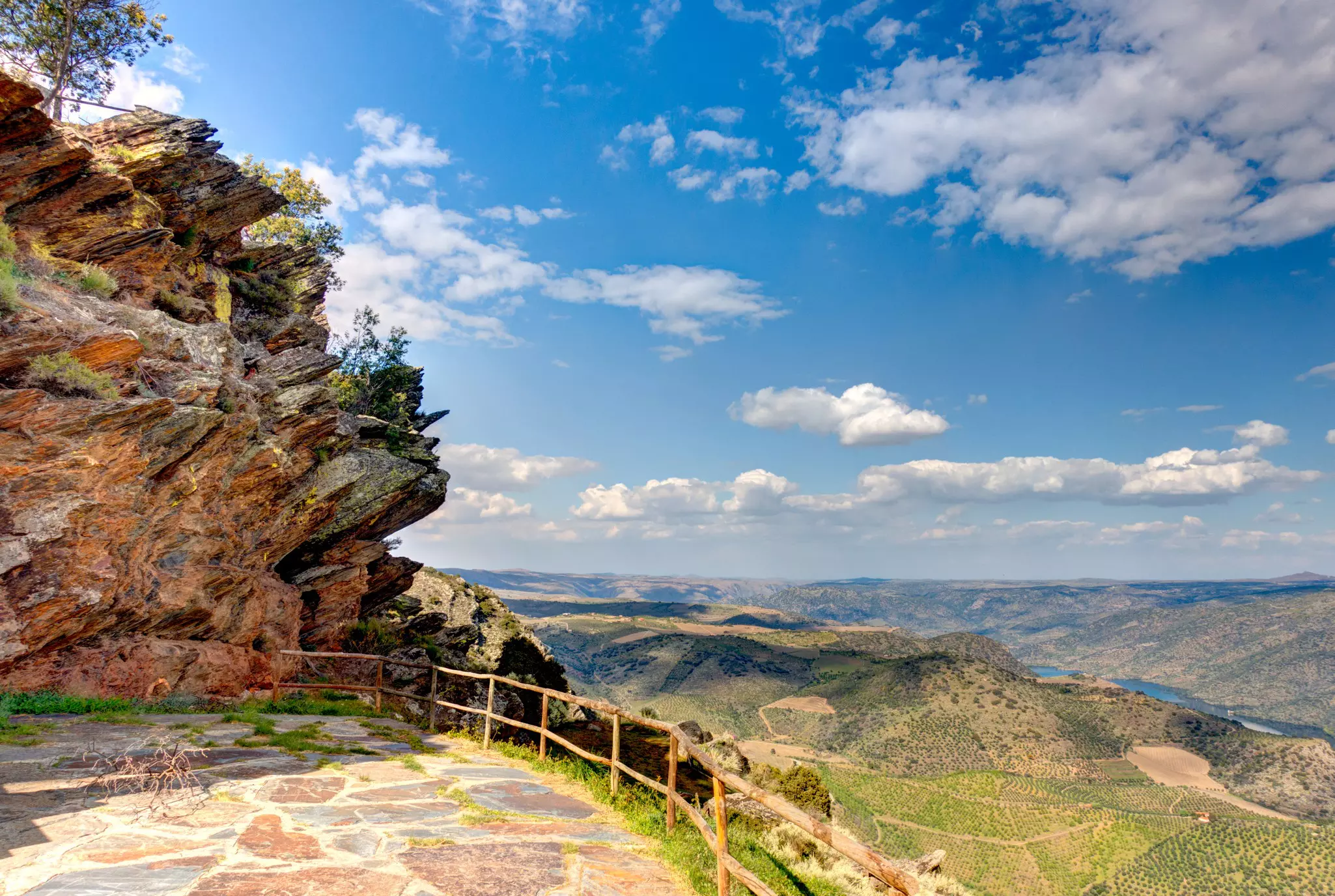
If you think the Douro Valley is all about wine, port and award-winning restaurants, its eastern stretch will surprise you. Gone are the terraced vineyards, replaced by craggy river cliffs, oaks, almond blossoms in late winter and birds of prey. Nature still narrates the Parque Natural do Douro Internacional’s story, and phone signals and human sightings are sporadic outside of the isolated settlements. Among its most intriguing of these is Miranda do Douro, which is an excellent base for birding and boat tours operated by the International Biological Station, and is one of the few places you’ll hear Mirandês, Portugal’s second official language.
Visiting Parque Natural do Douro Internacional: Miranda do Douro is reachable by Rede Expresso buses from Porto, though the rest of the park requires a car. Prebook any boat tours to ensure a scheduled departure.
Best for prehistoric art
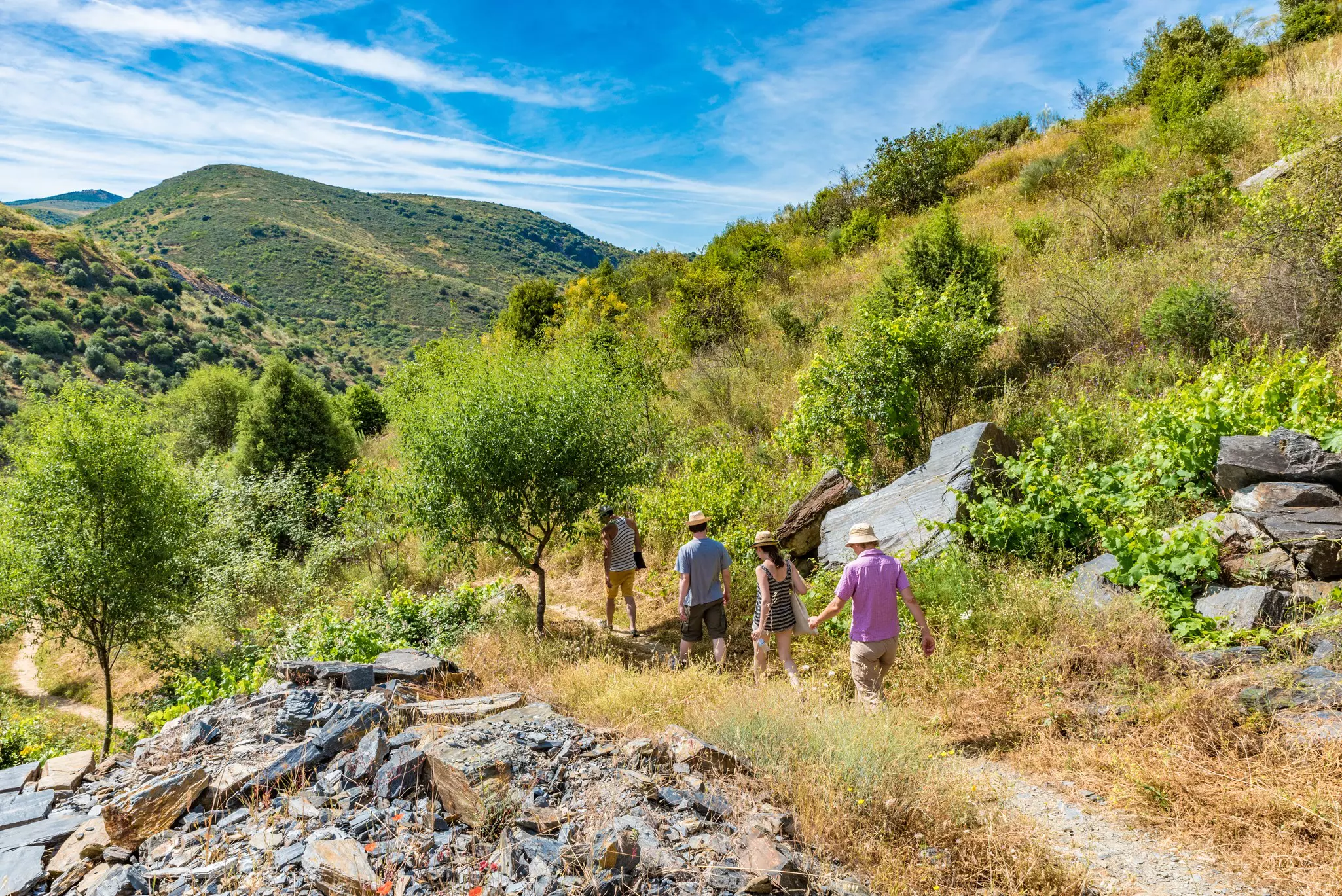
Downstream from the Douro Internacional, at the confluence of the Côa and Douro Rivers, the Parque Arqueológico do Vale do Côa is another level of open-air art gallery. Easily combined with a Douro Valley road trip, you won’t need longer than a half-day to see Côa’s star attraction, the Upper Paleolithic rock art on the valley’s walls. Begin at the interactive museum before a prebooked 4WD tour trundles you through the forested countryside toward one of the access-restricted archaeological sites where 20,000-year-old engravings of animals are etched into the craggy banks. If you’ve time to linger, join an excursion with Rewilding Portugal, which is doing incredible work supporting the return of vultures and Iberian wolves to the valley.
Visiting Parque Arqueológico do Vale do Côa: Guided tours to the protected art areas (from €18) must be booked in advance.
Best for island-hopping
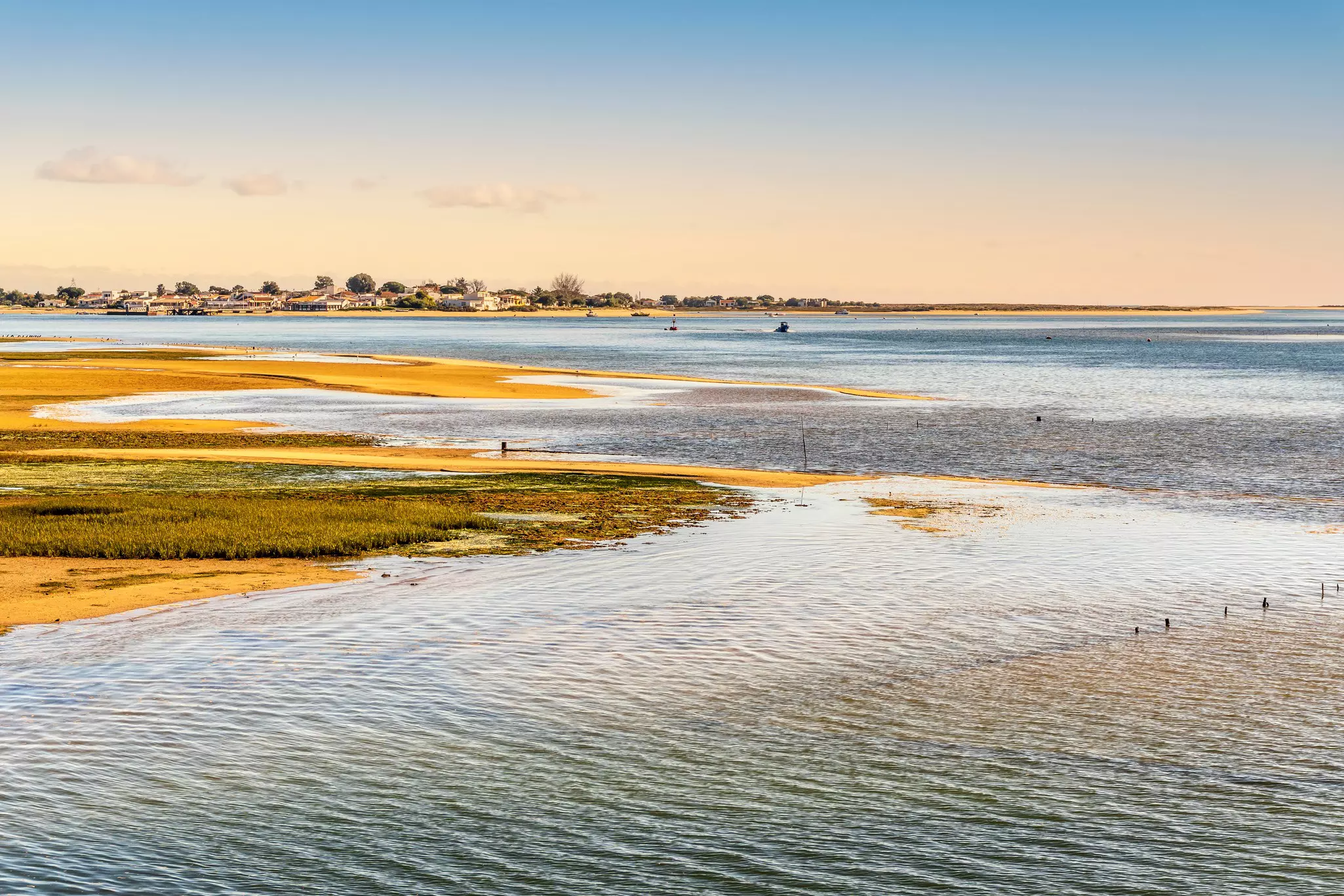
Stretching 60km across the Algarve’s south coast, the Ria Formosa is Faro’s ocean-shaped front room. Fetching and fascinating, this string of birdlife-sheltering wetlands, flamingo-harboring salt pans and sandbarlike islands where chameleons scuttle past more than earns its translated title as the “Beautiful Estuary.” For an on-land fauna and flora introduction, head to the Roman-founded estate of Quinta de Marim. Then get out on the water.
Birders should embark on a near-silent, solar-powered excursion to spot curlews, spoonbills and purple swamphens – the park’s symbol – in the wetlands. Paddleboarding or kayaking the calmer lagoon is a treat. And if you’re simply after sun and sand, some of the Algarve’s best beaches are on the islands of Tavira, Armona and Deserta. Seafood? Of course. Ilha da Culatra is the place for fresh-as-can-be oysters (Artur’s Watersports will take you on a shucking tour to meet some farmers), or order a plate of conquilhas (small clams) at sunset, shortly after spotting licensed fishers pluck them from the sand by hand.
Visiting Parque Natural da Ria Formosa: Affordable ferries from Olhão provide easy access to the central islands of Armona and Culatra (including Farol). Animaris offers a more costly island-hopping pass. Stay overnight at Armona’s bungalows, Ilha de Tavira’s campsite or on a solar-powered houseboat. Ria Formosa Boat Tours operates a wheelchair-accessible boat with a water hoist.
Best for seabirds and dolphins
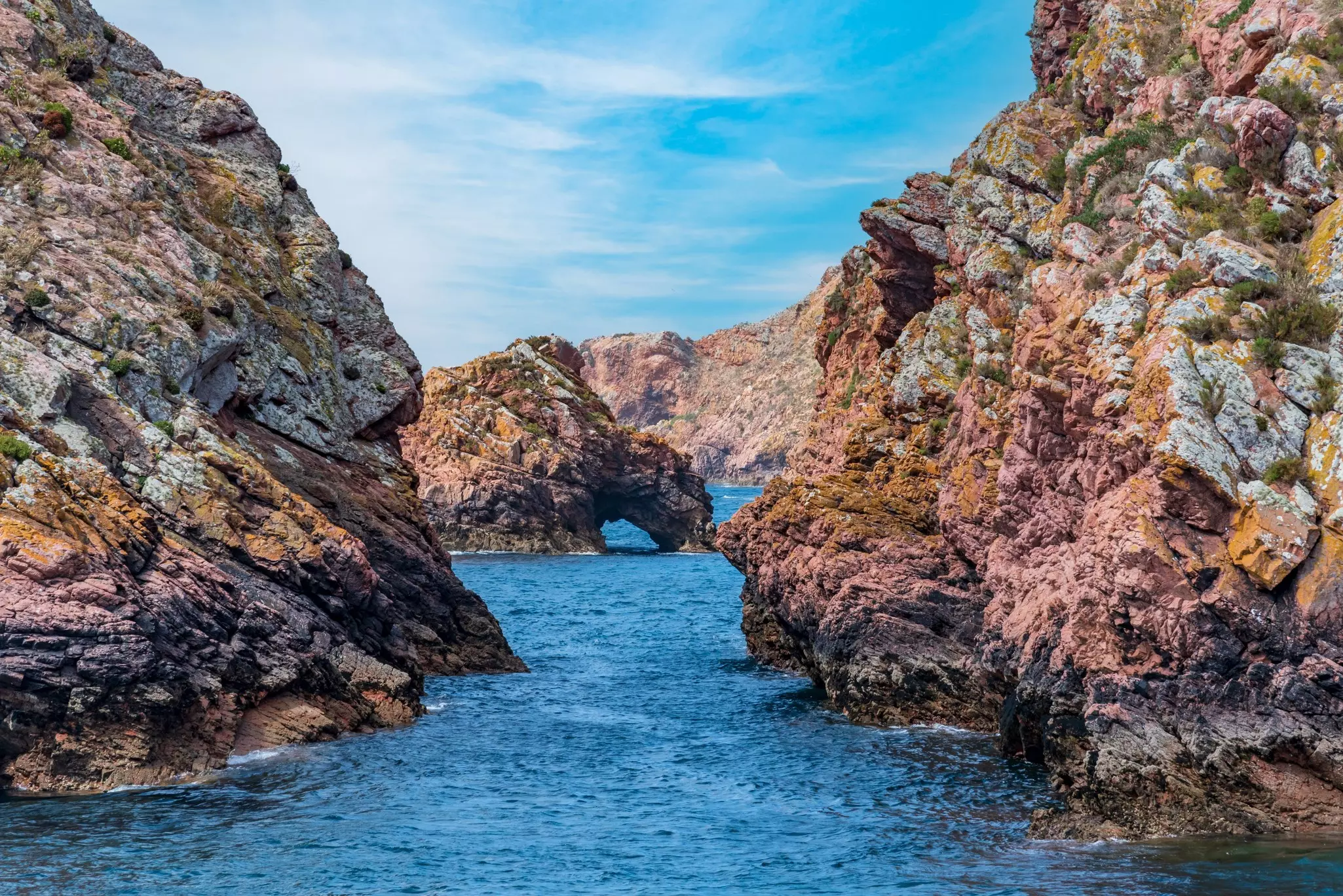
Thirty minutes by boat from Peniche, the trio of windy granite Berlengas Islands are mostly left to the elements. Barring the researchers, fishers and scuba divers, only 550 daily visitors are allowed access to the largest isle, Berlenga Grande, between March and October, leaving the reserve’s endemic wall lizards, chattering seagulls and swooping peregrine falcons otherwise undisturbed.
For most, a visit lasts 4–8 hours, which is plenty of time to walk the shade-free trail and take a dip in the shallows of pint-sized Carreiro do Mosteiro Cove. On an island-circling boat trip, you'll (hopefully) spot dolphins and peek into caves. Yet for all of the island's untouched allure, it’s the 16th-century Forte de São João Baptista that commands the most attention – a military relic jutting into the ocean, with simple, summer-only dorms.
Visiting Reserva Natural das Berlengas: Because of the park's capped numbers, reserving boat trips and purchasing the Berlengas Pass (€3) before arrival is essential. Book fort stays by emailing the Associação Amigos da Berlenga. Bring a picnic and carry trash back – there are no shops or ATMs.
Best near Lisbon
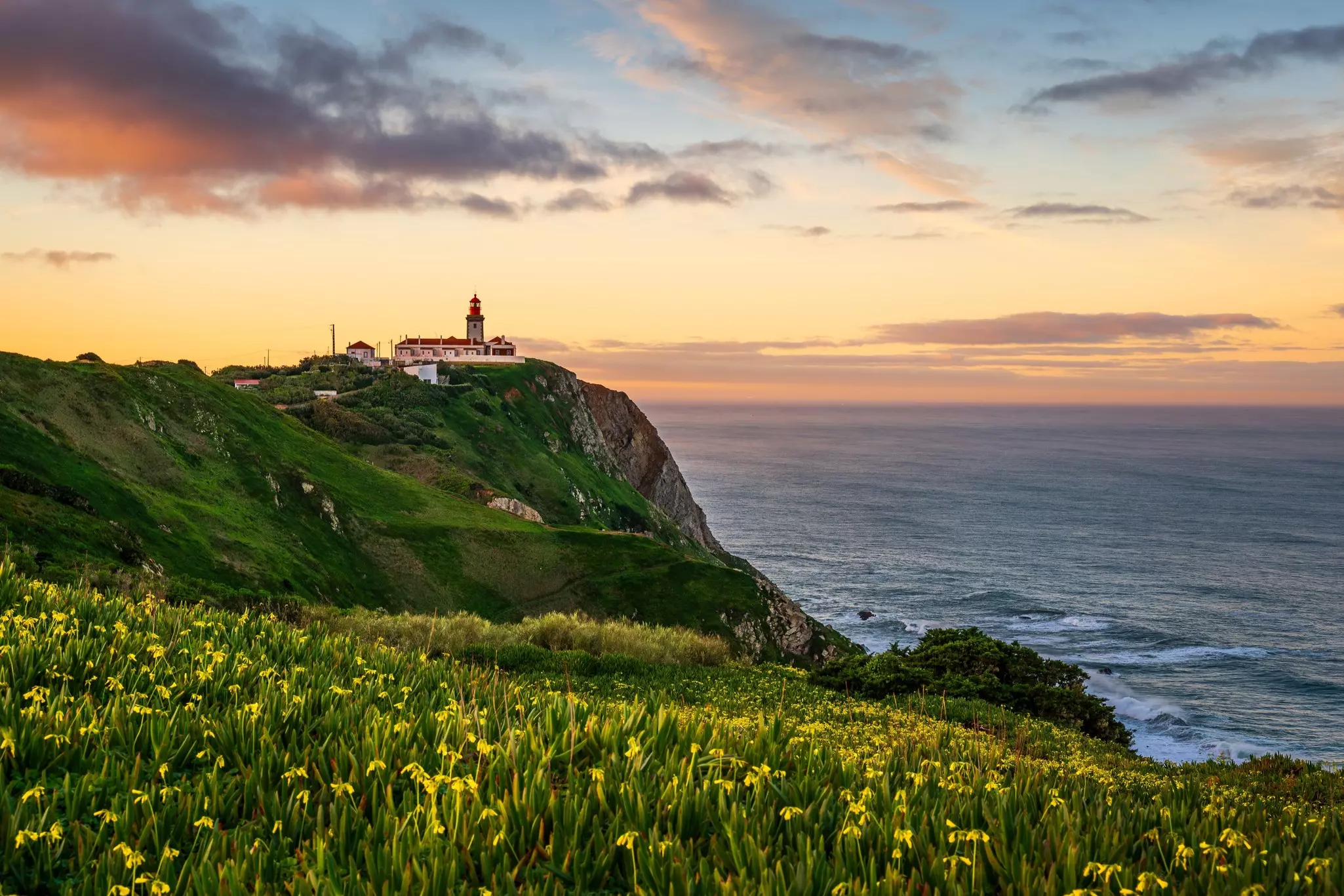
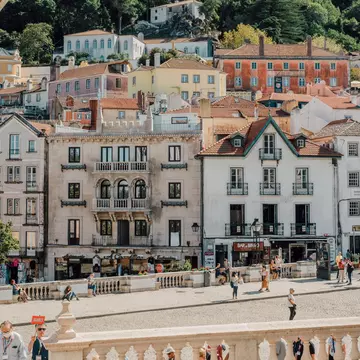
Storybook Sintra and chic Cascais are famed for their whimsical palaces and cosmopolitan coastal resorts. But beyond the crowded quintas (estates), castles and palaces, the Parque Natural de Sintra-Cascais provides a delightful dollop of nature on Lisbon’s doorstep.
Up and around Sintra, forested trails and landscaped garden walks hem the palace. Work your way down the slopes to the coast and you’ll be treated to a wave-crashing symphony. Hike north of Cabo da Roca – continental Europe's westernmost point – to reach hard-to-access beaches where vines rise from the sands in Colares, or beeline south to kitesurfing favorite Praia do Guincho. Or just soak up the sunset at whitewashed Azenhas do Mar, one of Portugal’s prettiest villages.
Visiting Parque Natural de Sintra-Cascais: Most visits to the park are day trips from Sintra, Cascais or Lisbon, though there are rural and coastal stays around Azenhas do Mar. Carris Buses reach Cabo da Roca.
Best for families and dinosaur footprints
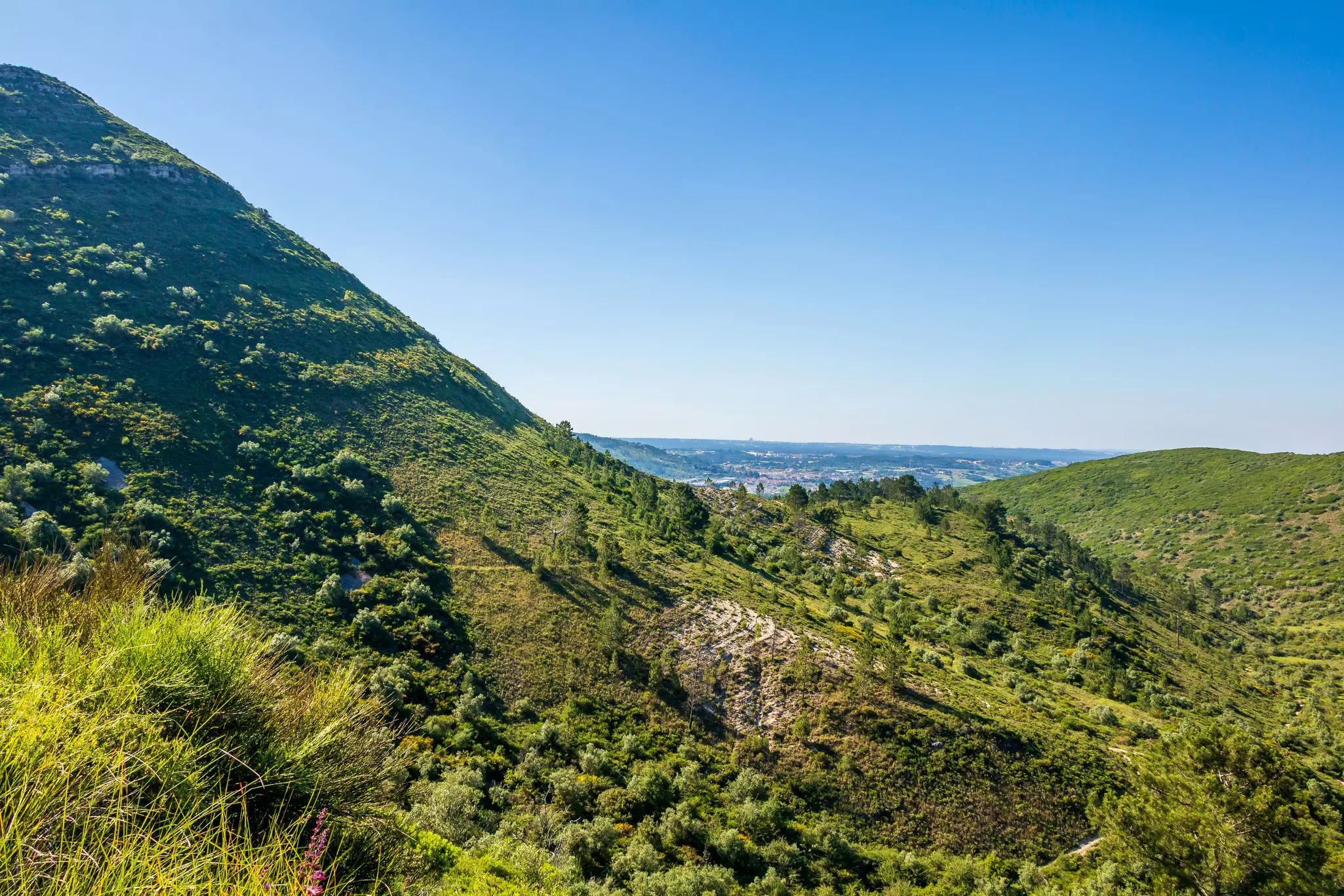
At first glance, the chalk massif of the Aire and Candeeiros seems a rather unremarkable, dehydrated terrain. Descend the 683 rock steps into the Grutas de Mira de Aire, Portugal’s biggest cave system, and it’s another story. Flowing below the porous surface, fast-paced streams and tumbling cascades are embellished with cinematic stalactites and stalagmites that point all over. Green and purple spotlights worthy of a nightclub make the whole thing even madder.
Back in daylight, take the scenic mountain drive to the Monumento Natural das Pegadas dos Dinossáurios. Digging was abandoned at this former quarry when dinosaur footprints were discovered, and kids will love spotting some of the world’s largest and longest sauropod tracks on the boardwalk path.
Visiting Parque Natural das Serras de Aire e Candeeiros: The relatively compact park can be visited on a day trip or a detour between Lisbon and Porto. One-hour cave tours (in Portuguese, download the English audio guide before descending) operate roughly hourly; buy tickets on arrival.
Best for birding
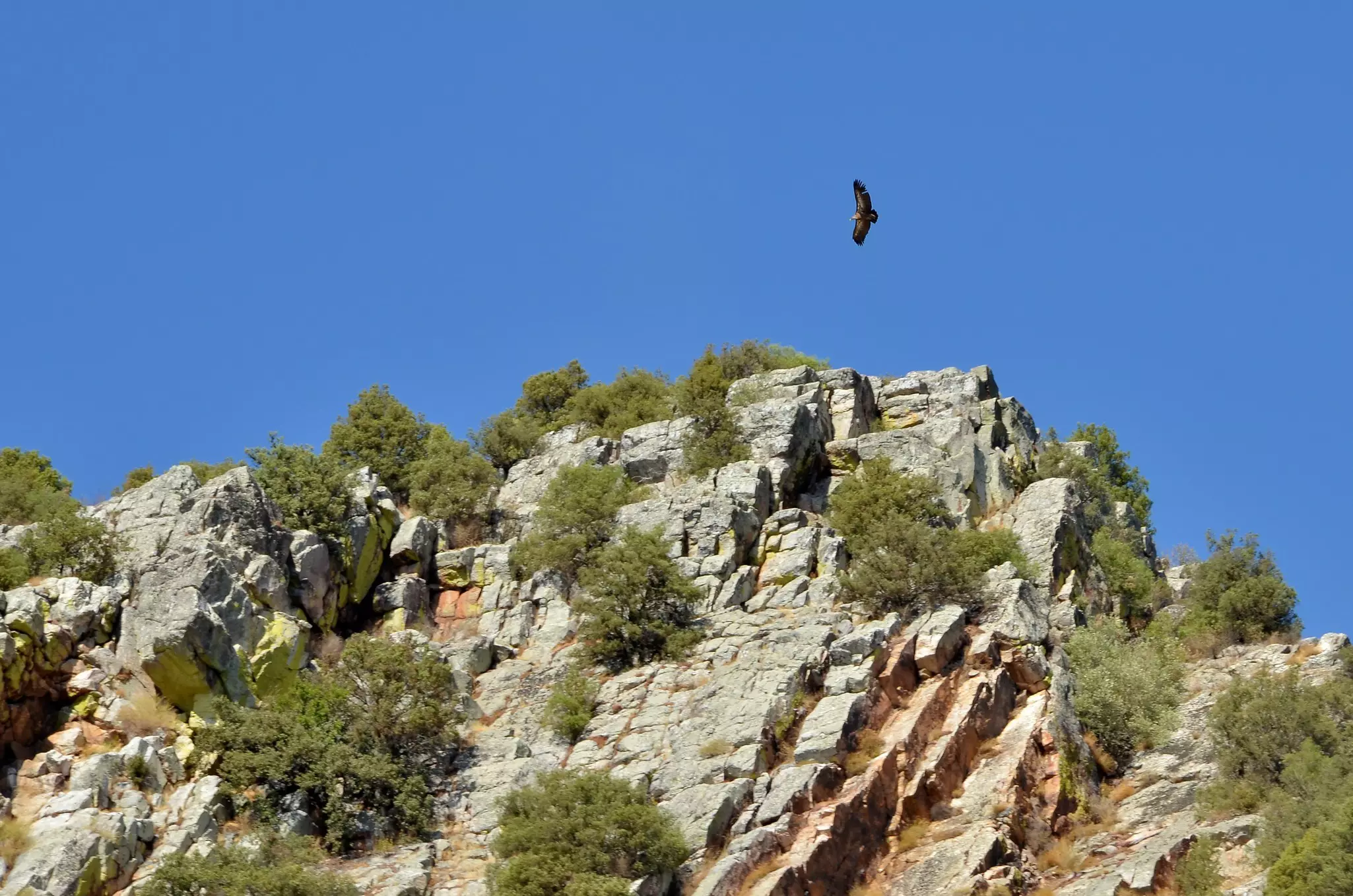
If you’re looking for the antithesis of Lisbon’s ever-growing crowds, this is it. At the frontier-facing end of the Tejo, the Iberian Peninsula's longest river, the Parque Natural do Tejo Internacional remains one of Portugal's and Spain’s wildest spaces. Out here, far from human life, Egyptian vultures, Bonelli's eagle and another 150-odd bird species swoop above the river's rugged banks. The 11.5km Rota dos Abutres (Vulture Route) provides an observatory-included walking preface.
Visiting Parque Natural do Tejo Internacional: If driving, the village of Salvaterra do Extremo is a good hiking starting point. However, you’ll want a guided off-road tour or canoe trip for a deeper dive – arrangements can be made at Castelo Branco’s Centro Interpretação Ambienta. Collect maps or download GPS files in advance; internet connections are limited.
The conservation hunting season runs from August through February in some parks; wear bright clothing and avoid the red-and-white sign marked zona de caça.
Wildfires are a serious summer concern; before setting out, check IPMA for risk levels and Fogos for current fire alerts.
Wild camping is prohibited across Portugal.
Book your Portugal trip with Lonely Planet Journeys
See Portugal how it's meant to be seen
Planned by local experts and tailored to you, Lonely Planet Journeys handles the logistics so you can just enjoy the trip. Tell us what you want and we'll build your Portugal itinerary from scratch, or browse our bookable trips to get inspired.


Explore related stories