Aug 19, 20268 min read
11 Best Places to Visit in PortugalAug 2, 2026
15 MIN READ
Writer
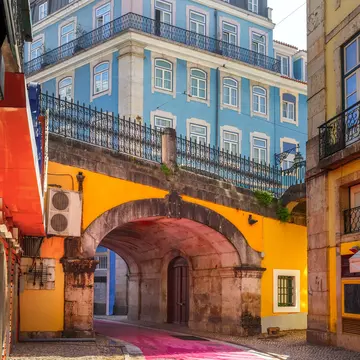
The famous pedestrian Pink Street of Rua Nova do Carvalho in Lisbon, Portugal. kavalenkava/Shutterstock

Writer
Highlights
Writer Daniel James Clarke maps Portugal's LGBTQ+ scene from Lisbon bars to Azores pride.
For Lisbon drag and dancing, head to Finalmente Club, Trumps and weekend-only POSH Club.
Porto's Bar of Soap blends drag with craft beer; Move Club draws international DJs.
Aconchego House is a trans-led hub; join Queer Lisbon Tours for the city's queer history.
Lonely Planet may earn a commission from affiliate links on our site. All recommendations and reviews reflect our own independent opinions.
When NYC’s 1969 Stonewall uprising began, most Portuguese people were none the wiser. Portugal was nearly four decades into the repressive, news-censoring and authoritarian Estado Novo regime. It wasn’t until 1997 that Portugal’s first official LGBTQ+ event, Arraial Lisboa Pride, took over bohemian Jardim do Príncipe Real. The inaugural Marcha do Orgulho (Pride March), followed in 2000 – the same year that, a few countries over, the Netherlands was already signing the world’s first same-sex marriage bill.
Since the regime's collapse in 1974, Portugal's LGBTQ+ community has fought, resisted and pushed for change with gusto. Club Scarllaty, Lisbon’s first drag venue, brought queer life out of the shadows in 1975; the country’s first Lesbian bar, O Gato Verde, hot on its heels. Same-sex marriage was legalized in 2010; gender self-identification laws were introduced eight years later, and in 2023, Marina Machete, Miss Universe Portugal’s first openly trans contestant, was crowned.
Portugal is now considered one of the most LGBTQ-friendly destinations in the world. However, recent political shifts have created outrage and worry. Laws banning pride flags from public buildings (thankfully vetoed by the president) and proposals to repeal gender self-identifying rights are two reasons for alarm. The country dropped to 12th in the 2026 ILGA-Europe Rainbow Map – its previous peak was fourth place.
Still, Portugal – especially the scene-focused capital, Lisbon – remains a largely welcoming and safe LGBTQ+ destination. Even in rural areas, indifference or tolerance is the norm, if not always open acceptance. Here's what you need to know about being LGBTQ+ in Portugal.
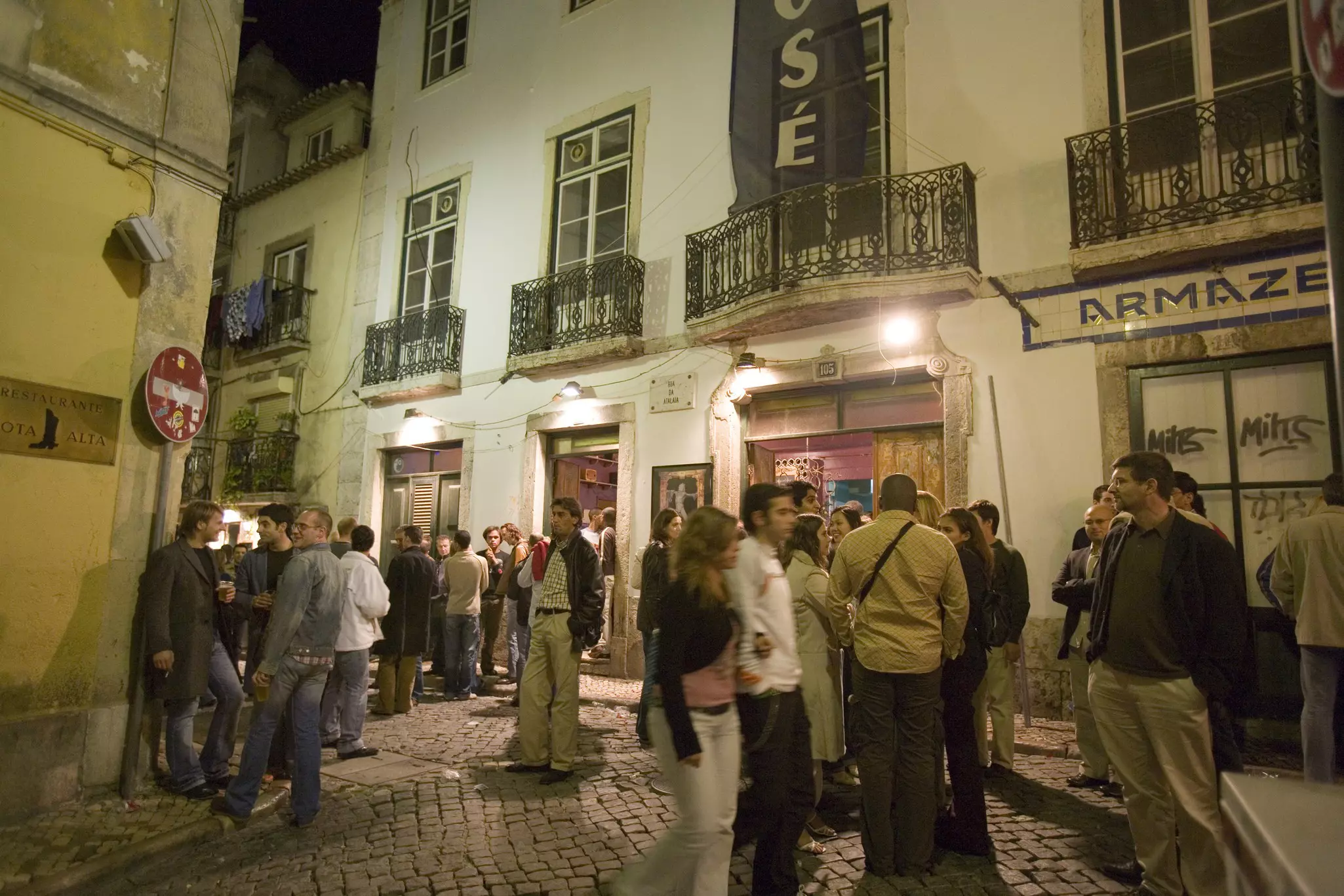
Lisbon’s LGBTQ+ and queer-friendly nightlife is mostly found in the adjacent Barrio Alto and Príncipe Real neighborhoods – the latter where Portugal’s first pivotal venues, iconic Scarllaty and Gato Verde, opened. While both are sadly now closed, the 1976 drag-and-cabaret venue Finalmente Club still stands proud, beloved for its kitsch Café Concerto variety shows (reservations recommended), and late-night disco and drag performances. Grab pre-drinks at intimate, disco-ball-twinkling Bar 106 or TR3S, an unfussy bear bar with some much-appreciated outdoor seating; spot the mural of António Variações, Portugal’s first major (out) queer pop-fado icon in the early 1980s.
Long-standing, late-night LGBTQ+ club Trumps is another scene staple. It’s here that I – and undoubtedly many others – had my first wonderful introduction to the city’s queer scene. Squeezing onto the two dancefloors to sing and dance along with the talented queens is an excellent end to any night (doors open just before midnight). High-energy, weekend-only POSH Club is equally a blast for its slick production and serious DJs playing funk, techno and house, and dancetastic monthly nights by Quee(r)n Moustache and Rainbow Party Lisbon are worth checking out.
Barrio Alto’s tight cluster of thronging, cobbled streets, though, is where many nights (for queer and straight travelers) commence. However, it’s sadly lost much of its local vibe these days, and the overspilling bars and street-party-like atmosphere do mean the LGBTQ+ or queer-friendly venues can become a bit blurred, as stag parties and large groups bar-hop.
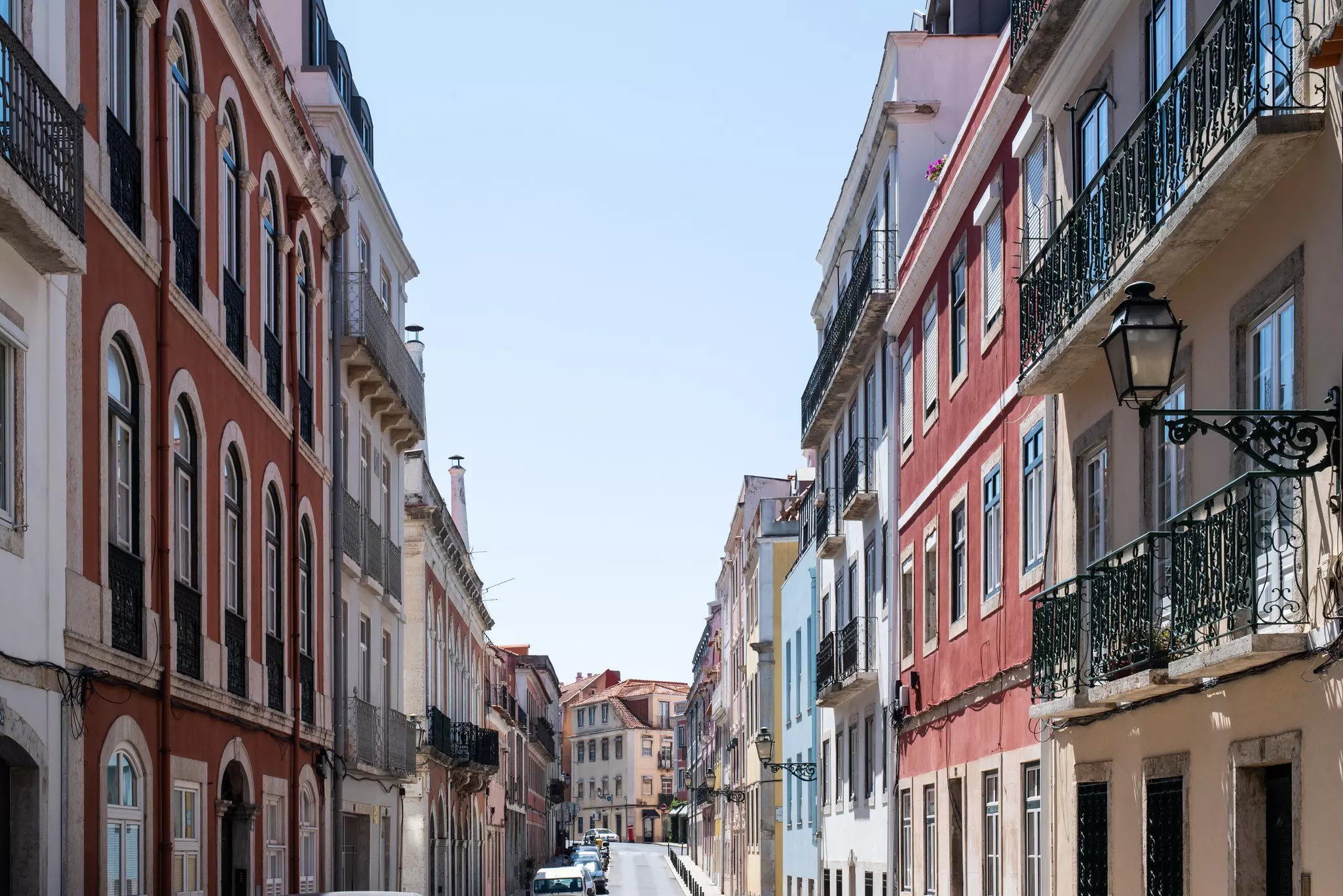
Slightly away from the chaos is uber-friendly Maria Caxuxa, a semi-vintage spot perfect for an early rendezvous or some chilled drinks when the DJs get going around 10pm. Nearby, woman-owned Purex usually feels more diverse and WLW-welcoming, and around the corner is the neon-hued, bear bar Shelter. In the more packed streets, a succession of LGBTQ+ venues will bar-hop you into Príncipe Real: cozy corner Side Bar and its numerous disco balls; Construction, linked to the club of the same name; Bar da Vera, where 80-odd shot combinations and bargain caipirinhas draw a young crowd, and seven-nights-a-week Friends.
Across town, queer-bar Drama in Graça is a personal favorite. The warmly lit, relaxed bar serves first-class espresso martinis, and the monthly schedule (film screenings, drag, bingo and comedy) is top-notch. If you’re staying in Almada, Margem Sul and Emoções Bar often have drag performances, while the ever-evolving Marvila district is where you’ll find many of Portugal’s most inclusive or counterculture events.
“There’s a big underground scene for queer and trans people, compared to cis gay, lesbian and bi people,” says Sere Soares, in-house therapist at Aconchego House, a trans-led community space. Their suggested venues for particularly trans-friendly events include Outra Cena and Those Who Dance, two cultural centers in Marvila, and Casa Capitão, in Beato. “Casa do Comum [an artistic community hub in Bairro Alto] is a more cultural, less clubby space.”
Lastly, a shout-out to the one and only Eubrite. I don’t consider a Lisboa night complete until I’ve spotted this absolute queen on roller skates, blaring Britney Spears, and pulling wild moves!
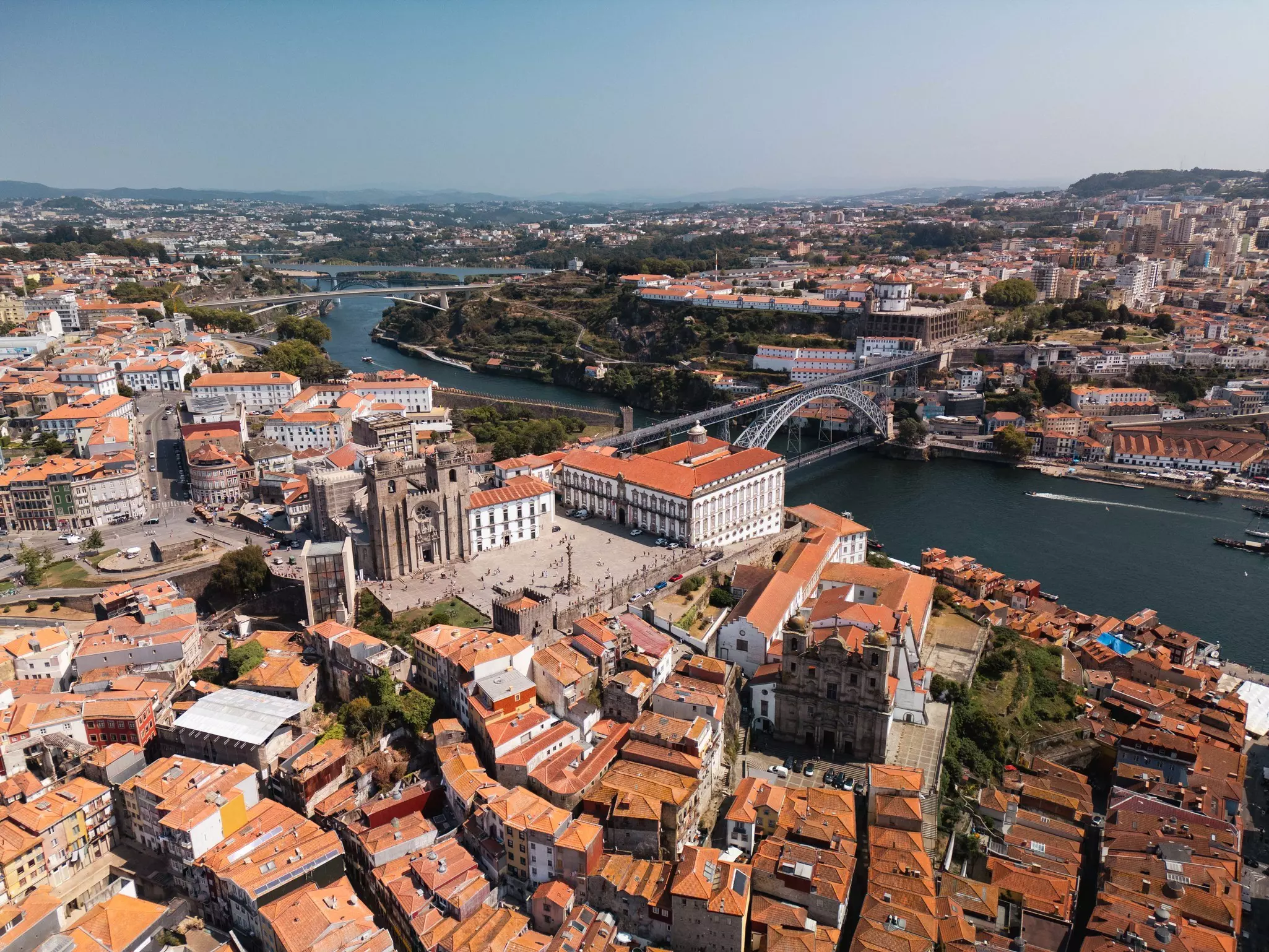
Most of Porto’s LGBTQ-friendly bars and clubs are in the Baixa and Cedofeita neighborhoods. A standout is queer, youthful Bar of Soap. Come for a community knitting session, to sink into a leather sofa with a book after a hard day of sightseeing, grab a craft beer and play board games on the balcony, or catch a camp-and-crowded drag show.
For more first-class drag with a classic vibe, gay-friendly Café Lusitano feels like stepping into the 60s. Dark wood paneling, delicate chandeliers, and ceiling frescoes all add to the ambiance. Another deserving of its drag show dues is Invictus. With its scaled-back stage decor, semi-covered outdoor space, and more old-school community vibe, it feels like the kind of time-capsule LGBTQ+ bar that is, sadly and slowly, disappearing.
Dancing? Fabrik Bar is an entertaining mix of pop and reggaeton. It’s a gay-friendly and frequented venue, though its location on the nightlife-heavy Galerias de Paris means some nights it can feel, and fill, with a more straight crowd. Still, Porto’s finest spot for late-night dancing is arguably the periodically scheduled queer club.
Move Club, previously the Porto outpost of Lisbon’s POSH club, presents outstanding international DJs and acts. Pérola Negra is another iconic, inclusive weekend-only venue. Reborn from a former cabaret club, it retains the cinema-style sign out front and the stages and poles inside, adding a splash of heritage glamour. Very glam! The high-energy parties by queer electronic music collective Fylhas do Dragão are unforgettable, ranging from baile funk and guaracha to pool parties and drag.
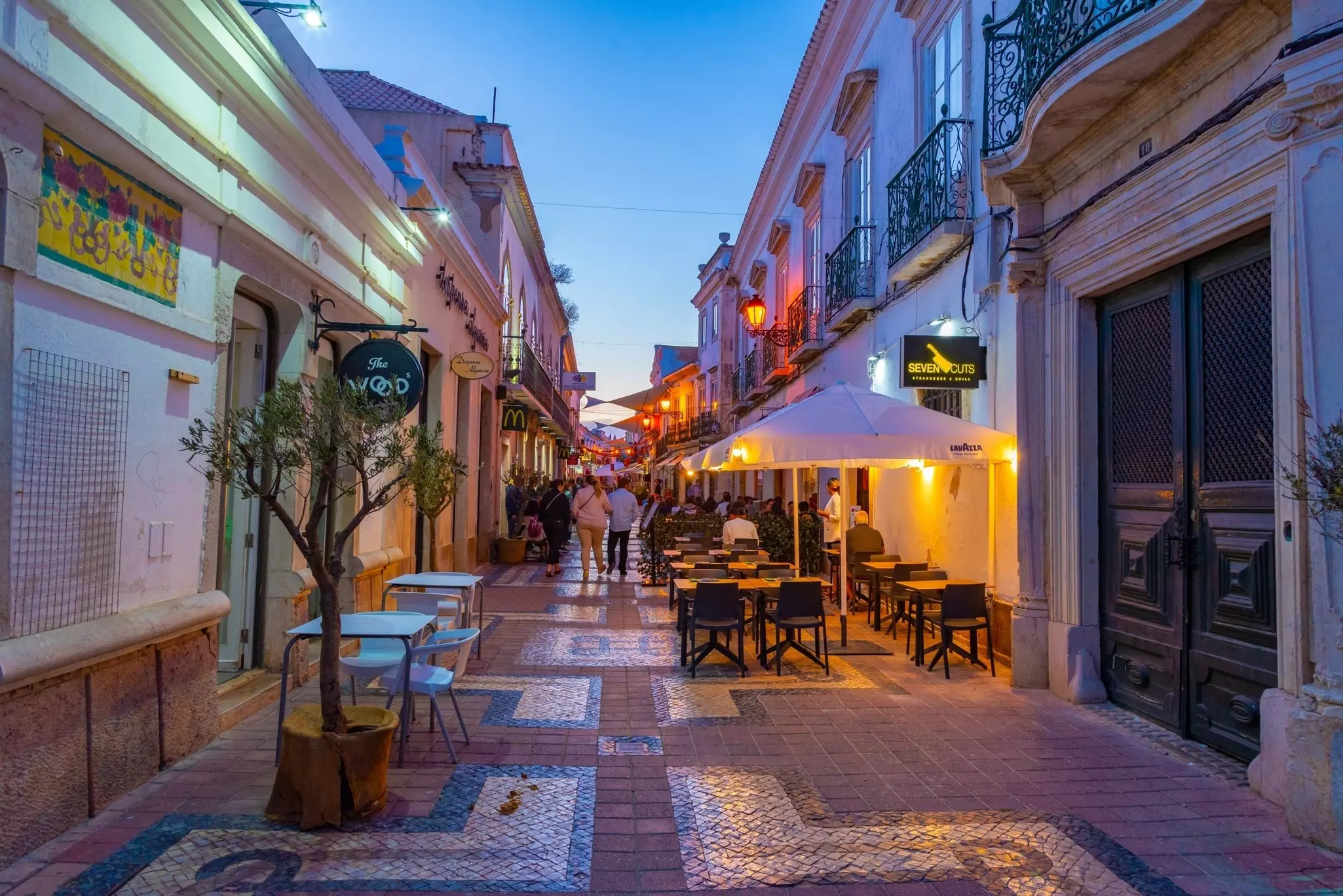
Given the Algarve's tourism popularity, LGBTQ+ venues are surprisingly scarce – just a trio of fab spots to mingle, dance and watch drag. In Faro, Prestige pumps with energy every Saturday. Talented drag queens kick off proceedings before DJs spin an infectious mix of afrobeats, house, techno and pop, bringing pure joy to the often sweaty dance floor. The terrace of nearby vinyl-playing Madalena is my pre-drink tip.
Connection in Albufeira has a more low-key vibe, with all the seating on the breezy, first-floor terrace (it overlooks the infamous strip, where things can get a little rowdy). You’ll easily become besties with the cocktail-mixing team, whether you’re sharing shots and chalking up your country on the blackboard, or sipping an alcohol-free beer. The LOFT! in Portimão is a funtastic late-night gay club – some themed nights are more male-focused. Disco balls, foam parties and a spacious dance floor (with AC, woohoo) make it the region’s late-night dancing go-to.
In student-heavy Coimbra, the neon-lit Pharmácia Club is incredibly welcoming, open and supportive of the entire LGBT+ community, including raising funds for Coimbra Pride. Queer artists and DJs are regular; nights range from rip-roaring drag shows and sapphic gatherings to funk-filled evenings and ecstatic eurotrance.
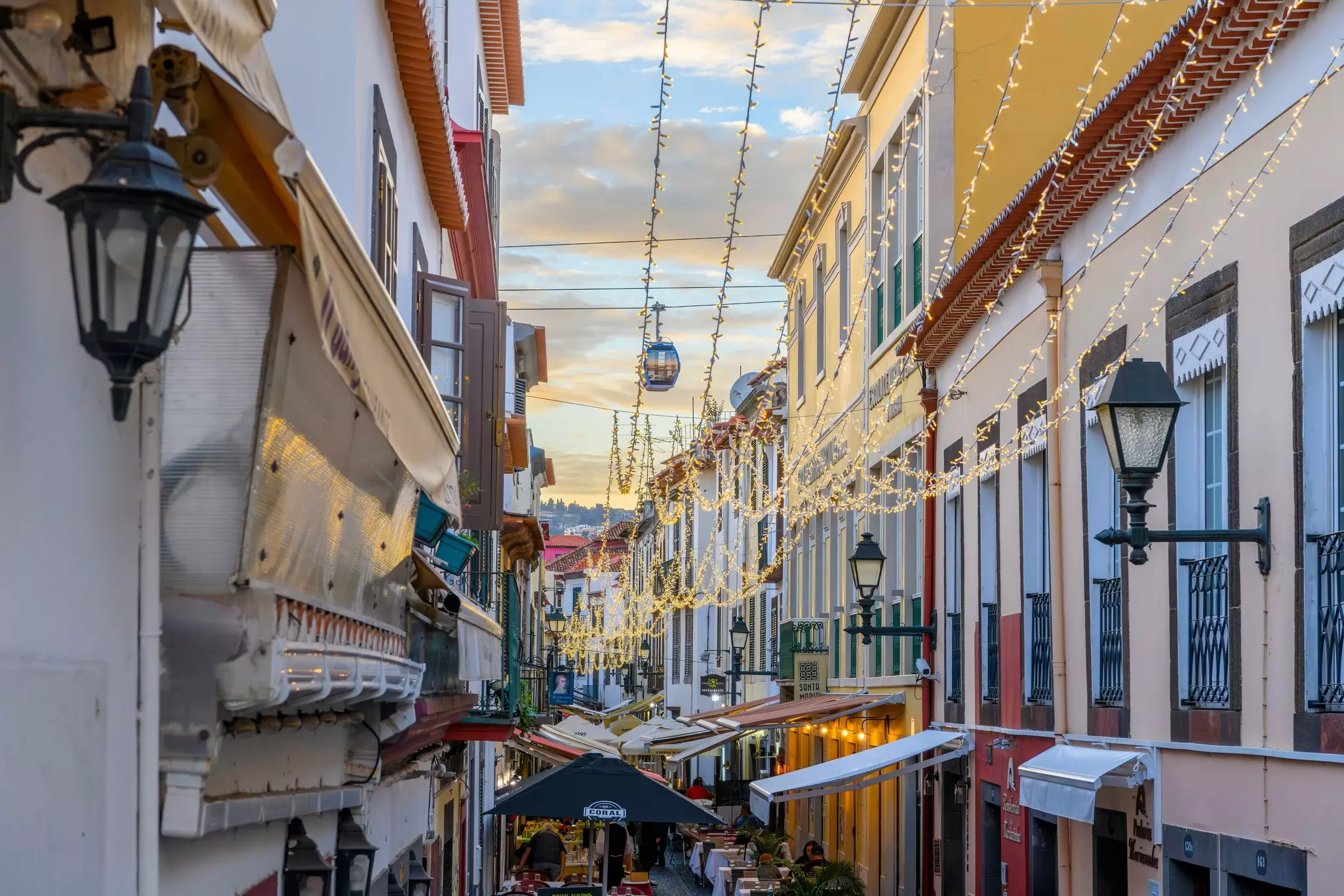
Portugal’s two autonomous archipelagos, Madeira and the Azores, aren’t (yet) home to many LGBTQ+ venues. Lust Vintage in Funchal’s historic center is the only dedicated queer bar. Intimate and often tightly packed for up-close, sing-along drag shows, the team makes the vintage-vibe space feel like a home away from home.
In the Azores, most safe space venues prefer to stay unpublicized and under the radar. “There’s still a bit of ‘don’t tell the rest of the world’ that exists today,” says Terry Costa, a multi-disciplinary artist who founded the first Azores Pride March in 2012.
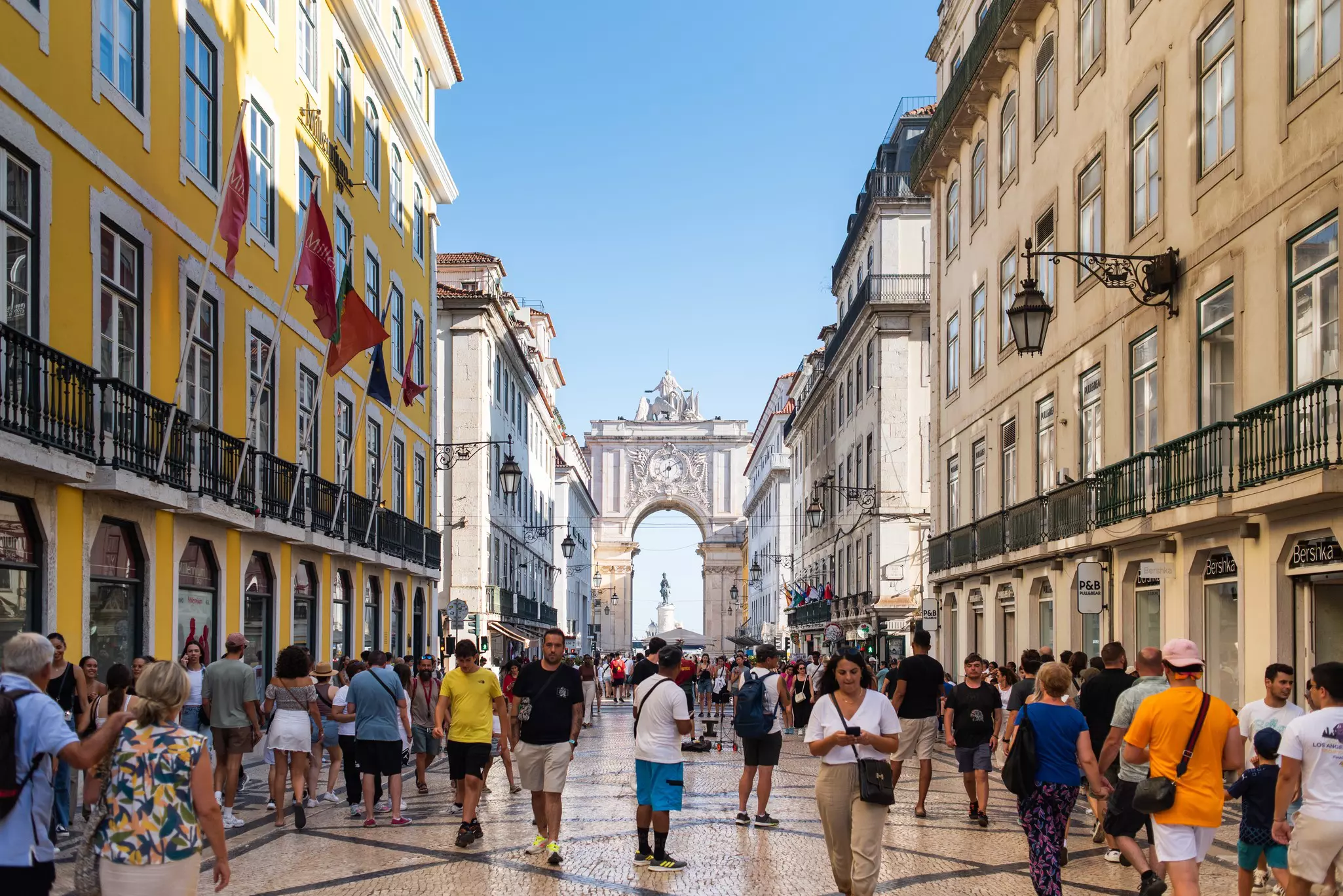
A superb spot is the Centro LGBTI (run by ILGA Portugal) in Baixa. Primarily serving and supporting the local community, it becomes a social hub at night (and on Saturday afternoons) for book clubs, workshops and events, some of which are run in English. Trans-led and trans-focused, Aconchego House has also established itself as a real community hub for Lisboetas and visitors since 2024.
“A lot of [Lisbon’s queer] venues were just bars and clubs, mostly geared towards cis men, and I really wanted to make a space for more marginalized communities,” says founder Tomás Drouin. Alongside providing therapy and support services for the local trans community and a cafe and co-working space, Aconchego hosts uber-welcoming weekly meet-ups, including queer karaoke, drag shows, community workshops, board game nights and sober events.
For local LGBTQ+ insight, join Queer Lisbon Tours. Founded by Leonor Machado and Paula, her Brazilian wife, the history tour covers the city’s pivotal queer history moments and characters, intersected with how the Estado Novo and Portugal’s colonial history impacted, and still affects, the queer community today. The social drinks and dining at the end are a fab, friend-making bonus. QLT’s team’s website also features a treasure trove of Lisbon’s queer businesses.
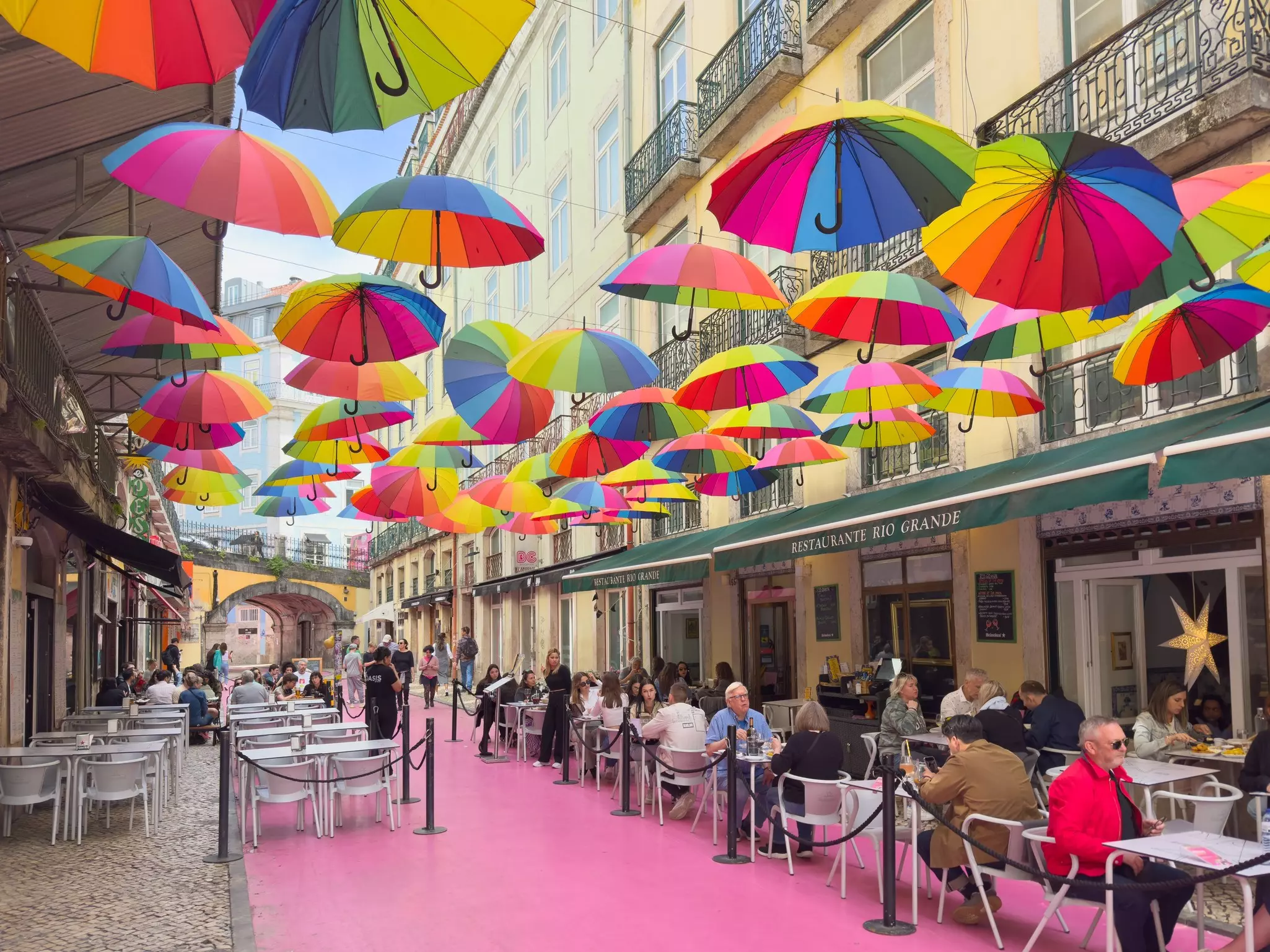
Some of Leonor’s favorite queer women- and non-binary-welcoming spaces include Damas, a stylish Graça restaurant with oh-so-good dishes from a scrawled-on-the-wall menu, and Magnolia Bistro & Wine Bar and Matuta, two cute queer-staffed cafes. “Bailinho Queer, which are queer dance lessons with a queer teacher, is a nice way to find different spaces in Lisbon,” she adds.
Bibliophile? Alongside Lisbon’s best-known bookstores, Greta Livraria’s mindfully curated shelves focus on titles by women and non-binary authors, and LGBTQ+ talks and debates are regular features. Check dates for the Lisbon Queer Book Club; Lisbon Queer Market, which brings together LGBTQ+ creatives selling chic fashion, ceramics, and a whole lot more; or snag tickets to see musical and activist duo Fado Bicha, who blend Portugal’s traditional fado with contemporary queer themes.
For sunbathing sans tan lines, head across the river to Costa da Caparica’s Beach 19 (Praia da Bela Vista). One of nine official clothing-optional beaches, it’s often dubbed the largest gay beach in Europe.
For a mellow afternoon juice or evening natural wine, make a beeline to soul-warming, "straight-friendly" Plumas & Flores’ flower-scented hidden backyard garden. There’s often something scheduled: queer get-togethers, DJs and new-friend-making monthly dinner clubs. Maus Hábitos, a hybrid cultural center, gallery and Italian restaurant, is always welcoming, with occasional LGBTQ+ events and exhibitions. Atop a multi-story car park, the tucked-away space is ideal for chilled afternoon terrace drinks and art viewing or a late-night, queer-friendly club night boogie.
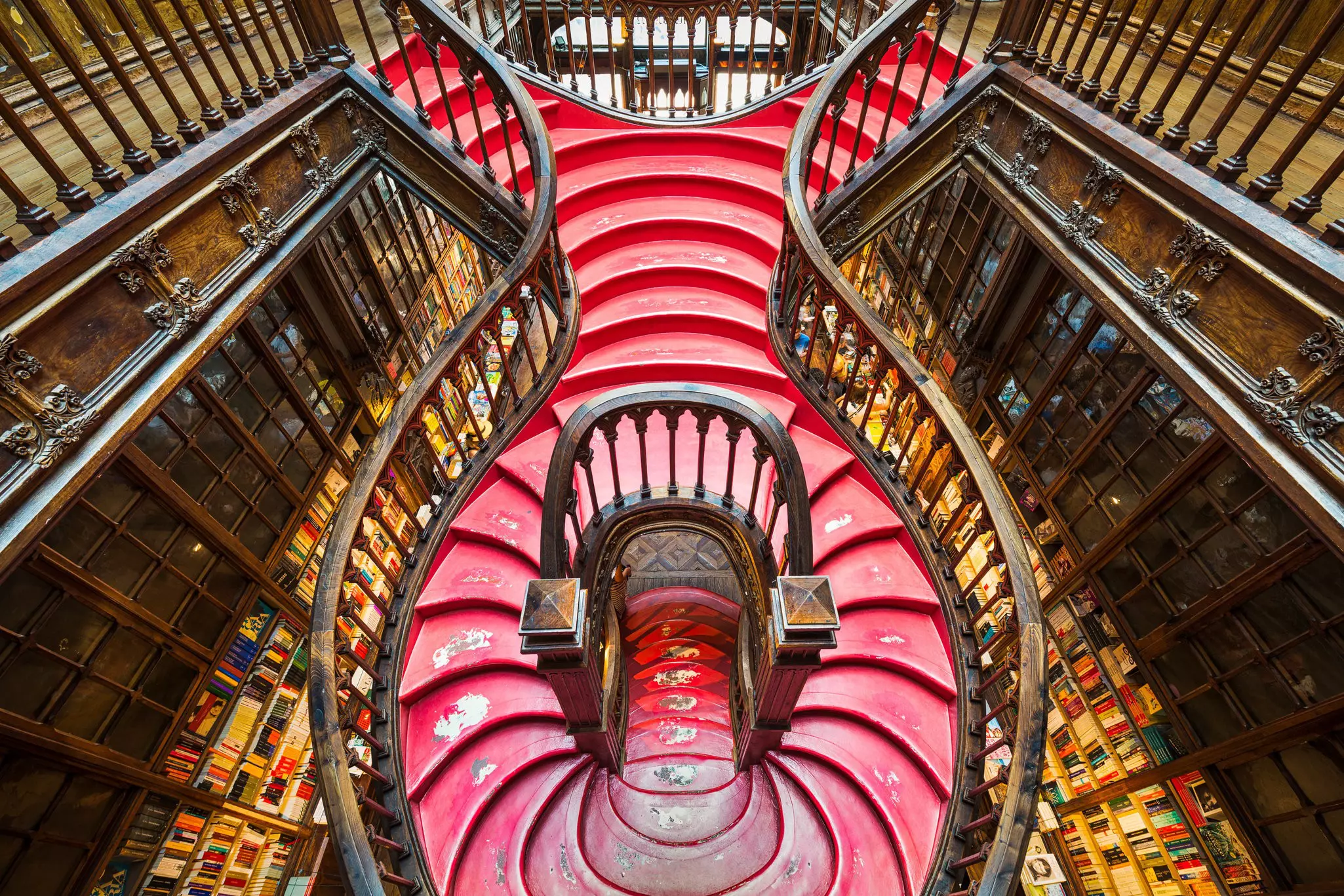
Alongside the famous Livraria Lello, queer bibliophiles should also check out Livraria Aberta’s curated intersectional collection of LGBTQIAPN+ author or character books.
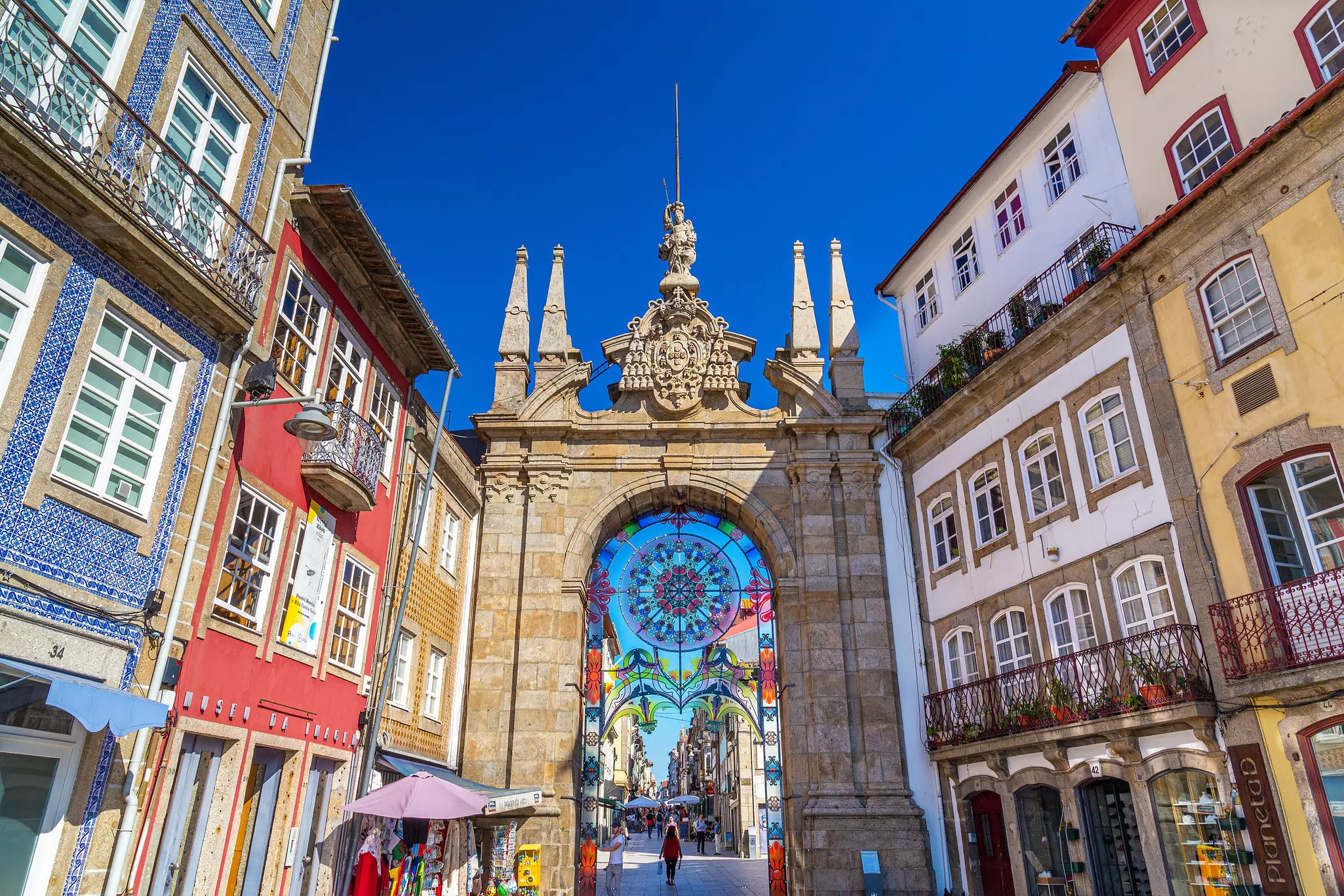
Werk Room in Faro is a fantastic LGBTQ+ community-supporting space that hosts regular events, games and cinema nights, and showcases local queer art in its gallery. Similarly, Coimbra’s PATH schedules queer game nights, performances and events, sometimes in collaboration with Atelier A Fábrica, a fab gallery and community arts space and live music venue.
In Braga, the specialty coffee shop Guria doubles as a cultural hub, hosting queer events and artistic workshops. Swing by for a chilled game of chess on the terrace, and the tempting smell of fresh-from-the-oven pão do queijo (cheese bread).
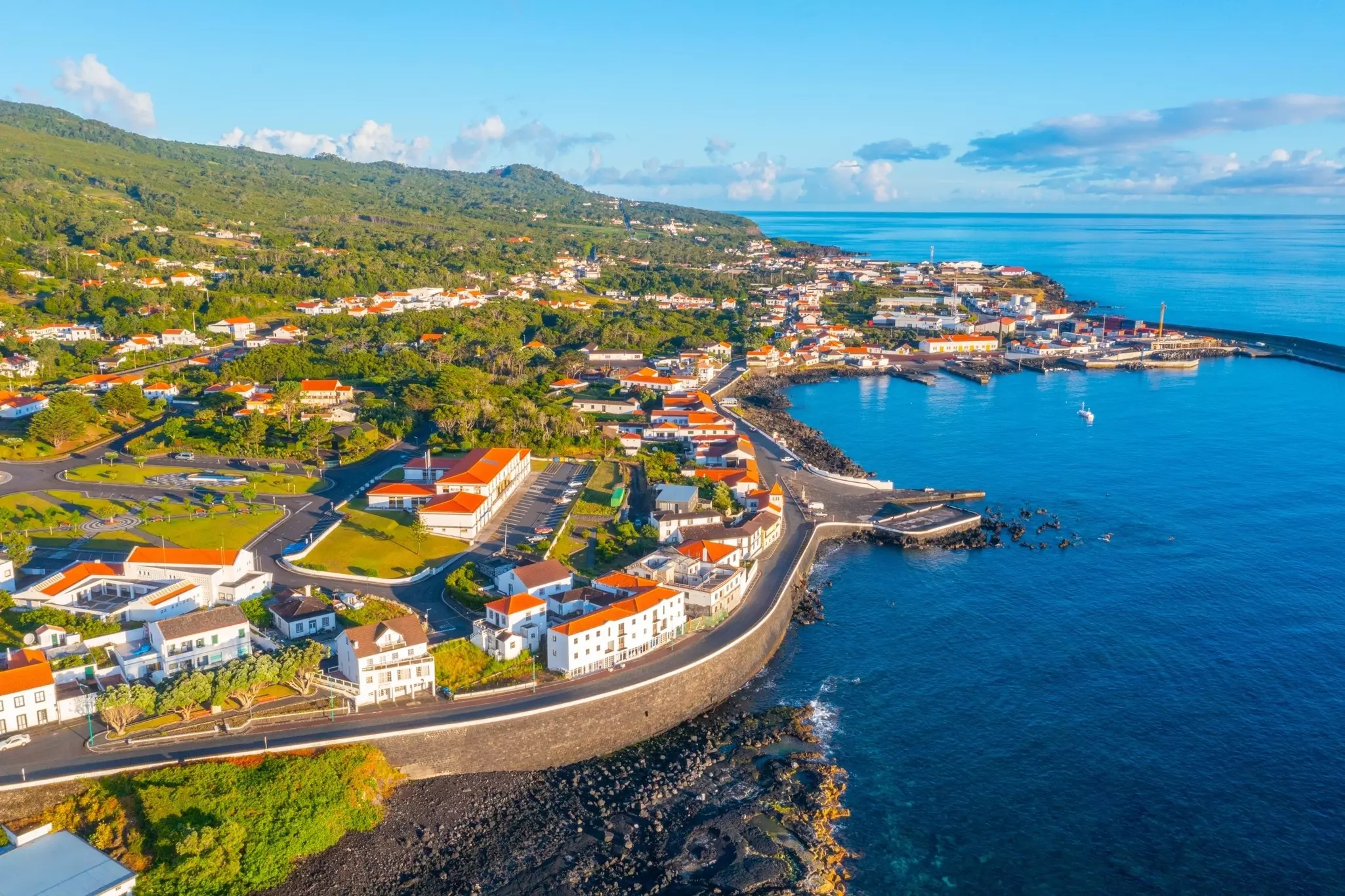
Portugal’s two archipelagos have limited LGBTQ+ spaces. In Madeira, Jacafé, an airy brunch cafe scented with freshly baked cakes and coffee grounds, occasionally hosts queer events with community groups such as Sáficas.
Of the Azores, Terry says: “Here on Pico island, we actually welcome a lot of LGBTQ+ travelers to the MiratecArts Gallery, because it’s an open space,” referring to the gallery he founded on the island, often spotlighting queer artists, including an art installation representing the trans and queer community.
Numerous hotels in Portugal advertise themselves as queer-friendly, and even in smaller rural guesthouses, I’ve never faced any animosity, though being asked to confirm double or twin is to be expected. Dedicated LGBTQ+ hotels are far fewer.
Late Birds Lisbon is a beautiful, homely hotel with a pool, just a short walk from nightlife. While primarily marketed towards gay men, any member of the LGBTQ+ community is welcome to stay or visit the lobby bar. Casa Risa in the Algarve, Lua Nua near the Alentejo-Algarve coastal border, and Villa 3 in Caparica (offering day passes and weekly drag pool parties) cater for gay and bisexual male-presenting guests.
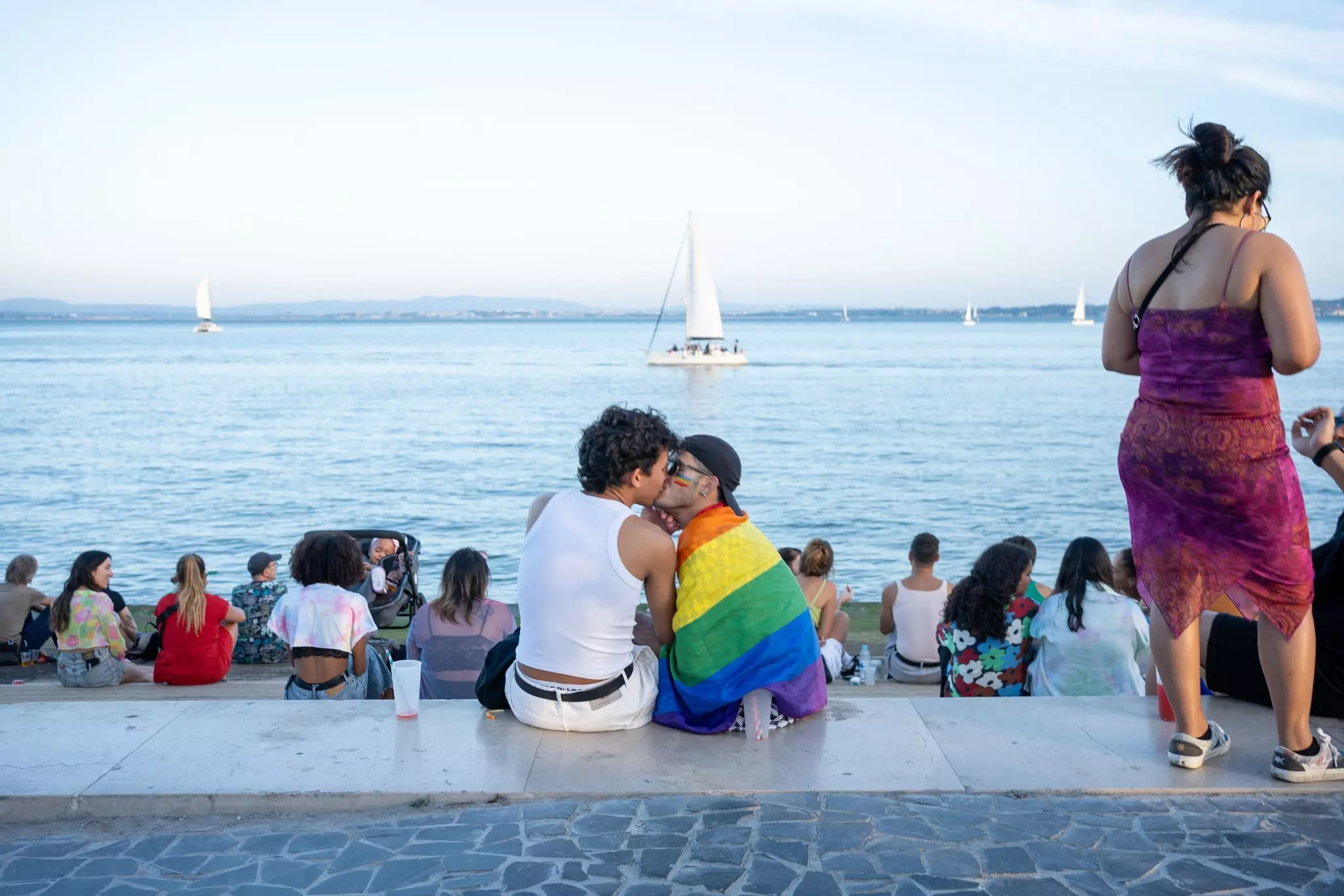
Lisbon hosts Portugal’s largest annual Pride march and party together in early June. Frustratingly, the 2026 Arraial Lisboa Pride in Praça do Comércio – the vast, river-facing square where the colorful celebration and protests have been held since outgrowing Príncipe Real – was postponed.
Undeterred, the Marcha do Orgulho, with a 50,000+ strong community, still marched from Praça do Marquês de Pombal and along the usual Avenida da Liberdade route under the theme "Nem Silêncio, Nem Medo: Existimos e Resistimos" (No Silence, No Fear: We Exist and We Resist).
Porto’s late June Marcha do Orgulho – established in 2006, following the horrific murder of Gisberta Salce Júnior, a Brazilian transgender woman who called the city home – remains incredibly impassioned. In mid-September, the city again turns every color of the rainbow for the fabulous three-day, open-air Porto Pride Festival, including an empowering summit, party and usually drag brunches or boat parties.
Azores Pride spans late June and early July. The main events are held in São Miguel, with others scheduled on islands, including Santa Maria and Terceira. Madeira’s Pride, in September, is fairly intimate.
Elsewhere, Algarve Pride returned to Faro in June 2026 following a hiatus – hopefully with enough financial and political support to return – and at least a dozen more cities, including Aveiro, Braga, Coimbra and Évora, held Pride events between May and September. Já Marchavas keeps an updated list of dates as and when confirmed for the year ahead.
The International Queer Film Festival in Lisbon (September) and Porto (November) – and regional events, including Queer Terceira – unite the LGBTQ+ community for subtitled rather than dubbed screenings in friendly venues and vintage cinemas.
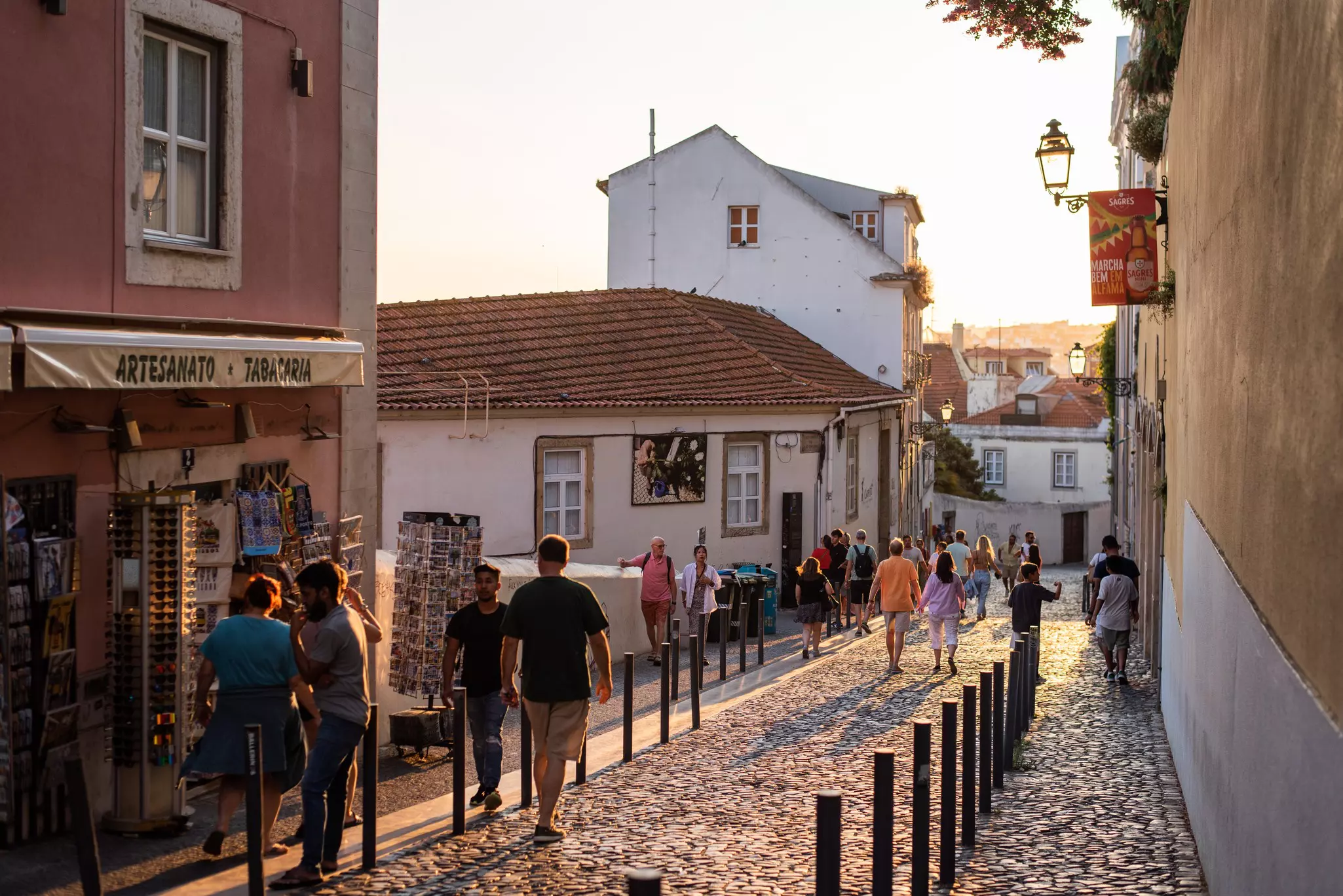
Portugal is largely a safe destination for LGBTQ+ travelers, though keep in mind that PDA isn’t particularly common, even for cishet couples. Still, while most visitors, especially white, cis members of the community, are unlikely to experience issues on a quick break, trans and racially marginalized travelers, and those staying longer, might encounter some of the current political and social undercurrents.
“Coming to Lisbon as a person of African descent, it’s a lot easier to encounter Black people, people of color, and queer people than in other places in the country,” says Sere, who grew up in a coastal town before moving to Lisbon. “Queer visibility… is completely inexistent in some places and villages.” They advise that “the safest thing is always buddying up,” and that finding a community in Lisbon via the venues above, even on a quick visit, is possible.
“Since always, there’s been a separation [in Portugal] between class, gender and ethnicity,” Leonor adds. “If you’re coming with darker skin, or if you’re coming from Brazil… xenophobia and racism could lead to you being mistreated,” she advises, highlighting the growing rhetoric around immigration and racism in recent years. “If you want to be a conscious, aware tourist, check what the local collectives are doing so you can perhaps participate,” she adds, highlighting collectives such as Afrontosas, The Blacker the Berry and Black Queers of Portugal.
“Portuguese is a very gendered language,” Tomás cautions trans travelers who might experience being misgendered, even if unintentionally. “Having a place like this [Aconchego House] where you can come and get a hug, and that feeling of community, is also important in terms of safety for people’s mental health.”
Similarly, travelers to the islands are unlikely to face any issues. Terry suggests that visitors’ visibility can actually be a positive for the local community and the Azores' overall representation. “It’s really about conversation. I found that here on Pico Island, if you’re true to yourself and others, people understand you better.”
Book your Portugal trip with Lonely Planet Journeys
See Portugal how it's meant to be seen
Planned by local experts and tailored to you, Lonely Planet Journeys handles the logistics so you can just enjoy the trip. Tell us what you want and we'll build your Portugal itinerary from scratch, or browse our bookable trips to get inspired.


Explore related stories