Oct 6, 202617 min read
Where to Stay in Hong Kong: Best Neighborhoods and AreasOct 6, 2026
17 MIN READ

Writer
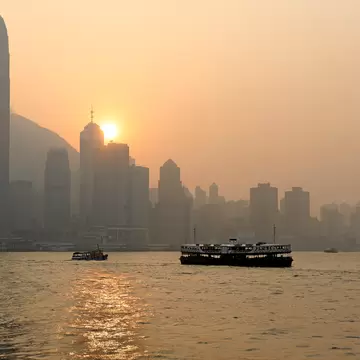
The ferry crossing Victoria Harbour at sunset, Hong Kong. Pete Seaward for Lonely Planet

Writer
Lonely Planet may earn a commission from affiliate links on our site. All recommendations and reviews reflect our own independent opinions.
Hong Kong is a famously dynamic city, where up-and-coming neighborhoods seem to emerge overnight, fully furnished with stylish hotels, edgy galleries, hip cafes and cool boutiques. So picking the best area to stay in is a constantly evolving process.
You’ll stumble upon some of Hong Kong’s most memorable discoveries – a colorful ceremony in a discreet community temple here, a pop-up art exhibition in an old tenement building there – while strolling around its diverse neighborhoods. With the city's excellent public transportation system, it's easy to roam right across Hong Kong and its fringing islands.
From the hyperkinetic urban playground of the Central District to historic Macau and the laid-back, culturally rich villages of the Outlying Islands, you’re guaranteed to find a Hong Kong neighborhood that ticks all your boxes, with places to stay that fit your budget and taste.
Just remember to give yourself time to explore – this sprawling city can’t be fully enjoyed on a fleeting visit. A few days might be enough for travelers hitting the top things to do, but people seeking a deeper dive into Hong Kong’s neighborhoods can easily spend a week or more exploring.
Whether you’ve got just a few days in the city or a full week, make the most of your time with this guide to the Hong Kong neighborhoods you shouldn’t miss.
Best for shopping, dining and nightlife
Home to the Hong Kong stock exchange, HSBC’s famous lucky lion statues, the former Central Police Station reinvented as the Tai Kwun lifestyle complex and more world-class dining experiences than you’ll ever be able to fit in, Central is a work-hard, play-hard corner of the metropolis that never lets up.
If ever a place could be said to be made of money, it’s Central, and this extends to accommodation prices. But while it remains a workaholic, profit-driven pleasure hub, it's also an appealing workaday neighborhood of family-run noodle shops, outdoor markets and fading heritage from the city’s 156 years of British rule. Ferries run from Central's busy piers to destinations across Hong Kong.
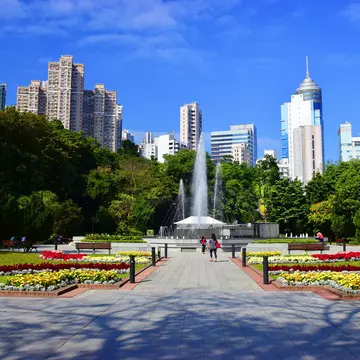
Local highlights include the free-to-enter Hong Kong Zoological & Botanical Gardens, which overflow with rhododendrons and bamboo groves from their hillside perch, and the excellent shopping and dining options at Central Market, a former wet market full of stalls selling tram-themed memorabilia and old-timey Hong Kong snacks such as peanut candy and mini mooncakes.
Visitors can experience early colonial Hong Kong at the Victorian Gothic-style St John’s Cathedral, with its neat lines of cane-and-wicker pews and row upon row of low-slung ceiling fans. Other relics of British rule include the Flagstaff House Museum of Tea Ware, in the shadow of the iconic Bank of China Tower.
Travelers won’t want to miss top experiences like a ride on the iconic Star Ferry. Consider a trip on this historic city boat service as the ultimate Hong Kong orientation session – a floating observation deck from which to survey the skyscrapers, sparkling bay and jade-green peaks of Hong Kong’s marvelously paradoxical cityscape.
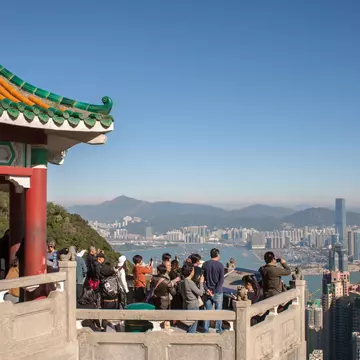
After sunset, linger in the Central District to eat at local legend, Ser Wong Fun, for its famous “five-snake soup” – a dish completely true to its name. Then sample Central’s pulsing nightlife in Lan Kwai Fong, Hong Kong’s premier partying destination.
Other top spots for a cocktail include speakeasies such as The Poet, hidden behind an anonymous-looking door on Staunton St, Italian-style Bar Leone (expect a queue) and the place-to-be-seen The Old Man on Aberdeen St. For a bar with skyline views, visit La Suite inside the chic French restaurant, Clarence.
Bishop Lei International House (Budget): Tower rooms, some with views, for a moderate price, set near the Mid-Levels escalator.
The Pottinger (Luxury): Central, spacious and full of tasteful Asian flourishes, such as black-and-white prints of old Hong Kong.
Mandarin Oriental (Luxury): One of Asia’s most esteemed hotels, celebrated for its Michelin-starred restaurants and stellar service.
Best for vibrant markets and waterfront attractions

Kowloon’s vibrant energy, neon-lit streets, bustling open-air markets and diverse local restaurants make it the heart and soul of Hong Kong. Here you’ll find a tale of two cities – the polished waterfront is home to luxury lodgings like the Rosewood Hotel, and cultural landmarks such as Chi Lin Nunnery & Nan Lian Garden, while inland areas pulse with friendly local eateries such as Sun Hang Yuen and shopping hubs like the Apliu Street Flea Market.
Tsim Sha Tsui is the logical starting point for exploring Kowloon. Drop into museums such as the Hong Kong Heritage Discovery Centre and enjoy the best waterfront views of the Hong Kong skyline from the Avenue of Stars, featuring the handprints of Hong Kong movie legends. Meanwhile, the West Kowloon Cultural District – a decade-long project built on reclaimed land – offers world-class art and cultural venues such as the Xiqu Centre, a dedicated Chinese opera theatre.
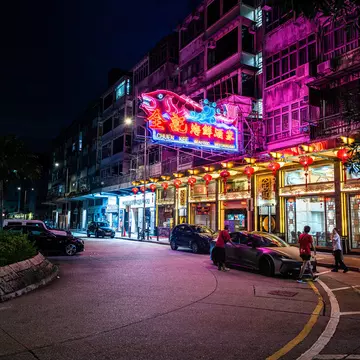
Get a glimpse of the old Hong Kong at neon-lit relics such as the Tak Sang Pawn Shop and nostalgic tea houses like Song Cha Xie. The Mong Kok area is home to sprawling specialty markets like the Mong Kok Flower Market, and the working-class area of Sham Shui Po is a dynamic mix of cool coffee shops such as Café Sausalito, fun stores like Book Punch, and traditional street-food stalls on Apliu St.
Other top experiences include Sik Sik Yuen Wong Tai Sin Temple, a melting pot of Taoism, Buddhism and Confucianism dedicated to the Great Immortal Wong. It gets busy here during major celebrations such as Buddha’s birthday and Chinese New Year, and behind the temple’s main altar, you’ll find the serene Good Wish Garden, with carved pavilions, zigzag bridges, carp ponds and a giant white jade statue of Kwun Yum, Hong Kong’s mother goddess.
After exploring the temple, take a breather at Kowloon Walled City Park, on the site of what was once the world’s most densely populated shantytown. Today, the park offers soothing bamboo groves, graceful pavilions and taichi practitioners.
YHA Mei Ho House Youth Hostel (Budget): A hosteling legend, with themed rooms and dorms, a museum, convenience store and laundry, and hill walks starting right outside.
Eaton (Mid-Range): Find 1970s-inspired decor, a food court, a terrace bar and a rooftop pool for an affordable price at this boutique hotel near Temple Street Night Market.
Rosewood Hotel (Luxury): If you’re after glitz, you'll find it all at this legendary luxe property on Kowloon's waterfront.
Best for cool cultural experiences

Wan Chai is one of the city’s coolest and most dynamic districts. Everywhere you turn, you’ll find a striking blend of old and new, and arts and folk traditions live on in Wan Chai’s colonial buildings and cultural hotspots.
To the west, Admiralty is the financial heart of Hong Kong, home to government headquarters and offices, and serving up stunning hill and sea views. In the shopping hub of trendy, youth-oriented Causeway Bay, you’ll find numerous malls packed with swanky fashion stores and restaurants, vying for space with a famous racecourse and cemetery.
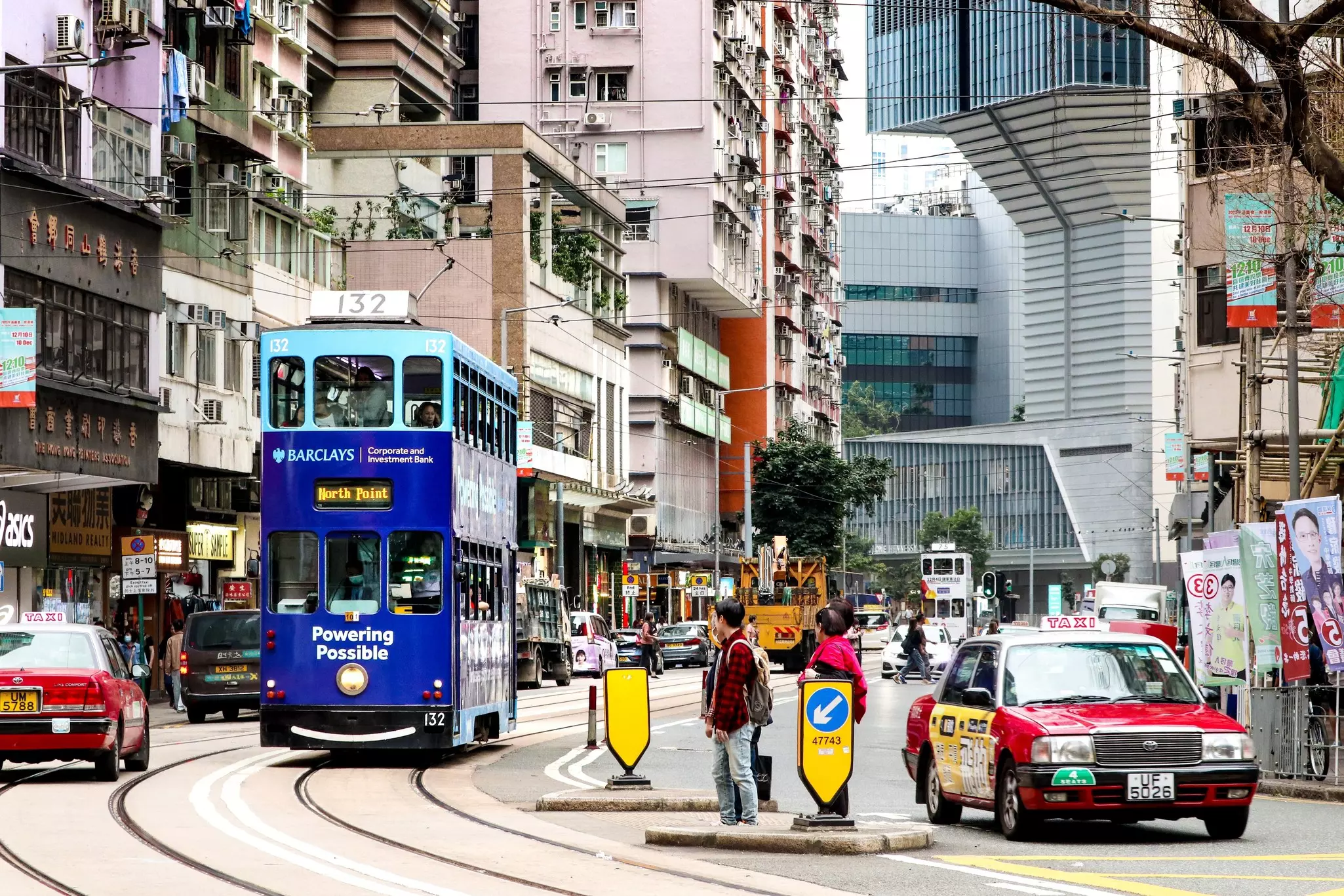
To the east, Tin Hau and Tai Hang offer a pocket of calm that’s often hard to find on Hong Kong Island. The quaint streets of these charming neighborhoods are lined with independent cafes, boutique shops and local restaurants catering to all budgets. Meanwhile, North Point is a place to experience the vibe of Hong Kong's Fujianese and Shanghainese communities.
Prioritize local highlights like the Blue House Cluster, one of Wan Chai’s oldest surviving pre-war tenement buildings. The Hong Kong House of Stories, located on the ground floor, serves as a community museum and neighborhood hub, preserving residents’ collective memories and personal items. Visitors must limit their explorations to the ground floor, as residents live on the second floor.
Nearby, visit the peaceful Pak Tai Temple (also known as Yuk Hui Kung), tucked away on a quiet residential street. The temple offers a peaceful moment of spirituality amid the high-rises and dramatic banyan trees. Look out for dragon sculptures, lotus flower lanterns, antique bells, and a copper statue of the sea deity, Pak Tai, then drop into My Cup of Tea or Honolulu Coffee Shop for Hong Kong cafe-style cha chaan tang food and drinks.
Mini Hotel Causeway Bay (Budget): Teeny, tiny rooms are offset by appealing communal spaces at this cheap choice in Causeway Bay.
Little Tai Hang (Mid-Range): A design-centric hotel and serviced apartment block nestled into leafy Tai Hang, with easy access to Causeway Bay and North Point.
Fleming (Luxury): Urban boutique is the vibe at this inviting place, with decor inspired by the Star Ferry and the 1970s.
Island Shangri-La Hong Kong (Luxury): As much bling as you can handle, with a mirrored tub angled towards the view in the priciest suite.
Best for family-friendly activities

Once a refuge for pirates and smugglers, the craggy southern reaches of Hong Kong Island are an easy-going, outdoorsy counterpoint to the north’s urban sprawl. Indeed, Central’s skyscrapers might as well belong to another universe once you enter this green, less developed district.
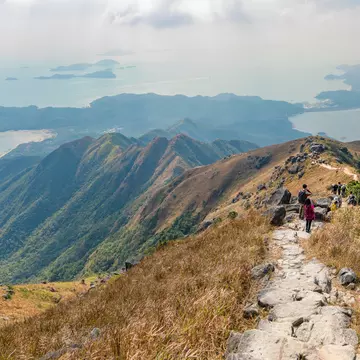
Enjoy the neighborhood’s best views on hiking routes such as the Dragon’s Back trail, and take time to explore Aberdeen Harbour, once home to a close-knit community of fisherfolk. In its heyday, the harbor was said to be so packed with houseboats and fishing vessels that you could walk across them like a bridge.
Today, you can chug past trawlers and yachts on a sampan cruise of this natural typhoon shelter, then feast on fresh seafood at local restaurants. Other attractions include the museum at Pier 6, and watching dragon boats on the water during the Stanley International Dragon Boat Championships in late May and early June.
For sandy beaches, bargain buys and beers, take a sojourn in the seaside village of Stanley. An easy escape from the Hong Kong hustle, this old-fashioned coastal village is worth visiting for Stanley Back Beach, the covered Stanley Market, and the sea-view pubs pouring cold pints of beer on Stanley Main St.
Thrill-seekers can visit Ocean Park, Hong Kong’s original theme park – arguably more fun for kids than Lantau’s busy Hong Kong Disneyland. Offering an ever-expanding mix of animal attractions, aquariums, thrill rides and water slides, Ocean Park is spread over two main areas, connected by cable cars and a funicular railway.
Fullerton Ocean Park Hotel (Mid-Range–Luxury): The location is the draw at this expansive property on the doorstep of the Ocean Park theme park.
Stanley Oriental Hotel (Luxury): A tall tower in Stanley, where the best rooms have a bay view from the hot tub on the balcony.
Best for casinos and history

Located an hour west of Hong Kong by ferry, Macau, known as the “Las Vegas of the East, ” dazzles with casinos and luxury. It’s a separate Special Administrative Region, but travel-friendly visa regulations make it easy to visit from Hong Kong.
Once a sleepy fishing village, and a Portuguese colony for over 400 years, Macau has been transformed through land reclamation, expanding its size and adding glitzy new areas such as Cotai. Loved by Chinese visitors for its casinos, it’s a simple day trip from the ferry port near the Sheung Wan MTR station in Hong Kong, and very popular with travelers from the mainland.
Before taking a spin around Macau's casinos, discover this Hong Kong neighborhood's rich history. One of the city’s most famous landmarks, the Ruins of the Church of St Paul are all that’s left of a Jesuit church that was built in 1602 and destroyed by a fire in 1835. The ruins are mostly outside, so visit on a clear, dry day and come early to get perfect photos with fewer people around.
From there, head to the impeccably well-preserved Lou Kau Mansion, built around 1889 during the late Qing dynasty. This grand courtyard residence boasts appealingly symmetrical architecture and lavish interiors. From the mansion, continue along Largo do Senado and snack on Portuguese egg tarts from Ma Hong Kei Pastelaria and almond cookies from Pastelaria Chui Heong as you explore black-and-white-paved Senado Sq.
For more history, visit A-Ma Temple, founded in 1488 and one of the oldest temples in Macau. When you need a break from the city bustle, head to Hác Sá Beach and relax on the black sands, then visit Monte Fort and climb the battlements for panoramic vistas.
Afterward, you can dress up and dive into Macau’s casinos to try your luck. Opt for a showy casino like the Venetian, which has games, shops and interactive digital artworks swirling around in its on-site museum, TeamLab SuperNature Macao.
Harbourview Hotel (Budget–Mid-Range): Set by the water in the themed Fishermen's Wharf complex, away from the casino mayhem.
The Venetian (Luxury): The swankiest of hotels with the swankiest of casinos, inspired by St Mark's Square with plenty of upscale places to eat.
Best for natural beauty

Running north from Kowloon and spilling onto numerous islands, the towns and villages of the New Territories offer a mix of the very old and the very new. Areas such as Sha Tin and Muen Tun are shooting skywards, while vast tracts of raw nature provide an adventure playground for hikers, campers and sea kayakers.
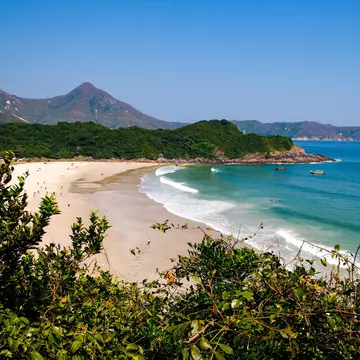
Often overshadowed by its boisterous city-state neighbor, this district is sometimes dismissed as just a suburb of Hong Kong – a place people go for more greenery and lower rent. But it’s more than that. More than 40% of the New Territories is protected by nature reserves and parks, creating a hiker’s paradise with trails that take in epic mountains, bizarre rock formations and white-sand beaches.
Top sights here include the Mai Po Nature Reserve, a world-class wetland restoration project managed by the World Wide Fund for Nature-Hong Kong (WWF-Hong Kong). However, be aware that Mai Po is in a restricted area on the border with mainland China, and the only way to visit is on an organized tour.
Even if you can’t arrange an English-language tour, it is worth joining a Cantonese one; staff usually speak good English, and park signage has information in both languages. Trails visit mangrove swamps and wetlands that are home to myriad species of migratory birds, reptiles, insects and plants – as well as grazing Asian water buffaloes.
Afterward, feast your eyes and fill your belly at the Sam Shing Hui Seafood Market in the southwest of the district. Behind the market is Castle Beach, a decent spot for a dip, with lifeguards and lockers as well as a barbecue area in case you feel like cooking your market purchases yourself.
Find more adventure at Sha Tau Kok, a town once off-limits to tourists. Today, authorities grant 1000 visitor permits per day for Sha Tau Kok, allowing sightseers to witness a life-size model train at Sha Tau Kok Railway Station and the bustling market on Chung Ying St.
For impressive natural scenery, make for the Hong Kong UNESCO Global Geopark on the east side of the New Territories, to admire its serene natural landscapes. Don't miss the park's hexagonal rock columns, the High Island East Dam, and the beautiful Biu Tsim Kok Lookout.
Pier Hotel (Mid-Range): You get expansive views of water and boats from the rooftop at this boutique option by the pier at Sai Kung.
Courtyard by Marriott Hong Kong Sha Tin (Mid-Range): A big pool and easy access to walks in green Ma On Shan Country Park are draws at this comfortable hotel in Sha Tin.
Hong Kong Gold Coast Hotel (Mid-Range–Luxury): A ziggurat of a hotel by the sands of Golden Beach in expanding Tuen Mun.
Best for family fun and hiking
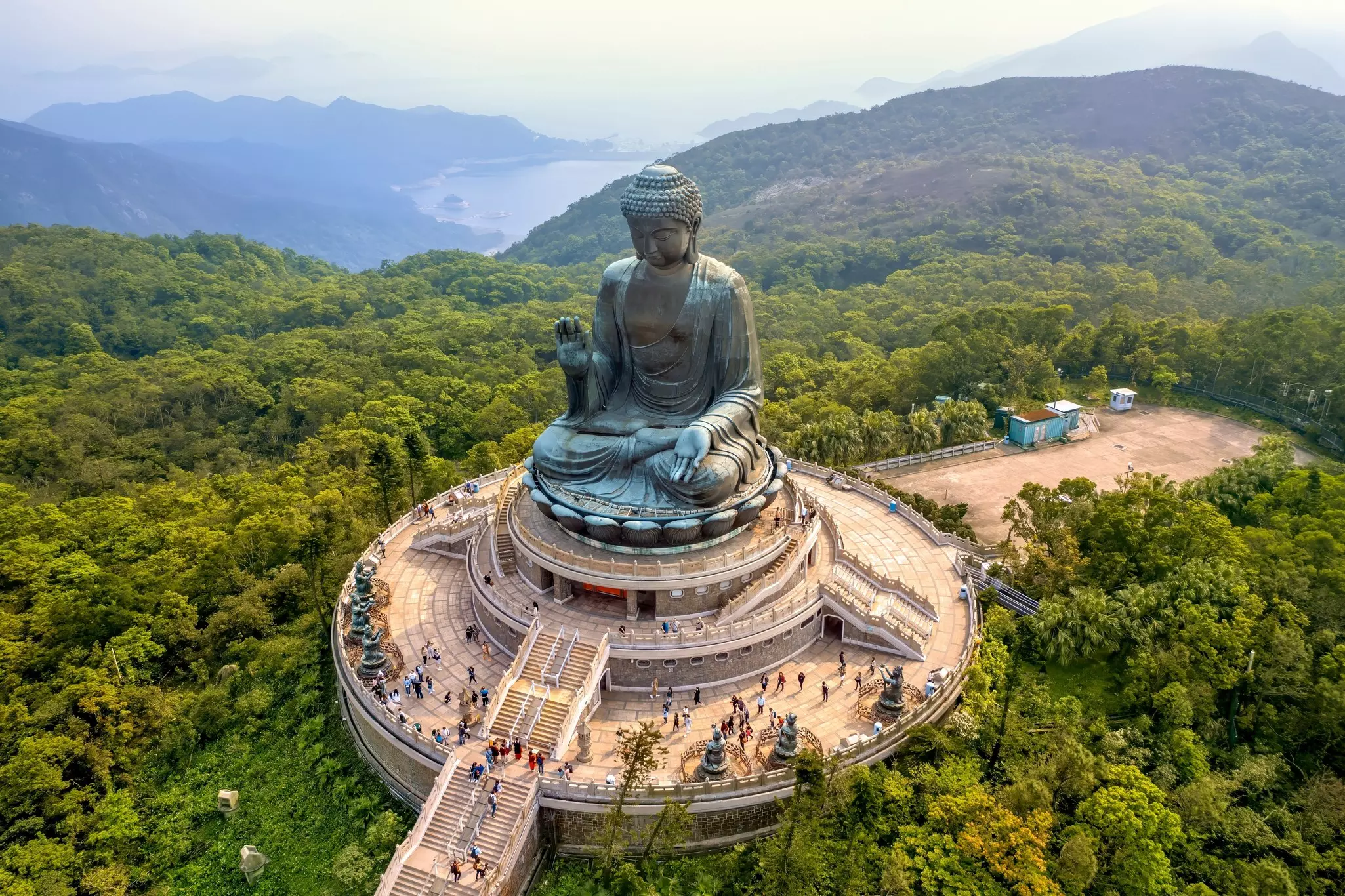
Hong Kong's largest island, Lantau is accessible by road from the mainland part of the New Territories via the Tsing Ma Bridge, but it’s easier to get here by MTR train from Kowloon or Hong Kong station. Hong Kong International Airport is set on an artificial island off the north coast of Lantau.
Much of the island is undeveloped, with lush, green hills and dotted fishing villages, but visitors flock to kitschy, family-friendly Hong Kong Disneyland at Lantau’s northeastern tip. When you tire of hearing Let It Go on repeat at the World of Frozen, head to the 34m-tall Tian Tan Buddha at Po Lin Monastery, which gazes serenely over the landscape from its hilltop perch.
Elsewhere on Lantau, you'll find beaches such as Cheung Sha and walking trails that call out to travelers seeking quiet, fresh air and greenery. From Mui Wo, the 70km-long Lantau Trail loops around the southern half of the island in 12 scenic stages, climbing to 934m Lantau Peak. Ferries run to Mui Wo from Pier 6 in Central.
Silvermine Resort (Budget–Mid-Range): A friendly, cheap option at Mui Wo, with an appealing beach on the doorstep and sea views from the rooms.
Tai O Heritage Hotel (Mid-Range–Luxury): A hotel with character, history, greenery and a touch of seclusion, in a calm spot at the west end of Lantau.
Best for escaping the city

For a taste of a different Hong Kong, hop between the bay’s tranquil islands, which are administratively part of the New Territories. Each has its own character, from Lamma's relaxed vibe to Cheung Chau's cultural riches, and you can enjoy countryside trails, serene beaches, quirky festivals and fresh seafood feasts.
Ferry fares to the Outlying Islands are reasonable, and vessels are comfortable and usually air-conditioned, with toilets and sometimes a basic bar serving snacks and drinks. And regular departures make it easy to hop between islands to soak in the variety of moods.
Lamma casts its spell on those seeking a quieter life. Come for gentle strolls along Hung Shing Yeh Beach, finishing up at waterside seafood restaurants in the village of Sok Kwu Wan. Experience a similar local vibe in Yung Shue Wan, Lamma’s main settlement, which is lined with cafes and landmark restaurants such as Fai Kee, a noodle shop with world-beating beef brisket.
On the island of Cheung Chau, you’ll find beaches, rock carvings and caves. Tung Wan Beach is the island’s best swimming beach, with facilities for swimmers and shark nets and cafes offering food and takeaway beers. At the southern end of Tung Wan , just past the Warwick Hotel, you can see rock carvings created by residents of the island around 3000 years ago.
For a taste of Cheung Chau's history, visit Cheung Po Tsai Cave, named after a notorious Qing dynasty pirate (and reputedly the hiding place for his treasure). In mid-May, you can experience the Cheung Chau Bun Festival, a four-day extravaganza of parades, dances and competitions to grab special festival buns that bring thousands of visitors to the island.
Warwick Hotel (Budget–Mid-Range): Comfortable rooms just yards from East Bay on Cheung Chau island.
Concerto Inn (Mid-Range): Celebrated as the best spot to stay on Lamma Island, by the shore at Hung Shing Yeh Beach.
This article was adapted from the Hong Kong guidebook.
Book your China trip with Lonely Planet Journeys
See China how it's meant to be seen
Accommodations, activities and ground transportation all taken care of, so you can focus on the fun part. Tell us what your dream trip to China looks like, and our local experts will build it from scratch. Or start with one of our itineraries and make it your own.
Explore related stories