Aug 11, 20268 min read
15 Things to Know Before Visiting UzbekistanAug 11, 2026
8 MIN READ

Writer
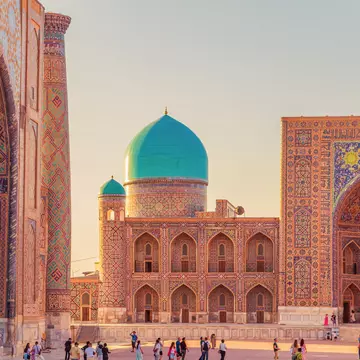
Registan Square in Samarkand, Uzbekistan. Lizavetta/Shutterstock

Writer
Highlights
Writer Bradley Mayhew shares 15 Uzbekistan tips on timing, visas, trains and etiquette.
Time your visit for March–May or September–November to skip summer highs above 40°C.
Book Afrosiyob tickets and family-run B&Bs in Samarkand, Khiva or Bukhara well ahead.
Lonely Planet may earn a commission from affiliate links on our site. All recommendations and reviews reflect our own independent opinions.
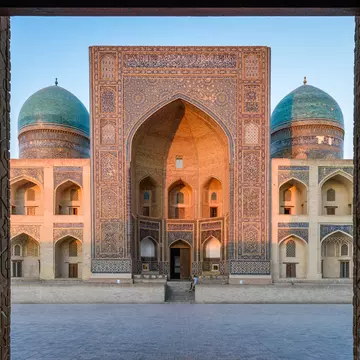
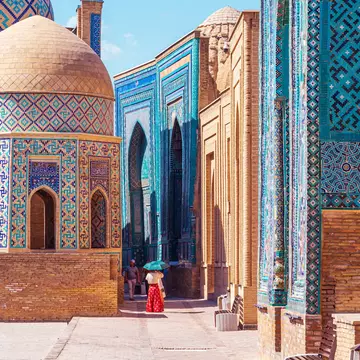
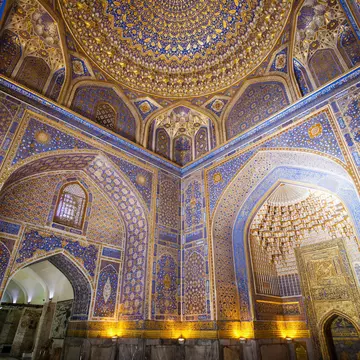
If the Central Asian republic of Uzbekistan isn’t at the top of your bucket list, think again. The magnificent blue-domed mosques, atmospheric Silk Road cities, ancient bazaars and fabulously colorful history are world-class, and the country boasts Central Asia’s best accommodations, easiest transportation and great value for money.
Tourism to Uzbekistan is currently booming, and with good reason. With expanding flight connections, some impressive new sights, and hotels and restaurants opening every day, travel here just keeps getting better, though admittedly the crowds are starting to get thicker.
I’ve been writing guidebooks to Uzbekistan since the 1990s and while much has changed over the years, there are some essential tips that I’ve learned, sometimes the hard way.
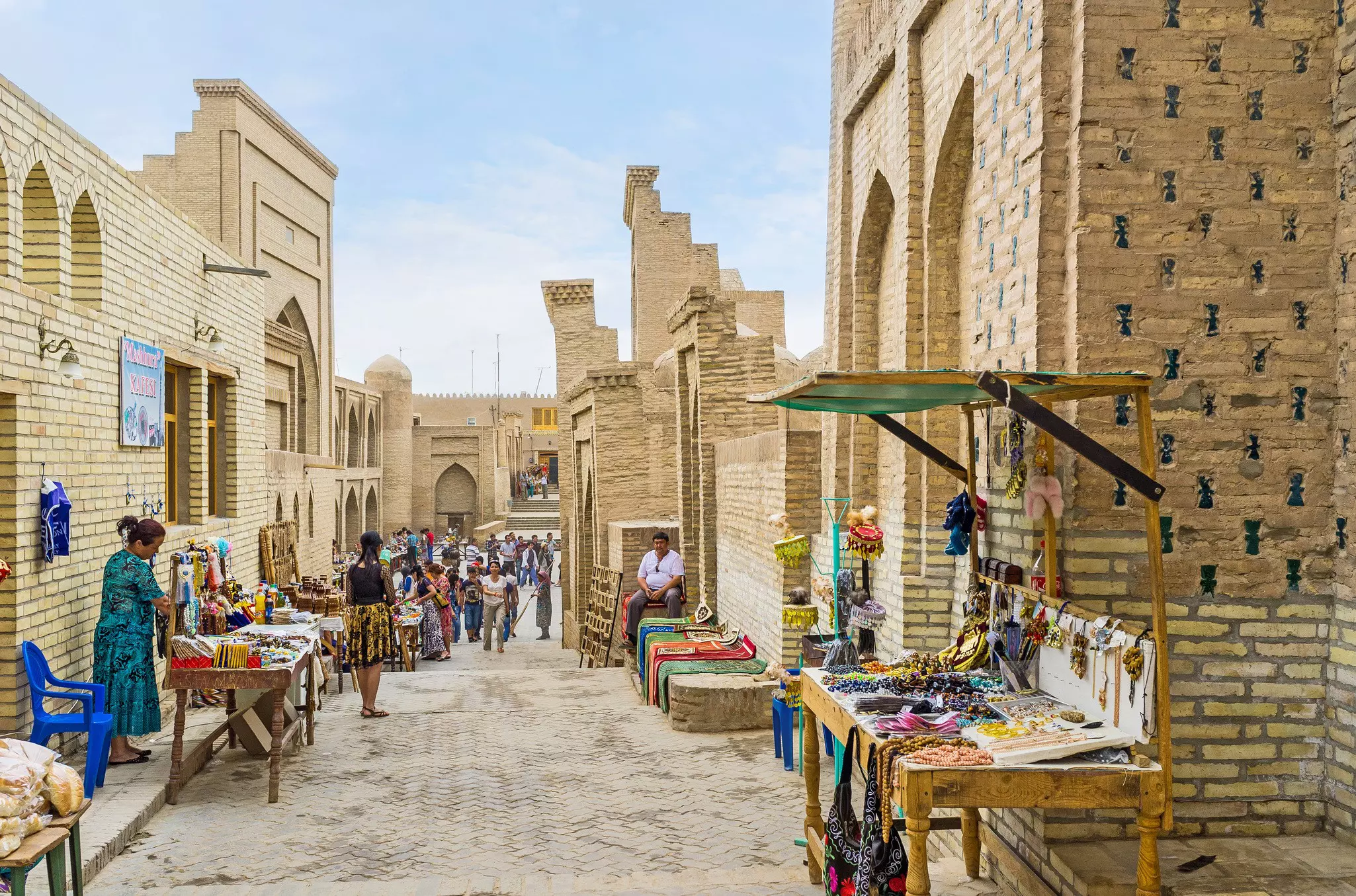
The best time to visit Uzbekistan is in spring (March to May) or fall (September to November). Landlocked Uzbekistan has an extreme continental climate, which means freezing winters and hot, dry summers. July and August’s summer heat brings punishing temperatures of 40°C (104°F) – only worth considering if you are combining Uzbekistan with the high-altitude mountains of neighboring Kyrgyzstan or Tajikistan.
Here’s some bonus trivia: Uzbekistan is one of only two countries in the world to be doubly landlocked, i.e. surrounded by countries that are themselves landlocked. Give yourself an extra point if you know the other country.
You can combine the architectural grandeur of Samarkand, the old-town charms of Bukhara and the Soviet-era grandeur of Tashkent in just a week, but if you want to add on the desert walled town of Khiva you’ll need 10 days at least.
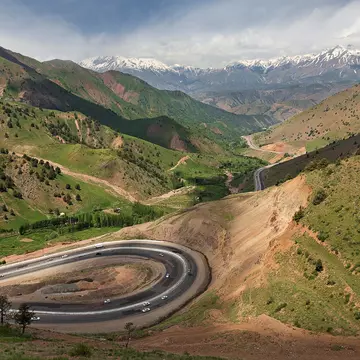
With two weeks or more you can head off-track to explore semi-autonomous Karakalpakstan, the culturally rich Ferghana Valley or the mountain homestays of Nuratau.
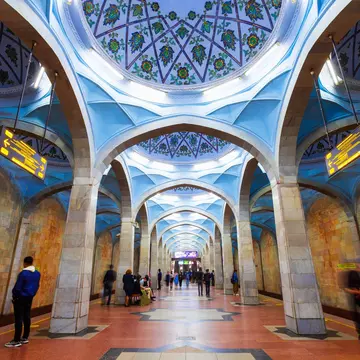
The atmospheric, traditional old towns of Samarkand, Bukhara and Khiva all offer a wonderful selection of stylish, comfortable family-run B&Bs, which are an attraction in their own right. The capital Tashkent has a wide range of accommodations but is a huge city, so try to find a hotel next to a metro stop.
With tourism currently booming in Uzbekistan, the best accommodations fill up quickly in late spring and summer, so book yours several weeks in advance.
Getting a visa for Uzbekistan couldn’t be easier these days. Over 60 nationalities qualify for visa-free travel for up to a month, including the UK, USA, EU countries, New Zealand, Australia, South Korea, China and Israel. Other countries (such as India) are required to apply for an e-visa online, but even this is an easy process which only takes a couple of days. Long gone are the days of complicated visa invitations and trips to obscure embassies.

Stay connected abroad with an eSIM
Holafly eSIM provides unlimited mobile data with no hidden fees, giving you peace of mind wherever you travel. Stay connected even after your plan ends with Always On. Use code LONELYPLANET for an exclusive discount.
Lonely Planet may earn a commission from affiliate links on our site. All recommendations and reviews reflect our own independent opinions.
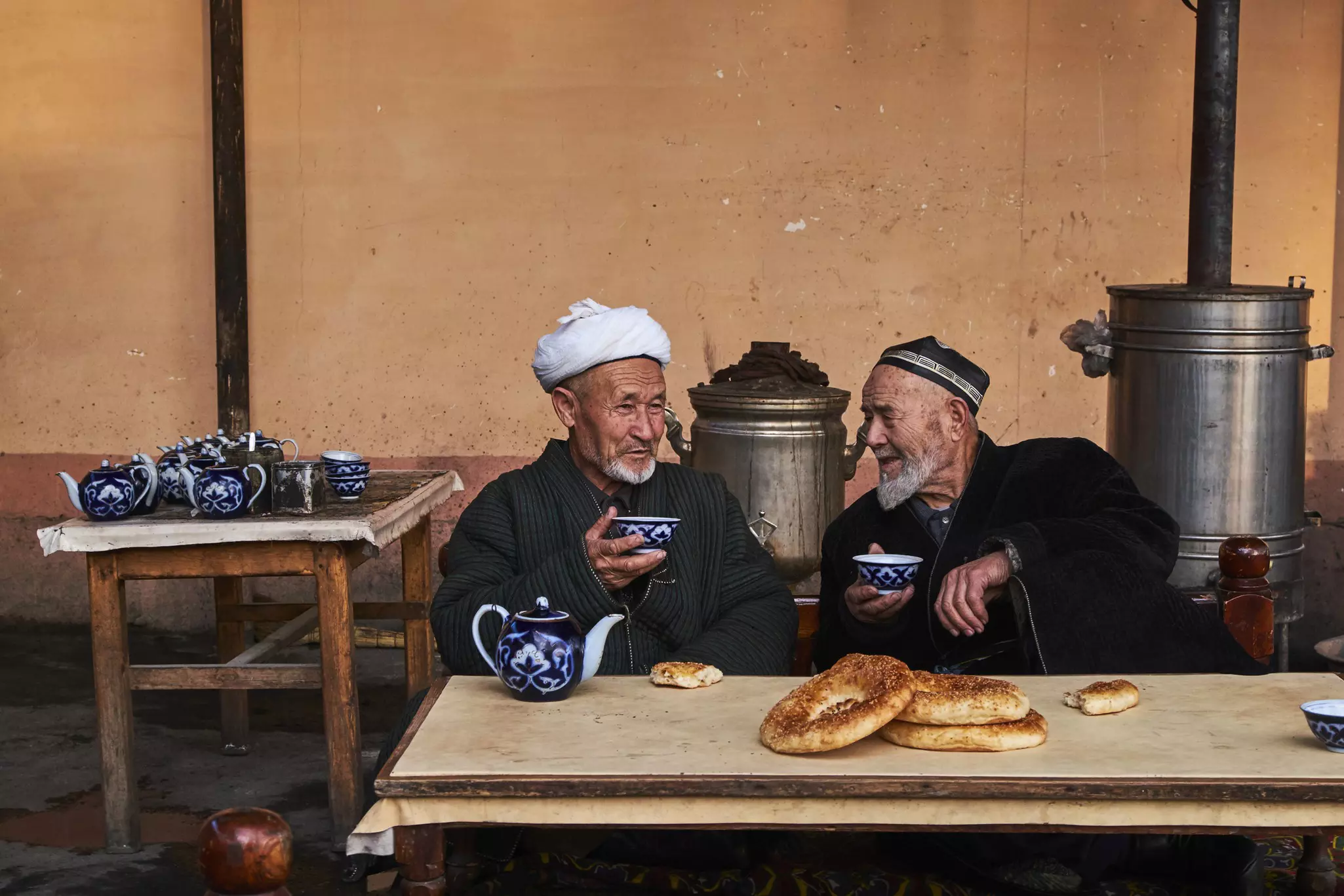
Choy (tea) is the universal social lubricant across Central Asia, so it helps to know the local tea etiquette. To look like an expert, start by pouring the first two bowls of tea back into the pot before drinking, to help it brew. Choose from Russian-style kara (black) or Asian-style kok (green) chai. You should take your shoes off if sitting on a traditional topchon (tea bed).
Uzbek-style non bread has achieved almost sacred status in Uzbekistan. When sitting down to a meal with others, break the non bread into smaller pieces for the table and never throw away bread or place leftovers on the floor, as this is considered disrespectful.
Uzbeks are big hand shakers, so men should shake the hands of any other men they come into contact with, especially elders (known as aksakal in Uzbek). Another particularly graceful gesture used by Uzbeks and Tajiks is to place a hand on your heart and make a slight bow when meeting someone. This is particularly useful when men and women greet each other.
At the end of a meal local Muslims generally place their hands in front of their face in a cupped prayer gesture and run them lightly over their face to give thanks for the meal. Uzbeks will appreciate and respect you for understanding and following customs like these.
English is not all that widely spoken in Uzbekistan, so it helps to learn some words of Uzbek (a Turkic language), or Russian, which remains a lingua franca amongst older people across the former Soviet Union.
Street signs are mostly in Uzbek Latin script, though you may also see some Russian-style Cyrillic; it’s useful to familiarize yourself with both scripts so you can at least read signs for place names and bus destinations. Knowing numbers in Uzbek or Russian is particularly useful when negotiating with shared taxi drivers. Google Translate can be helpful if you have a data plan.
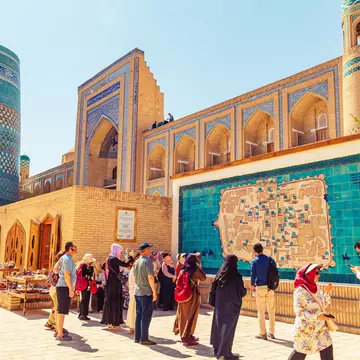
Uzbekistan is generally a very safe country for tourists. Despite sharing a border with Afghanistan, there is little overt religious extremism and crime against foreigners is rare. As in big cities anywhere, watch out for pickpockets on crowded city buses and bazaars in Tashkent. Tourist police frequent the more popular tourist sights and can be helpful.
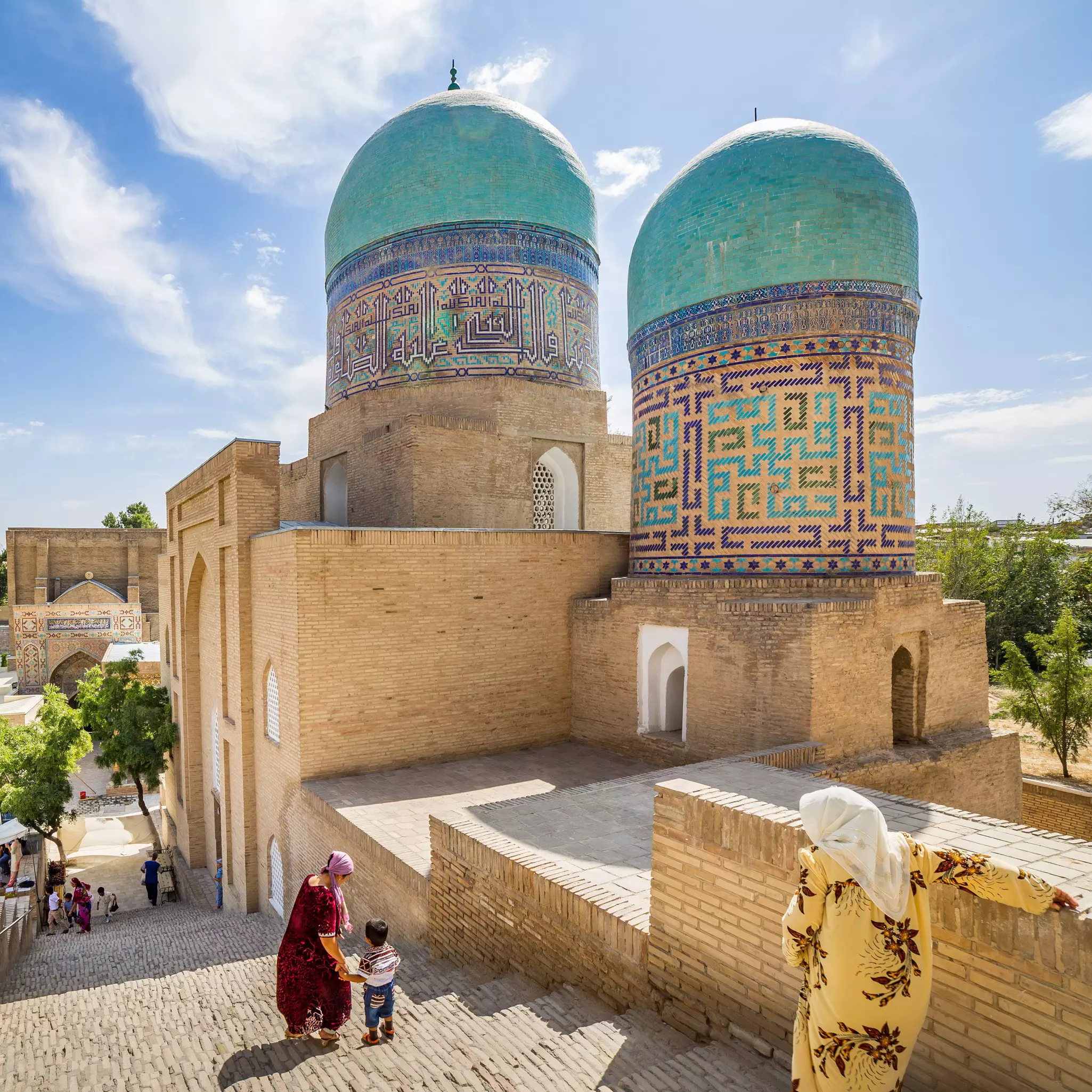
Uzbekistan is a Muslim country, but not a particularly conservative one. Female visitors will have few problems traveling solo here. Short skirts, tank tops and yoga pants are best avoided, and you may want to cover your arms and legs when visiting the conservative Fergana Valley. Bring a headscarf to cover your hair when entering an active mosque.
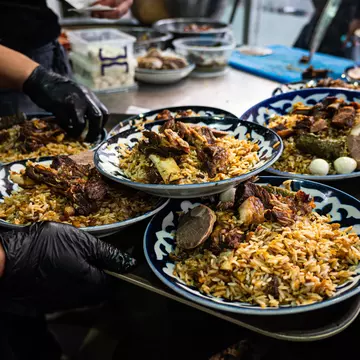
The most common complaints amongst visitors are heat exhaustion in summer and the occasional dodgy stomach after eating too much greasy plov (rice pilaf with meat and vegetables). Normal rules apply: wash all fruit and salads before eating and don’t drink the tap water.
Uzbekistan has become very tourist-friendly these days, but a few bits of lingering bureaucratic red tape remain. When entering the country, you cannot bring any codeine-based medications (such as painkillers) or certain other medications without a letter from your doctor, and may need to declare how much foreign cash you are carrying. In reality, you are unlikely to be quizzed at the green channel of Tashkent airport customs, but you might at land crossings.
You may find that your hotel or B&B gives you a small paper registration slip when you check out. In the past you had to produce these for every night of your stay when departing the country; these days, an online system known as E-mehmon has replaced the slips, but it’s a good idea to hold on to any you get, especially if exiting the country overland.
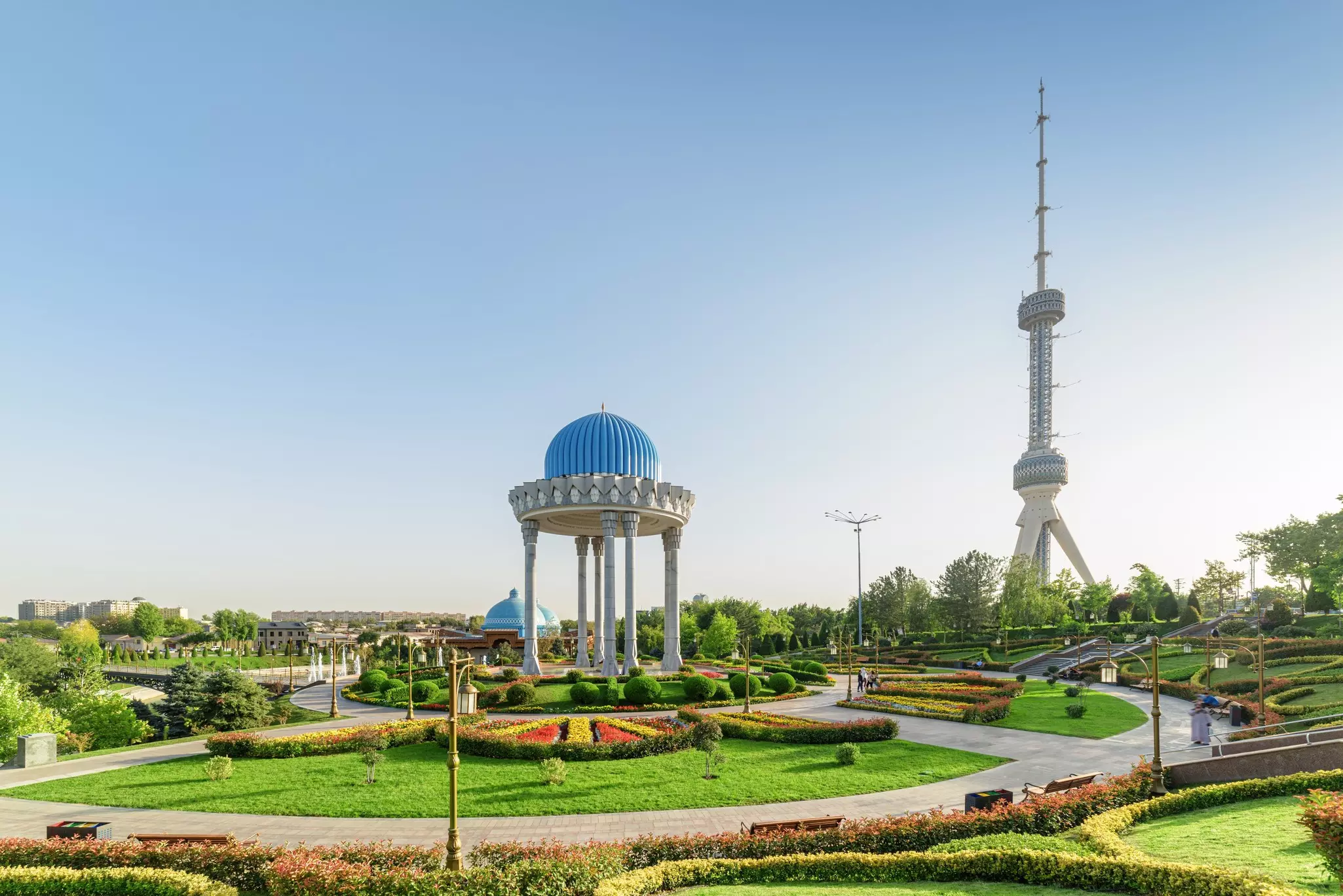
Many international flights arrive into Uzbekistan’s sprawling capital Tashkent in the middle of the night, so if you don’t fancy negotiating with a scrum of taxi drivers, bleary-eyed after a long flight, it might be worth booking an airport pickup through your accommodation.
The cheapest way to arrange a taxi at the airport (and elsewhere in Uzbekistan) is to get a sim card on arrival, download and register with the Yandex Go app and then book a taxi through the app, but you’ll then have to navigate through the airport car park to find the taxi pick-up point.
The most comfortable way to travel today’s Silk Road between Tashkent, Samarkand and Bukhara is on Uzbekistan’s modern high-speed train service. In 2026 the high-speed line was extended to Khiva, with three services a week, taking just 3 hours and 30 minutes from Bukhara.
Seats sell out quickly, especially for the high-speed Afrosiyob service, so book tickets several weeks (up to 45 days) in advance. Try online, via the Uzrailway app (for iOS or Android) or, failing that, through a local travel agency, for a mark up.
For longer distances, clanking Russian-style sleeper trains are an atmospheric way to travel overnight between Tashkent and the remoter cities of Nukus, Urgench or Termiz.
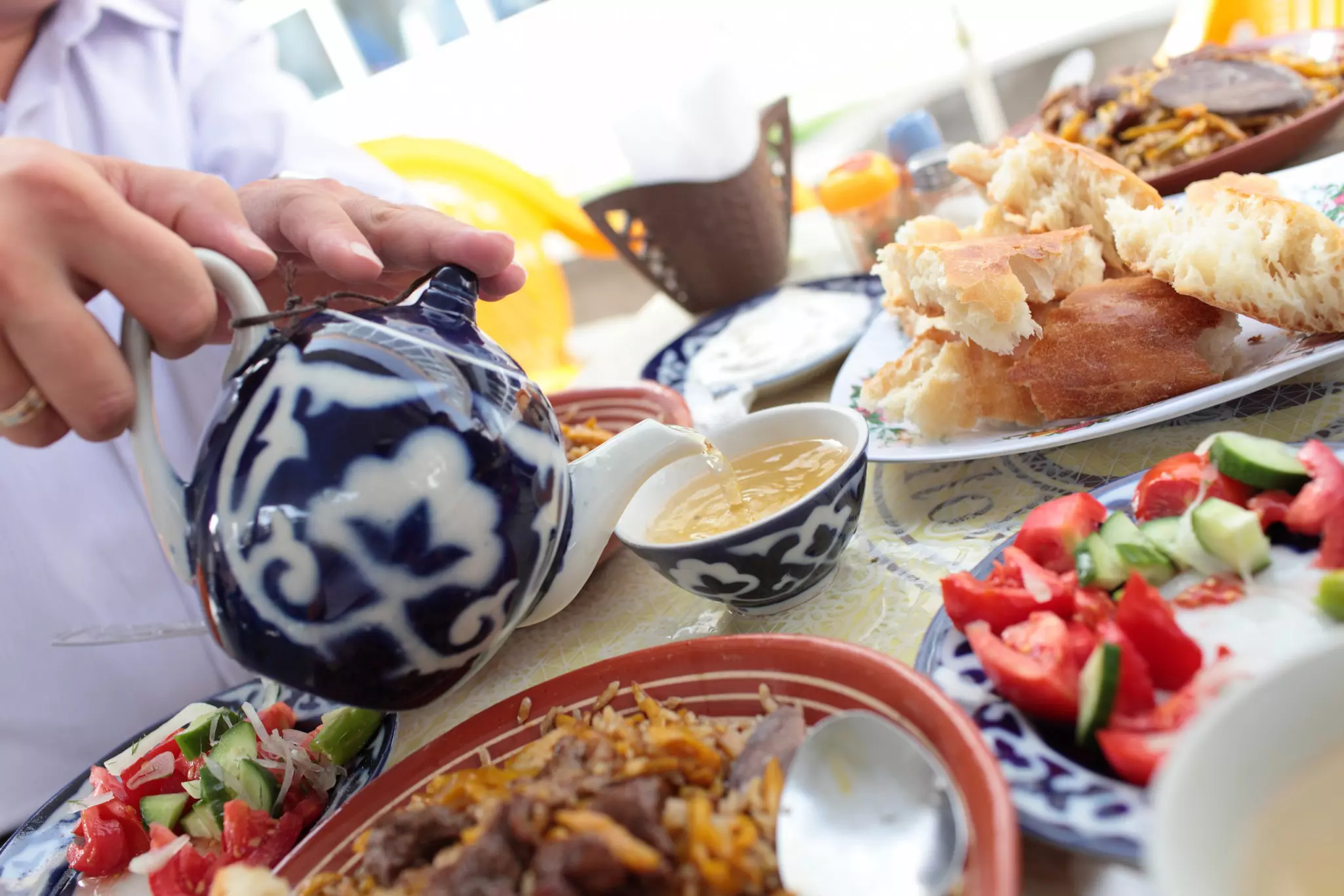
The food in Uzbekistan is quite meat-heavy, centred around the four staples of shashlyk (lamb kebabs), plov (pilau rice), shurpa (stew) and laghman (noodles), all featuring liberal amounts of mutton fat. But there are almost always some vegetarian options, especially in tourist-oriented restaurants, and plenty of Russian-influenced salads everywhere. If in doubt, use the word goshtsiz (meat-free in Uzbek).
Bazaars are a particularly good place to stock up on nuts, fresh fruit (Uzbek melons and peaches are legendary), spicy Korean salads, jars of mountain honey and freshly cooked non bread.
To continue planning your trip to Uzbekistan check out our Central Asia guidebook.
Explore related stories