Oct 15, 20269 min read
Tips For Visiting A South Korean BathhouseAug 27, 2026
7 MIN READ

Writer
Yakusugi Land, Japan. Nachosuch/iStock/Getty Images Plus
Writer
Highlights
Writer Aastha D picks six destinations for coming home feeling genuinely restored.
Walk Yakushima's cedar forests in Japan; on Ikaria, Greece, let lunch drift into afternoon.
Umbria's monasteries in Italy strip decision fatigue; Alentejo, Portugal rewards unhurried days.
Try Umécuaro, Mexico for land-art workshops; ease home from Galopina, a slow Yucatán retreat.
Lonely Planet may earn a commission from affiliate links on our site. All recommendations and reviews reflect our own independent opinions.
The peculiar irony of modern travel is that many of us return from a holiday needing another break. We rush between museums, restaurants and viewpoints, determined to make every hour count. Somewhere along the way, travel inherited the same logic as work – maximize every day, optimize every itinerary, collect as many experiences as possible before flying home.
Yet psychologists who study recovery have found that stepping away from work isn’t enough on its own. Resting isn’t simply the absence of labor; it is a different way of paying attention.
Occupational psychologist Sabine Sonnentag, whose work explores how people recover from chronic stress, argues that genuine recovery comes from a combination of psychological detachment, relaxation, autonomy and opportunities to engage with something new. A restorative holiday, then, isn’t necessarily the one where you do the least; it’s the one that allows your mind and body to operate differently.
“Often, what we do under the garb of vacation planning is interrupt a pattern,” says Ashwin Tanikasheryl, founder of Closequarters Club, a travel curation company. “Sometimes it’s monotony. Sometimes it’s stress. Sometimes it’s the voice that insists joy has to be earned. The best trips of your life leave you with inner shifts, and we try to create the conditions for that. Once we understand what a person is really trying to recover – their vitality, creativity, confidence or simply joy – the destination reveals itself.”
Whether that’s curiosity, sleep, attention or simply a slower rhythm, these destinations offer six ways to come home feeling genuinely restored.
Best for rediscovering curiosity
There are some forms of exhaustion in which no amount of sleep helps, the kind that can only disappear when you begin paying attention differently.
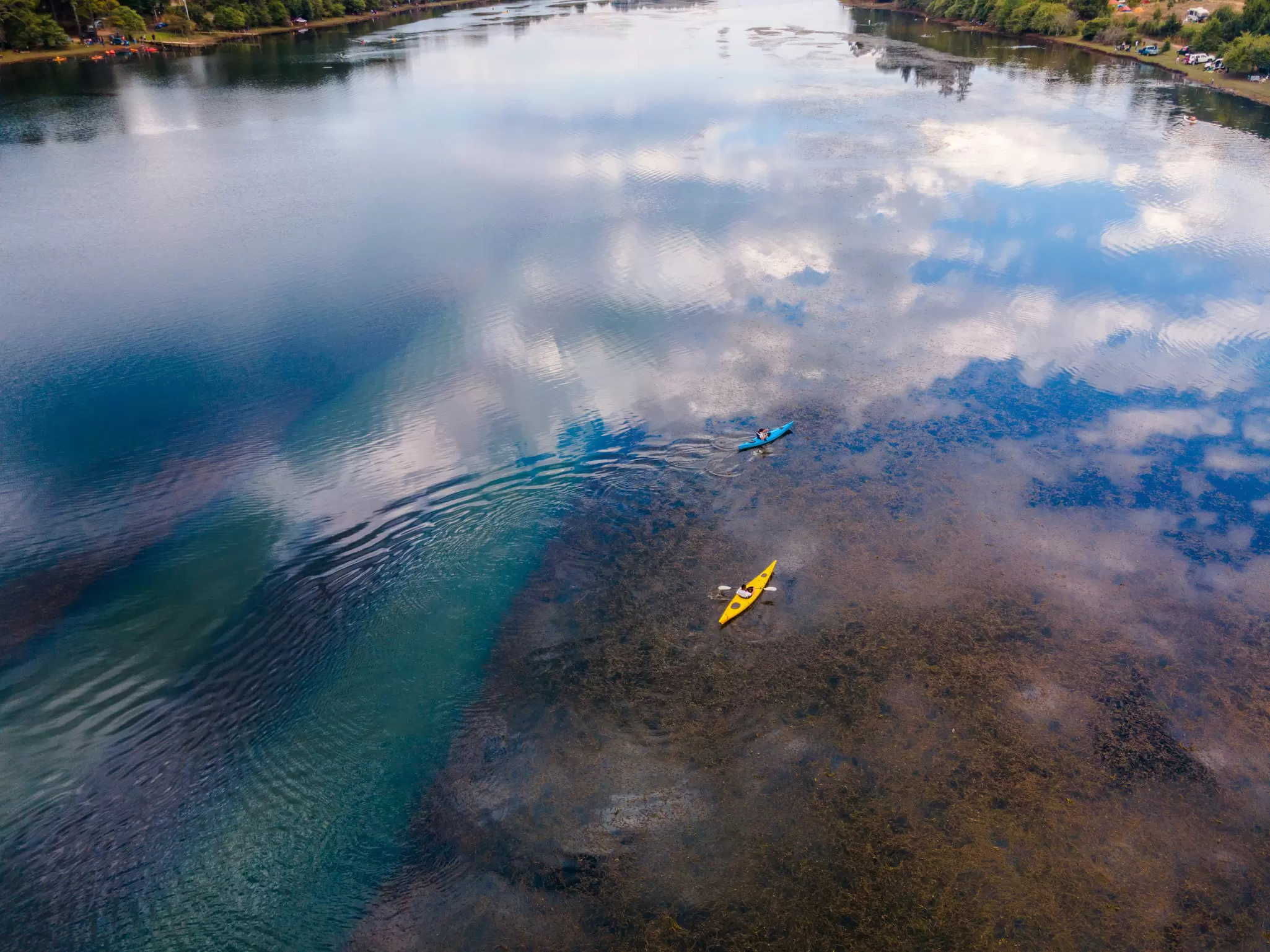
On the shores of Lago de Umécuaro in central Mexico, Dutch land artist Kees Ouwens hosts intimate workshops in which participants create temporary works from branches, stones, leaves and water. There are no grades, exhibitions or expectations, just the collective yet solitary act of making.
For one traveler, an artist and designer, the first day felt unsettling. There was no itinerary to follow, little phone reception and long stretches of silence. The following morning she woke after 15 uninterrupted hours of sleep – the longest she’d managed in years – and she spent the rest of the week arranging stones, walking the lakeshore and rediscovering a creative practice without the pressure to produce.
Tanikasheryl describes this as designing “conditions rather than outcomes.” Instead of filling every day, his itineraries deliberately leave room for chance encounters, conversations and unexpected discoveries – the moments that rarely fit inside a tightly planned schedule.
Sonnentag’s research suggests that learning something new, even casually, can contribute to recovery by introducing a sense of mastery or by engaging with an activity for its own sake, not for performance or productivity.
Planning tip: Stay at least 4 nights, and resist the urge to schedule day trips.
Getting there: Fly to Morelia or Mexico City, then continue by road.
Best for recovering your attention
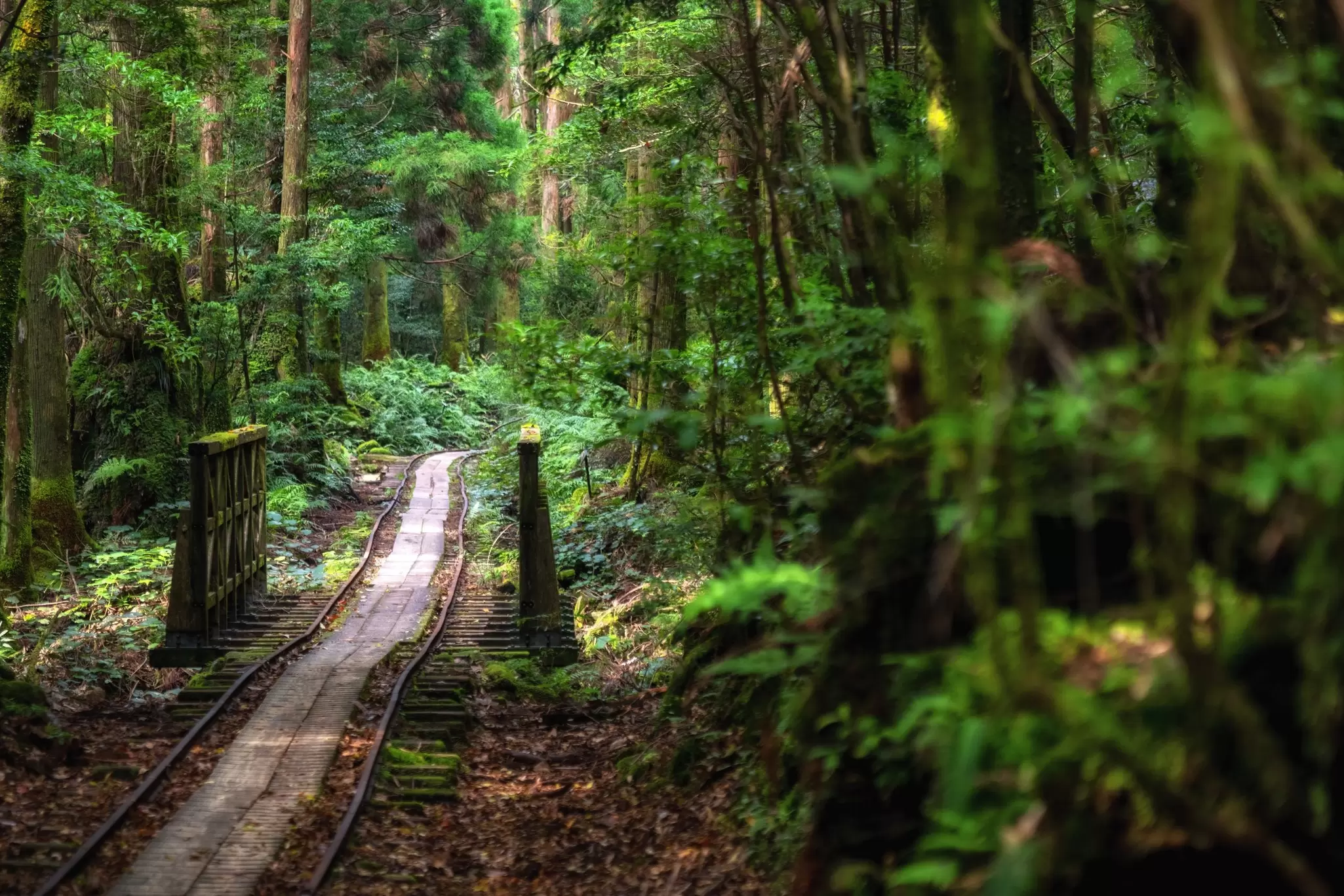
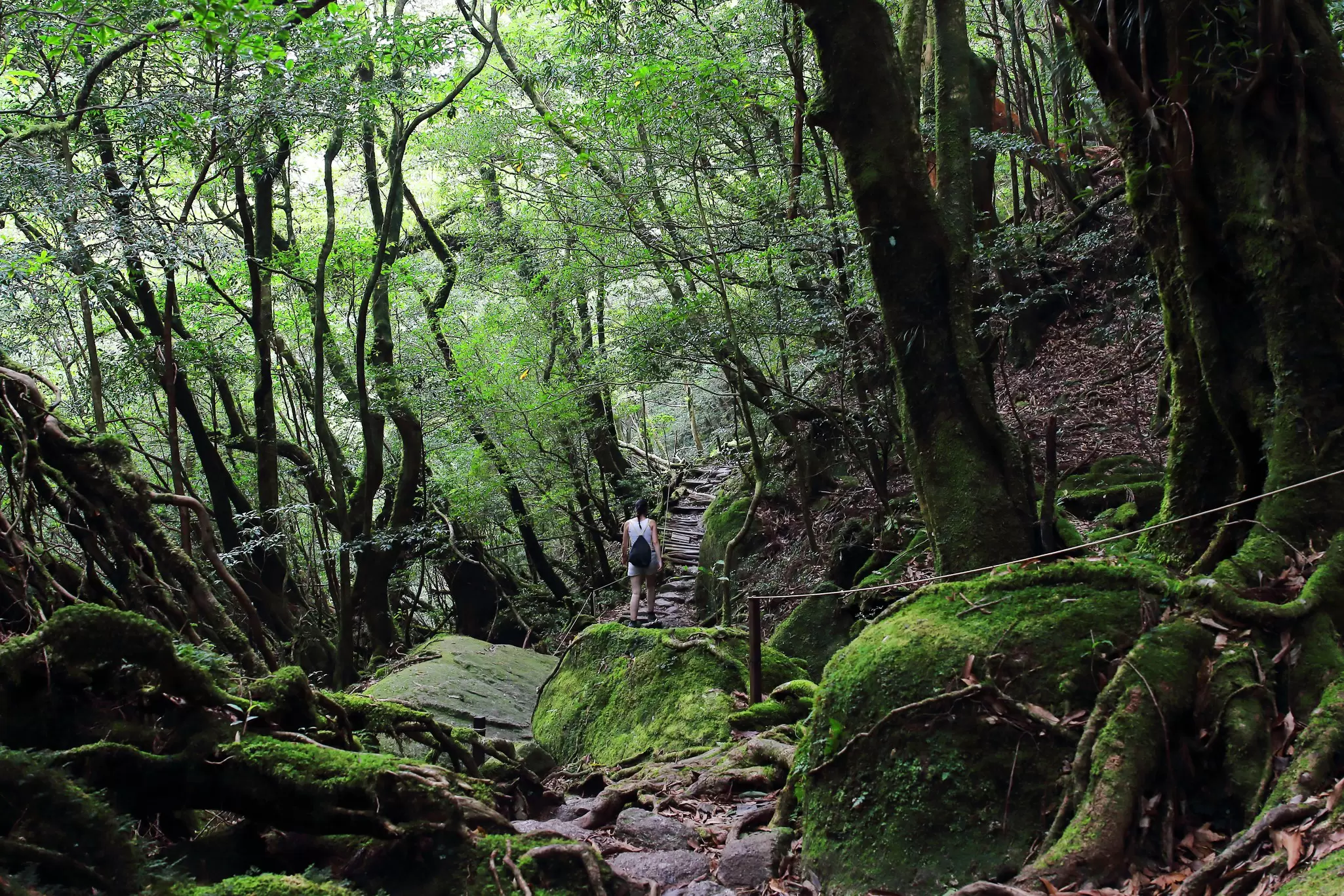
Yakushima, a mountainous island south of Kyūshū, is covered in ancient cedar forests and crossed by mossy streams and walking trails that disappear into mist. Some cedars are thought to be more than 2000 years old, and rainfall keeps the island lush throughout the year.
Environmental psychologists Stephen and Rachel Kaplan developed attention restoration theory after decades of studying how natural environments affect cognition. Their research suggests that the brain’s capacity for directed attention – the effort required to answer emails, navigate traffic or concentrate on work – becomes fatigued over time. Nature restores that capacity because it invites what they famously call “soft fascination,” such as attention held effortlessly by birdsong, moving water or shifting light.
You don’t need to know the theory to feel it. Spend a morning walking through Shiratani Unsuikyo Ravine and an afternoon doing very little or nothing at all. The forest quietly does what no mindfulness app can.
Planning tip: Rain falls year-round. Waterproof clothing is essential.
Getting there: Reach Yakushima by ferry or regional flight from Kagoshima.
Best for slowing your body clock
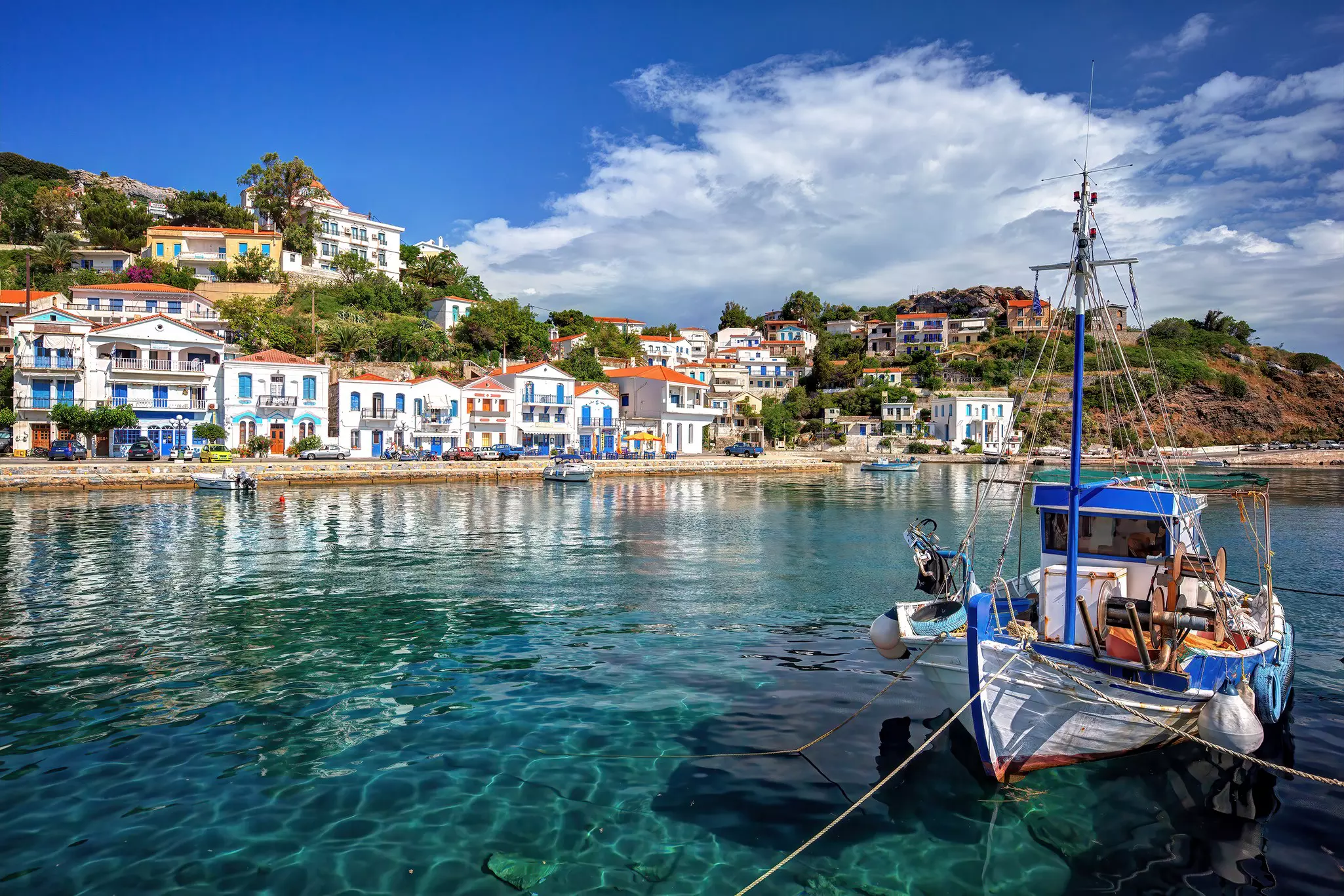
On Ikaria, lunch often drifts into late afternoon. Dinner begins well after sunset. The Greek island is one of the world’s five recognized Blue Zones, where researchers have documented unusually high numbers of centenarians. While longevity depends on many factors, including genetics, the rhythms of everyday life here are strikingly different from those in much of the industrialized world: walking rather than rushing, afternoon naps, strong neighborhood ties and communal celebrations that routinely last until dawn.
For travelers, the lesson isn’t necessarily how to live longer but how to stop measuring every hour by its output. Stay in one village, swim in the morning, linger over lunch, and resist the temptation to tick off every beach on the island. Maybe even put away your watch and phone. Recovery sometimes begins when you stop trying to optimize it.
Planning tip: Stay at one family-run guesthouse in a village for the entire trip.
Getting there: Fly from Athens, or take an overnight ferry from Piraeus.
Best for escaping decision fatigue
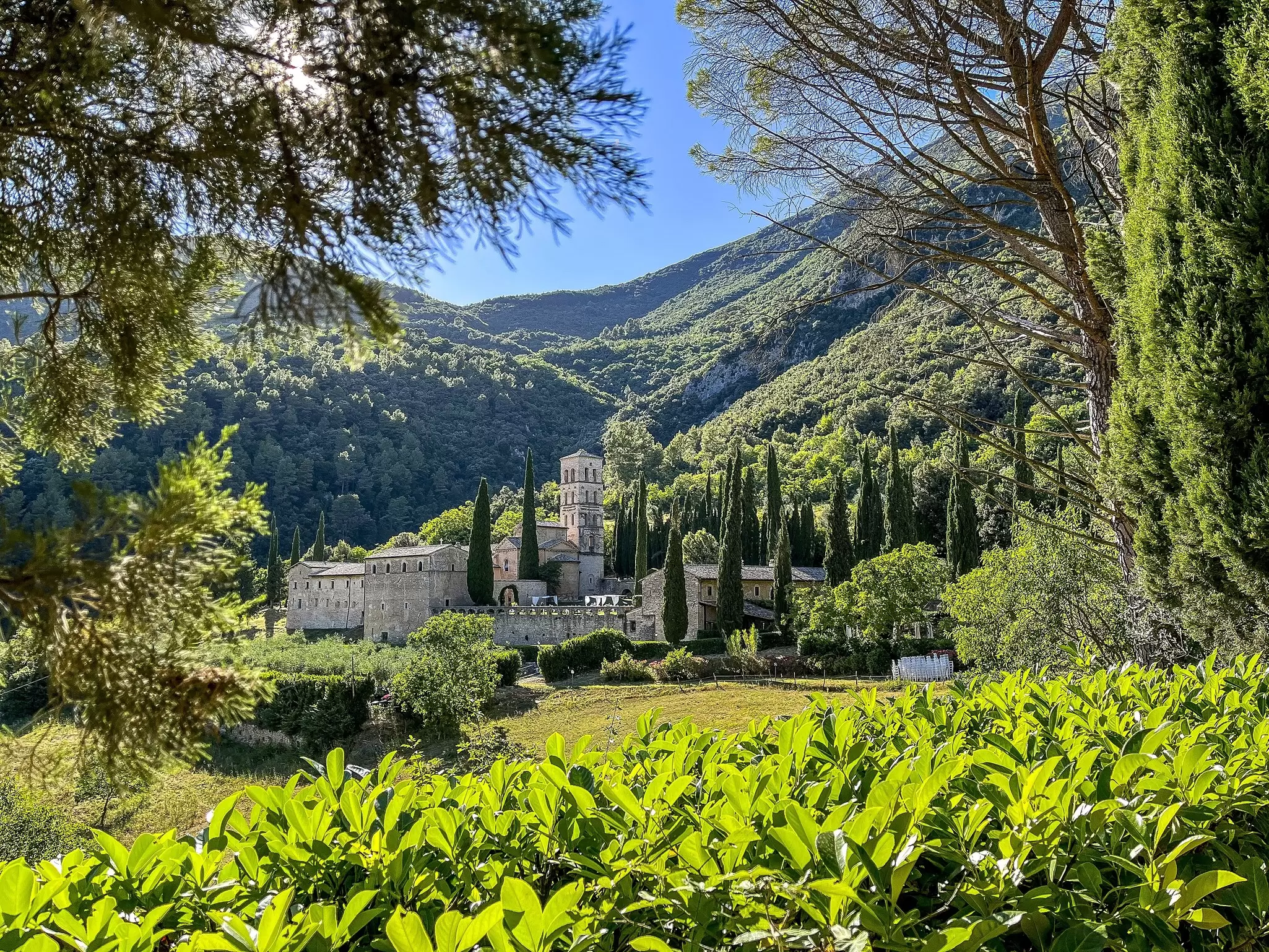
Every day we make hundreds of decisions, from what to eat to where to go next. Psychologists increasingly recognize that this constant choosing contributes to mental fatigue.
Monastery guesthouses offer an unexpectedly effective antidote. Meals are served at fixed times. Bells quietly shape the day. Silence fills the spaces, and it is welcomed. Whether or not you join communal prayers, the rhythm itself becomes restorative because so much of the decision-making disappears.
Recovery, in Sonnentag’s framework, isn’t only about relaxation; it’s also about psychological detachment from the habits and demands that define everyday life. Few places create that separation more gently than a monastery.
Planning tip: Many monasteries welcome nonreligious guests but ask for quiet conduct and conservative clothing.
Where to stay: Find lodging through Monastery Stays.
Best for recovering from urgency

The Alentejo is one of Europe’s least hurried landscapes. Whitewashed villages, cork forests, vineyards and quiet country roads encourage long lunches, aimless walks and afternoons that unfold without much planning. There are remarkable Roman ruins, excellent wineries and beautiful towns like Évora, and all of them demand to be experienced at a snail’s pace.
For travelers accustomed to measuring vacations by how much they accomplish, the Alentejo grants permission – commands even – to leave time unfilled. Sometimes boredom is simply imagination returning after a long absence.
Planning tip: Instead changing hotels every night, stay in a rural quinta (country estate) and rent a car to get around.
Getting there: Drive about 90 minutes from Lisbon.
Best for ending your trip well
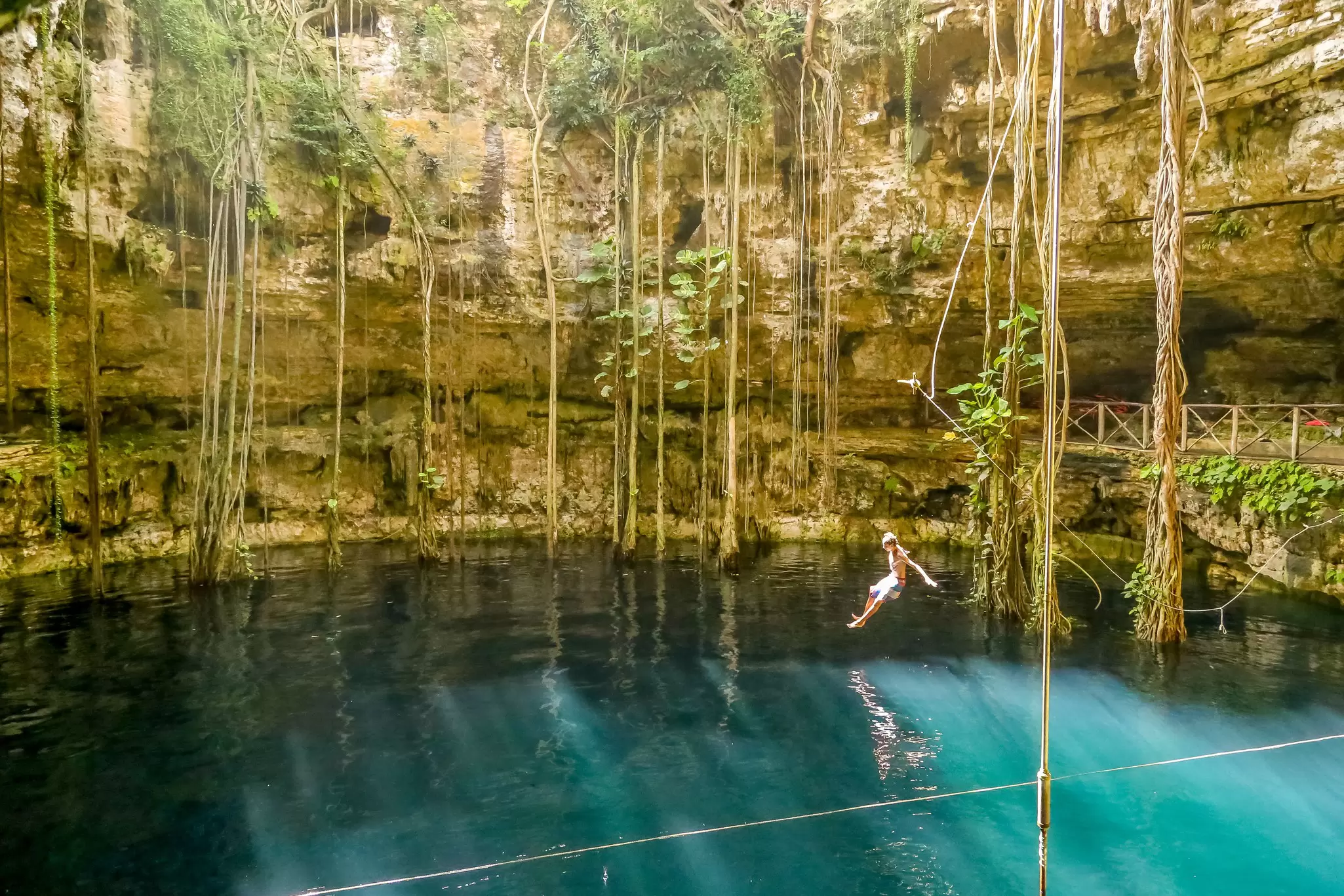
One of the smartest travel decisions happens before you fly home.
Rather than leaving directly from a busy city, Tanikasheryl increasingly builds what he calls “assimilation stops” into his itineraries: quieter places where travelers can absorb everything they’ve experienced before returning to everyday life.
After several weeks moving through Mexico City and Oaxaca, one traveler spent her final days in Galopina, a slow retreat in the Yucatán where reading, swimming and walking gradually replaced sightseeing.
Research by leisure scientist Jessica de Bloom, who studies the effects of vacations on well-being, consistently finds that vacations improve health and mood, but those benefits fade surprisingly quickly once people return to work. One reason may be that many trips end as frenetically as they began.
A slower ending gives both the body and the mind a chance to catch up.
Planning tip: Leave 2 or 3 nights between your busiest destination and your flight home.
Getting there: Fly into Mérida airport
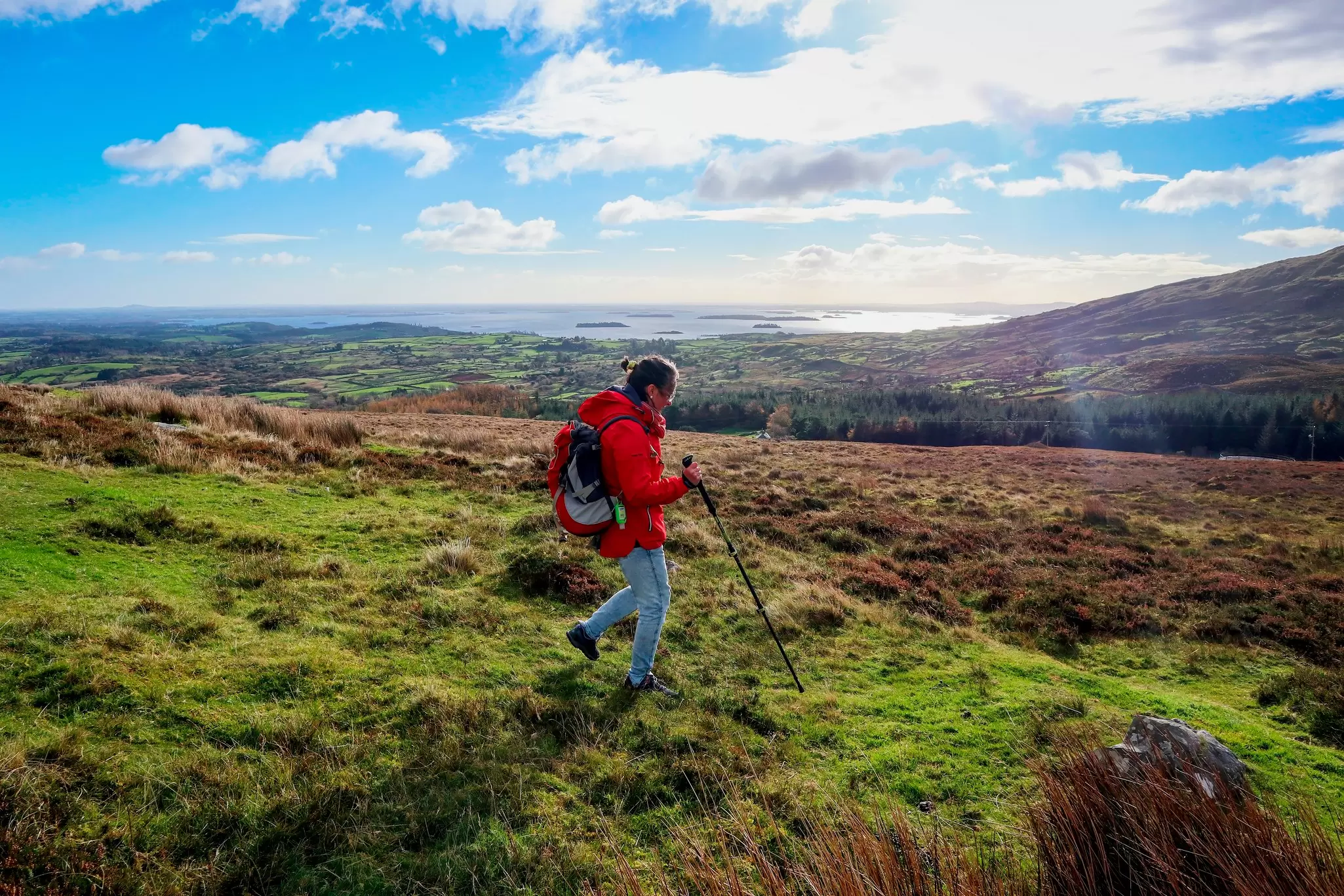
Research on recovery points toward a few simple principles:
Stay longer in fewer places.
Leave at least one-third of your itinerary unscheduled.
Learn something new rather than simply consuming attractions.
Spend time in nature, where your attention can wander.
Finish slowly instead of racing home from your busiest destination.
Perhaps the patron saint of restorative travel isn’t a wellness guru at all but English writer JB Priestley. In his 1926 essay "On Doing Nothing," he gently mocked the modern obsession with being busy, suggesting that some of life’s richest experiences happen precisely when nothing useful appears to be happening. It’s surprisingly contemporary advice.
Recovery isn’t something that accidentally happens because you’ve boarded a plane. Like good travel, it’s something that can be thoughtfully designed.
Explore related stories