Oct 8, 20268 min read
12 Best Christmas Markets in LondonAug 26, 2026
5 MIN READ

Writer
Colorful houses along Rue Cremieux in Paris. Jon Bilous/Shutterstock

Writer
Lonely Planet may earn a commission from affiliate links on our site. All recommendations and reviews reflect our own independent opinions.
The first time I saw the word “international” at a train station, I squealed with excitement (quietly; this was in London, after all). As an Australian living in the UK, I was amazed: “You can get on a train and get off in another country on the other side of the sea!” However, in case you’ve ever wondered: no, you can’t see any fish from inside the Channel Tunnel, a disappointment for those of us who’ve managed to keep a childlike imagination alive.
I’ve taken the Eurostar from London to Paris and back again several times now, and every time it feels exciting (even when I was delayed by an unexpected border staffing strike and missed my train). There are other ways to get between these two cities, but none is as quick, convenient or well priced as the train. Here’s what you need to know about taking the train between London and Paris.
The London to Paris train travels about 280 miles (450km) between these two cities in around 2.5 hours.
Eurostar ticket prices vary the same way as airfares with dynamic pricing; it depends on demand and the time of day you travel. At the least expensive, a single fare between the two cities is around £39 if you book ahead or bag one of Eurostar’s many sales (sign up on the website for notifications).
At the moment, Eurostar (which is a mostly French state-owned company) has a monopoly on the London to Paris route, but the rail regulator, the Office of Rail and Road, has opened the door for competition, with Virgin Trains and Italian state railway operator FS Italiane Group both vying to run services. So in the next few years, prices may come down.
Lowest advance fare: £39 one-way
Highest last-minute fare: £264 one-way
If you’re in London or Paris and want to travel this week, and you have some flexibility on the day and time, check out Eurostar Snap fares. These tickets are usually for a day or two in advance, and they cost less.
There are no stops between London and Paris at present. In the past, Eurostar called at Ashford International in Kent, but now it’s a straight run from A to B.
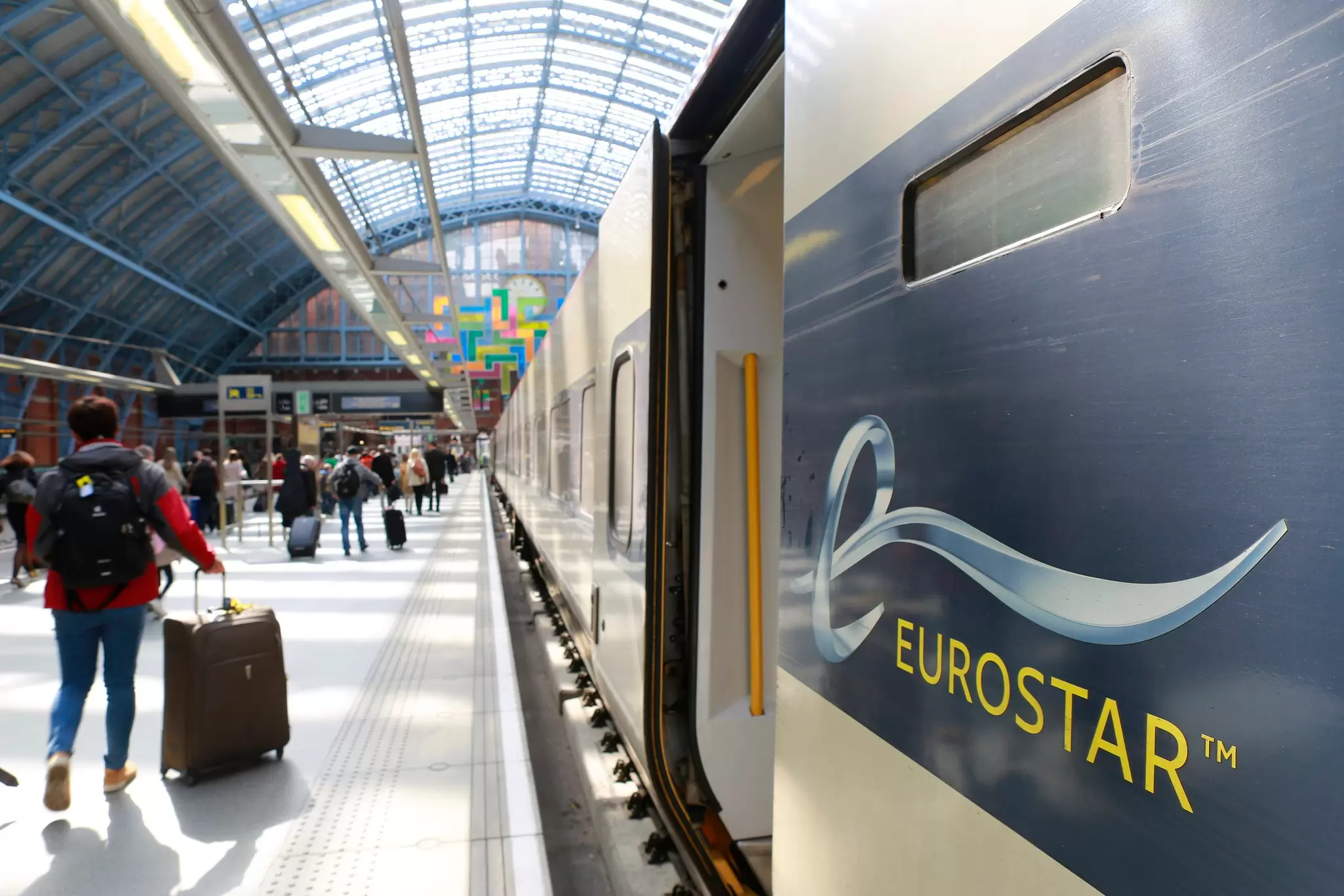
As this is a popular train route, it’s extremely rare to find an empty seat beside you. Once you’re settled in your seat, it’s a surprisingly swift journey to Paris from London, or the other way. The wi-fi onboard, however, is slow and patchy – it’s best to pack a book or load up your devices if you need a distraction to pass the time underground and underwater.
On the English side, much of the trip is spent rushing through various tunnels. At one point you cross over the River Medway (look down for boats) before reaching the Channel Tunnel. After the Eurostar ascends on the French side of the channel – the undersea section takes about 30 minutes – the train speeds past relatively flat farmland punctuated by rural towns, hay bales and the occasional church spire.
There are three classes on board the Eurostar. Standard class comes with a luggage allowance and the chance to choose your own seat. The dining carriage has basic sandwiches, drinks and snacks for sale, or you can bring your own picnic.
Eurostar Plus ticket holders get a meal served at their seat, as well as more legroom. Eurostar Premier travelers have added advantages, like priority through customs, a predeparture lounge and finer dining, plus wine, delivered to their seat.
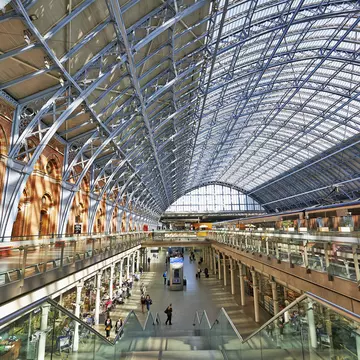
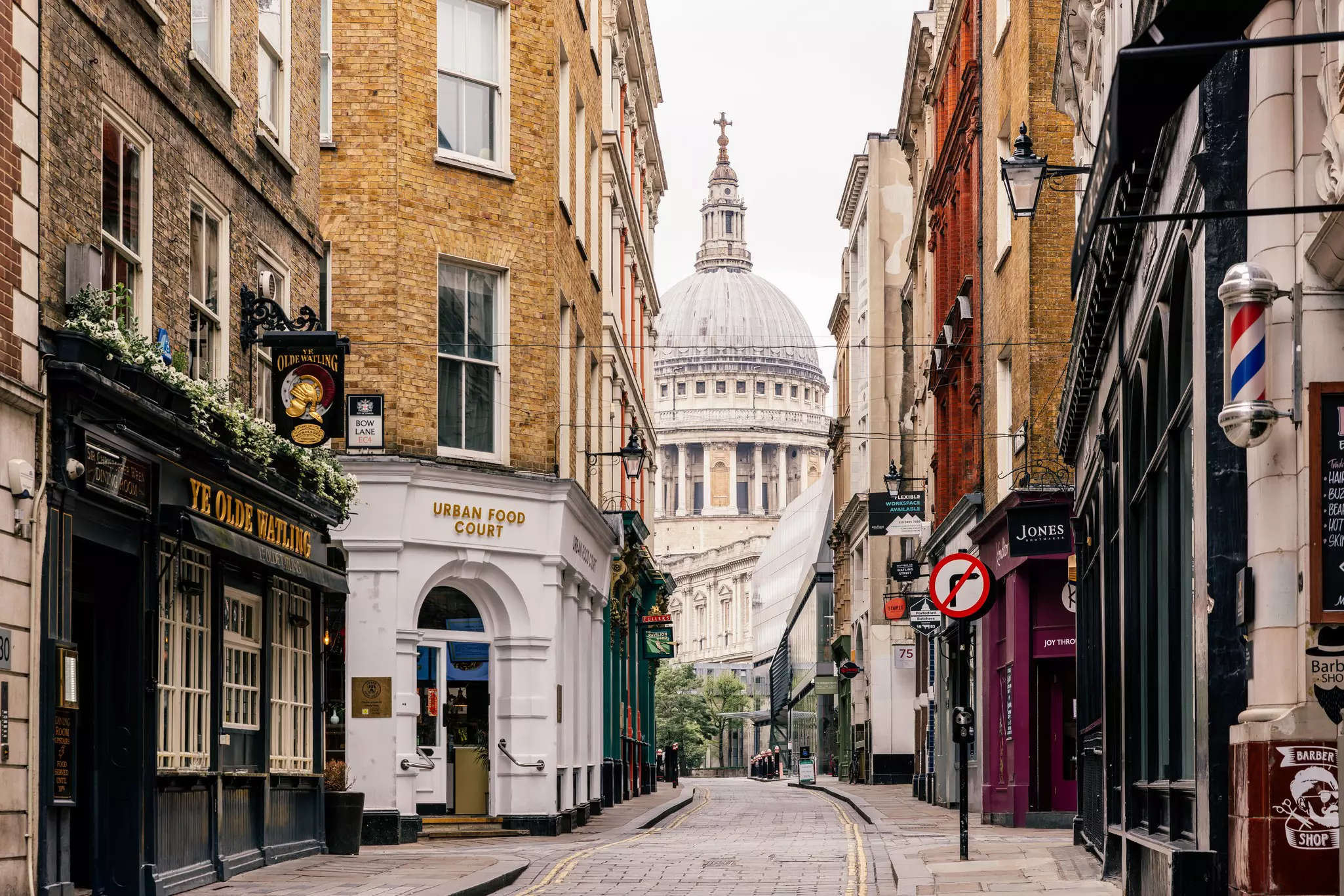
Both London’s St Pancras station and Paris’ Gare du Nord are well connected to public transportation. In London, you can ride the Tube, train and buses using a contactless bank card or your smartphone. In Paris, you need to purchase a Navigo Easy pass, then add money for your trips. You can buy one at the metro station (€2) after you disembark the Eurostar.

The areas around both stations are known haunts for pickpockets. Don’t be alarmed, but do keep your wits about you. Don’t leave valuables in your backpack on your back, or in pockets, or they may be stolen.
Don’t engage with people trying to distract you by asking you questions or offering unwanted assistance. Plan your next move from the train station and simply walk confidently in the direction you want to head. If you get lost, pop into a cafe or shop to get your bearings.
All that said, while there may be people hanging around asking for loose change or trying to initiate some banter, neither place is dangerous per se. Keep a sense of humor and keep moving, and your introduction to Paris or London will be hassle-free.
Bring water with you; there are no refill taps on the train.
Several trains depart every hour; you will be told what time to arrive at customs to board your train. Arrive earlier and you’ll just be in the queue for the train before yours.
Seating is limited in the predeparture areas at both St Pancras and Gare du Nord stations.
The train is fairly reliable, but delays do happen so don’t book your onward travel too close to your arrival time. Leave a decent buffer if you have a connecting train or flight.
If you have time but are short on cash, the bus from London to Paris is an inexpensive alternative. It takes around 9–10 hours, with the option of catching an overnighter, thus saving a night’s accommodation at the same time.
Flying is the least efficient way to get from London to Paris, even if the flights are on sale. You need to factor in the time and cost of getting to and from the airports, making it an expensive choice as well as adding to your carbon footprint.
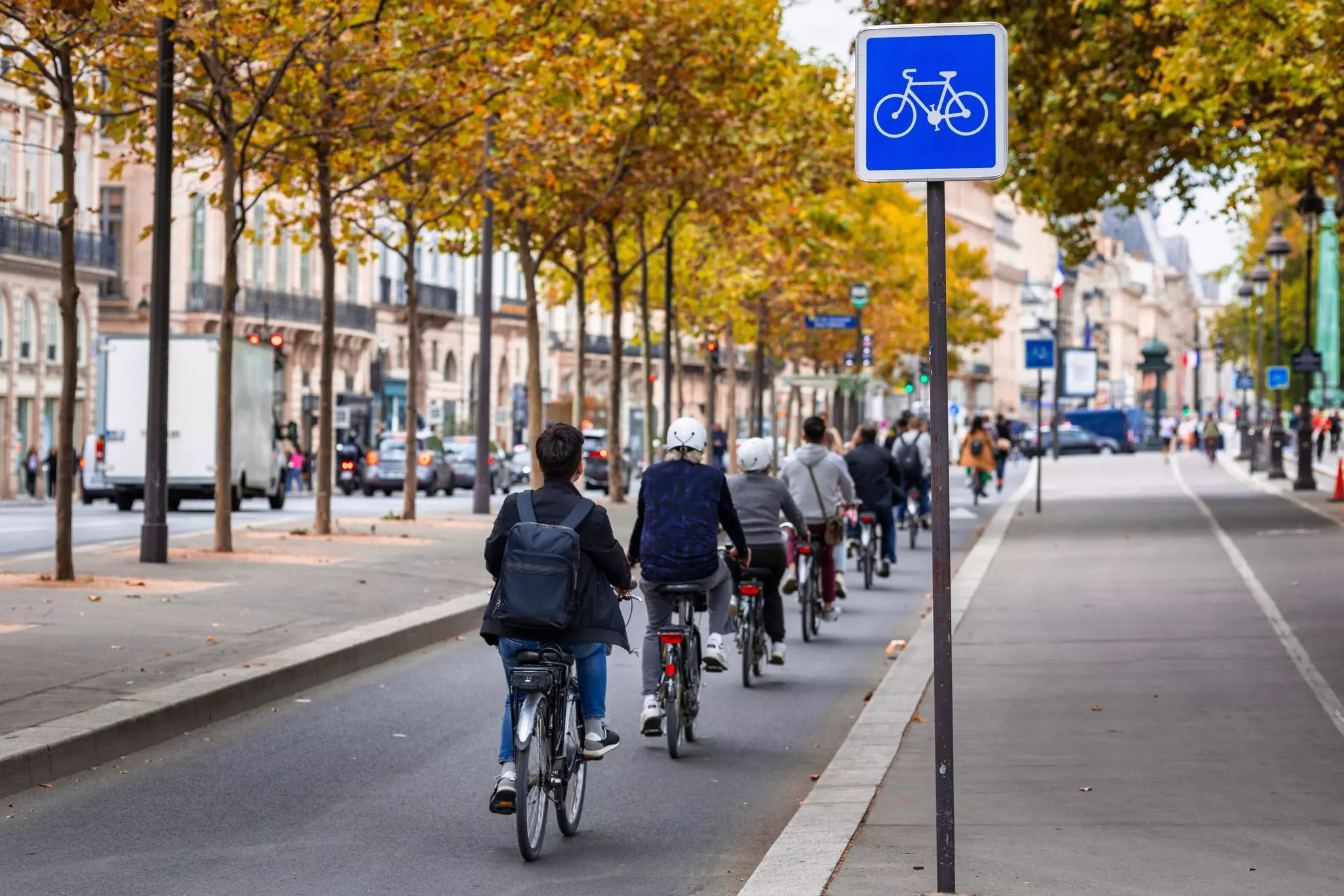
For a real adventure, some people cycle from London to Paris on the Avenue Verte with a ferry crossing in between. You can ride the whole distance in a minimum of 3 days. Once you cross the channel, the route follows an old train line from Dieppe to Paris.
Explore related stories