Oct 2, 202616 min read
The Top 16 Things to Do in LondonAug 3, 2026
10 MIN READ

Writer
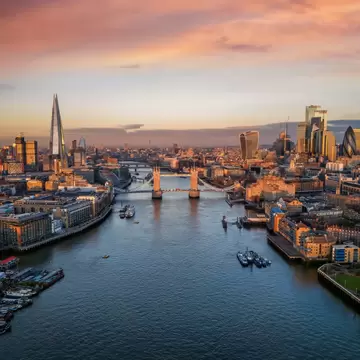
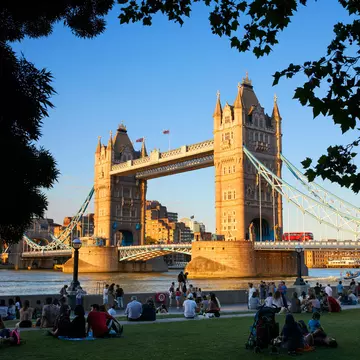
Tower Bridge at sunset, London. Laurie Noble/Getty Images

Writer
Highlights
Writer Jade Bremner shares 15 London tips on transport, etiquette and safety.
Ride the Tube with an Oyster card – driving into London triggers an £18 congestion charge.
Pack layers and a raincoat year-round; London's temperatures can swing 20°C in days.
At pubs, one person orders for the group; buying rounds in return is the custom.
Lonely Planet may earn a commission from affiliate links on our site. All recommendations and reviews reflect our own independent opinions.
Even though I was born and raised in London, I’ve been caught out without a brolly (umbrella) in the rain countless times. I’ve felt the scorn of others when I didn’t notice there was a queue, and I’ve made the costly error of driving into the city. As a local, I’ve made these mistakes so you don’t have to. Let my experience and tips inspire a smooth and memorable trip to the UK's capital.
Here are my top things to know before visiting London.
Three days is the bare minimum to see the top sights in London, and even then you'll be zooming through incredible art and historic treasures in some of the world's most incredible museums. If you can spare a week, you'll have time to visit a few more London boroughs beyond the central ones, which will give you more of a taste of London life: local pubs, parks and residential streets are among the places that will make you fall deeper in love with London.
Although summer is popular, it has also been hotter than normal recently. This might not sound like a problem until you realise that many of London's buildings, hotels, shopping centers, and public transport routes are not air-conditioned. The best time to visit is May when you'll get sunshine without the heat, and London's gardens are at their prettiest. Plus, the vibes are high in spring as Londoners make the most of longer days at the end of what can feel like a long, bleak post-Christmas era.
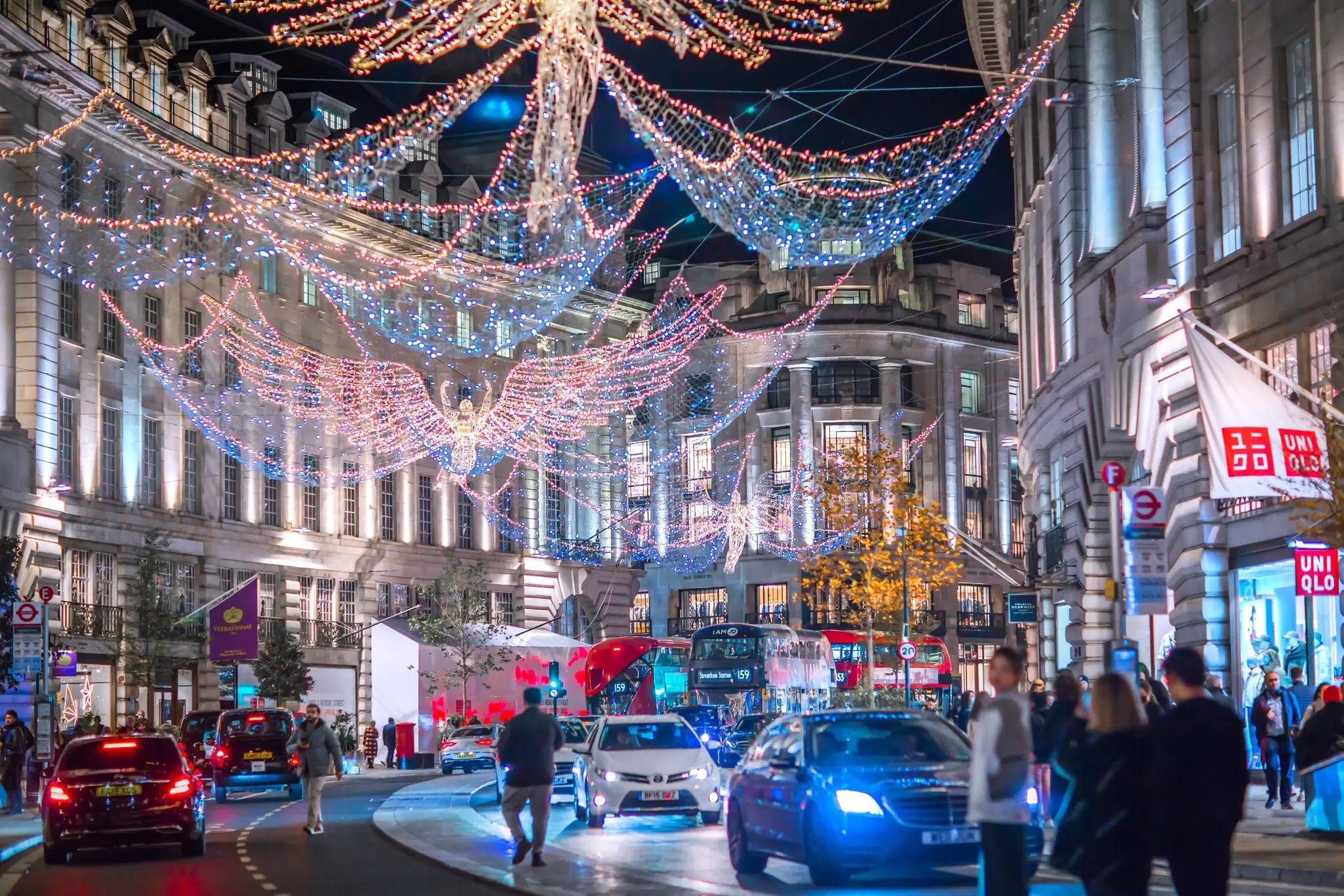
If you're not a fan of sunshine, visit in November and December when the West End is full of Christmas lights and the theatre district is buzzing into the night.
If you're here for a short period, the West End may be the best area to stay as you're close to many of London's key tourist spots. It also has great transport links to venture further, and a wide range of accommodation, plus plenty of places to eat out across every budget. Look for accommodation in Fitzrovia, which is just north of Oxford Street, but Soho is where all the excitement is.
South Bank to Bermondsey is another great area to stay, with a mix of well-priced chain hotels, as well as more boutique options, plus you're in walking distance of the Thames and key places to visit there.
More hip areas to locate yourself include around Spitalfields and Shoreditch, Islington, or Clerkenwell, which all have a more local vibe, cool cafes and bars, and good transport links to central London. If you're looking for historic streetscapes and access to high-end shopping, head west to Marylebone, Paddington, Kensington and Notting Hill.
While there are plenty of terrific places to eat that welcome walk-ins (although be prepared to wait for the most popular joints), many of the best restaurants are booked up weeks in advance, especially new ones or those run by celebrity chefs. More restaurants have adopted reservation policies and deposits, so if you’re looking for a unique dining experience, you will need to plan ahead.
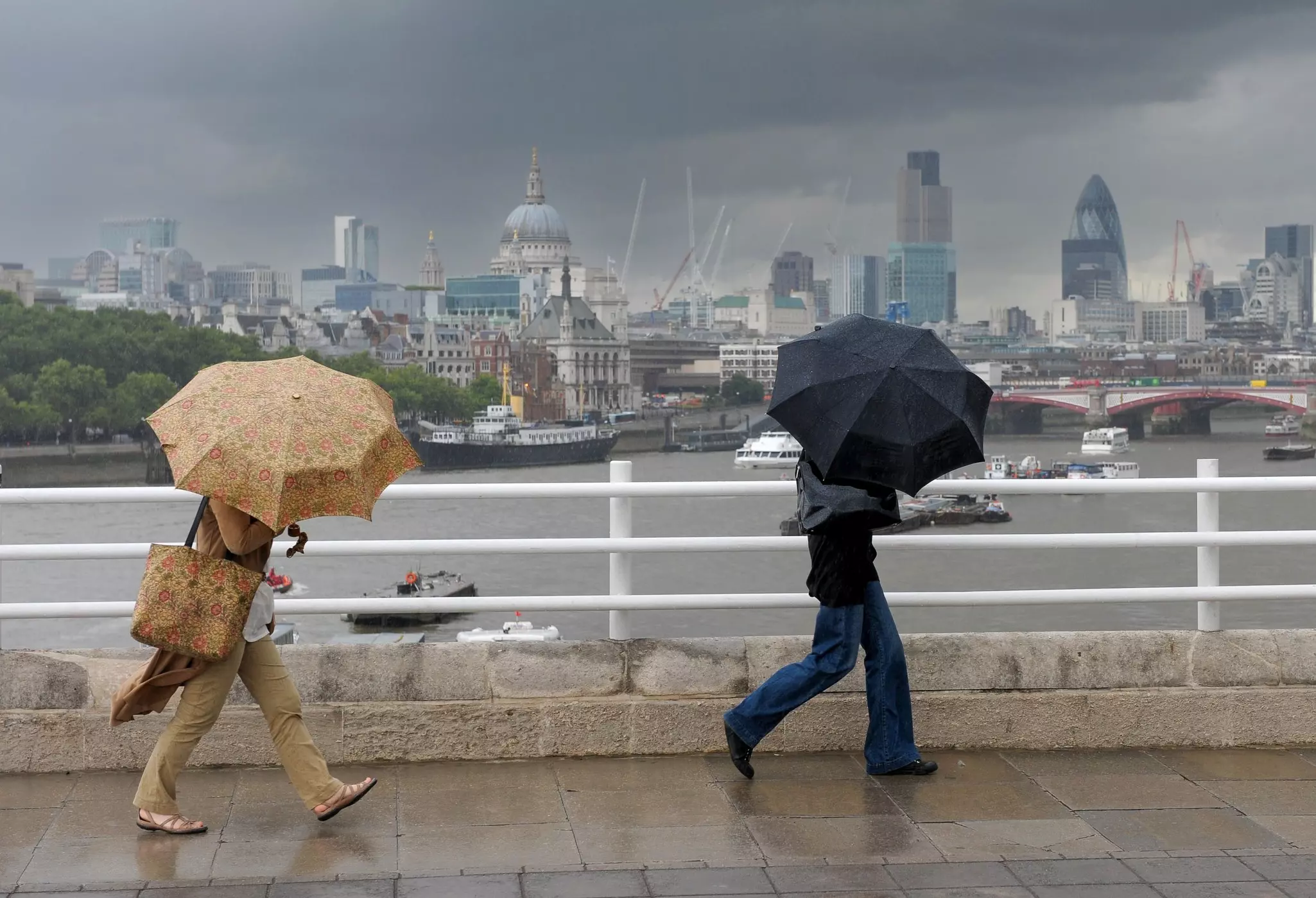
London's weather changes often – temperatures have been known to rise and fall by 20°C (a difference of about 35°F) in a matter of days. Showers can happen any time of year, so pack a brolly or raincoat in your day bag, and wear layers that you can easily take off. In summer, always carry a bottle of water on the Underground (the Tube) – the deep tunnels were built way before air-conditioning, and it can be stifling down there.
While the climate may be mercurial, don’t let bad weather put you off going about your day. Simply switch to indoor activities; there are plenty of museums, galleries and historic sites to visit.
London’s roads are narrow, its traffic is chaotic, and there’s hardly anywhere to park. Plus, you’ll be charged for driving a car into the center of London – the congestion charge is £18 a day, a separate ULEZ charge starts at £12.50, and this is all before parking, which starts at around £5 per hour.
The best way to get around London is on public transport. Use the Tube or hop on a bus if you are in the center of the city. It’s still possible to buy tickets for single journeys at ticket offices and self-service machines at most stations, but it’s less expensive and more convenient to use a contactless payment or a prepaid, reusable Oyster card (sold at most Tube and train stations). Check the Transport for London website or app for information on closures and events affecting the system.
London is massive; getting from one side to the other takes a couple of hours in a car (and that's if there is light traffic). Riding the Tube or train is quicker, but journey times can still be long if attractions are on the opposite side of the city. Minimize travel times by exploring the city by neighborhood – do a day in Central London, another day in West London, and so on.
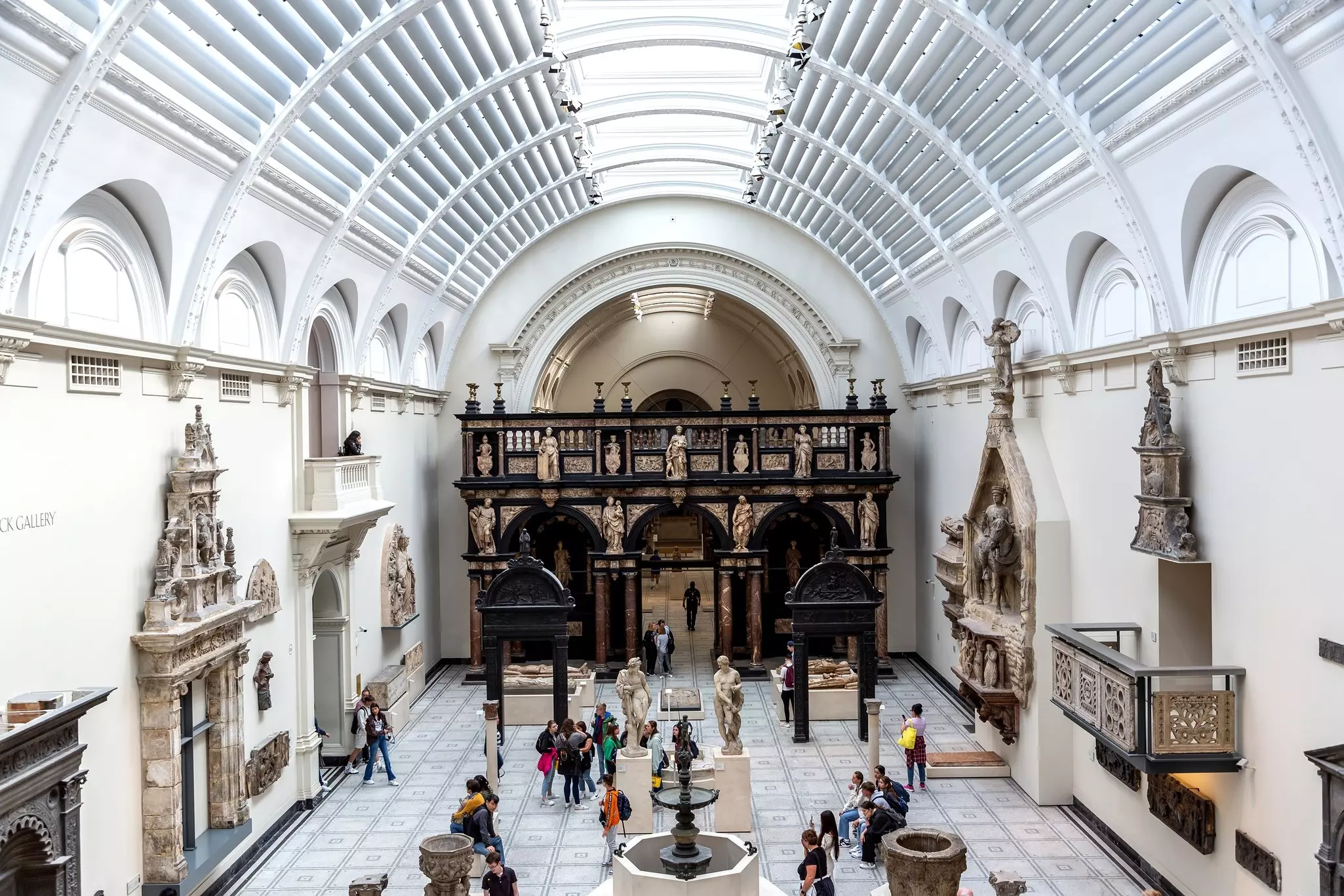
Plan on spending at least a couple of hours in the big museums and galleries, as there is so much to see. Take many breaks, grab lunch at a cafe or pub, and pause to take in the views.
It’s easy to get carried away with the energetic pace of London, but sights are more enjoyable if you adopt a more leisurely approach.
Rivalries run high in the city, with 17 professional men's football (soccer) clubs, including seven Premier League teams and five Women’s Super League teams. Giant stadiums are situated around London and are great places to feel the collective energy of the city, as locals congregate (come rain or shine) to watch their heroes on the field. You'll need to book tickets far in advance for Premier League games, but women’s and lower league men’s games are usually easier to come by – and arguably far more fun to watch. Visit team websites to book.
One easy way to annoy local commuters is to not follow three basic rules when getting around London on the Underground. First: have your ticket, bank or credit card, or smartphone ready before you reach the ticket barriers to minimize disruption and avoid creating a queue, as you tap in. Second: stand on the right when using escalators so other passengers can get by on the left. Third: let passengers off the train first (stand to either side of the doors) before you board.
On board, naturally you'll want to offer your seat to someone who may need it more, such as a pregnant person, an older adult, or someone with a disability. It's not always obvious who may need a seat, so look out for a "baby on board" badge to indicate a pregnancy or a green lanyard with sunflowers, which represents a hidden disability.
If you want to blend in, definitely don't try to strike up conversations with the locals, and if you're on your phone or watching something, use your headphones. This is fast becoming a pet peeve for Londoners.
The Tube map does not reflect distances between stations accurately, so if you're only going one or two stops, it's definitely worth checking to see if it's going to be quicker to walk.
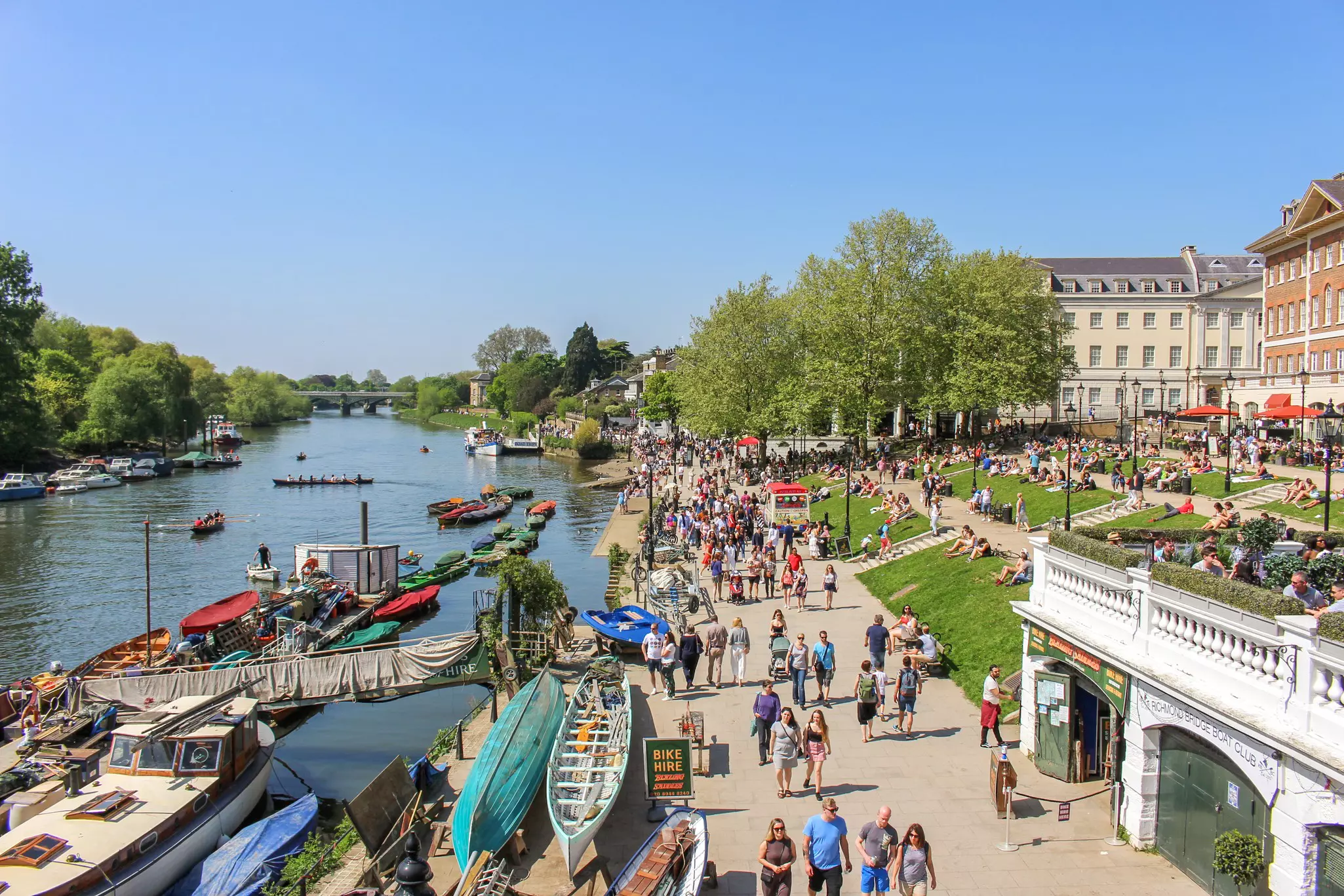
Most people cover a lot of ground on foot when exploring London, which features many different terrains: grass in the many green spaces, long Tube escalators, slippery pavement and ancient cobblestones. Museums require leg work, as do bridges, boats and parks. Heels are pretty pointless in London, unless you are getting a door-to-door cab to a venue.
Londoners (and British people in general) are big on manners, and not having any will get you into trouble. Say "please" and "thank you," and apologize if you bump into someone. Don’t stare at people on the Tube, and hold a door open for people behind you when you walk through one. If there is a queue at an attraction you want to visit or a stall you want to buy from, join it – you might not get into a confrontation if you skip the line, but you will be silently judged.
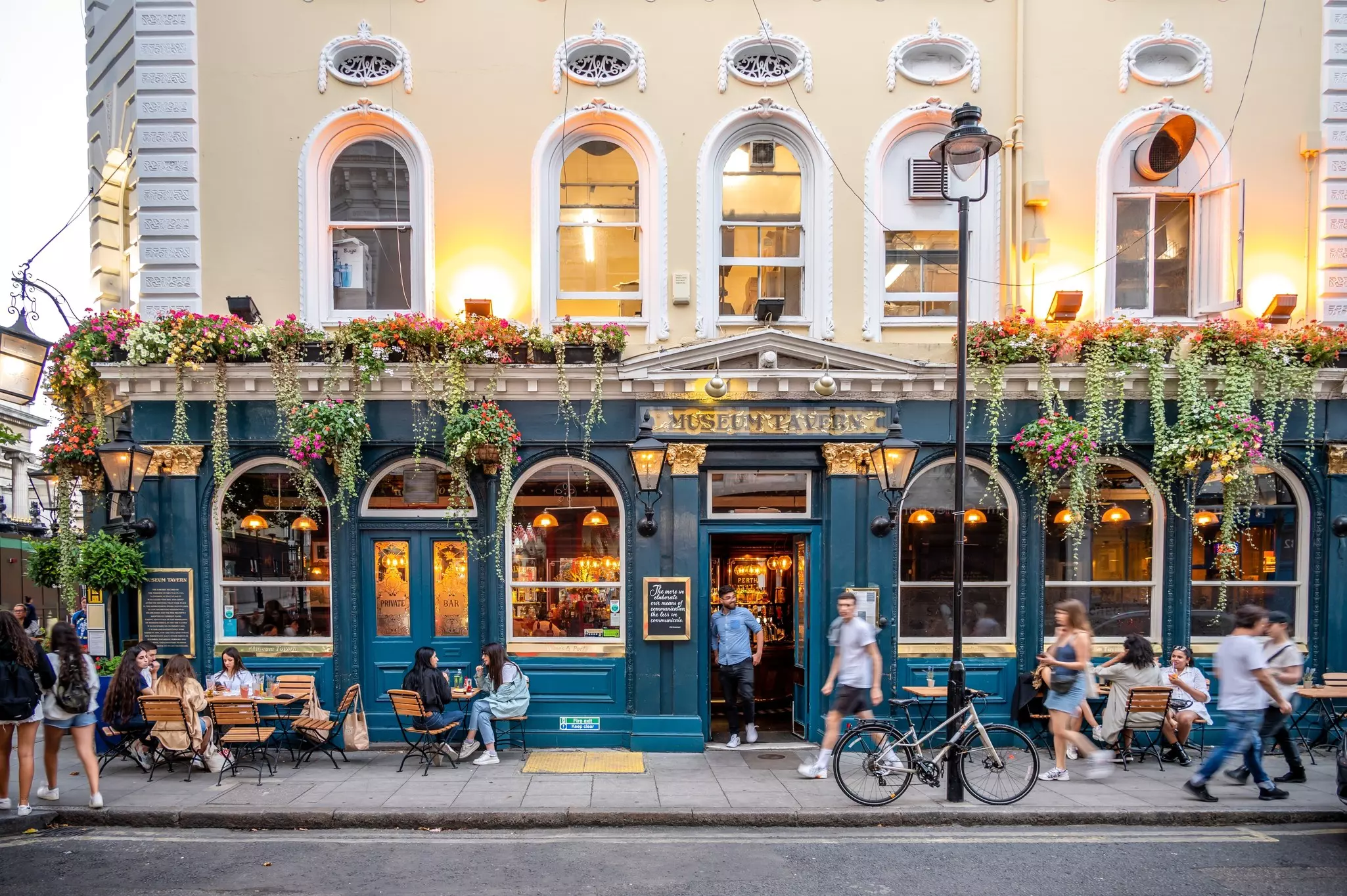
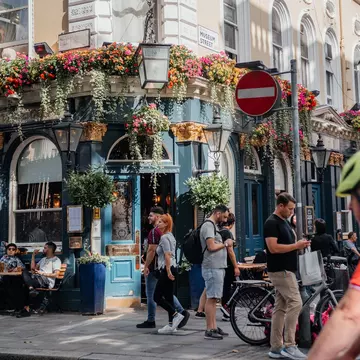
There are unspoken rules when visiting a pub. One person – not a whole group – should go to the bar. Stand anywhere and wait your turn. If someone was waiting before you, it’s polite to signal for the bar staff to serve them first if they come over to you. When you go back to your table with the drinks, you just bought "a round." It’s customary for others in your group to buy you a drink back throughout the evening, completing a "round." Last orders are when the bell rings, or staff shout "last orders." From the bell, you have 20 minutes to drink your drink, no negotiations.
London plays host to events throughout the year, from niche performances in arts centers to large-scale music festivals, parades and sports tournaments. Trafalgar Square and Soho fill with rainbow flags in early July for Pride. The Notting Hill Carnival celebrates Caribbean culture, arts and heritage at the end of August, cramming the streets around Westbourne Park and Ladbroke Grove. Hyde Park and Victoria Park host huge open-air concerts throughout the summer months, which means large areas of parkland are inaccessible to visitors. Many football stadiums use the offseason to fill their pitches with music fans.
If you have tickets for any of London's major events, be prepared for incredibly busy journeys on public transportation, particularly after the event, when upward of 50,000 people are trying to get on a train at the same time. Don't be surprised if police or security hold back crowds while some of the stations clear. This is a safety measure, usually accompanied by a cheery atmosphere and even the occasional post-concert sing-along.
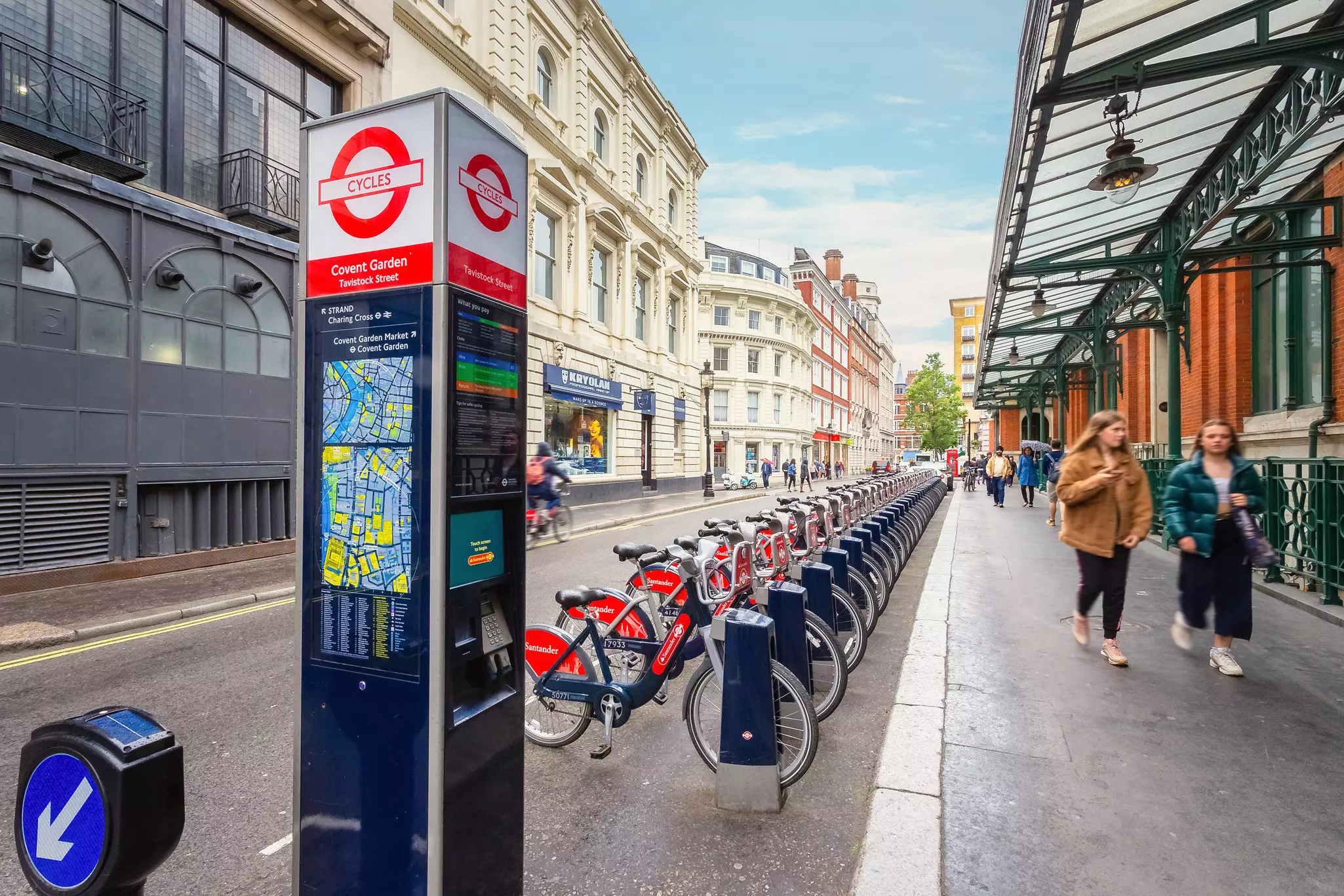
It is very easy to rent a bike or e-bike in London with bike-sharing schemes popping up all over the city. The most popular is by Lime, but it is not without its critics, including accident and emergency staff in London's hospitals. Riding a bike is an excellent way to get around in London; you see more and connect different areas which can appear far apart on a Tube map. There are also more dedicated cycling lanes being built and TFL cycling maps highlight the best routes to take, often on residential streets. All of this comes with the caveat: you need to know what you're doing, as other cyclists, unthinking pedestrians, cars, vans and buses do not allow room for errors of judgement.
Don’t leave your bags unattended at public venues like stations, buses, theaters or museums, as this is likely to cause alarm to the people around it and your bag may be removed – by officials or thieves.
When you go out for the day, only take what you are able to carry for several hours. Luggage storage is rare in London, but hotels will likely store bags once you check out.
Avoid carrying mobile phones in back pockets or where they can be easily swiped from your hand in the street. Never leave your phone or purse on a cafe table, as opportunistic thieves will distract you, and it will be gone before you realize what's happening.
Explore related stories