Oct 25, 202617 min read
The Top 17 Things to Do in LondonAug 21, 2026
11 MIN READ

Writer
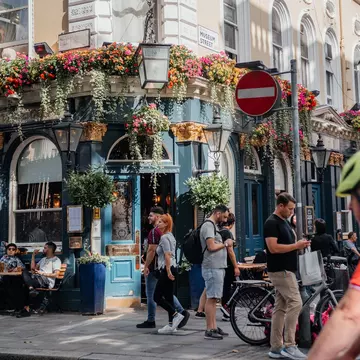
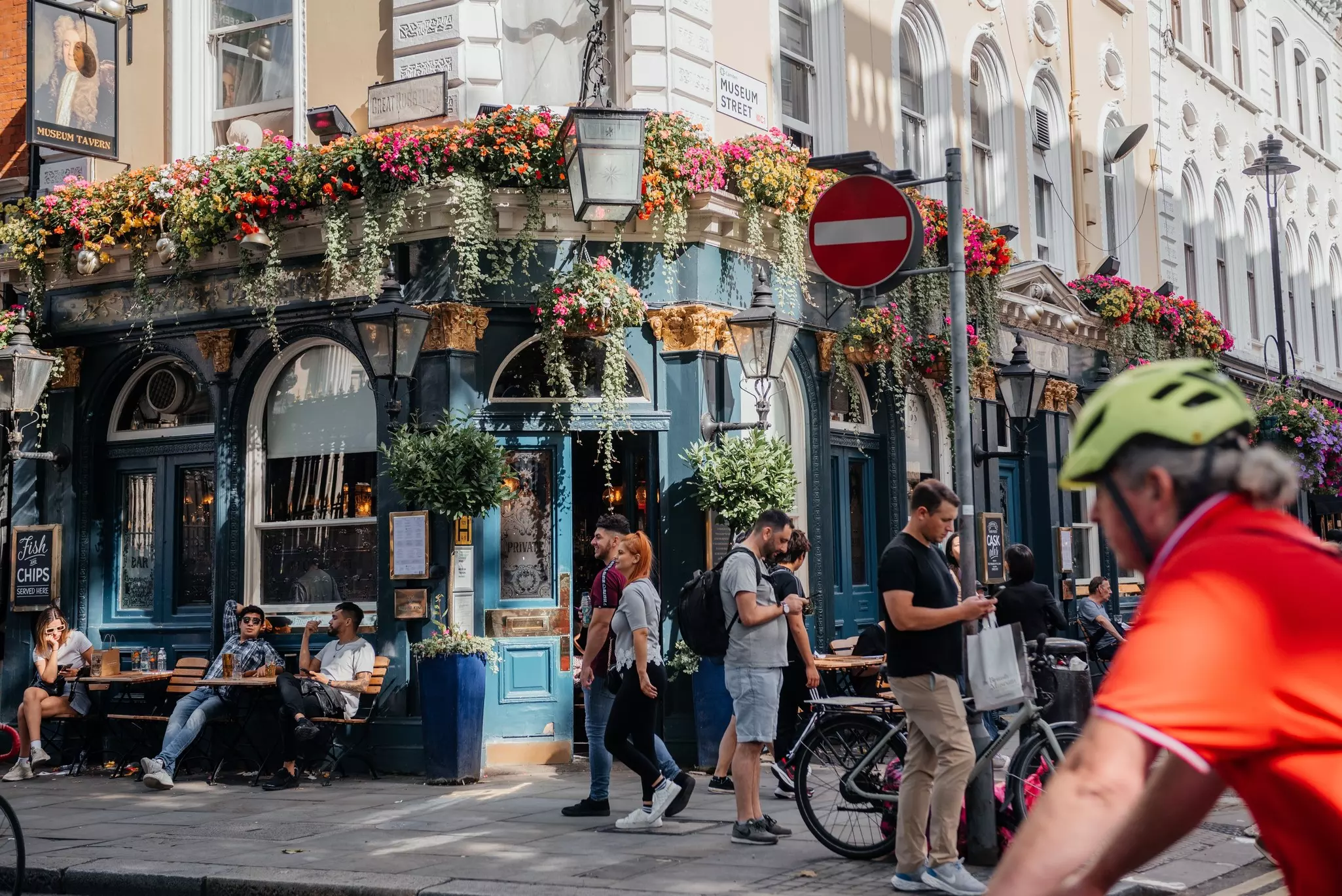
Museum Tavern in Bloomsbury, London. Marinesea/Shutterstock
Writer
Highlights
Writer Tasmin Waby shares her tips for visiting London on a tight budget.
Visit January to Easter for London's cheapest hotel rates, shorter queues and easier reservations.
Culture lovers can fill days for free at the British Museum, V&A and National Gallery.
Take buses over the Tube – the daily cap is £5.25 – and walk whenever you can.
Lonely Planet may earn a commission from affiliate links on our site. All recommendations and reviews reflect our own independent opinions.
There is no getting around the fact that London is one of the world’s most expensive cities to visit.
However, there are a host of ways to experience the best of London on a budget. First, many of London’s top sights are free to visit, including immaculate parks, river- and canal-side strolls, and awe-inspiring museums and art galleries. Second, there are many different Londons – it’s often described as a city of villages – but even the most expensive neighborhoods can be experienced on a budget. While public transportation can easily become one of the big expenses on a visit to London, there are ways to reduce your costs with some local know-how.
From getting around to cheap eats, here are my key tips on visiting London on a budget.
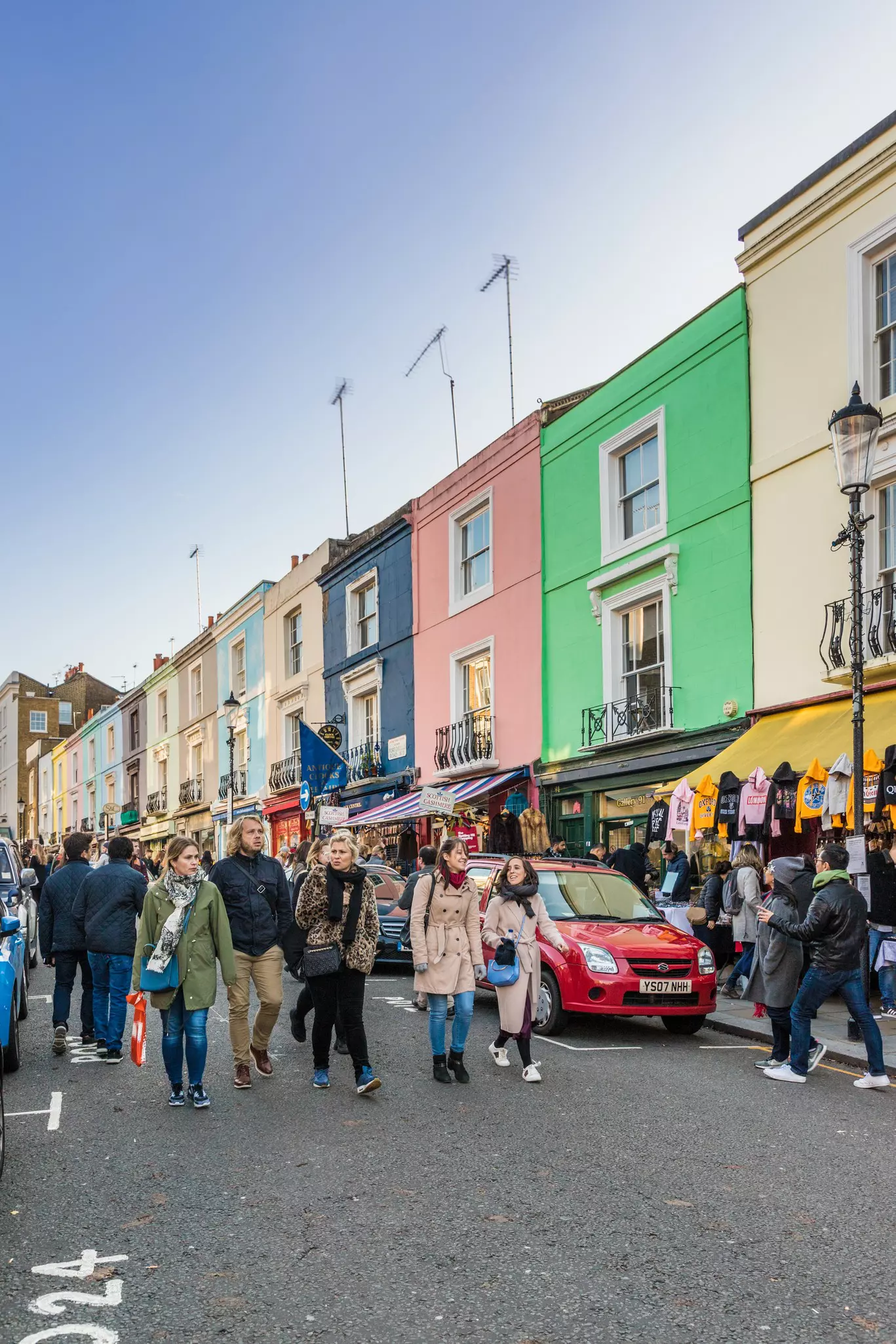
The cheapest time to visit London is after New Year's in January until the Easter school holidays begin sometime in either March or April. These months are when you’ll find the best deals on accommodations, especially midweek. The weather won’t be a highlight during this period, with overcast days, occasional rain and even snow. It’s also dark from around 4pm. However, you won’t be wasting any time in queues, you’ll find reservations for shows and restaurants much easier to secure, and who doesn’t love a cozy London pub to keep the winter blues at bay? Many people ask me why I love it here, instead of Australia where I grew up – winter is the answer.
Looking at the cost of a hostel bed or a single room, and assuming you keep your spending on food low and visit many of London’s free attractions, you can see this city on a tight budget. Couples will probably want to stay in a room, not a dorm, and may want to spend a little more on dining out. A family of four will need deep pockets, but renting an apartment and self-catering will help manage costs.
Solo traveler: £70–100 per day
Couple: £150–250 per day
Family of four: £400–500 per day
Night in a Zedwell capsule hotel bed: from £30
Night in a double room at The Hoxton: £200–350
Night in an apartment in Paddington: from £200
One-day transit ticket for Zone 1 and 2: £8.90
Monmouth coffee: around £4
Street food at Seven Dials Market: £10–15
Dinner for two at Noodle & Beer in Chinatown: £50–80
Pint of beer at The Coach & Horses in Soho: £7.50
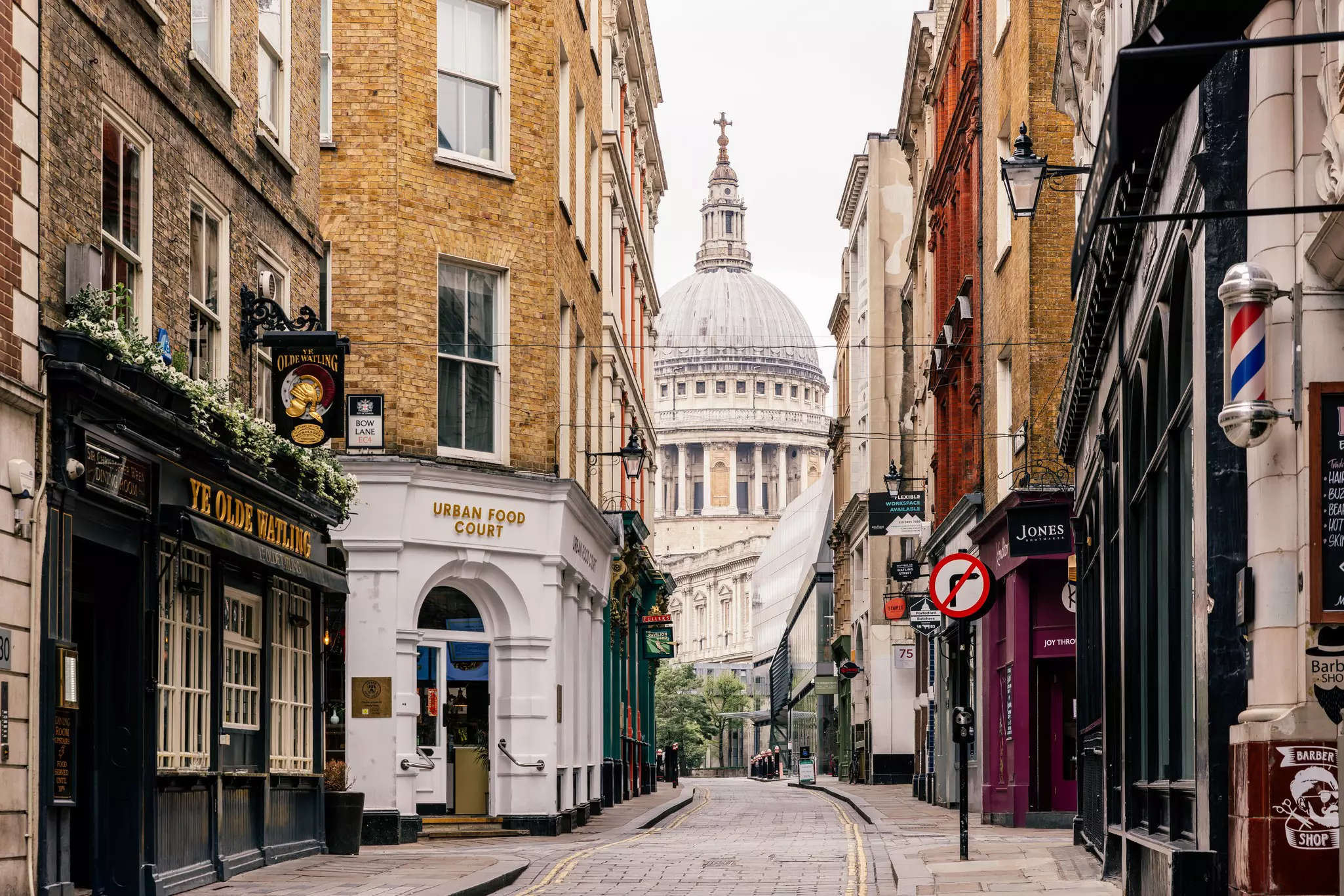
YHA St Paul’s is well located and has plenty of dorm beds but no self-catering kitchen.
Prime Backpackers is focused on younger travelers looking to meet others, with loads of social events.
University student dorms are often available in the summer. They usually come with shared bathrooms but are in central locations.
There are not many budget hotels in London. If you head east to Canary Wharf, you’ll find better deals.
Good Hotel, on a former ship, has compact rooms, but the Elizabeth Line gets you into central London quickly.
Premier Inn is a UK-wide chain that delivers for the price (and kids eat breakfast for free). I’m a fan.
Generator is a globally recognized hostel that has twin and king rooms.
The Standard, with its very cool interior design, rooftop bar and location opposite St. Pancras Station, is a top-end contender.
Batty Langley’s sumptuous Georgian rooms will wow history and period drama lovers looking for ye olde London.
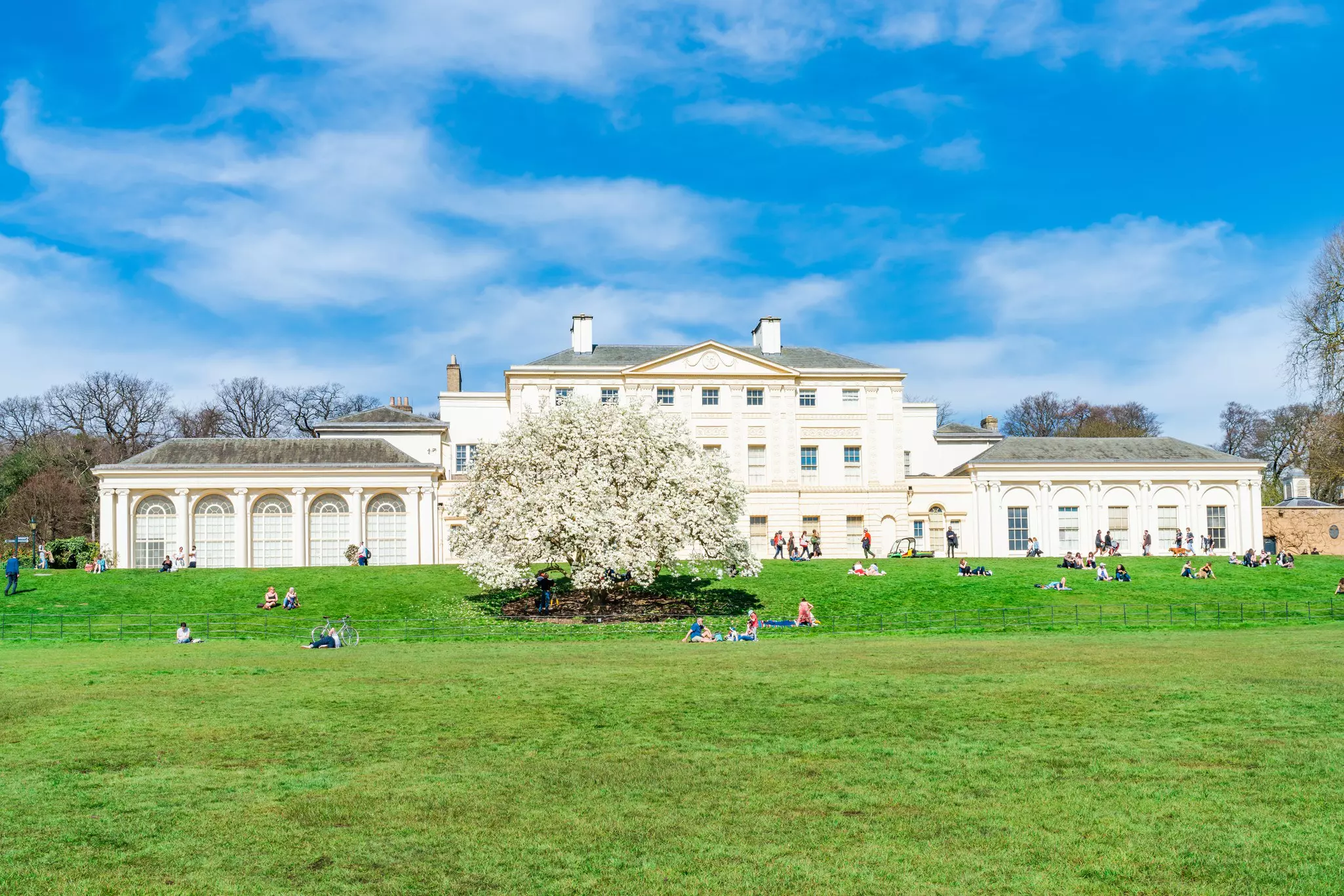
London is blessed with many free things to do, from visiting major art museums to wandering historic streetscapes and markets. Admission to major sights like the Tower of London, Buckingham Palace and the Churchill War Rooms will set you back at least £30–40 for an adult.
However, it is surprising what you can do for next to nothing: a picnic in Hampstead Heath combined with a visit to Kenwood House and followed by a pint at a characterful pub like the Spaniards Inn couldn’t be more London – and will cost less than £15 for the day if you catch the bus (more on that later).
Visit the Royal Palaces
If you’re a history buff and in London for more than a few days, it’s worth upgrading from a single ticket to a membership to see the Tower of London, Kensington Palace, Hampton Court Palace and Banqueting House for one price (£65 for an adult, £125 for a family) and go as many times as you like to these royal palaces. Members-only events provide a behind-the-scenes experience too.
Catch a West End show
If you get organized, you can see a major play or musical, often starring internationally recognized performers, at a fraction of a full-priced ticket. First, book early and book direct. If you know the dates for your trip, research what’s on and sign up for ticket release notifications. A restricted-view seat in row A of the upper circle will set you back £25 rather than £250 for row A in the stalls, but these get snapped up quickly. Row D isn’t too bad either. Not that organized? Last-minute rush tickets can be bought via resellers such as TodayTix with big discounts to fill empty seats.
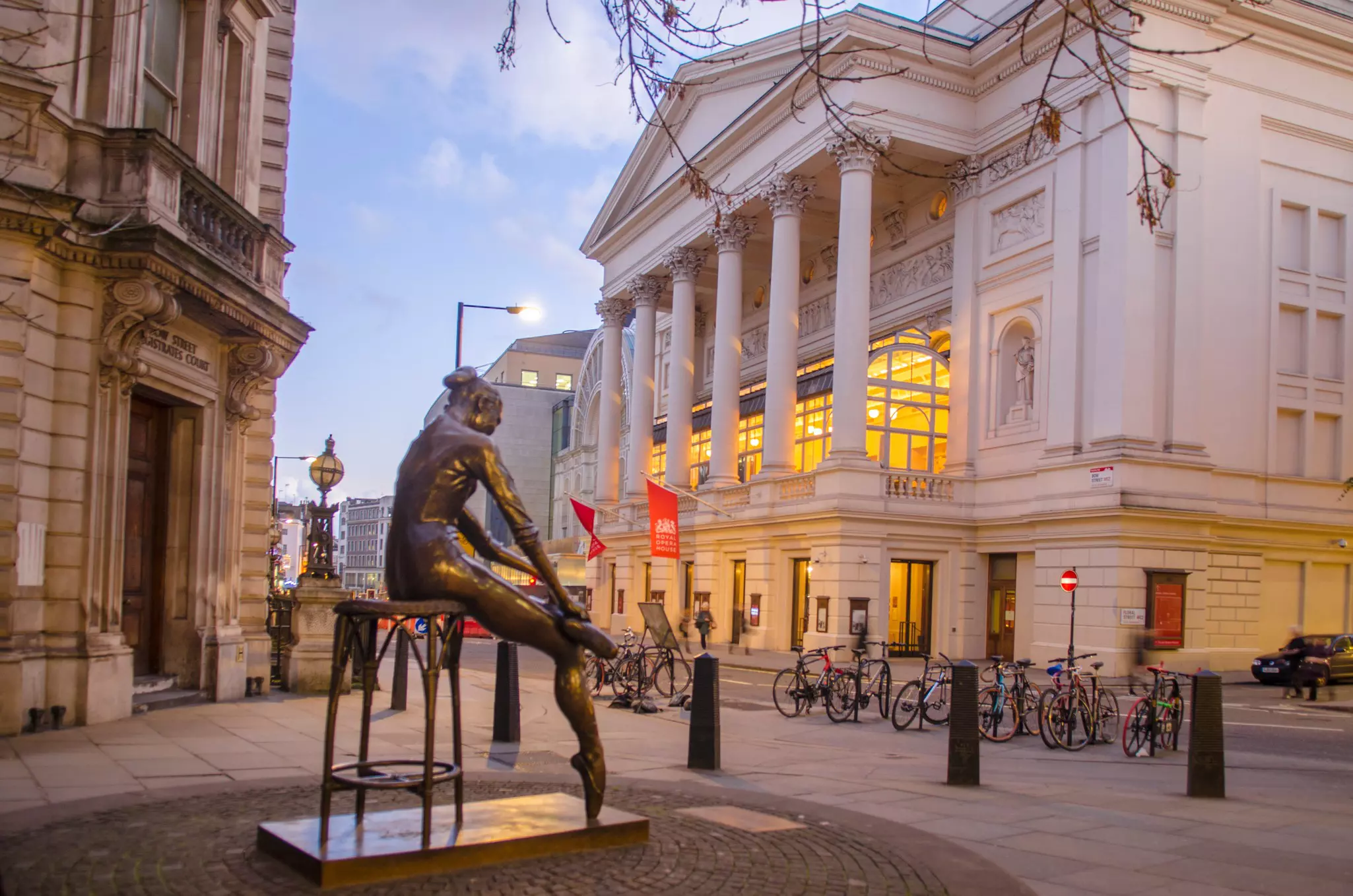
You can also choose standing tickets for less. Dress up and soak in the atmosphere at the Royal Opera in Covent Garden for £19, or join the rabble at Shakespeare’s Globe for £5–10.
The West End is theater heartland, but if you’re looking for up-and-coming shows (and talent) for lower prices, check out theaters like the Bush Theatre, Almeida, Arcola, Hampstead Theatre and Young Vic.
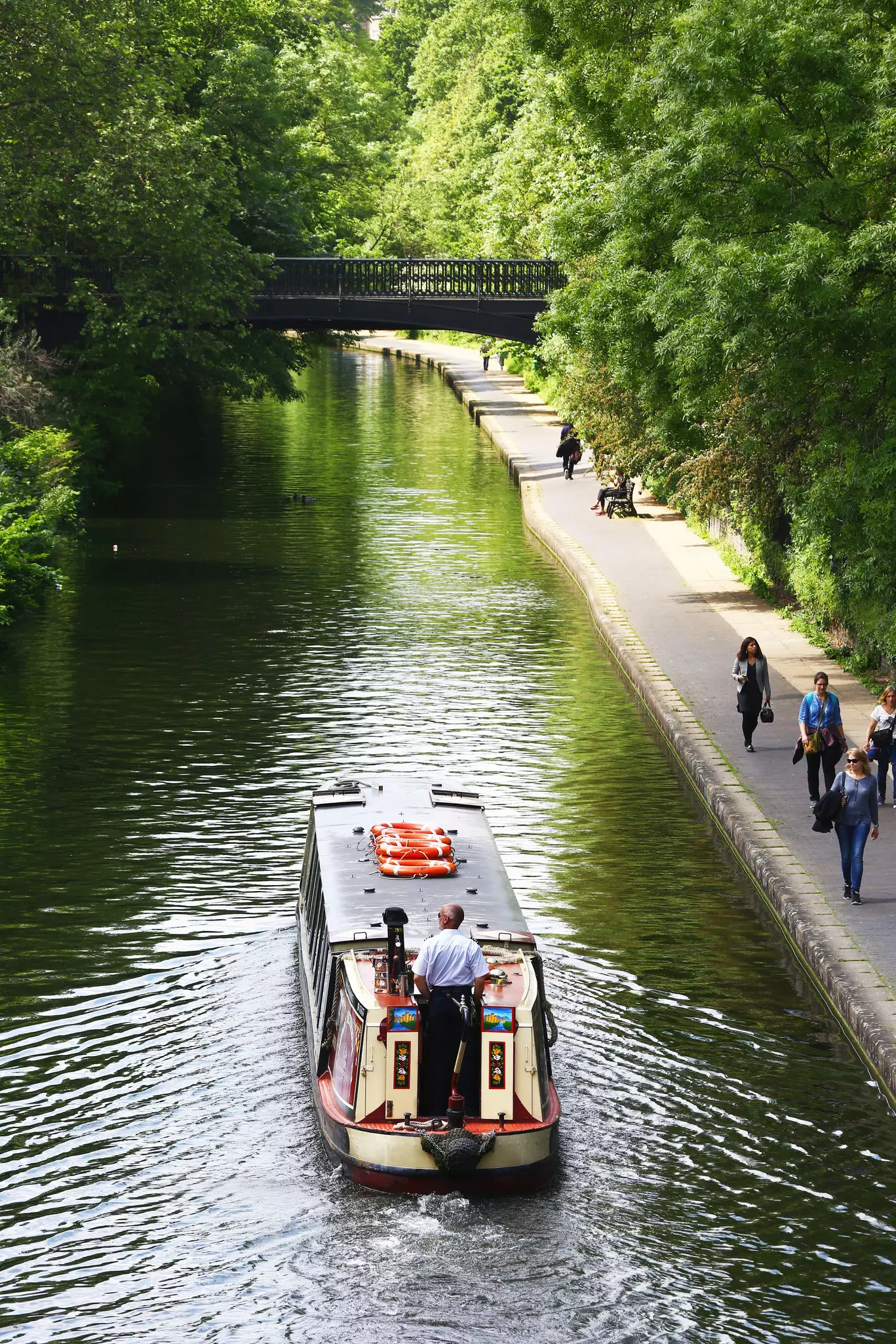
See the city from the water
The Thames Clipper has a hop-on, hop-off daylong ticket, enabling you to pop by some of London’s best sights along the Thames – many of which are free to visit. An adult ticket is £25–30; a family pass (with up to three kids) is £60. Seeing London from the water is pretty special, and you can travel all the way from the historic neighborhood of Woolwich in the east through central London to Putney via the imposing Battersea Power Station. Along the way, take time to explore Maritime Greenwich (a UNESCO World Heritage Site), walk across Tower Bridge, snap pics of Big Ben, see art at Tate Modern and Tate Britain, and finish off at a lesser-known spot like Fulham Palace (free).
Go on a guided walking tour
London’s streets are layered with history, and there’s no better way for history to come to life than with a guide. Guides who lead walks that are advertised as free will give you a spiel at the end about paying what you can based on how much you enjoyed the tour, so don’t turn up empty-handed. Another option for doing a walking tour on a budget is downloading an audio tour.
If you’re prepared to invest in a private tour, for a guarantee of quality look for a qualified Blue Badge Tourist Guide – prices range from around £230 for a half day to £375 for a full day. If you want to join a small group instead, you can research popular tours on social media. Instagram is a great spot to get insights into tours you might enjoy (and learn a few tidbits before your trip). Check out Bowl of Chalk and Look Up London for examples.
Explore the Barbican, a brutalist housing and cultural hub. It has a pay-what-you-can option for art exhibitions on specific days.
Get inside St Paul’s Cathedral for free by attending an Evensong service.
Take the kids to the Natural History Museum and the Science Museum, neighboring institutions that are both free to enter.
Visit the British Museum, a sprawling free museum with global antiquities on display.
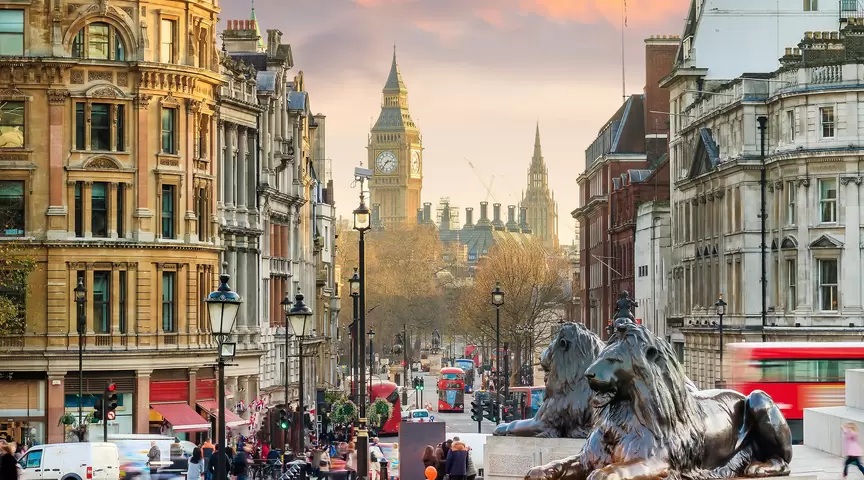
Admire grand artworks at the National Gallery and the National Portrait Gallery – free side-by-side institutions by Trafalgar Square.
Choose between the V&A in South Kensington or East London or the Young V&A for kids; these three museums have very different architecture and collections, and are all free to enter.
Pick a neighborhood and simply wander the residential streets and see what you find. London is a city of villages with pocket-sized squares, free little libraries, backstreet pubs and ornate parks. Find one to love. My favorites for this kind of day out are Hampstead, Richmond, Kew (it even has a pub at the train station), Paddington, Islington and Clerkenwell.
Set the filter to free on Eventbrite to find events all over the city, from dance classes to reading raves. Meet other travelers and have some free fun.
Don’t buy multiattraction tickets that bundle two to five sights for a single price without first planning your days in advance – allowing for plenty of time to get across town. You often need to book the subsequent timed entries ahead, which can add pressure to your schedule. Similarly, the London Pass is a bargain if you have the speed and stamina to see five attractions all in one day!
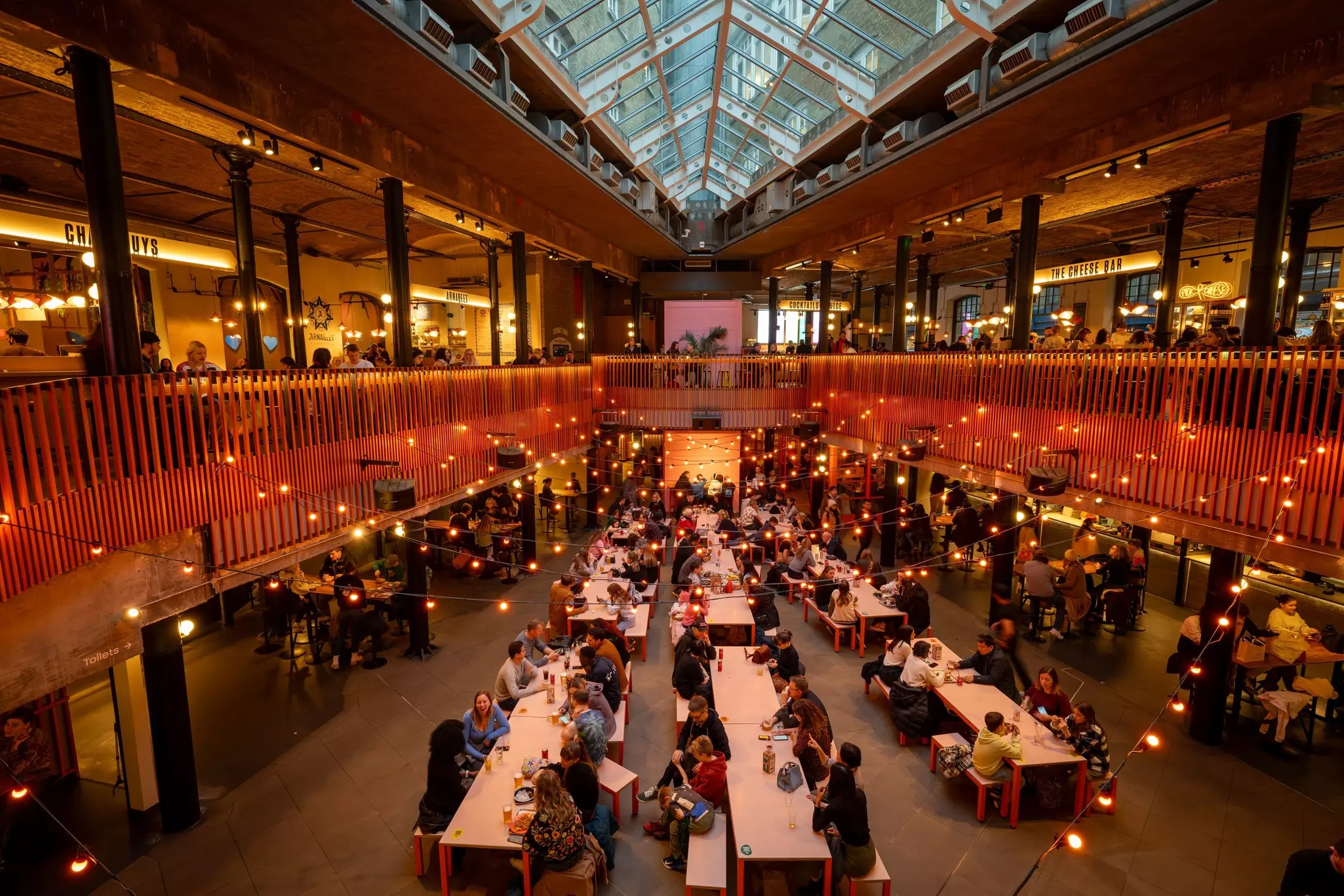
It’s slightly embarrassing to admit, but for eating out on a tight budget, supermarket “meal deals” (around £4–5) are a huge cost saver, especially as many include a coffee for your drink. To max it out, I often get a cappuccino and croissant for breakfast, then keep the included sandwich or salad for lunch. Pret a Manger is the office workers' fast-food chain of choice – stop by for the £1 filter coffee for an afternoon pick-me-up. London’s many food halls and markets, where street-food-style hawkers sell global cuisine, are another way to eat out for less.
Plenty of good-quality restaurants in London offer two- or three-course menus for a fixed price for a proper sit-down meal, especially at lunch time or as a pretheater service around the West End. You can also get discounts added to your reservation through restaurant-booking websites like The Fork. Don’t forget that service charges are almost always added to bills in London, so a menu deal is not the final price you’ll pay.
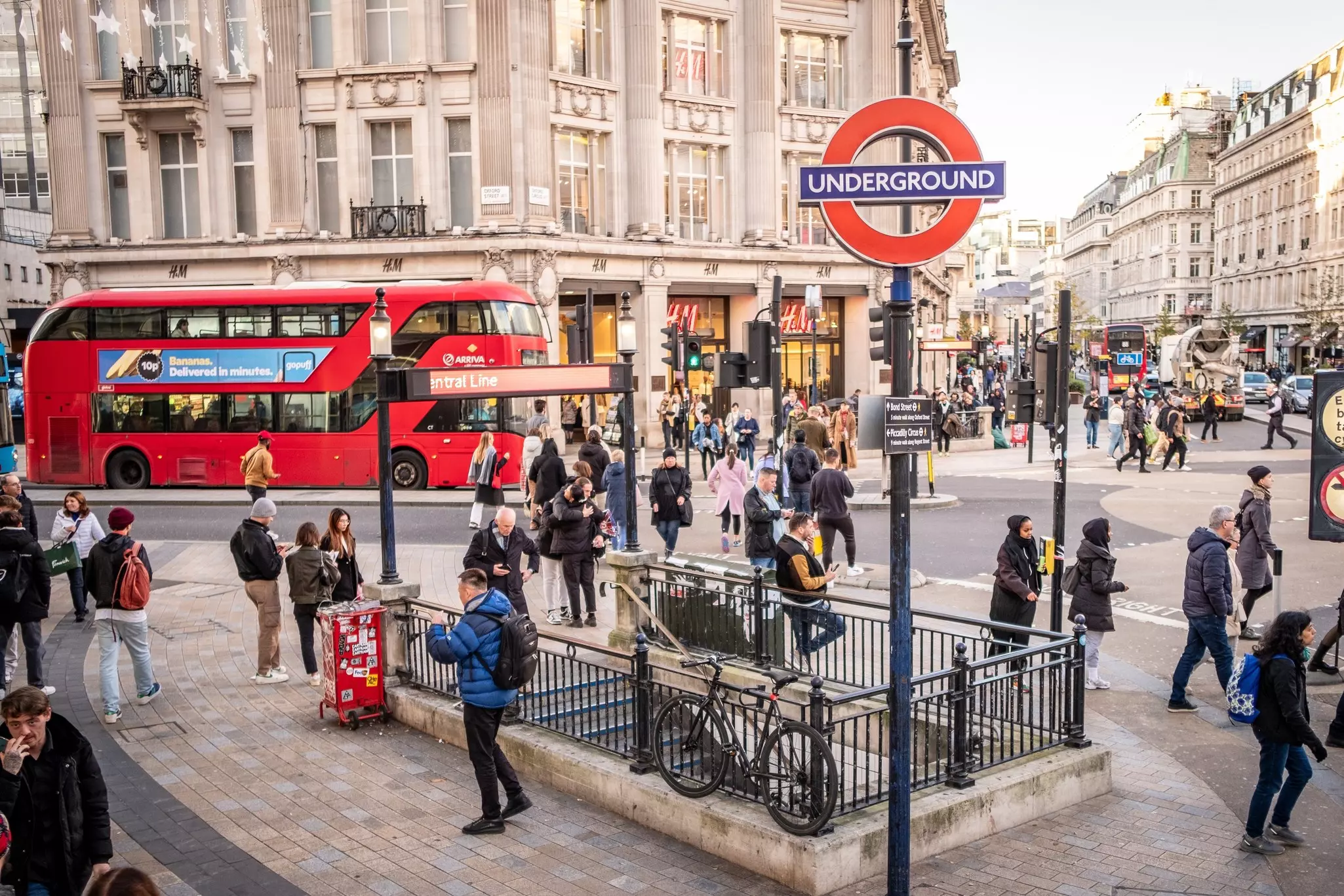
London’s public transportation is good, and in some areas it runs all night, but it’s not cheap. Catching an iconic black cab is a premium experience. And ridesharing apps like Uber are no longer the bargain they were when they first hit the market. All in all, getting around in London will be one of the more costly parts of your daily budget unless you’re staying in Zones 1 or 2.
Depending on how you arrive, you can save money by taking the slower route from the airport. From Heathrow (in Zone 6), the Piccadilly Line will take longer, but it’s £5.60 for a single journey, whereas the Elizabeth Line is £13.30. Similarly, from Gatwick, it’s cheaper to take the Southern or Thameslink trains over the Gatwick Express.
There is a cap on using public transit in a day so make sure you use the same Oyster or payment card for all your trips. But if you stick to traveling only by bus, the daily cap is very affordable, at £5.25 for adults (children travel on buses for free).
Don’t assume that being far from the center of town is the ticket to a cheap trip. If you stick to Zones 1 to 3 on public transportation, you’ll be adding £10.50 per person to your daily budget. Go further out and the cap for Zones 1 to 9 is £23.30.
London is a very walkable city, and it can sometimes be the quickest way from point A to point B. Buses get caught in traffic, and going in and out of the Underground adds time – and stress – to your travels. The best thing about walking, besides the zero spend, are the street-level surprises you’ll pass on the way: a historic row of mews houses, a blue plaque giving you some local history, clever street art – these will all enrich your experience of London.
Sign up for the Lonely Planet newsletter for more travel tips and hacks.
Book your England trip with Lonely Planet Journeys
See England how it's meant to be seen
Accommodations, activities and ground transportation all taken care of, so you can focus on the fun part. Tell us what your dream trip to England looks like, and our local experts will build it from scratch. Or start with one of our itineraries and make it your own.

Explore related stories