
Oct 15, 20269 min read
Tips For Visiting A South Korean BathhouseLonely Planet may earn a commission from affiliate links on our site. All recommendations and reviews reflect our own independent opinions.
Somewhere in Buenos Aires, someone has wandered into the wrong bookshop and found exactly the right afternoon.
Books teach us how to look before they take us places. A city can be read through its monuments or its bread; through the way that rain pools on a street; through the geometry of tiled walls, the choreography of a market or the silence between two temple bells.
Follow the smell of freshly baked khachapuri (bread cooked with cheese) through Tbilisi and you’re also walking into centuries of domestic history. Watch rain gather on Kerala’s backwaters and you’ll notice stories hiding beneath the surface. Wander Buenos Aires with Borges in your backpack and every detour starts to feel intentional.
The right book edits a journey. It decides what catches your eye, what you linger over and what follows you home. These six destinations pair places with books that direct your attention to details you might otherwise miss. Pack one in your bag, carry a notebook alongside it, and see where both take you.
Best for discovering history through food
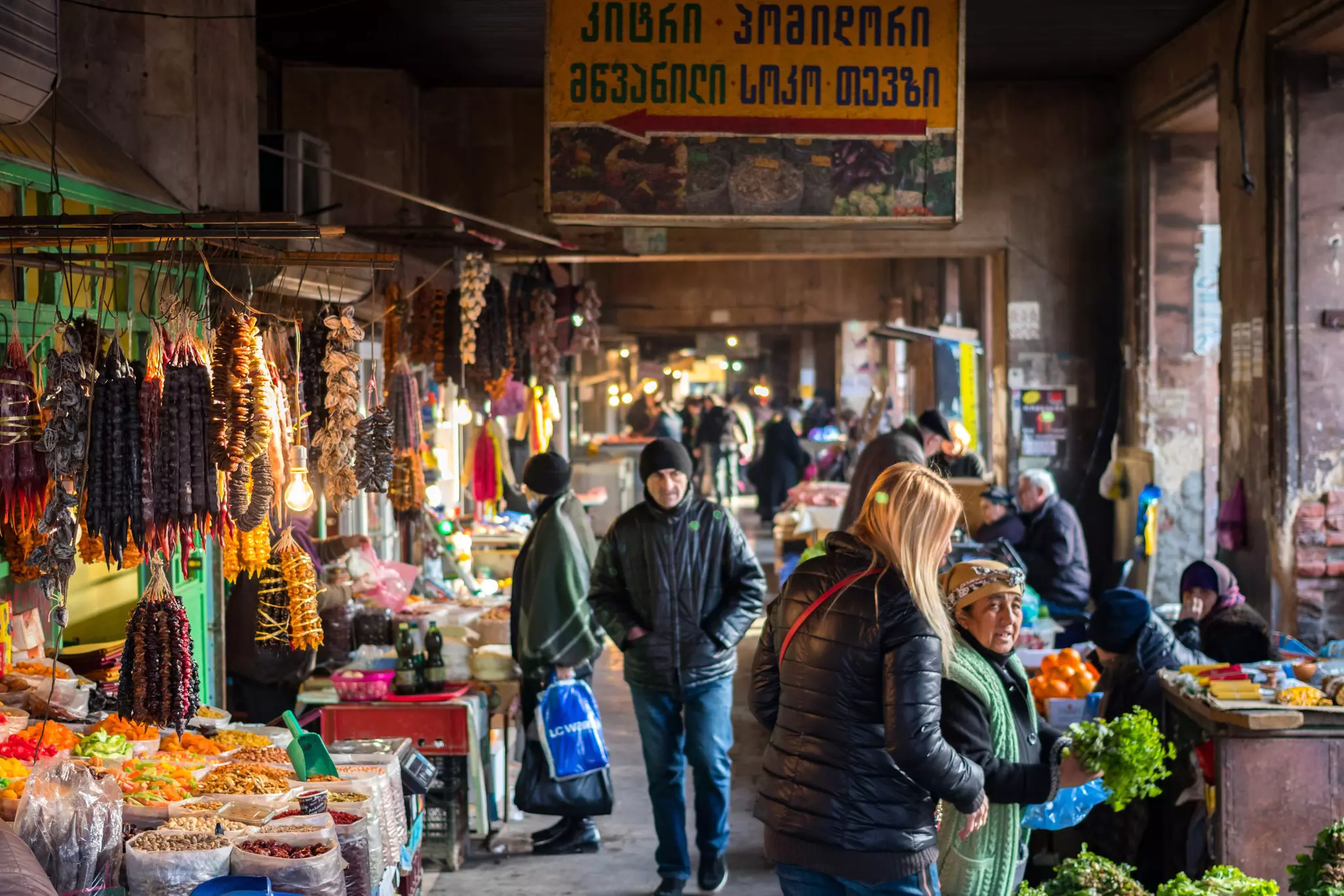
Before wandering about Tbilisi’s balconies, bakeries and sulfur baths, read Barbara Jorjadze’s 19th-century cookbook, Georgian Cuisine and Housekeeping Notes. Recently revived by the restaurant Barbarestan, it is far more than a collection of recipes – it offers a glimpse into domestic life, hospitality and women’s intellectual labor in 19th-century Georgia, enshrining food as a form of cultural memory.
Afterward, lingering in the Deserters’ Bazaar or sitting down to khachapuri feels different. Herbs become archives; their scents become labels and memories. Recipes redefine themselves as historical documents rich with flavor, texture and social life. Meals become conversations across generations.
Planning tip: Spring (April and May) and early autumn (September and October) are ideal times for exploring Tbilisi’s Old Town and markets on foot.
Best for reading a landscape politically
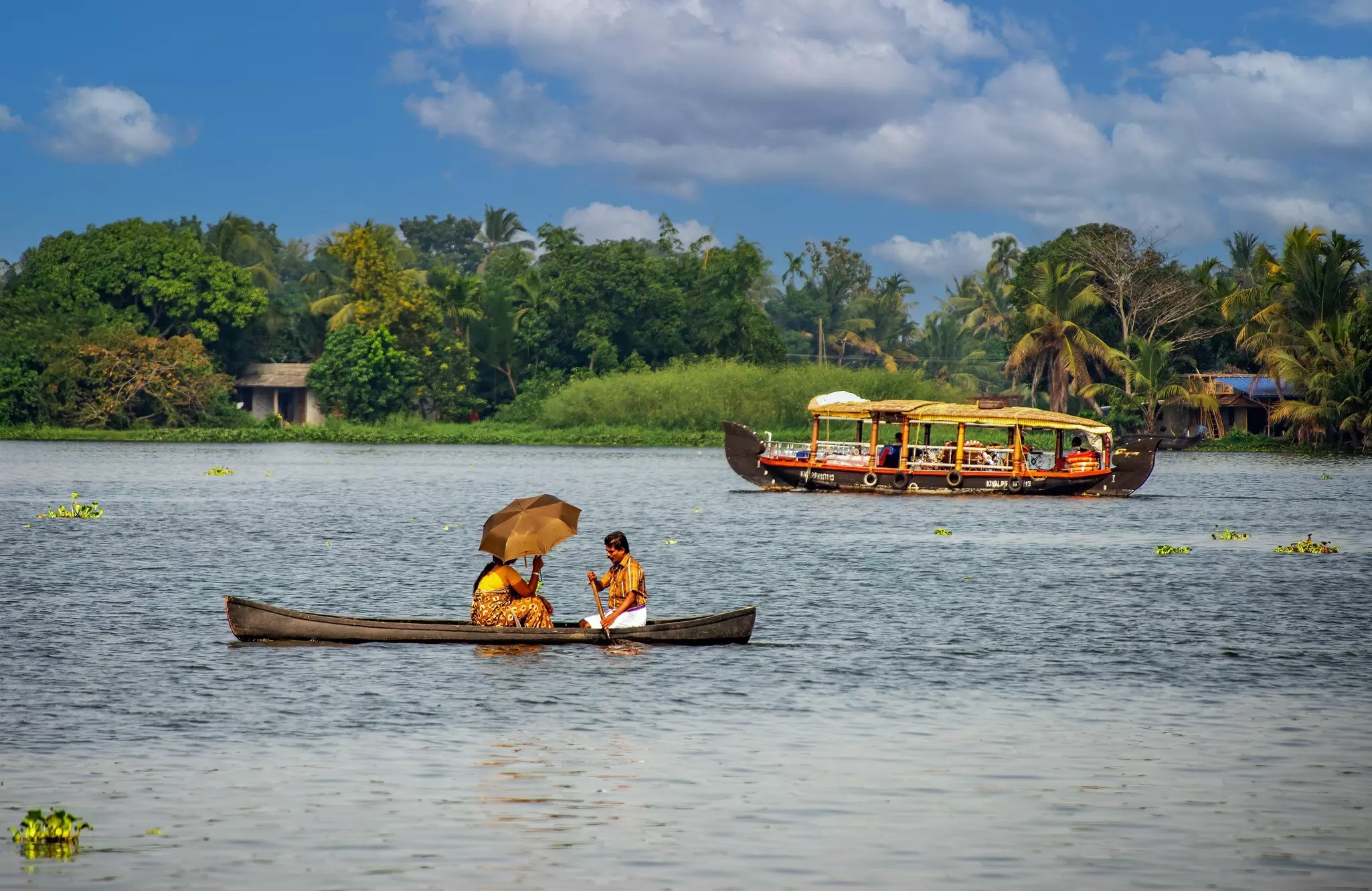
Few novels alter how you notice a landscape as profoundly as The God of Small Things, by Arundhati Roy. Rivers, insects, rain, architecture and silence all become charged with social meaning. By the time you reach Kerala’s backwaters, churches and old trading towns, beauty and history no longer appear separable.
The novel moves through mountains, rivers and family histories while exposing the deeper structures of caste, language, ecology and memory. Once you’ve read it, those layers become impossible to unsee.
Planning tip: November through March offers cooler temperatures and calmer backwaters.
Best for getting pleasantly lost
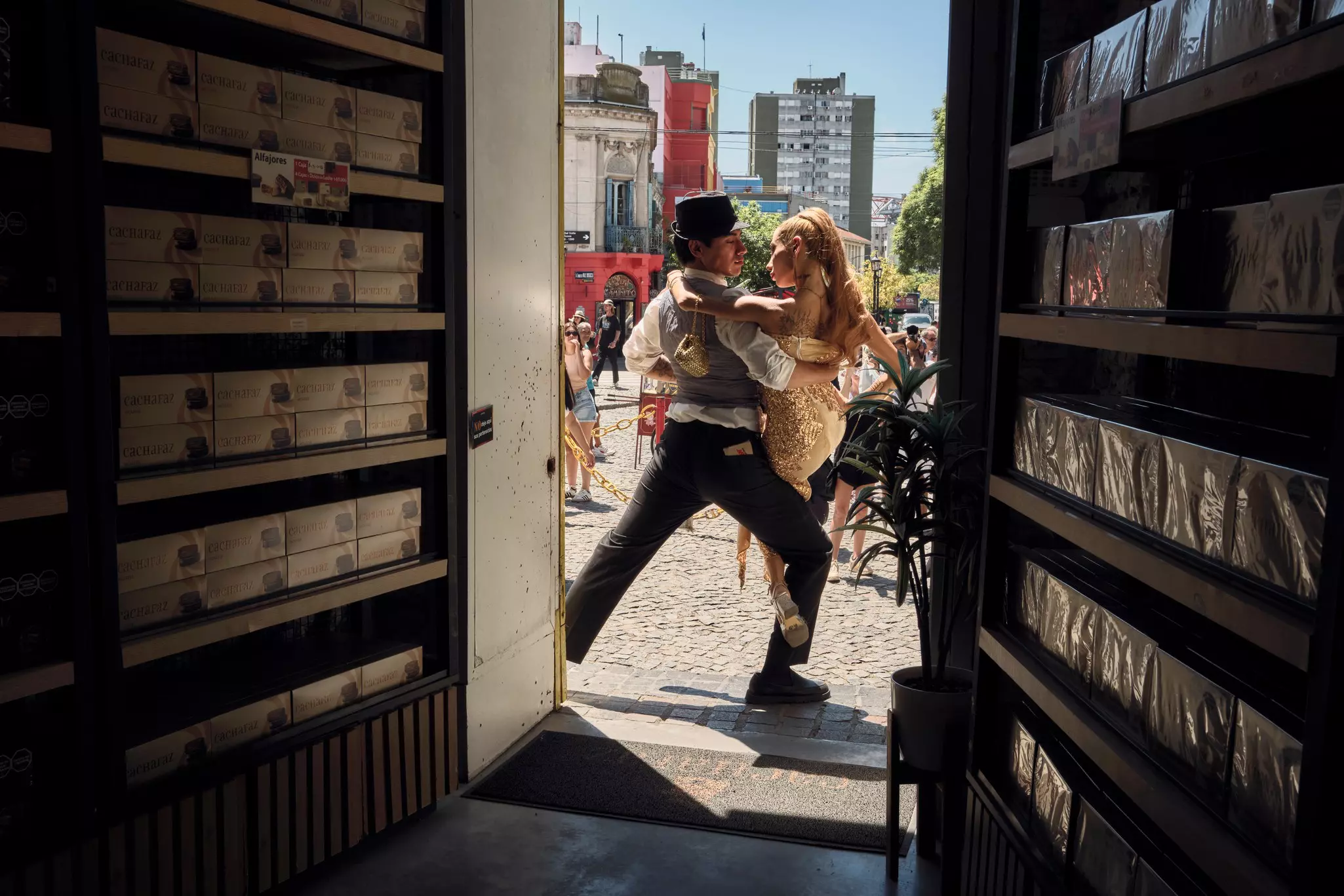
Buenos Aires rewards readers twice. Begin with Jorge Luis Borges’ stories, which transform libraries, mirrors and ordinary street corners into philosophical puzzles. Then listen to Astor Piazzolla’s tango compositions while wandering in San Telmo or Palermo. Together, they reveal a city negotiating memory and reinvention – and quietly recruit you into that dance.
Buenos Aires itself feels like a vast bookshop whose shelves you wander between without ever quite knowing what you’re looking for. Every neighborhood offers another unexpected volume to browse, another digression worth following. That openness to accident may be the city’s greatest, most moving landmark.
Where to read: Spend an afternoon inside El Ateneo Grand Splendid, then continue reading in Plaza San Martín or the parks of Palermo.
Best for listening before looking
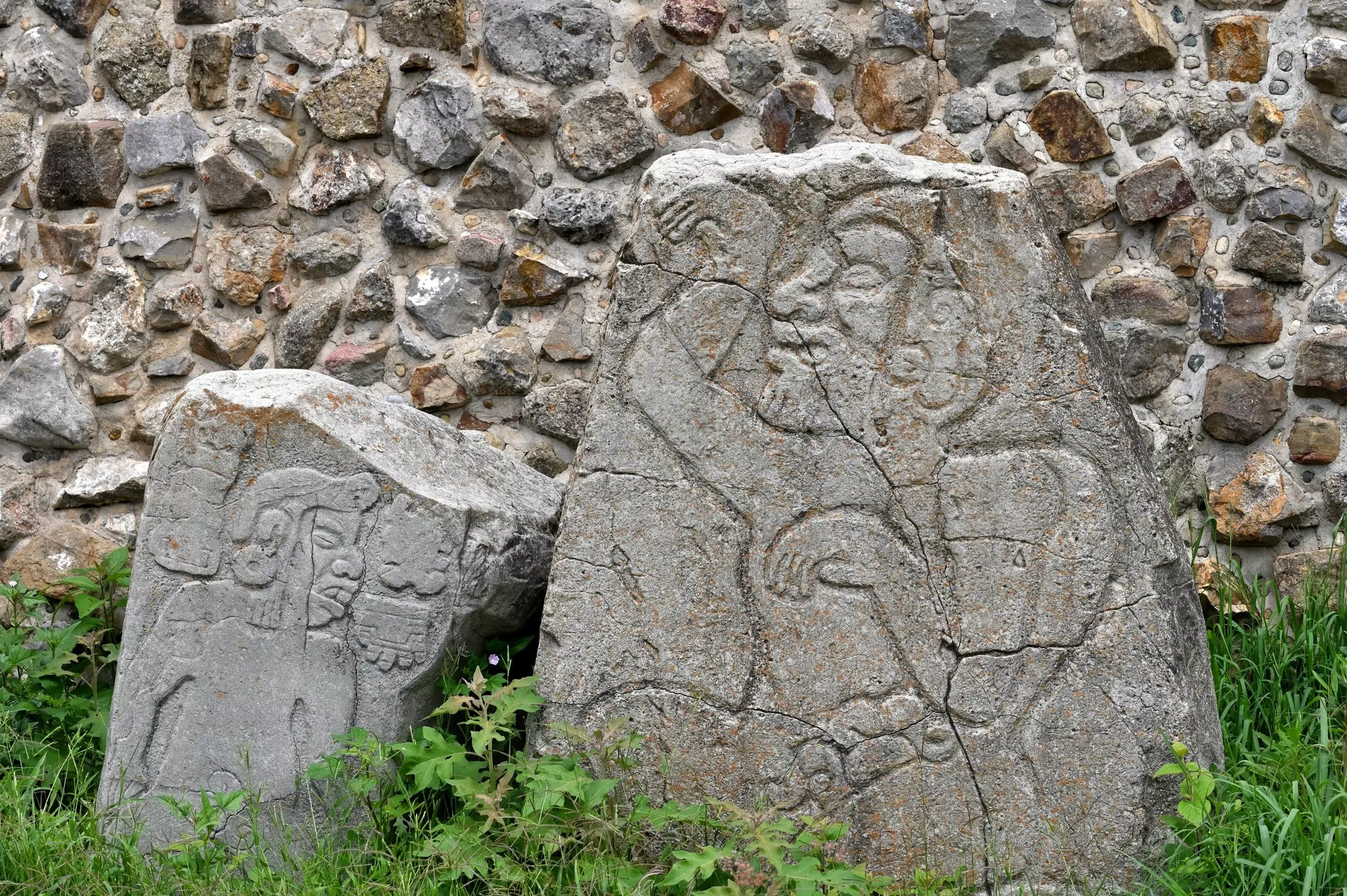
Oaxaca is often introduced through its food, textiles and craft. Its literature is more delicate in its initiation, softly asking us to listen.
Read the poetry of Natalia Toledo or a collection of Zapotec oral narratives before arriving. These works unveil a worldview in which language, land and community remain inseparable. Markets typically treated as attractions for consumption and spectacle start to tell stories of trade, daily life, aspiration and style.
Planning tip: Visit during one of Oaxaca’s major market days or festivals, rather than rushing between museums.
Best for noticing the ordinary
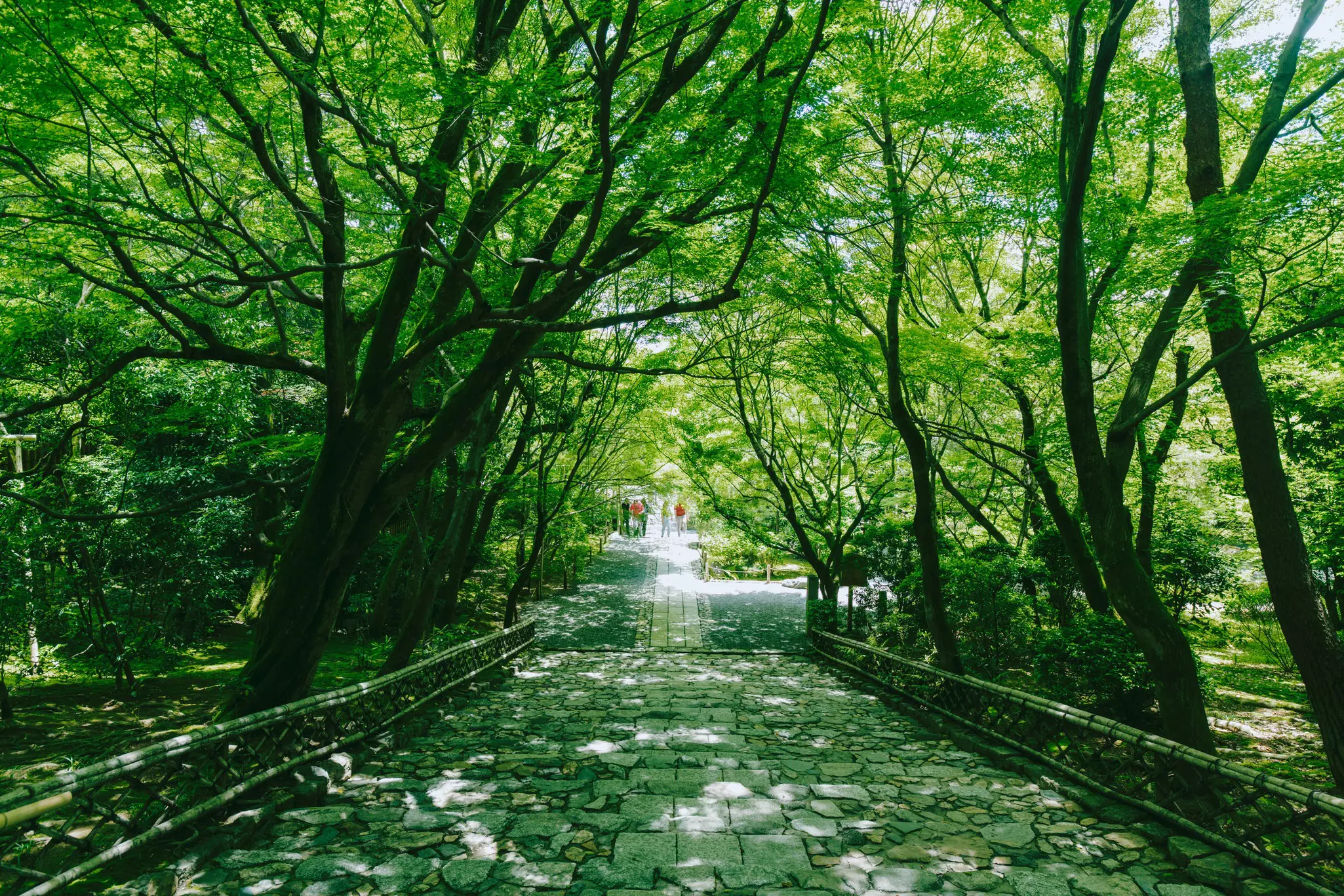
Matsuo Bashō rarely described grand monuments. His haiku linger instead on frogs, rain, wind, moonlight and passing seasons. Reading him before arriving in Kyoto encourages a different kind of sightseeing – one measured in small rituals, fleeting moments and ordinary attention rather than major landmarks.
Kyoto has a dozen temples worth visiting. Bashō reminds us that sometimes the moss between two stones deserves equal attention.
Planning tip: Early mornings find Kyoto at its quietest, especially outside of cherry blossom season.
Best for reading patterns
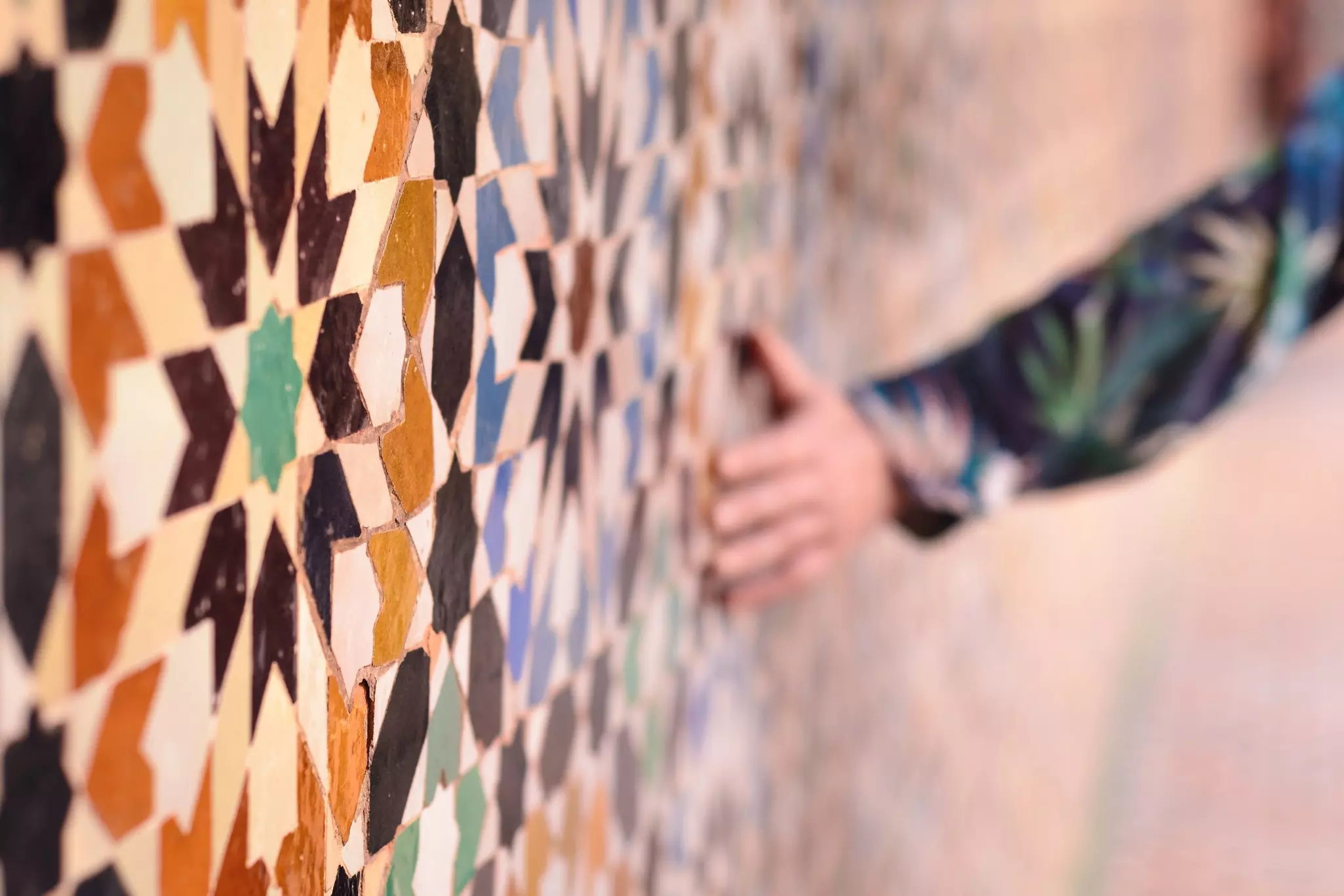
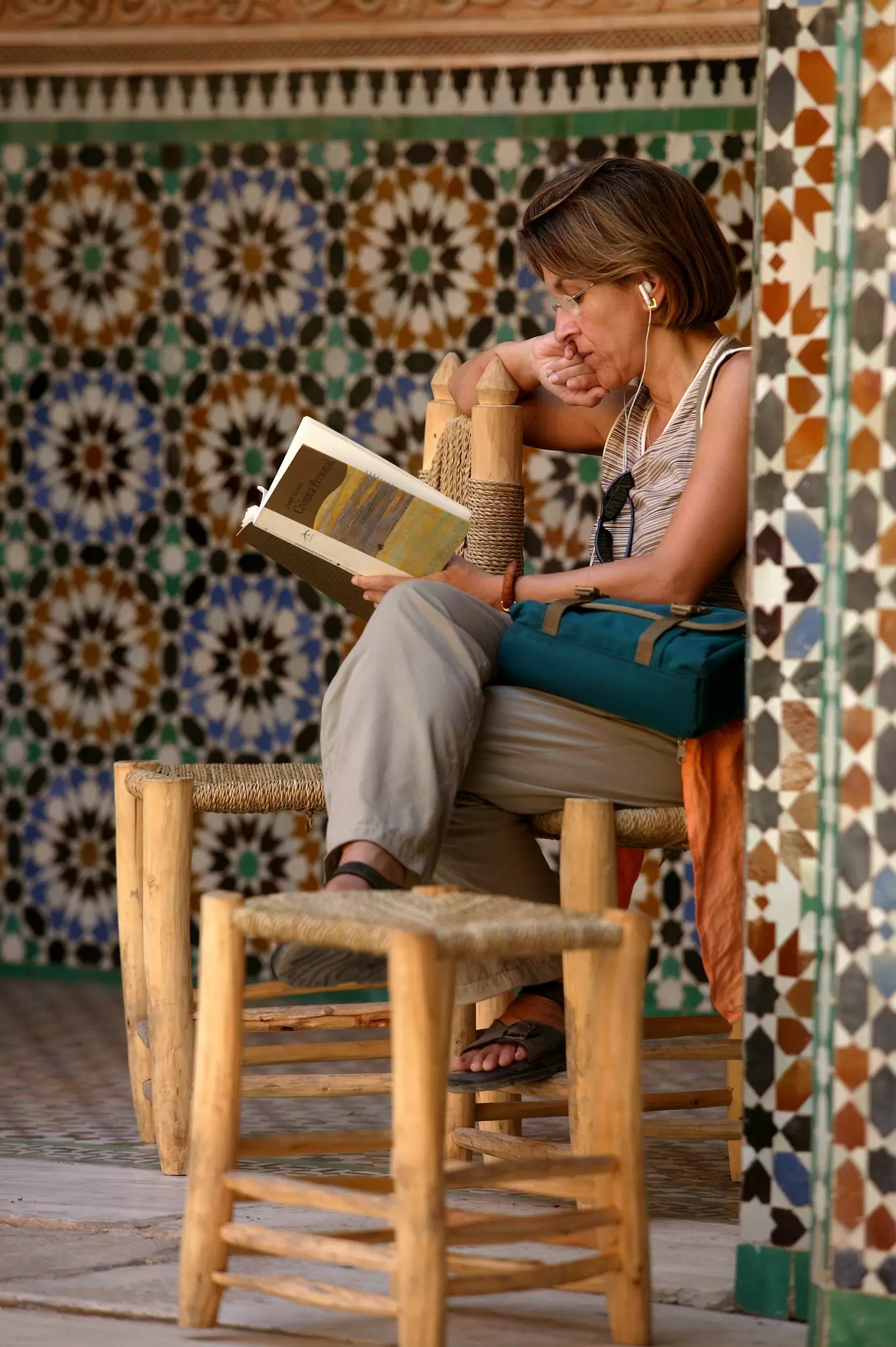
Medinas are often described as a maze. Reading Moroccan writers such as Tahar Ben Jelloun before entering the medina in Marrakesh reveals something more structured: a city organized through craft, language and repetition.
Watch a zellige artisan assemble geometric mosaics one hand-cut tile at a time. Trace a pattern. Notice how it repeats, shifts and resolves. Listen to conversations unfolding through the souqs, and ask whether language follows its own rhythms of repetition. Pattern, after all, is one way that cultures organize knowledge, preserve memory and create meaning.
The medina rewards travelers who are willing to slow down enough to notice not only what is made but how making itself shapes everyday life.
Planning tip: Spring (March to May) and autumn (September to October) are the most comfortable seasons for long walks through the medina.
You don’t need to finish every book before boarding your flight. Read enough to let the author’s attention begin shaping your own. Reread a favorite passage in a cafe halfway through your trip. Carry a notebook alongside your guidebook. The point isn’t to produce polished writing but to leave with a set of eyes in your mind that now look for and look differently: intent, amused, imaginative, curious.
Geographer Yi-Fu Tuan argues that space becomes place through experience and meaning. Reading accelerates that transformation. It helps unfamiliar places become legible while also making us more comfortable with what remains beautifully beyond explanation.
Explore related stories