Dec 24, 20257 min read
A Guide to HokkaidōDec 2, 2025
8 MIN READ

Writer
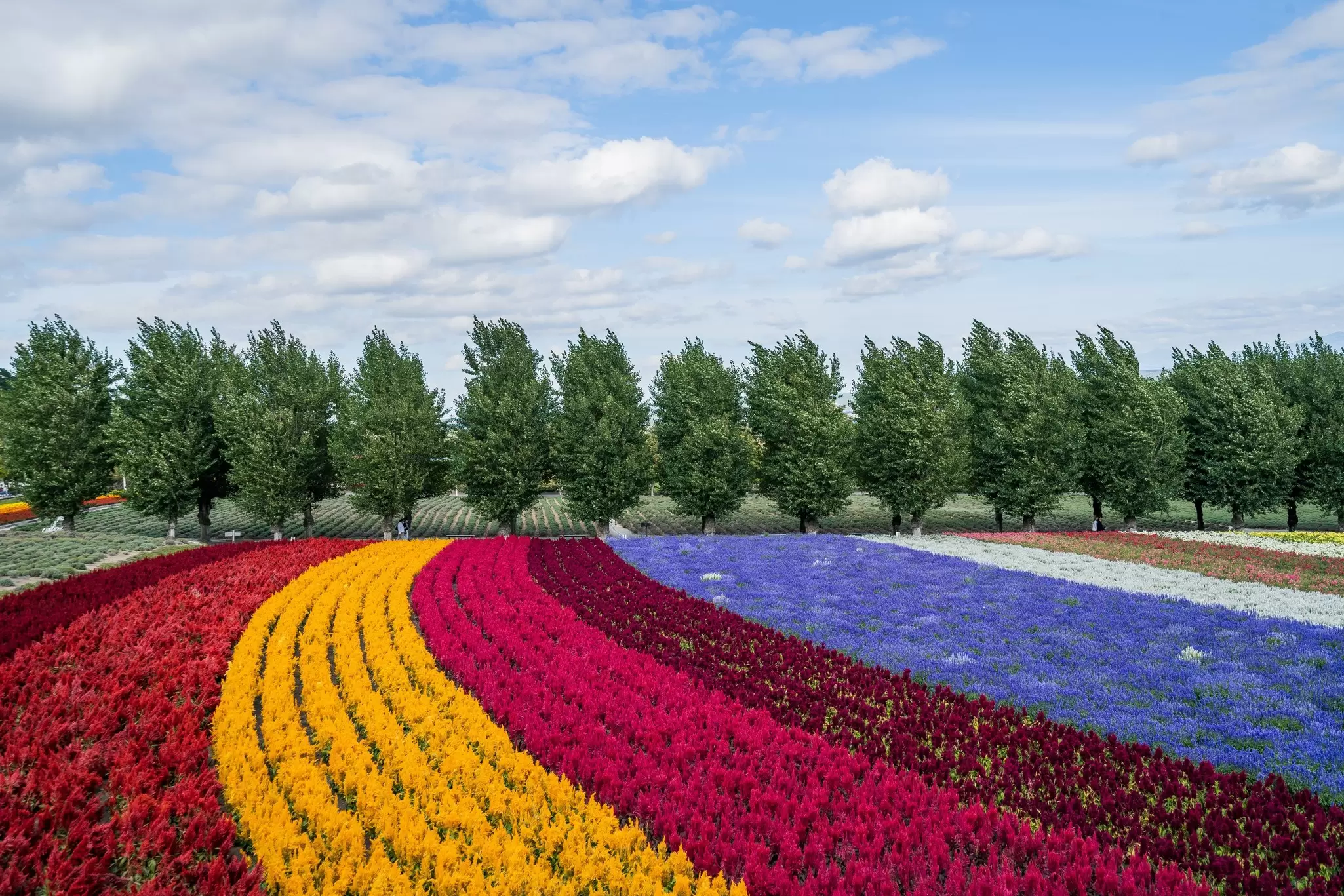
Flowers in bloom at Farm Tomita, Furano. kenta-yamazaki/Shutterstock
Writer
Lonely Planet may earn a commission from affiliate links on our site. All recommendations and reviews reflect our own independent opinions.
Known as the belly button of Hokkaidō, the pretty, pint-sized town of Furano is a key stop on any Hokkaidō itinerary, whatever season you visit.
Though it’s not nearly as well known as the prefectural capital of Sapporo, or the ski hot spot Niseko, near the top of the Oshima Peninsula, Furano has more than its fair share of activities to recommend it. The town of approximately 24,000 residents blooms with culinary offerings plucked from its pastoral landscapes, deep powder snow for winter sports, charming small shops and cafes, and picturesque vistas begging for exploration on a mini road trip.
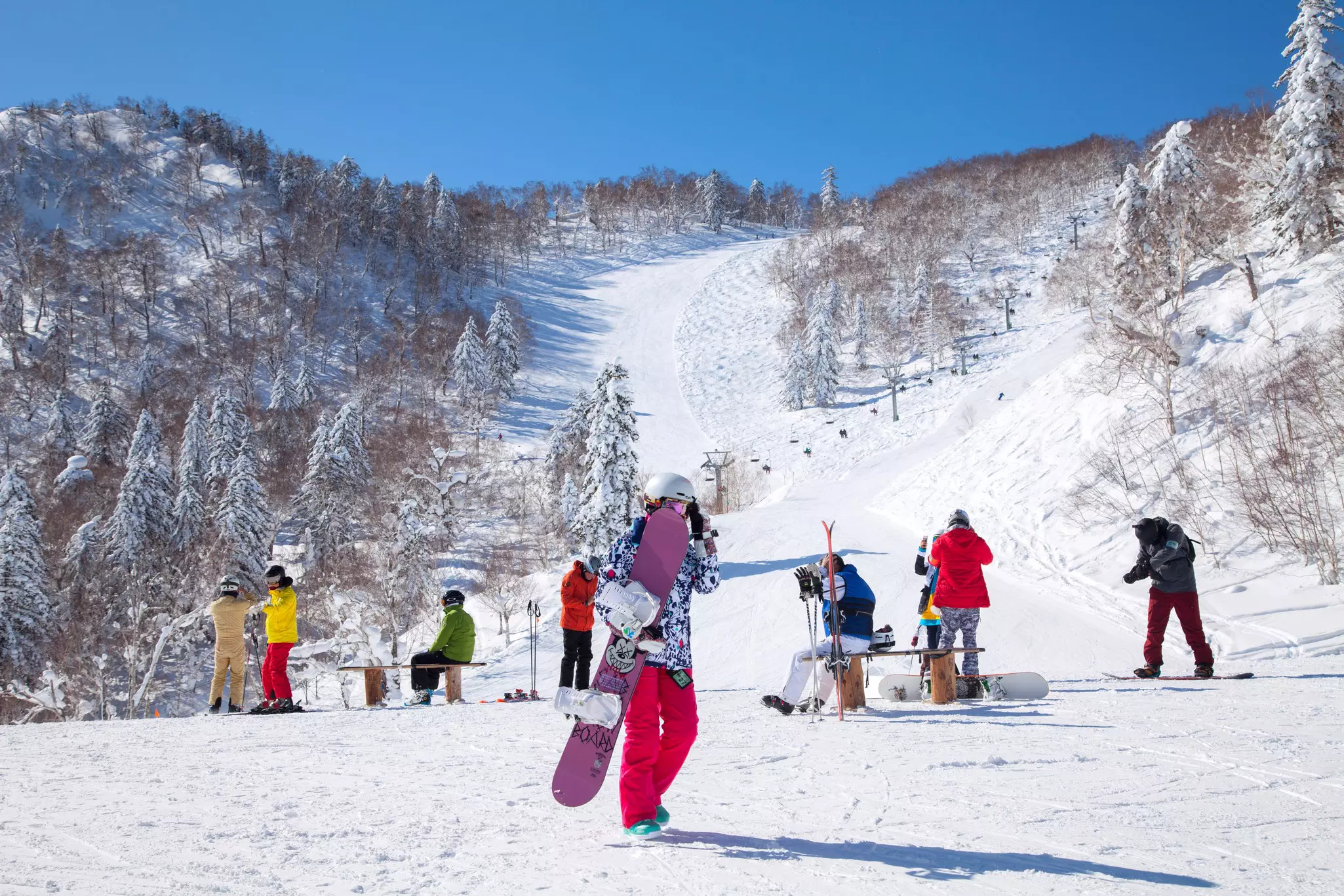
Hokkaidō is mostly known to international visitors for its legendary “Japow-der” in the winter, and most of them head for the famous resort town of Niseko, 3 hours to the southwest. However, Furano sits on the “Powder Belt,” a 200km swath stretching across the center of Hokkaidō from north to south, characterized by low humidity and mid-winter temps of -10 to -20°C (-14 to -4°F): perfect for fluffy, powder snow and the skiers and snowboarders that chase it. Ski season runs from late December to March, though it sometimes extends from November and into April.
Domestic travelers are in on the secret that Furano is a real pleasure in the green season (spring and summer), too, with temperatures about 10°C (18ºF) cooler than Tokyo in the summer and minus that brutal humidity. Cherry blossoms decorate unblemished landscapes in spring, far from the crowds of Tokyo and Kyoto. In summer, the famous and fragrant lavender fields are in full bloom alongside other colorful flowers, creating the perfect backdrop for driving the rolling country roads. And in the autumn, the sharp swerve to cold weather paints the maples and gingkos in vermilion and gold, and whets the appetite for Hokkaidō’s fall bounty of seafood, dairy and fresh produce, such as potatoes, sweet corn and daikon. As a bonus, accommodation rates tend to be cheaper from spring through fall.
It’s easy to spend 3–4 days in Furano; more if you use it as a base to visit neighboring ski resorts and Daisetsuzan National Park. In the winter allow 2 days to explore Furano Ski Resort’s two dozen trails, plus a day to explore area shopping, museums and food tours. Add another 3 days if you’d like to take advantage of the 5-day Hokkaidō Powder Pass, covering Furano Ski Resort, Hoshino Resort Tomamu and Kamui Ski Links. In the green season, replace snow sports with visits to flower fields and farms, spending your time hiking, cycling and exploring Furano and the neighboring town of Biei by car.
The easiest way to get to Furano year-round is by train. From Sapporo to Furano Station, it takes about 2 hours with one transfer. Furano is a small town, so it’s possible to walk most places in downtown, or take a short taxi ride to those that are a little more distant. Furano Ski Resort is about a 10-minute taxi ride from the station, or 15 minutes by bus.
It’s not advisable to rent a car during winter, as the snow can get very deep and the roads iced over, snowed under and impassable for all but the most experienced local drivers equipped with snow tires. Once the snow melts, though, Furano is one of the best places in Japan to rent a car and explore the countryside. The gentle rural roads are wide, light on traffic and extend to the horizon. Sightseeing and day trip buses, such as the Lavender Bus, also convey visitors to major sights. And cycling is a real pleasure here; you can be through the cute downtown and into pastureland in just a few minutes. There’s a tourist information center and a few bicycle rental outfits right next to the station that can get you started.
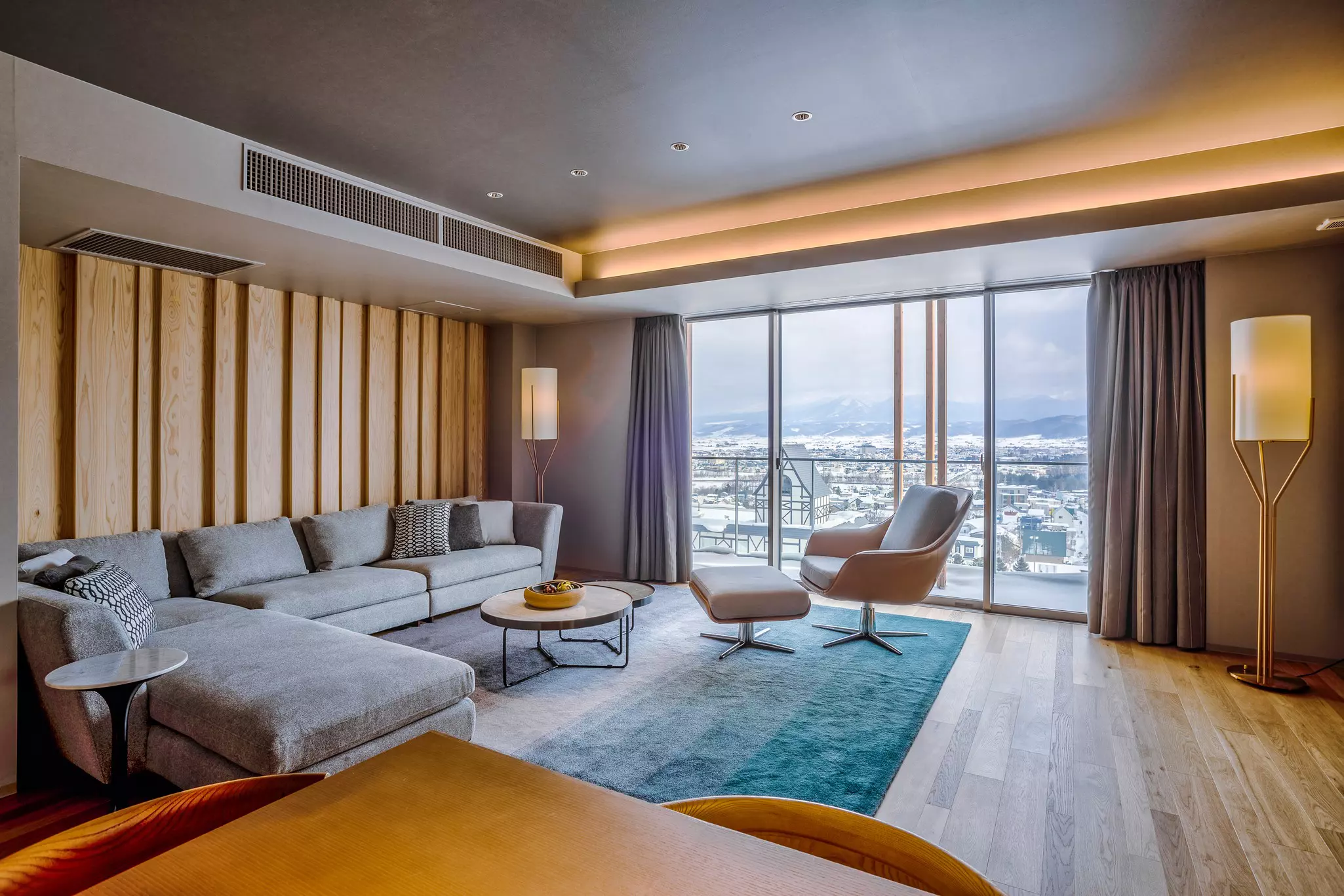
Furano has a good mix of accommodations, from the full resort of the Shin Furano Prince Hotel to pensions dotted around the town and into the countryside. I stayed at the Fenix Furano, a luxury apartment hotel located directly in front of the Kitanomine Gondola. The property has ski-in ski-out access, ski lockers and a rental shop downstairs, making it the perfect base for a snow holiday. The one- to three-bedroom suites have full kitchens and are well-suited to big families, group trips and self-catering. The elegant, understated furniture and comfortable bed were accompanied by the focal point of the room: the floor-to-ceiling windows with views directly onto the mountain.
Nature abounds in Furano and the town makes a perfect base for outdoor adventures, fueled by Hokkaidō’s fresh produce, abundant seafood, such as scallops, hairy crab, oysters, and delectable dairy products.
Sample some of the Hokkaidō Powder Belt’s finest powder snow. Averaging 8m of ultralight powder snow per year, Furano Ski Resort has 28 trails, with about 40% beginner, 40% intermediate and 20% expert runs. There are nine lifts and gondolas, and two snow escalators. The resort is especially popular with snowboarders – the Snowboarding World Cup has been held here several times.
Stock up on snacks at Furano Marche, where several shops and cafes cluster together to offer local produce and souvenirs.
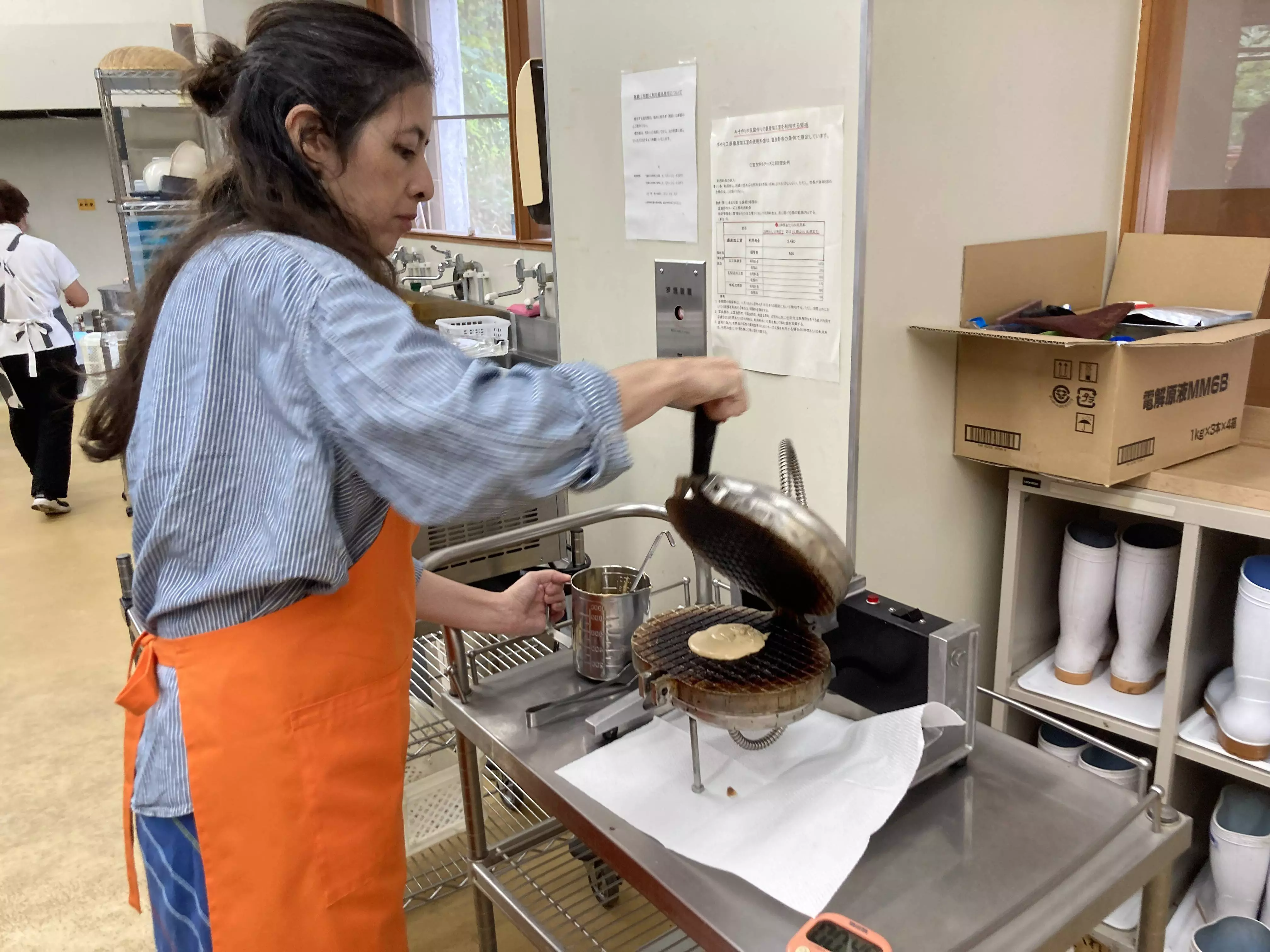
Hokkaidō is dairy central for Japan, and tasting the north country’s creamy milk, butter, cheese and yogurt is high on many visitors’ lists. At Furano Cheese Factory, you can get a taste of various products: cheese of course, but there's also butter, ice cream and pizza. For a small fee, you can take a 40-minute workshop making your own dairy products.
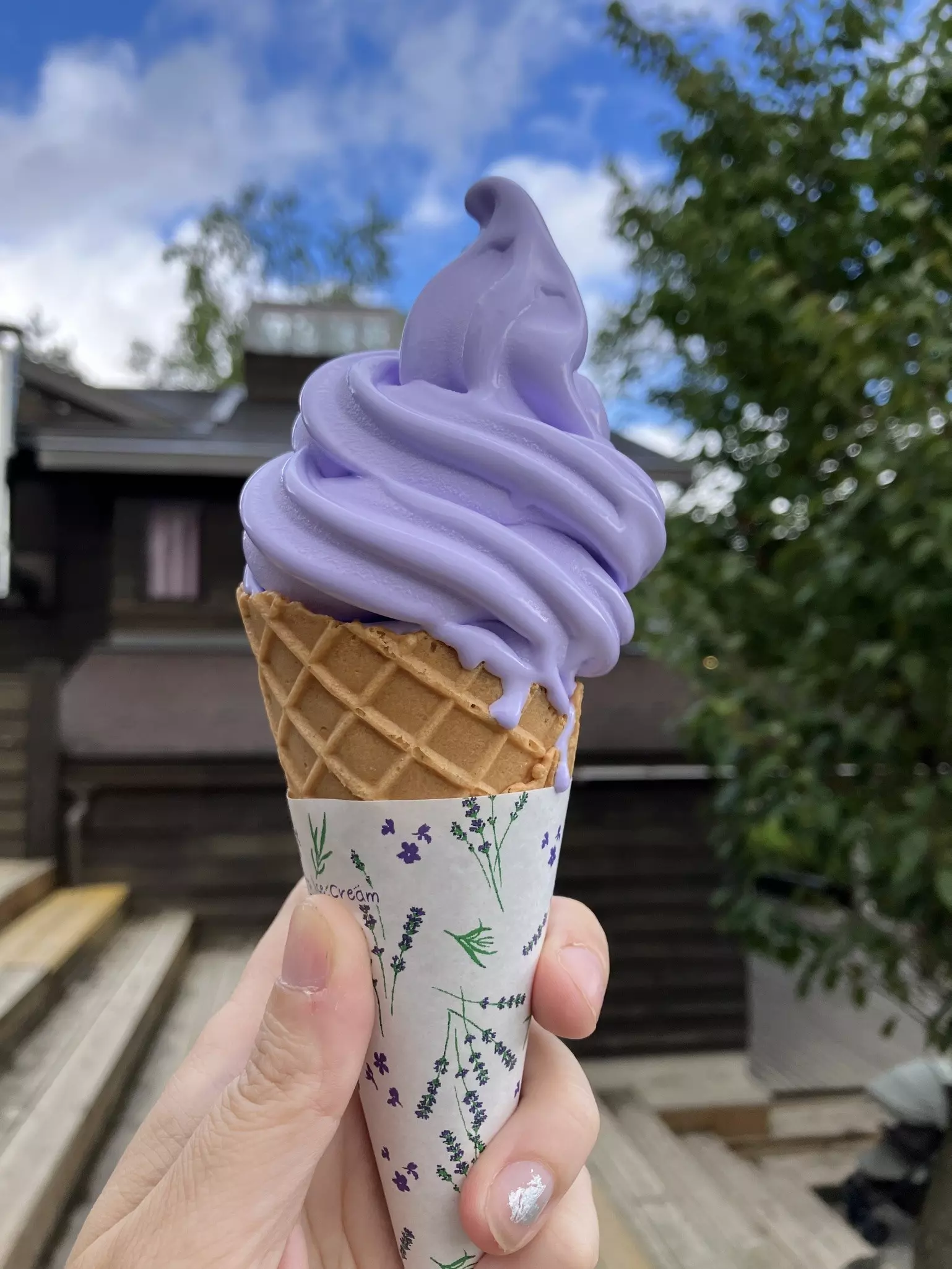
At the same latitude as Marseilles, farmers in Furano started to grow lavender in the 1940s, cultivating the fragrant flower for its perfume. Eventually, photos of the striking, colorful landscape began to circulate, and from the 1970s, Furano became known as a tourist attraction for flower fans. Farm Tomita is the most famous farm for strolling among the flowers, breathing in the divine aromas and taking romantic photos. Entry is free, but you might be tempted to spend at the shops selling lavender toiletries, sachets, perfumes and incense; along with several cafes and snack bars. Don’t miss the lavender soft serve.
Farm Tomita is not the only lavender farm; also try Lake Kanayama Lavender Garden, Choei Lavender Garden and Lavender Forest Highland Furano.
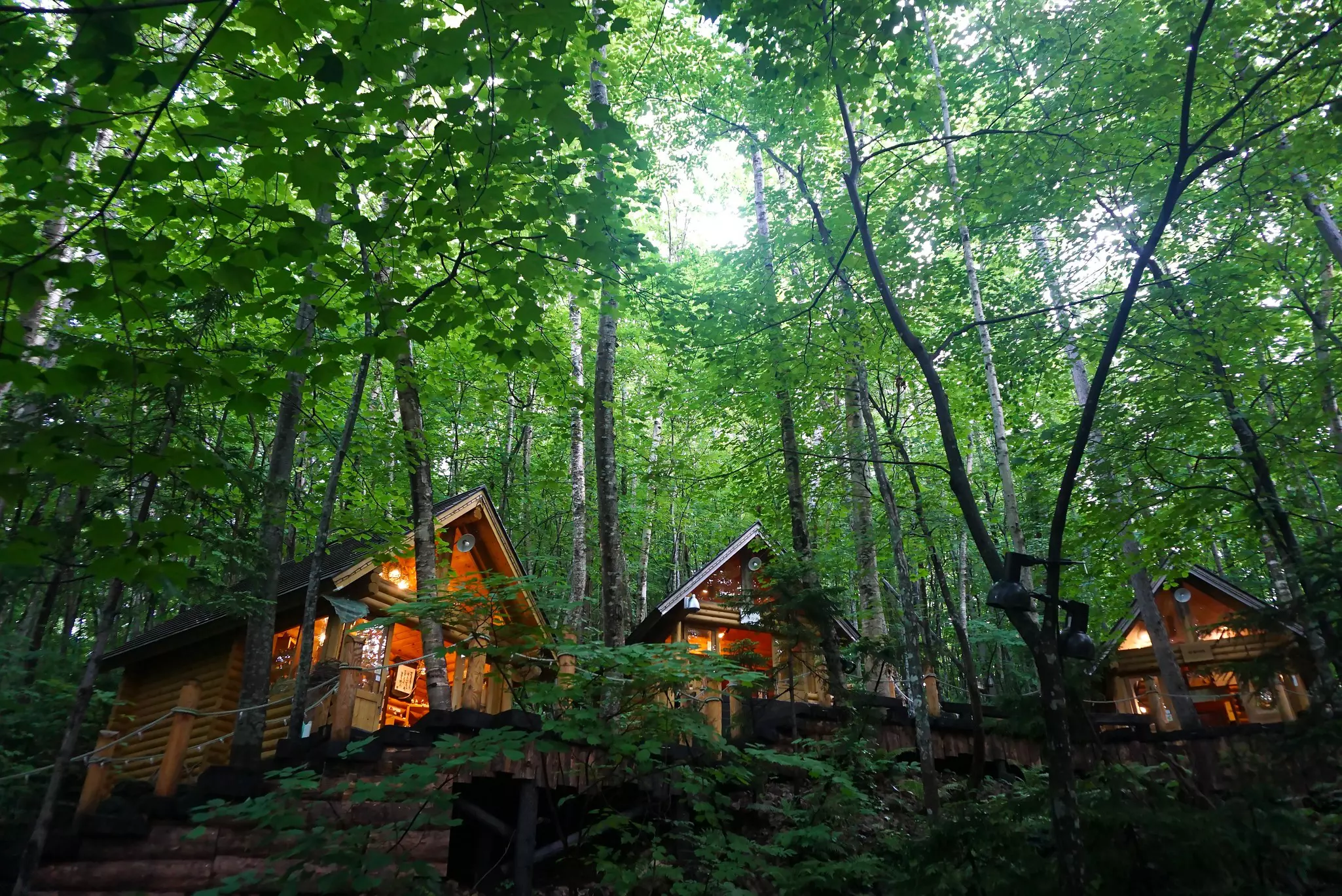
Adjacent to the Shin Furano Prince Hotel, a dozen wooden cabins sit snugly among a copse of birch trees. A winding boardwalk connects them and each cabin holds a different artisan handicraft for sale; sometimes the artist is making things on site. You’ll find leatherwork, candles, wood crafts and jewelry. My favorite is the kaleidoscopes hut!
At the end of the boardwalk is Chuchu no Ie, a cute coffee house where you can sit in or grab a brew for strolling.
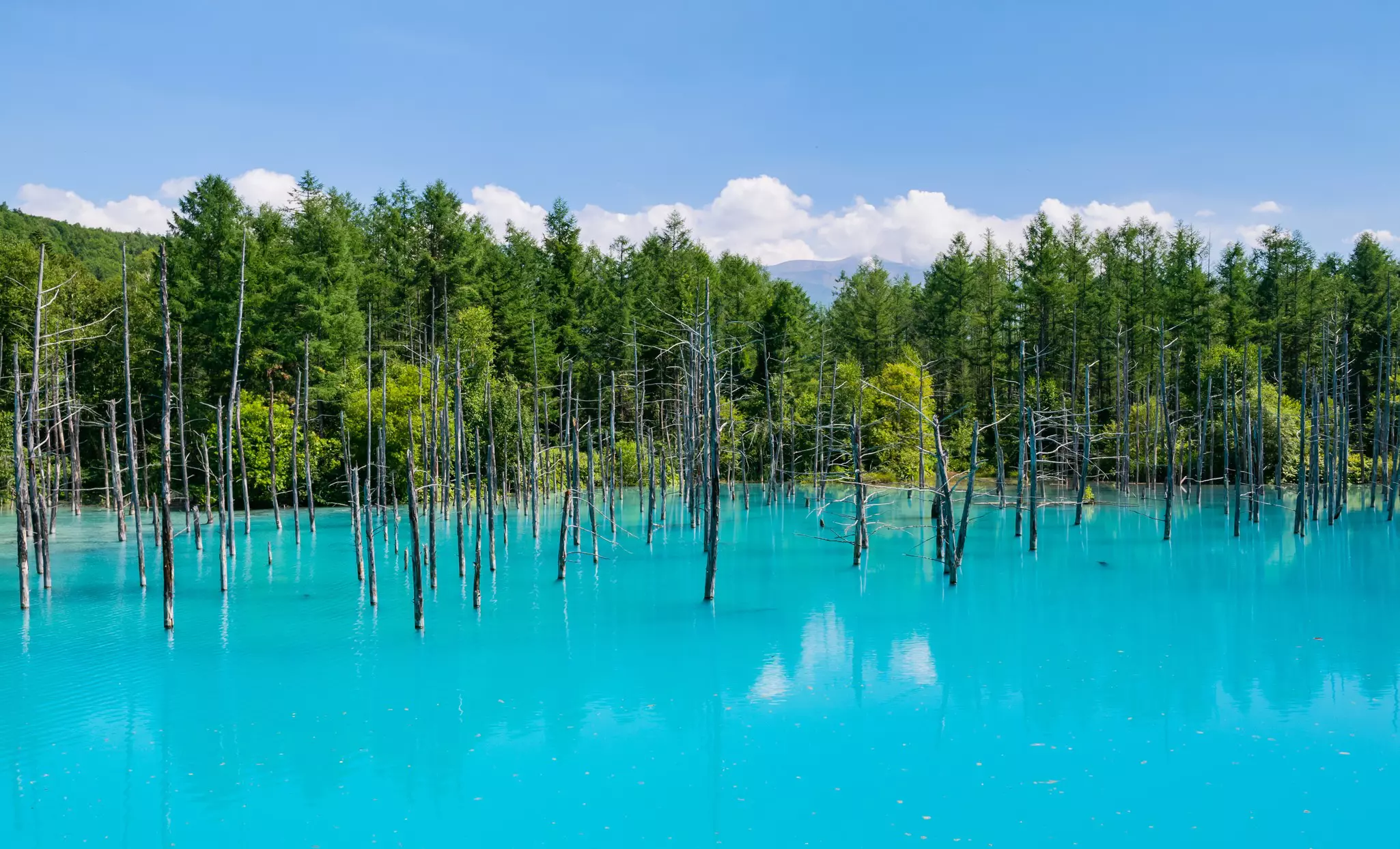
Just up the road in Biei is a happy accident that’s turned into a tourism draw. Local officials doing infrastructure work created levees to contain mudflow from volcanic Mt Tokachi. The levee caused water from the Biei River to pool, creating what’s now known as Shirogane Pond, aka Blue Pond. The water’s turquoise hue is due to a high level of colloidal aluminum hydroxide; the effect, with the bare larch trees pointing up and out of the water, is arresting.
Stop in at Goma Soba Tsuruki in Biei town for a crisp tempura and soba lunch.
No trip to Hokkaidō is complete without me eating lots and lots of ice cream made from Hokkaidō’s famous milk (more than half of Japan’s dairy comes from here). On my visit to Furano in August, I sampled soft serve at Blue Pond, vanilla ice cream topped with haksap berry sauce at Furano Cheese Factory, and the essential lavender soft serve at Tomita Farms – each better than the last. After all that ice cream, I needed something more substantial, so I was thrilled to stumble upon the adorable Goryo Cafe, a rustic farmhouse cafe with iced cafe lattes, housemade bread and a few classic Lonely Planet guidebooks on the shelves.
Furano is similar in price to the rest of Japan, and the yen is currently weak making it a bargain for many travelers. Your most major expense while here will likely be accommodation, ski lift tickets, ski gear rental and car rental fees. Credit cards are widely accepted, Apple Pay less so, but some smaller shops and restaurants may only accept cash, so it’s a good idea to keep some on hand.
One day ski lift ticket: ¥8000
Bowl of ramen: ¥1200
One day mamachari (city bike with basket) bicycle rental: from ¥1500
Cafe latte from an indie cafe: from ¥500
Lavender soft serve ice cream at Farm Tomita: ¥400
Cheese or ice cream making workshop at Furano Cheese Factory: ¥1200
Selena traveled to Furano on the invitation of The Luxe Nomad. Lonely Planet does not accept freebies in exchange for positive coverage.
Book your Japan trip with Lonely Planet Journeys
See Japan how it's meant to be seen
Accommodations, activities and ground transportation all taken care of, so you can focus on the fun part. Tell us what your dream trip to Japan looks like, and our local experts will build it from scratch. Or start with one of our itineraries and make it your own.

Explore related stories