Dec 9, 20258 min read
A Guide to Gifu, JapanDec 9, 2025
8 MIN READ

Writer
Gifu City, Japan. takayan/Shutterstock

Writer
Lonely Planet may earn a commission from affiliate links on our site. All recommendations and reviews reflect our own independent opinions.
Haven’t been to Gifu? That’s not surprising. Away from the bustling crowds of Japan’s recent tourist boom, this relaxed and rural prefecture in Central Honshū is worth putting on the itinerary for your next visit.
Accessible from Tokyo within 1.75 hours by train (from Tokyo Station to Nagoya), and just a 2-hour drive from Kyoto and Osaka, this region is easily reachable. Think of it as a deep breath between two bustling cities, with its own wealth of artisan histories, regional delicacies and perfectly preserved historical sites to explore.
Here’s what you need to know before your first visit to Gifu.
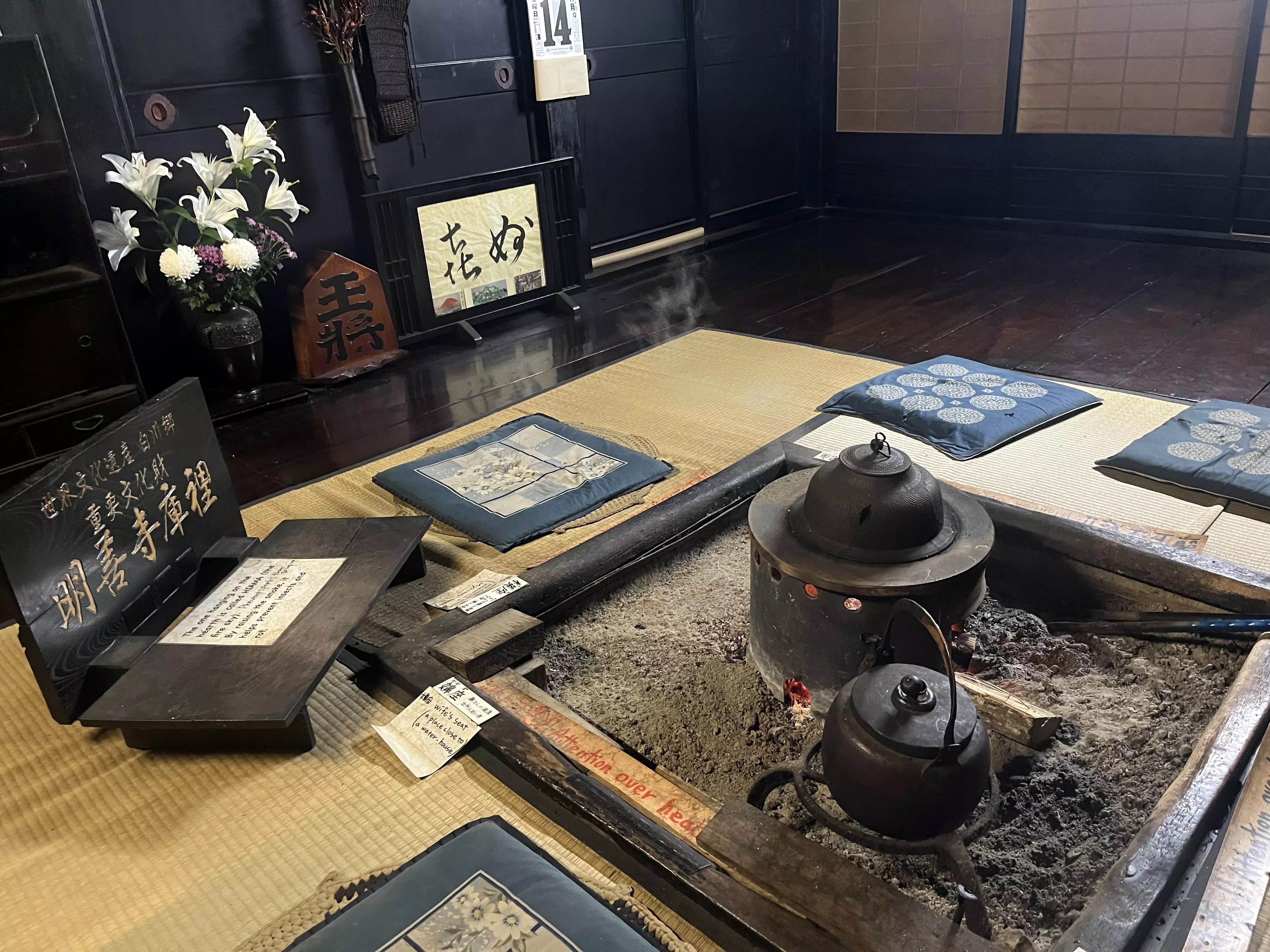
It’s possible to see a couple of highlights of Gifu over a weekend, spending a night in a different area and road tripping in between. Visitors looking for a quieter Japan experience and to dig deep into the rich history and craft scene could happily spend a week here.
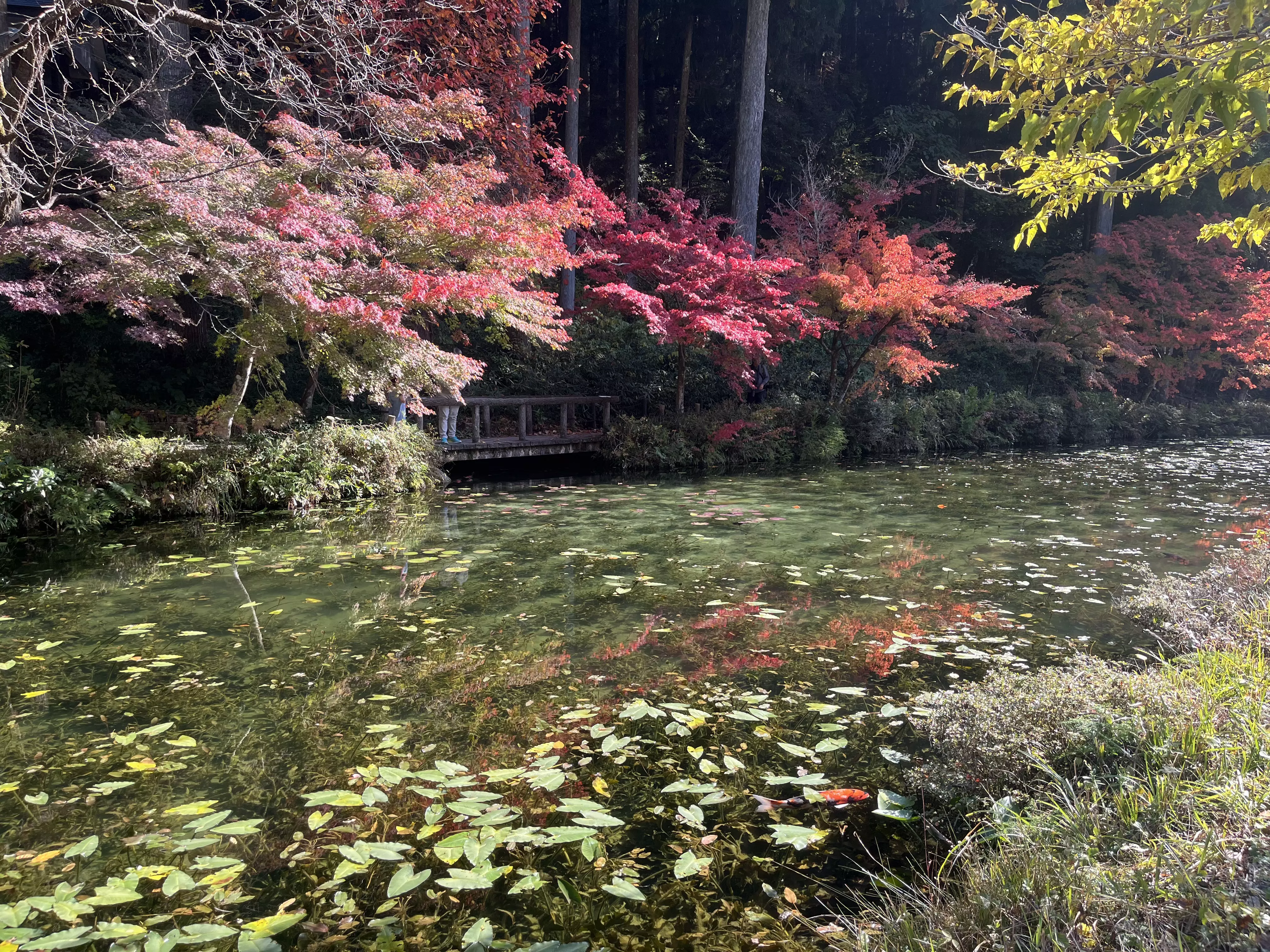
I visited in mid-November and it was the perfect time to experience the autumnal colors, including vibrant red maple leaves, in the higher altitudes. A little later in the season will see the same color change closer to sea level.
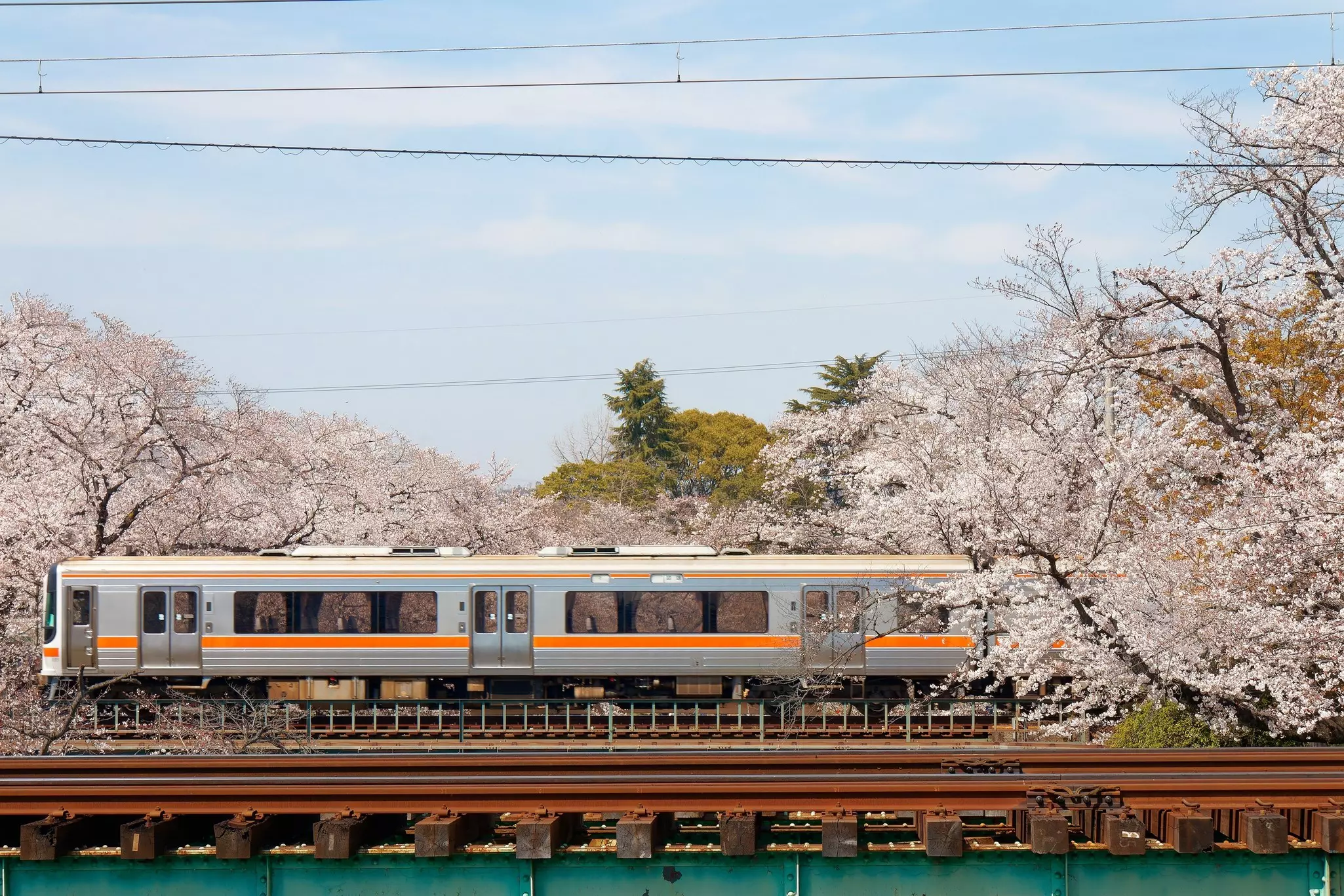
Plenty of major towns in Gifu prefecture are connected to Tokyo by train. The quickest route into the prefecture is Nagoya, from which you can easily connect as far as Takayama in the north in fewer than 3 hours. However, to get the most out of the region, you will need your own car. Japan’s infrastructure is excellent so driving longer distances should present minimal problems for experienced drivers, as long as you don’t mind some winding roads in the far-flung regions.
Driving through mountains – sometimes with no phone reception – is its own reward and will give you a road trip experience similar to how the Japanese themselves often travel for weekend breaks. One of Tokyo’s two airports will most likely be your entry point, although Nagoya does have its own airport. It mainly caters to domestic flights, but some international routes from China, South Korea, Taiwan and the Philippines do land here.
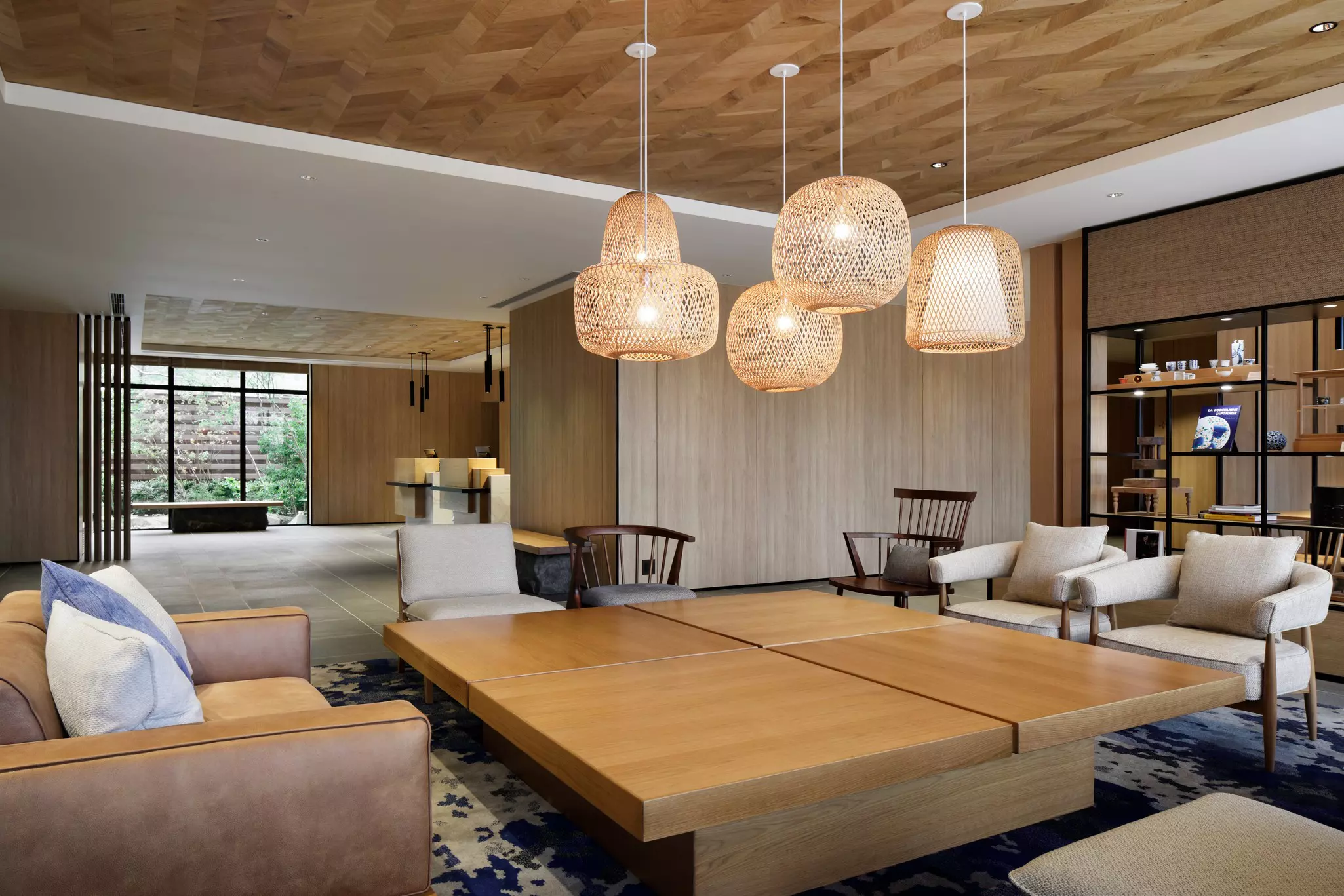
Gifu is meant to be discovered slowly so try and travel around the prefecture and stay in different locations to get the best experience. If you only have time for one, Takayama is charming and historical with lots of attractions but if you stay in just one place and miss the long mountainous drives and gentle meandering, you’ll miss out on half the fun.
During my trip, I stayed in three different Fairfield by Marriott Michi-no-Eki Hotels, which fit the bill exactly for an off-the-beaten-track road trip. There are 29 of these around Japan with four dotted around the Gifu prefecture. The ethos is to make offbeat and rural parts of Japan more accessible, encouraging people to explore somewhere more authentic and away from the crowds of Kyoto and Tokyo. To that end, they are often located on the outskirts of towns.
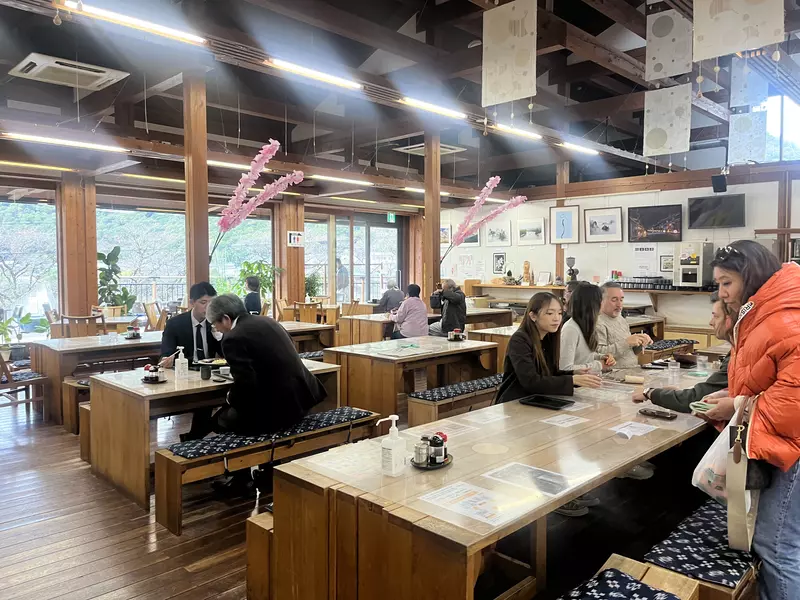
There is generally no bar or restaurant onsite, but each of the hotels is built next to a michi-no-eki (roadside station) with a canteen offering snacks from 700 yen (¥) and main meals from as little as ¥1,100. There is often a local food shop, other food stalls, convenience stores and a public onsen nearby, and the staff are always on hand for local restaurant recommendations that may otherwise remain undiscovered. The rooms and beds are comfortable after a long day of driving and exploring and the facilities are identical but simple: laundry, a local snack and drink stand and a communal kitchen.
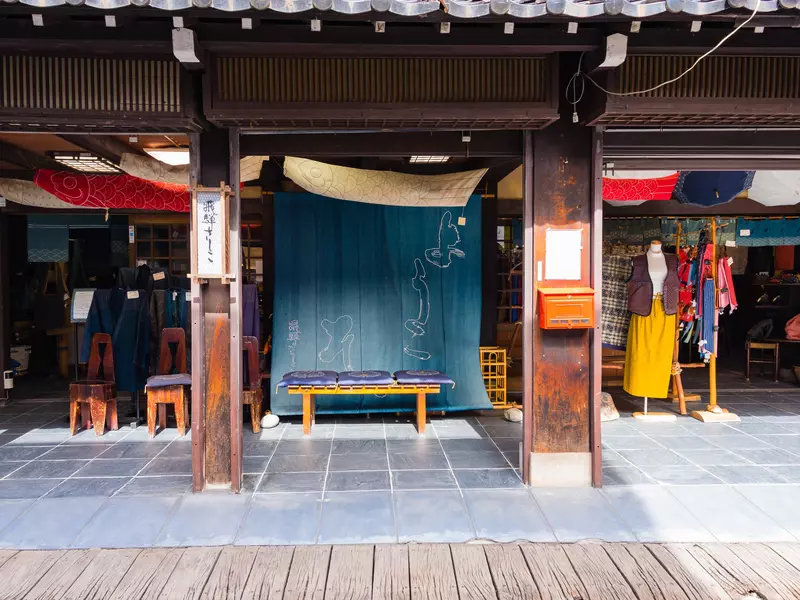
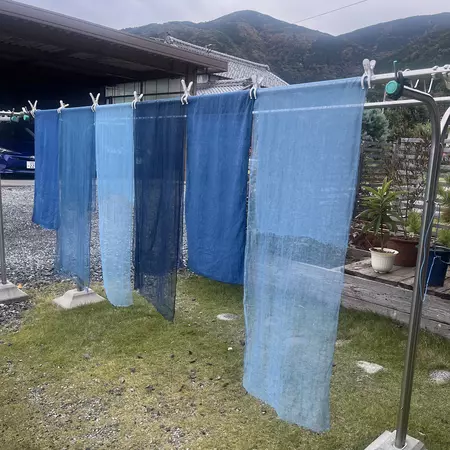
Indigo dying is a traditional art in Japan with a long and illustrious history. Go into any museum with samurai armor or traditional clothing from the Edo period onward and you will likely find at least one layer of fabric in some shade of blue. The husband-and-wife team of Kazuya and Miki Nohara at Aiwayu facilitate workshops (in Japanese and English, ¥20,000) where you can try it for yourself and dye your own scarf or table runner in indigo. Their dye is natural and fermented, which makes it a great option for people with sensitive skin or allergies.
The process itself is deeply meditative; you must move slowly to prevent air bubbles from entering the vat of dye and affecting the ferment. As you hand-dye your fabric, you cannot see into the liquid. Instead you must slowly feel your way around the fabric in various contortions to fully coat the fabric before leaving it to rest. You repeat this process a dozen times, turning your own hands a surprising shade of blue in the process.
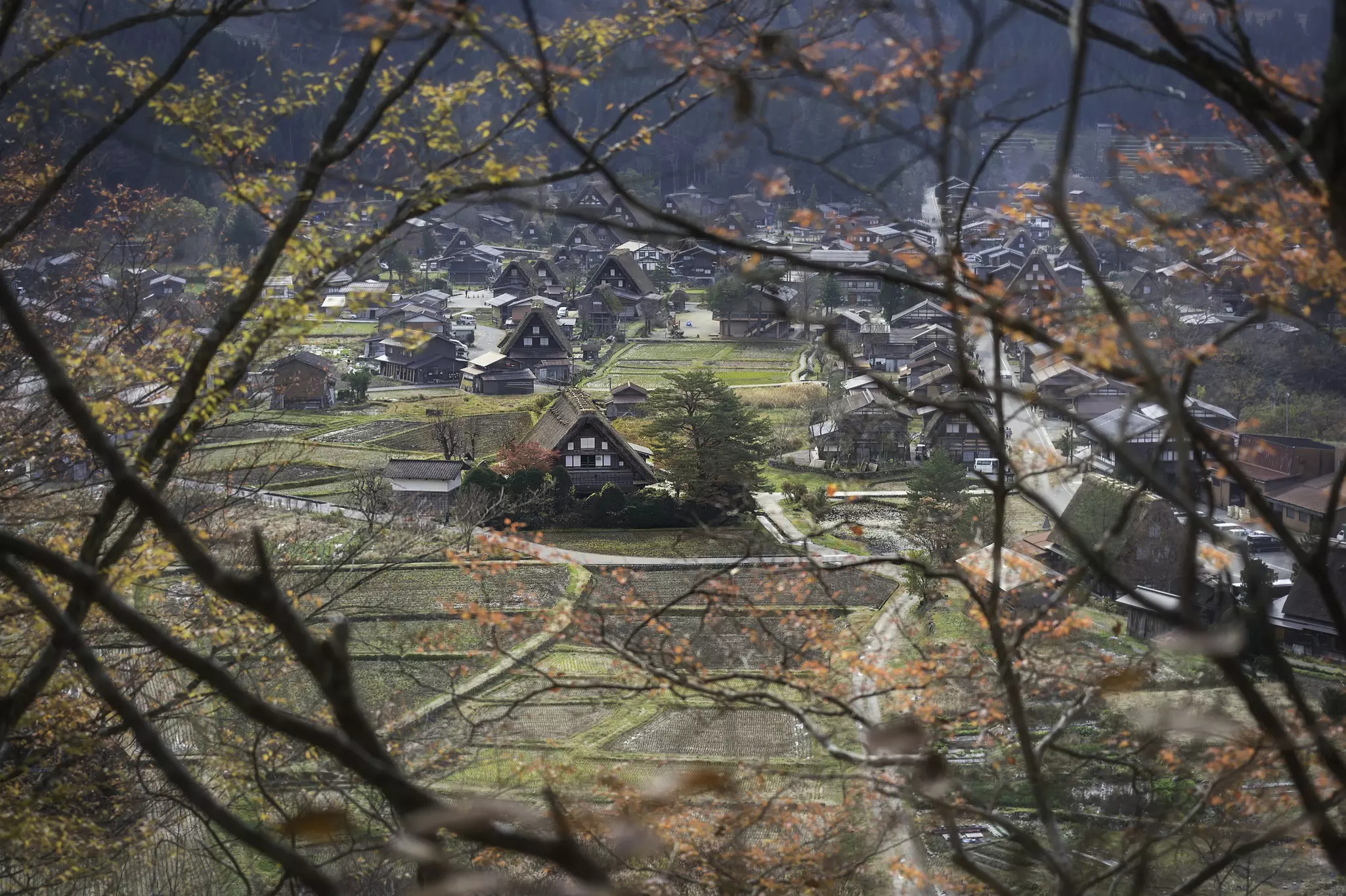
A UNESCO Heritage Site since 1994, this folk village earned its designation for its Gasshō-style houses with steep, thatched roofs. It’s an exceptionally rare style of architecture in Japan and is preserved by both the inhabitants and a group of volunteers who re-thatch all the roofs over the course of 2 or 3 days, every 30 or 40 years.
As well as shrines and immaculately preserved households, there is the usual glut of souvenir and sweet shops, snack stalls with Hida beef (a local speciality), and some very long lines for ice cream, even in colder weather. Every visitor gravitates to the viewpoint at the Shirakawa-go Ogimachi Castle Observation Deck, which can be reached on foot (15-minute walk) or shuttle bus. In the winter, the village can be snowed under, which makes the panoramic even more fairytale-like.
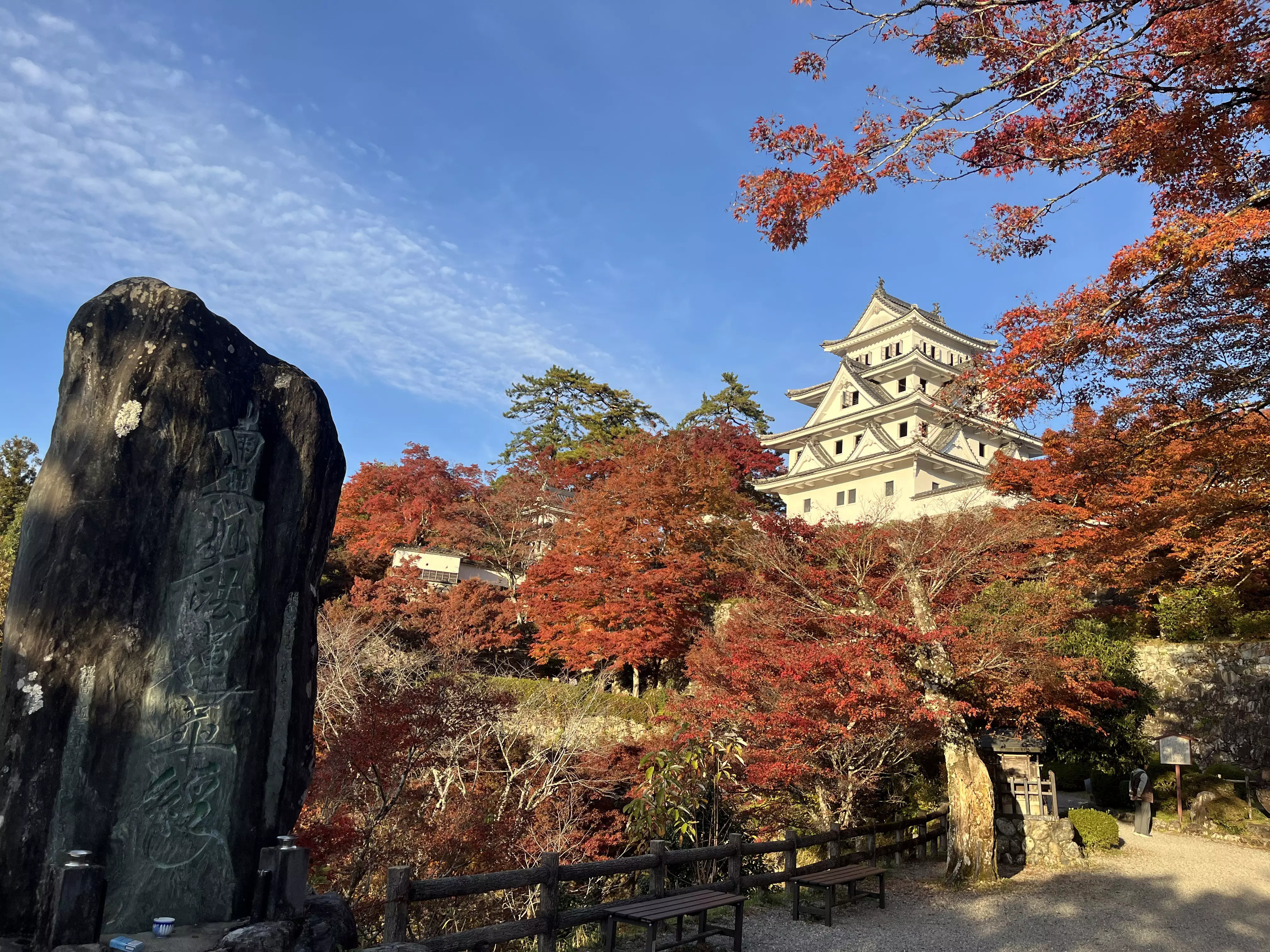
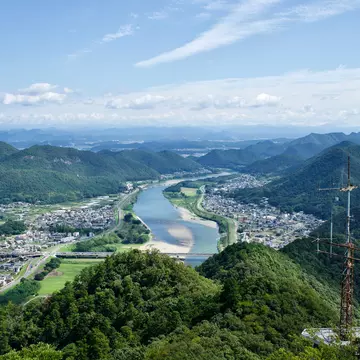
On a hilltop location, there has been a structure here since somewhere between 1100 and 1333, often serving as a lookout to the surrounding area. Now reconstructed, the castle houses a museum and the most beautiful panoramic views of Gujo you can find. Aim to be there for sunset to get the best light. If you visit in mid-November, around the same time I did, you will also be rewarded with vibrant red leaves crowning all your photographs.
Inside is an interesting exhibition on the history of the town and feudalship, including the ruling clan’s important role in the Battle of Sekigahara in 1600. Some of the highlights are the incredibly preserved samurai armor sets.
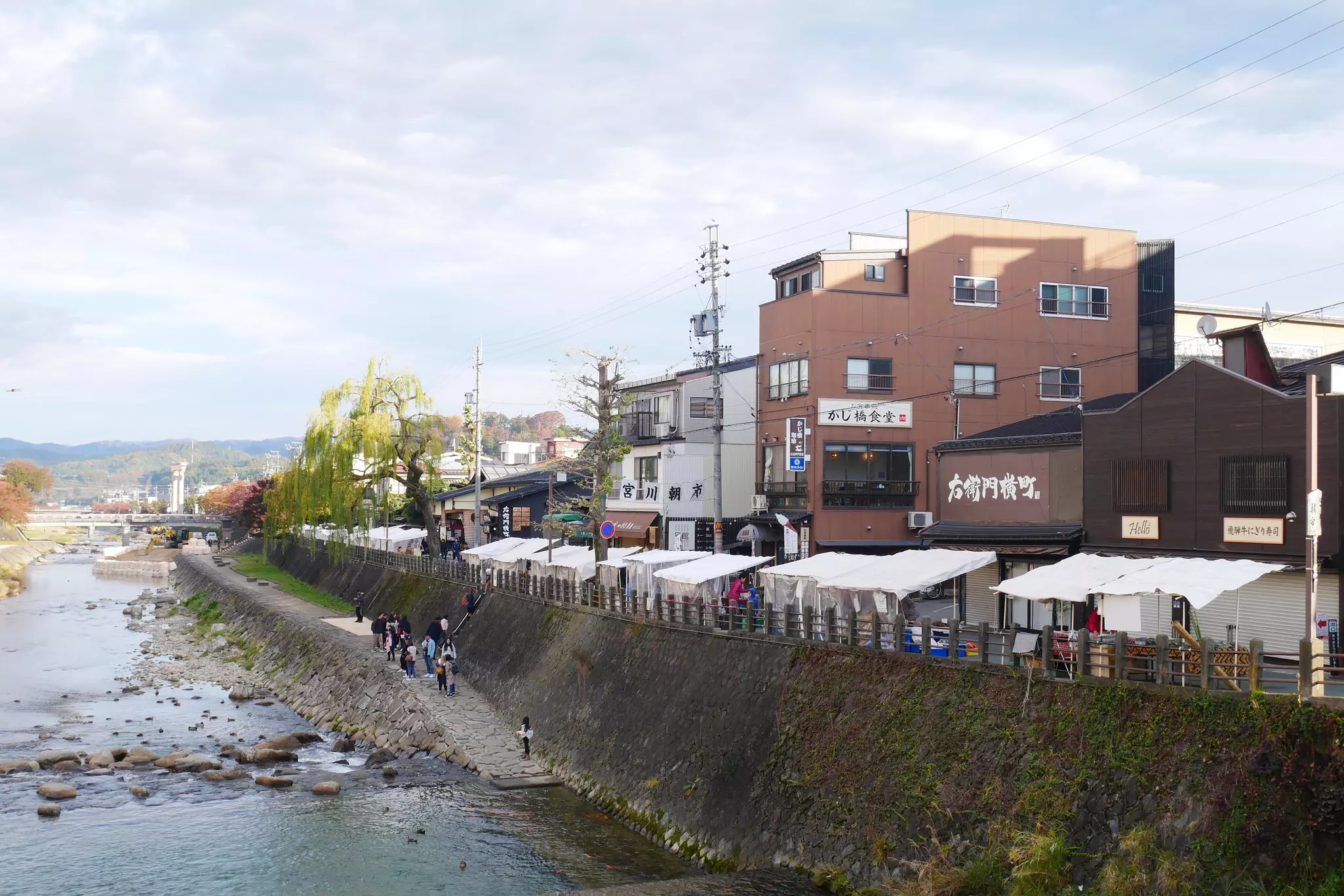
Every morning of the week until about noon, the riverwalk of Takayama along the Miyagawa River is taken over by food stalls. On the morning I went, there was matcha ice cream, homemade yuzu sauce, several types of miso, grilled sweet potato sweeter than any dessert, croquettes and sushi made with the local Hida beef.
In the afternoon, the crowds move to the Sanmachi district where more restaurants and food stalls await, as well as souvenir shops, craft boutiques and antique stores. At the opposite and quieter end of town is the Sakurayama Hachimangu Shrine. Our guide described the town as “Kyoto without the crowds”; it’s hard to think of a better recommendation than that.
At the time of writing, the Japanese yen is weak, making it better-than-normal value for many international travelers. Even still, visitors coming from Tokyo into rural parts like Gifu will find eating and drinking, in particular, to be extremely affordable.
A lot of smaller restaurants accept only cash so ensure you always have at least enough yen on you for your next meal. The ubiquitous 7-Eleven convenience store will always have an ATM that accepts foreign cards. Artisan and craft stores will likely accept cards and some bigger ones may do tax-fee shopping. Look for the red sign and carry your passport for 10% off.
Night at a Fairfield by Marriott Michi-no-Eki hotels: from ¥12,350
Car rental (daily): from ¥7,000
Meal at a michi-no-eki : from ¥1,100
Beer at an izakaya: ¥600–900
Snack at a food stall: ¥400–1000
Seki chef’s knife: from ¥15,000
Entrance to a public onsen: approx ¥700
Seki is famous for knives, and there are also lovely pottery shops dotted around the prefecture. Stationery fans should make a stop at the Mino Washi Paper Museum (workshops to make your own paper are also available in English and Japanese).
Sake breweries are plentiful so fans should factor in plenty of tastings. One of the local specialities is Hida beef, which can be found in bento boxes and at barbeque restaurants and sushi stalls all around the region.
As you road trip around, public toilets are clean and plentiful but can lack soap and towels in rural areas. Do as the Japanese do and bring your own.
Annemarie visited Gifu at the invitation of Fairfield by Marriott Michi-no-Eki. Lonely Planet does not accept freebies for positive coverage.
Explore related stories