Mar 9, 202610 min read
The Ultimate 3 Days in Halong City, VietnamMar 9, 2026
10 MIN READ
Writer
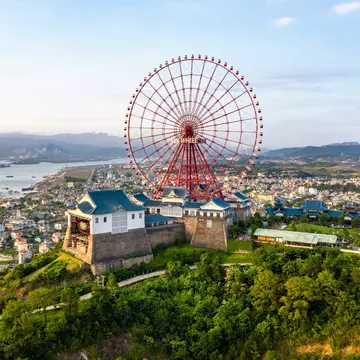
The Sun Wheel rises over Halong City on the edge of Halong Bay, Vietnam. Hien Phung Thu/Shutterstock

Writer
Lonely Planet may earn a commission from affiliate links on our site. All recommendations and reviews reflect our own independent opinions.
With some 2000 limestone islands rising from jade-green waters, Halong Bay is one of the most popular destinations in Vietnam. More than 2.6 million visitors arrive annually to experience its otherworldly seascapes, but Halong City, the gateway to the bay, is often overlooked.
Most tourists travel from Hanoi for 2 hours to reach Halong City, setting off on a 1- or 2-night cruise around Halong Bay before making a beeline back to the capital after disembarkation. However, Halong City has much more to offer than its famous bay, making it well worth tacking on a few days to explore, either before or after a cruise.
There's plenty to keep visitors busy, from amusement park rides to lively street art and grazing on the city's excellent seafood-based cuisine. Get more from your trip with this guide to spending the ultimate weekend in Halong City.
When to arrive: Most visitors arrive by shuttle bus from Hanoi, getting to Halong City just before noon. You can also fly into Van Don International Airport, about 50km from Halong City. If you are taking a cruise, make sure that transfers to/from Hanoi are included.
How to get from the airport: There’s a shuttle bus (Route 14B) every 90 minutes from Van Don International Airport to Halong City. Otherwise, booking a taxi or rideshare via the Grab app is your fastest option.
Getting around town: Once you reach Halong City, use the Grab app to book rideshare cars or motorbikes. Or contact Thao (WhatsApp +84904359287), a friendly, young tour guide born and raised in Halong City, who can take you around town in his family’s car.
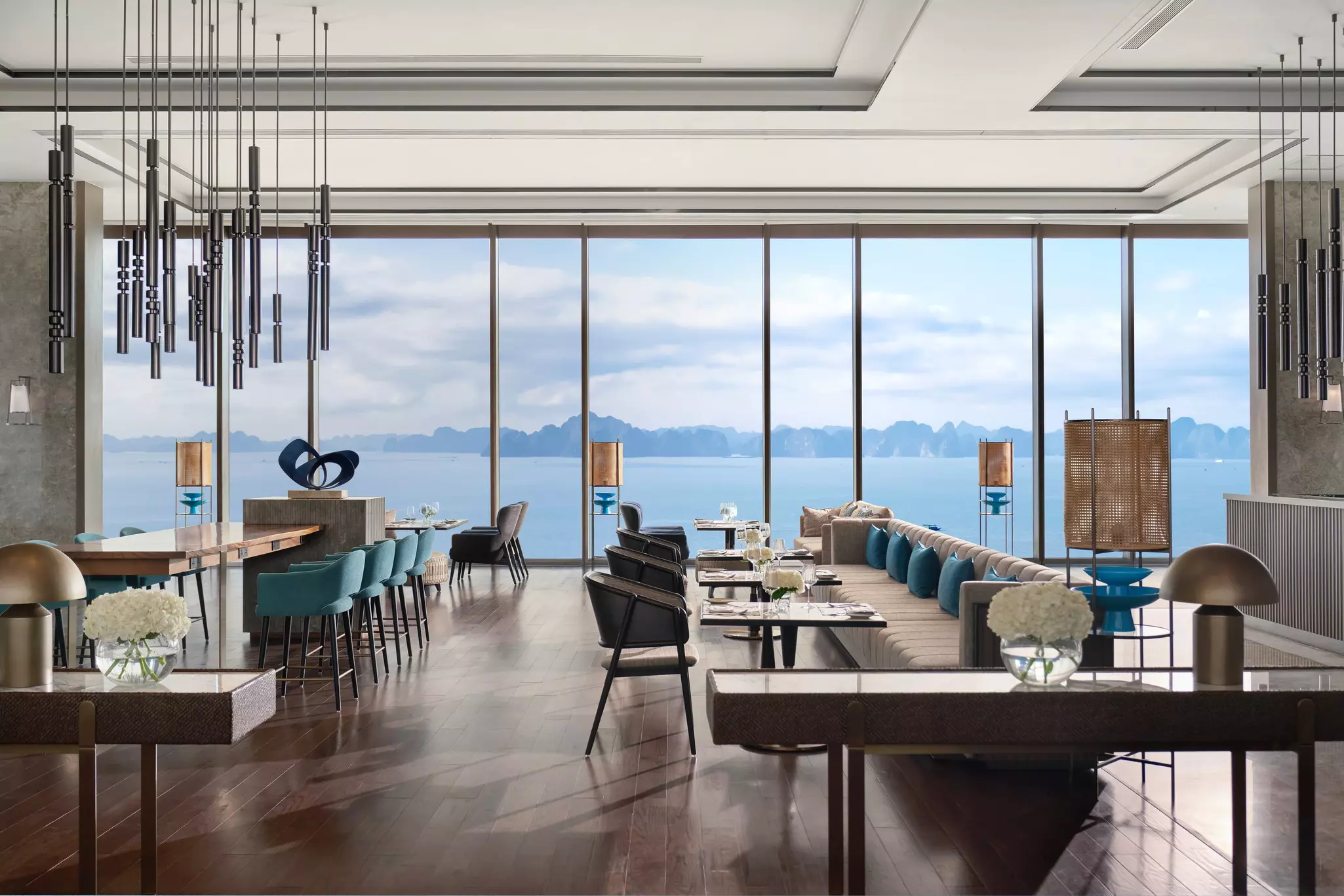
Where to stay: Halong City is divided into two halves, connected by the Bai Chay Bridge. There’s Hon Gai on the east, with museums, shops and office buildings, and Bai Chay to the west, with long stretches of beach and lots of entertainment options. Opened in summer 2025, the InterContinental Halong Bay Resort in Bai Chay offers sweeping views of the bay, with six restaurants, four swimming pools, a “hidden lagoon” spa and a spectacular Club InterContinental Lounge with floor-to-ceiling windows to frame the jaw-dropping view.
What to pack: Lightweight cotton and linen clothes will help you stay cool year-round. Be aware that Halong Bay is in northern Vietnam, and this area can get chilly between November and March. Pack a light jacket or extra layers for evenings and when you’re out on the water.
Spend your first day in Halong City exploring some of the highlights.
One of Halong City’s specialties is cha muc, a patty made from hand-pounded squid, deep-fried until it's crispy. It’s commonly served with steamed rice flour rolls stuffed with minced pork and tree ear mushrooms. Liberally doused with a fish sauce dressing, it’s wonderfully satisfying with a side of fresh herbs.
To start the day, head to the streets north of Bai Tho Mountain and pull up a plastic stool to savor a plate at Banh Cuon Cha Muc Goc Bang, which has been serving up this dish for over 40 years.
Surrounding Halong City, Quang Ninh Province has so much more to offer than just Halong Bay. Spend a couple of hours browsing the Quang Ninh Museum on the main coastal road, a strikingly minimalist jet-black glass building that pays homage to the province’s “black gold” (coal) industry.
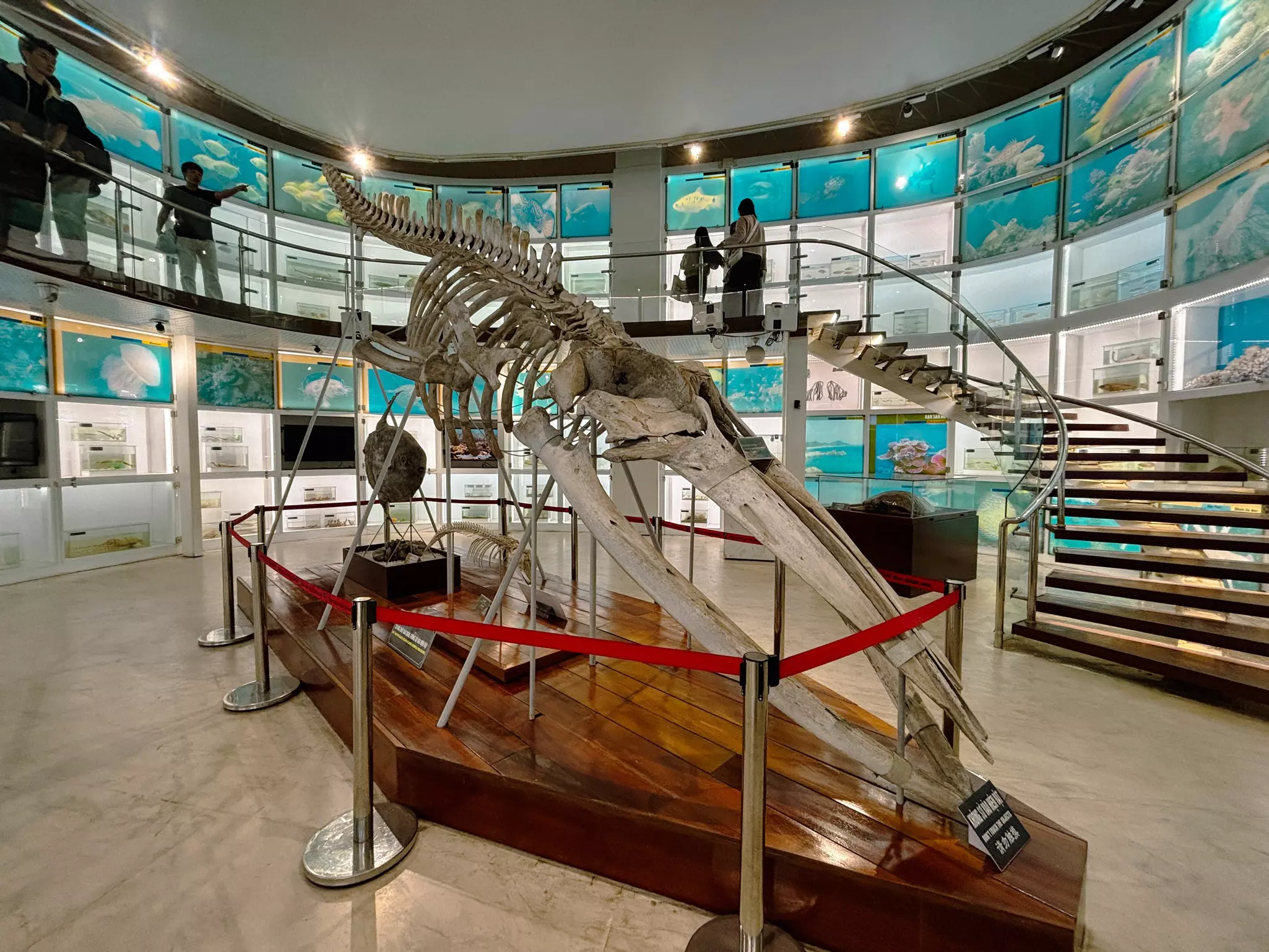
Learn about the bay's rich biodiversity on the 1st floor (check out the whale skeleton) before delving into the history of the Quang Ninh region on the 2nd floor. The 3rd floor features a fascinating recreation of coal mine tunnels and exhibits on extraction techniques through the ages. Arrive early, as noisy tour groups and school field trips build throughout the day.

To see coal turned into beautiful sculptures, visit the small Quyet Binh Than Da workshop, where a family has been practicing this craft for four generations. There aren’t many coal artisans left, however, so pick up a figurine, vase or a memento etched with scenes of Halong Bay while you still can.
The workshop produces eclectic custom pieces as well, which on any given day might include a golf-playing Buddha or a zodiac animal perched atop a pile of gold coins for luck. The workshop area is covered in fine coal dust, so be careful what you touch. Quyet Binh Than Da is located at the very end of an alleyway off Nguyen Van Cu St, so you might need to ask locals to point you in the right direction.
To see the islands of Halong Bay in the orange glow of sunset, make your way to the Roku Star Bar on the rooftop of the InterContinental Halong Bay Resort. Soak in gorgeous views as you sip on Japanese-inspired cocktails that make innovative use of distillation, clarification and smoke. Try the Hinoki Forest, a concoction of gin redistilled with hinoki bark and pine needles and topped with a vapor cloud of sansho pepper oil.
Teetotalers can also imbibe, as the bar uses a unique dealcoholization process to produce low- and no-alcohol drinks such as the Golden Plum Collins, featuring de-alcoholized golden rum with fizzy notes of salted apricot and Earl Grey tea.
Afterwards, head next door to the Roku Dining Room, where locally-sourced seafood is prepared using traditional Japanese techniques. Recommendations include miso-marinated grouper from nearby Van Don district, abalone sashimi from Co To island and Halong Bay tiger prawn tempura. There are also excellent sake pairing options.
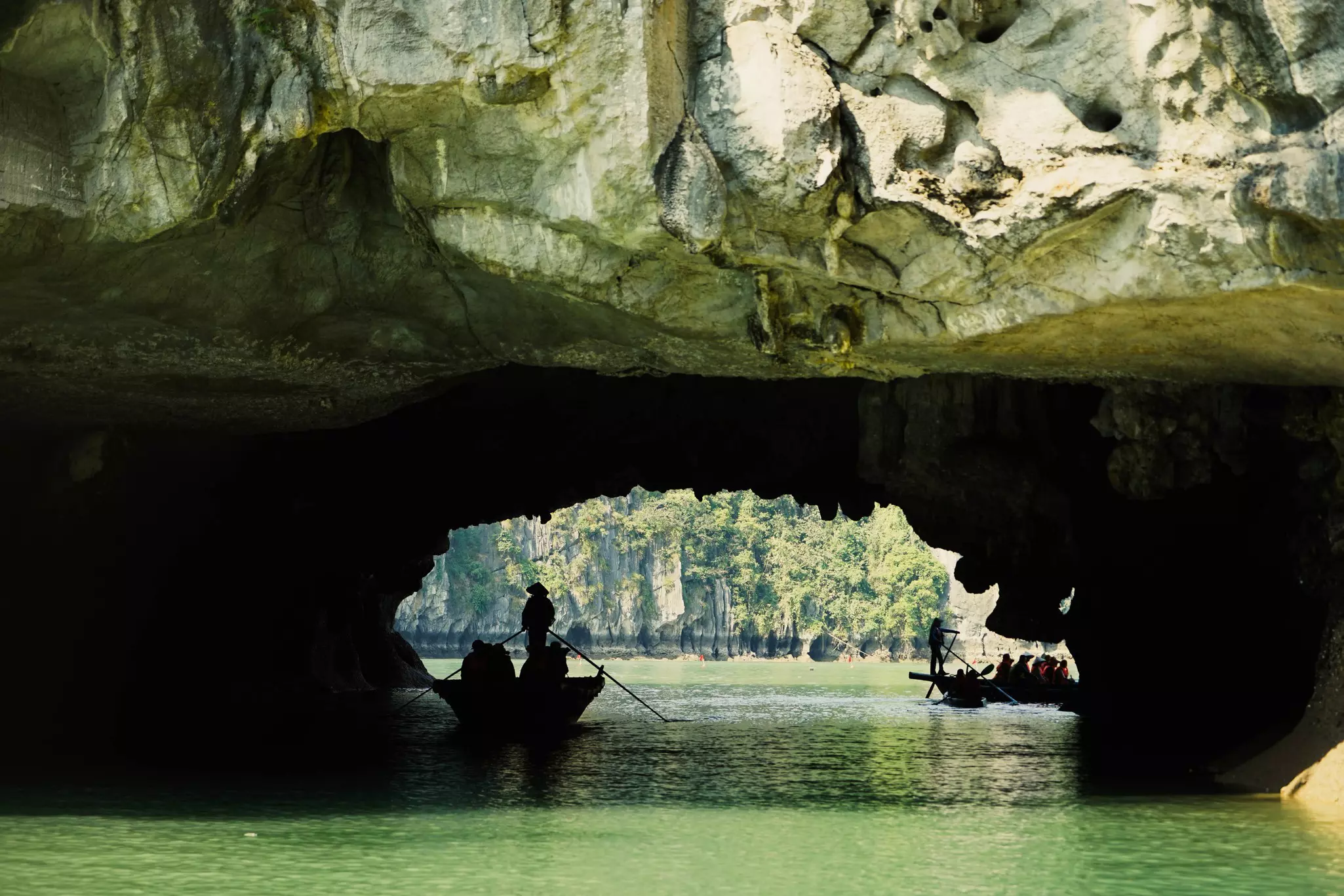
Use your second day to appreciate Halong Bay’s natural beauty on water and land.
The Vietnamese prefer to cruise through Halong Bay by day, rather than sailing out on the water overnight. They say that it’s the best of both worlds, as you can experience the incredible karst islands without being locked into a rigid timetable. Luckily, there are quite a few options for day cruises, including inexpensive boat tours that solo travelers can join.
However, if you’re in a group of four or more, chartering your own boat is actually quite feasible, with the cost for a 45-seater wooden boat starting at around 2,500,000 dong (d) for a two-hour jaunt, with add-ons for food, kayaking, extra hours and Halong Bay entrance fees. Or you can splurge on a private charter on a sleek Italian-made ship, arranged through Vietyacht, which will allow you to set your own schedule.
While most overnight cruises leave the port at around noon, setting out earlier will ensure you experience all the highlights with hardly any other tourists around. Top experiences include touring the massive Surprise Cave, swimming on Titov Island, learning how pearls are cultivated on a floating pearl farm, and kayaking into a hidden lagoon with macaques clinging to the rock face. Halong-based tour guide Hieu (Steven) can look after all the logistics (WhatsApp +84973579844).
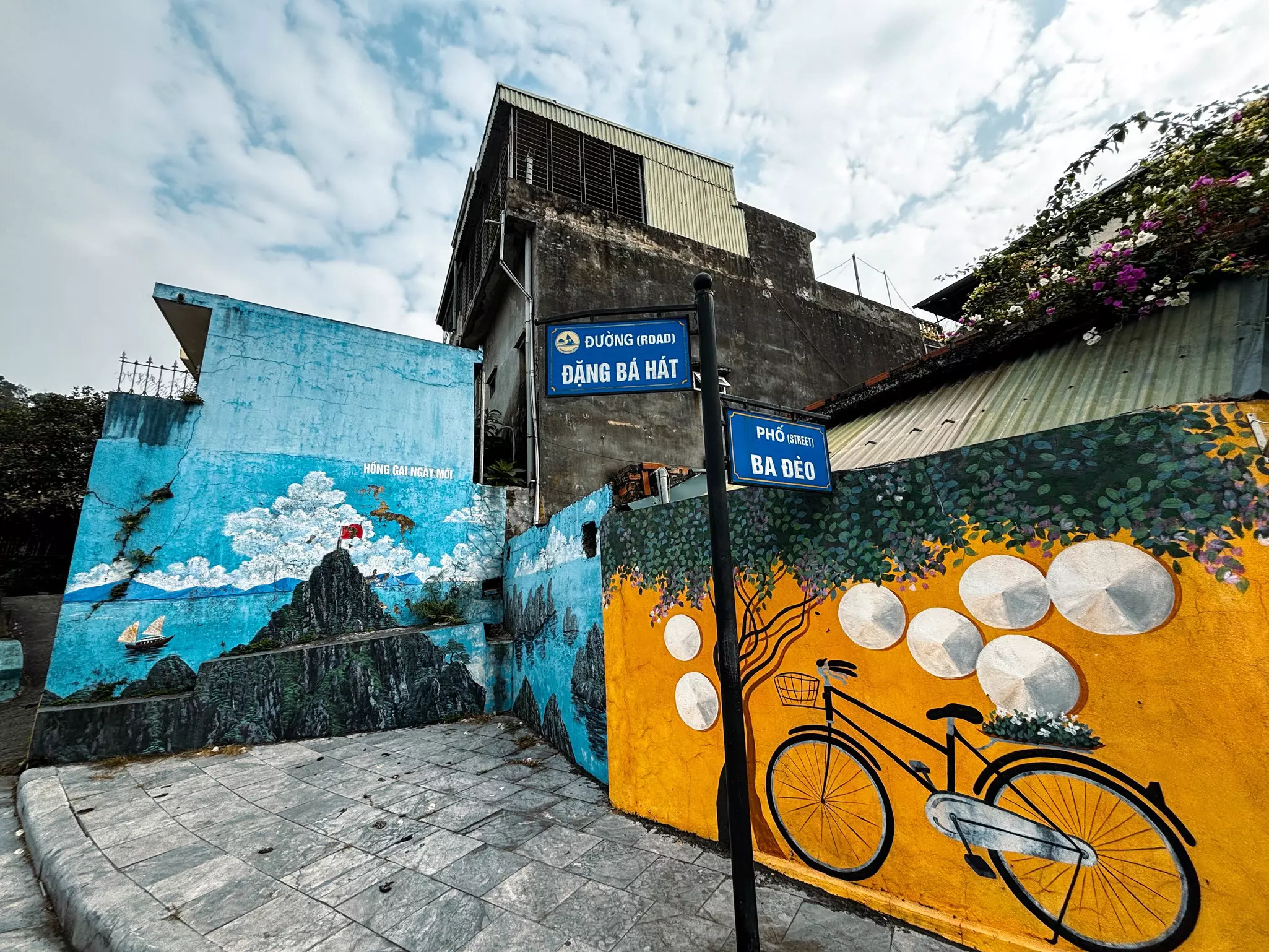
Once back on dry land, spend a few hours checking out the city’s surprising street art scene. Start with the massive 260m-long “Quang Ninh – Viet Nam Heritage and World Natural Heritage” ceramic mural at the Cai Dam roundabout, featuring colorful cultural and natural scenes from around the province. You'll find more street art scattered all around town, like the whimsical, Alice in Wonderland-esque mural just outside of the Wee Café overlooking the harbor.
Something else you’ll notice about the city of Halong is the absence of the jumbled electrical wires seen everywhere else in Vietnam. The city chose to bury its cables underground decades ago. Instead, you’ll find about 700 artfully painted electrical boxes dotting the downtown area.
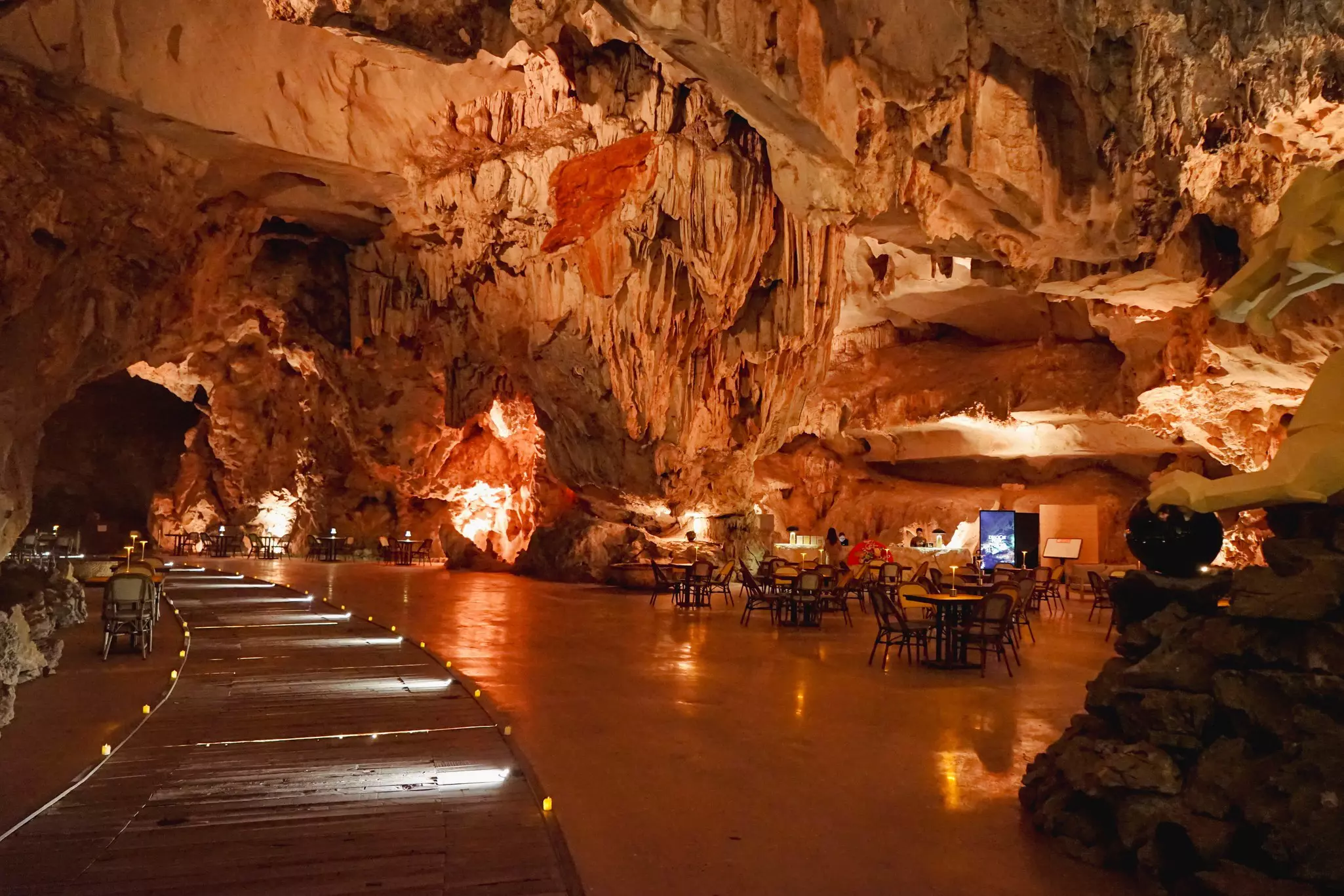
After touring some of Halong Bay’s most spectacular caves on a cruise, it’s now time to dine inside one on land. About 30km east of Halong City, the million-year-old Dragon Pearl Cave makes for a truly stunning backdrop for a fine-dining lunch or dinner, paired with an immersive 3D show where moving images are projected directly onto the cave walls.
Your meal will be accompanied by music and live performers telling the story of Halong Bay’s "Dragon Mother" – the mythical creature that filled the bay with gems in Vietnamese legend, forming its rocky islands. Meals are surprisingly good and you can buy tickets that include round-trip transportation to the cave, a trip of about 45 minutes from the city center.
Use the third day for a bit of relaxation and amusement park entertainment.
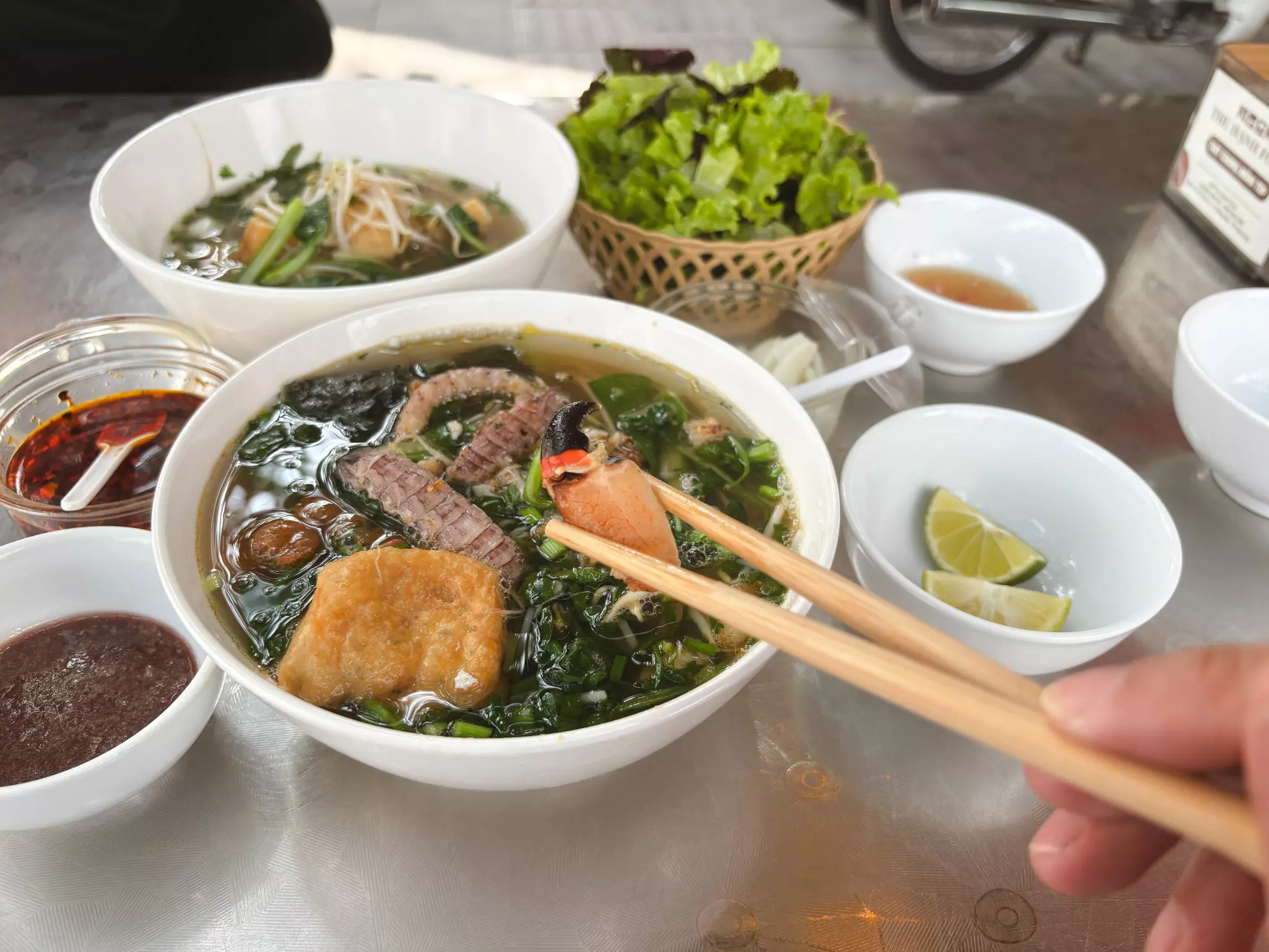
Start the day with another Halong specialty, bun cu ky (stone crab noodle soup). If you visited the Quang Ninh Museum, you might have spotted some of these reddish-brown crabs with black-tipped claws in one of the display cases. Now it’s time to sample their sweet meat, prepared in a broth flavored with crab roe, mantis prawns, tomatoes and fermented rice vinegar. Try it at Bun Cu Ky Ha Long or Bun Cu Ky Gia Truyen just across the street.
About a half-hour drive from Halong is Yoko Onsen Quang Ninh, Vietnam’s only saltwater mineral spa. Modeled after a high-end Japanese onsen bathhouse, it offers 25 different types of baths in natural settings framed by gardens, rocks and caves. The therapeutic waters are said to be high in bromine as well as sodium, calcium, magnesium and zinc.
There are both public and private bathing areas, as well as saunas and massage and spa services for an extra charge. Standard entry tickets include a buffet lunch or dinner, or you can come late afternoon (no meal) for a reduced price. It's a popular spot for day trippers from Hanoi, but afternoons are typically quieter.
Back in town, take a leisurely stroll through the seaside Halong Flower Park (known in Vietnamese as “Cong vien Lan Be”), starting at the prominent Clock Tower roundabout and heading east. The park was designed by Salvador Perez Arroyo, the same Spanish architect responsible for the Quang Ninh Museum.
The spacious park features elevated pathways that are popular with joggers, and it offers stunning views of the Avatar-like islands – some are so close that you feel you could almost reach out and touch them. End the walk at Sua Chua Co Phuong for some homemade frozen yogurt, another Halong specialty, with a wide range of toppings, from fresh fruit to boba pearls.
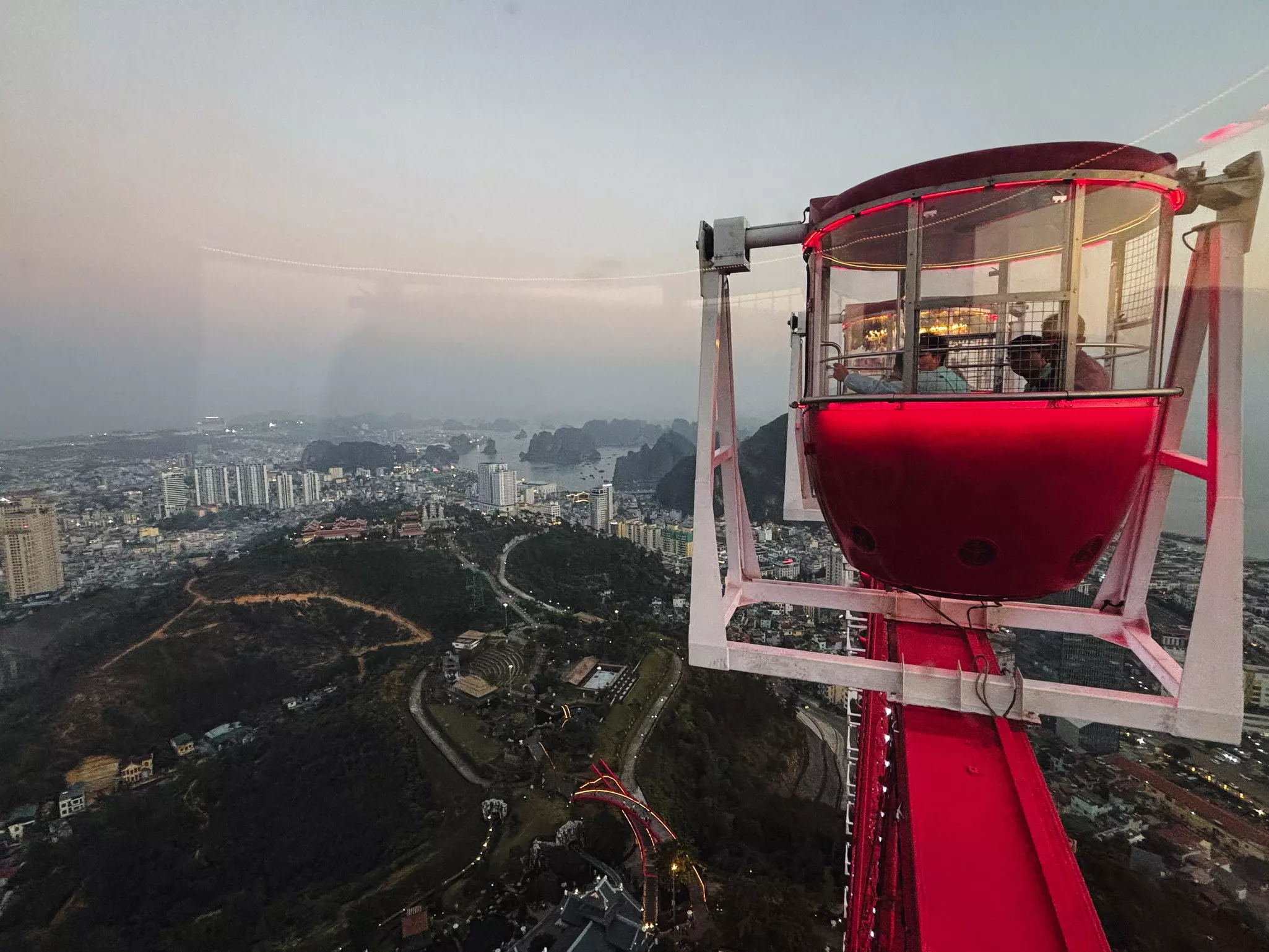
As day turns to dusk, head to the Sun World Halong Complex, a family-friendly, all-in-one entertainment venue, featuring an amusement park, water park, wax museum, restaurants and more. For sky-high views of the bay, hop on the 215m-high Sun Wheel, or the Queen Cable Car traveling between the two halves of Halong City.
The cable car holds two Guinness World Records for having the tallest cable car tower and the highest passenger capacity for a cable car, with each of the double-decker cabins accommodating 230 passengers. Check the website for offers and opening times, which change depending on the season.
After three activity-filled days, you'll be ready to make the trip back to Hanoi, or head north towards the border with China, or south along the coast to Hai Phong and Cat Ba Island.
James Pham visited Halong on the invitation of the InterContinental Halong Bay Resort. Lonely Planet does not accept freebies in exchange for positive coverage.
Explore related stories