Sep 11, 20267 min read
All You Need to Know About Train Travel in VietnamJan 28, 2026
12 MIN READ

Writer
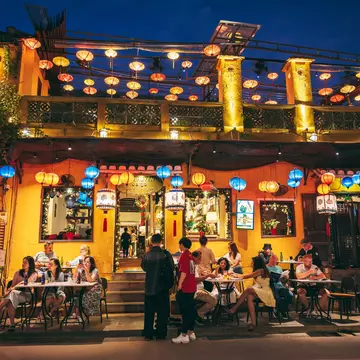
A summer evening in Hoi An. Asia Evtyshok / Shutterstock

Writer
Highlights
Writer Ngan Nguyen Mattingly covers Hoi An's Old Town, beaches and food scene.
Visit mid-January to mid-April for crisp weather; October to November brings typhoon risk.
For rural landscapes and canals, take basket boats in Cam Thanh or cycle through Tra Que village.
Cao lau's unique firm-noodle bowl and Hoi An's crunchier banh mi are both essential eating.
Lonely Planet may earn a commission from affiliate links on our site. All recommendations and reviews reflect our own independent opinions.
Among the bustling cities, towns and pastoral villages that organize the domains of Vietnam, Hoi An stands out as a unicorn of places to find yourself. It brings just the right mix of everything you could need in one destination, both for visitors and for those of us who have settled here.
From a UNESCO-listed ancient grid of streets and colorful temples, to verdant rice paddies and a rich culinary scene, Hoi An has so much to offer.
Set on the coast of Central Vietnam, less than an hour drive from Danang city, and about 3 hours from the ancient capital of Hue, Hoi An is bursting with options to suit many interests.
Sure, the yellow-walled and weathered streets of the Old Town may be the principal allure, but you'll find many more reasons to enjoy your stay. Dive in below to find other captivating opportunities to explore during your trip to Hoi An.
In short, whenever you’re able to get here, as each season holds its own character. After living in Hoi An for several years (and Vietnam for many more), I think the sweet spot is around mid-January to mid-April.
These months are nestled nicely between Central Vietnam's wet and cold winter from November to February, and the return of heat in mid- to late April. Typically, by the Lunar New Year that falls sometime in January or February, the rains have lessened, and nice crisp air provides cool comforts for explorations without overheating.
From mid-April through September (a bit later some years), the summer brings bright blue and sunny skies, as well as the heat to match. But you can choose from a cornucopia of swimming pools at most hotels, plus oceans and beaches. You'll find the largest crowds during peak tourist seasons: December through April – to align with Christmas holiday travel and optimal climate – and July and August, correlating with international and local summer holiday travel.
The riverside area in front of the Japanese Bridge can become especially crowded during the monthly Lantern Festival that falls on the evening of the full moon of each month. If you're seeking a prime location to release lanterns on the river or take photos, you’d be wise to stake out a spot before dusk. The action will begin as the sky goes dark, and carry on until about 10pm.
If you're thinking about October and November, plan your visit by carefully checking weather forecasts for potential incoming storms. This is the peak season for rain and typhoons, which can cause significant flooding and other impediments to travel. Alternative destinations could be the further northern or southern regions of Vietnam, where seasons are different.
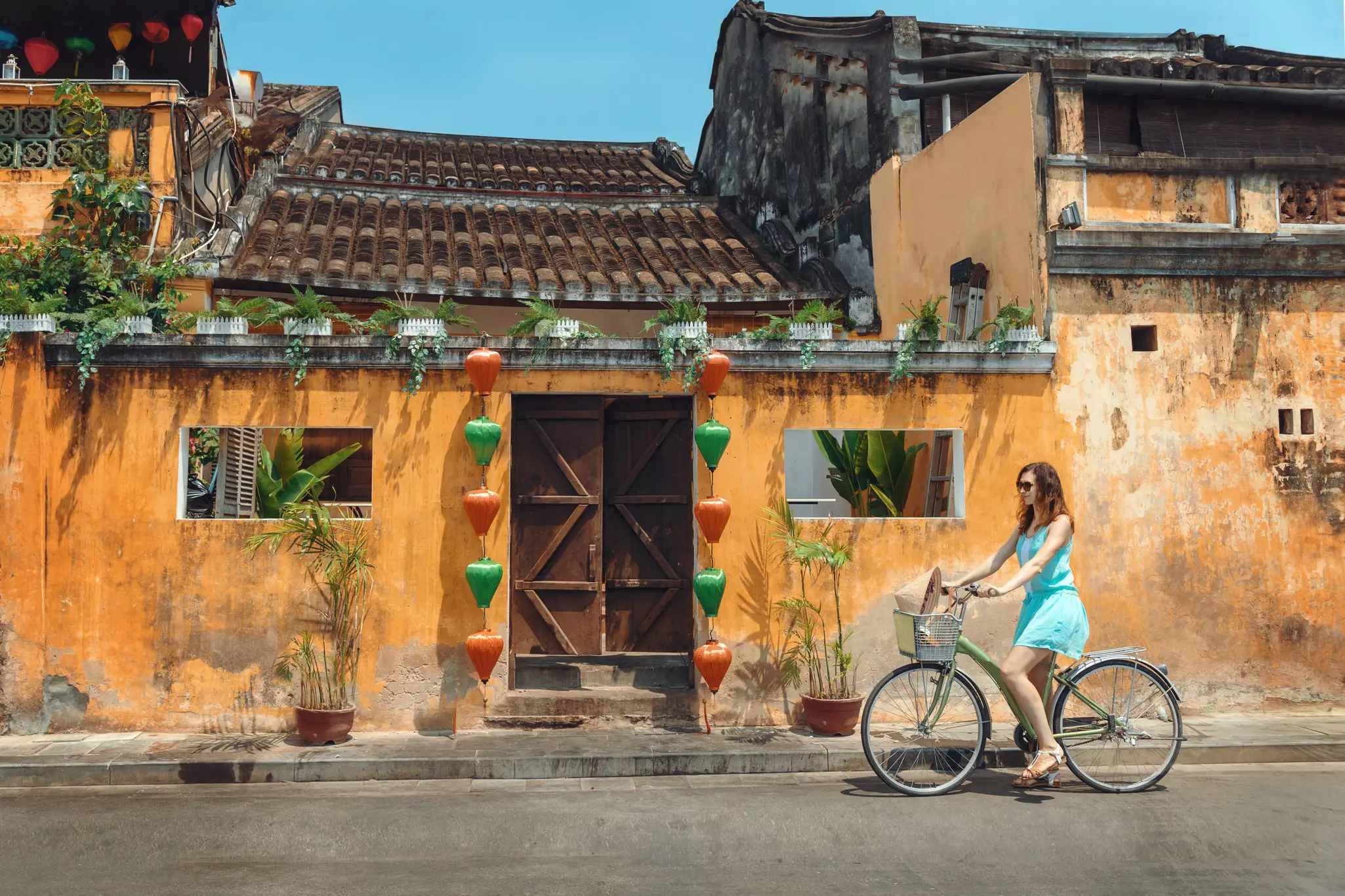
You could easily find enough activities to keep yourself entertained in Hoi An for 3-5 days. These could include morning or evening strolls in the Old Town; savoring Hoi An’s distinctive dishes like cau lao or banh mi; or supporting the locals by procuring handicrafts and souvenirs at Old Town's shophouses.
If beach vibes are more your thing, the whimsical collection of alleys around An Bang beach provide an array of eateries, as well as plenty of sand and sun to keep all ages engaged and happy.
Throw in some countryside explorations to visit the small rural villages on the edges of Hoi An, and you could have a nice variety of experiences in a business week or less. If you have the time, opt for an extra few days. This will allow for potential weather contingencies, or just more time to enjoy this sublime corner of Vietnam.
While you’re in this part of the country, a visit to Hue and the beaches of Danang can be quite the treat as well.
Absolutely. From any other part of Vietnam, a 1 hour flight will bring you to Danang airport, and from there, an organized car service or taxi will shuffle you about 25km down the coast to Hoi An in under an hour.
Once you’re in town, two wheelers powered by gas, electric or your feet are very easy to come by, as are taxis and ride-hailing cars or motorbikes like Grab or Xanh SM. Hoi An City isn’t a big spread, so you can bounce to and fro with any mode of transport you prefer. The Old Town is an easily walkable or bikable grid, which is good because from 9 to 11am and 3pm to 10pm, motorized transport is banned from a majority of the streets.
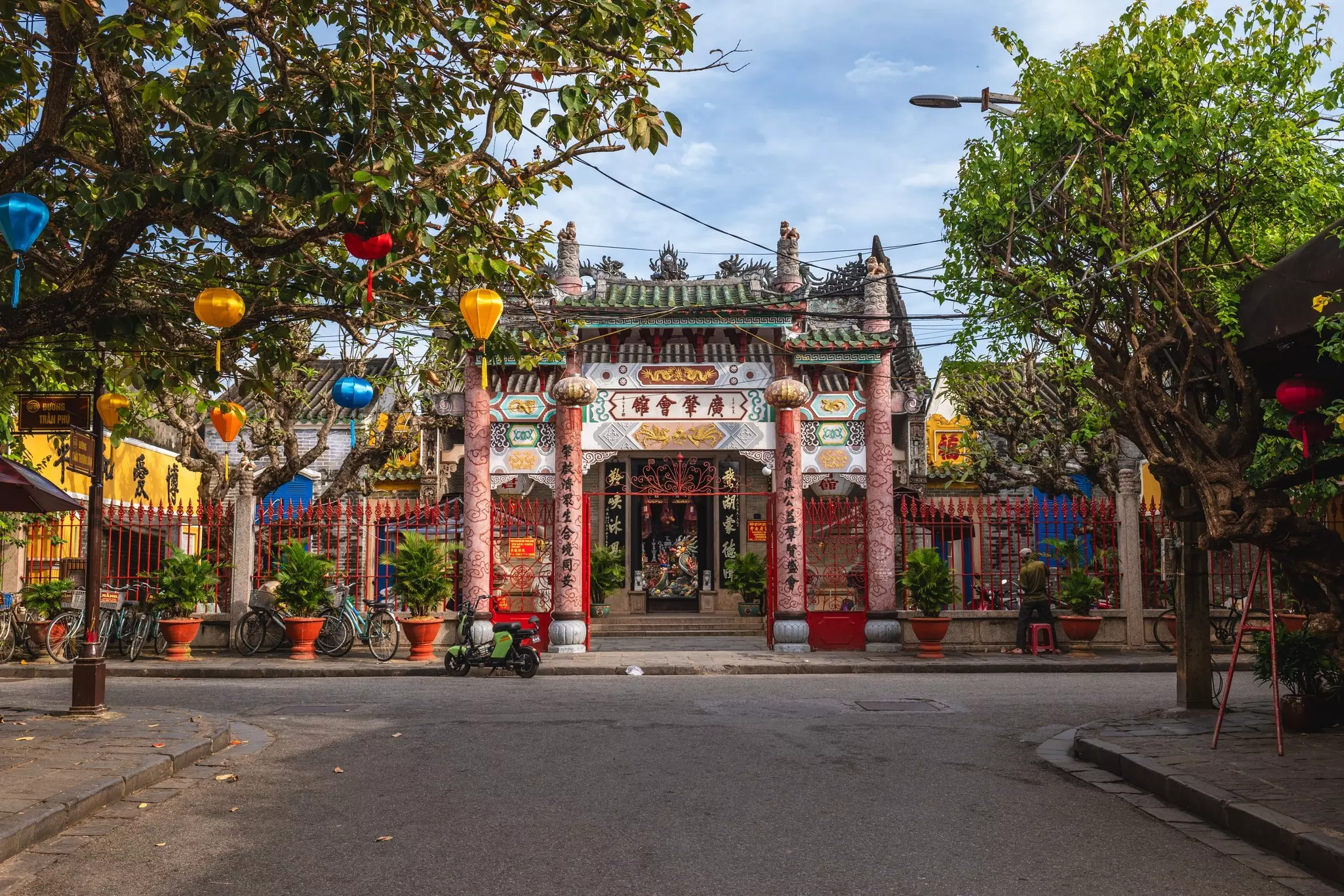
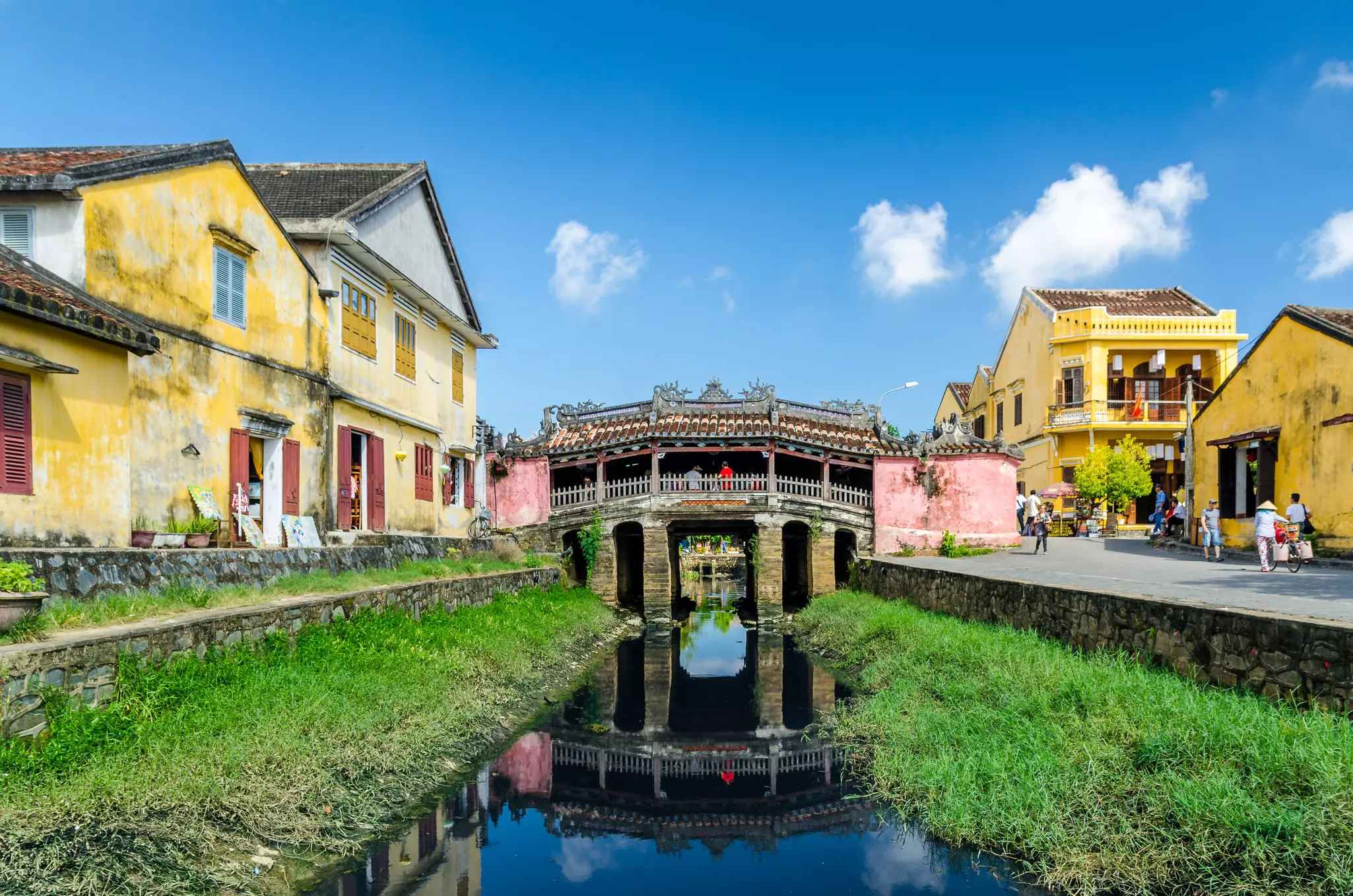
Hoi An offers a wealth of things to do and see during your stay. You can learn about the area's history and culture by visiting the Old Town. The iconic Japanese Bridge (look at the blue 20k note in your pocket) is a great place to start. Continue down Tran Phu Street for a few Chinese heritaged assembly halls and community houses, and further on to the Ong or Quan Am Pagodas for additional cultural enrichment.
Along the way, you’ll surely pass by numerous shops and tailors, with a variety of things on offer that would make great gifts, or just treats for yourself.
If window shopping is more your cup of tea, the colorful streets of the Old Town will give plenty to keep your eyes scanning and intrigued. And with many eateries and shops, you’ll never want for hunger, thirst or a place to rest your legs.
As a slight word of warning, the sellers here are very friendly and savvy, so if you display an extended interested glance at something, you might end up taking it home whether you need it or not.
For arranged adventures, Jeep tours or Vespa tours can whisk you in style to show you to places that most tourists wouldn’t otherwise find themselves, for a deeper exploration of local life and locales here.
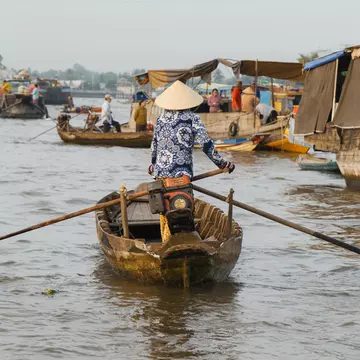
The basket boat tours in Cam Thanh can take you on a calm or very kinetic trip (your choice) through the palm forested canals just on the edge of town.
A slow bicycle ride through Tra Que vegetable village just across the road from An Bang beach, or a tour through any of the numerous rural villages further afield, with the help of a travel agency, are great options as well.
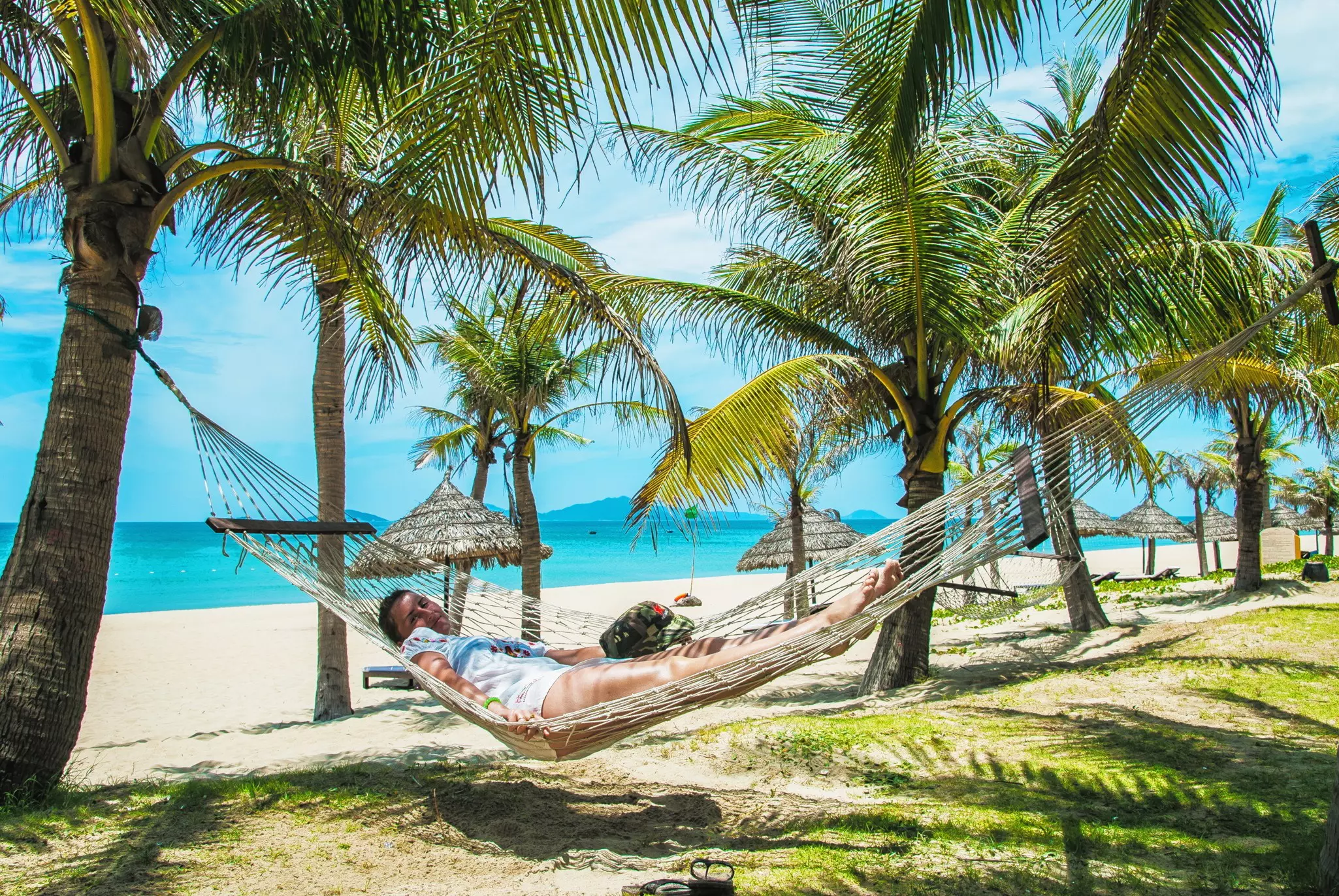
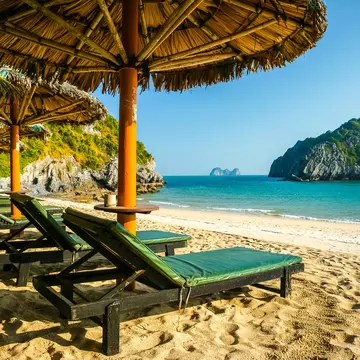
If you find yourself here with proper beach weather, you can pull up a lounger and indulge in some pure relaxation. If you're seeking an adrenaline rush, you may also find some water sports just off shore. An Bang and Cua Dai beaches, about 5km from the Old Town, are different sections of the same stretch of sand, with An Bang being more populated with establishments, and Cua Dai being an open spread for the more solitary minded. Ha My beach, a bit north of An Bang, will provide a much more local selection of visual and food options as well.
Along these lines, Cham Island is a picturesque assembly of homestays and quiet pockets of beach about a 30 minute speedboat ride from the far south end of Cua Dai Beach on Au Co road. Snorkeling or diving await you here in the right seasons. You can also partake in explorations by motorbike, fantastic seafood barbecue dinners and unadulterated tranquility as you relax in a hammock watching the waves crash in. The receptionist at your hotel can help you find and book the boat companies that will make the round trip.
If historical ruins vibe with you, about an hour from Hoi An by car you’ll arrive at My Son Sanctuary, a collection of Shiva Hindu temples from the Cham era and peoples of Vietnam. Picture Angkor Wat on a somewhat smaller scale, but with just as interesting histories and stories.
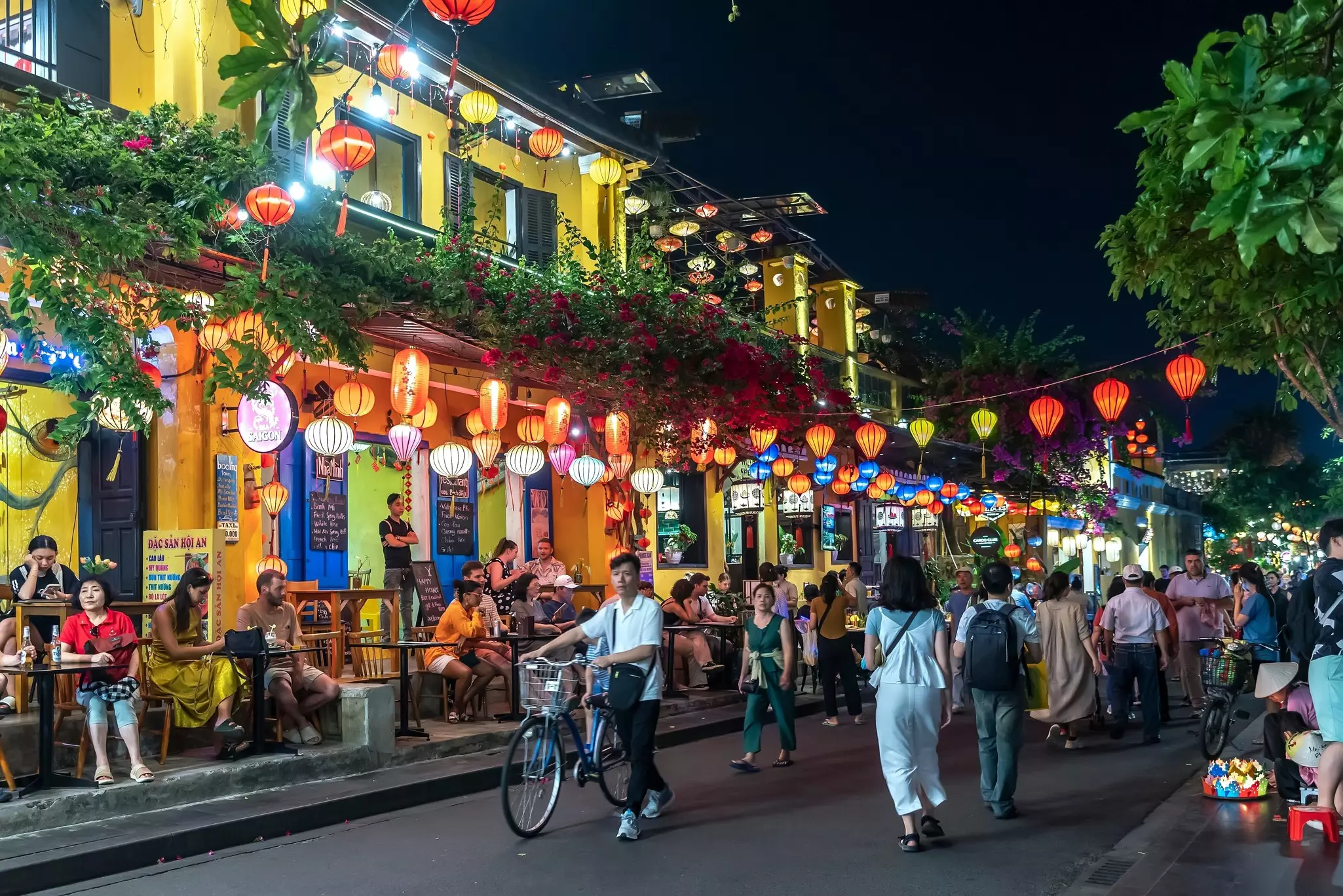
One of the first things you’ll notice upon arrival is Hoi An’s unofficial symbol: lanterns, everywhere you look. If you’d like to make your own, many workshops can be found around town. Pho Hoi Lanterns could be a good option, and some of the lantern shops offer workshops as well. You could also ask your hotel for their favorite recommendations.
If using your hands makes you hungry, then one of the many cooking classes, which usually include a local market tour to source ingredients, are also a considerable option. Again, your hotel should be able to point you in some right directions. Rau Oi offers a vegan-only cooking class, adding their spin to a few conventional dishes.
You'll see a variety of other boutique workshops around town to keep your hands busy and your creativity flowing. These include silver jewelry making, cardboard toy making or mandala arts, just to name a few.
On the exploration and entertainment side of things, Secret Experiences has a cocktail crawl and a culinary expedition where you’ll discover some of Hoi An’s unique offerings.
As a photography enthusiast, I'll say the countrysides of Hoi An are my favorite playground. Exploring the farming and fishing villages that dot the edges of Hoi An proper, you’ll encounter traditional life and friendly locals going about their business. Stopping to chat or share a smile will warm your heart and theirs.
If you can get up before the sun, find your way to Duy Hai fishing village to watch the daily organized chaos as boats come ashore before sunrise with their catch, and tough-as-nails vendors buy and sell sea creatures of all sorts at lightning pace.
If your trip aligns with the rice harvests in late April to May, or late September to October, you’ll find the fields alive with action and photo opportunities. Hoi An Photo Tours can surely help, with sunrise, sunset and other customizable tours that will show you a photographer’s vision of Hoi An, with a little photographic advice to help you up your game.
One of the best parts of Hoi An is the affordability of most experiences. If you’re coming from the big cities in Vietnam, your wallet should get a bit of a rest here.
Basic hotel room: 300,000-1,000,000 VND (USD$12-38)
Upscale hotel room: 1,500,000-4,000,000 VND (USD$60-150)
Luxury villa resort: 8,000,000-20,000,000 VND (USD$300-750)
Coffee: 25,000-50,000 VND (USD$1-2)
Local dishes: 25,000-50,000 VND (USD$1-2)
Simple dinner: 100,000-500,000 VND (USD$4-20)
Fancy dinner: 1,000,000 - 2,000,000 (USD$40-80) per person
Local beer at a shop: 15,000 VND (USD $0.60)
Local beer at a restaurant: 25,000-50,000 VND (USD$1-2)
Craft beer at a bar: 100,000 VND (USD$4)
Cocktail: 150,000-250,000 VND (USD$6-10)
With varying seasons in Hoi An, this will generally depend on when you plan to visit. Most of the year, shorts and T-shirts will suffice, perhaps aided by a light jacket in evenings or the fall months.
In the spring and summer months of late April to September, hats, suncream and airy garments will be your best friends.
From November to January when the thermometer drops, you may want to have a hoodie and some long pants ready, especially if you’re planning on moving about on motorbike for extended or after-dusk journeys.
If you find yourself missing something, there are a number of secondhand shops around town that could likely provide what you need.
As the epicenter of tailor-made clothes in Vietnam, including superb articles of silk and leather, come with some ideas and sketches, and you'll happily depart with some customized attire.
If you’re seeking souvenirs or gifts, there are plenty of shops in the Old Town with tchotchkes of all flavors. Wander down Nguyen Thi Minh Khai, Phan Chu Trinh, Tran Phu or Le Loi Streets to find a surplus of options.
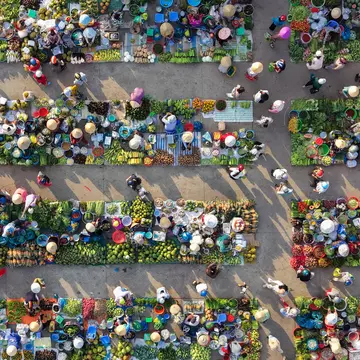
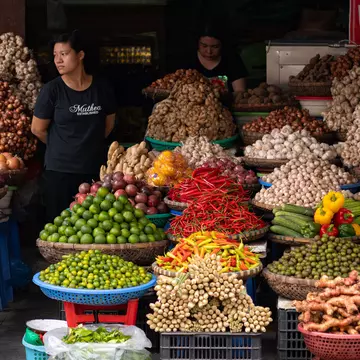
Hoi An Central Market, and the night market on the other side of the river, will offer many takeaways as well.
Hoi An has a few culinary options not found in other parts of the country, or done in a unique style here.
The top choice is cao lau, a bowled concoction of firm noodles topped with marinated pork slices and fresh herbs, sitting in a minimal dose of flavorful brown broth. Less a noodle soup like pho, but more a style all its own. The noodles come from special well water and tree ashes found only in this region, which gives them their unique texture and flavor. Trust me on this one, it’s a must-try while you’re in town.
If you’re coming from anywhere else in Vietnam, you’ll likely have seen a banh mi baguette sandwich. As usual, Hoi An puts its own spin on it, with the bread being a different, crunchier variety than elsewhere, and you’d be remiss if you left here without eating one or a few of them.
In brief, yes. Beyond perhaps getting bested at bargaining by a shop owner, you shouldn’t encounter any safety issues anywhere in Central Vietnam.
No and yes. While the tap water here is of reasonable quality, the availability and cost of bottled water doesn’t make it worth any risk. But brushing your teeth with the water is perfectly fine.
If you want to be really safe, or have a soft belly, you may want to stay away from ice, though you may miss out on a well-needed cold drink on a hot day.
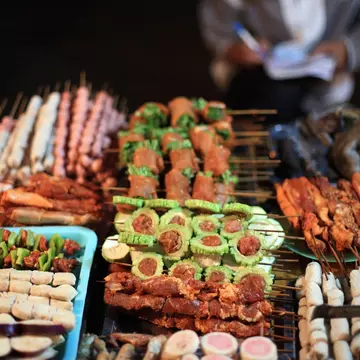
When it comes to street food, don’t sleep on any of the endless delicacies you’ll find around Hoi An, and everywhere in the country. While not generally controlled by the state, an honor and reputation system govern how street vendors operate. The last thing they would want is to lose their livelihood or reputation by serving anything of bad quality. In general, if the stall or cart looks busy enough, and locals are indulging in what’s on offer, it should be fine to dig in as well.
Book your Vietnam trip with Lonely Planet Journeys
See Vietnam how it's meant to be seen
Planned by local experts and tailored to you, Lonely Planet Journeys handles the logistics so you can just enjoy the trip. Tell us what you want and we'll build your Vietnam itinerary from scratch, or browse our bookable trips to get inspired.


Explore related stories