Oct 11, 20268 min read
A Nature Lover’s Itinerary to Sri LankaJan 14, 2026
7 MIN READ

Writer
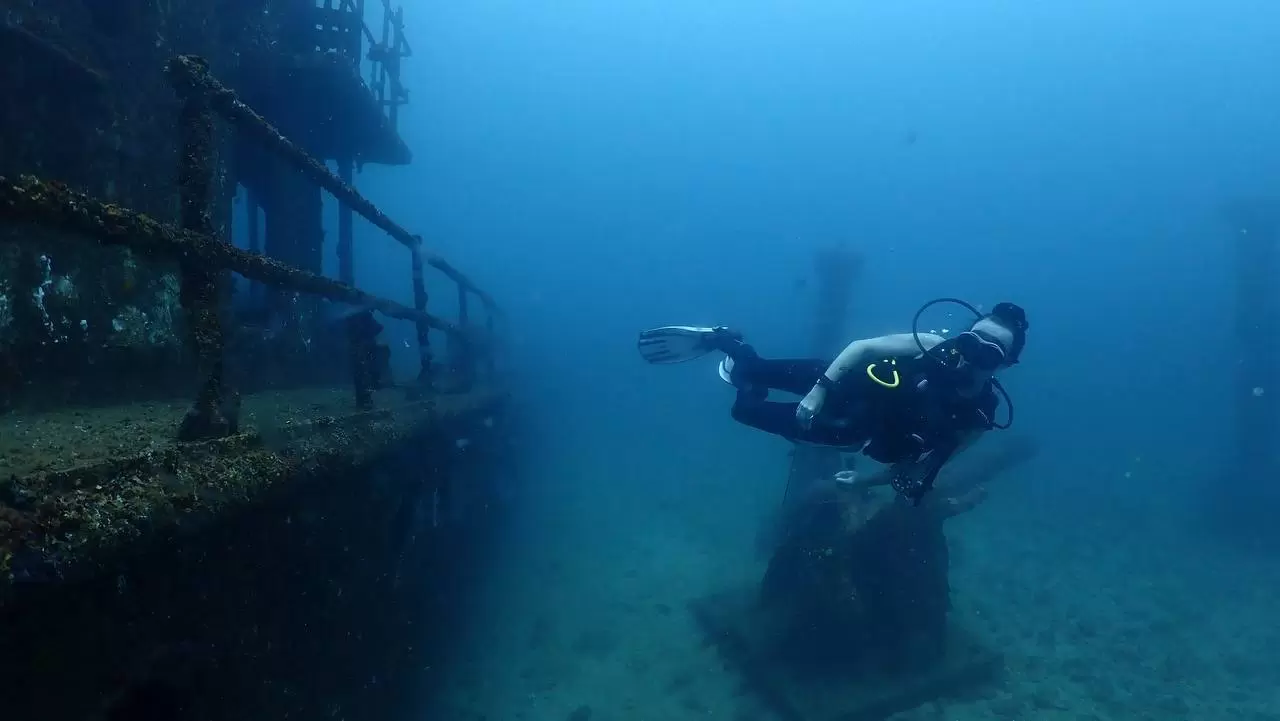
A diver at the Navy Underwater Museum and Shipwreck, Trincomalee. Epic Ocean Adventures
Writer
Lonely Planet may earn a commission from affiliate links on our site. All recommendations and reviews reflect our own independent opinions.
Mysterious shipwrecks, day-glow reefs and warm water teeming with marine life – this is diving in Sri Lanka. But somehow, the teardrop isle is often forgotten by the dive community in favor of tropical nations sharing the same vast ocean. In Sri Lanka, adventurous divers can avoid the crowds at more popular locations – such as Madagascar, Seychelles, the Maldives, and Indonesia – and seek out diverse, lesser-known, intact sites in the Indian Ocean.
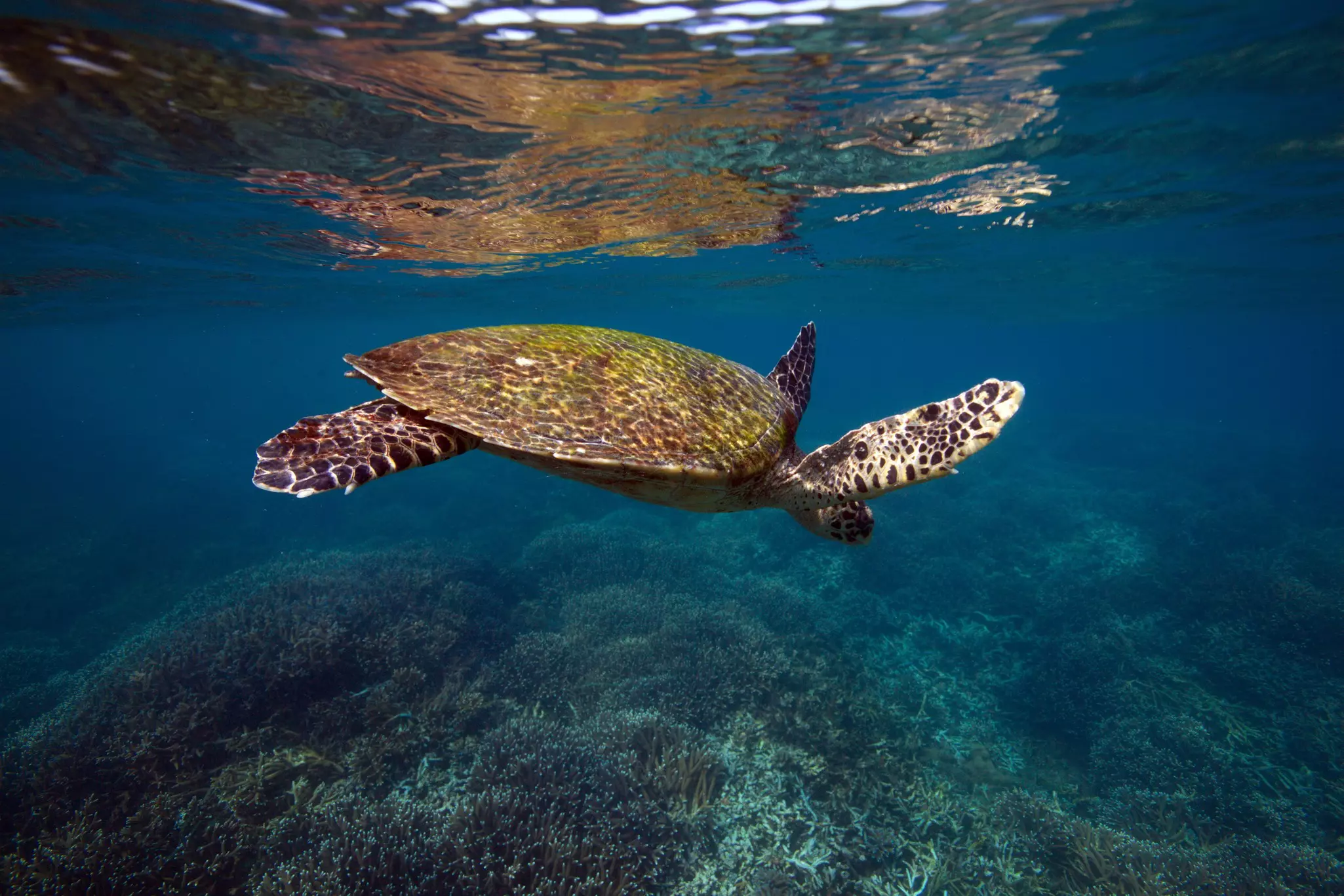
The Professional Association of Diving Instructors (PADI) lists around 35 major dive sites in Sri Lanka, but there’s an opportunity to explore 1600 km of coastline. Dives here are full of variety, with something for all abilities. There's the chance to see shallow coral gardens or deep shipwrecks (over 200 documented wrecks) or drift along steep drop-offs. There’s also the chance to encounter reef sharks, turtles, manta rays, and dugongs, plus whale sharks and even blue whales. Dives are predominantly boat dives, as reefs and marine life are more abundant offshore.
Diving is possible here year round. The Indian Ocean has warm water (ranging from 20–30°C/68–86°F) and high visibility (often exceeding 30m). However, due to the monsoon seasons, the west and southwest coasts are best between October and May, while the northeast coast is best from May through October.
It’s important to match a dive site to your experience level, as many of Sri Lanka’s best sites have strong, changeable currents. Those with less technical ability should avoid deep dives or sites with strong currents. Always dive within your limits – if unsure, local PADI instructors can help you determine what suits you best. Do a refresher dive if you haven’t dived in more than six months.
Recommended dive schools and operators include Mirissa Diving Center in Mirissa, which has been operating for 15 years and has PADI instructors. They have all the gear you’ll need for a dive. Sri Lanka Dive School in Trincomalee, in the northwest, is another recommended operator with SSI and PADI instructors. For a whole dive resort experience? Epic Ocean Adventures is a PADI-accredited five-star dive resort in Dutch Bay, Trincomalee, with multilingual instructors. It has a packed daily roster of dives for its guests. Don’t forget your swimwear and a sense of adventure.
Respect and protect marine life: take only pictures, leave only bubbles. Don’t take any shells or coral. Keep a respectful distance from turtles and other creatures to avoid disturbing them. Don’t stand on coral – it kills it, and coral takes years to grow. Always wear reef-friendly sunscreen to protect marine life.
Join an eco-friendly outfit where possible: Choose a PADI Green Star or Green Fins dive center, and consider joining a coral rehabilitation project to give back to the ocean during your dive trip.
Skill level: Intermediate/advanced
Depth: 5–24m
One of Sri Lanka’s most iconic dives, accessed by boat from Nilaveli or Trincomalee, the Swami reef is carved into rocky outcrops beneath the ruins of a former temple (Koneswaram) and features underwater masonry remnants and submerged walls alongside natural rock faces. Divers can drift through tunnels, over ledges, and past vertical walls dotted with gorgonians and soft corals. Schools of fusiliers, snapper and triggerfish swirl in the blue here, and reef sharks or rays can also be spotted.
Skill level: Beginner to advanced
Depth: 6–15m
Starting from shallow corals just off the beach, this is a gentler, more forgiving reef dive than Swami Rock, sloping gently toward deeper reef terraces. The reef life here is on overdrive, with colorful butterflyfish, angelfish, parrotfish, anemonefish, and the odd blacktip reef shark cruising past and turtles roaming the reef flats. It’s an easy journey too – it’s located only 1km (less than a mile) off Nilaveli Beach.
Skill level: Intermediate
Depth: 9.5–11m
For something different, this accessible and shallow wreck dive close to shore is ideal for wreck diving novices. Corals, sponges and soft anemones colonize the sunken coal steamer, attracting small fish, crustaceans, moray eels, nudibranchs, and macro life in the crevices.
Skill level: Advanced/deep diver
Depth: up to 35m
This boat dive from Colombo is all about exploring a mystical world of gorgonian sea fans, which stand like intricate branches in the water. The area attracts redtooth triggerfish, schooling snappers, and occasional pelagic visitors. There are strong currents here and a rapid descent is required, meaning it’s only suitable for certified deep divers.
Skill level: Intermediate/advanced
Depth: 20–30m
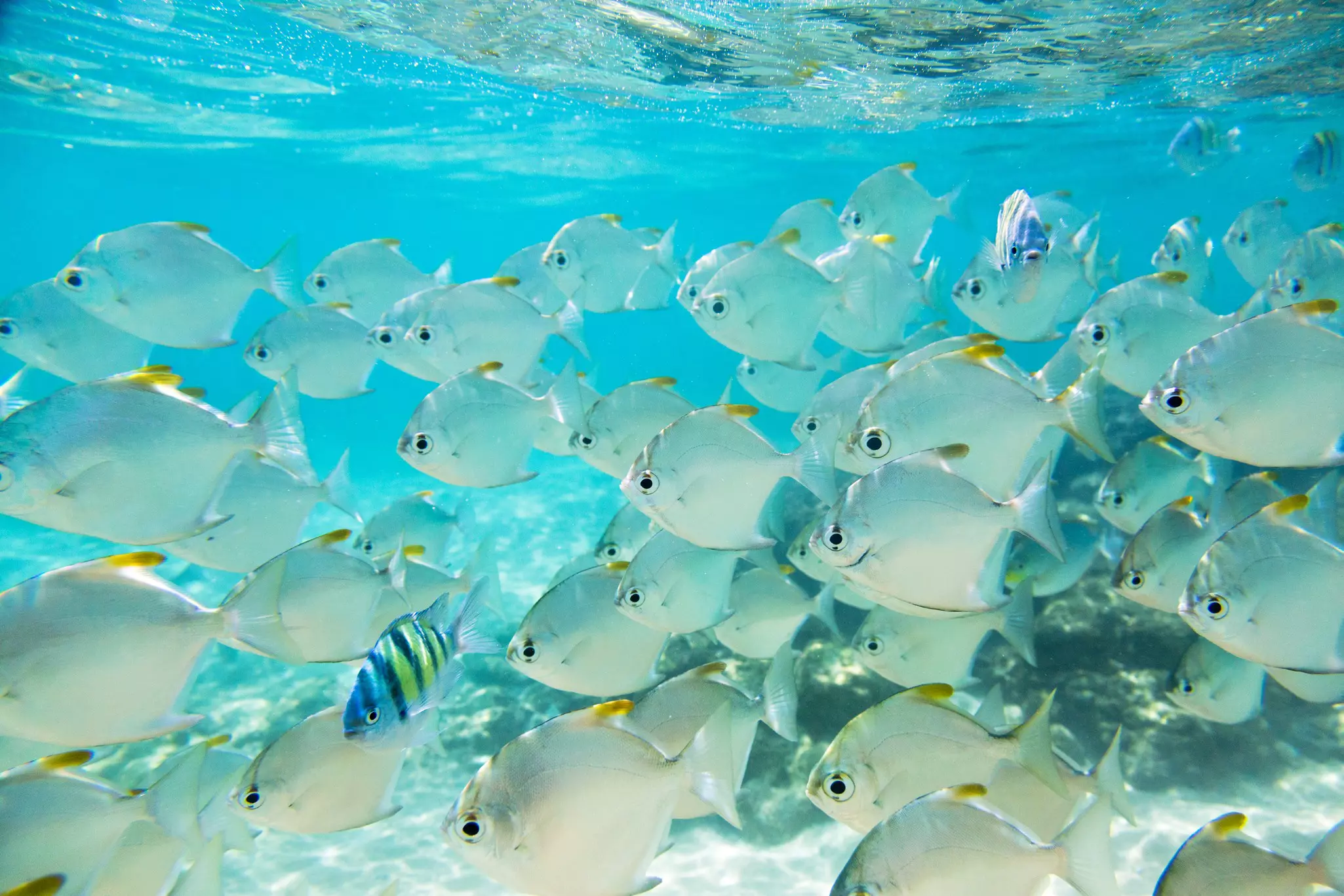
This easy-to-reach boat reef dive (about 10 minutes from shore) has flattened rock terrain, which nudibranchs, sea anemones and sea slugs love, but it’s also known for its abundant fish life. The unpredictable currents can bring in barracudas, trevally, schooling fusiliers and a parade of reef fish, plus octopus, lionfish and honeycomb moray eels. Macro life hides in the corals and overhangs.
Skill level: Beginner to intermediate
Depth: 8–20m
Hikkaduwa’s reef sites are reachable by boat (around 15–20 minutes offshore) and are relatively shallow and sheltered, making a superb place for new divers to gain confidence and skills. Dozens of species of coral grow in this garden, with branching corals, overhangs, swim-throughs, and small caves. Spot angelfish, parrotfish, morays, nudibranchs, and plenty of reef fish, as well as up to five species of sea turtles.
Skill level: Advanced/technical
Depth: 40–55m
This dramatic deep wreck dive for highly experienced divers offers the chance to encounter an intact Sri Lankan WWII-era aircraft carrier, sunk here after a Japanese air raid in 1942 following 40 direct hits. The structure, complete with flight deck and hangars, is overgrown with sponges, sea fans and large corals. Large fish and pelagics often circle the wreck’s edges. It’s about 8km (5 miles) from shore.
Skill level: Beginner to advanced
Depth: 5–40m
This is the place to spot creatures that don’t appear to be from this planet – fascinating micro-life that might glow in the dark (take an ultraviolet light and go night diving) or peculiar spotted species that look like something from an animated TV show. Kalpitiya is less about one famous dive site and more about exploring a whole macro haven. Stingrays, morays, nudibranchs, octopus and wonderful coral varieties can also be spotted around the reef flats and slopes. Lucky divers might spot sharks, larger rays and mantas too.
Skill level: Beginner to intermediate
Depth: 20–22m
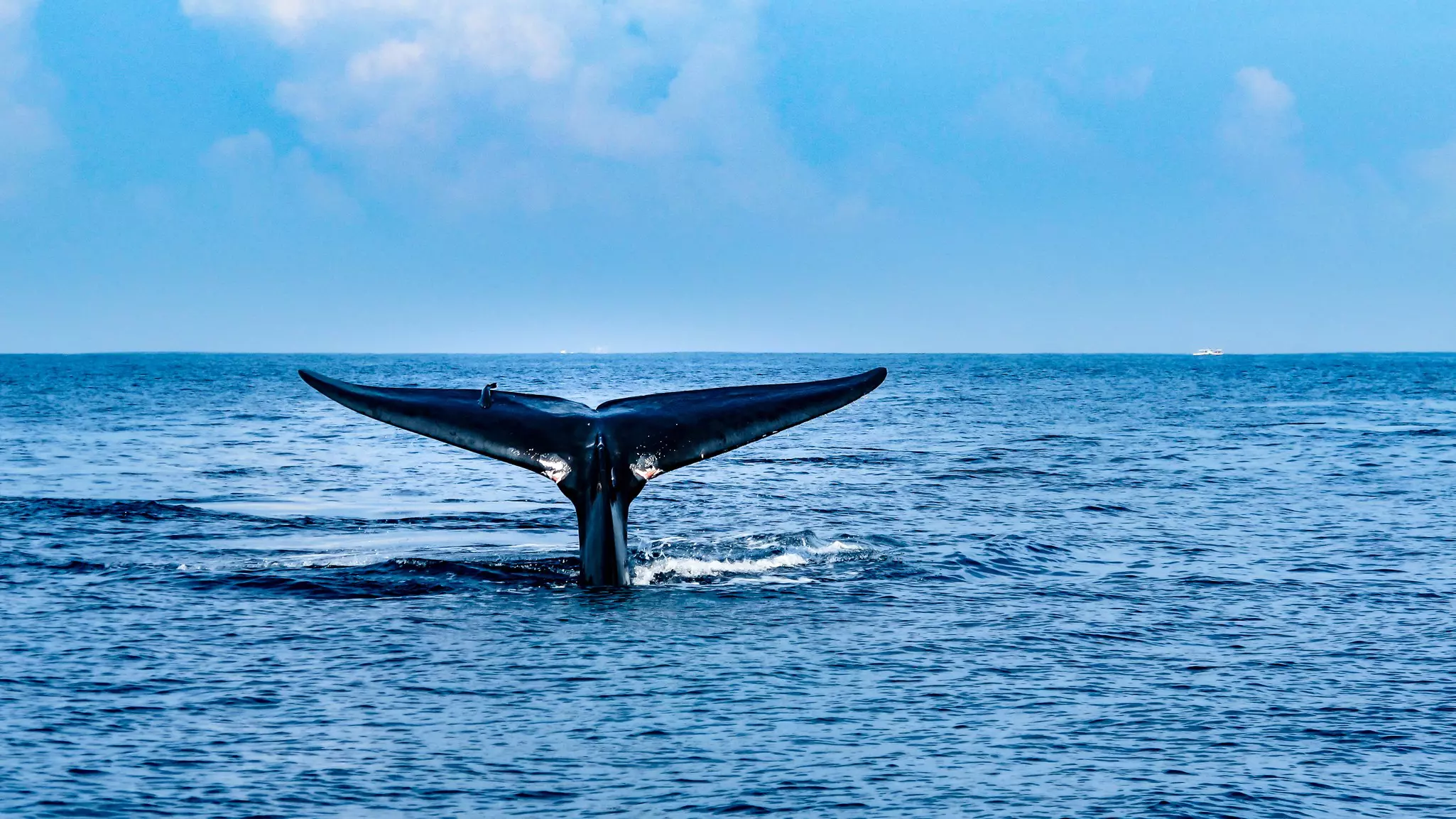
Divers who find themselves in the popular holiday spot of Weligama Bay can take an easy 30-minute boat ride to Prince Heinrich Patch (also called PHP) – a relatively accessible dive suitable for novice to intermediate divers. Marine life here includes giant morays, honeycomb morays, stingrays, powder-blue surgeonfish, clown triggerfish, and sometimes manta rays or large bull rays. Don’t miss the opportunity search for blue whales in nearby Mirissa, where you can snorkel with the largest creatures in the ocean (usually between November to April).
Skill level: Beginner to advanced
Depth: 6–18m
A great all-round spot, suitable for a wide range of skill levels, the two reefs here have depths from 6–18m (20–60ft). Find all kinds of reef fish, lionfish, moray eels and nudibranchs. There are also frequent turtle and ray sightings. The aquatic terrain includes rocky outcrops, coral formations and sandy patches.
Book your Sri Lanka trip with Lonely Planet Journeys
See Sri Lanka how it's meant to be seen
Accommodations, activities and ground transportation all taken care of, so you can focus on the fun part. Tell us what your dream trip to Sri Lanka looks like, and our local experts will build it from scratch. Or start with one of our itineraries and make it your own.

Explore related stories