Sep 27, 202627 min read
The Best Budget Destinations in Europe for 2026Sep 23, 2026
8 MIN READ

Writer
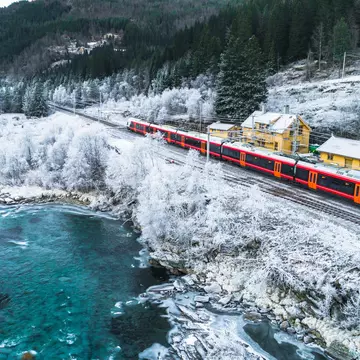
Snowy scenery on the train route from Oslo to Bergen, Norway. MariusLtu/Getty Images

Writer
Lonely Planet may earn a commission from affiliate links on our site. All recommendations and reviews reflect our own independent opinions.
"Waking up on a train somewhere in Europe must be one of the great pleasures of travel," writes Lonely Planet Vice President Tom Hall in the introduction to Flight-Free Europe, Lonely Planet's guide to embracing overland travel across the continent. So why trade that for a short-haul flight?
Sure, the cost of a budget flight might be low, but trains, bikes and boats can also get you where you're going, while reminding you that you're on a journey to be savored. Watching the incredible countryside drift by from a train window, the back of a bike, or the deck of an inter-island ferry is a reminder that Europe is a continent stitched together by land and sea, and its stories were told by centuries' worth of people moving between them.
Of course, you don't need to pedal right across this mighty landmass. Use the rails for the big hops, allow ferries to whisk you over inlets and between islands, and let hiking trails and bike paths handle the rest. Most of all, enjoy the ride – in Europe, the places in between are just as enticing as the end destination.
In this article, we've pulled together some of our favorite trips from the Flight Free Europe guide, drawing on the experience and expertise of some of our most trusted travelers and writers. These are the journeys they love, and we hope that you'll love them too!
Start: Oslo
Finish: Bergen
Approximate distance: 500km
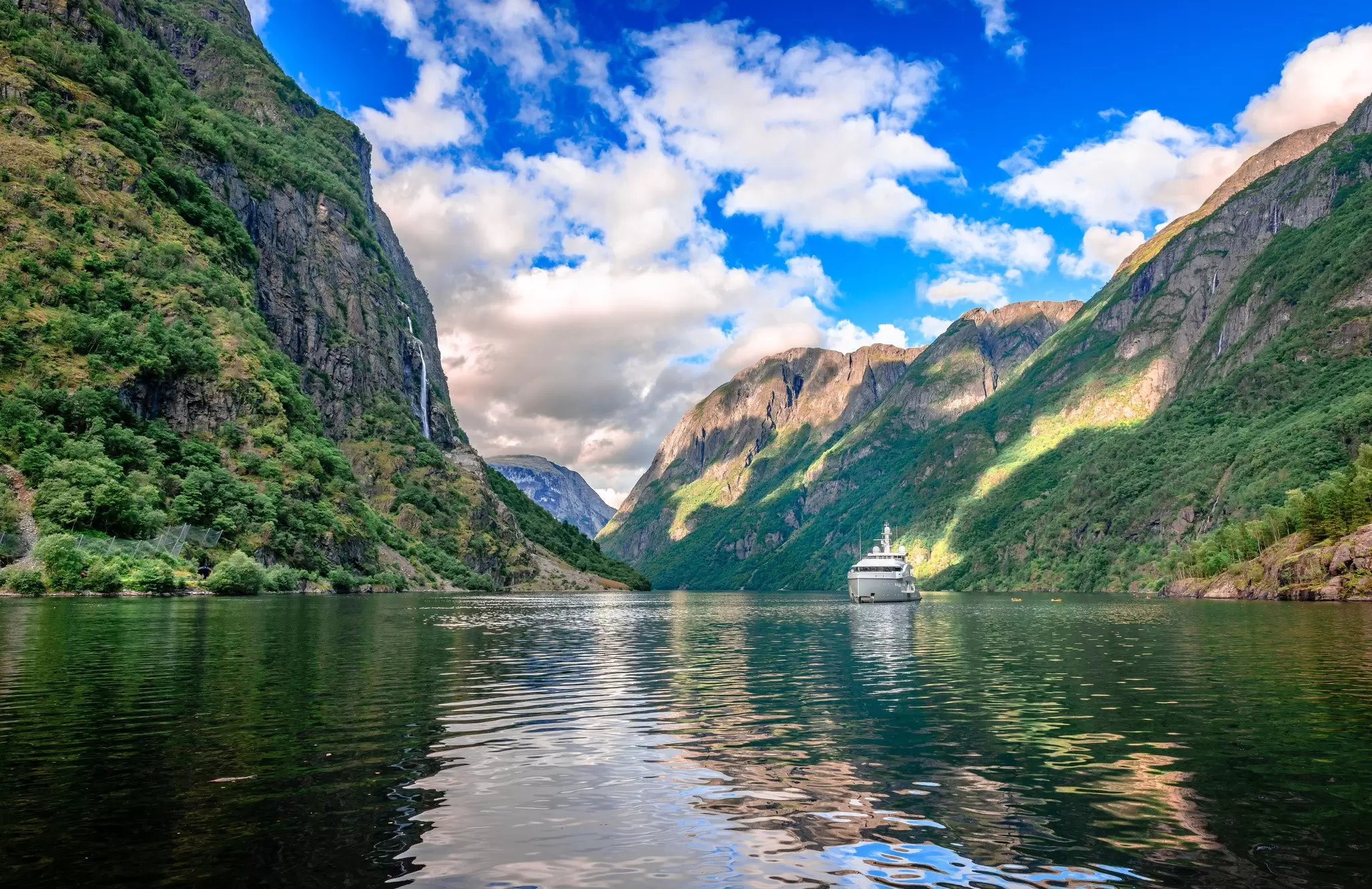
You can see so much of Norway without ever getting on a flight. The Bergen Railway and the Flåm Railway are an unbeatable double act: a coast-to-coast mainline linking some of Norway's liveliest cities, and a highland railway trundling down to the fjords. This unbeatable rail route runs from Oslo to Bergen, with a detour down the Flåm Railway – a wild 20km of track slaloming through 20 tunnels as it drops 850m through windswept highlands to the fjord below.
At Flåm, hybrid and electric ferries take over, threading through the rugged channels of Aurlandsfjord and Nærøyfjord past sheer cliffs, waterfalls and snow-dusted peaks before delivering you back to the rails at Voss. It's a sampling platter of Norwegian landscapes, and a reminder that 21st-century transport can be every bit as soul-stirring as in times past.
Budget travelers can take advantage of regular departures on the Bergen Railway (around four daily) and skip pricier detours along the route. Adventurous types with time to spare can use Voss, Norway's self-declared outdoor capital, as a base for canyoning and rafting before completing the final leg into Bergen.
Start: London
Finish: Fort William
Approximate distance: 670km
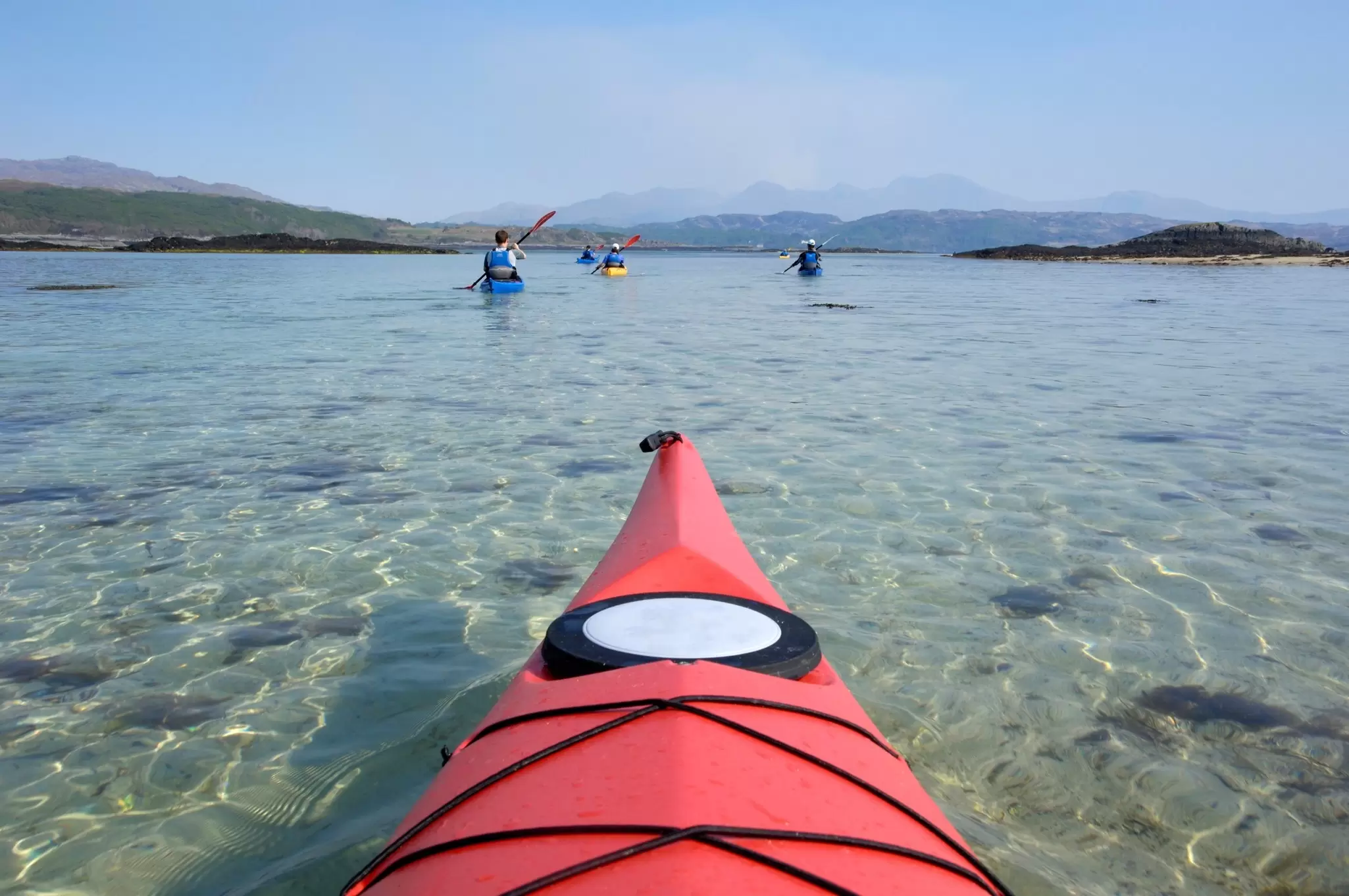
Tucked up against the highlands of Scotland, Fort William bills itself as Britain's outdoor capital, and the paddling out of nearby Arisaig backs that up. The coastline here was carved by retreating glaciers into a maze of rocky inlets and skerries, and Arisaig Sea Kayak Centre takes both total beginners and experienced paddlers out onto Loch Ailort or Loch Moidart, with sightings of seals, otters and eagles a strong possibility along the way.
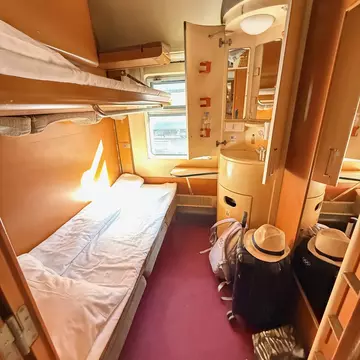
Make the adventure the focus of a cross-country journey by rail from London. The Caledonian Sleeper runs overnight from London Euston straight to Fort William, arriving at 10am ready for adventure. This is one for travelers who want a bit of an adrenaline hit – as well as cycling, there's magnificent mountain biking nearby, and a scramble up Ben Nevis is also on the itinerary. And all without needing to fly to get to a genuinely remote coastline.
Start: Split
Finish: Dubrovnik
Approximate distance: 200km
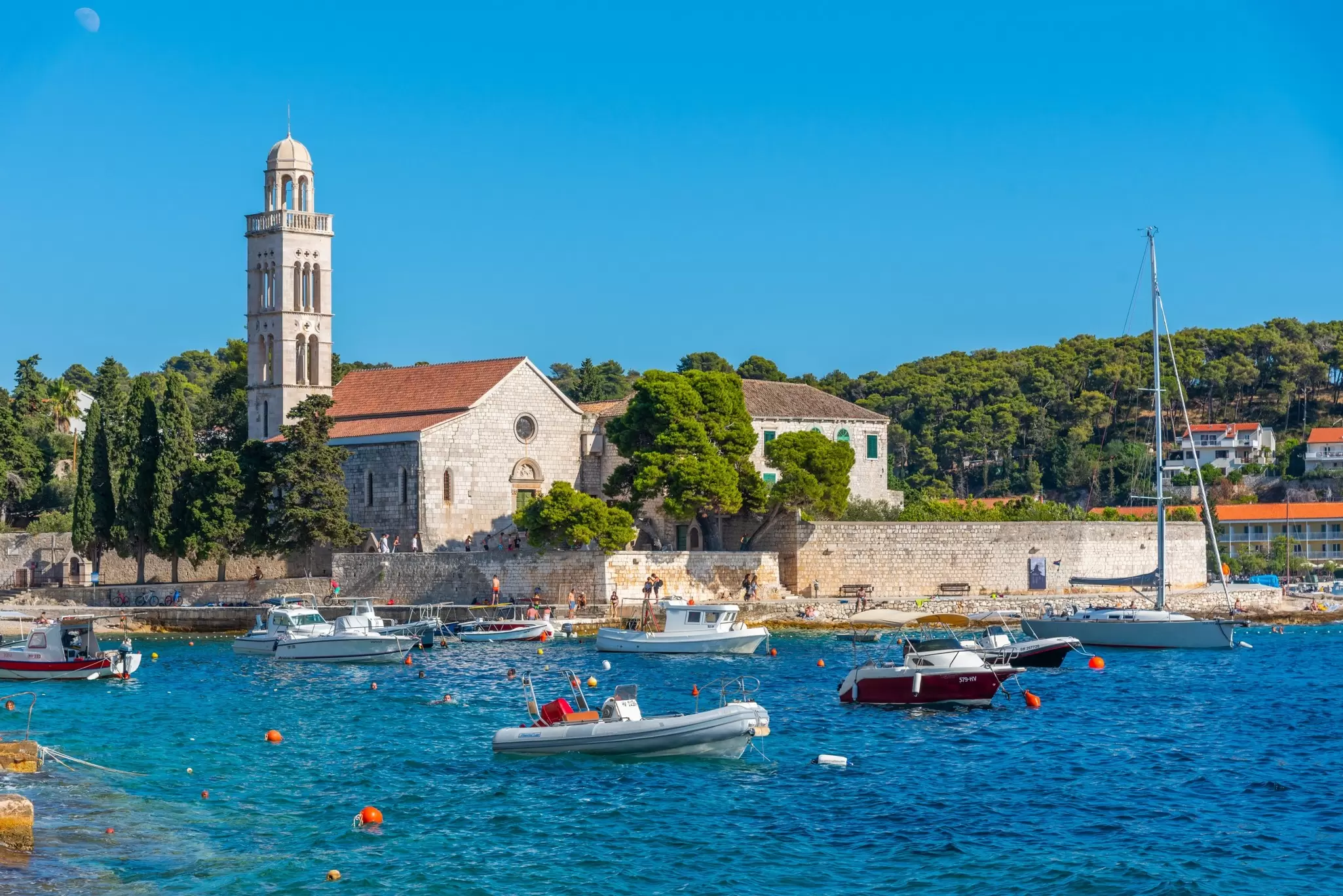
Two weeks, one route and a chain of Adriatic islands – there's nothing like exploring the coastline of Croatia by sea. With this itinerary, you can ride Croatia's extensive ferry network from Split to Dubrovnik via Brač, Hvar, Korčula and Mljet, using the Jadrolinija and Krilo Kapetan Luka catamarans that run daily through the summer.
Along the way, enjoy Zlatni Rat beach on Brač, the lavender fields and glamour of Hvar, wine-tasting on Korčula (look for wines made with local pošip and grk grapes), and the saltwater lakes of Mljet National Park before docking in Dubrovnik's Old Town.
The channels between islands are sheltered and calm, which is good news for those prone to seasickness. It's a trip built for slow travelers who want to wander across Croatia's islands at leisure, rather than go sightseeing non-stop, with good food, good wine and short hops between overnight stays, and no cars or flights required.
Planning tip: Buses from Zagreb can get you to Split in around 4 hours, and the ferries will do the rest all the way down the coast.
Start: Bordeaux
Finish: Biarritz
Approximate distance: 300km
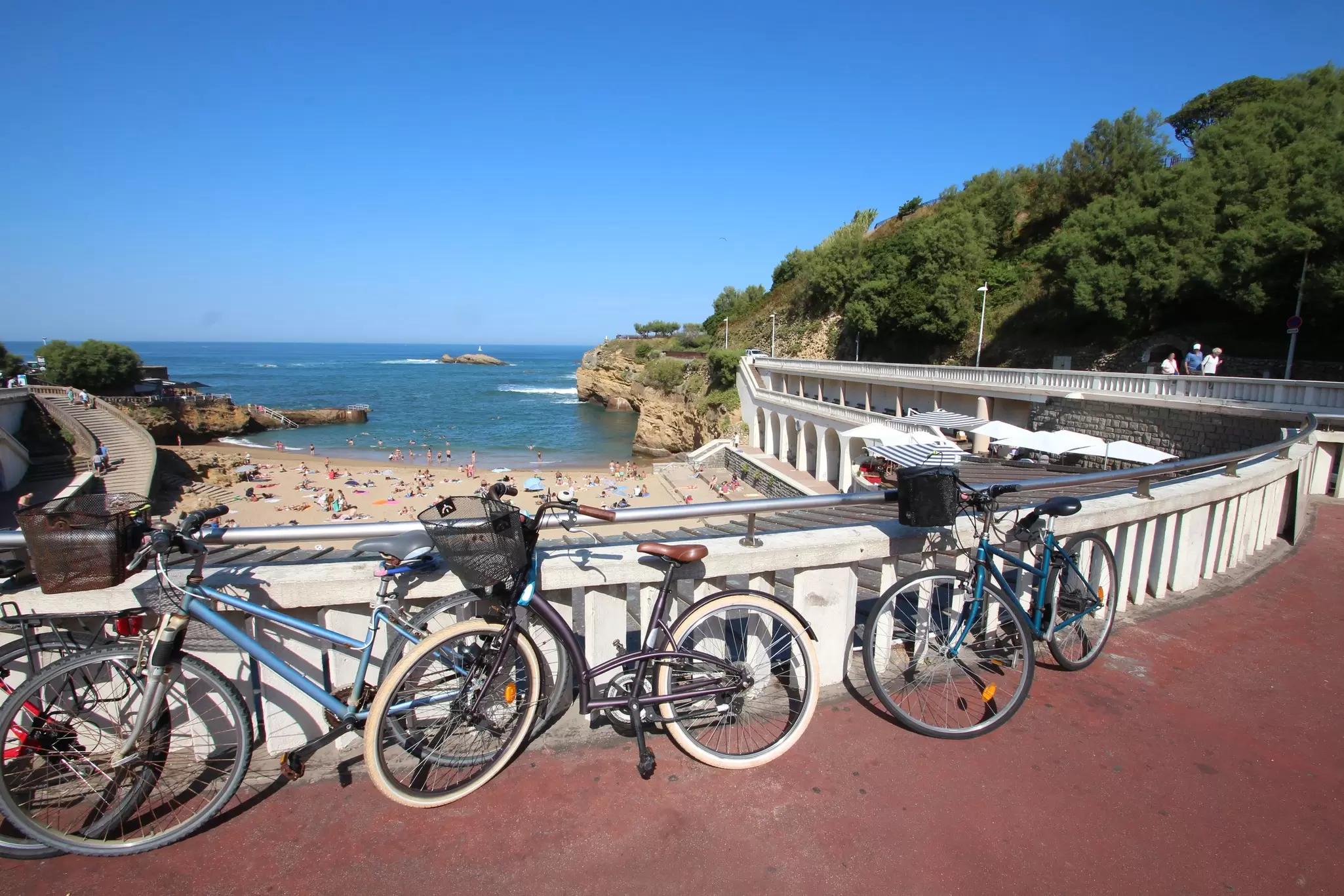
Starting in Bordeaux – with tempting vineyards close enough to visit without a car – this scenic ride follows La Vélodyssée, the signposted long-distance cycle route that traces France's Atlantic coast as part of the 10,650km EuroVelo 1 route from Norway to Portugal. A dreamy ride links Lacanau-Océan, Arcachon with its giant sand dune, and Mimizan, before rolling into the surf town of Biarritz near the Spanish border.
The route is flat, family-friendly, and studded with towns 30–40km apart, so riders can go as far or as fast as they like, and bike trailers are not a problem. You can fully enjoy the views on this trip as there are virtually no climbs and you'll have beaches on one side, pine forest on the other, and a train ride back to Bordeaux from Bayonne (just inland from Biarritz) to finish.
Insider tip: Strong solo riders can cover the 120km leg from Mimizan to Biarritz in a single day; families might prefer to break this section into three or four stages.
Start: Les Houches
Finish: Les Houches
Approximate distance: 170km
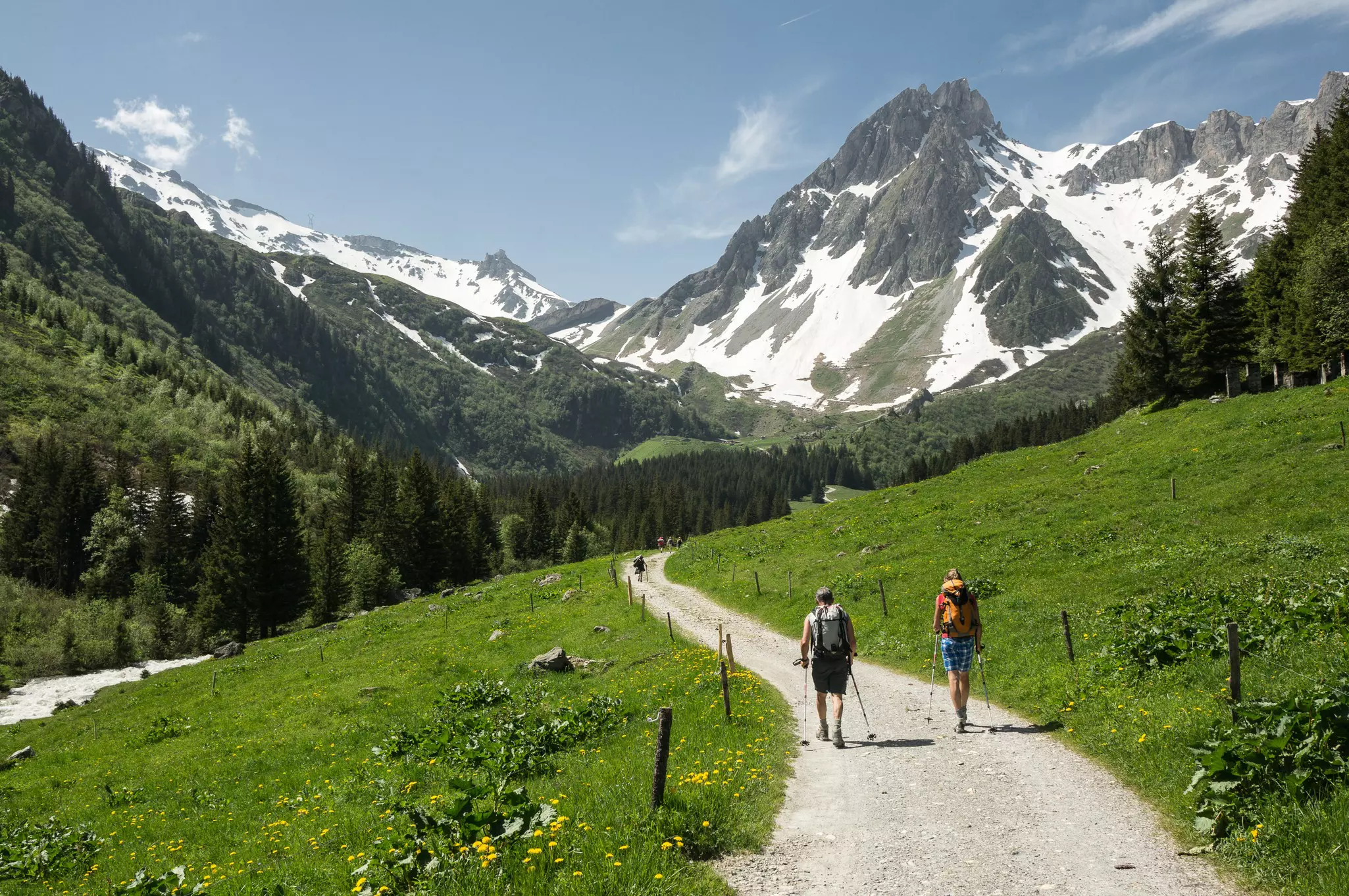
An epic loop through three countries – France, Italy and Switzerland – with mountain huts roughly every 15km along the way, the Tour du Mont Blanc is one of Europe's classic long-distance hikes. This is a trip for serious hikers and bikepackers looking for a proper multi-day challenge rather than a gentle stroll. And with it being a loop, logistics are simple: you start and finish in the same place.
Most walkers follow the route anticlockwise from the French town of Les Houches, easily reached by train from either France or Switzerland. Walking at an average pace, most hikers take 10 days or more to complete the circuit, but some trail runners have finished it in 24 hours, and mountain bikers manage it in around 5 days (with some hike-a-bike sections).
Getting to Les Houches is straightforward on the train linking Chamonix and Paris, with easy connections from London, Amsterdam and Munich for those starting further away. Option B is to fly into Geneva and connect to Les Houches on local trains.
Insider tip: The mountain huts on the route should be booked ahead in July and August, but September is quieter and the weather remains pleasant for hiking.
Start: Auxerre
Finish: Clamecy
Approximate distance: 174km
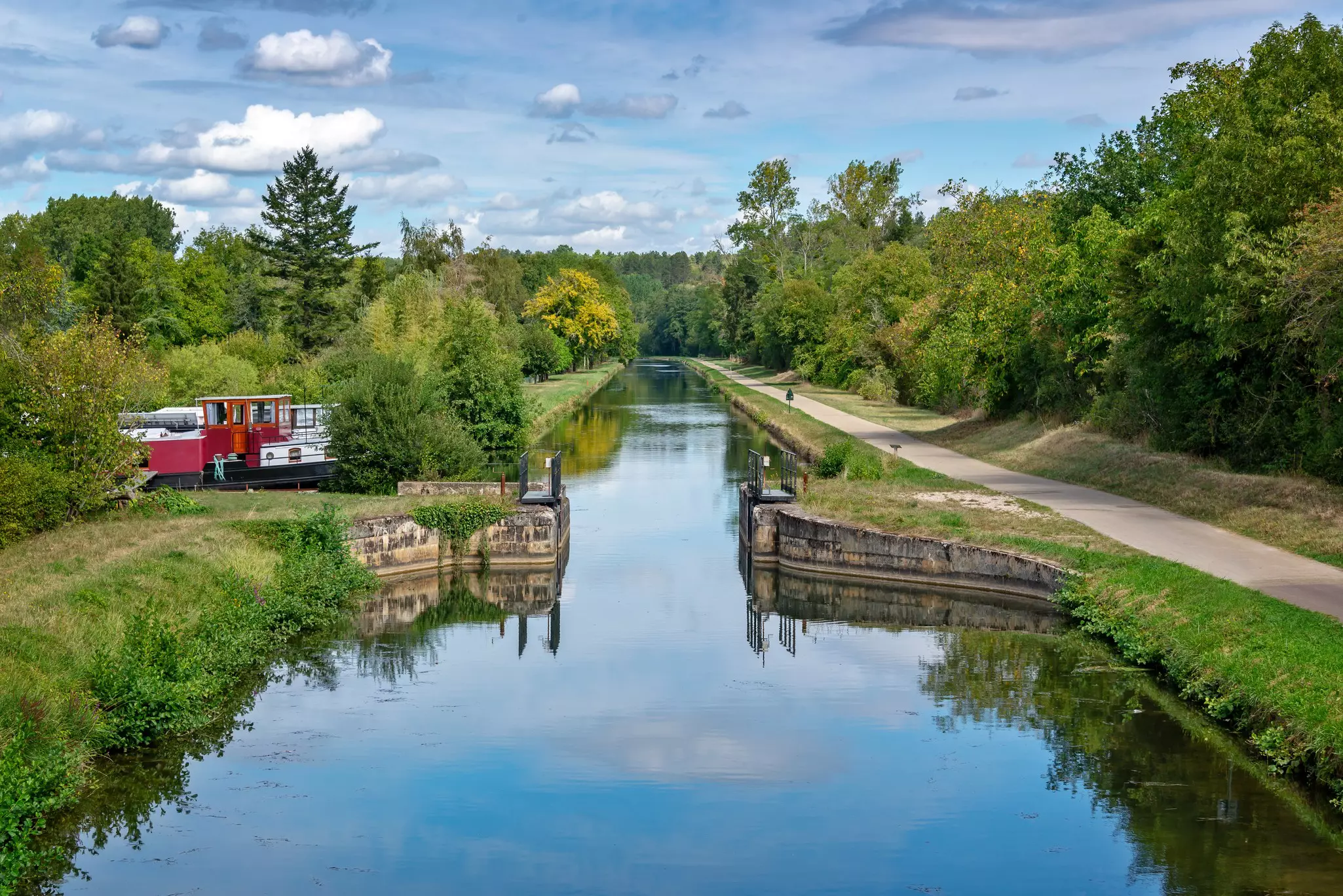
For a trip with almost no logistics to worry about at all, this route along a stunning French canal is a no-brainer. Pick up a boat in the medieval town of Auxerre – either a fully crewed vessel with bikes included, or a self-navigated four-berth canal cruiser – and follow the 174km-long Canal du Nivernais through Burgundy toward Clamecy.
Lock-keepers will help you navigate the 116 locks along the way, so no previous boating experience is required. The route runs past vineyards and limestone gorges alongside the River Yonne, and if you have bikes on board, you can add in day trips into the Chablis wine region and a detour to the 900-year-old Abbaye de Pontigny.
Insider tip: Don't feel in any rush – families can set their own pace as they explore and wine lovers can enjoy a genuinely slow trip, with a few hours of cruising a day, long lunches, and no driving.
Start: Zürich
Finish: Geneva
Approximate distance: 783km
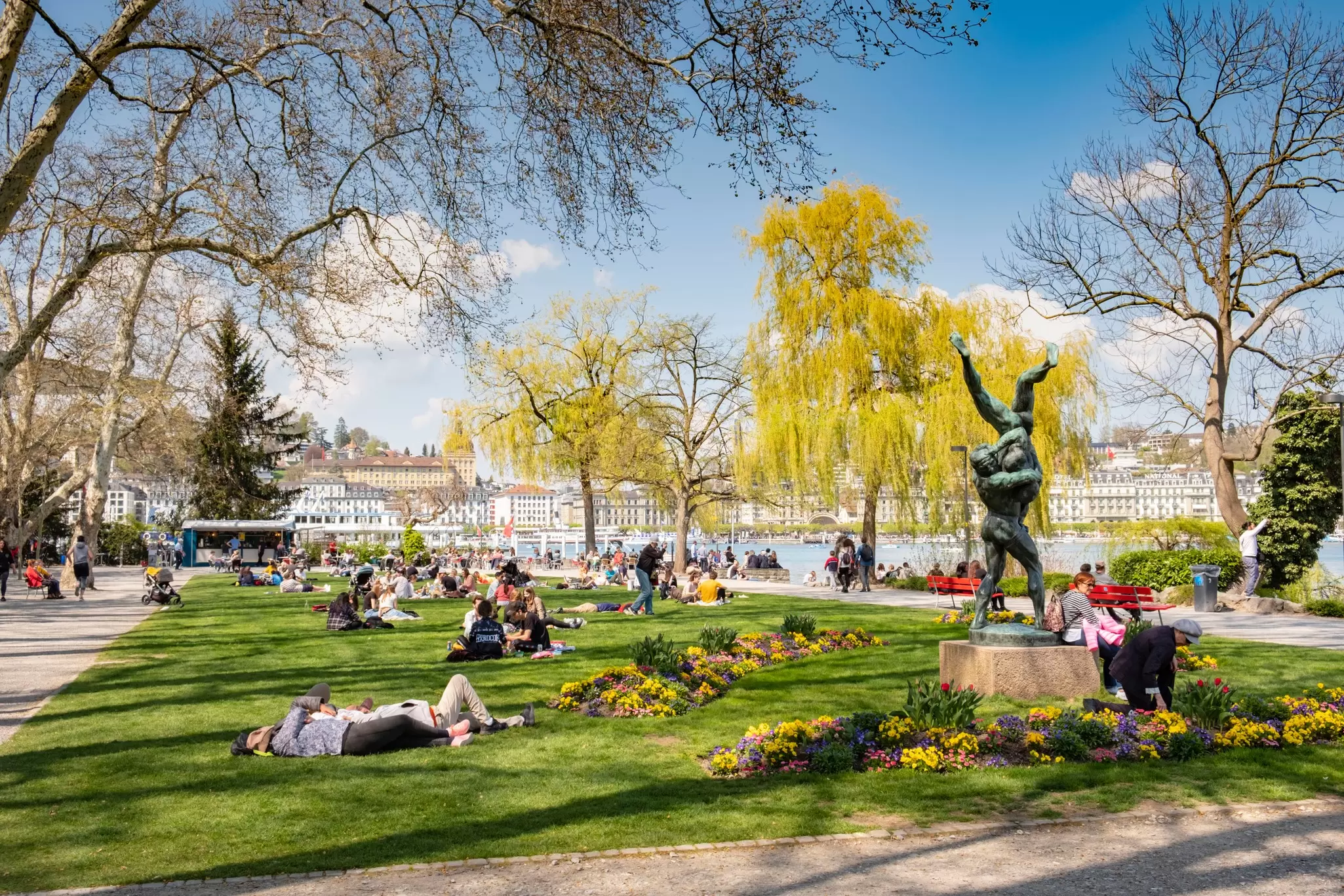
Proof that a road trip doesn't have to be a gas guzzler, this route follows the world's first long-distance network of EV charging points, with over 300 stations mapped along Switzerland's 1600km-long "E-Grand Tour." Expect thrilling scenery as you clock up the low-carbon kilometers.
This route is built for road-trip types who want the comfort of their own vehicle and the freedom to set their own schedule, with easy detours for hiking near Interlaken or wine-tasting along Switzerland's wine trails.
We suggest focusing on the run from Zürich to Geneva, which covers 783km and takes in glaciers, mountain passes, castle towns and lakes. On the way, you can tick off Lucerne's covered wooden bridge, the UNESCO vineyards of the Lavaux, Bern's historic Altstadt quarter, and Geneva's Jet d'Eau fountain.
Insider tip: Zürich is easily reached by high-speed train from Paris, Frankfurt or Milan, so you can cut down your carbon emissions even further.
Discover more overland routes through Europe with Lonely Planet's Flight-Free Europe guide.
Explore related stories