Apr 24, 202612 min read
12 of the best beaches in AustraliaApr 24, 2026
12 MIN READ

Writer
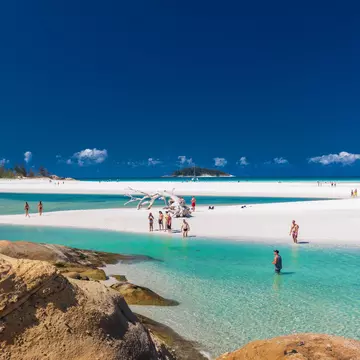
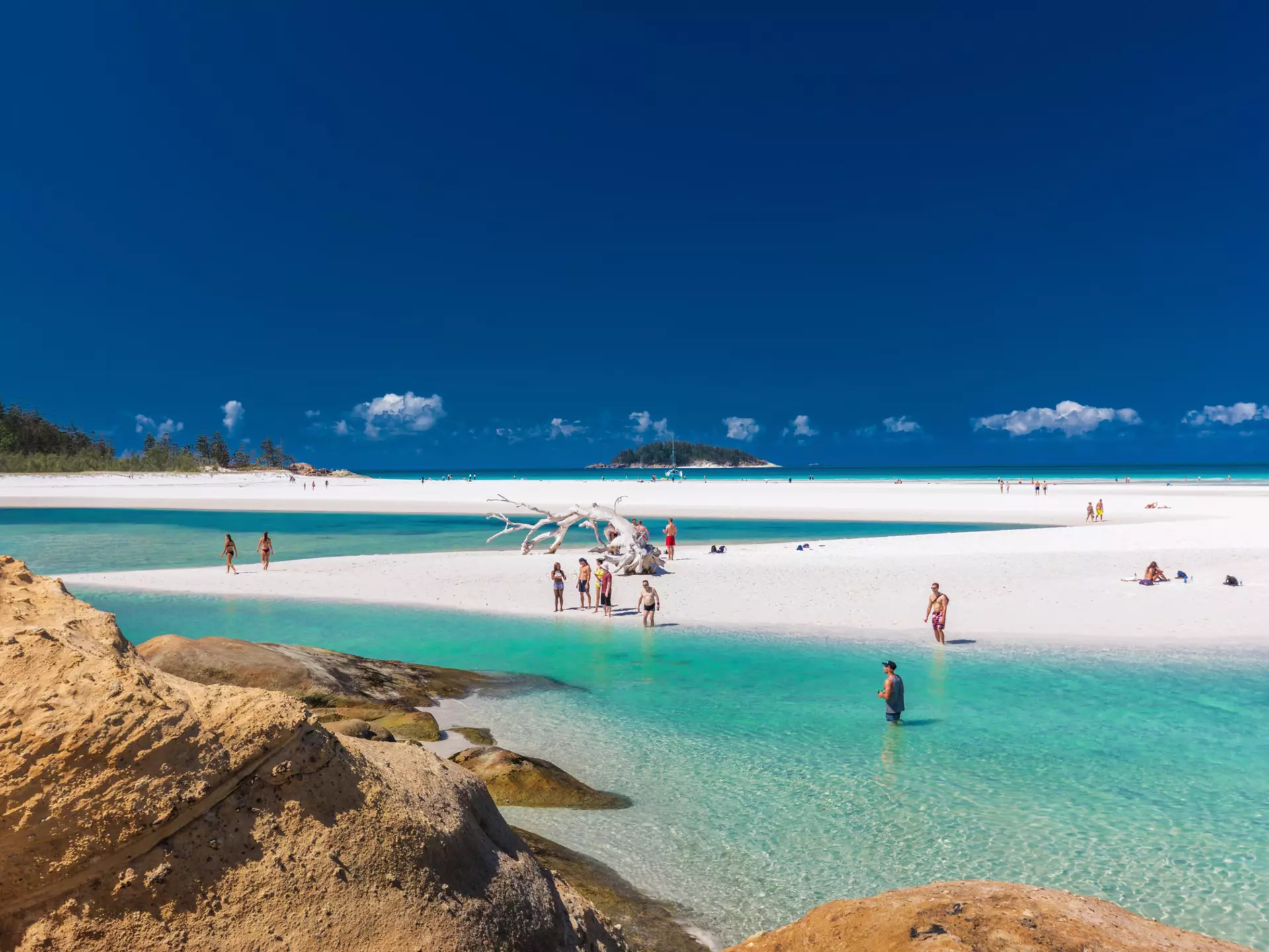
Whitehaven Beach in the Whitsunday Islands, Queensland. Martin Valigursky/Shutterstock
Writer
With 60, 000km of coastline, picking a favorite amongst Australia’s roughly 12, 000 beaches is an almost impossible task. From Sydney’s world‐famous Bondi Beach to the blissfully undeveloped hidden coves of coastal national parks, Australia’s beaches are legendary. Better yet, Australia doesn’t have private beaches, so they are free to visit.
With such a rich collection to choose from, no two shortlists will ever be the same. Do you prefer remote seaside idylls where you can pitch a tent, offshore‐island gems or sparkling urban beaches with accessibility infrastructure to help more people enjoy them?
Whether you’re keen to strap on a snorkel mask, paddle out to catch a wave, break free from the crowd or simply cool off, Australia has the perfect stretch of sand waiting for you.
Here are 12 of our favorite beaches from coast to coast.
Best beach for surfing
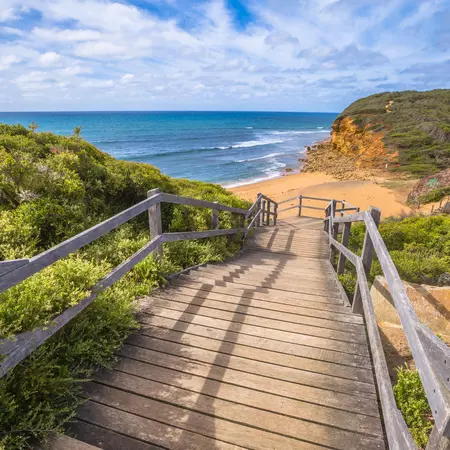
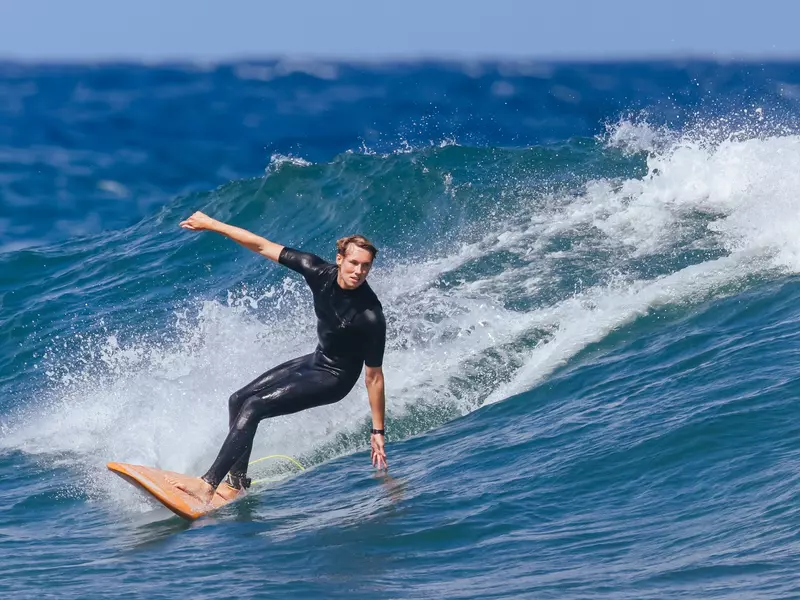
On the southern coast of Victoria in the Great Ocean Road region, in what is Wadawurrung country, you will find one of Australia’s most legendary surfing beaches. Bells was enshrined in pop culture when Patrick Swayze’s adrenaline‐junkie character, Bodhi, waits his whole life to surf its fabled “50‐year swell” in the 1991 action film Point Break. The thigh‐burning surf here forms when Southern Ocean waves wrap around the point and hit an exposed reef, creating a surging wall of water with a right‐hand break perfect for carving with a surfboard.
Before it shot to movie stardom, Bells Beach came from humble beginnings. A path to the beach was cleared in the 1950s, and in 1962 it hosted its first ever surfing contest. Today surfers gather in the beach parking lot, arms crossed and sunglasses on, watching the waves roll in around the point. Some shake their heads and drive off, others wait for their set. With the tides changing, one or two grab their board and head down the weathered steps to paddle out at one of Australia’s best surf breaks. The water is usually frigid.
Location: Victoria's Great Ocean Road, near the town of Torquay.
Parking: There's a car park above the beach.
Amenities: Public toilet at the car park.
Hours: Open 24 hours.
Dog-friendly: Dogs are allowed but not during special events.
Planning tip: The Rip Curl Pro Bells Beach competitive surfing event is held each year during the Easter holiday period. Book well in advance to secure accommodation.
Best beach to see kangaroos
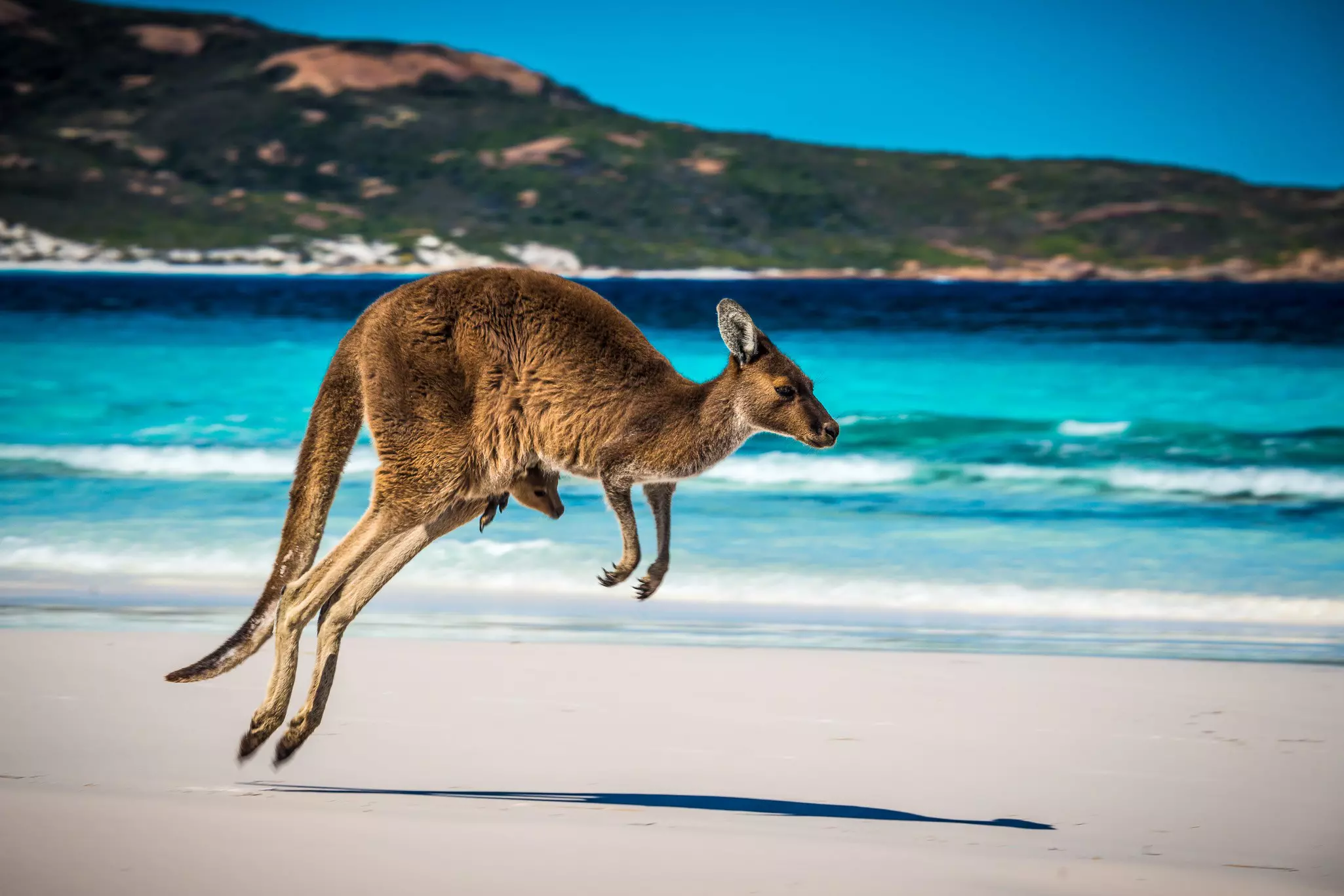
Most visitors don’t believe it until they see it: kangaroos bounding down a white sand beach. A 60km drive from Esperance on the southern coast of Western Australia, Lucky Bay offers an iconic slice of Australiana. Here you can float in the crystalline water, cast a line at a secluded fishing spot, or gaze out to the ocean between July and October for the chance to see migrating whales. From November to early March, consistently windy days make the shallow bay popular with kitesurfers.
Overnight campers who wake at dawn see Lucky Bay at its best. Absent of crowds, early morning is when the local wildlife is most active.
Location: Cape Le Grand National Park, Western Australia (750km from Perth).
Parking: Available nearby.
Amenities: Basic public toilets at the car park, plus a 56-site bush camping ground (book ahead).
Hours: Open 24 hours.
Dog-friendly: No dogs allowed.
Best sunset in Australia
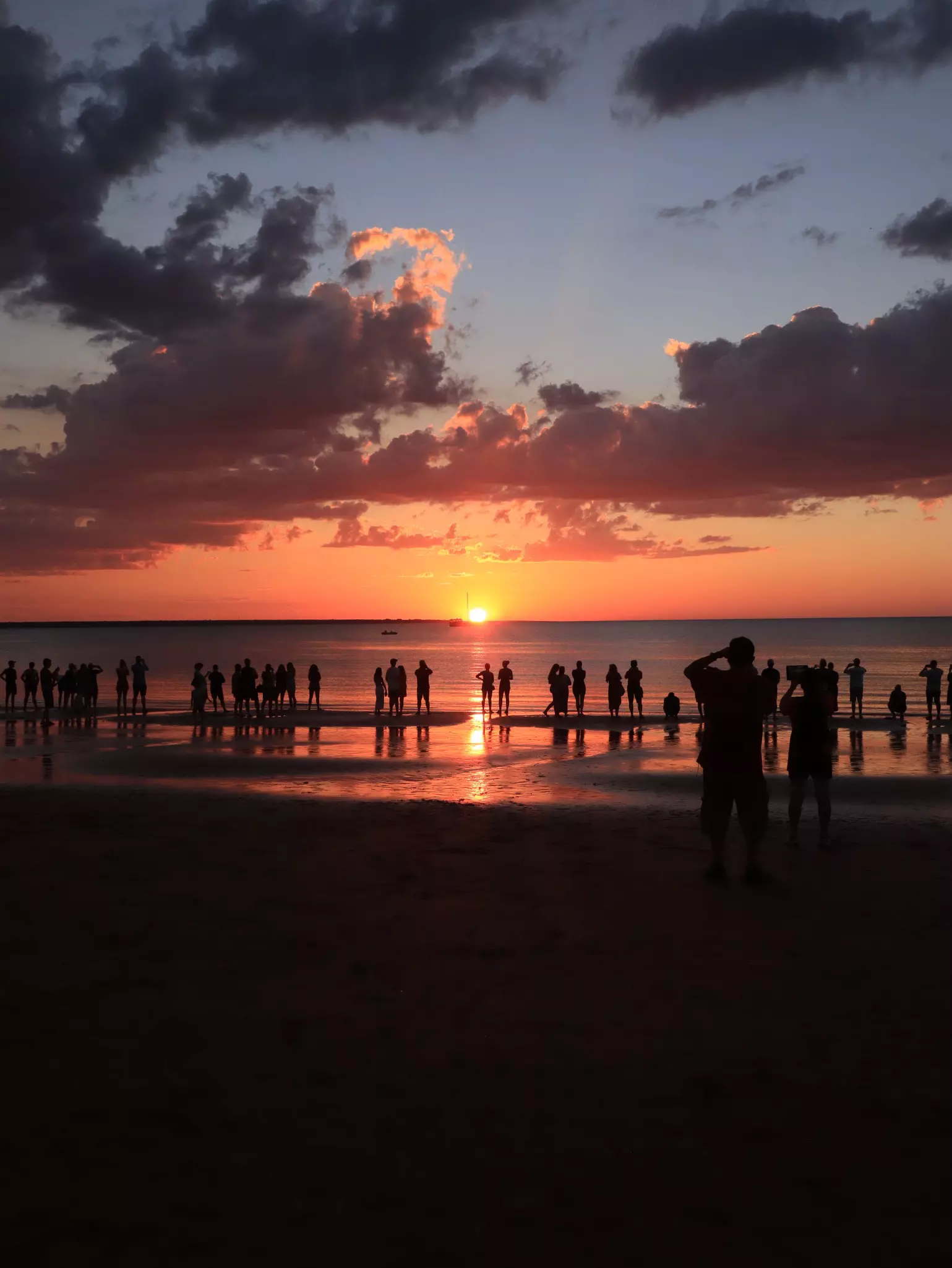
Believed to be named after the Larrakia word “min‐deel”, an edible nutgrass foraged by the Traditional Custodians of Darwin/Garramilla, Mindil Beach has long been a popular place to gather.
When the heat of the Top End gives out in the late afternoon, locals, nomads and tourists flock to Darwin’s Mindil Beach for the sunset markets. Here, tourists browse the arts and crafts stalls, while locals grab a meal-to-go and head to the beach. If it’s low tide, families walk the exposed sand flats; during high tide they perch on the sand dune overlooking the water, watching the sun burn into the Timor Sea.
Location: Darwin, Northern Territory.
Parking: On nearby streets, or take the local bus.
Amenities: Public toilets are close to the path to the beach. Lifeguards are on duty from June to September, but saltwater crocodiles could be in the water at any time.
Hours: Open 24 hours.
Dog-friendly: Dogs must be kept on a lead during the markets.
Planning tip: The markets are held from 4pm to 9pm on Thursdays and Sundays during the dry season (late April to late October).
Best beach lookout
Famous for its long rolling waves, Byron Bay's The Pass has been a favored surf spot since the sport was introduced to Australia. Prior to that, for tens of thousands of years the Arakwal people of the Bundjalung Nation gathered on the beaches of Cape Byron/Walgun to fish, feast and share stories. Today, surfers gather in droves at this well‐known beach to ride one of the world’s longest right‐hand point breaks, while swimmers bob in its azure waters (patrolled during peak summer and Easter holiday periods). Even if you’re not a beach person, an Aboriginal walking tour with Arakwal Bundjalung woman Delta Kay from Explore Byron Bay is a must‐do.
A custom viewing platform looking across the bay to Wollumbin/Mt Warning is a great spot to look for dolphins and whales, while surfers can use it to check whether the waves are less crowded than around the corner at Watego's.
Location: Byron Bay, NSW.
Parking: Car parking is close to the beach.
Amenities: There's a cafe nearby. Closest public toilets are at Watego's beach (10 mins walk away).
Hours: Open 24 hours.
Dog-friendly: Dogs not allowed.
Local tip: Head to the Pass at sunset when the crowds thin and you can see the sun dip behind Wollumbin/Mt Warning.
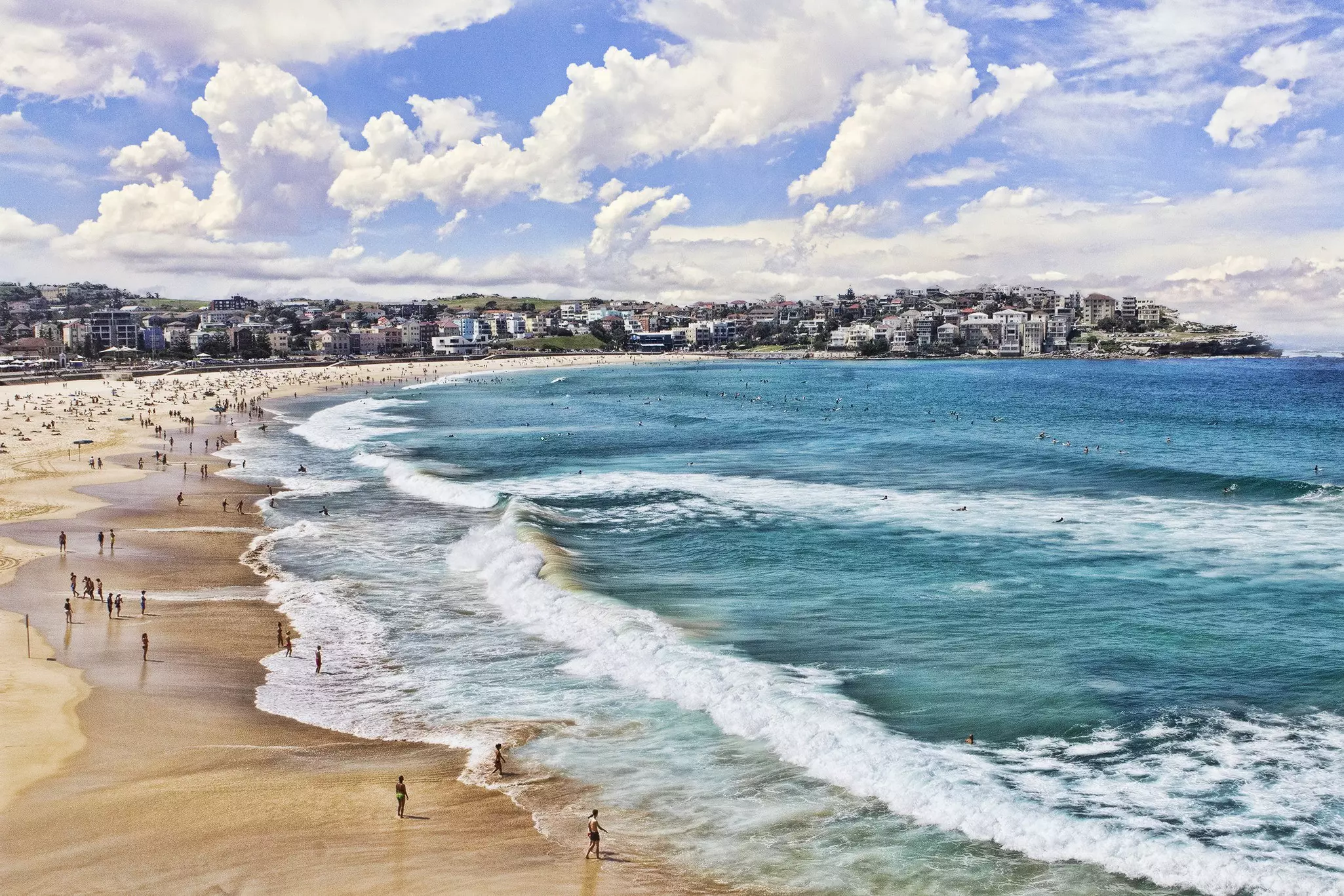
Best beach for people watching
Everyone has their place at one of Australia’s most famous beaches: families set up camp at the northern end in Cozy Corner. Day trippers and backpackers assume the middle. Surfers take custody of the southern end, and the lifeguards in their beach buggies watch over it all, sometimes followed by a camera crew filming one of Australia’s longest‐running shows, Bondi Rescue. Despite being overexposed, overhyped and crowded, Sydney’s Bondi Beach is a place where people live their lives outdoors, and those that visit can’t help but be seduced by the lifestyle.
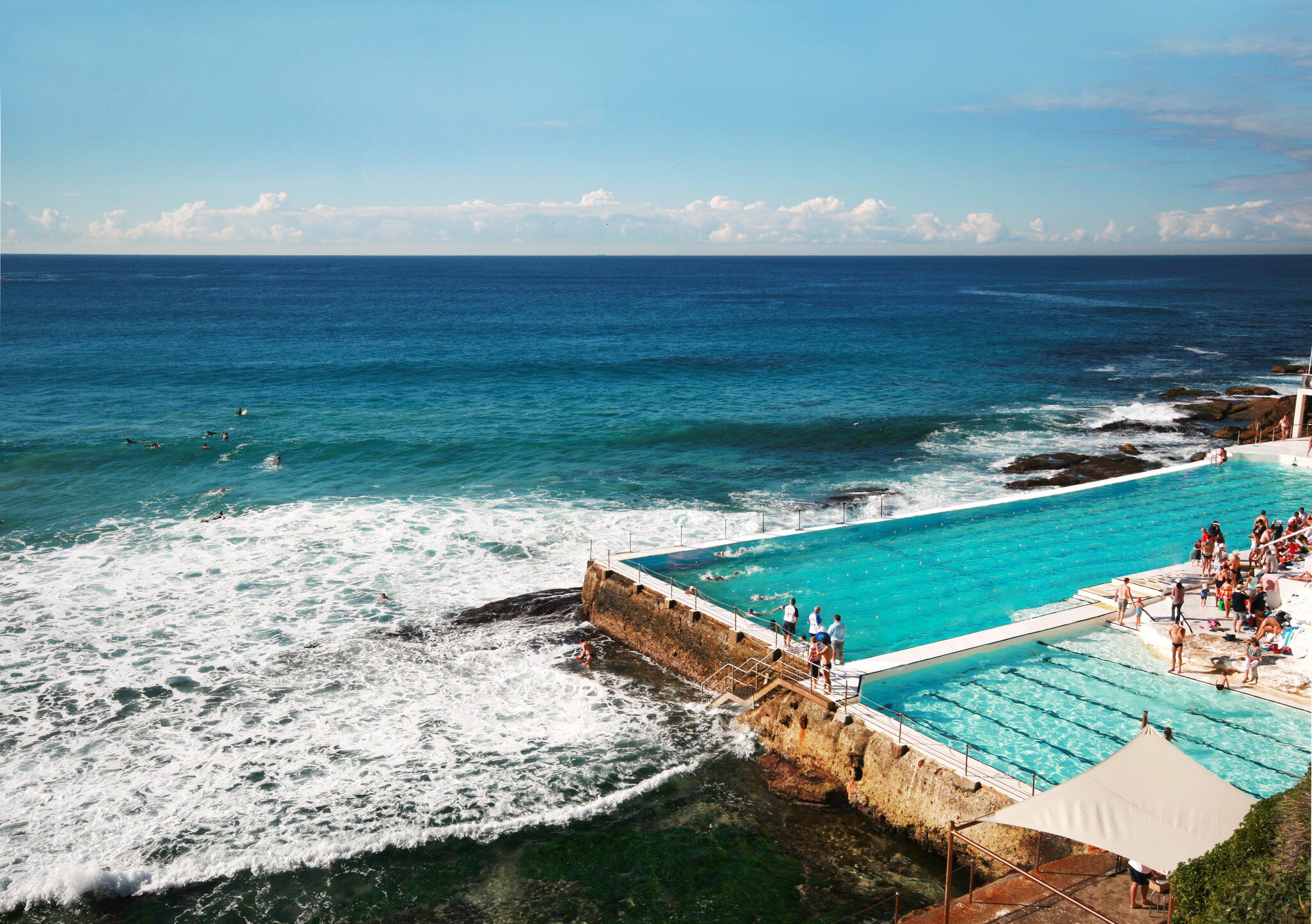
If the waves are too big for you, head to the ocean baths at either end of the beach. At the southern end, the turquoise Bondi Icebergs pool is as renowned as the beach itself, famous for its hardy locals who make their daily laps year‐round as waves crash over the edge.
Location: Sydney, NSW.
Parking: Limited spots on nearby streets. Better yet, catch public transport.
Amenities: Public toilets, change rooms and showers at the pavilion.
Hours: Open 24 hours.
Dog-friendly: Dogs aren't permitted on the sand.
Planning tip: Bondi is one of the busiest beaches in Australia, but that doesn’t mean it’s immune to dangerous rip currents. Always swim between the flags.
Best beach for snorkeling
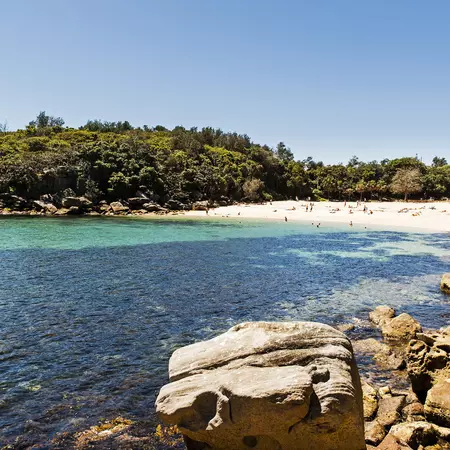
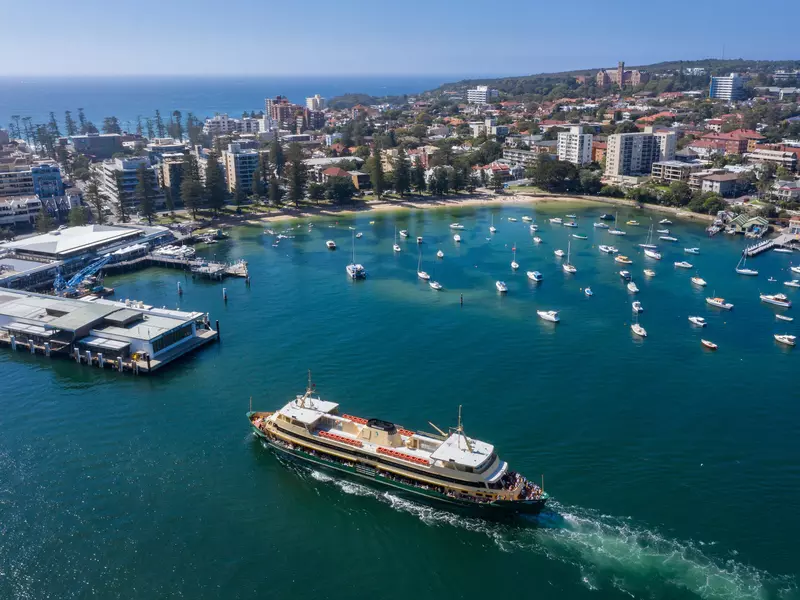
A short walk from Sydney’s Manly Beach is the 20-hectare Cabbage Tree Bay Aquatic Reserve, where you'll find the diminutive Shelly Beach. It's a sheltered family‐friendly spot – also popular with scuba divers and snorkelers, thanks to its abundant marine life, including gentle blue groupers. The local "Bold and Beautiful" swim squad tackles the 1.5km ocean swim from South Steyne to Shelley every morning (in bright pink caps).
To get here catch the ferry to Manly, from which it’s an easy 1km walk to Shelly Beach along the waterfront.
Location: Sydney, NSW.
Parking: Parking is limited.
Amenities: There's a public toilet block and an upmarket cafe behind the beach.
Hours: Open 24 hours.
Dog-friendly: Dogs aren't permitted on the sand.
Detour: Manly has more harborside beaches too – secret sandy coves Little Manly, Delwood and Fairlight – some of which have their own ocean pools and swimming enclosures.
Best beach for snorkeling shipwrecks
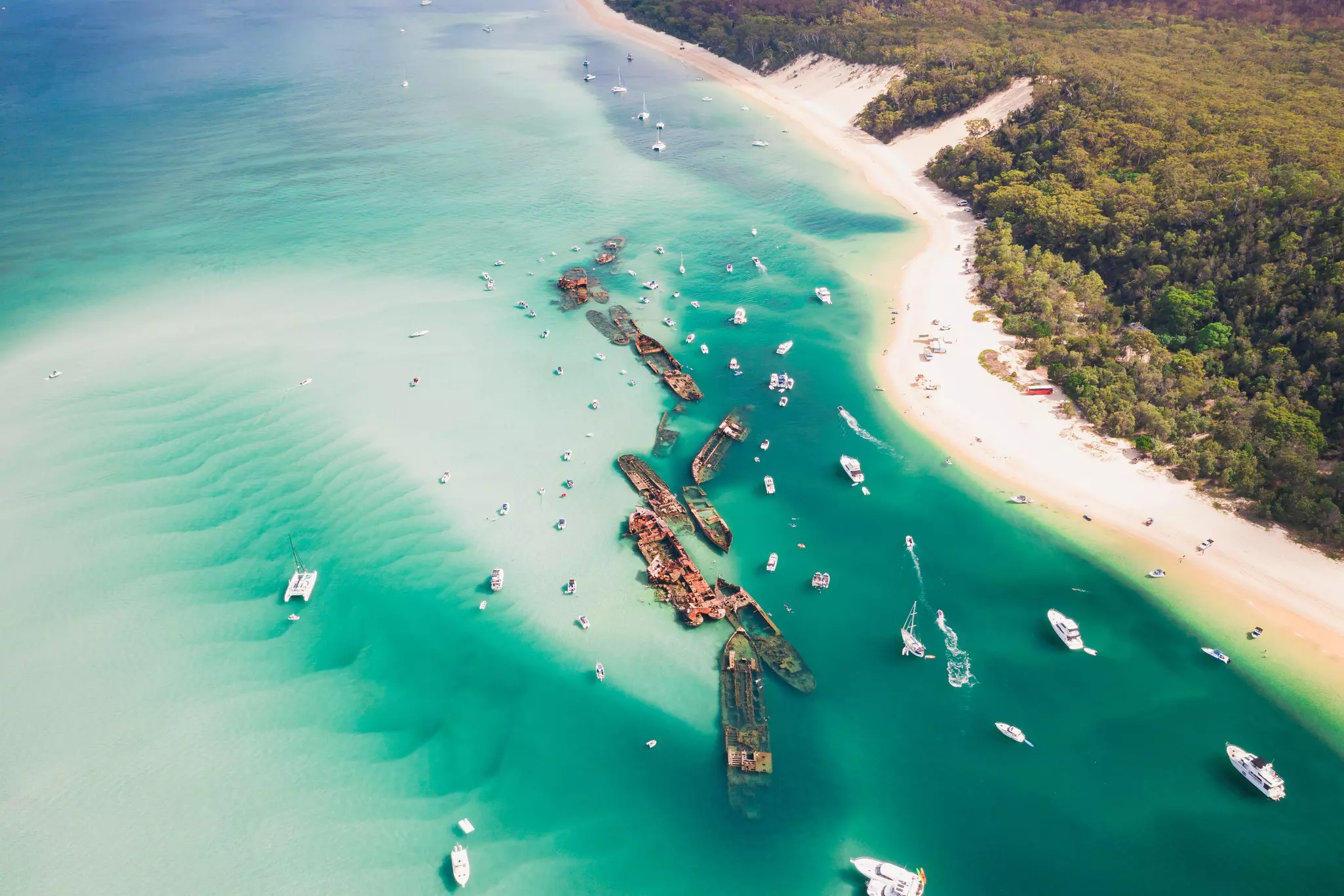
Slip on a pair of fins and a mask, and gently stroke across to the 15 shipwrecks just 30m offshore at Tangalooma Beach. Situated on Moreton Island/Mulgumpin in Queensland along a thin ribbon of white sand backed by coastal scrub, is a row of ships deliberately sunk here in the 1960s to provide safe anchorage. Now encrusted with corals and swarming with fish, it’s a popular snorkeling spot.
Tangalooma means "where fish gather" in the language of the island’s Quandamooka Traditional Custodians. Rays, dolphins, wobbegong sharks, turtles and elusive dugongs are also seen here. Located 57km off the coast of Brisbane/Meanjin, and with 95% of the isle protected by the Gheebulum Kunungai (Moreton Island) National Park and Moreton Island Recreation Area, it’s a sublime spot to unplug by the sea near Queensland’s capital.
Location: Moreton Island/Mulgumpin, Queensland.
Parking: Four daily foot passenger ferry services (75 minutes) depart from Holt Street Wharf in Brisbane, and arrive at the Tangalooma Jetty on Moreton Island. Car ferries also make the trip, taking people heading for a longer break to camp or stay at a resort.
Amenities: Cafes, bars and restaurants are close to the pier. Public toilets are available close to the shipwreck site.
Hours: Open 24 hours.
Dog-friendly: Dogs are not allowed.
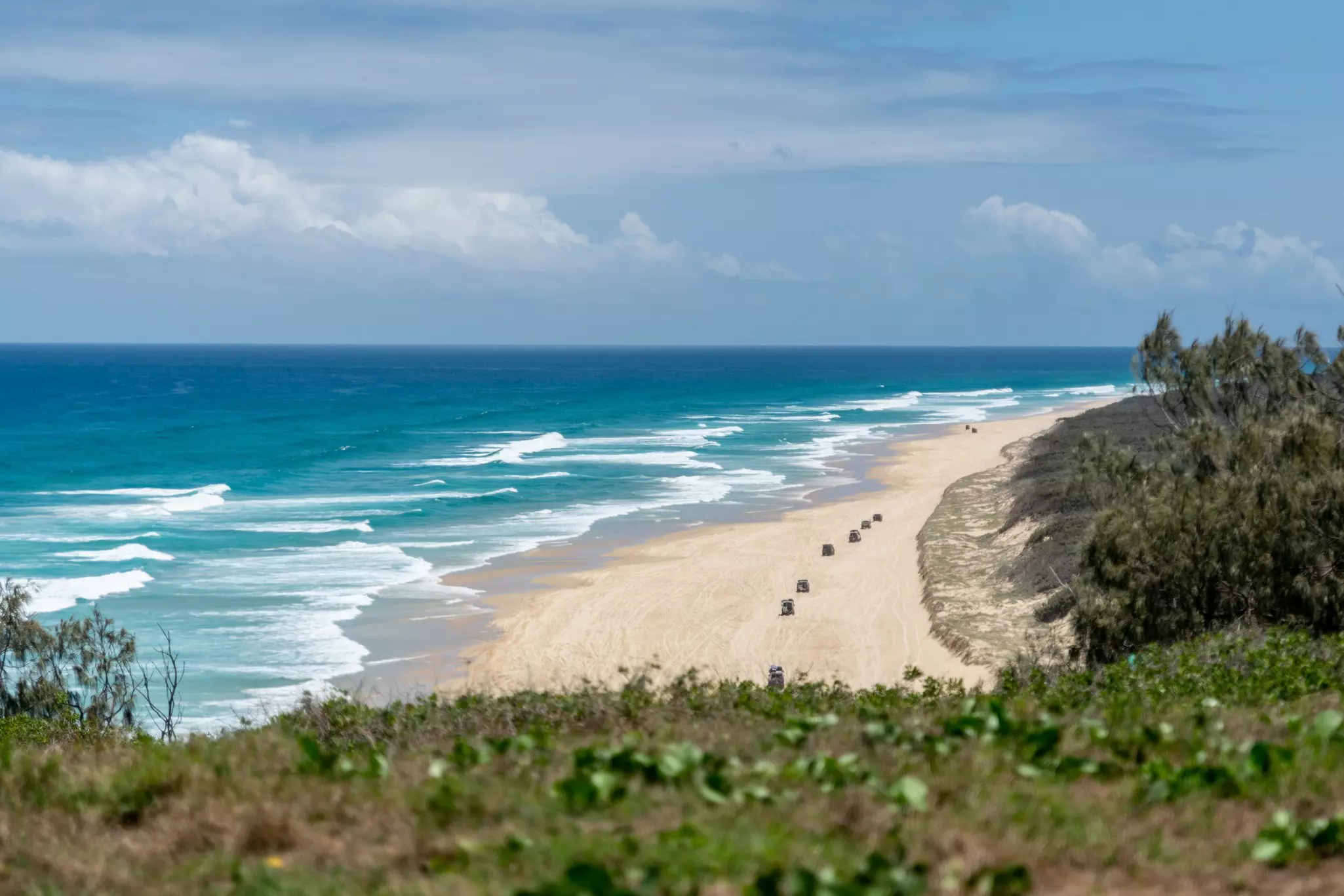
Best beach for driving
This might be Australia’s most unique highway (4WDs only). A desolate stretch of beach runs along the sand island of K’gari (formerly known as Fraser Island). The otherworldliness of 75 Mile Beach is haunting. The rusted hulk of the shipwrecked SS Maheno acts as a route marker on the shore and the tide dictates how far you can go in the day.
Feel the ocean fizz at Champagne Pools, a natural spa bath; fall asleep to the sound of wild ocean; and wake to find dingo tracks around the camp. A car ferry shuttles between Inskip Point and the southern tip of K’gari from 6am to 5pm daily (10 minutes).
Location: Great Sandy National Park, K'gari, Queensland.
Parking: Anywhere you want above the waterline.
Amenities: Wild camping code applies. You need to book ahead for camping and vehicle permits.
Hours: Open 24 hours.
Dog-friendly: Dogs are not allowed.
Planning tip: You won’t be able to swim in the rough ocean along 75 Mile Beach. Try freshwater Eli Creek instead, found midway along the beach.
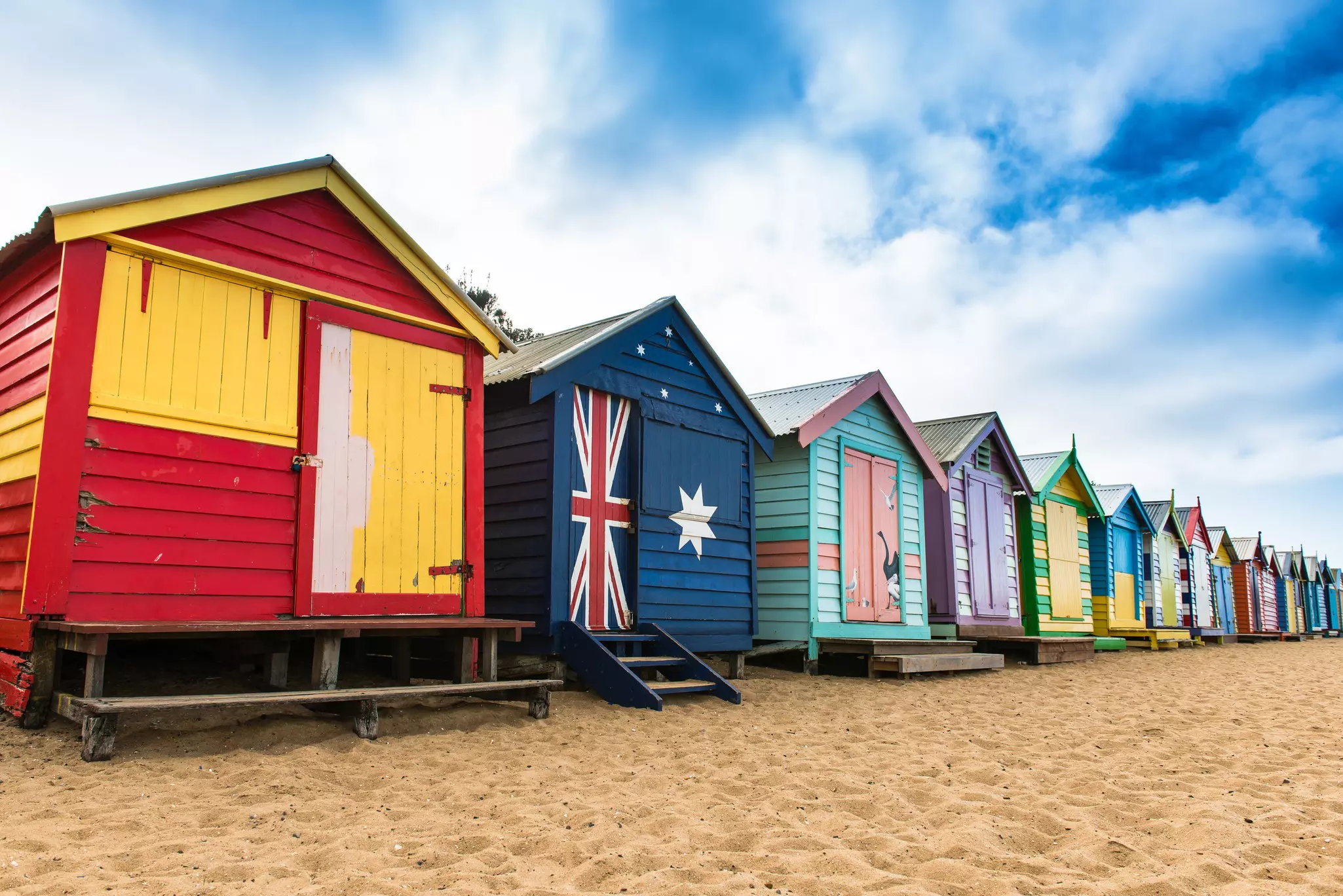
Best beach for history
Thirty minutes from central Melbourne lies one of Australia's most iconic beach scenes at Brighton Beach, where you’ll find a row of vividly painted, historic bathing boxes. You can feel the whoosh of heat as the doors of the bathing boxes are opened, while on the sand nearby, children wield buckets and spades. Despite its Insta-cool status, Brighton Beach is ultimately about the simple pleasures of a day spent at the seaside.
Location: Melbourne, Victoria.
Parking: Fees apply. $20 for the day; around $6 an hour.
Amenities: Public toilets, a grassy reserve and a couple of cafes.
Hours: Open 24 hours.
Dog-friendly: Dogs are allowed in winter and outside daylight hours in summer.
Planning tip: Brighton Beach is easy to reach by public transit. Catch the Sandringham line from Melbourne direct to Middle Brighton station.
Best secret beach
Hidden along Kangaroo Island’s north coast, Stokes Bay is guarded from the outside world by an amphitheatre of bluffs and a fortress of boulders. Entry requires a short but sure‐footed adventure through shadowy crevices. Towels and flip-flops clutched to their chests, visitors wade into the ankle-deep water, trusting the guiding arrows and their sense of adventure as they move through the rocks. Slipping past boulders, ducking under low cliffs and squeezing through narrow passageways, they finally emerge at Stokes Bay. It’s untouched, unspoiled and absolutely idyllic.
From the Stokes Bay car park, follow the signs along a winding path that slices into the headland. Just as the trail tightens, the limestone walls part to reveal a dazzling 500m of powdery white sand and aquamarine waters stretching ahead.
Location: Kangaroo Island, South Australia.
Parking: Car parking nearby.
Amenities: There's a public toilet block and cafe near the car park.
Hours: Time your visit for low tide and stay safe by keeping an eye on the sea conditions.
Dog-friendly: Dogs are not permitted in national parks. It's not recommended to bring one to the island.
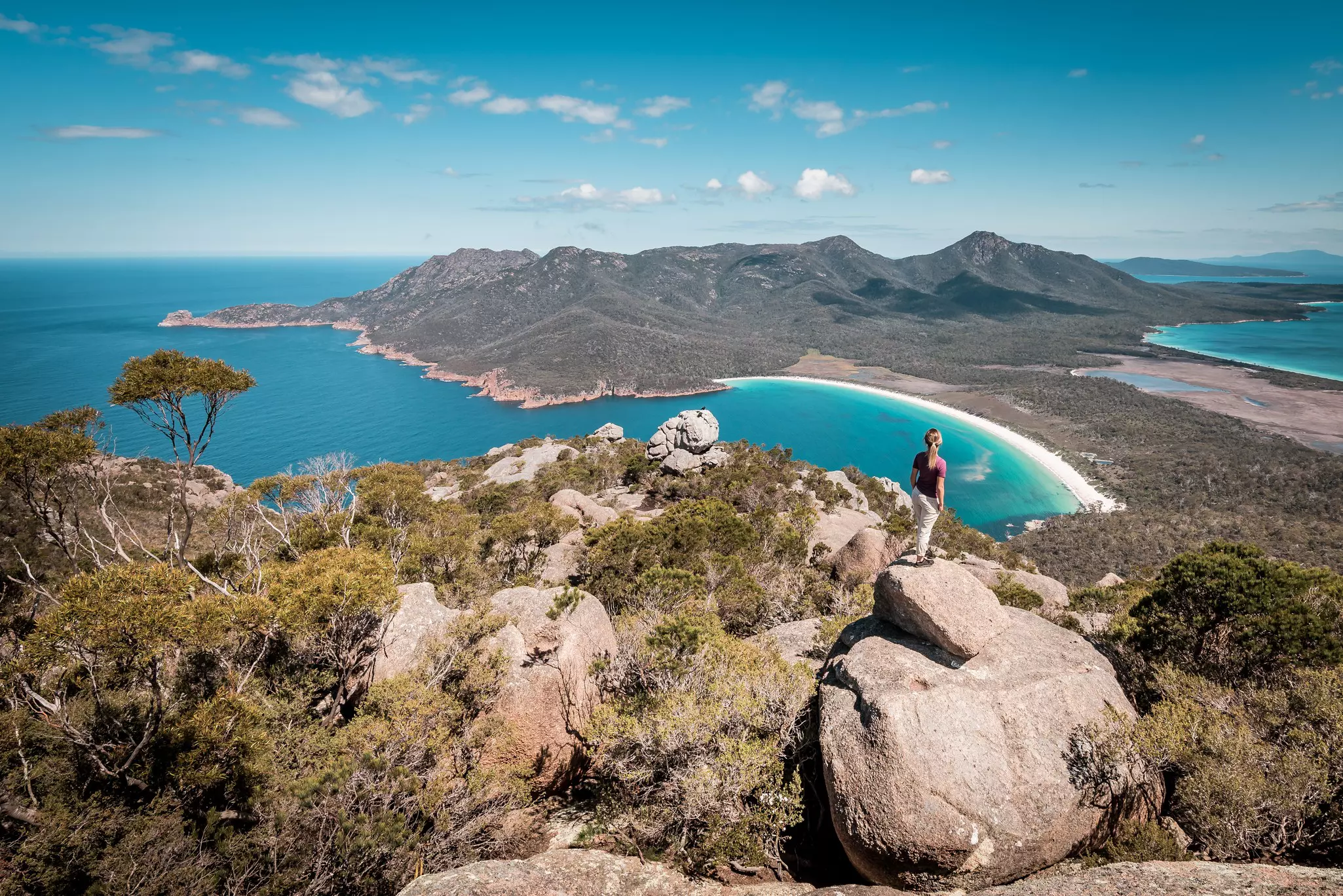
Best beach for a bush walk
You have to earn your visit to Wineglass Bay, one of Tasmania’s most photographed beaches. Bump down 9km of road, tighten the laces on your hiking boots, and start walking through the bush until you reach the dusty pink granite rocks of the saddle between between Mt Amos and Mt Mayson. From there, you can gaze on the arc of silica‐white sand curving around a bay shading from bright turquoise shallows to indigo where it meets the Tasman Sea, encircled by the dusky pink Hazards Range and the forested hills of Freycinet National Park.
The lookout atop Mt Amos is a steep 2.5km climb from the car park. The beach is equally enjoyable once you land at sea level by descending down a set of roughly 1000 stairs. Keep your eyes peeled for echidnas and Bennetts wallabies on the way.
Location: Freycinet National Park, Tasmasnia
Parking: Car parking available, but there's a long hike to the beach.
Amenities: Basic toilet facilities at the carpark. BYO supplies like food and water.
Hours: Open 24 hours.
Dog-friendly: Dogs are not permitted in national parks.
Planning tip: Feel like taking it easy? Skip the walk and take a scenic cruise from Coles Bay to Wineglass Bay instead.
Australia’s most photogenic beach
Seen from afar, the Whitsundays’ Whitehaven Beach absolutely glows. The inlet’s creamy blue elixir shape-shifts with the tide, bewitching those who come close. Yachts drop anchor; seaplanes land on water; pleasure craft nudge up on shore; and crowds empty onto the sand. Underfoot, the white silica sand squeaks, almost as an auditory protest at the disruption to the pristine strand. The 7km‐long beach is on the traditional lands of the Ngaro people.
Most day trips from neighboring Hamilton Island and the mainland tourism hub of Airlie Beach include stops at Whitehaven Beach and the northern side of Hill Inlet, where you can (and should) take a 1.3km‐return hike to lookouts for mesmerising views before diving into Whitehaven’s crystal‐clear waters.
Planning tip: The journey to Whitehaven can be bumpy depending on sea conditions. Come prepared with motion sickness medication.
Lonely Planet Journeys takes you there with fully customizable trips to top destinations – all crafted by our local experts.