Feb 23, 20266 min read
9 Reasons to Visit Spain’s Basque Country Right NowFeb 23, 2026
6 MIN READ

Writer
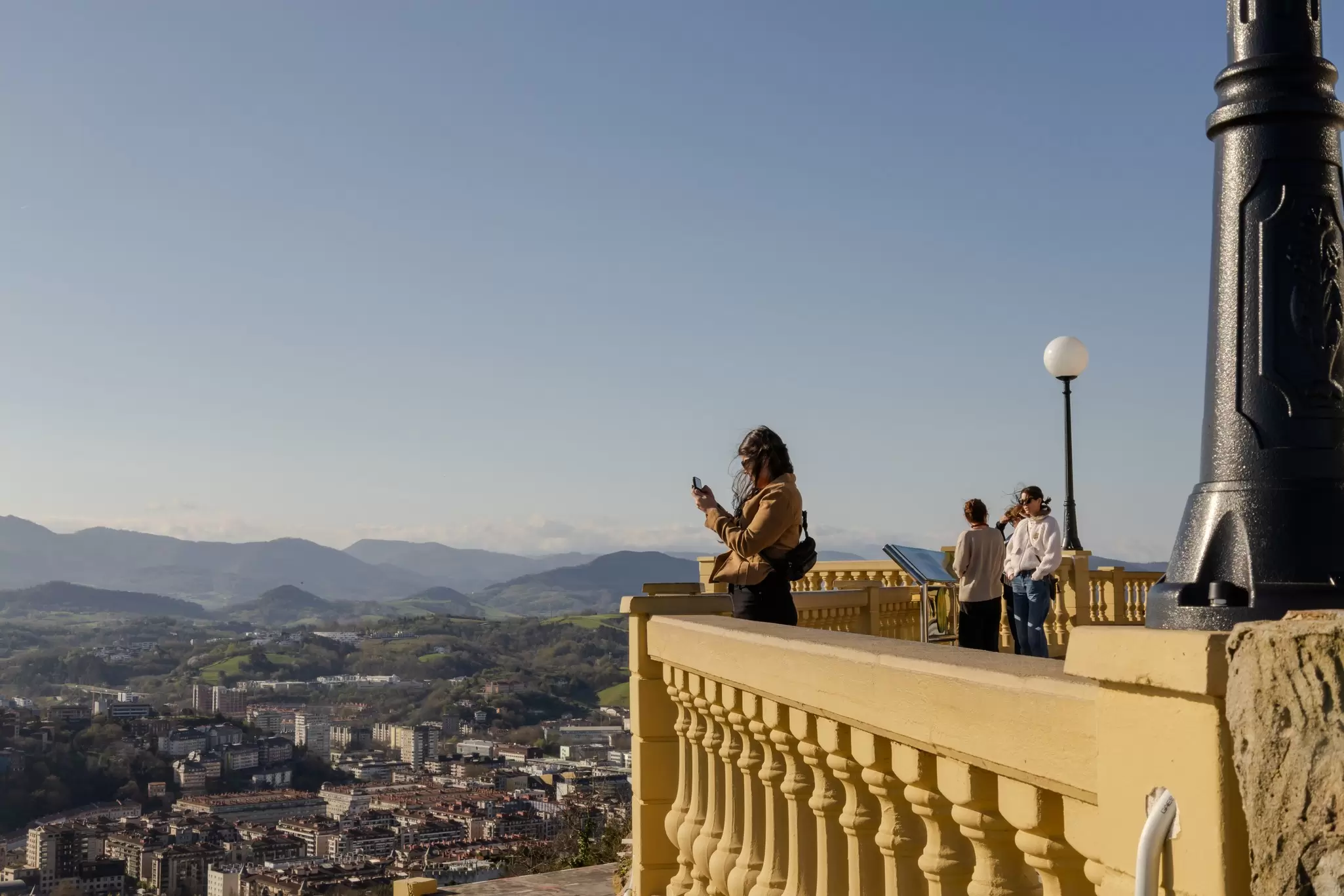
Monte Igueldo Amusemant Park, which overlooks San Sebastián in Basque Country, Spain.
Writer
Highlights
Writer Bridget Gleeson rounds up nine Basque reasons to visit, from pintxos to Picasso.
Pintxo bars, txakoli and Michelin stars make the Basque food scene extraordinary.
Visit the gleaming Guggenheim Bilbao, then drive the clifftop coast toward San Sebastián.
Hike to San Juan de Gaztelugatxe's 241 steps and taste tempranillo in Laguardia.
Lonely Planet may earn a commission from affiliate links on our site. All recommendations and reviews reflect our own independent opinions.
For many reasons, the Basque Country stands apart from the rest of Spain. Hugging the rugged Atlantic coast in the northeast corner of the country, the region has its own language, own culinary traditions, distinctive geography and remarkable culture.
Where do you begin your explorations of this one-of-a-kind place? Here are 9 ideas for discovering the best of the Basque Country.
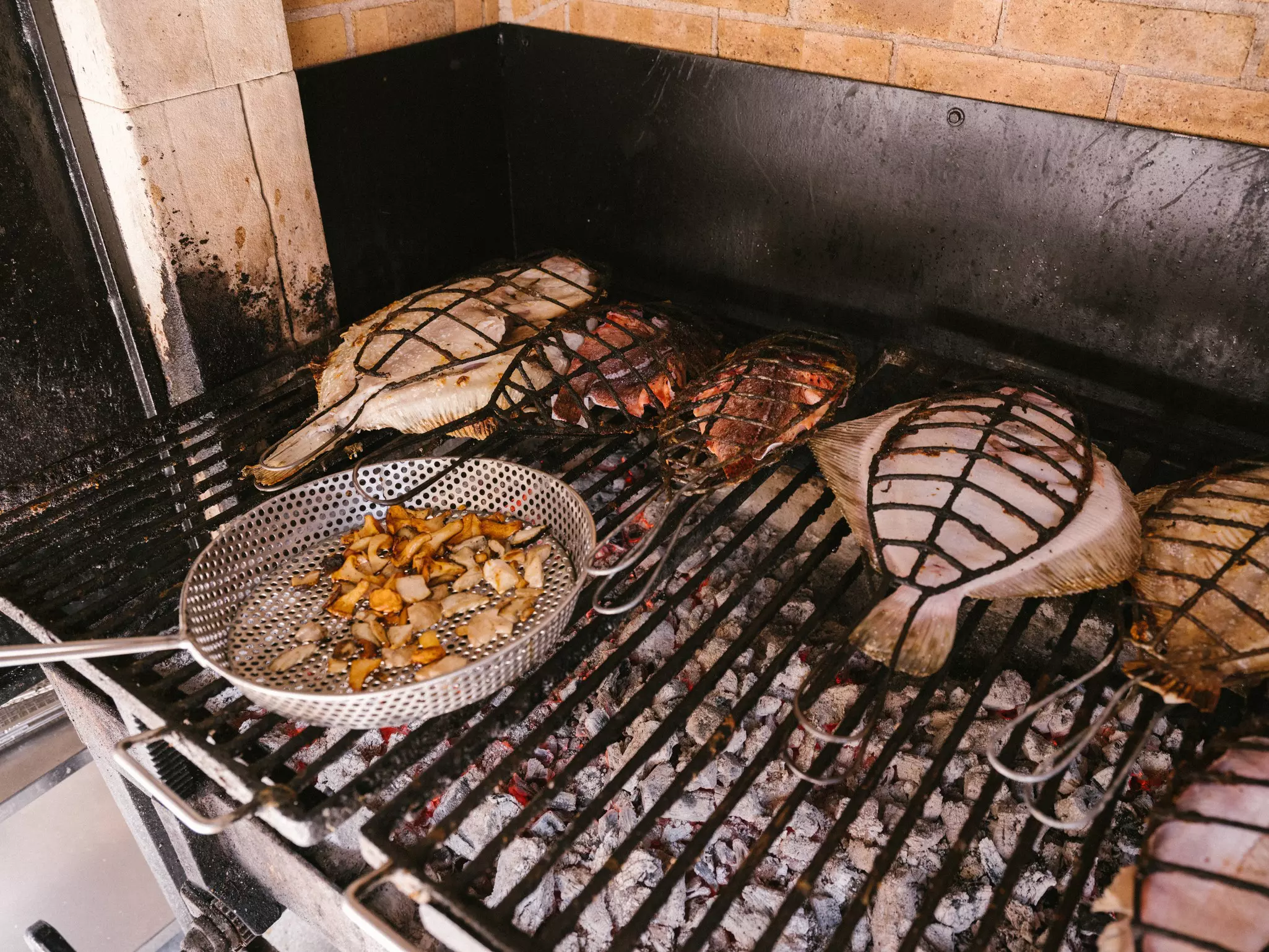
By one estimate, Basque people spend more than twice as much of their disposable income on food as those in the USA. When you step into any Basque bar, the lavish spread of pintxos (small snacks) explains why. Each small but precious serving delivers a microcosm of Basque cuisine, which is built is around local produce deeply tied to the region’s culture. Savory ingredients include grilled lamb, cured meats, salt cod, sheep and goat cheeses, piquillo peppers, artichokes, fresh anchovies...just to name just a few.
Meal-wise, you can swing high or low: the Basque Country is home to a huge number Michelin starred–restaurants given its small size, yet the culinary culture extends to even the simplest, most budget-friendly neighborhood tavern. Whether you’re sitting down for a blow-out multicourse tasting or standing at the bar eating pintxos and sipping txakoli (a local cider), you can look forward to flavors you’ll never forget.
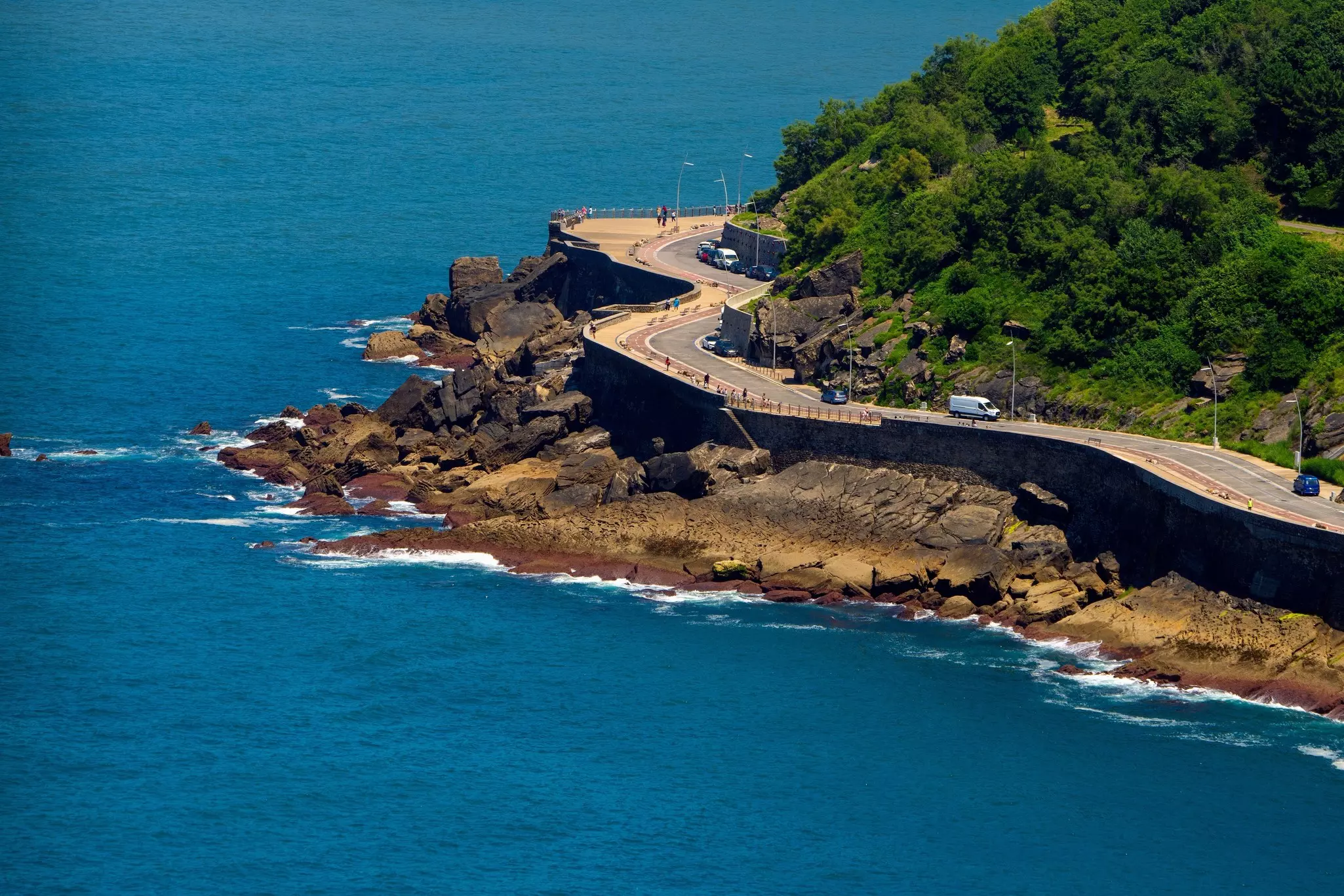
To experience the enchantment of the Basque coastline, you’ll want to rent a car and explore the dramatic clifftop landscapes at your own pace. The scenic route from Bilbao to San Sebastián, for example, leads you through a string of traditional fishing villages with names you’ll struggle to pronounce, from tiny Elantxobe to drop-dead gorgeous Lekeitio to Getaria, the hometown of the fashion designer Cristóbal Balenciaga (don’t miss the great museum dedicated to his oeuvre). All of the towns along this stretch feature great pintxo bars and quiet medieval streets that invite a leisurely wander.
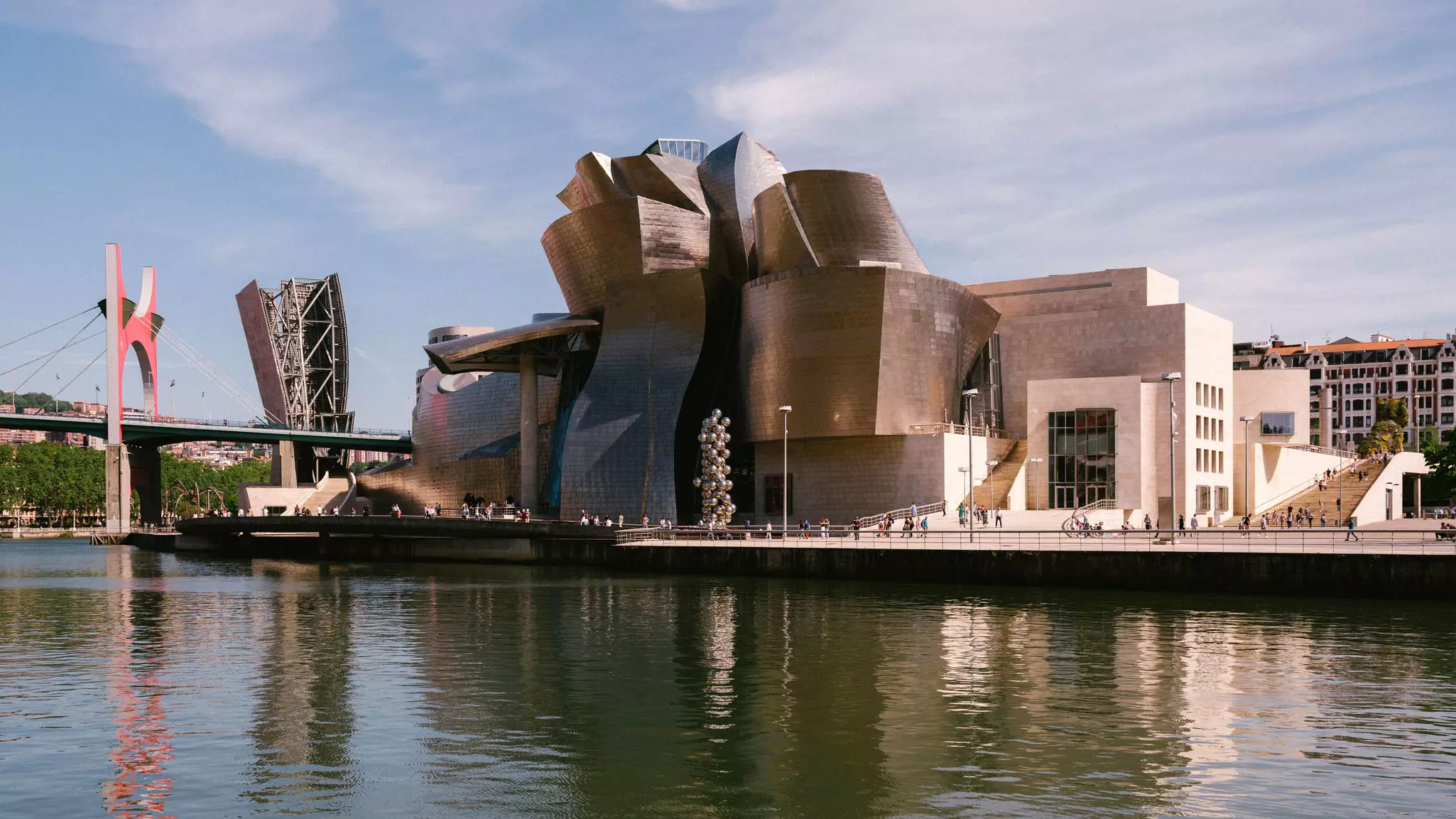
The Guggenheim Bilbao is more than a mere art museum. Gleaming and swooping, the Frank Gehry–designed structure a modern architectural marvel. It’s model for other cities looking to revivify and reinvent themselves through culture. And it’s stylized ode to the city’s shipbuilding past – one that’s become an emblem of Bilbao itself.
Built in 1997 on a riverfront site that once housed industry, the museum has since attracted millions of visitors to this wonderful yet previously overlooked city. In recent decades, a stroll along the Rio Nervión to admire its curves and shimmering metallic surfaces behind large-scale sculptures has become a sort of pilgrimage for culturally inclined visitors. And that’s before they enter to admire more monumental works by Richard Serra, Jenny Holzer, Claes Oldenburg and other major creators.
Count on 2 to 3 hours in the museum itself – then don’t miss the glorious riverfront stroll to the old city after your visit, for the full Bilbao effect.
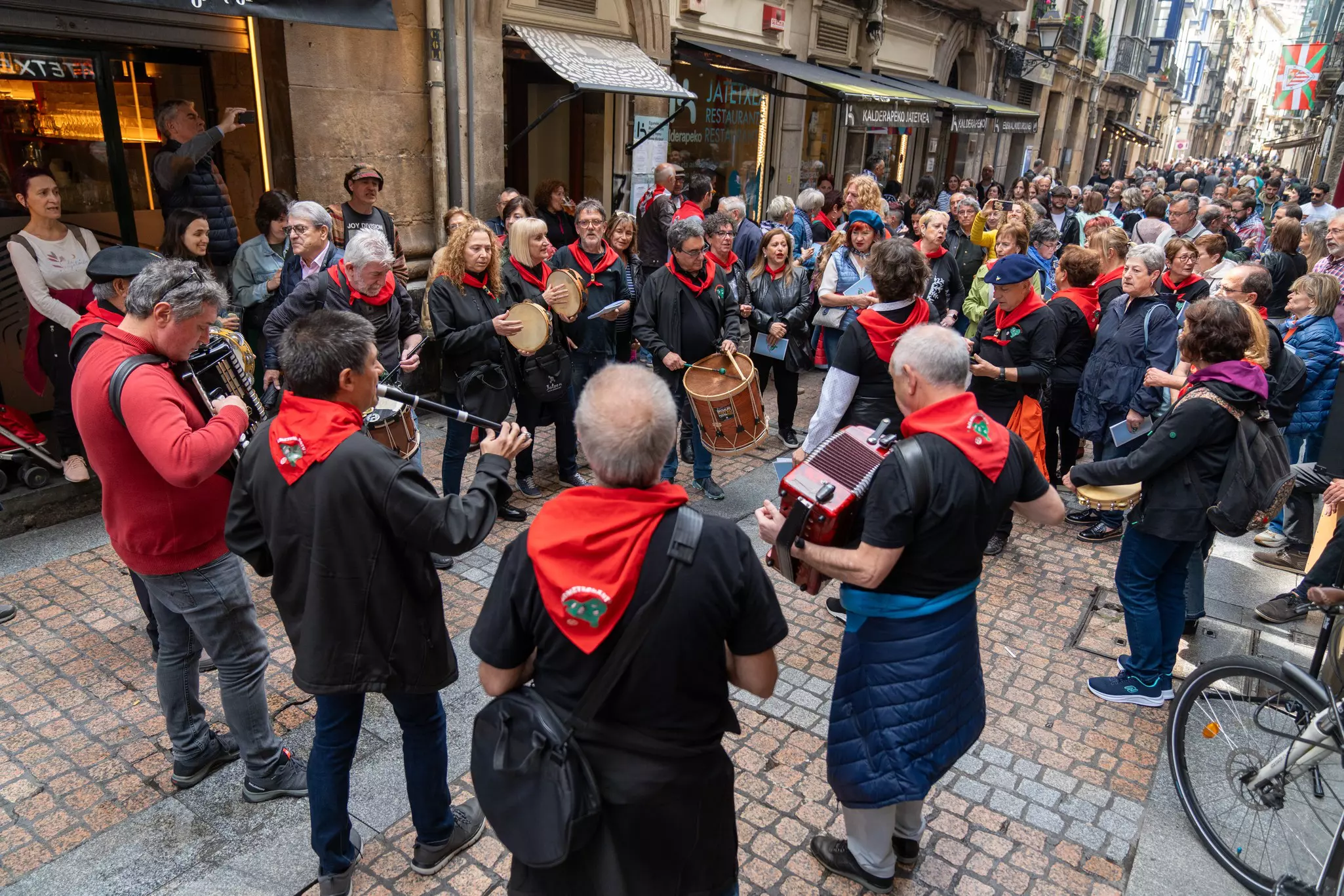
Basques are fiercely proud of their culture – a pride that’s been a source of political tensions and even violence in recent decades. Things are happily calmer now, though the passion Basques retain for Euskara, their language, remains undimmed. While mystery surrounds the roots of the language, Basque people are believed to be descendants of the original human inhabitants of the European continent. Which explains why, the theory goes, Euskara has absolutely nothing in common with any other language in the world, including the Indo-European tongues spoken elsewhere on the continent.
Travelers will hear Euskara spoken throughout the Basque Country, and see the language printed everywhere from the train station schedule to newspapers and cafe menus. Luckily, most words are also printed in Spanish, a language that’s much easier for (most) visitors to decipher.
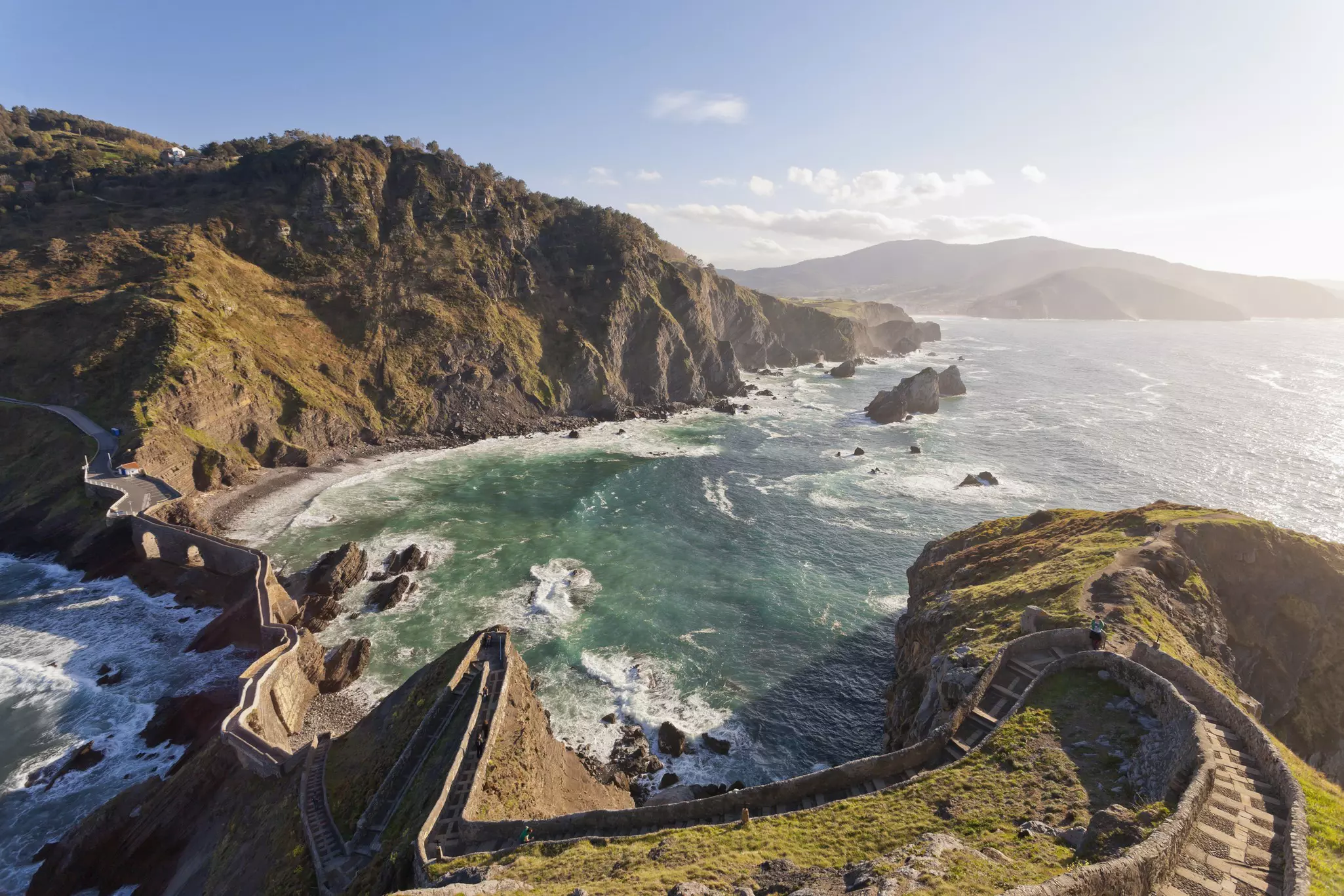
The route to the 9th-century religious site of San Juan de Gaztelugatxe doesn’t cover a great distance – a zigzag walk down a steep hill, passage across the Bay of Biscay via a picturesque stone footbridge, and a hike up 241 steps. But the views from the church at the top of the island are almost otherworldly.
From the top of “castle rock” (gaztelu means castle and aitz rock in Basque), you’ll take in sweeping views of the dramatic coastline and the crashing waves below. Keep your eye out for Basque fishermen making the pilgrimage alongside tourists: it’s a local tradition to hike to the church and ask for the saint’s blessing for a bountiful season ahead.
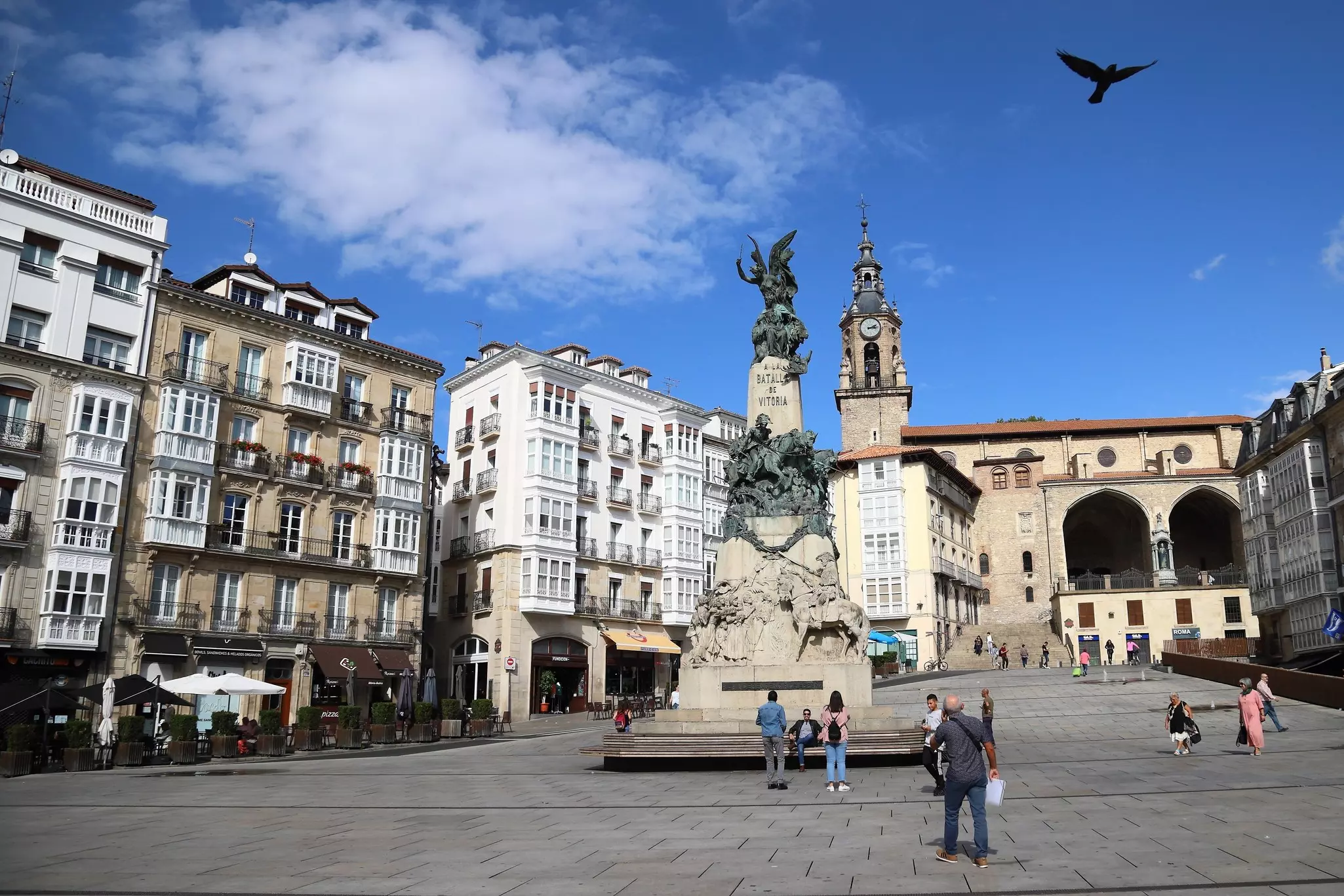
Vitoria-Gasteiz doesn’t see as many international visitors as Bilbao or San Sebastián – all the more reason to spend a few days exploring the cobblestone streets and pintxo bars of the pretty Basque capital. Highlights include the postcard-perfect historic center, the best-preserved medieval center in the Basque Country, and the 13th-century Cathedral Santa María, a Gothic landmark perched at the summit of the old town.
Even if your knowledge of art is limited, you’ve likely seen Guernica, Pablo Picasso’s massive, black-and-white mural depicting the violence and chaos of war. The artist created his searing masterpiece as a response to the 1937 bombing of Gernika, a Basque village, during the Spanish Civil War. Today, you can visit the site yourself, stopping into the excellent Museo de la Paz de Gernika for an overview of wartime events and the town’s significance in the greater context of Basque culture.
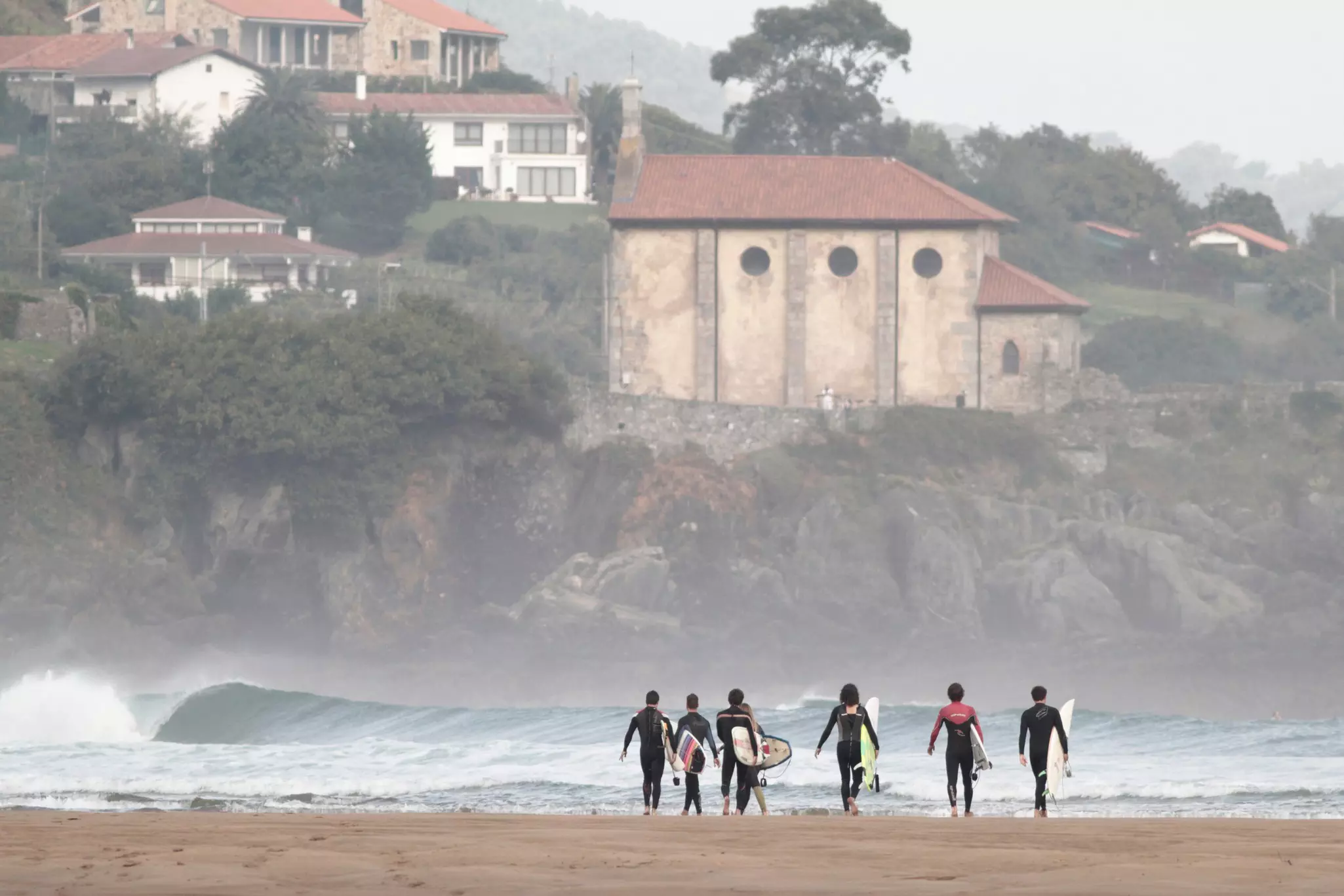
The waves at Mundaka, on the Basque Country’s central coast, are some of the best in all of Europe. Indeed, the natural geography – a sandbar formed by an estuary – forms fast, hollow waves that have surfers flocking in from all over the world. If you’re not up to the challenge, watch the spectacle from the town’s harbor walls.
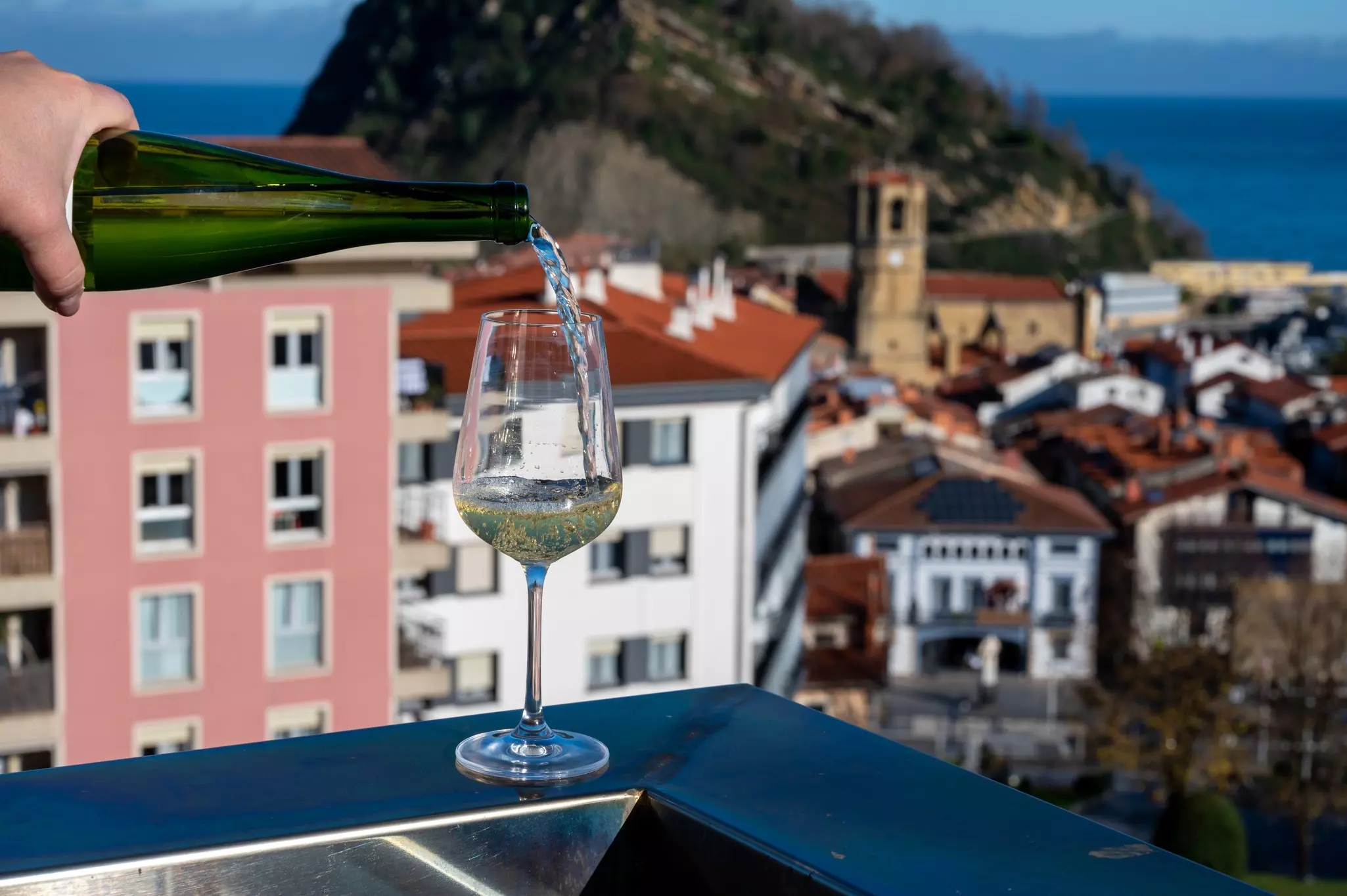
You’ll see the names of Basque Country’s premier wine-growing centers – Samaniego, Laguardia, Elciego, Labastida – scrawled on chalkboards at bars and cafes all over the region. Sample a tempranillo or two before heading into the Rioja Alavesa wine region to see how they’re made. Of particular interest are the stunning medieval city of Laguardia and the wineries that surround it – especially Bodegas Ysios, with its futuristic ”temple dedicated to wine,“ designed by Santiago Calatrava.
Can’t get enough of that seductive pairing of fine wine and modern architecture? Don’t miss the Bodegas Marqués de Riscal in Elciego, specializing in full-bodied reds produced from the old vines, and the onsite hotel, designed by Frank Gehry.
Most Rioja Alavesa wineries lie within a 90-minute drive of Bilbao and Vitoria-Gasteiz. As always when touring wineries, we recommend having someone else do the driving.
Explore related stories