Sep 20, 202611 min read
The Ultimate Weekend in Dunedin and ŌamaruSep 20, 2026
11 MIN READ

Writer
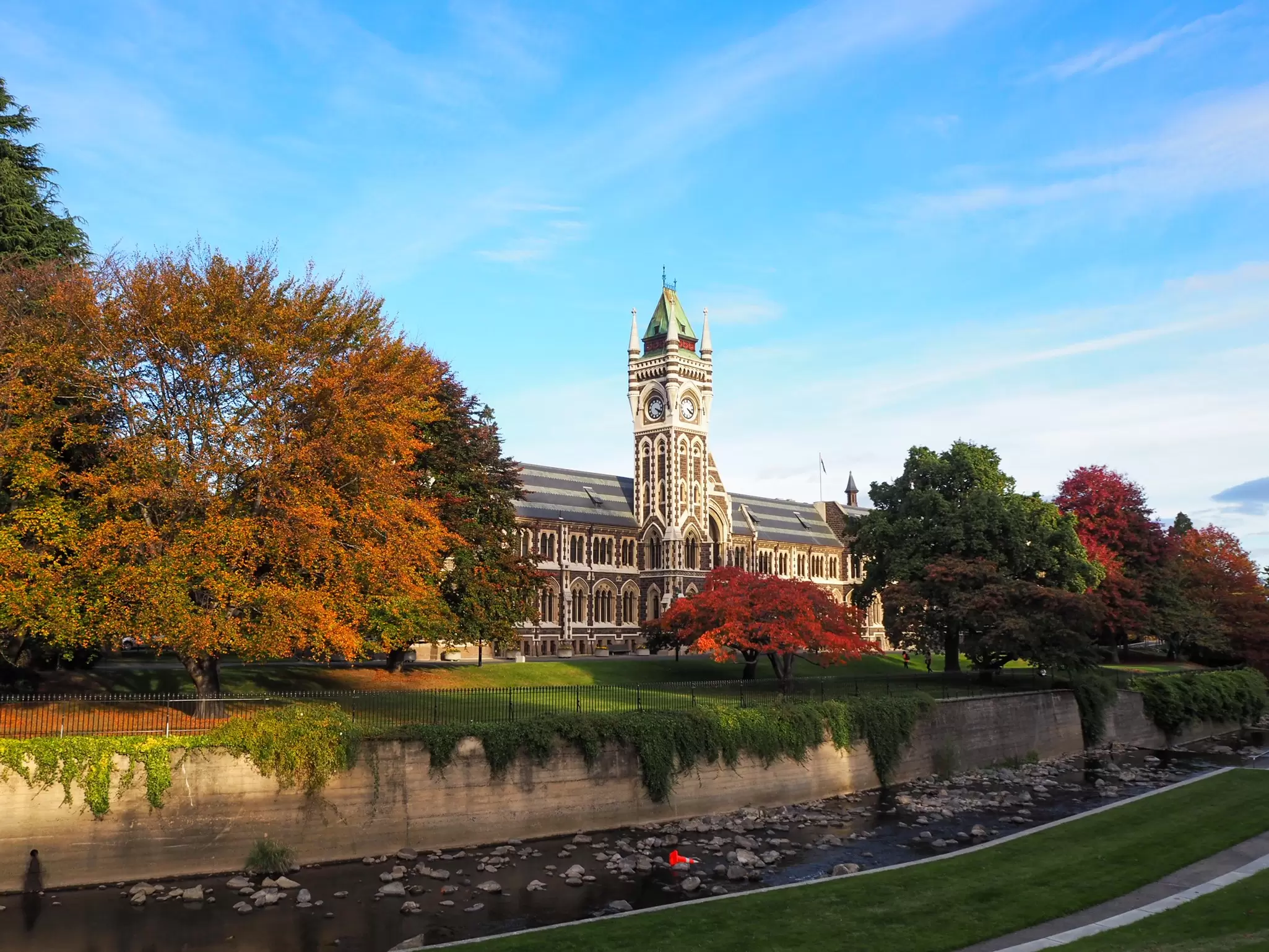
The University of Otago in Dunedin. Olli Torma/Shutterstock
Writer
Lonely Planet may earn a commission from affiliate links on our site. All recommendations and reviews reflect our own independent opinions.
It’s a tale as old as time. Faced with limited holiday time, international visitors to New Zealand’s South Island typically travel from Christchurch to Queenstown via Tekapo – and in the process, Dunedin is one of the first stops cut from their itinerary.
It (almost) makes sense. Queenstown delivers exactly what’s on the wish list: adrenaline activities and jaw-dropping vistas, all packaged up within the cute bow of a mountain town. But before you bypass Dunedin, consider this – it might just be the travel gift you didn’t even know you needed.
Dunedin (also known as Ōtepoti) – particularly when paired with nearby Ōamaru – is one of New Zealand’s most idiosyncratic destinations; a place where alleyways carry whispers of gold-mining ghosts, museums explore quirky subcultures, and cave-like tunnels lead to secret beaches. Relative isolation and a strong student scene have fostered a celebration of the subversive, with indie bands, culinary creatives and artists choosing to hone their crafts in Dunedin’s restaurants and bars.
The good news? Even if you’re on a tight itinerary to Aotearoa (NZ’s Māori language name), it’s possible to hit up the region’s weird and wonderful highlights over a long weekend. Here’s how.
Dunedin Airport (DUD) is serviced by direct flights from Auckland, Wellington, Christchurch and Australia’s Gold Coast. However,domestic flights can be prone to delays and cancellations due to high wind and fog. So, if you have time to spare, make it a road trip.
You can fly into Christchurch (CHC) and journey 4 hours and 30 minutes south, with stops at the Moeraki Boulders and Ōamaru en route. The Waitaki Whitestone Geopark is a short and worthwhile detour off the main highway.
Or, fly into Queenstown (ZQN). By car, it will take you roughly 4 hours to travel through Central Otago to the coast, via Roxburgh. Make it a circuit by returning to Queenstown via Ōamaru and Waitaki Valley. The whole circuit is about 9 hours of driving.
If you’re here to revel in the region’s quirky character, you’ll want to keep your accommodations on-theme. Here are some of my favorite spots to stay.
Bell Hill Apartments: The Bell Hill Apartments feel like your well-traveled English literature professor asked you to housesit and their home is as immaculate as you always imagined, complete with an impressive book collection and a full whisky decanter. Rooms start from NZ$495 and sleep up to five guests.
Chapel Apartments: If that doesn’t feel quite haunted enough, try the Chapel Apartments, housed within a 1863-era church, the city’s oldest. Two-bedroom apartments start from NZ$454 per night.
Ebb Dunedin: A modern antidote to the tartan decor and Gothic Revival architecture that dominates the rest of the cityscape, Ebb’s clean lines and calming hues are punctuated by colorful contemporary artwork by Kiwi artists. Rooms start from around NZ$300.
858 George Street Motel: Located near the university, this award-winning motel feels decidedly upmarket, but at a fraction of the cost of a hotel. Expect to pay around NZ$200 per night for a one-bedroom unit.
The Old Confectionery: Built in 1880, this historic building has housed fishmongers, tobacconists, plumbers and yes, confectioners. In 2020, it was transformed into luxury accommodations and today its apartments (from NZ$305) offer direct access to Ōamaru’s Victorian precinct.
Poshtel: A true homage to NZ’s South Island, the 16 themed rooms of this boutique hotel – which range from farming to Antarctic exploration – feel more “carefully curated” than “kitschy.” Stays include breakfast, starting from NZ$165.
Dunedin is the Scottish heart of NZ (a Scottish settlement was established here in 1848 following hundreds of years of Māori settlement), but you’ll likely want to leave your kilt at home. Instead, arrive prepared for highly changeable, windy and wet weather. Layers – including a fleece and a good windbreaker – will serve you well at any time of year.
Casual reigns supreme, but it doesn’t hurt to keep in mind that Dunedin is a student city. Your best op shop (thrift store) threads will help you blend in at evening gigs.
Finally, if you’re visiting in summer, don’t forget your togs (swimsuit). Dunedin’s beaches are some of the South Island’s finest.




Start your morning by tipping your hat to the statue of Scottish poet Robbie Burns. It sits in the Octagon, an eight-sided plaza serving as Dunedin’s main hub. The plaza and its spokes are lined with countless bars and cafes, amongst them the light and airy Noble. A relative newcomer, it serves filling reinterpretations of breakfast classics, such as beef cheek eggs benny and tiramisu French toast. If it’s a cold day, skip the coffee and warm up with a chilli hot chocolate, made with iconic NZ chocolate brand Whittakers.
The perfect way to walk it off? Swing by Dunedin’s i-SITE Visitor Information Centre (also in the Octagon) to grab a copy of the Dunedin Street Art Trail map. It’ll take you about 1 hour and 30 minutes to explore some of the city’s best street art, including ROA’s endangered tuatara (a type of endemic reptile) and Phelgm’s giant moa (an extinct bird that once roamed NZ’s wilderness).
Make sure to detour to Dunedin’s historic railway station, which was used as a filming location in Netflix’s 2026 adaptation of John Steinbeck's East of Eden, starring Florence Pugh.
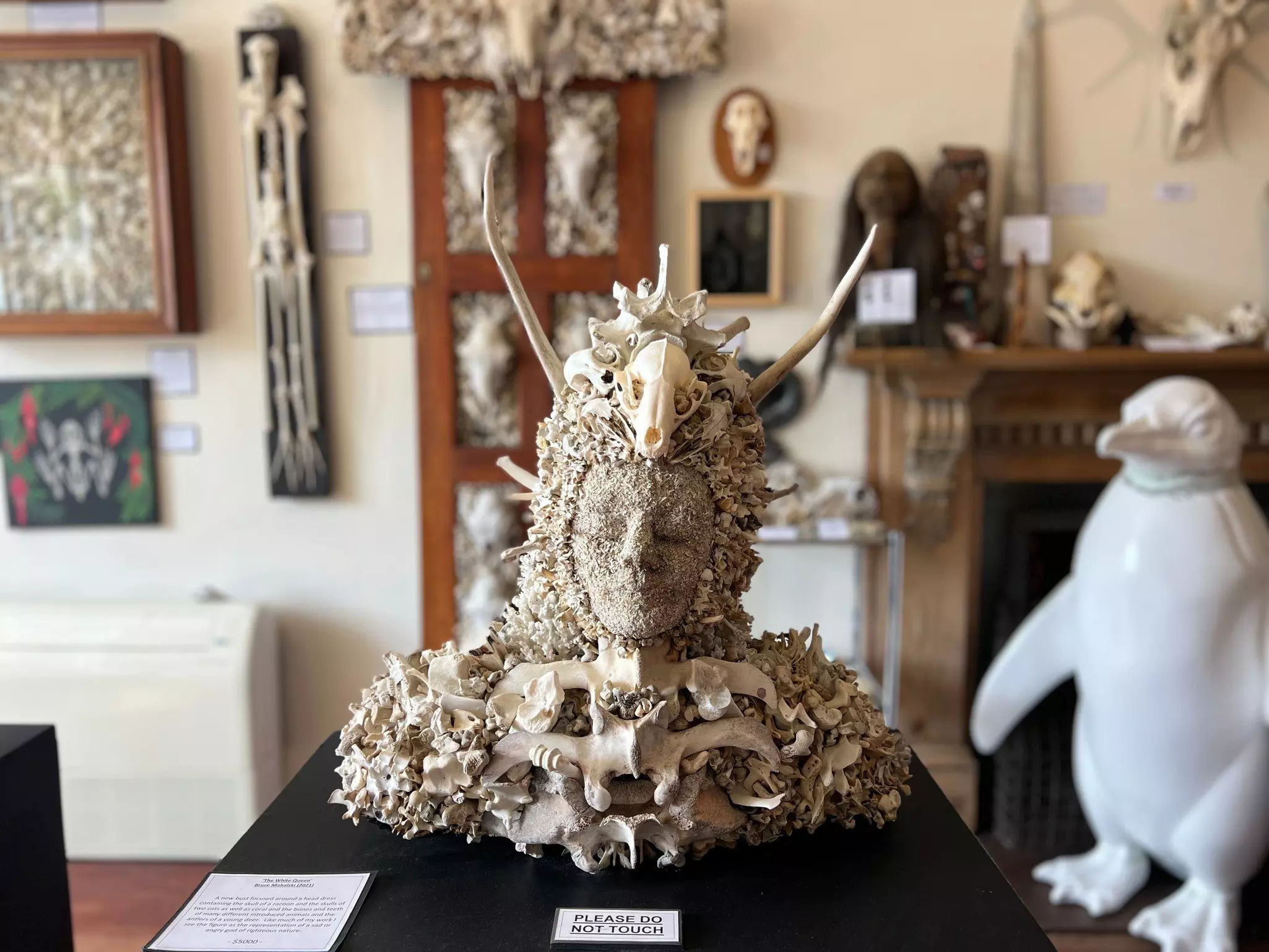
After lunch (try Buster Greens on George St), it’s time to head towards the University of Otago campus. Nearby, you’ll find the Museum of Natural Mystery, a private collection in a Victorian villa curated by local artist Bruce Mahalski. Rap on the door with the metal crab knocker to be admitted into one of the most unusual museums on this side of the Tasman. Oddities and curiosities on display include moa bones, evidence of poltergeist hauntings, mummified cats, fossilized dinosaur poop, and artifacts from the notorious Kiwi cult, Gloriavale. The museum is small, but it’s easy to lose an hour or two here.
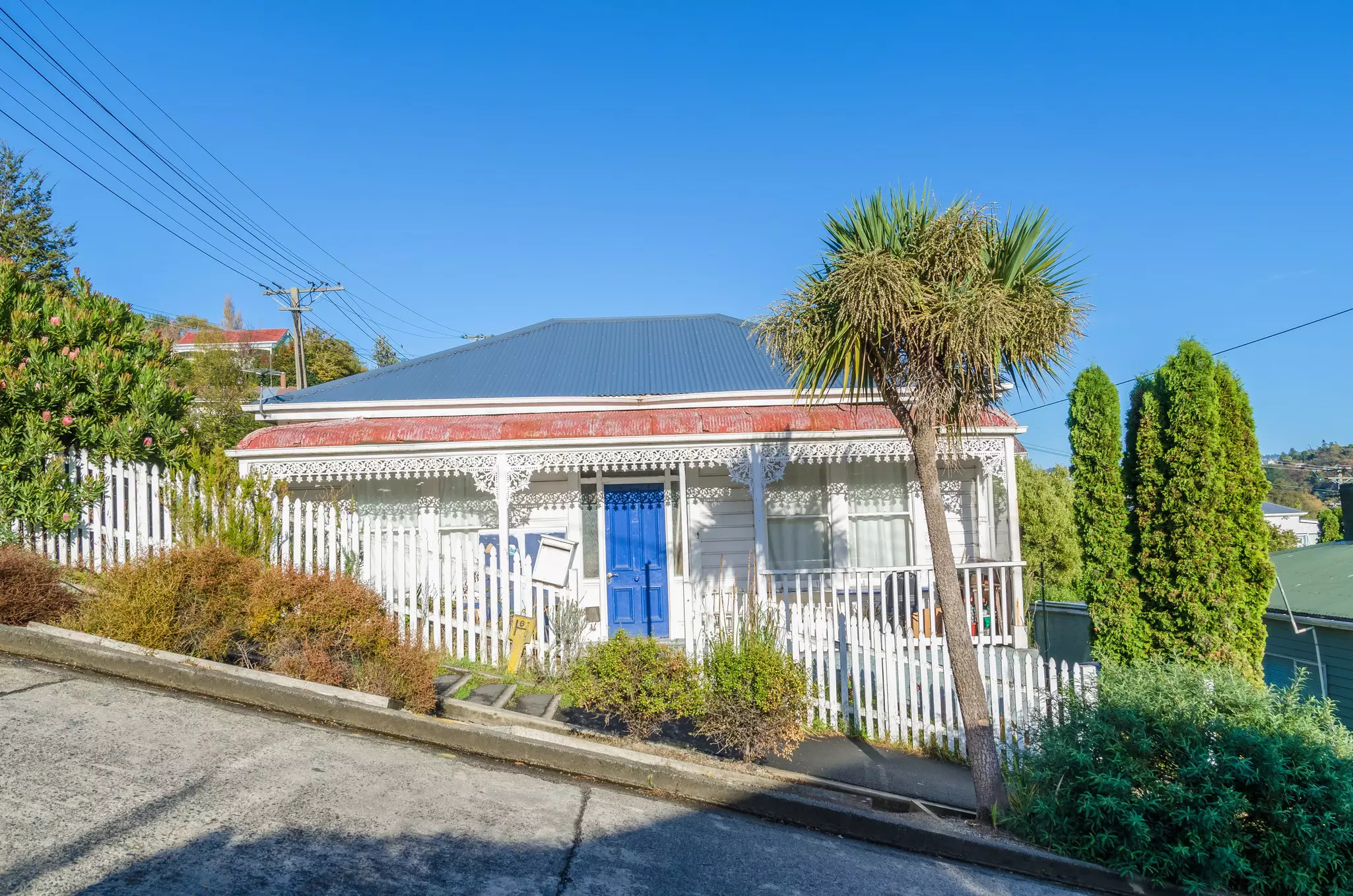
Afterwards, try to walk to the top of Baldwin St – said to be the world’s steepest street – before driving the 20 minutes south to Tunnel Beach. In the 1870s, this is where a tunnel was hand-dug through the limestone, providing access to a secret cove. You’ll need to follow a well-maintained but steep seaside track to get there. Budget about an hour for your walk and wear shoes with grip.
Worked up a sweat and need a sugar hit? Swing by Ocho Chocolate Factory on your way back into town. The horopito and kawakawa combo highlights native ingredients, but if you want to taste all the flavors, the factory hosts tastings at 11am from Tuesday through Saturday.
For the perfect pairing, pop into Dunedin Craft Distillers next door, where bread wastage is being saved from landfills and transformed into award-winning whisky. It’s a brilliant study in how relative isolation breeds innovation and ingenuity.
First stop is Woof!, a popular student hang-out, for a pre-dinner drink. It serves all the standards, but the point here is to be a little different, so be sure to try one of the monthly cocktail specials. (When I last visited, white negronis and absinthe frappes were both on the list.)
Then, wander over to the slightly-more-upmarket The Swan for sharing plates, before rounding out your night at Pequeño, a speakeasy-style space with expert mixologists behind the bar. The entrance can be found downstairs off Princes St.
From the same culinary team behind the Swan, Commons Eatery is found – you guessed it – just off the Octagon. The full breakfast features black pudding (a nod to Dunedin’s Scottish heritage), but those with a sweet tooth shouldn’t bypass the Doris Plum French toast.
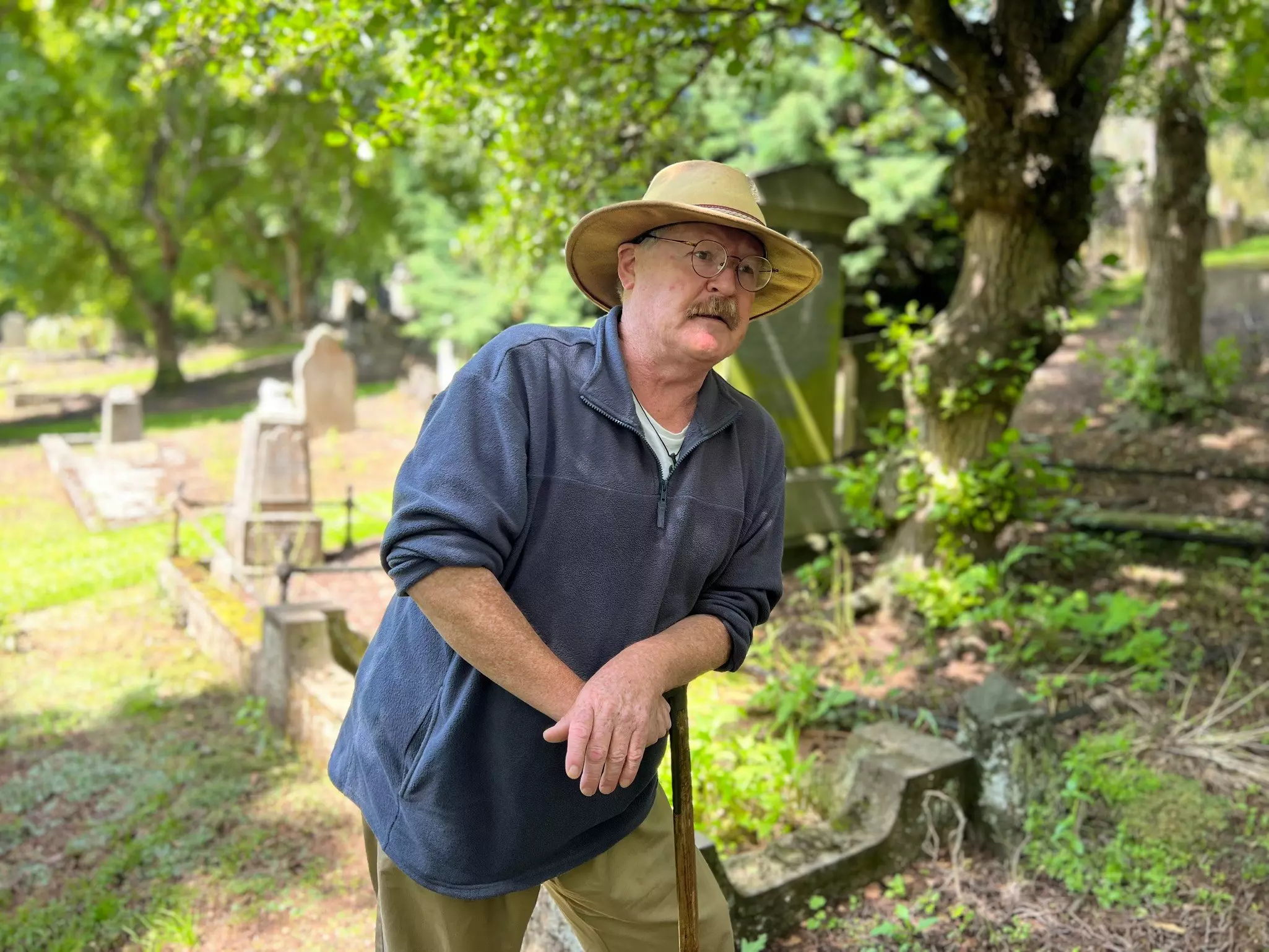
After you’ve fuelled up, meet up with historian Gregor Campbell of Tales from Darkest Dunedin for a guided walk of one of the city’s cemeteries. Beneath towering gum trees and tī kōuka (cabbage trees), Campbell shares stories of the cemetery's residents, including gold rush-era sex workers, Chinese settlers and sea captains who had multiple wives. Despite the company’s name, Campbell’s tours aren’t about ghosts and the undead. Instead, he gives life to those who lost theirs, while adding context and color to life in early Dunedin and New Zealand. (But don’t worry; you’ll still get a dose of the supernatural on your afternoon excursion.)
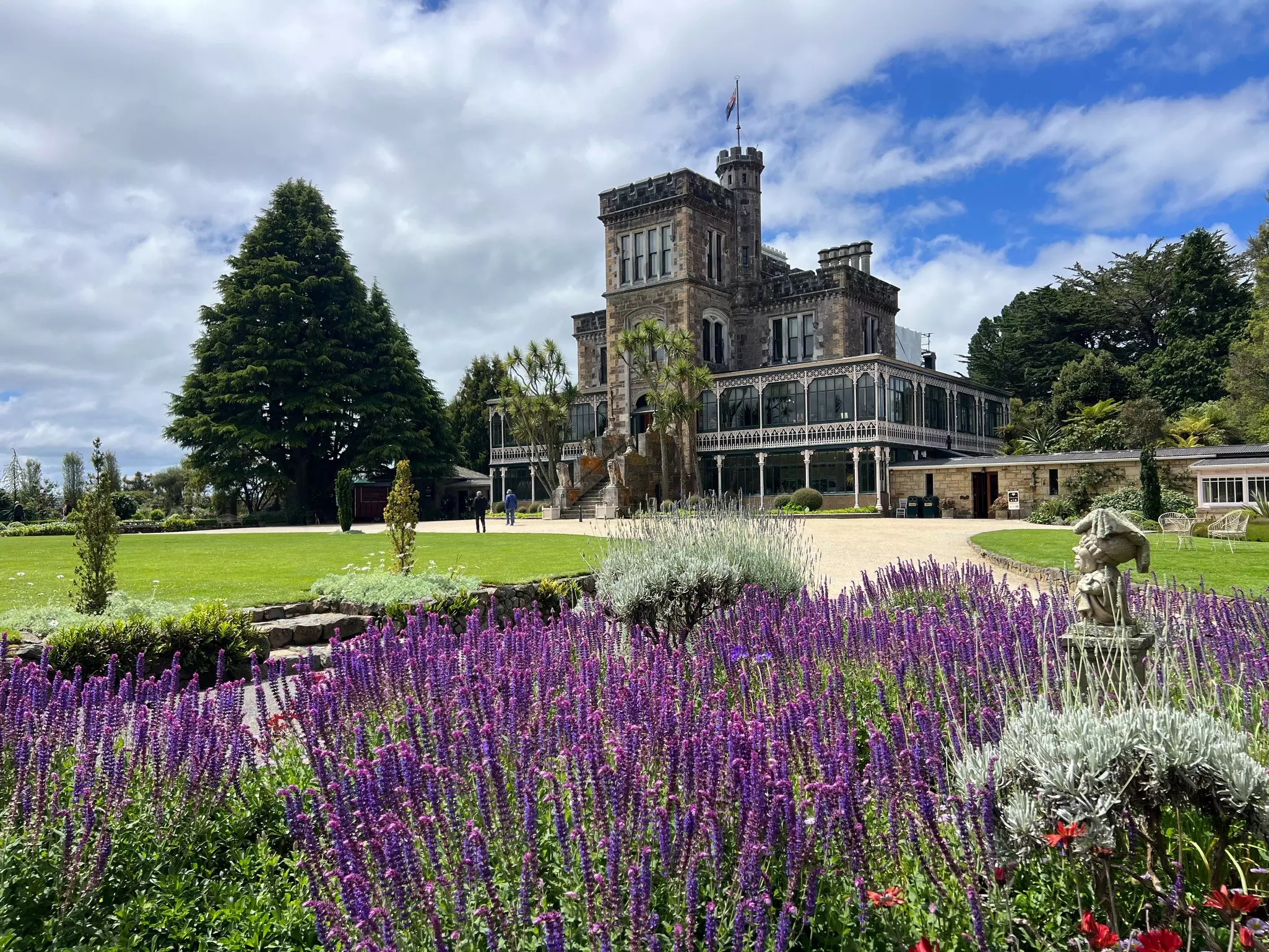
Make your way along the Otago Peninsula, a finger of rolling volcanic land that curves north parallel to Dunedin’s coastline. It’s a beautiful stretch of scenic farmland, but even here, oddities exist, including New Zealand’s only castle and some of the world’s rarest seabirds. Surrounded by carefully manicured gardens, Larnach Castle was built in 1871. Given its long and storied history, it’s little surprise to see “ghost catcher” wooden spindles on the ceiling. (Those keenly in tune with the afterlife might want to avoid Constance’s boudoir, reported to be the most-haunted room in the mansion.) Arrive in time for the 3pm high tea (book in advance) and join a guided tour to learn about the castle's history as an asylum, nuns' retreat and war hospital.
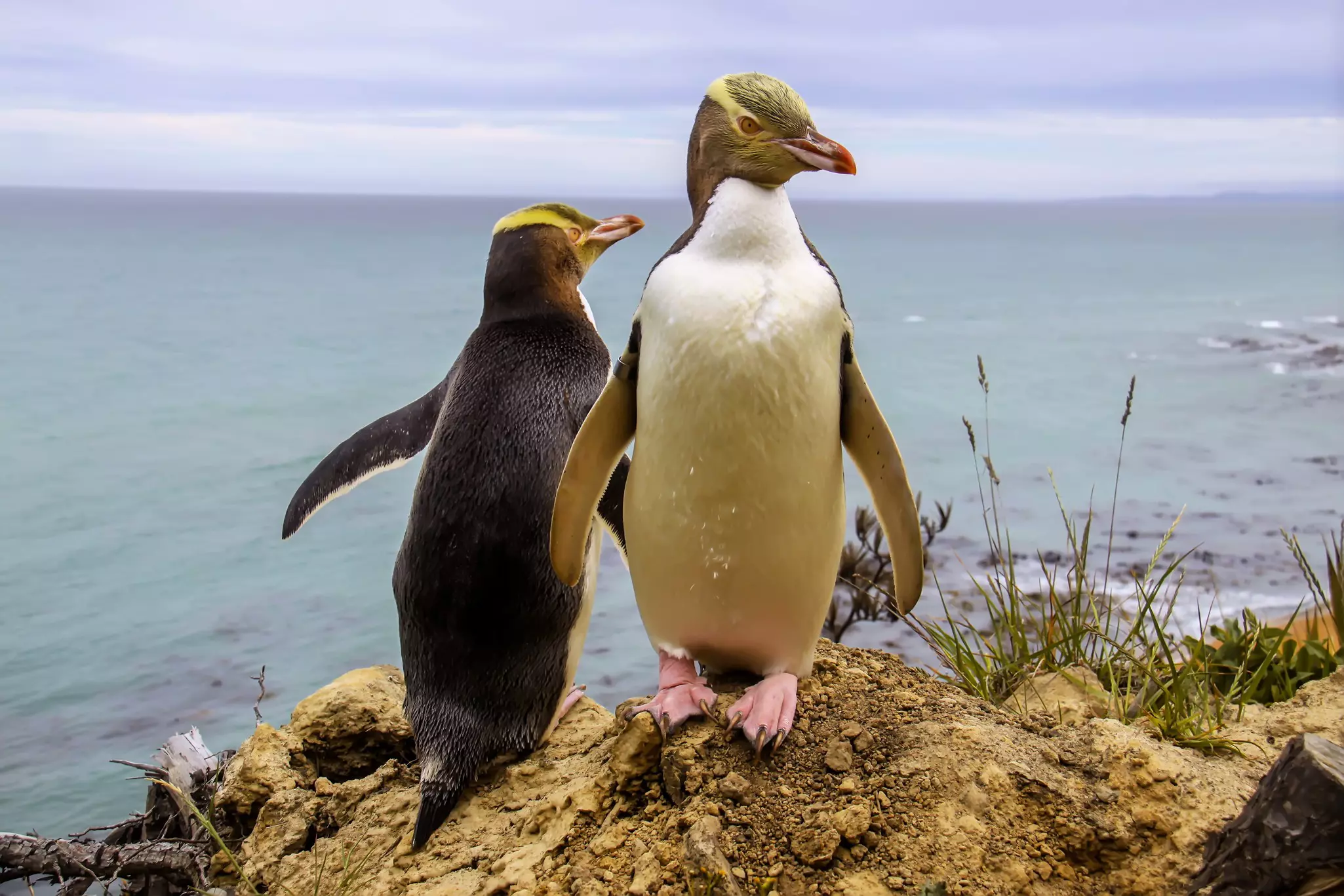
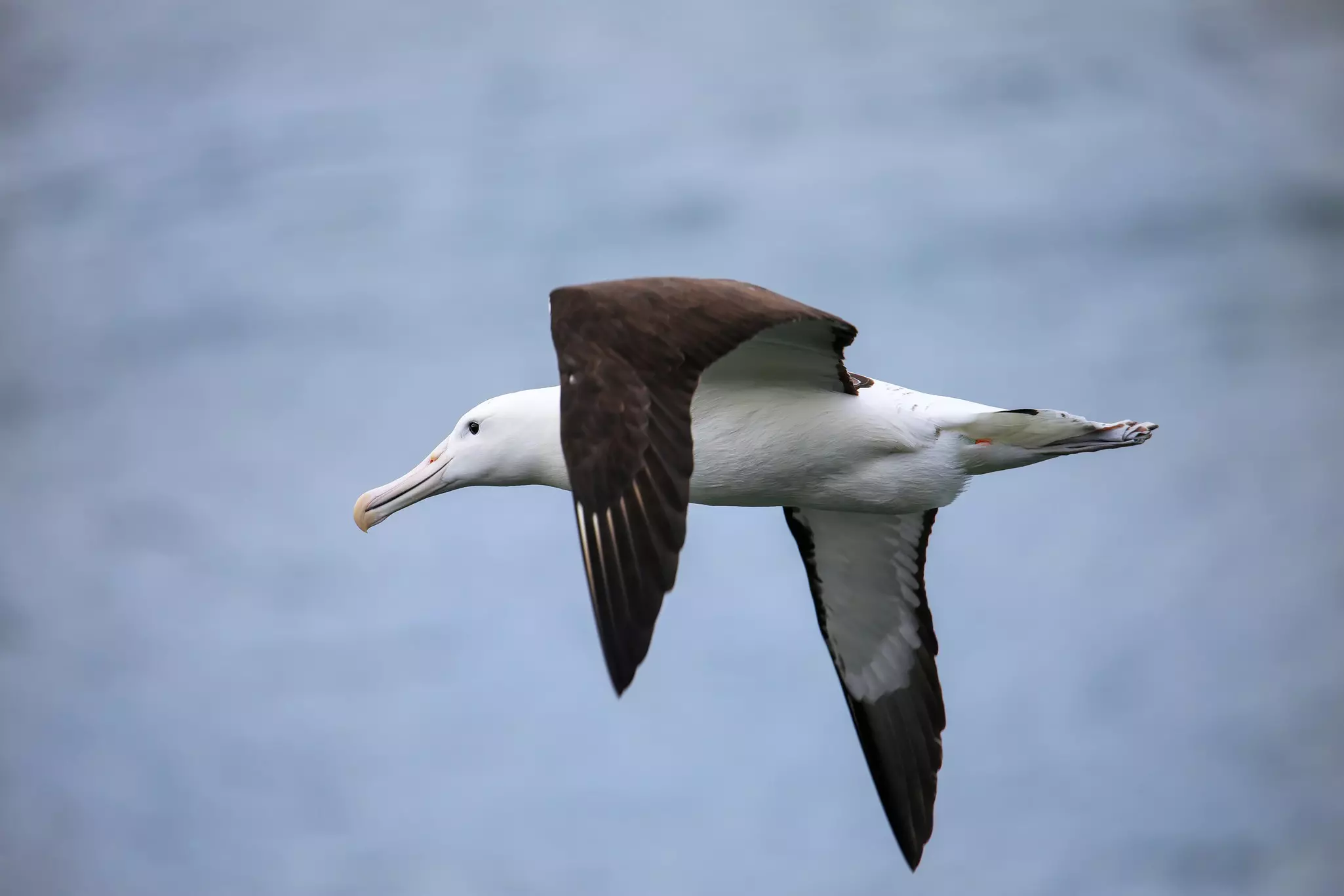
From Larnach Castle, it’s a 30-minute drive to the peninsula’s tip. Pukekura/Taiaroa Head is the only mainland nesting colony of toroa (northern royal albatross). They can be seen soaring through the air from the parking lot for free, but if you want to see their impressive wingspans and their chicks at closer proximity, take a tour at the Royal Albatross Centre. They’re not the peninsula’s only unusual inhabitants – the landform is also favored by little penguins and hoiho (yellow-eyed penguins), the latter thought to be the world’s rarest penguins. There’s a chance to view both, along with fur seals, on the OPERA's Twilight tour.
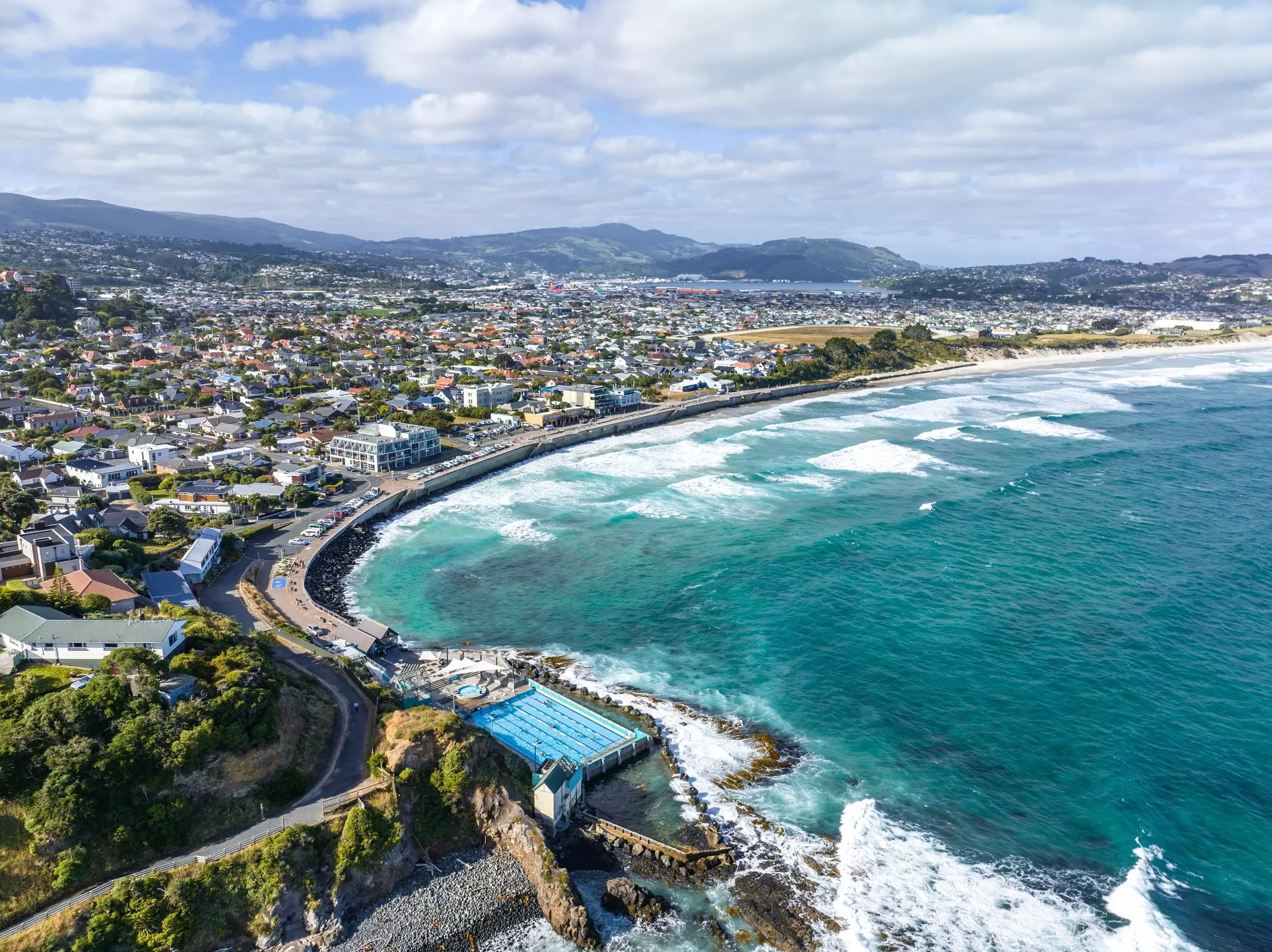
End your day in the beachside suburb of St Clair, where surfers catch waves after work. Watch them from the Esplanade, an oceanfront restaurant serving fresh pastas and pizzas. If you’ve got kids, don’t miss Marlow Park, a 5-minute walk away. One of the country’s most iconic (and arguably weirdest) playgrounds, it features giant dinosaurs that kids can swing from or slide down.
You can’t visit Otago without tasting a cheese roll, fondly referred to as “Southland sushi.” This regional delicacy involves a rolled-up slice of bread slathered with a mix of cheese, evaporated milk and onion soup mix. Bakehouse on Bond's version, called an “angry cheese roll,” involves sriracha and jalapeños. Grab one for the road.
Ōamaru is only a 90-minute drive north, so make time for a stop at Orokonui Sanctuary en route. A predator-free wildlife sanctuary, it’s home to vulnerable endemic birds you are unlikely to see elsewhere in the wild, including kākā, tokoeka (brown kiwi) and takahē.
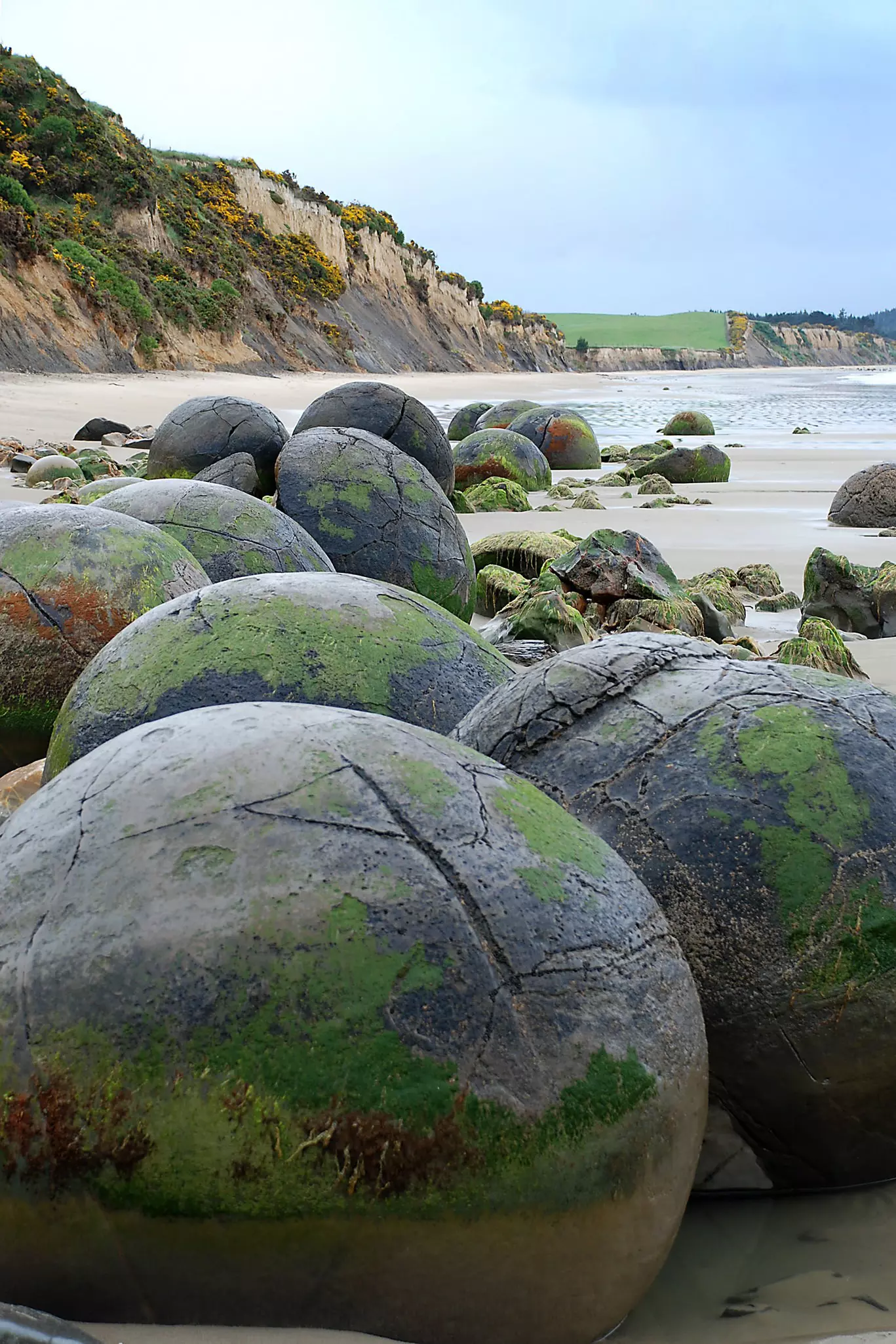
Midway between Dunedin and Ōamaru, you’ll find another oddity: the Moeraki Boulders. The perfectly spherical rocks – created by the erosion of sedimentary rocks some 65 to 13 million years ago – look like alien anomalies on an otherwise flat and sandy beach.
A cafe offers direct access to the Moeraki Boulders via its private trail for NZ$2, but if you want to save the cash and enjoy a lovely 10-minute beach walk, head straight down the hill towards the ocean, where you’ll find DOC signage and a parking lot. The Moeraki Boulders are just a small part of the wider Whitestone Waitaki Geopark, with dinosaur fossils and elephant-like rock formations scattered throughout the region.

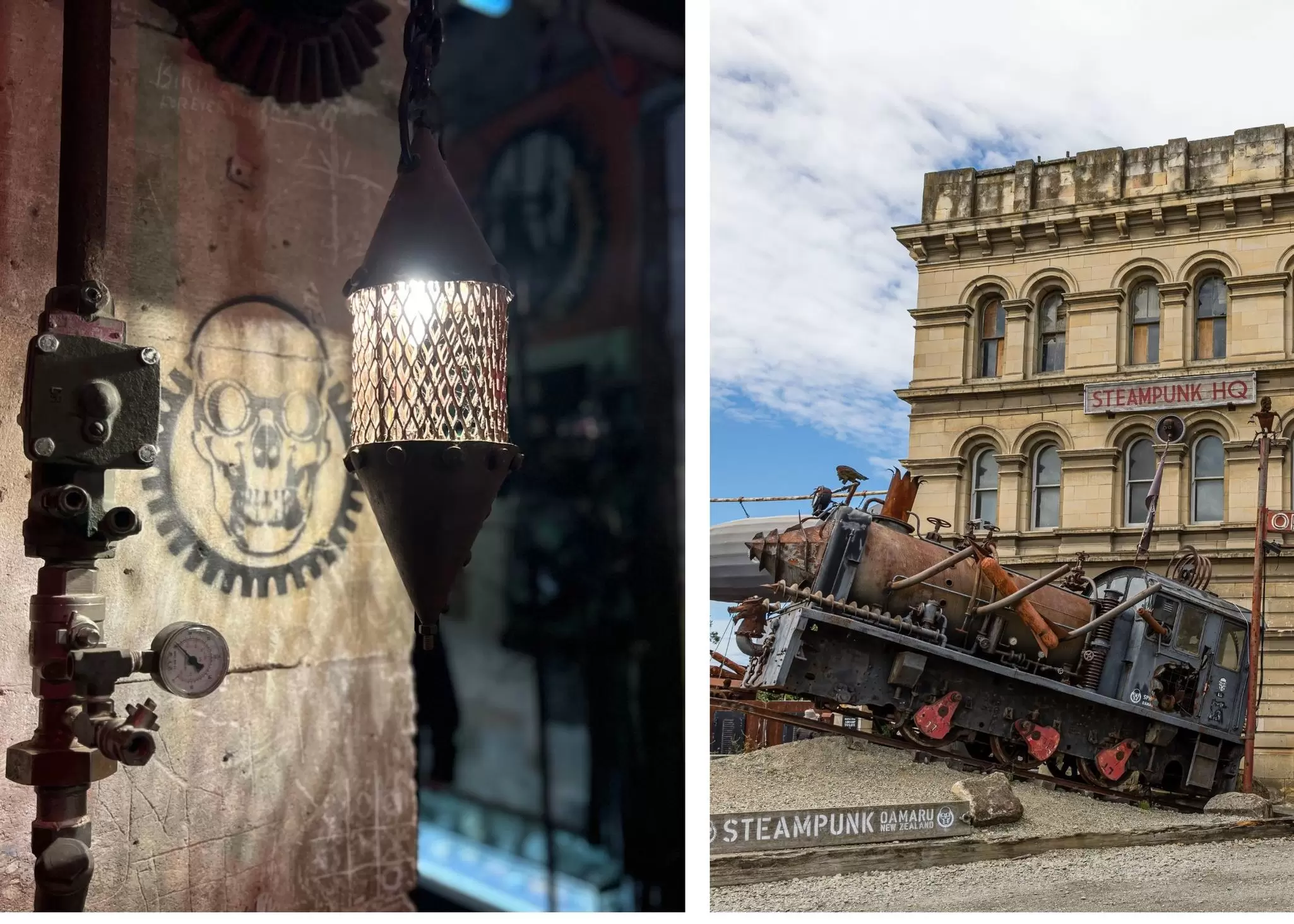
With its beautifully preserved whitestone buildings, Ōamaru’s historic Victorian precinct has always been worth visiting of its own accord. But things got a bit strange – in the best way possible – around 15 years ago, when local artists started building kinetic sculptures from farmyard scraps. Soon, a thriving steampunk scene was born. Today, Ōamaru is considered the steampunk capital of the world, with an annual festival and year-round museum dedicated to the science-fiction genre. There’s even a steampunk playground, complete with penny-farthing swings.
Spend your afternoon wandering through the precinct’s shops and art galleries before dedicating an hour to visiting Steampunk HQ, where you can watch time pass on a Doomsday Clock or climb inside a train car that doubles as a movie theater. Bring gold coins for the huge kinetic sculptures out front, including a zeppelin that billows steam.
Jessica Lockhart visited Dunedin and Ōamaru at the invitation of Enterprise Dunedin. Lonely Planet does not accept freebies for positive coverage.
Book your New Zealand trip with Lonely Planet Journeys
See New Zealand how it's meant to be seen
Accommodations, activities and ground transportation all taken care of, so you can focus on the fun part. Tell us what your dream trip to New Zealand looks like, and our local experts will build it from scratch. Or start with one of our itineraries and make it your own.

Explore related stories