Mar 24, 20269 min read
The Best Things to Do in and Around Nafplio, GreeceMar 24, 2026
9 MIN READ

Writer
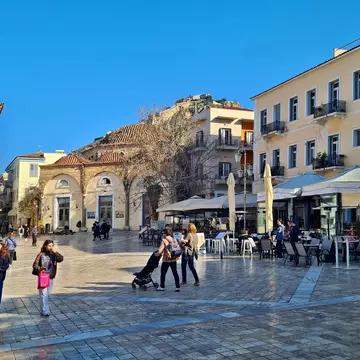
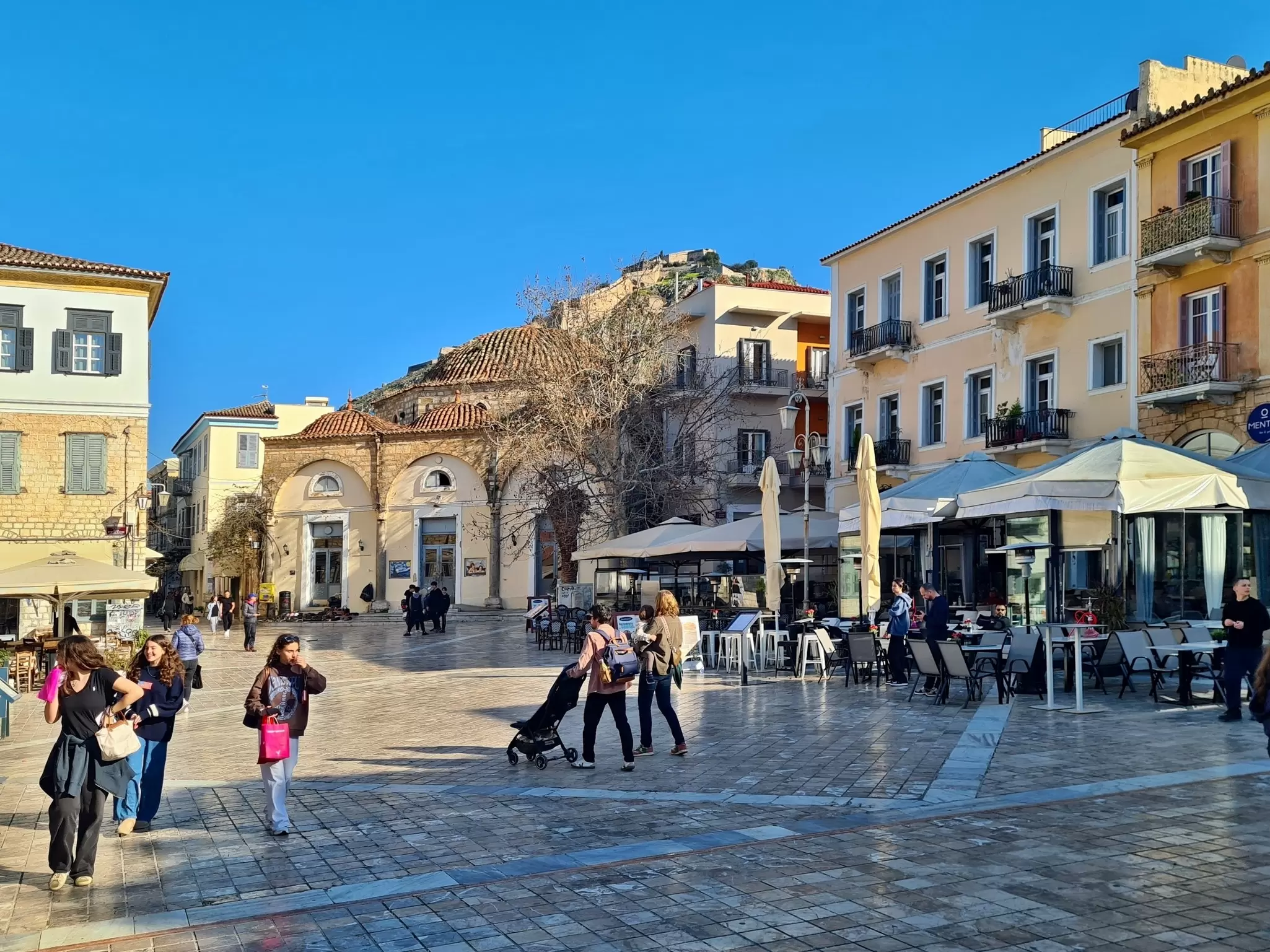
A square in Nafplio, Greece. Jaroslav Hruska/Shutterstock
Writer
Lonely Planet may earn a commission from affiliate links on our site. All recommendations and reviews reflect our own independent opinions.
One of Greece’s prettiest and most romantic towns, Nafplio delights admirers who revel in its knockout waterside location anchored beneath towering fortifications. A major port on the Argolic Gulf since the Bronze Age, the city had such strategic importance that not one, not two, but three fortresses protected it: the massive Palamidi, the smaller Akronafplia and, on an islet west of the old town, the diminutive Bourtzi. In the 19th century, it even briefly served as the initial capital of the modern state of Greece.
Today, enchanting narrow streets, elegant Venetian houses and neoclassical mansions, along with several excellent museums, make for a winning mix. Throw in decent restaurants, posh boutiques and comfortable hotels and it can be hard to leave Nafplio. And while all this loveliness and proximity to Athens mean things get busy on weekends and in high season, it’s the perfect base to access a plethora of nearby sights – including a major one.
Here are some of the top things to do in Nafplio, Greece.
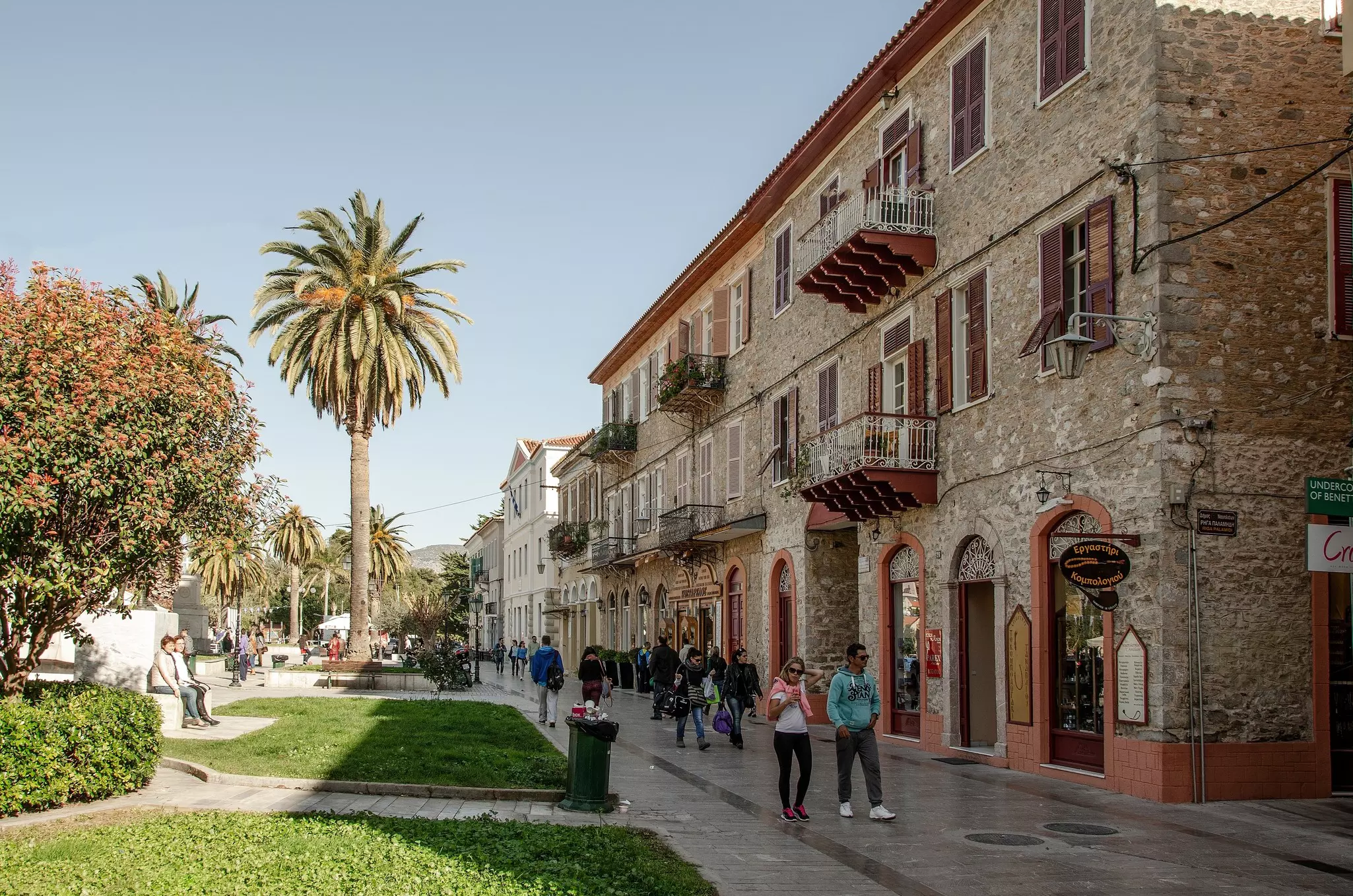
The perfect intro to a richly historic place, this 1-hour, 1.5km meander will take you through Nafplio’s most atmospheric streets and past its most splendid buildings. Start in the bustling Plateia Syntagma, where the line of cafes afford views of the Trianon, a former mosque; the handsome National Bank building (1932); and the Archaeological Museum, a former Venetian warehouse whose compact but outstanding collection includes a complete bronze armor from nearby Mycenae. Beyond here, small alleyways are lined with attractive, bougainvillea-covered Venetian mansions that now house shops, restaurants and hotels. Look around for the numerous Ottoman fountains, legacies of the periods of their occupation and a reflection of their sophisticated water projects.
Drop by the 15th-century Church of Panaghia (renowned for its Good Friday procession) until you reach the promenade, a former Venetian sea wall. In the channel is the 15th-century Bourtzi (“tower” in Turkish), an iconic Nafplio landmarks that served as a fort until 1865. Heading east around the waterfront, the grid of smart neoclassical buildings between Bouboulinas and Amalias Sts are a legacy of King Otto’s “modern” urban planning, implemented between 1861 and 1920. The Basil Papantoniou Foundation (formerly the Peloponnesian Folklore Foundation) displays an excellent range of Greek cultural items, from folk costumes to household items from Nafplio’s past.
Head next to Kapodistrias Sq, named after Ioannis Kapodistrias, the first governor of the modern Greek state, who was murdered outside the church of Aghios Spirydonas. Continue a block south to the Land Gate, identifiable by the lion carving. Dating from the first Venetian occupation, it once was the only entrance to the city by land.
Planning tip: Once in Nafplio, you do not need a car. The historic town is compact and much of it is pedestrian-only. Be aware, though, that the paved streets are dangerously slippery when wet, and that to explore up the hill or access some hotels, you’ll be climbing up original, uneven stone steps.
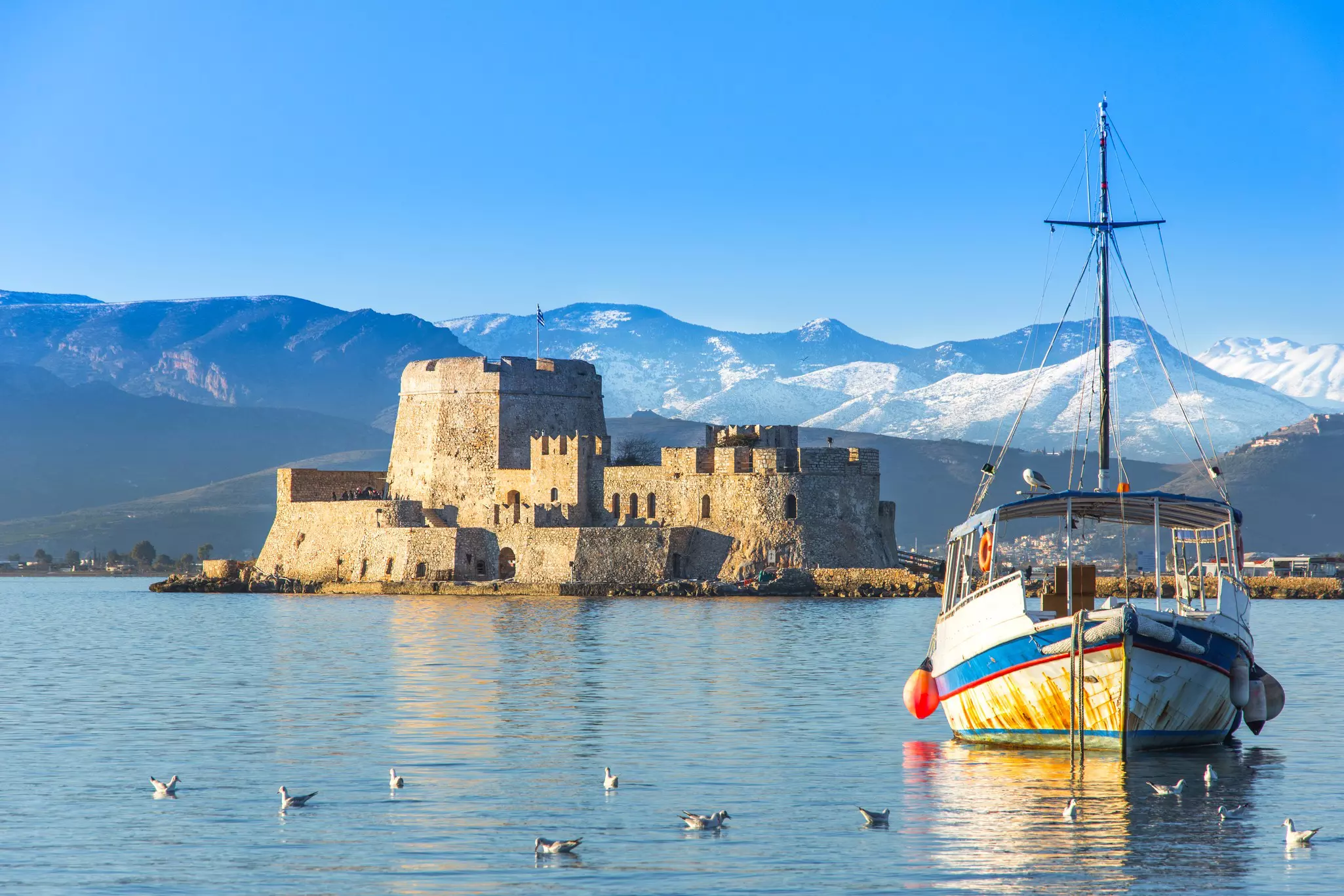
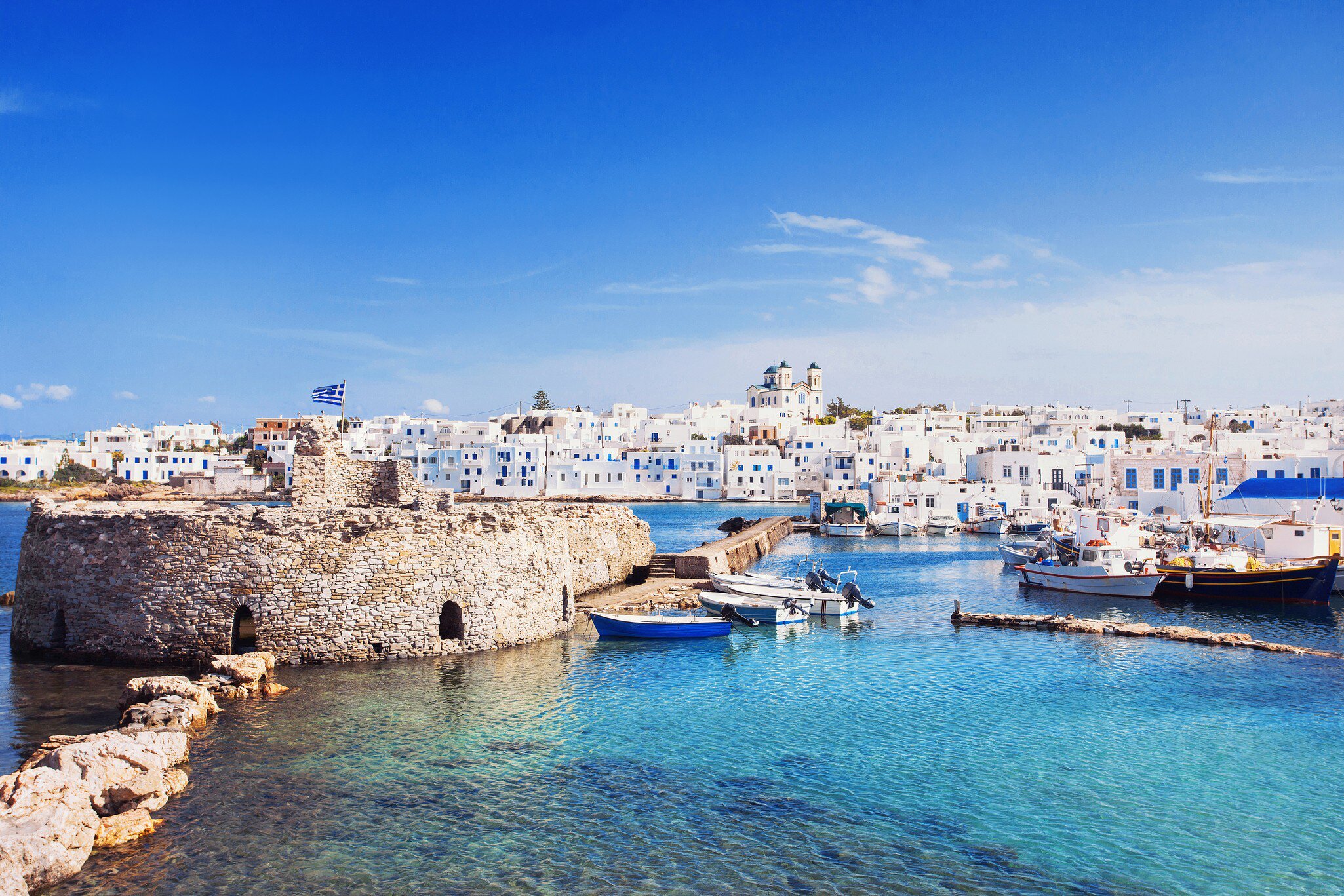
Boats run every 30 minutes on the 5-minute run between the waterfront and Bourtzi, the islet fortress about 500m from shore. A visit of a half-hour or so allows time to “recreate” the events of the fortress “of the rock”: constructed between 1471 and 1472 by the Venetians, it helped defend the city for 350 years under different conquerors. You pay an extra entrance fee to enter the fortress itself, a weirdly elongated construction with two rounded bastions at each end. Explanatory signs in English are situated in a series of underground chambers, the official exhibition space. Outside, the views back toward Nafplio are superb.
Local tip: After your fortress exploring, sit down to lunch at I Gonia Tou Kavalari, delightful spot with some of the best contemporary versions of Greek mezedhes around – everything from spetsofaï (sausage) to apaki (fried pork)
Visit Nafplio Bio-Farms to get close to the area’s food culture. Located 4km from Nafplio, this small organic farm produces oranges and olives and makes its own organic flour – and visitors can take tours to get behind the scenes. While no two visits are quite alike, you can count on accompanying the delightful owners Petros and Panagiota through their orange or olive grove, where they’ll chat about centuries-old farming techniques. The gatherings here are well organized yet delightfully informal, as though at a friend’s house.
Next, you’ll gather around the commercial kitchen and – depending on the ingredient of the season – help whip up a local speciality such as kolokithokeftedes (zucchini balls). You’re then invited to sit at their table to enjoy a “light” meal; other treats will magically, deliciously appear.
Planning tips: Prices start at €60; options include a 2-hour tour (minimum four people) or a 3-hour food tour (minimum six people). Children are welcome: the chickens love being fed.
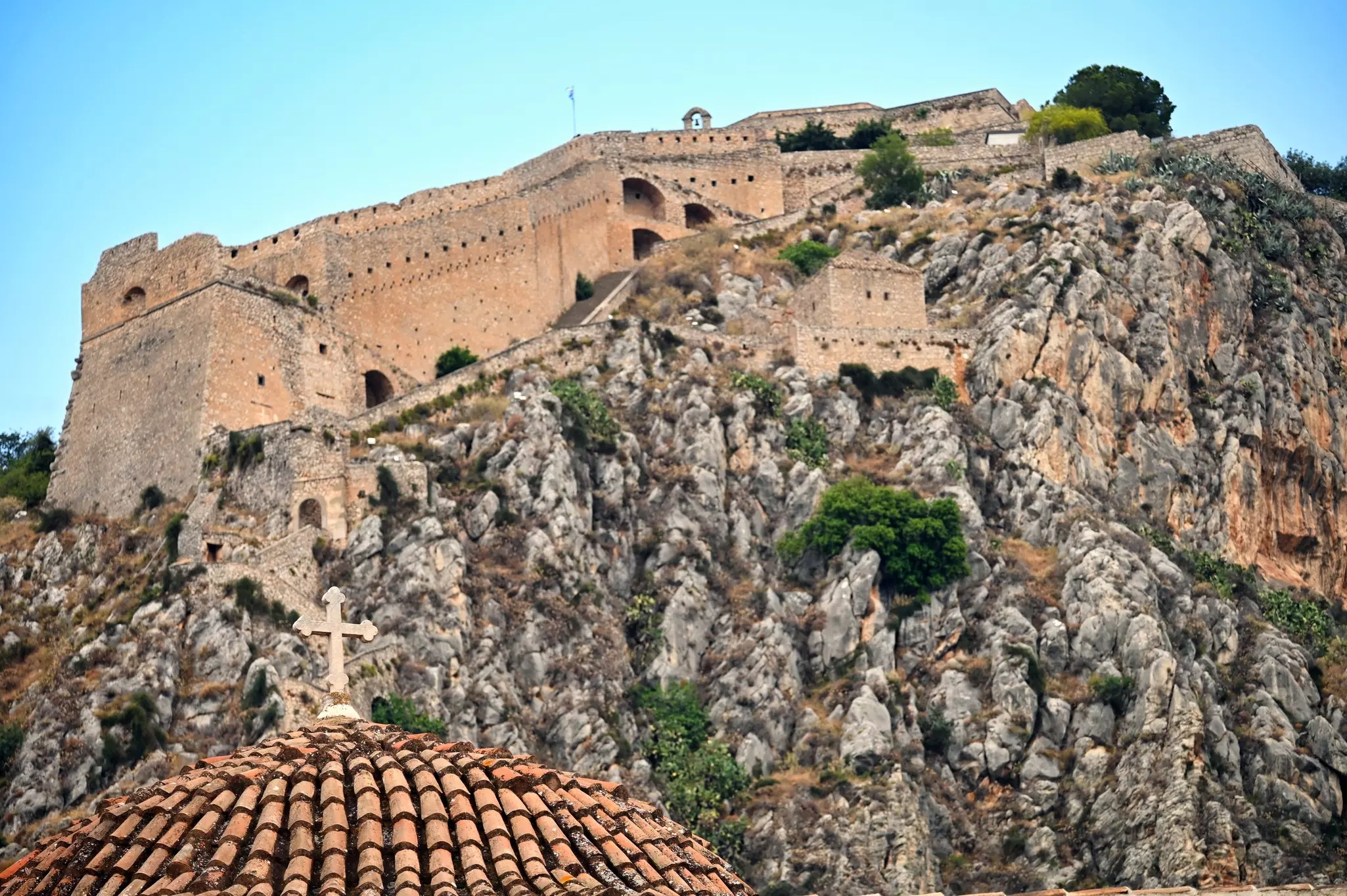
Nafplio’s major and imposing landmark, the citadel known as Palamidi stands on a 216m-high outcrop of rock. An hour or so within its walls will give you time to enjoy bird’s-eye views over the sea and landscape as well as wander the grounds. Built by the Venetians between 1711 and 1714, the fortress is regarded as a masterpiece of military architecture due to its eight independent and strategically located bastions. The most important, and best preserved, is the western Agios Andreas Bastion, the former home of the garrison commander; it stands at the top of the steps from town. To the northeast, the Miltiades Bastion is the largest of the lot, and was used as a prison for condemned criminals from 1840 to 1920.
Planning tip: There are two main approaches to the fortress: you can go by road via taxi, or tackle the steps that begin southeast of the bus station. (Count on 911 steps to the ticket office at the entrance to the castle.) Climb early or toward sunset – and take plenty of water.
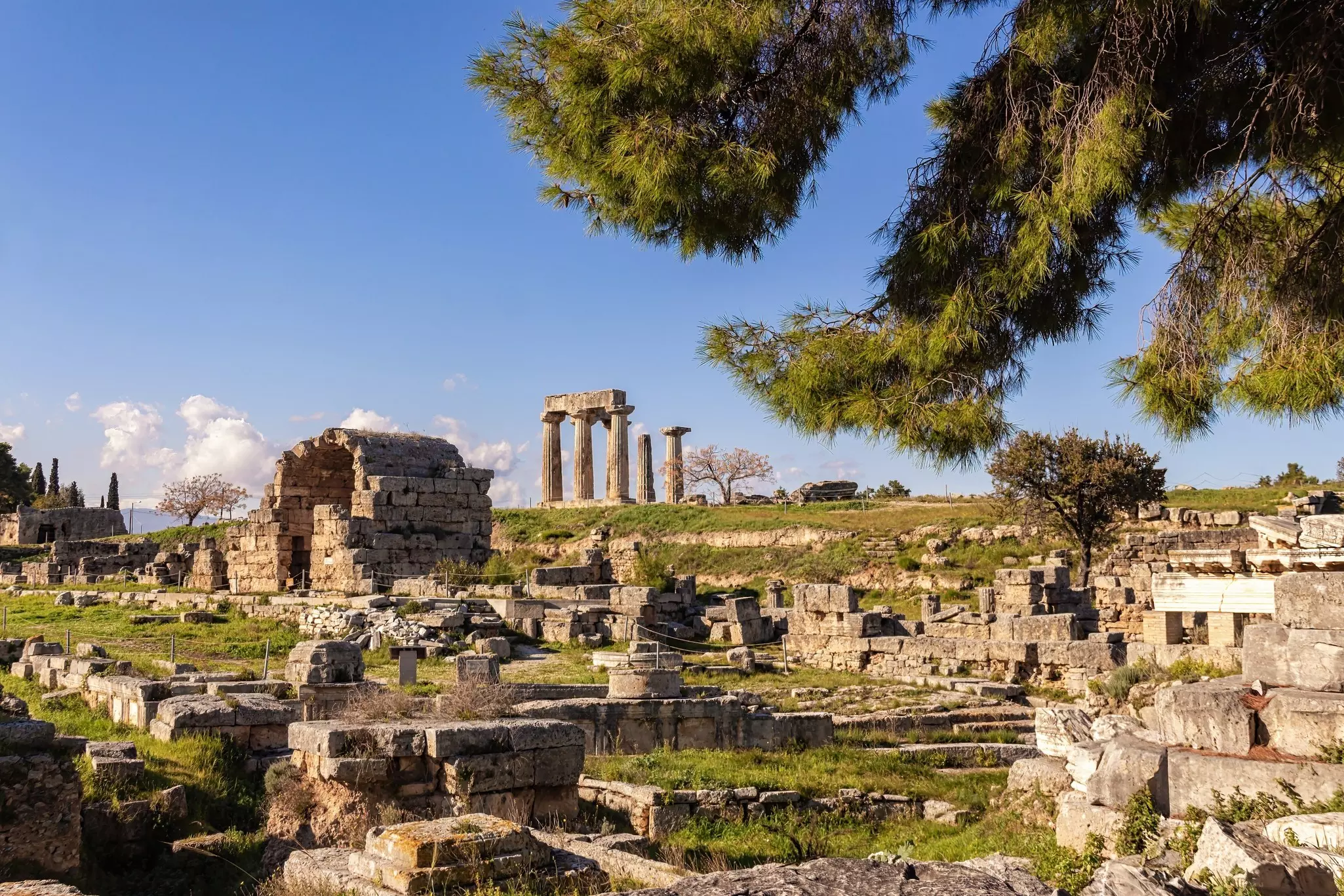
Within a tourist-focused village an hour’s drive from Nafplio loom the extensive yet compact ruins of this ancient (mostly Roman) city. Home to legendary Jason of the Argonauts, Ancient Corinth had streets once trodden by the likes of Roman traveler Pausanias and St Paul. After you’ve spent a couple of hours following in their footsteps, don’t miss the excellent on-site museum that contextualizes the setting. After your visit, head 4km uphill to the fortifications set on a limestone outcrop, Acrocorinth, from which the views are stupendous.
Local tip: In the museum, look out for a pair of kouroi statues – nude male youths symbolizing youth, strength and beauty – with a fascinating backstory. In an extraordinary heist, two antiquity smugglers somehow snaffled them. When the “archaeologists” were captured in 2010, they identified where they’d found the sculptures; a subsequent (official) excavation revealed a large cemetery. It’s presumed the kouroi were important pieces within the plot as their sarcophagi contained the bones of two young men.
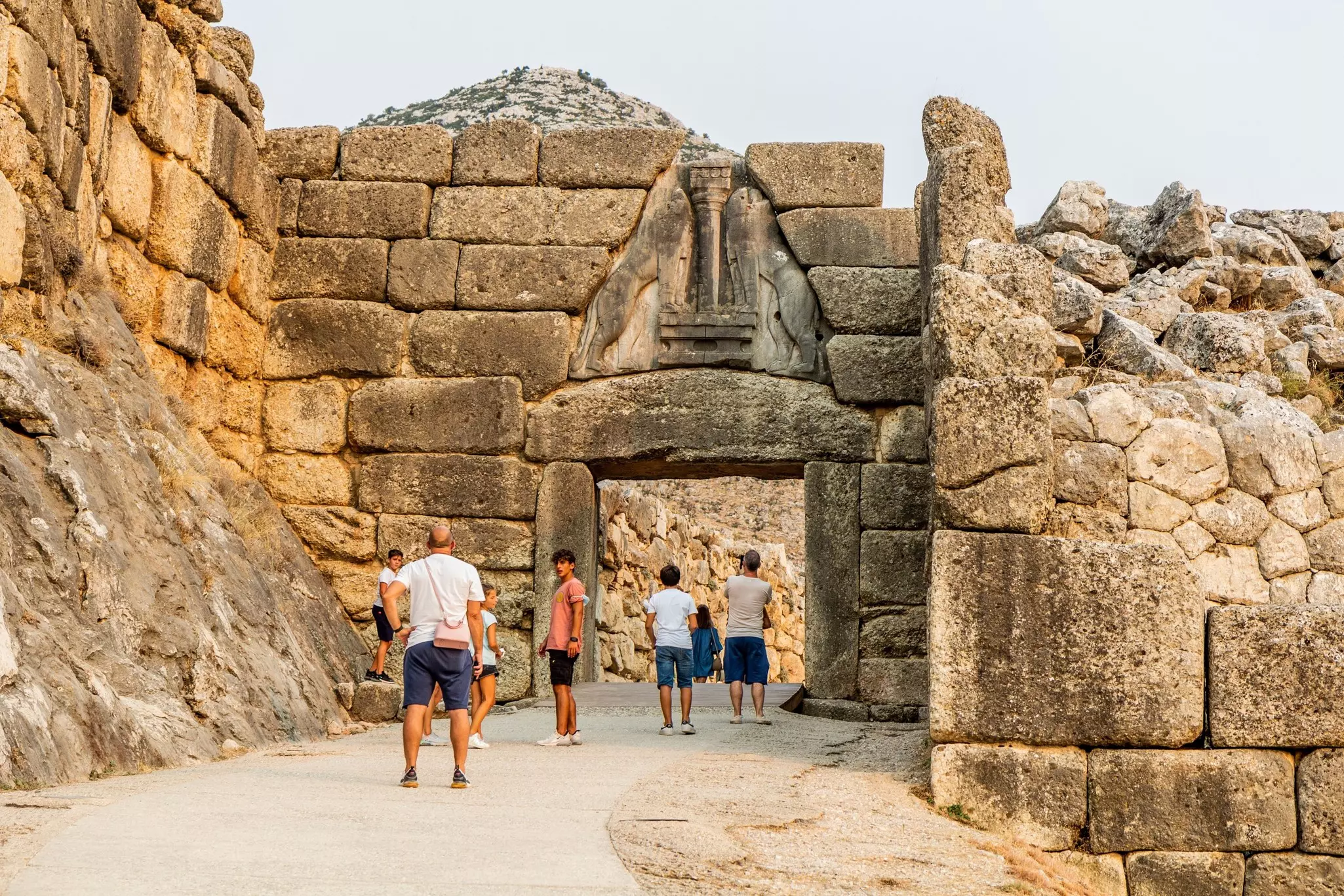
Located 24km northwest of Nafplio, the region’s must-see historical attraction is Ancient Mycenae, home of the legendary King Agamemnon, ruler of the Greeks during the Trojan War. For four centuries in the second millennium BCE, this was the most powerful kingdom in Greece. Today one of the country’s most impressive ancient sites, it provides context to understanding Mycenaean influence over wider Ancient Greece.
Enter the Citadel of Mycenae through the dramatic Lion Gate, solidly constructed of massive stone blocks, over which rear two large lionesses. This motif is believed to have been the insignia of the Royal House of Atreus – whose members' lives were vividly chronicled by Homer and the Ancient Greek dramatists. Inside the citadel and on the right, Grave Circle A is the royal cemetery that contained six grave shafts (and the famous and magnificent gold treasures excavated in the 1870s).
Follow the main path to counter Agamemnon’s Palace, centered on the Great Court. The rooms to the north were the private royal apartments; one of them is believed to be Agamemnon’s death chamber, where he was murdered. On the southeastern side of the palace is the megaron (reception hall) and beyond this the artisans’ quarters. On the northern boundary of the citadel is the North Gate: it’s said Orestes escaped through it after murdering his mother, Clytaemnestra.
In the far northeastern corner of the citadel is the secret cistern; you can descend as far as the entry. Until the late 15th century BCE the Mycenaeans put their royal dead into shaft graves. The Mycenaeans then devised a new form of burial – the tholos tomb, shaped like a beehive – as seen at Grave Circle B and the nearby tholos tombs of Aegisthus and Clytaemnestra. Finally, within walking distance of the main site but before the main entrance and parking lot, don’t miss the Treasury of Atreus (called the “Tomb of Agamemnon”), a well-preserved vaulted stone tomb.
Planning tips: Trust the official website of the Ministry of Culture (not general websites) for opening hours, which change annually and seasonally. In summer, get here early or after 5pm to avoid the crowds and heat. Either before or after you’ve wandered around the site, don’t miss the on-site museum, which provides excellent context.
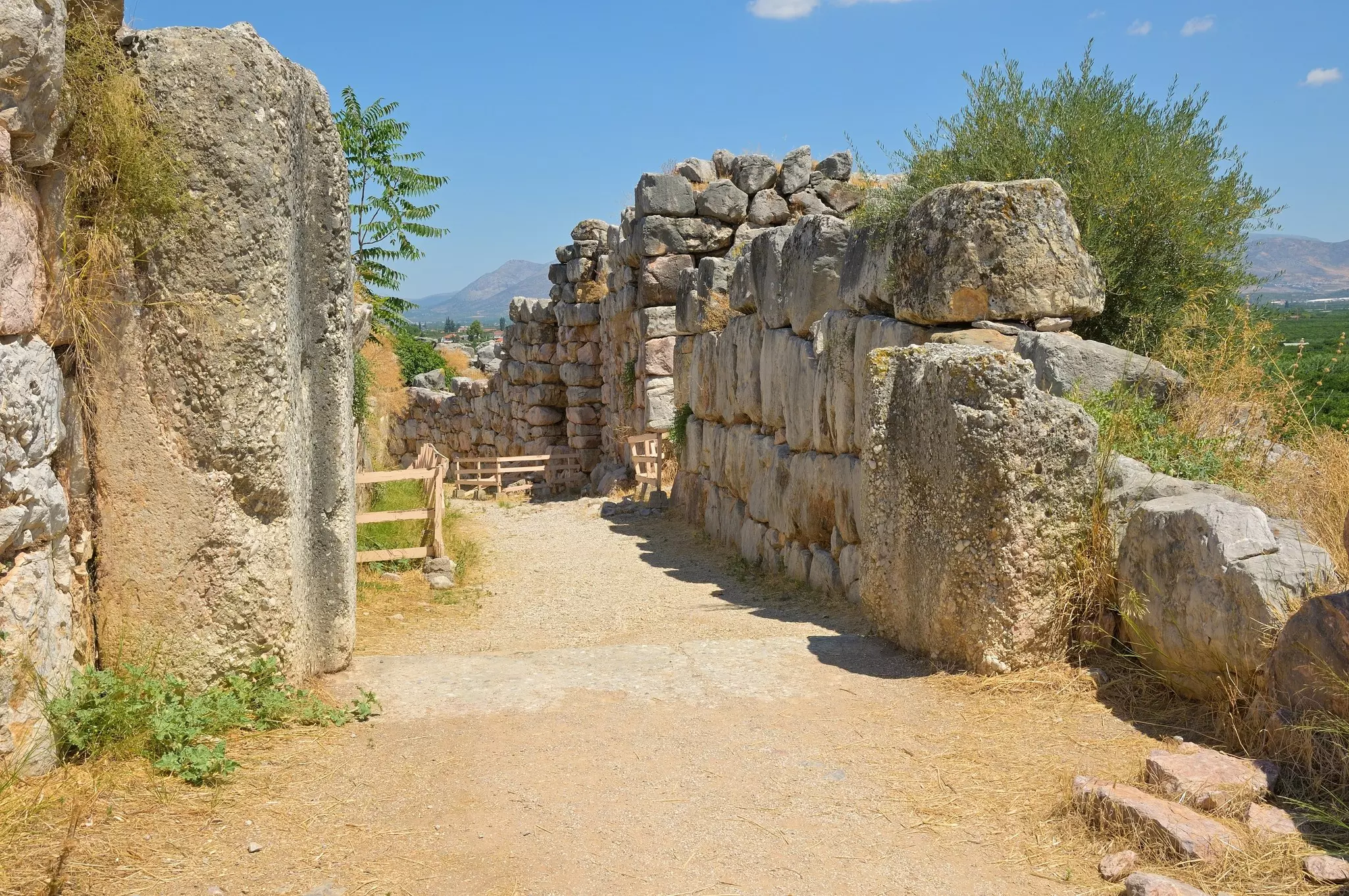
The unfairly underrated Mycenaean acropolis, 4km north of Nafplio, is the apogee of Mycenaean architectural achievement. (Legend has it that its massive walls, 7m thick in parts, were built by a Cyclops.) The site was occupied from the third millennium onward, its fortifications built in the 14th and 13th centuries BCE. This World Heritage Site was, in its heyday, second only to Mycenae in terms of regional importance.
The layout of some of the ruins is easy to make out and there are few crowds, though the site is light on for signs or descriptions. You can stroll around the immense stonework and explore the Upper and Lower Citadels. Look out for the vaulted passageways, secret stairway and impressive gallery (though ongoing restoration means that parts of the ruins may be off limits).
Planning tip: Any Nafplio–Argos bus can drop you here. A return taxi from Nafplio with waiting time is 30 euros.
This article was adapted from Lonely Planet’s Greece guidebook, published in January 2025.
Book your Greece trip with Lonely Planet Journeys
See Greece how it's meant to be seen
Accommodations, activities and ground transportation all taken care of, so you can focus on the fun part. Tell us what your dream trip to Greece looks like, and our local experts will build it from scratch. Or start with one of our itineraries and make it your own.
Explore related stories