Aug 7, 202618 min read
13 of the best places to visit in India in 2026May 17, 2021
4 MIN READ

Writer
Marko Petric/Lonely Planet

Writer
Lonely Planet may earn a commission from affiliate links on our site. All recommendations and reviews reflect our own independent opinions.
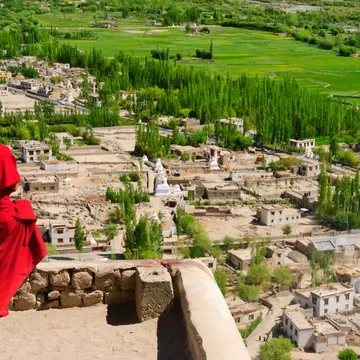
Ladakh, the land of the high passes, features on almost every Indian traveler’s bucket list. Located high up in the Himalayas and known for its pristine landscapes, Tibetan Buddhist culture, ancient monasteries, and adventure travel activities, it has much to offer. But contrary to the usual tourist trails, here are three offbeat ways to experience Ladakh. Writer and traveler Ila Reddy tells us how.
You may not have heard of SECMOL, the Students’ Educational and Cultural Movement of Ladakh, but you’re sure to remember Aamir Khan’s character, Rancho, from the movie 3 Idiots. The character is inspired by Sonam Wangchuk, an educator, Magsaysay awardee, and founding member of SECMOL, an alternate education school in Phey village of Leh district in Ladakh. Surrounded by picturesque mountains, this eco-friendly residential school is every child’s dream. Learning isn’t limited to textbooks here, and the entire campus is run by the students, right from administration to generating electricity and cooking.
Since it is recommended that travellers landing directly in Leh take a few days to acclimatize before they travel higher up, volunteering at SECMOL is a wonderful way to get used to the high altitude while learning more about Ladakhi culture through the students who hail from different parts of the region. Volunteering at SECMOL entails teaching the students a subject or a skill — this could be English, mathematics, science, or even playing an instrument. Get in touch with them before you travel to match your skill set with their current needs. Traditional homes in Ladakh use dry compost toilets due to paucity of water, and spending a few days in the SECMOL campus also familiarizes travellers with this practice. The school grows its own food and recycles all forms of waste, and the campus itself is a delight to explore.
The nearby village of Phey, an ice stupa created by the alumni of SECMOL to conserve water, and local Buddhist monasteries are some other places to visit while staying at SECMOL. In winter, the school’s hockey field turns into an ice-hockey rink, and many players from the Indian Ice-Hockey team hail from SECMOL.
It is one thing to go rafting in Rishikesh and quite another to experience it in Ladakh at 11,000 feet. But what’s an adventure without the adrenaline rush? The Zanskar river boasts of grade 4 rapids and attracts white-water rafting enthusiasts from around the world. The 28 km stretch starts from Chilling and ends at Nimmoo, takes roughly three hours, and is not to be missed by adventure seekers. Even if you have never rafted before, it is every bit worth the experience, and the experienced guides from certified rafting companies go through the basic techniques before getting into the water.
There is nothing more thrilling and fun than wobbling from side and side in the raft, trying to ride the rapids, and sometimes being overthrown by the icy water — all while surrounded by mighty mountains, offering a unique perspective of the Ladakhi highlands.
We often associated Ladakh with endless expanses of barren land and not a soul in sight. While this is true for many parts of Ladakh, the region is dotted with nomadic villages and remote settlements that offer human interactions worth cherishing for life. Gya, one of the earliest settlements of Ladakh, is one such village located just off the Leh-Manali highway. Needless to stay, living high up in the mountains is no easy feat, and spending time with the locals in their homes is a humbling experience that gives city-folks a glimpse into the Ladakhi way of life. Bonus points if your host is a farmer, as then you also get to try your hand at farming and devour tasty, farm-to-table food. But even if not, you are guaranteed endless cups of butter tea and hot momos.
The nomadic villages near Tso Moriri offer the opportunity to meet nomadic tribes and shepherds who spend months at a stretch in the highlands with their sheep. They move from glacier to glacier in search of greener pastures when the temperature drops below -30 degrees celsius. Sometimes entire families travel together from place to place. They pitch a tent and create a temporary life: one that is full of challenges, but also holds the simple joys of living in sync with nature. They make a living through the sale of cashmere wool — a meager amount, but its their primary source of livelihood, passed down from generation to generation.
There aren't many female shepherds who tend to their sheep and move from place to place by themselves, but there are a few, and if you get a chance to meet them, they are sure to leave you inspired. They have countless stories to narrate, from encounters with snow leopards to tales of their solo adventures in tough conditions.
Such interactions expand the meaning and purpose of travel, presenting an opportunity to learn more about a world, a life, different from our own.
Ila is a traveler, writer, and photographer, and combines these three interests to tell compelling stories. You can read about her travels on her blog and follow her on Instagram .
Book your India trip with Lonely Planet Journeys
See India how it's meant to be seen
Planned by local experts and tailored to you, Lonely Planet Journeys handles the logistics so you can just enjoy the trip. Tell us what you want and we'll build your India itinerary from scratch, or browse our bookable trips to get inspired.

Explore related stories