Sep 28, 20269 min read
13 Hotels in Asia That We Can't Stop RecommendingMay 1, 2026
8 MIN READ

Writer
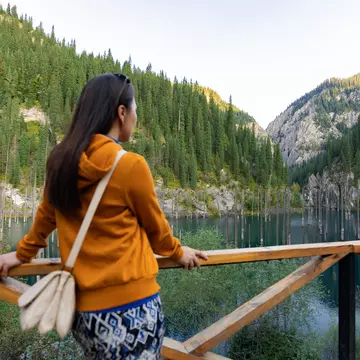
Lake Kaindy in Kazakhstan. Sembi Production for Lonely Planet

Writer
Highlights
Writer James Wong maps nine Asian summer picks across June, July and August.
June: head to Busan for K-culture, Danang's beaches or Singapore's hawker centers.
July suits walkers in Shimla's hill station, Bali's scenic Ubud and Almaty's mountains.
In August, spot pandas in Chengdu, catch Sendai's Tanabata Festival or go off-grid in Mongolia.
Lonely Planet may earn a commission from affiliate links on our site. All recommendations and reviews reflect our own independent opinions.
On the world’s largest continent, summers vary vastly. On one end of Asia, exploring sun-kissed isles in flip-flops is a delicate breeze; on the other, high humidity and torrential rains keep everyone strictly in the confines of air-conditioned malls.
Venturing north may appear to be the best option, however, the region isn’t immune to uncomfortable conditions. In Tokyo, for example, August's heat and humidity are exacerbated by the densely built and populated city. Conversely, microclimates in Southeast Asia mean that select islands can be a tropical haven, particularly in Indonesia’s archipelago, where summer is a sweet spot for blue, sunny skies.
Of course, optimum weather in the peak of high season equates to soaring demand, and you’ll need to plan ahead. To help, we’ve rounded up the best places in Asia to visit during June, July and August.
Best for K-culture
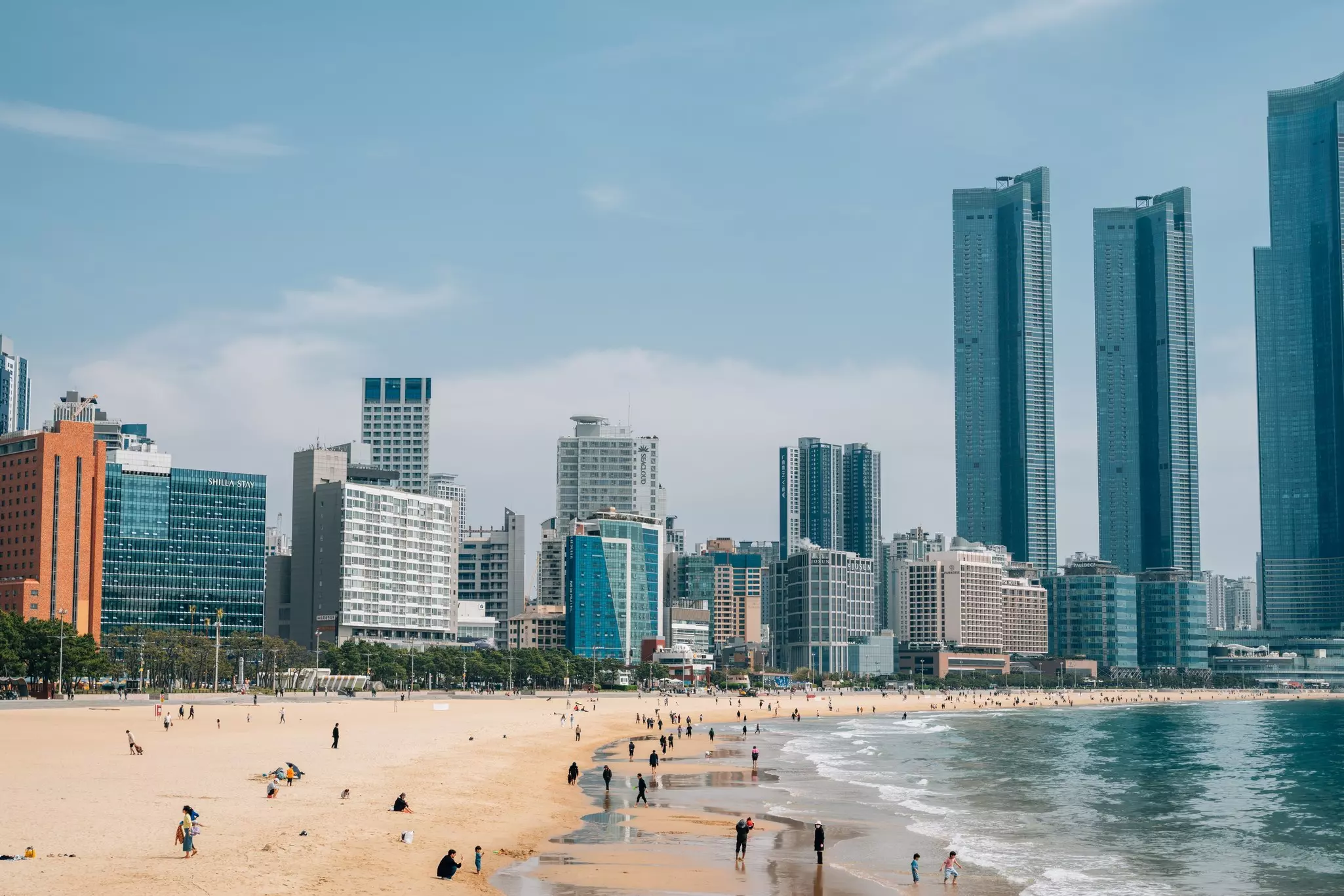
Seoul may be ground zero for Korean entertainment, but visitors can still get a slice of the action in Busan. The country's second-largest city brims with K-drama shooting locations, K-Pop dance troupes and K-beauty stores, just like its northern counterpart, but it’s far less crowded, and the prices are kinder on the wallet. June falls off full-bloom cherry blossom season, and summer hasn’t quite reached its full momentum yet. Even if temps spike, a slew of beaches like Haeundae offer respite. Otherwise, expect to enjoy the rainbow wonders of Gamcheon Culture Village and the fresh catch at Jagalchi Fish Market in comfy 72°F (22°C) conditions.
Best for beach hopping
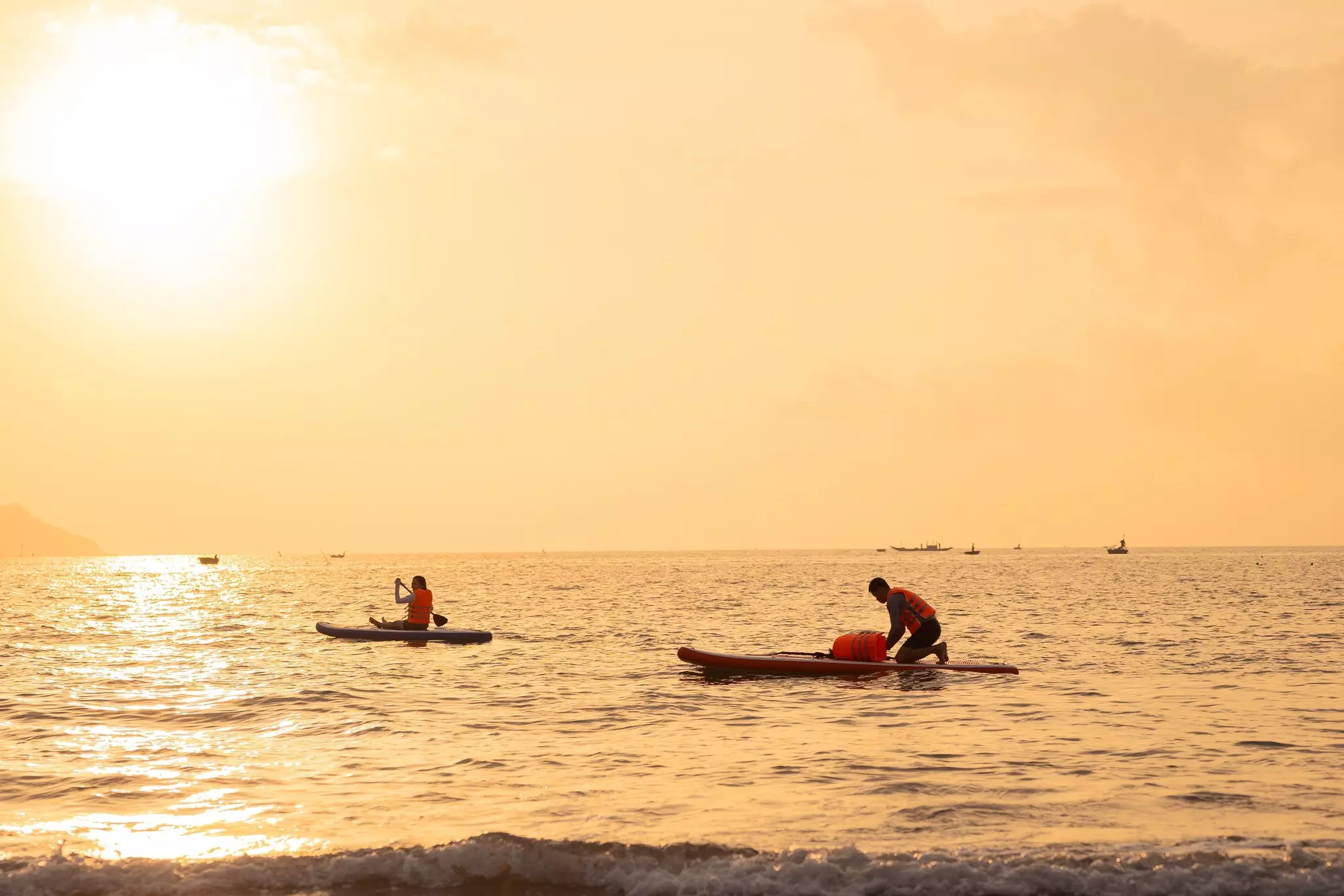
Vietnam experiences heavy downpours throughout the summer, but thankfully, that’s not the case along the northern coastline. Danang is an outdoor lover's paradise, whether you choose to frolic on idyllic beaches like My Khe and Non Nuoc or explore the unique architecture at sites like Dragon Bridge. The coastal city has a rich Cham history, which is examined in the Museum of Cham Sculpture. Modern amenities at appealing prices make Danang one of the most livable Southeast Asian spots, so expect your Vietnamese dong to stretch far, even in peak season. Danang is also within an hour’s drive of the UNESCO site Hoi An.
Planning tip: Summers in Vietnam call for copious helpings of che, a traditional sweet beverage, dessert soup or pudding that’s served cold and usually with ice for a refreshing finish. Vietnamese iced coffee is another firm favorite.
Best for diverse food
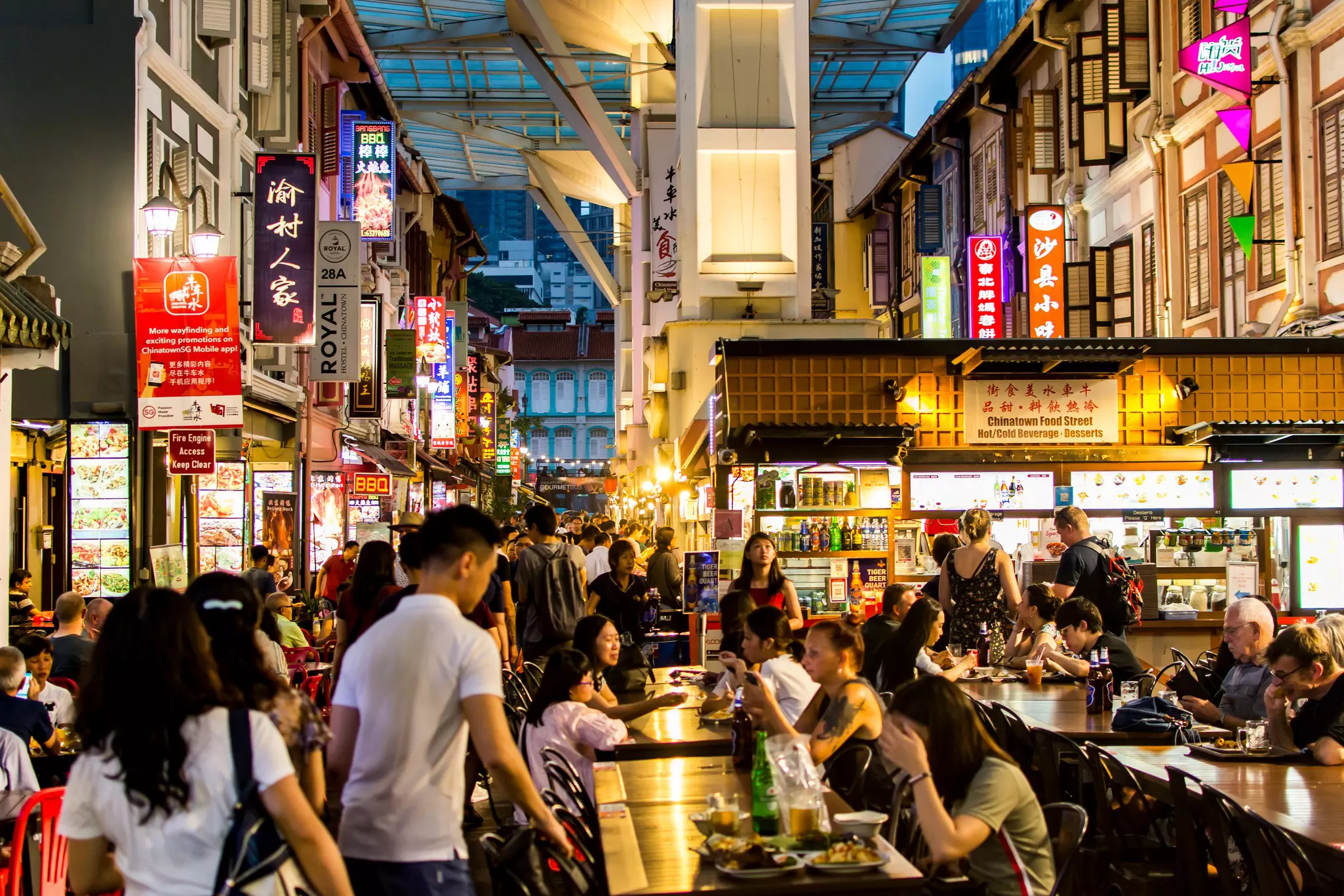
Though Singapore’s tropical climate is constant year-round, June is a good time to visit due to the lower (by Singaporean standards) humidity. Summer rain is much less frequent than the rest of the year. The island nation is home to four key ethnic groups: Malay, Chinese, Indian and Indonesian. You can sample local specialties (and more) quite affordably at hawker centers, open-air community dining halls; Newton Hawker Center is one of the most recognizable. Hawkers aside, expenses in Singapore will appear steep in comparison to its neighbors. Double your daily budget, and explore the city's highlights such as the futuristic Gardens by the Bay and the upscale Orchard Road.

Lonely planet’s trusted travel insurance provider
Travel with confidence. Protect your trip and your wallet.
We don’t represent World Nomads, we receive a fee from quotes using this link. This is not a recommendation to buy travel insurance.
Planning tip: It may be up to 88°F (31°C) outside, but shopping malls and even taxis blast the AC. Bring a light sweater for your dip in and out of a cold blast.
Best for walking
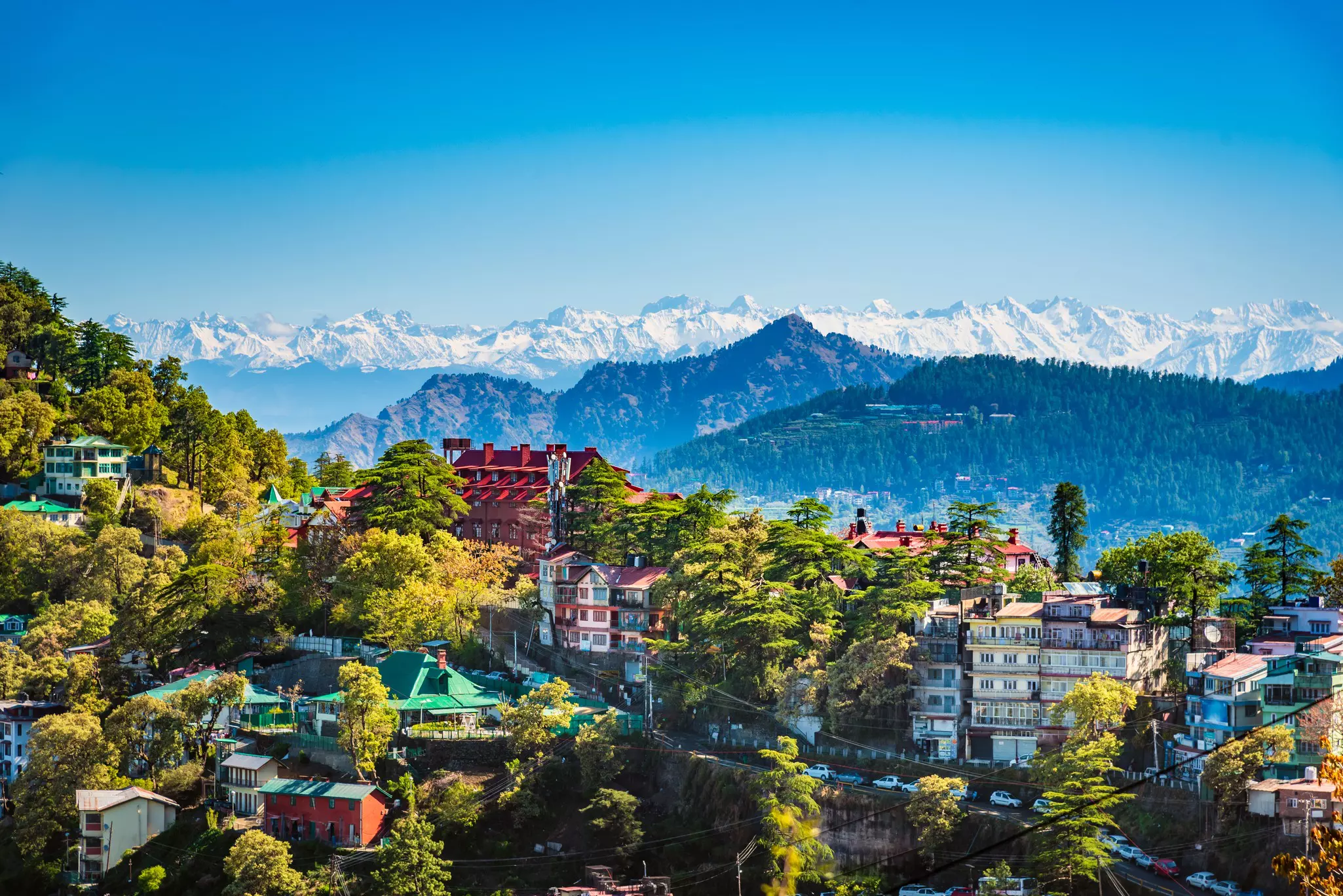
India may not spring to mind when it comes to cooling off, but the local secret is Shimla. The city in the northernmost state of Himachal Pradesh was once the retreat of the 19th-century British colonial government. In an attempt to escape harsh summers, they went to the foothills of the Himalayas, turning Shimla into a British hill station packed with amenities. Now, Indians come to comfortably enjoy Tudorbethan and neo-Gothic architecture in 81–88°F (27–31°C) heat. Walking’s a breeze, thanks to pedestrian-only zones. Don’t miss the Harry Potter-esque Viceregal Lodge and the Rothney Castle, and watch out for snack-pinching rhesus monkeys.
Planning tip: Lengthy photo shoots are a big part of Indian culture for vacationers, so expect to dodge selfie sticks and tripods during your trip. Some residents are not used to international visitors, and it’s common for tourists to receive meet-and-greet requests at a volume that's akin to that of a rock star. If you’re okay with this, keep an eye on time as a line may form.
Best for scenery
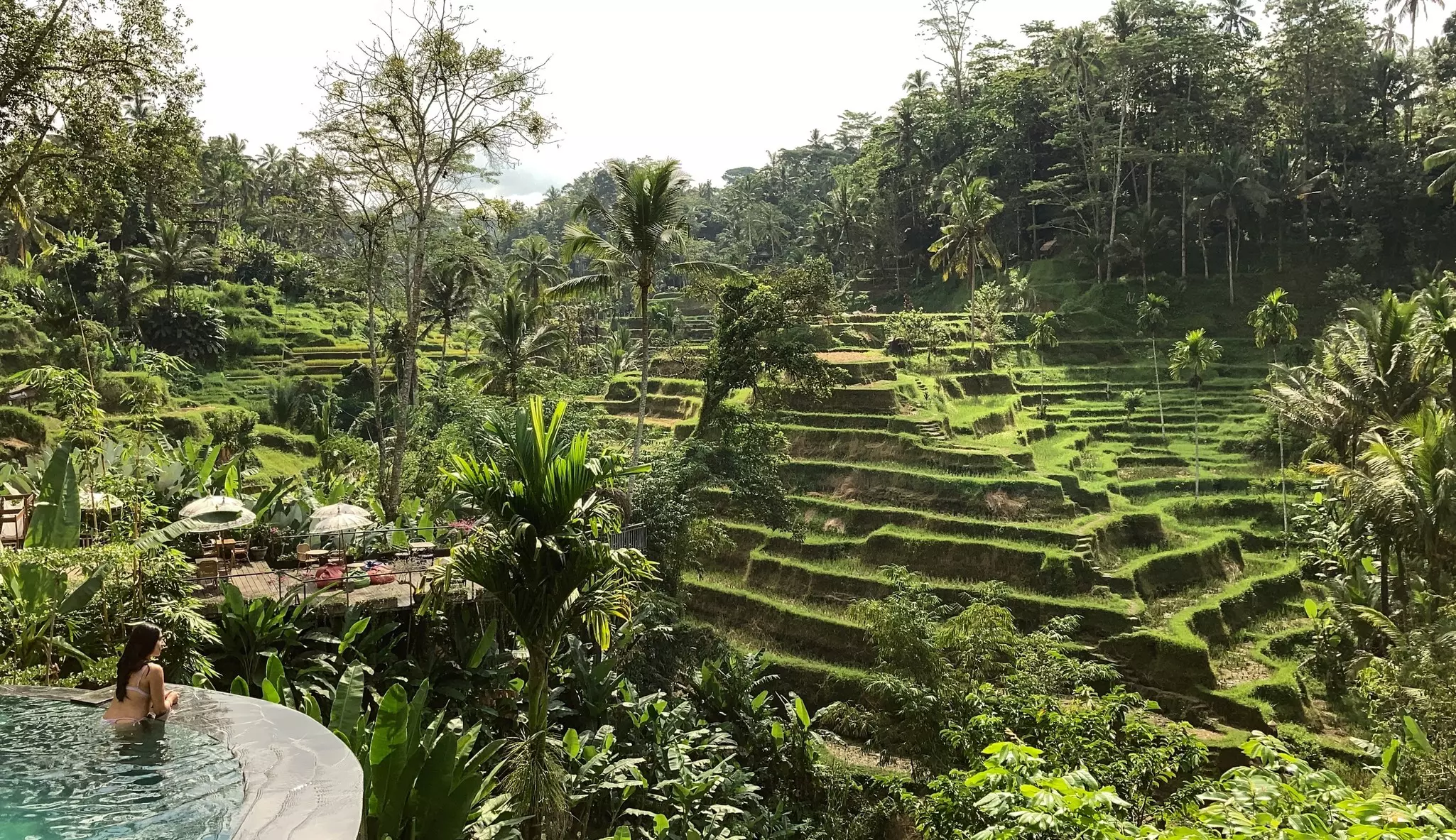
There’s no better time to visit Bali than July. It’s relatively dry and pleasantly warm, at 75–88°F (23–31°C), which means everything is oh-so-beautiful, just like you’ve seen on Instagram. Tours of lush jungles in Ubud and white sand beaches on the coast can rack up the obligatory snaps in a single day. After that, retreat to a villa or luxury resort for a Balinese massage, or hit up a beach club and try a cocktail with arak (palm wine). Bali’s packed year-round, but coming at the very start of July might filter out the families holding off until the school holidays begin.
Planning tip: If you’re not a local, be careful with washed salads and even ice cubes to avoid digestive issues. Bring meds, and book any important tours at the beginning of your trip in case you need to reschedule due to illness.
Best for affordable outdoor experiences
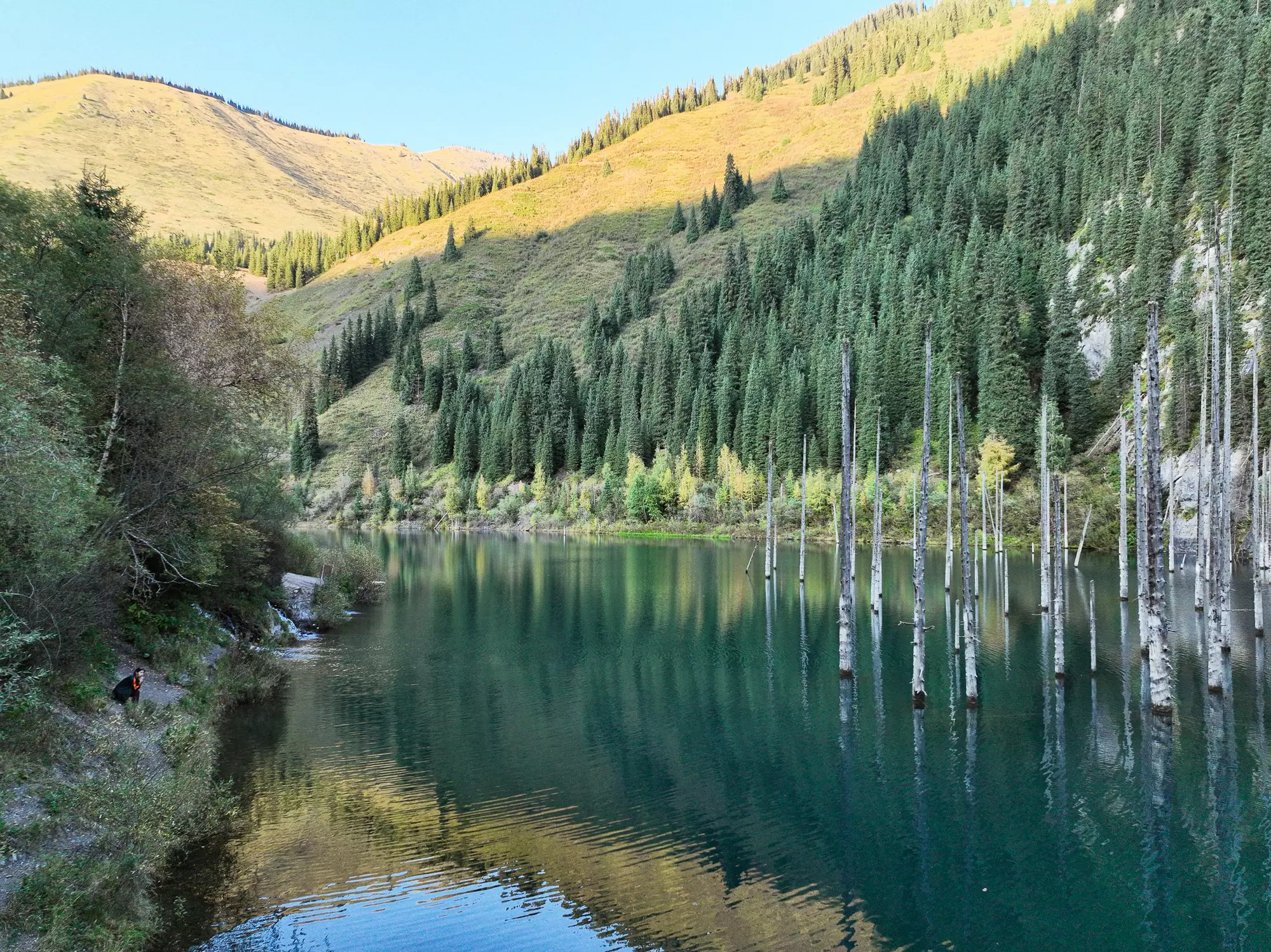
July is the peak season to visit Almaty, but as a relatively under-the-radar Asian destination, that means things come alive rather than get overcrowded. The weather hovers between 57 and 81°F (14–27°C), ideal for exploring the city's museums and cathedrals or enjoying the nightlife. However, with easy access to natural landscapes, you’ll want to bask in those delightful temperatures outdoors. Popular day trips include to Big Almaty Lake and the Trans-Ili Alatau mountains, both just over an hour’s drive from town.
Planning tip: Local delicacies include kazy (horse meat sausage), beshbarmak (boiled meat and flat noodles) and shubat (fermented camel’s milk), but don’t worry if you don’t want to spend the whole trip being adventurous. Almaty has plenty of familiar Chinese, Korean and Turkish dishes.
Best alternative to well-known cities
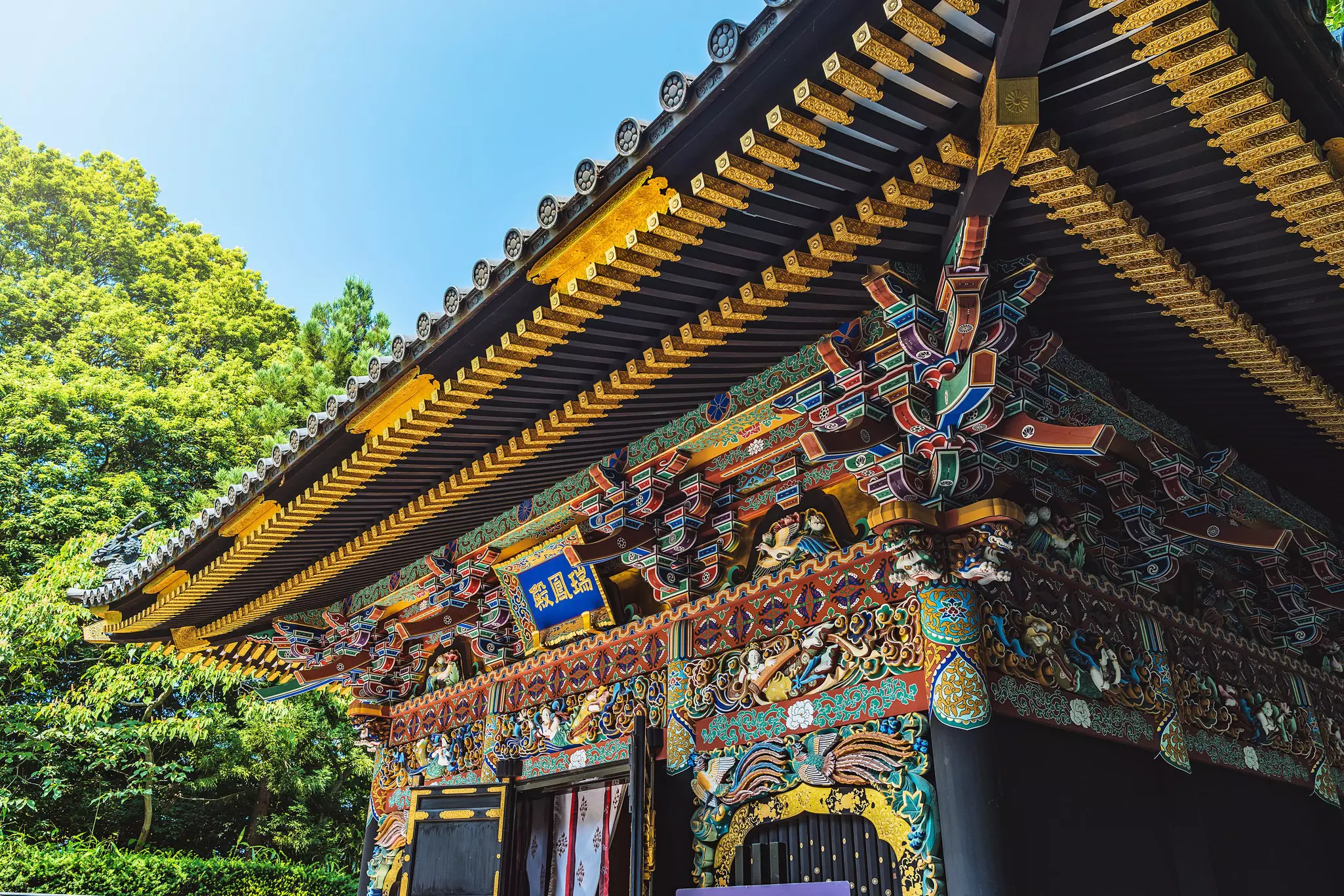
There’s so much more to Japan than Kyoto, Tokyo and Osaka, and while the tourists stampede on that holy trinity, consider Sendai, aka the City of Trees, for a breather. It has everything you came to Japan for – fresh sushi, wacky karaoke, ancient temples – but you get to experience them like a local in this young, student-heavy city. Sendai may be just a 90-minute bullet train from Tokyo, but it’s mountains cooler. August highs are a maximum of 80°F (26°C). This is also the month of the Sendai Tanabata Festival, marked by parades, traditional performances and plenty of street food.
Planning tip: Every city or region in Japan has a signature dish, and in Sendai, it’s beef tongue. Gyutan (牛タン, gyūtan) is thinly sliced beef tongue cooked over a charcoal grill.
Best for pandas
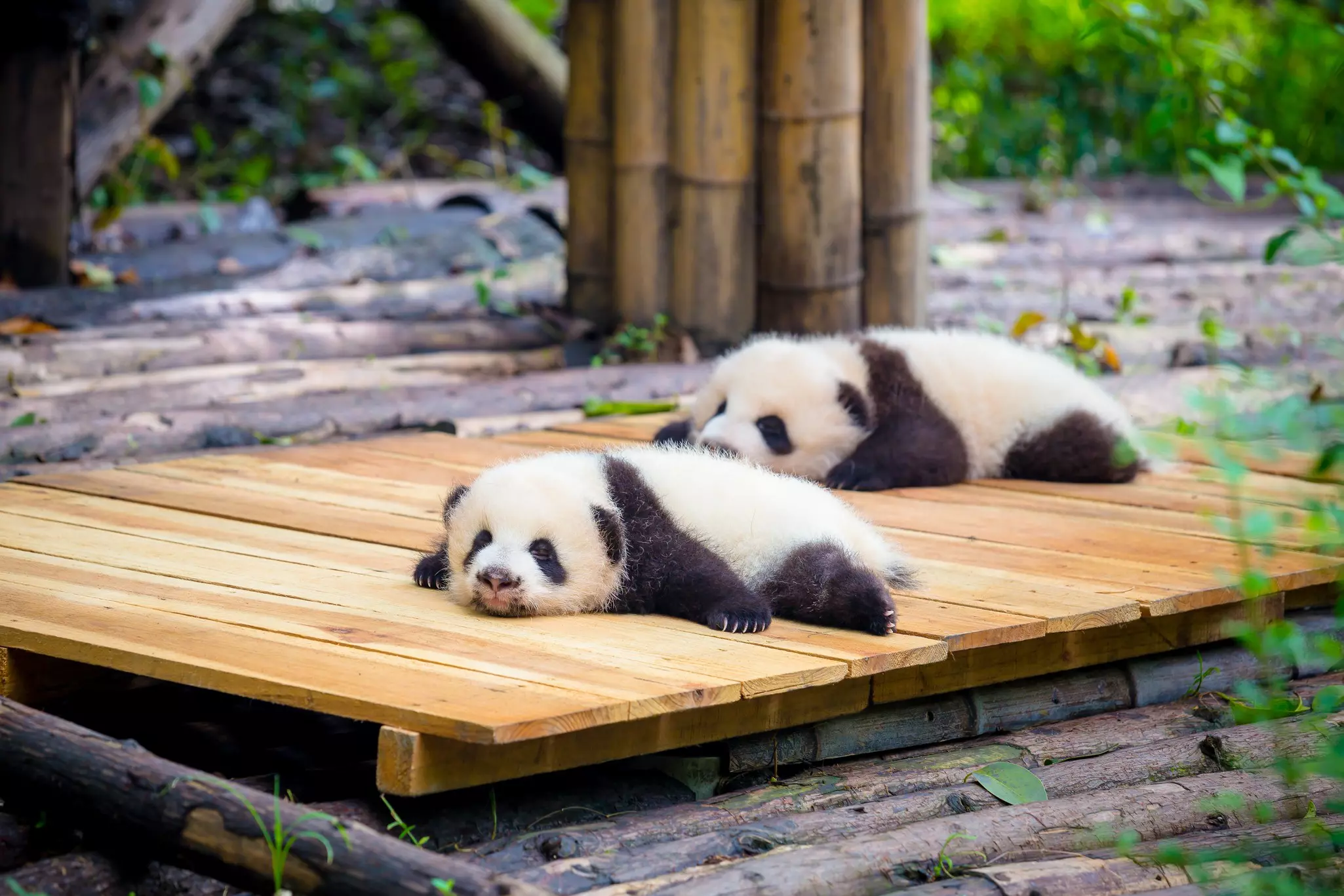
Famed for being the home of giant pandas, Chengdu in late August has the cubs at their cutest. They’re actually born blind and hairless, weighing just 100g (3.5oz), and it’s not until a month later that their distinct markings fluff in. You can see the little ones at the Giant Panda Breeding Research Base. August's average temperature is 77°F (25°C); however, this month is typically rather humid. The magnificent Jiuzhaigou National Park is an excellent place to beat the heat, due to its high elevation, but if you intend on staying put in the capital of Sichuan, there are plenty of AC corners in this sprawling megacity of 21 million inhabitants.
Planning tip: Many schools start to reopen in the last week of August, so sticking to the end of the month means a fizzle down in crowds (as well as fluffier baby pandas).
Best for going off the grid
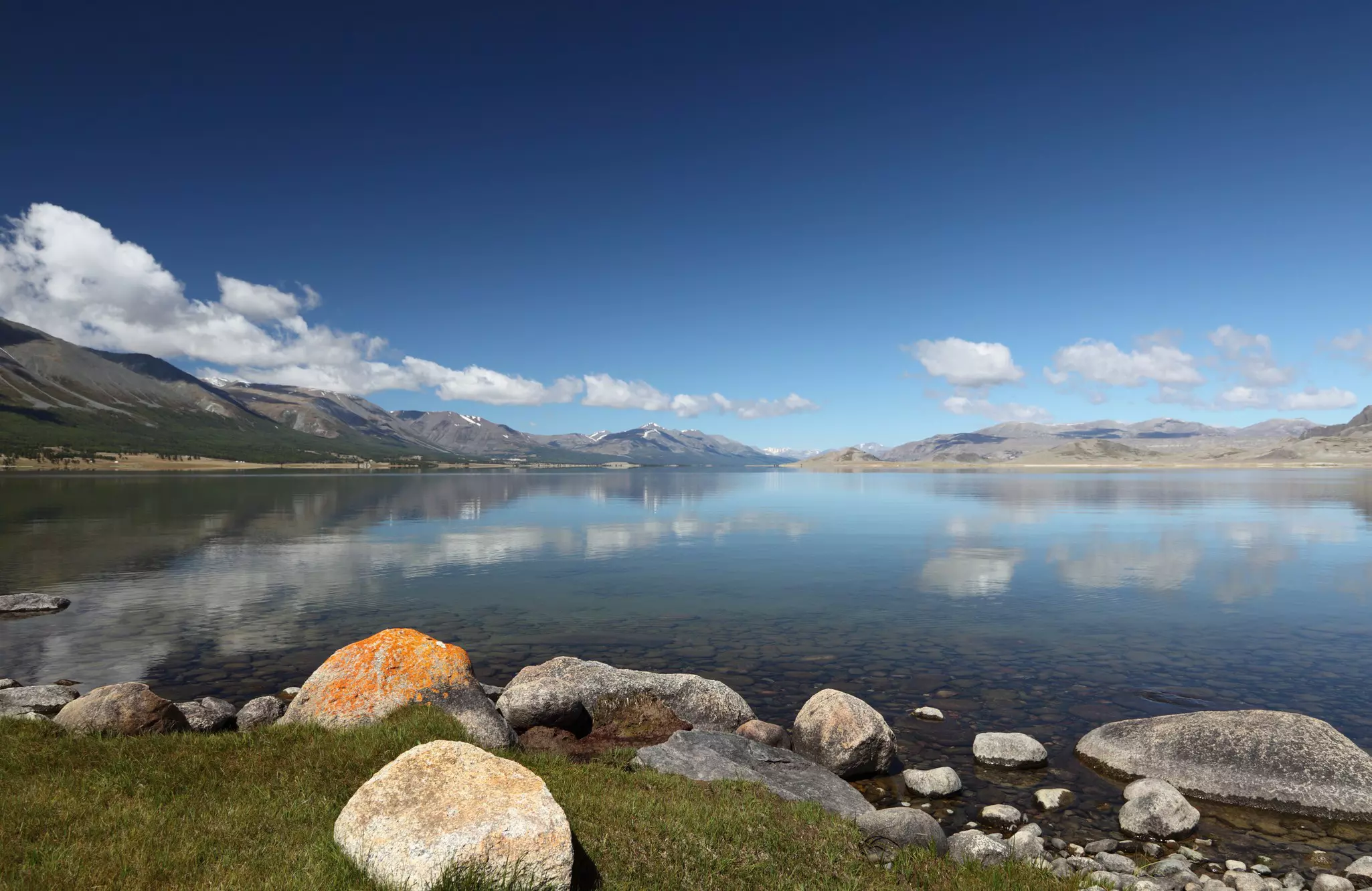
With over 14 hours of daylight in August, you can take your time in the mountains of Altai Tavan Bogd National Park. The area has a wealth of archaeological sites, including the ruins of the ancient city of Kharakhot. There are also snowcapped mountains to hike or climb and verdant valleys that teem with native maral deer and argali sheep. You may decide to camp on the shore of Khoton Nuur or join a homestay in a traditional village for a peek into local nomadic culture. Wi-fi is either limited or nonexistent here, so all you can do is surrender to the back-to-basics way of living and blissfully disconnect from the modern one.
Planning tip: Altai Tavan Bogd is located in a remote part of Mongolia, and it is not the easiest place to navigate. It requires plenty of planning, and a local guide is recommended. As you’re here during the peak season, there should be plenty of operators and transportation options available.
Explore related stories