Sep 23, 20204 min read
Relish the Distinctive Cuisine of Mangaluru & UdupiAug 7, 2020
4 MIN READ
Mount Tadiyandamol (1748m) is the highest point in karnataka. ©Mark Hollowell/Getty Images

Lonely Planet may earn a commission from affiliate links on our site. All recommendations and reviews reflect our own independent opinions.
Nestled amid ageless hills that line the eastern edge of the Western Ghats is Coorg (Kodagu) district. The diverse topography of mountains, coffee plantations, thick forests, paddy fields, and rivers is a suitable backdrop for several adventure activities.
Gifted with emerald landscapes and acres of plantations, Coorg is a major centre for coffee and spice production. The region’s chief town and transport hub is Madikeri, once the seat of the Kodava rulers and named after Mudduraja. The region is home to the unique Kodava race, believed to have descended from migrating Persians and Kurds, or perhaps Greeks left behind from Alexander the Great’s armies.
Coorg was a state in its own right until 1956 when it merged with the state of Karnataka. This hill station has pleasant weather all year round (only interrupted by heavy monsoon downpours from July to September). Consequently, the town and its surroundings have been bestowed with a rich canopy of teak forests and acres of coffee and spice plantations. For an authentic Coorg experience, you have to venture into the plantations. Avoid weekends, when places can quickly get filled up by visitors from Bengaluru.
A well-maintained garden used by the Kodava rulers, it offers stunning views of the Coorg Valley below. Visit in the evening to see the sun descend behind rolling hills; after sunset, the musical fountains are switched on. Easy to find, Raja’s Seat is located at the western end of Madikeri.
The original mud fort here was replaced by the present one built by Tipu Sultan. The stone ramparts enclose the palace of the Kodagu rulers, which now houses the offices of the deputy commissioner. Within the sprawling complex is a former church doubling as a museum and a temple. Two large elephant statues stand alongside the double-storeyed colonial palace. Though the fort and palace aren’t as impressive as they sound, a visit is a good way to kill time.
This temple was built by King Lingarajendra in 1820, as penance for killing a brahmin.it is dedicated to Lord Shiva (the Shiva lingam was reportedly brought from Kashi). Located in the heart of Madikeri, the complex encloses a large water tank that lies across from the steps that lead to the main shrine of the temple.
An 8km drive beyond Madikeri, through cardamom and coffee plantations, will bring you to a point little short of the falls. A brief walk down a paved path from here takes you to a hanging bridge opposite the wide cascade of water. Visit in the mornings and afternoons to avoid crowds. Swimming is dangerous and best avoided, and the place is infested with leeches during monsoon season.
Also called Gadduge, these early 19th-century mausoleums of the Kodava rulers are located just short of the Abbi Falls. Built-in the Indo-Saracenic style, the domes, and minarets of these structures tower over the town of Madikeri. The caretaker lives just outside the premises and may be requested to show you around.
Dedicated to the main deity of the Kodavas, this temple, the warrior race’s holiest shrine, is located in Kakkabe, a small village about 40km from Madikeri (said to be southern Asia’s largest producer of forest honey). Every March, during the Kaliyarchi festival, the temple idol is taken around in a procession before being reinstalled in the shrine of this remarkable and holy temple. If you find yourself at the Igguthappa Temple in the forenoon, with time to spare, wait around for the clock to strike one, when a simple yet scrumptious lunch is offered free of cost to visitors daily.
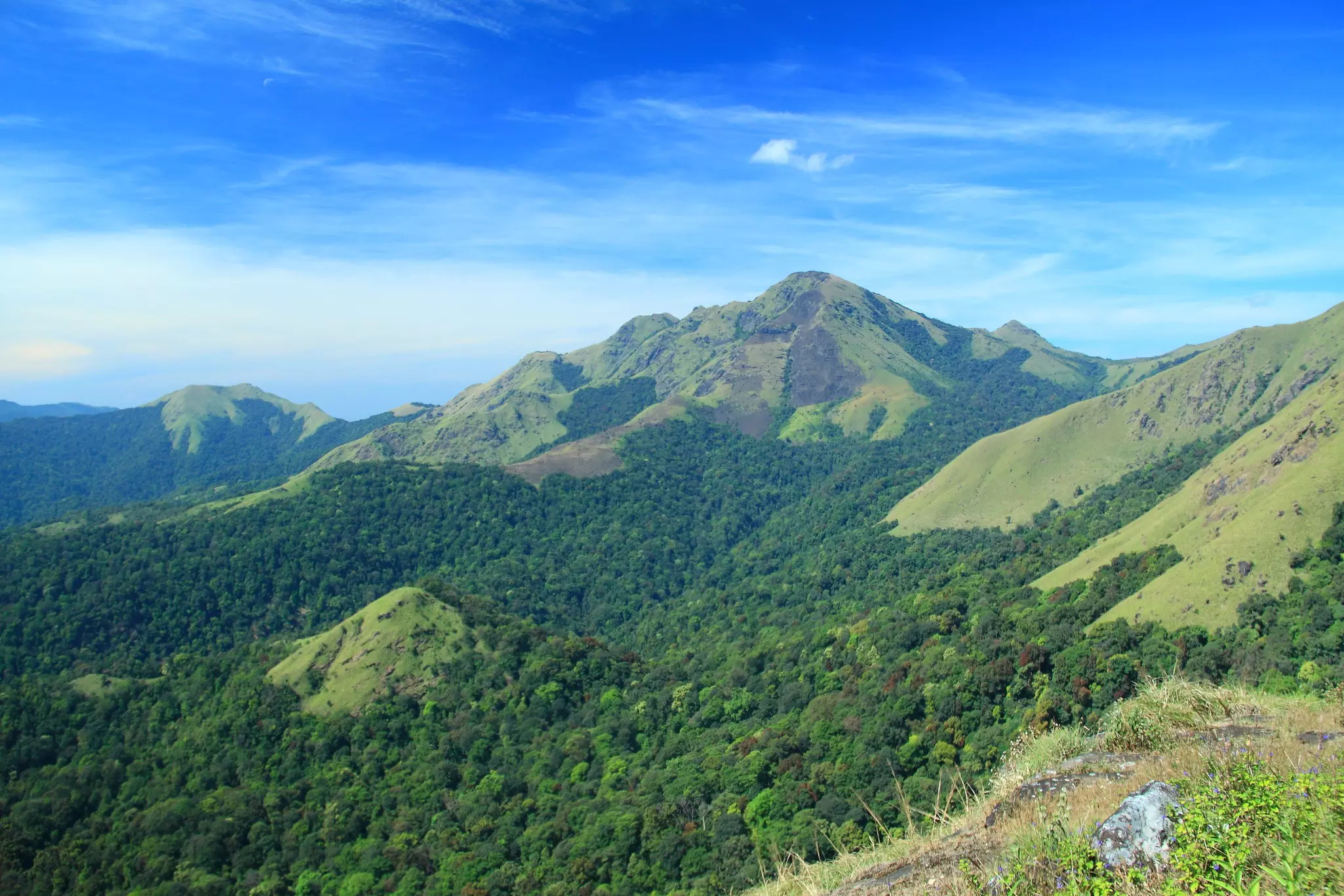
This former hunting lodge and summer home of the Kodava kings is also in Kakkabe, at the base of Tadiyandamol, Coorg’s highest peak. The low-slung double-storey structure, built-in 1792, is embellished with intricate wooden friezes and frescoes, while a pavilion crowned by Nandi adorns the garden. A caretaker will let you into the palace for free.
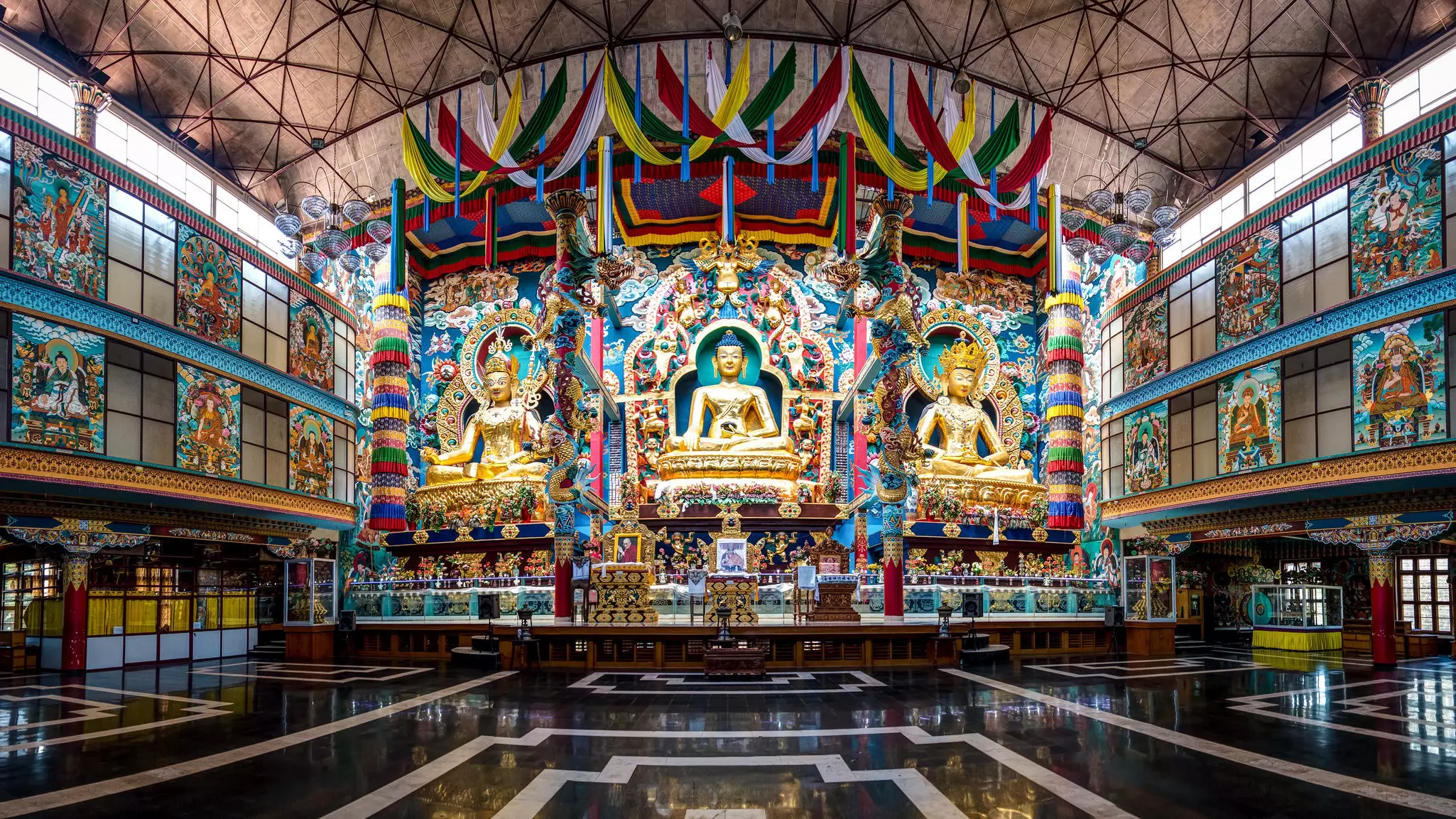
This Buddhist temple is located in Bylakuppe, the largest Tibetan settlement in South India, some 30-odd km from Madikeri.it gets its name from the three magnificent gilded statues of Buddha, Padmasambhava, and Amitayus in the cavernous prayer hall. Nearby, two monasteries, Namdroling and Tashilunpo, stand cheek-by-jowl with Sera, an educational monastic institution where thousands of monks and nuns receive instruction.
This unique facility, managed by Jungle Lodges and Resorts, is located on an island in the Kaveri River. Providing visitors with an intimate interface, trained naturalists help you observe, learn, and participate in numerous elephant-centric activities. A short boat ride takes you across to the camp, where you can watch the pachyderms being bathed, groomed, and fed; this is followed by an elephant ride. Extremely touristy, it will earn you brownie points with the kids.
Editor's note: Please check the latest travel restrictions before planning any trip and always follow government advice.
You might also like: Glimpse the Himalayas in misty Mukteshwar Workstation holidays in times of COVID Discover the tranquil hills of Kerala’s Munnar
Explore related stories