Mar 19, 20269 min read
8 Things to Do in Siem Reap, CambodiaJan 8, 2026
7 MIN READ
Writer
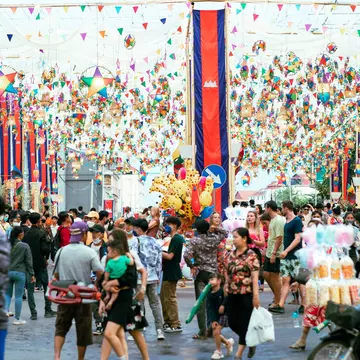
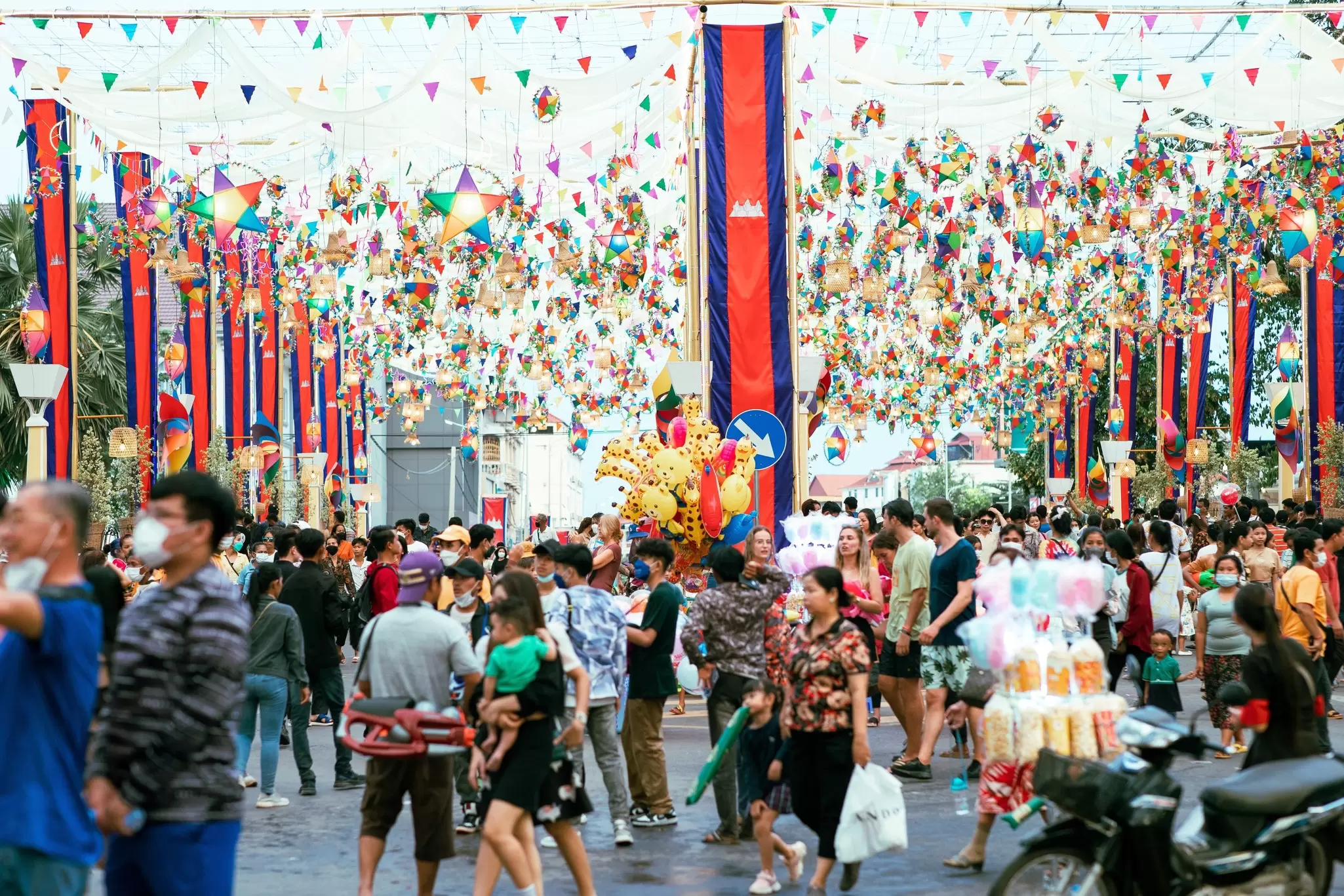
Water fights are held in the street to celebrate Khmer New Year in April, Siem Reap. Ou Chantha/Shutterstock
Writer
Lonely Planet may earn a commission from affiliate links on our site. All recommendations and reviews reflect our own independent opinions.
Siem Reap enchants all year with its UNESCO-listed Angkor heritage temples, amazing natural spots, local culture, and welcoming locals. As the seasons change, the city offers different things to do every month.
The best time to visit Siem Reap really depends on your tastes. If you want to soak in the tropical sun, avoid rain, and mingle during festivals and community events, the dry season (from December to February) is the best time for your visit. During these months, you can count on warm but not super-hot weather and virtually no rain, as well as festivities such as Christmas and New Year, with a parade of markets, carols and twinkling lights.
If you want to avoid crowds, take advantage of lower prices, explore the temples of Angkor enveloped in lush vegetation and stand in awe of the Phnom Kulen waterfall at its most powerful, the months of May to November – the rainy season – are the ideal time for you to visit Siem Reap.
The hot season – from March to April – sees soaring temperatures. If you don’t mind the heat, this is your chance to join in the fun of the Khmer New Year with the local people. Plan the right time for your visit with this seasonal guide.
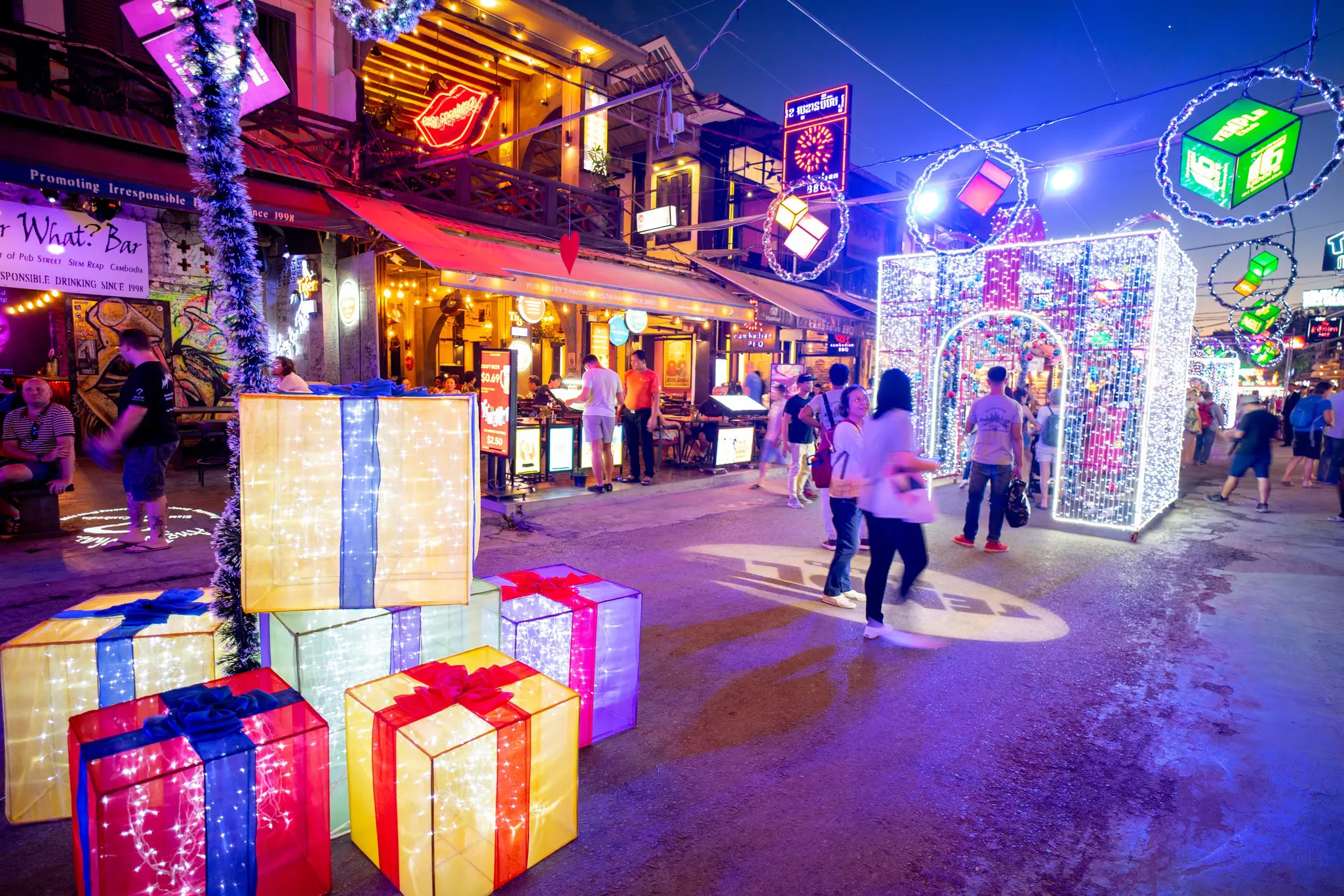
Weather in Siem Reap in the dry season: The months from December to February bring perfect weather: no rain, moderate temperatures of around 21°C to 35°C (70°F to 95°F) and a wide range of outdoor activities. The downside of visiting Siem Reap this time of year is the higher prices and the larger crowds.
This is the ideal season to soak in the sun, visit nature and wildlife centers such as Banteay Srei Butterfly Centre (BBC), take walks along the river, visit lesser-known temples, or explore local villages scattered nearby in the countryside.
During December, a tree-lighting ceremony is held at Raffles Grand Hotel d’Angkor, featuring performances by local dancers bringing stories from Western Christmas traditions to life and yummy festive snacks. Even though Tonlé Sap's water levels are lower than during the rainy season, you can still enjoy your Christmas dinner on board the Queen Tara including a convenient pick-up and return to Siem Reap, a guide, incredible sunset views, Christmas buffet and Santa on board (US$38pp).
On December 31, welcome the New Year with the locals on Pub Street for a chaotic, multicolored and cheerful celebration, or head toward the riverside, which is dotted with food stalls. At midnight, Khmer people, expats and visitors come together with their eyes high in the sky, enjoying the fireworks. You can also admire the show from one of the many rooftop bars in the city, such as the one at Koulen Central Mall and Hotel.
February sees another event that draws people every year: the Giant Puppet Parade. In the weeks leading to the parade, local children from schools and NGOs create papier-mâché giant puppets. Every year the theme is different, but the fun is the same. The parade goes through the city’s main streets and finishes at the Royal Independence Gardens. Be prepared for lots of colors, laughs and enjoy performances by Phare – the Cambodian Circus – and other local artists.
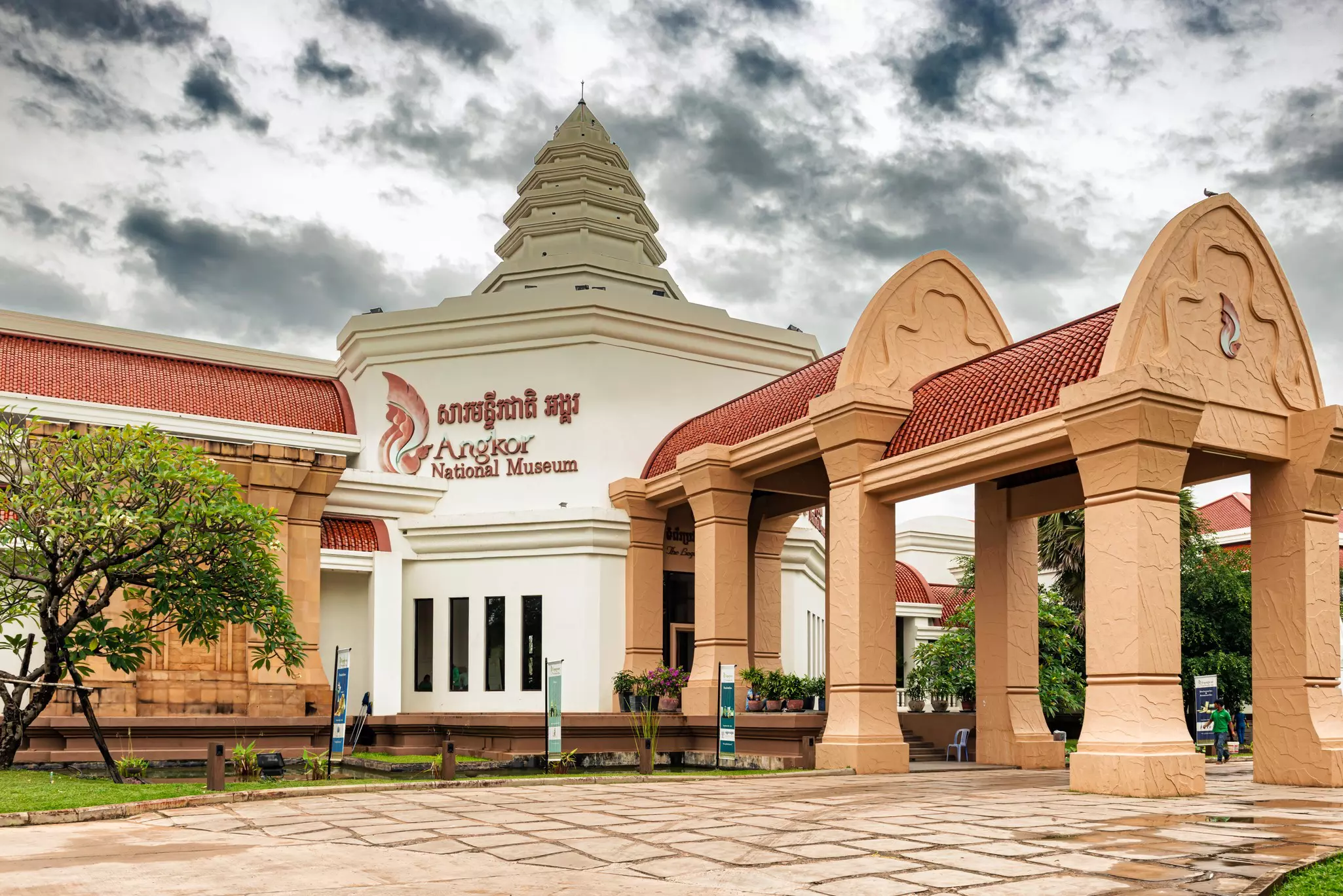
Weather in Siem Reap in the hot season: There’s no way around it, temperatures in March, and especially April, can reach 40°C to 45°C (104°F to 113°F), bringing sweltering heat.
Take advantage of the smaller crowds and beat the heat by exploring Siem Reap's indoor venues, such as the Angkor National Museum, during this season. Dig into the emerging art scene at places like the Museum of Cambodian Modern Art – SAR, honoring the legacy of modern Khmer artists, and The River Gallery, an admission-free art gallery specializing in showcasing work from Cambodian artists.
Things that are easy to do during the rest of the year, such as exploring the temples of Angkor, can become daunting during the heat. If you can only visit at this time, start your day early, before the heat kicks in, cover up and don’t forget to stay hydrated.
The good news is that to fight the hot weather, locals celebrate Khmer New Year in April with water fights! This is a fantastic opportunity for visitors to experience an authentic side of Cambodia, so buy a water pistol and join in. Khmer people are incredibly friendly, and travelers are likely to find themselves welcomed by local groups of friends and families to fight by their side, splashing and dousing others with streams of water. During the 3-day celebrations (dates vary each year but are always mid-April) be prepared for water, fun, chaos, color, and crazy traffic, especially after sunset. There are cultural events around the city, with the most famous – and crowded – being Angkor Sankranta. Located around Angkor, the free-admission festival includes performances, water fights, games and food stalls.
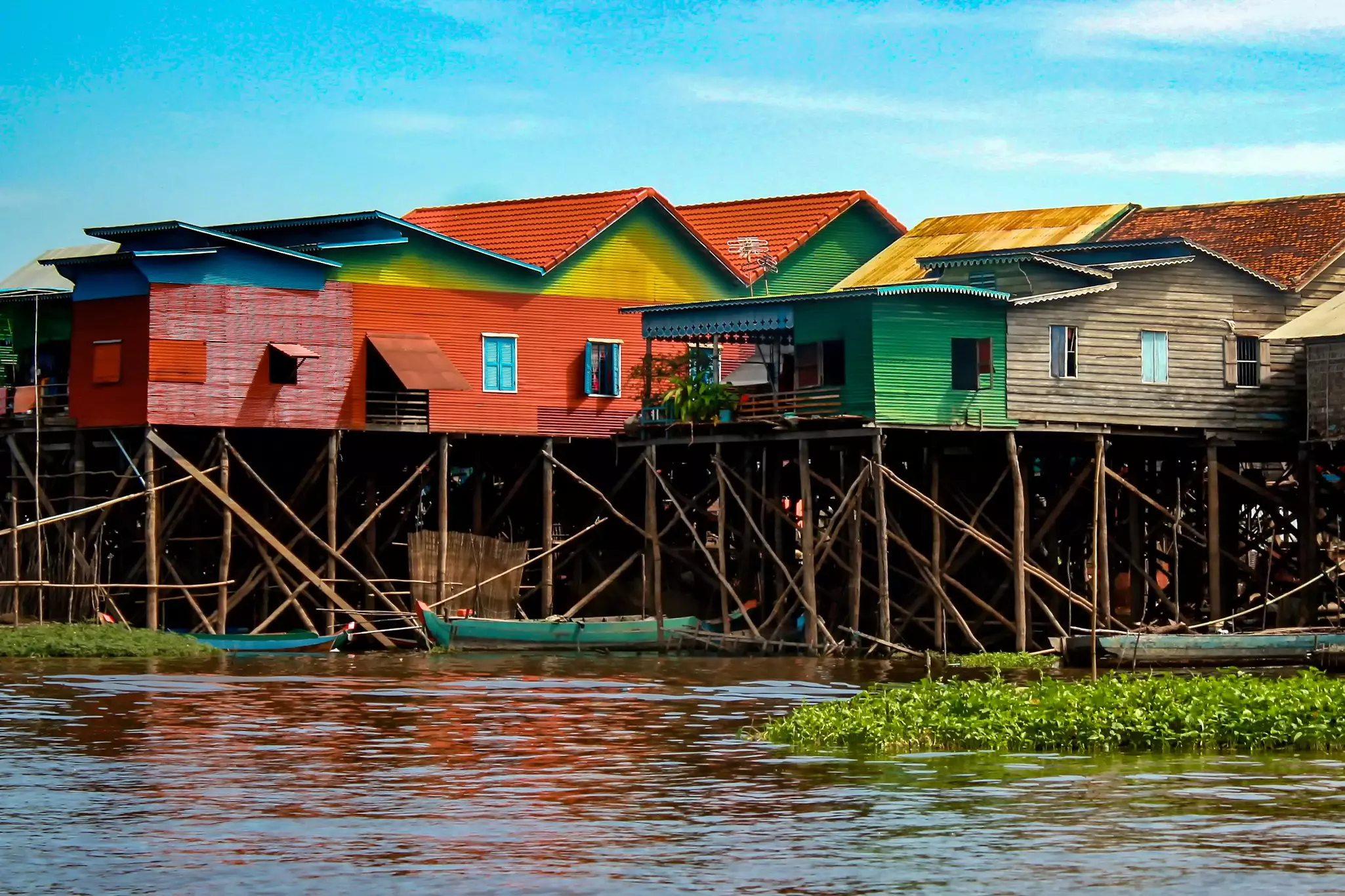
Weather in Siem Reap in the rainy season: From May to November the sky is often cloudy, with spouts of rain that range from drizzle to storms. It rarely rains all day or for days on end. This time of the year is also called “the green season” due to the explosion of leafy nature all around.
The months of the rainy season have much to offer. Crowds thin out, and this is your chance to explore Angkor almost alone. Pathways can be slippery but rarely dangerously so, and local guides know the best spots for a stop during the worst rain. Just avoid visiting during a really heavy storm as accidents have been reported.
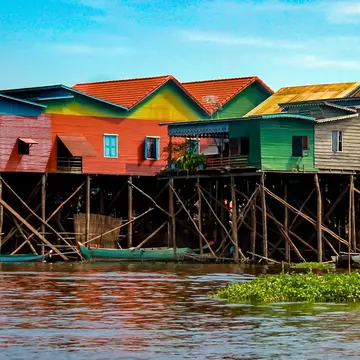
Due to the higher water levels in the Tonlé Sap, this is the best season to visit floating villages, like the popular Kompong Pluk or the lesser-known Kompong Khleang, where you can navigate along the canals and see the daily life of people living in houses on stilts.
If all that hasn’t convinced you yet, the rainy season hosts some of the most important Cambodian festivals. P’chum Ben (Festival of the Dead) is a 15-day celebration designed to respect ancestors and welcome their spirits back for a short time. The dates, which fall in September or October, vary each year. During these 2 weeks, Cambodian families gather together and visit pagodas, bringing food to the ancestors and offerings to the monks. Visitors can respectfully witness ceremonies in the pagodas, just remember to dress conservatively, covering your arms and legs, and avoid making loud noises. Two pagodas in the center of Siem Reap that are easy for visitors to access are Wat Preah Prom Rath Pagoda and Wat Damnak. Keep in mind that during this time most Cambodians travel to their hometowns and villages, so trips along the roads can take longer due to traffic, and many businesses are closed particularly on the final 2 days.
November hosts the 400 Monks Blessing. Organized by the 5-star boutique hotel Jaya House River Park, the free-admission event gathers hundreds of monks from Siem Reap’s pagodas. Just show up on the street in front of the hotel to witness the magical procession by Sacred Dancers of Angkor and receive a blessing from the monks.
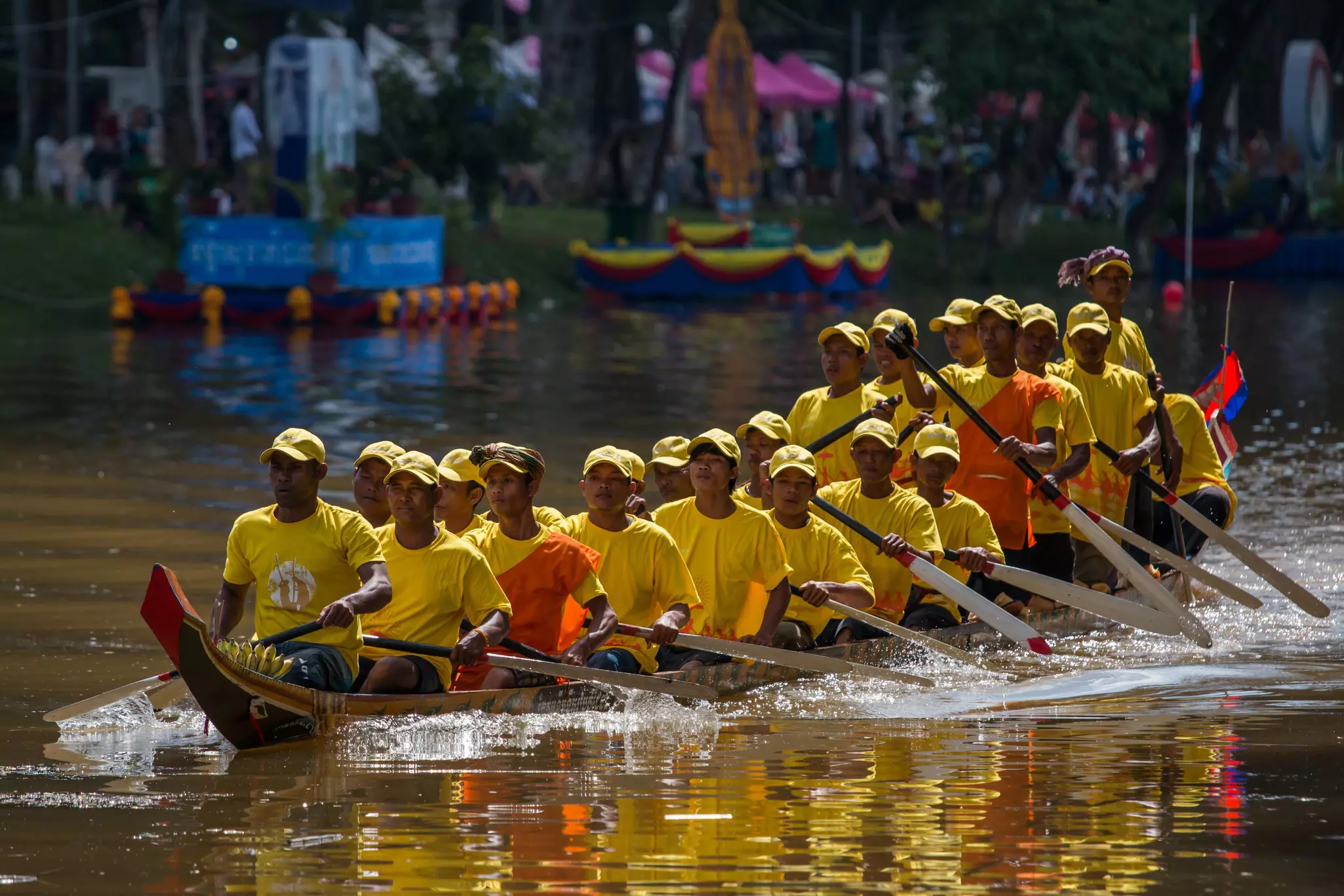
The other highlight of the November calendar in Siem Reap is the Water Festival, celebrating the upcoming arrival of the dry season and the end of the rainy months. See the boat races during which longboats, crewed by up to 80 paddlers, compete along the Siem Reap River. Take a stroll among food and crafts stalls and enjoy local performances of traditional songs and dances. Khmer people will probably invite you to join them as they sing and dance together in a circle. This is a fantastic chance to be part of a Khmer event, feel the energy of locals as they gather with family and friends, and join them in passionately supporting the people in the boat races.
Explore related stories