Sep 30, 202616 min read
Cruising in CroatiaMar 27, 2026
7 MIN READ
Contributors
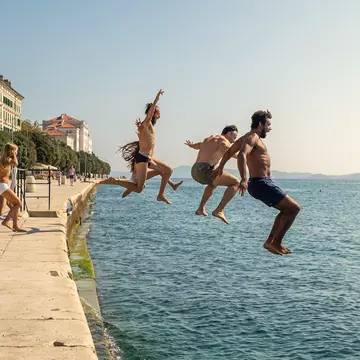
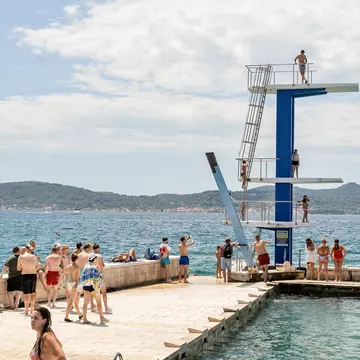
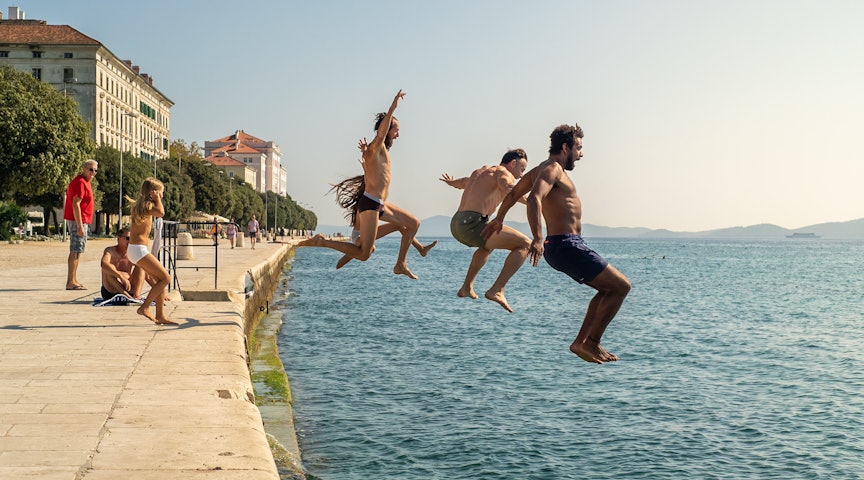
Jumping into the water on a summer day in Zadar, Croatia. paulprescott72/Getty Images

Contributors


Isabel Putinja, James Smart
Highlights
Writers Isabel Putinja and James Smart guide Croatia's coast through every season.
Visit June to August for hot weather, boat parties and Croatia's summer festivals.
May and September reward sailors, hikers and those chasing quieter coves.
Winter means cheap stays, Zagreb's impressive galleries and Rijeka's wild carnival in February.
Lonely Planet may earn a commission from affiliate links on our site. All recommendations and reviews reflect our own independent opinions.
Croatia has vibrant cities, tumbling waterfalls, rolling vineyards and hikable (even skiable) peaks.
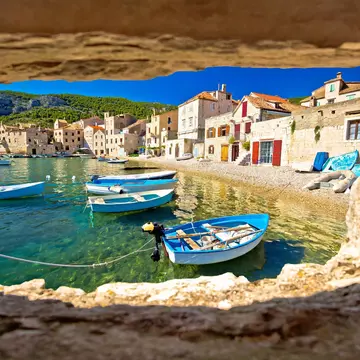
But most visitors are here for its 1800km coastline, which tumbles down the Adriatic like a glorious, half-finished jigsaw puzzle. Along its glorious length, visitors will find idyllic coves, sophisticated ports and ferries that glide from island to island.
Choosing the best time to go to Croatia depends on what you want from your visit – and the country offers an abundance of experiences. High season brings high temperatures and a party vibe, particularly in such Dalmatian Coast hot spots as walled Dubrovnik; its hip cousin Split; and Hvar Town, with its elegant waterfront. Shoulder season is quieter, and great for hiking and water sports; winter promises cultural experiences and festivals in the capital, Zagreb, as well as snow-dusted landscapes.
While the south of Croatia is a little warmer than the north, the main difference in temperature within the country is between the coast and the interior. By the sea, summers are warm and winters relatively mild. In the interior, temperatures are more continental, with slightly warmer summer temperatures and colder winters.
Our guide to what’s happening throughout the year will help you plan the perfect vacation for your needs. Here are the best times to visit Croatia.
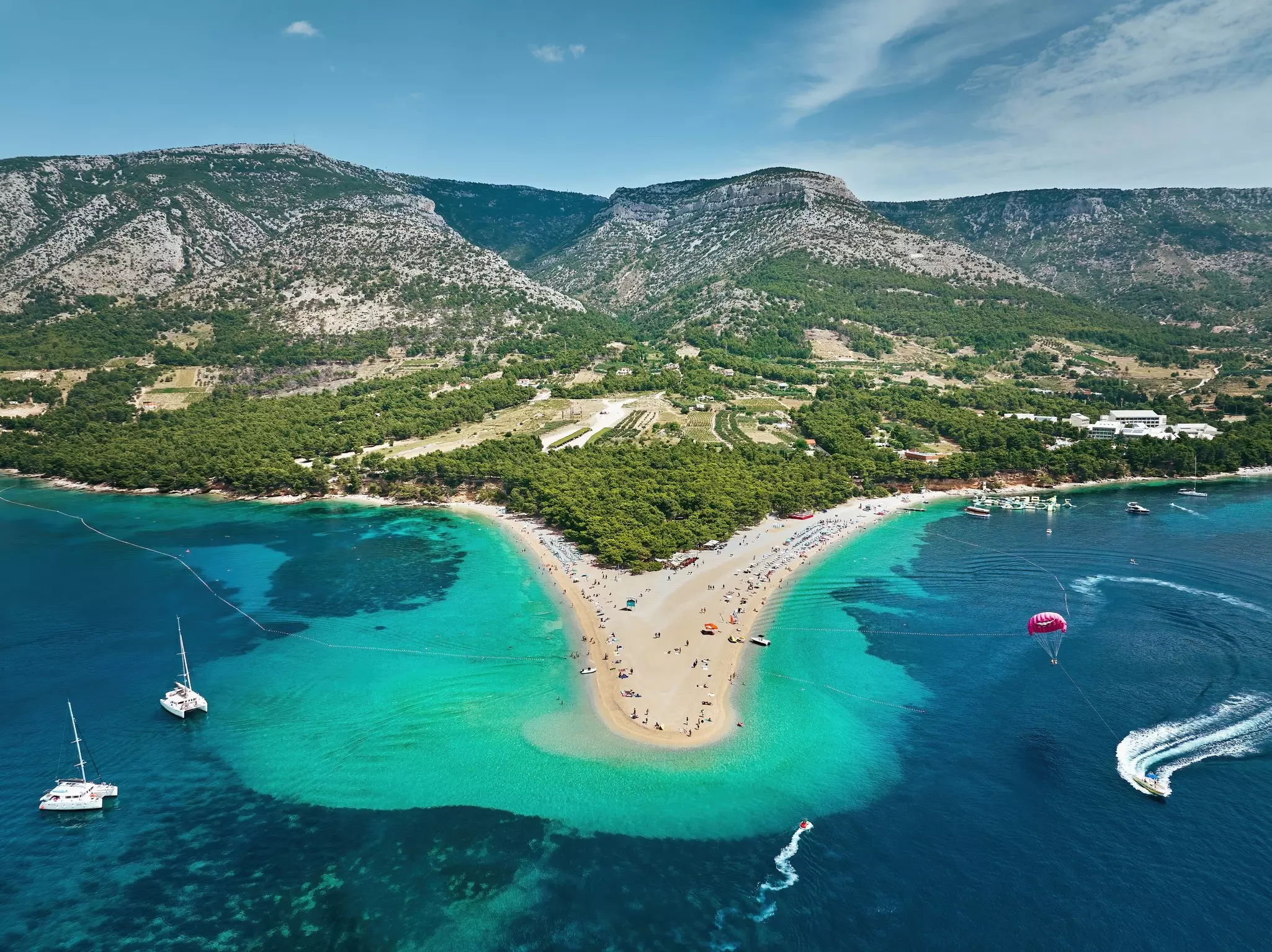
Weather in Croatia in summer: Croatian summers bring balmy evenings. Temperatures can reach 32°C (89.6°F), with sea temps up to 25°C (77°F) – making swims in the Adriatic a real treat. You might see a random thunderstorm, but skies remain pretty clear overall.
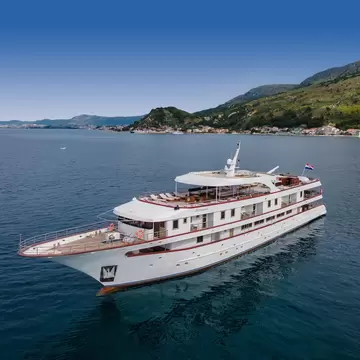
Croatia’s tourism season peaks between June and August, when the Adriatic’s warm waters charm countless visitors. There are boat parties and medieval fairs, the wine flows freely, and the smarter resorts fill with yachters. It’s all great fun – though afternoons get roasting hot, the lines at attractions are at their longest and accommodation costs can be sky-high. Inland, temperatures are higher, but crowds are less noticeable, with Zagreb emptying as locals head for the coast.
June is the quietest month of the high season – but with clear skies, music festivals and the promise of early summer, it’s a strong contender for Croatia’s best month. Ferries move on to their summer schedule, which makes heading out to islands such as pristine Cres, happening Hvar and forested Mljet a breeze. The cities are buzzing, and the LGBTQ+ community lights up the streets during Zagreb Pride.
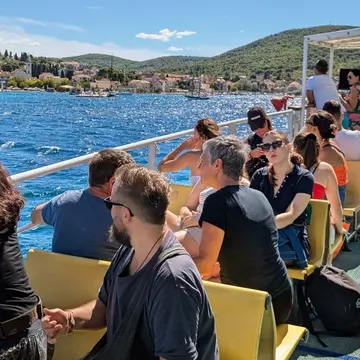
Visitor numbers really ramp up come July – you'll need to arrange accommodation well in advance and work hard to find a sunbathing spot. If the bustle gets too much, try touring the quieter Kornati Islands, hopping on a sea kayak from Dubrovnik or perhaps exploring the vineyards and hills of the interior. The Dubrovnik Summer Festival kicks off in early July, while the International Folklore Festival brings a celebration of traditional culture to Zagreb.
The sea is warmest in August, beach bars hum with revelers, Zagreb empties out and festivals mark high summer. Sonus is a techno party on Pag, Špancirfest brings music and culture to Varaždin, there’s a fair dating back to Venetian times on Krk, and jousters wield their lances in Sinj. Bookings are essential everywhere on the coast: festivalgoers who try and make do with a tent will swelter.
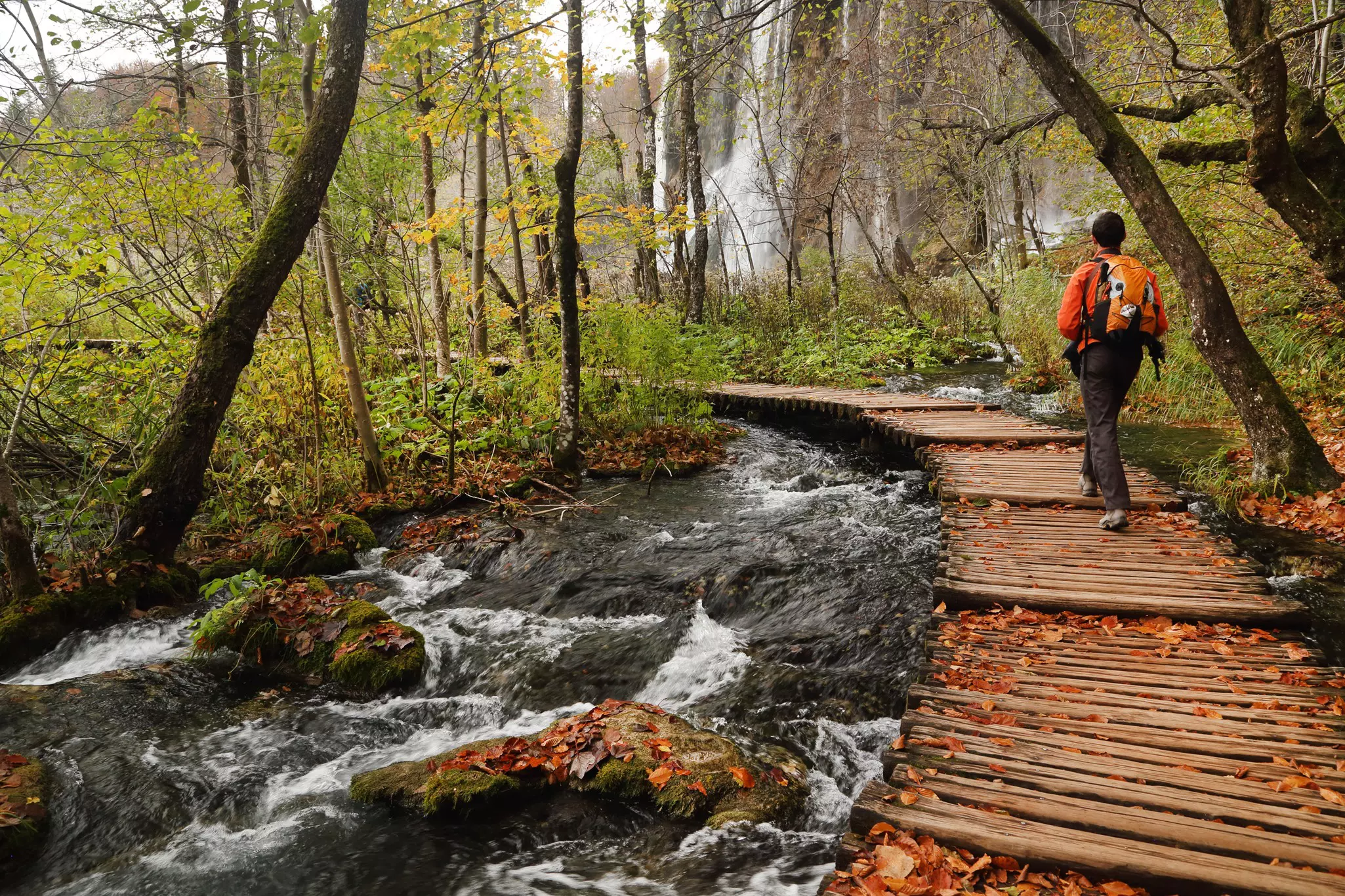
Weather in Croatia in late spring and early fall: If you’re seeking moderate temperatures, these are the windows for you. Daytime peaks range from 17°C (62.6°F) to 25°C (77°F), and your sea dips will hit around 15°C (59°F) in April and 23°C (73.4°F) in September. This season brings more rainfall, with some good winds for sailing and general outdoor activity.
Late spring and early fall are arguably the best times to visit Croatia. Sea temperatures are pleasant, and there’s plenty of sunshine, but the country’s pebble beaches and rocky coves are relatively quiet. With endless still seas, May and September are great times to sail in Croatia. Onshore, these are the best times to cycle, hike or explore Croatia's gorgeous national parks. Better still, accommodations are easier to come by than in high season.
The resort towns are warming up for the summer in May, making this a splendid month to wander squares and promenades and take short dips in the cool sea. Accommodation prices are lower, and bays and coves that are packed in summer have a tranquil feel. Rafting on the Cetina River or the Zrmanja (just east of Zadar) is also a highlight. With the Sea Star Festival, the summer party season starts to gear up.
After the madness of peak summer, things start to quiet down a little in September, but there are still plenty of ferries and cultural events to transport body and soul. This is another great time for a Dalmatian beach trip, while truffle season comes to Istria.
By October, Croatia is in shoulder season proper, with kids back in school and some ferry services and hotels closing over the course of the month. The coast is fairly warm, with cool evenings and a mellow vibe – and you can still get anywhere and do just about anything, whether it's feeling tranquil on the islands or exploring Dubrovnik’s walls.
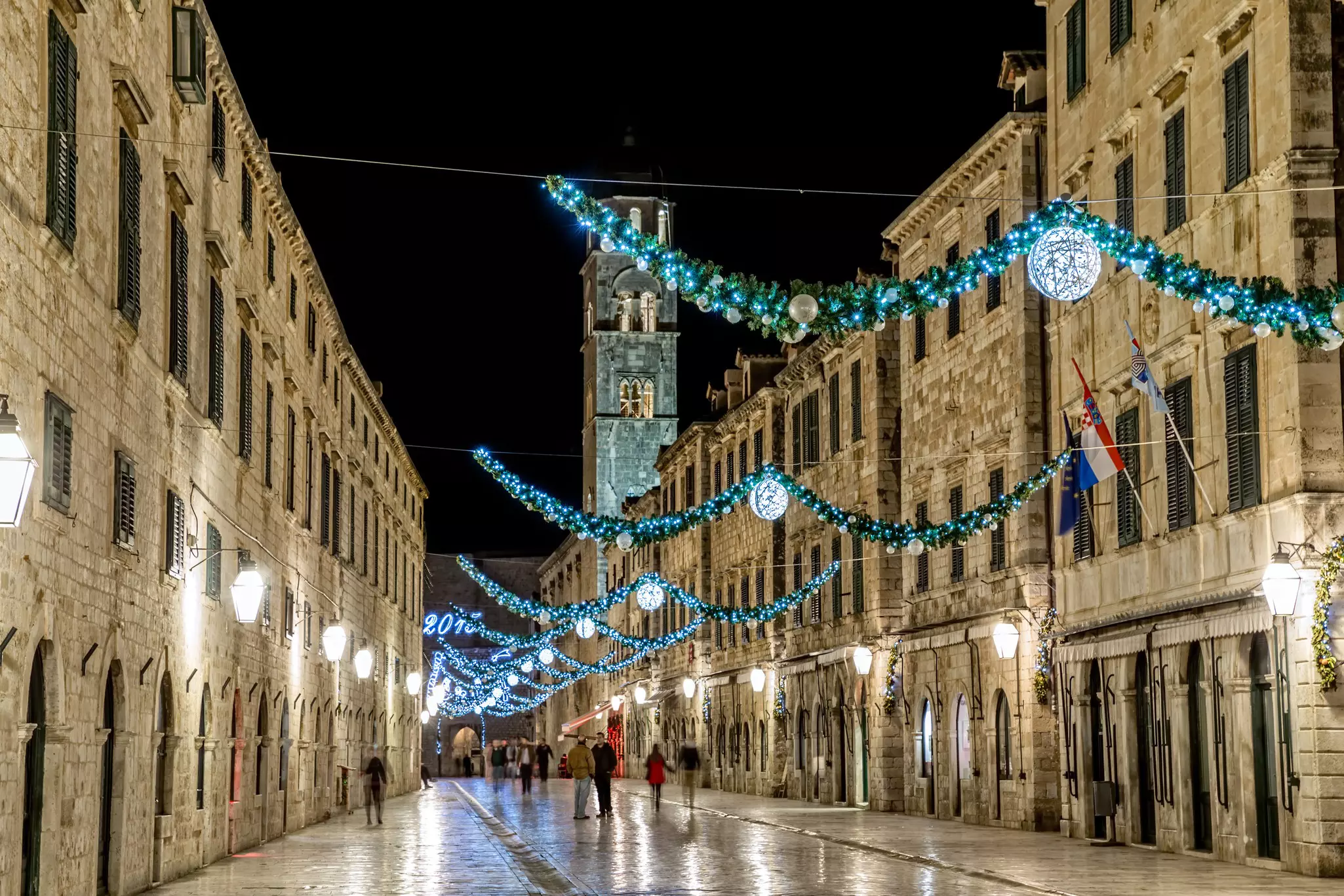
Weather in Croatia in winter and early spring: Look out for lower temperatures, more rainfall and possibly some snow in mountainous and inland areas. Generally the weather is milder along Croatia’s coast, with more rain and lower temperatures as you get more central and inland. November temperatures average 18°C (64°F), with April bringing around 15°C (59°F).
There’s a reason the crowds stay away between November and April. The interior can be freezing, and while the coast is milder, it’s still affected by the bura wind that whips across the European plain, canceling ferries and snatching hats off heads. But if you’ve come to Croatia for food and culture, you can still have a fine time. Rates at hotels and other accommodations are at their lowest, and you’ll be sharing the galleries and backstreets with locals.
Temperatures can still be pleasant in November, but hotels and restaurants on the coast may be closed, and the waters are chilly. Instead, treat any sunshine as a bonus, use the lower prices and shorter lines to tour cultural sights, celebrate the silver screen at the Zagreb Film Festival, and watch as the last leaves (and potentially the first snow) fall.
There’s no way to sugarcoat it: December is cold, many tourist businesses are shut and snow settles on high ground. This is a good moment to experience Dubrovnik’s local life, without cruise ships: bars and galleries are open, while the run-up to Christmas brings mulled wine and DJ sets to those prepared to brave the winter streets.
The mercury is still low in January, so why not stay indoors and discover Zagreb’s lively cafes, impressive galleries and fine museums? You can even get a your culture fix late into the evening at the annual Night of Museums. Sljeme (near Zagreb) or Platak (near the coastal hub of Rijeka) offer reasonable skiing.
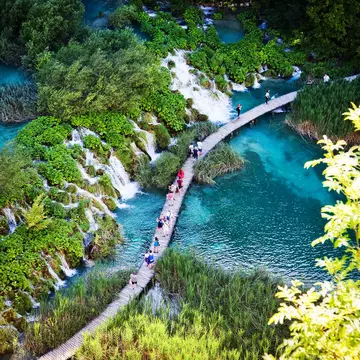
The days get a little longer in February, but tourists are rare and accommodations remain heavily discounted. It’s an intriguing time to tour the coast – focus on sights like Trogir’s richly carved cathedral rather than the beaches. Rijeka’s carnival is Croatia’s biggest and wildest, with a costume parade, bell-ringing and bands. Brighter, drier weather makes March a good bet for mixing visits to churches and galleries with outdoor exploration. You can hike along the coast or hills, or take in Krka and Plitvice national parks, where wooded slopes wind between lakes and waterfalls that thunder with meltwater.
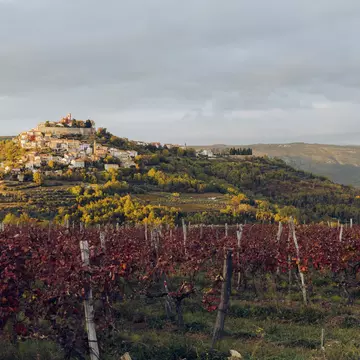
The sea hasn’t yet warmed up in April, but trees are bright with blossoms and sunshine is never far away – try Istria’s hill towns (where asparagus season is in full flow) or the Samobor Hills near Zagreb. Parades liven up many towns over Easter, while music fills every corner of Zagreb during the Music Biennale.
Book your Croatia trip with Lonely Planet Journeys
See Croatia how it's meant to be seen
Planned by local experts and tailored to you, Lonely Planet Journeys handles the logistics so you can just enjoy the trip. Tell us what you want and we'll build your Croatia itinerary from scratch, or browse our bookable trips to get inspired.

Explore related stories