Jan 20, 20268 min read
16 Things to Know Before Traveling to ChileJul 30, 2025
10 MIN READ
Writer
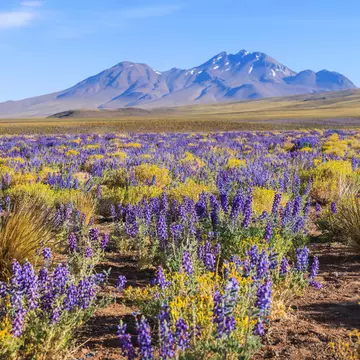
The flowering Atacama Desert. sunsinger/Shutterstock

Writer
Highlights
Writer Mark Johanson picks 14 things to do in Chile, north to south.
Taste Carmenère in Colchagua Valley and ride Valparaíso's creaking funiculars for sweeping views.
Stargaze in the Atacama Desert or climb Volcán Villarrica near Pucón.
Cruise Patagonia's steel-blue fjords or fly to Rapa Nui's enigmatic moai.
Lonely Planet may earn a commission from affiliate links on our site. All recommendations and reviews reflect our own independent opinions.
With its puffing volcanoes, pounding surf, sprawling salt flats and glistening glaciers, Chile is the ultimate wonderland for South American adventures. But you don’t need to be a skier, surfer or hiker to find something fun to do here.
This long, slender South American nation also has world-class wineries, steamy hot springs and cosmopolitan cities whose residents know how to have a great time.
And whether you travel on a shoestring or in lavish luxury, you'll get experiences that will linger long after you've left this long slither of land curving from northern deserts to the chilly wilds of Tierra del Fuego.
No matter what kind of trip you're after, you’ll find a slice of Chile that’s just right for you. Here's where to start the adventure.
When the Image of Chile Foundation did a global survey to find out what the nation was best known for abroad, the answer was resoundingly clear: wine!
The best bottles never actually make it out of the country, so taste-test the good stuff that you'll never find in your local wine shop at the stunning vineyards near Santiago.
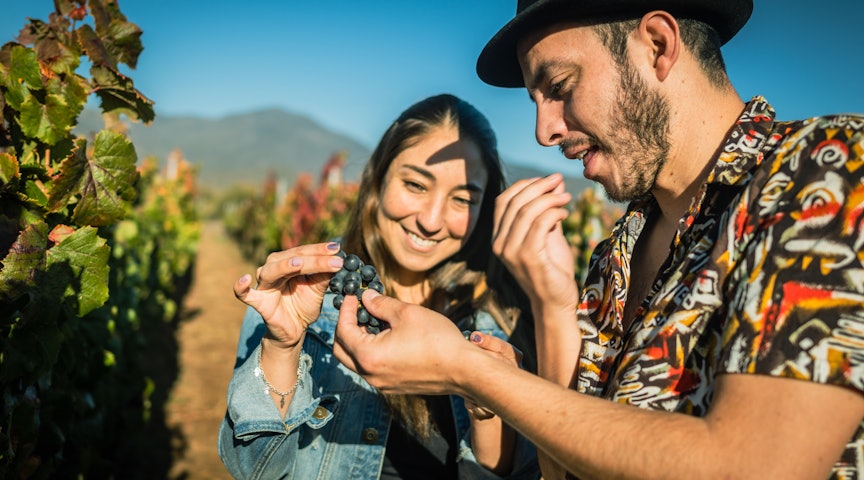
The venerable Colchagua Valley, three hours south of the capital, is your best bet for robust reds such as Carmenere (Chile’s signature grape), produced at charming vineyards such as MontGras, where you can pick and stomp your own grapes.
The Casablanca Valley, an hour west of the capital, is the go-to zone for crisp Sauvignon blancs.
Planning tip: Try to time a trip to coincide with the grape harvest in March and April, when wine-growing areas host lively festivals to celebrate the new crop.
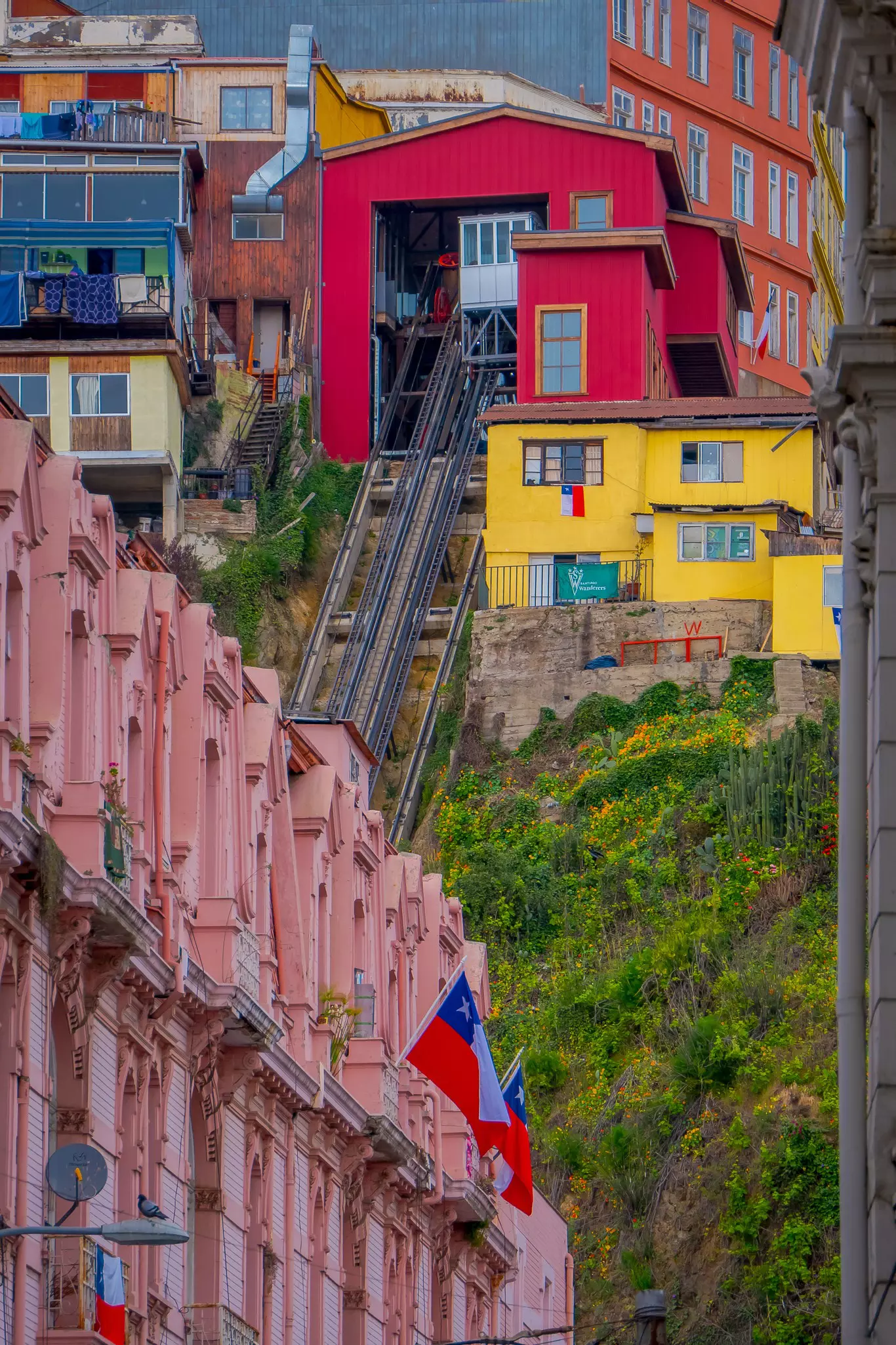
There were once 30 ascensores (funiculars) linking downtown Valparaíso with the 42 hills that surround the city.
Sixteen of them remain in use today and they’re a creaking, nostalgic reminder of the glory days when this city west of Santiago was one of the most important ports in the Americas.
Ascensor El Peral and Ascensor Concepción both lead to long promenades with sweeping views over a jumble of candy-colored houses blanketing the lumpy horizon.
Ascensor Reina Victoria, meanwhile, takes you to the hilltop restaurants of Paseo Dimalow and nearby passageways lined with prismatic street art.
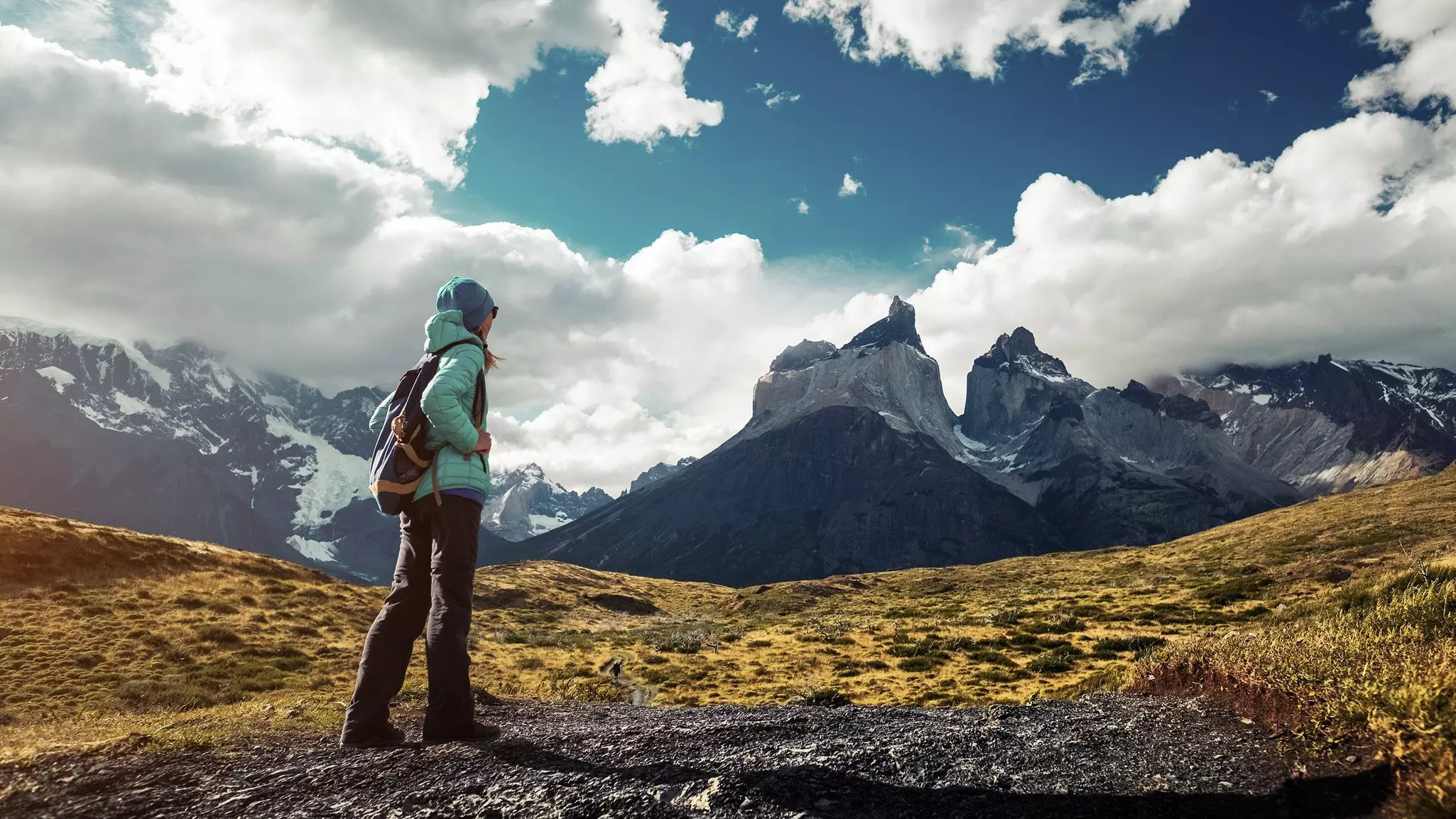
Do you like volcanoes? Good, because Chile has 2,000 of them. And around a quarter are potentially still active, including the highest volcano in the world, 6893m (22,615ft) Ojos del Salado. Climbing a volcano, active or otherwise, is the highlight of many trips to Chile.
So long as the seismographs stay steady, the expedition to the top of Ojos del Salado is a rewarding but grueling two-week affair, with huge rewards once you reach the summit.
Planning tip: There are plenty of other cones you can climb in a day, including Volcán Villarrica near Pucón and Volcán Láscar near San Pedro de Atacama.
The driest non-polar desert in the world, the Atacama Desert is home to a whopping two-thirds of the world’s ground-based astronomy infrastructure.
Scientists from Europe, Asia and North America flock here to tinker with billion-dollar telescopes, but the boffins aren’t the only ones who come to geek out under this dazzling dome of twinkling stars.
Both the Elqui Valley and San Pedro de Atacama have hotels and observatories that specialize in astro-tourism.
You can learn about the night sky from a scientific point of view one night, and then get the local indigenous perspective the next, all beneath a fabulous canopy of constellations.
Planning tip: The peak season for visits to the Atacama Desert is December to February, but the skies are at their clearest in the cooler winter months from June to August.
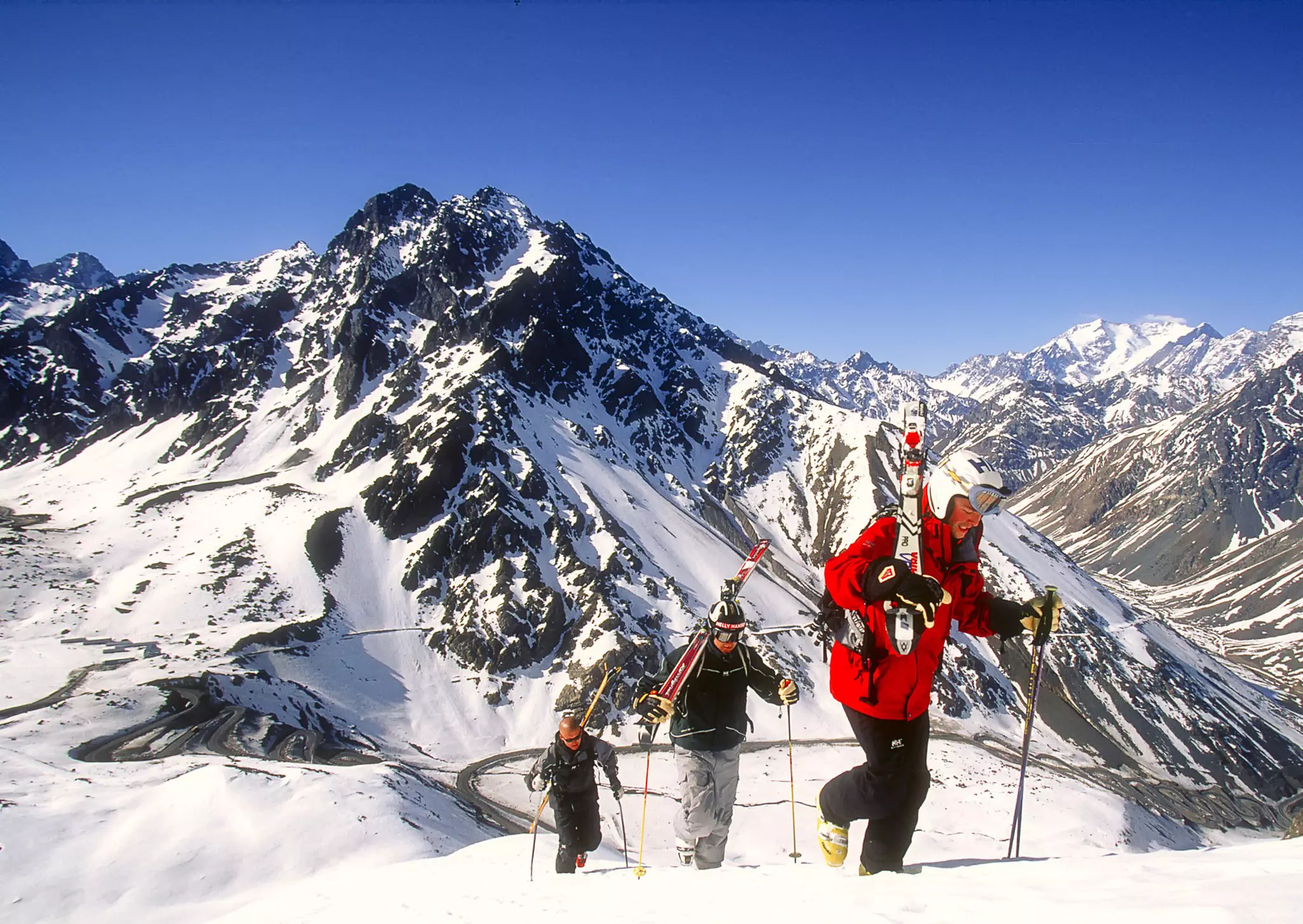
Professional skiers and snowboarders from the Northern Hemisphere decamp to Chile each winter to train at the myriad resorts located in the Central Andes.
Join the procession at top-notch (and high-altitude) centers such as Valle Nevado and Ski Portillo near Santiago.
Further south, Nevados de Chillán is the powder capital of South America; unlike in resorts further north, you can ski here even below the tree line.
The ski centers in the Lakes District, even further south, are smaller, more intimate and typically found on the top of smoking volcanoes.
Planning tip: Remember, the southern hemisphere winter is the northern hemisphere summer. The season runs from late June to late September, but July is normally the most reliable month for snow sports.

Arguments have raged for years between Chile and Peru over who first created the powerful liquor known as pisco (a grape brandy dating back 400 years) and who makes it best today.
If you want to have a dog in the fight, you’ll need to visit the Elqui Valley and the aptly named resort town of Pisco Elqui to sample this firewater at source.
Here, you’ll find artisanal pisco producers such as Fundo los Nichos and Doña Josefa that are only sold in the region, as well as big name brands such as Mistral that are available on shelves back home. Almost all of the distilleries have tasting rooms and many offer tours and lavish lunches.

Are you used to going out to bars at 7pm and coming home by midnight? That schedule won’t fly in Santiago, where things don’t get hopping until midnight and don’t stop until sunrise.
The bohemian barrio (neighborhood) of Bellavista is the undisputed epicenter of Chilean nightlife, with bars and clubs catering to all styles and musical tastes.
Synth-pop, Latin trap and Reggaeton dominate the live music scene, but you’ll also find DJs spinning EDM tracks and drag queens spinning dazzling ballgowns.
If your night began with pisco sours, expect it to end with piscolas (pisco and Coca-Cola, always with more of the former than the latter).
Planning tip: Never underestimate the ability of Chileans to drink you under the table, all the while acting like they’re still on their first drink! Pace yourself on the pisco, alternating with soft drinks to extend a night out.
The Mapuche are Chile’s largest indigenous group and they’ve fought hard to maintain their identity in a nation that hasn’t always been keen on preserving indigenous traditions. As result, Chile has some impressive places for visitors to engage with indigenous culture.
Ethno-tourism projects have popped up all along the coast of south-central Chile in places such as Lago Budi and Mapu Lahual.
Other projects operate out of small hamlets in the forests of the Araucanía Region, including Curarrehue and Malalcahuello, where umbrella-like pehuén (araucaria) trees thrive.
You can sleep in traditional ruca homes, learn about herbal medicines and dine on dishes spiced with a smoked chili pepper called merkén.
Most people think the world’s oldest mummies are in Egypt, but some 2000 years prior, early residents of the Atacama coast had already developed intricate techniques for preserving their dead.
The area covered under the umbrella of the "Settlement and Artificial Mummification of the Chinchorro Culture" became a Unesco World Heritage site in 2021, and it includes ancient graveyards spread out from the regional capital of Arica to the tiny fishing hamlet of Caleta Camarones.
Planning tip: To view Chilean mummies up close, head to the mummy museum in the nearby Azapa Valley; it's a fascinating, if gruesome, experience.
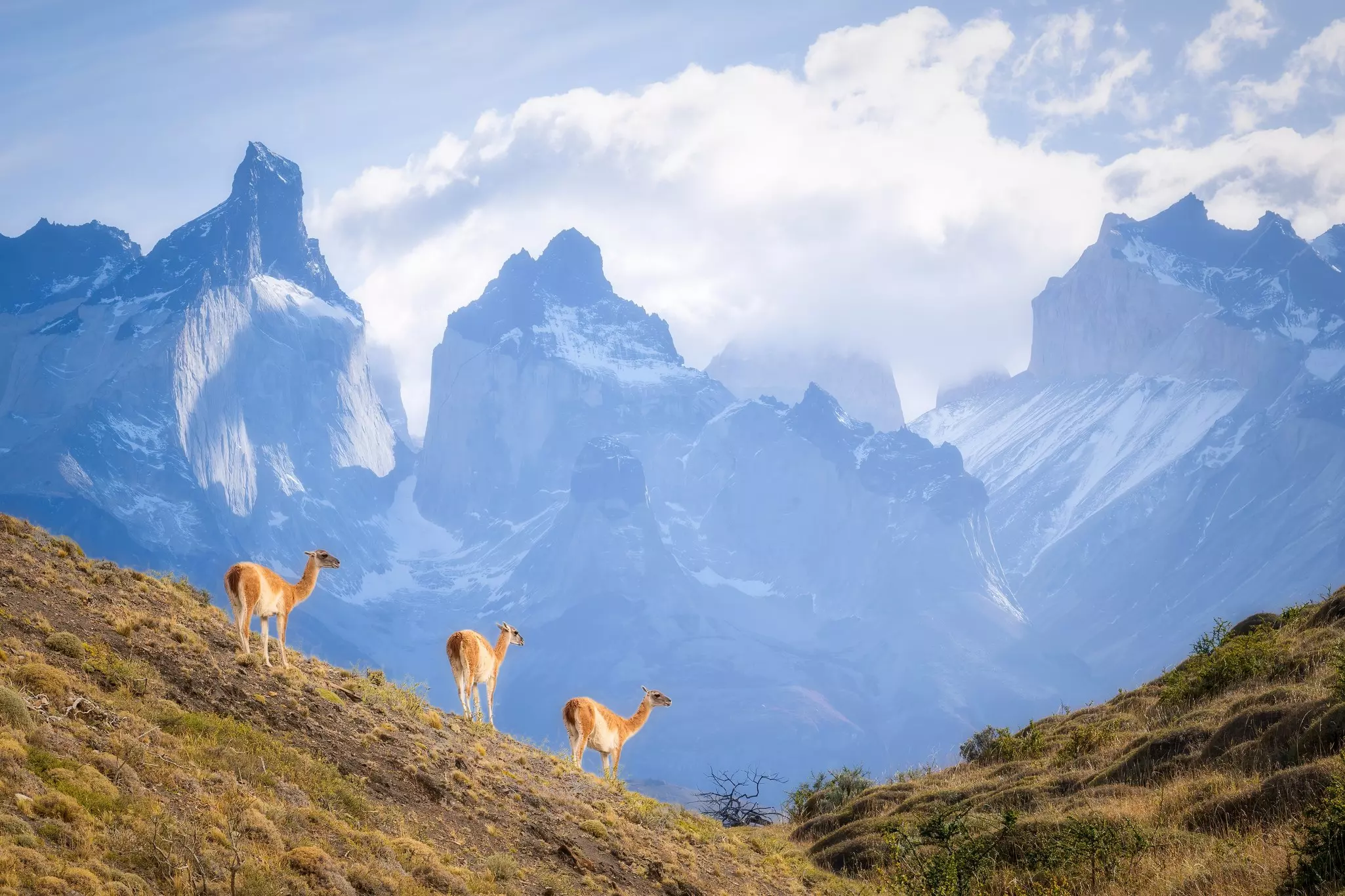
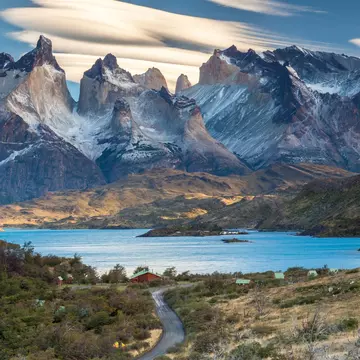
Parque Nacional Patagonia is one of those increasingly rare parts of our planet where you can see a good-news wildlife story unfold.
Formerly comprised of overgrazed ranchlands, this vast swath of Patagonian steppe in the Chacabuco Valley is today known as “the Serengeti of the Southern Cone” as it’s home to one of the most ambitious rewilding projects on earth.
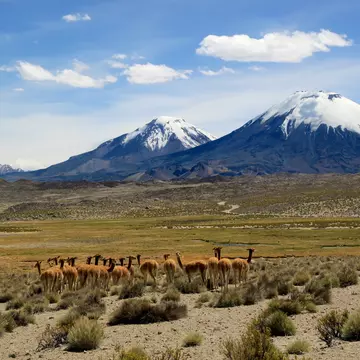
Visitors can search for endangered huemul deer, pumas, guanacos, flamingos, viscachas and many other species, while contributing funds that will help support the reintroduction of native Patagonian fauna.
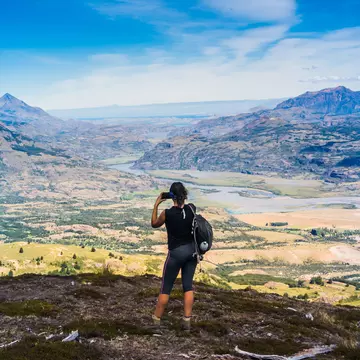
Planning tip: Parque Nacional Patagonia is best explored on foot. Hiking trails from 16km to 23km (10 miles to 14 miles) in length link the park's camping grounds to scenic locations such as the Aviles Valley and Lago Chico.
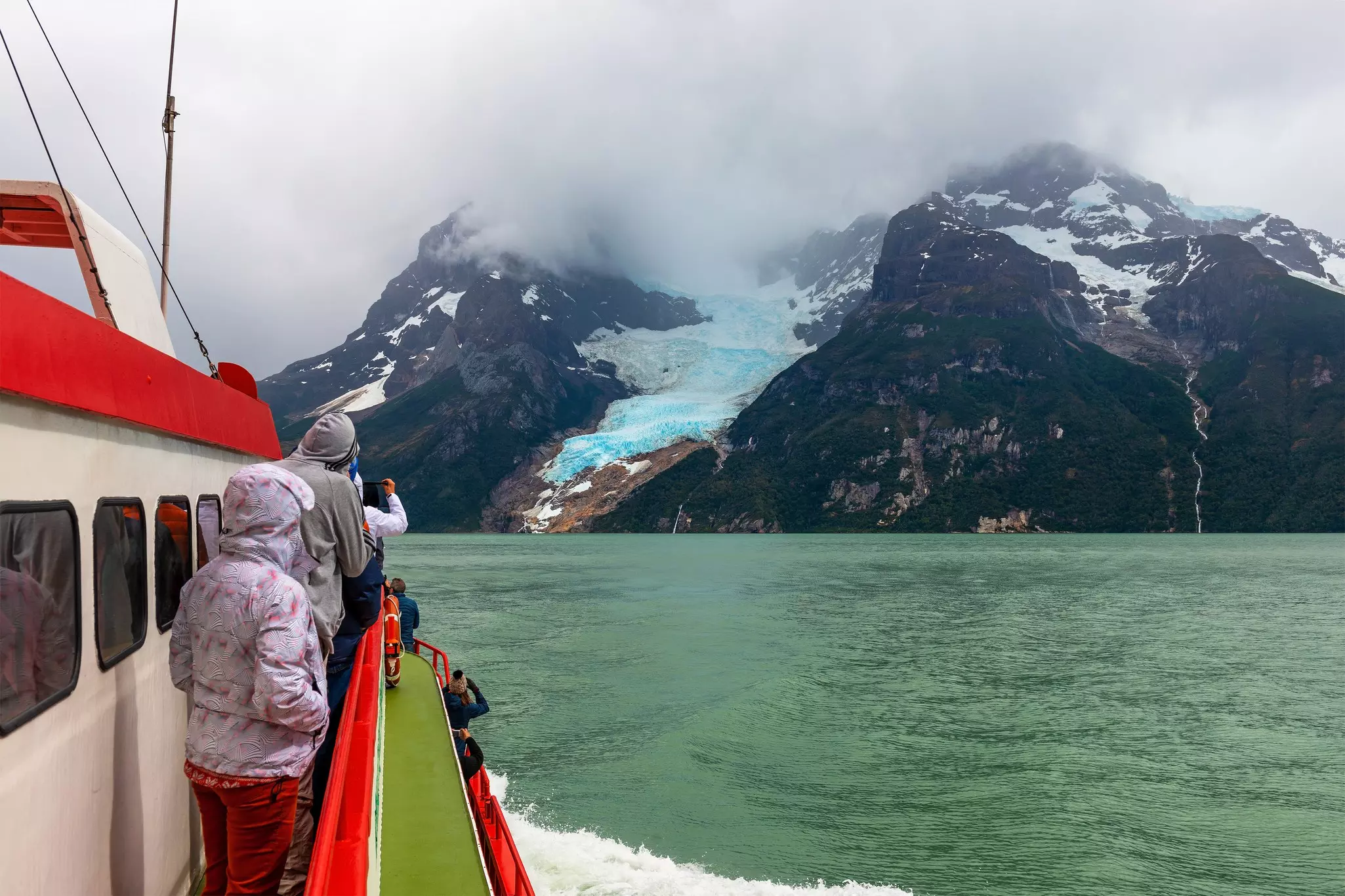
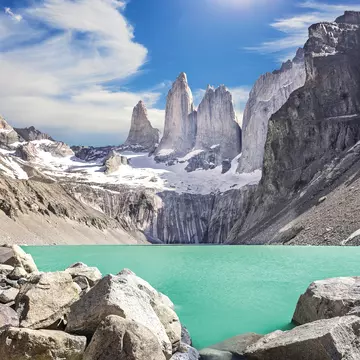
The vast majority of Chilean Patagonia is an inaccessible archipelago of remote, wind-swept islands home to penguins, sea lions and little else.
To visit, you’ll need a boat. Luckily, there are plenty of boatmen waiting to take you into this wilderness wonderland.
Planning tip: Ferry services depart from Puerto Montt, Puerto Natales and Punta Arenas for the steel-blue fjords, glacier-capped mountains and untouched parklands of Patagonia’s wildest frontier. It's a thrilling experience, but you'll appreciate a boat with onboard heating at this chilly latitude.
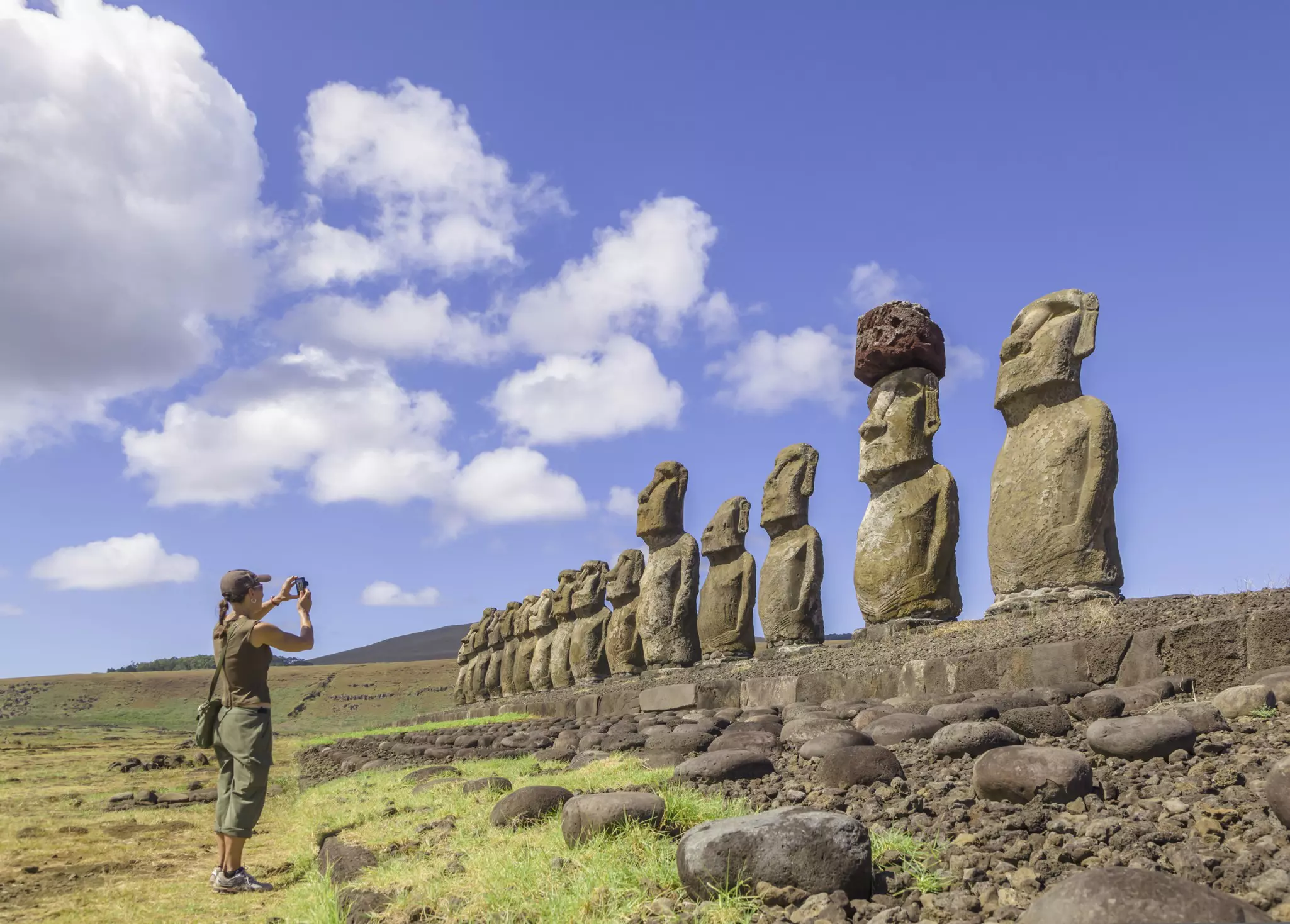
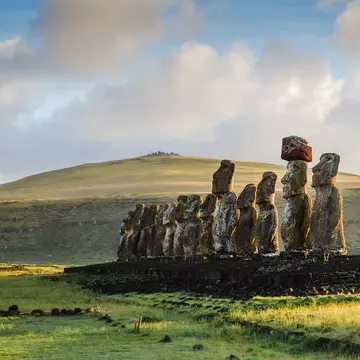
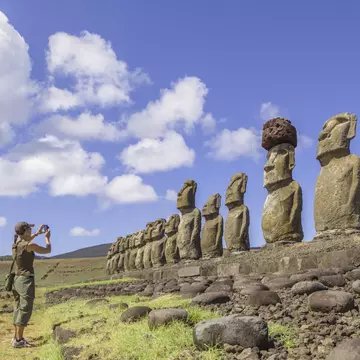
It takes 5½ hours to fly from the Chilean mainland to this remote island, marooned in the Pacific Ocean some 1930km (1200 miles) from its nearest neighbor, the similarly remote Pitcairn Islands.
Yet it’s totally worth it. The minute you catch a glimpse of the enigmatic moai statues that line the Rapa Nui coast, you'll be rapt.
Nobody is quite sure why these enormous effigies were carved out of volcanic stone between 1,000 and 1,500 CE, but there are more than 800 dotted around the island.
The largest collections are found at Rano Raraku and Ahu Tongariki on the opposite side of the island from the only town, Hanga Roa.
Planning tip: The only airline serving Easter Island is LATAM, with daily flights from Santiago. In the past, the airline has also operated a weekly flight from Pape'ete in Tahiti.
With miles of empty ocean between Chile and Australia, the waves come fast and strong along the Pacific Coast.
You can find top surf breaks at dozens of quaint towns dotting the coast of Middle Chile – Pichilemu is the most famous surf hub, but nearby Cobquecura and Matanzas also have good breaks.
Then there are northern surf cities such as Iquique and Arica, close to the Peruvian border, where the desert comes right down to the beach and reef breaks deliver impressive barrels year-round. Just be ready for gnarly waves that are more suitable for pros than beginners.
Planning tip: It's theoretically possible to surf in Chile year-round but the cold keeps most people out of the water in the winter. The waves in the north perform best in the spring from September to November.
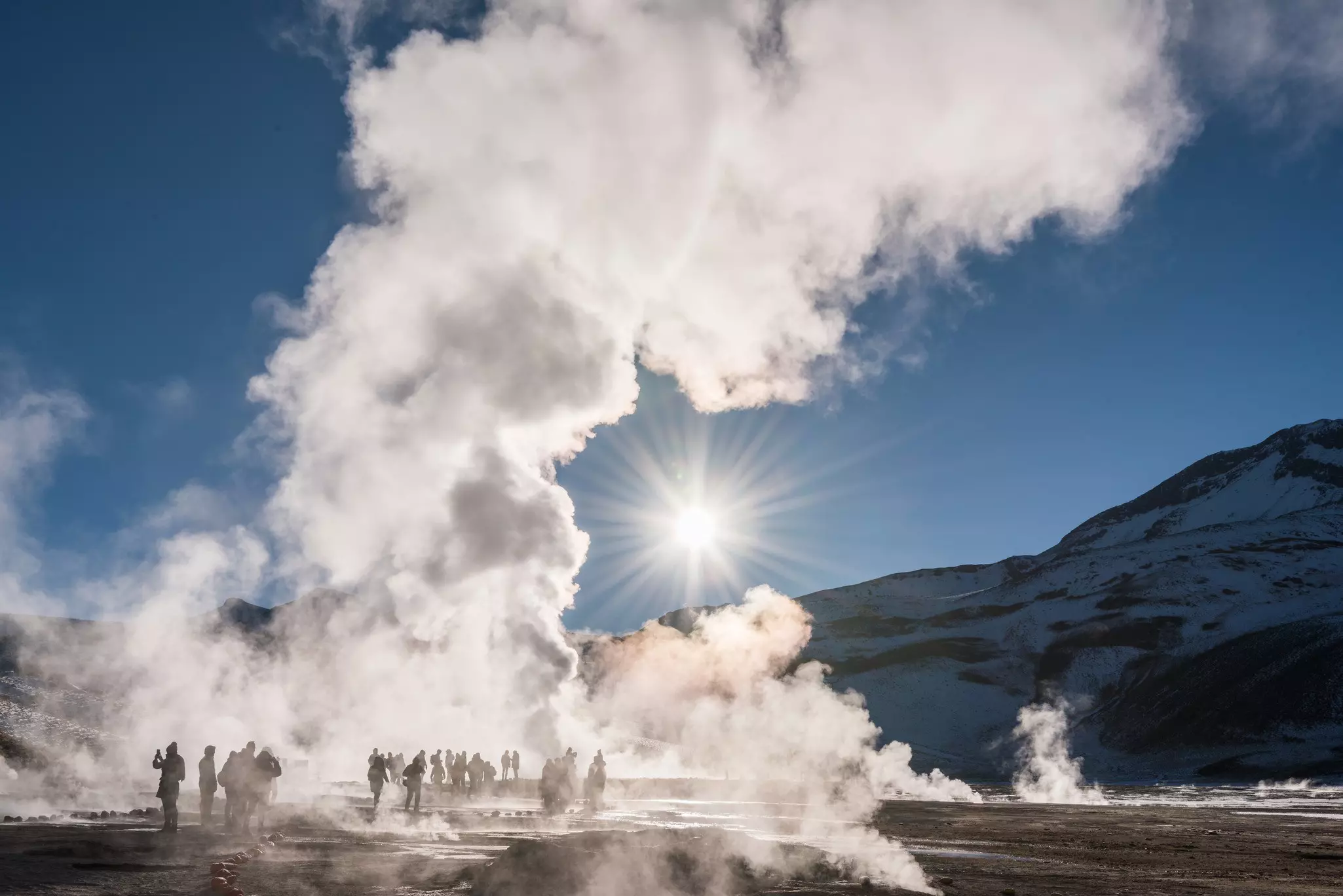
With so many volcanoes puffing along Chile’s Andean spine, it’s only natural that Chile should be blessed with abundant hot springs.
The Lakes District resort town of Pucón is a top destination for some quality spa time, with access to a week’s worth of natural Jacuzzis in the surrounding rainforests, including the high-design retreat of Termas Geométricas near Coñaripe.
If a hot spring on the Altiplano is more your vibe, try the remote, natural and often free pools above San Pedro or close to the Aymara village of Putre.
Prefer your hot springs on the edge of a Patagonian fjord? Try Puyuhuapi. Want something in the rugged Andes instead? Try Termas Valle de Colina, an easy day trip from Santiago.
Book your Chile trip with Lonely Planet Journeys
See Chile how it's meant to be seen
Planned by local experts and tailored to you, Lonely Planet Journeys handles the logistics so you can just enjoy the trip. Tell us what you want and we'll build your Chile itinerary from scratch, or browse our bookable trips to get inspired.

Explore related stories