18 fabulous free things to do in Tokyo
Jun 22, 2026
9 MIN READ
Contributors
Highlights
Writers David McElhinney and Simon Richmond share 18 free Tokyo activities.
History seekers should visit Sensō-ji in Asakusa and walk the Imperial Palace grounds.
Watch sumo training at Arashio Stable or catch the tuna auction at Toyosu Market.
Free picks range from bizarre museums and Shibuya Crossing's crowds to Mt Takao's trails.
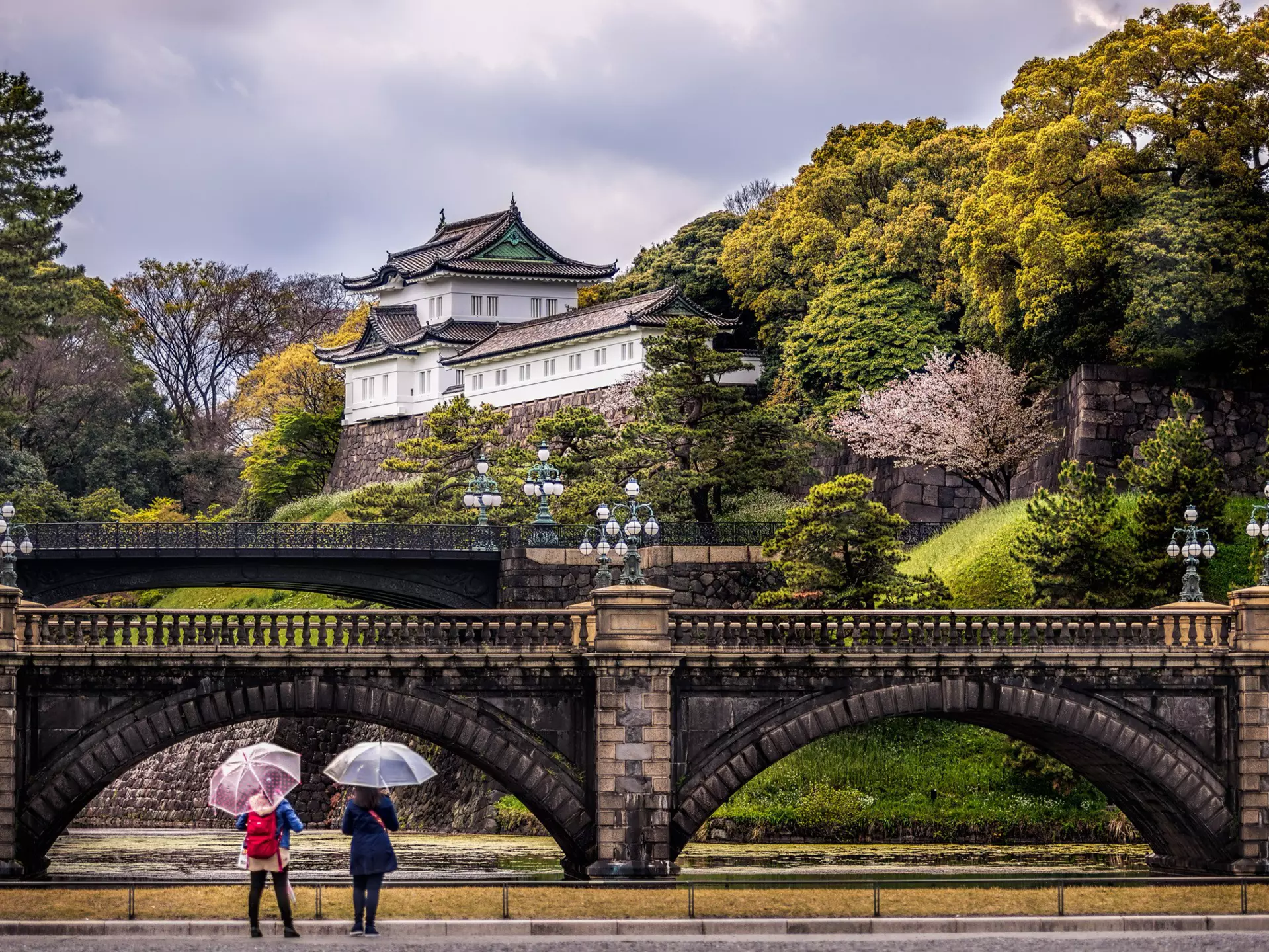
A view of the Imperial Palace from the surrounding gardens, Tokyo. golaizola/Getty Images
Contributors


Simon Richmond, David McElhinney
Highlights
Writers David McElhinney and Simon Richmond share 18 free Tokyo activities.
History seekers should visit Sensō-ji in Asakusa and walk the Imperial Palace grounds.
Watch sumo training at Arashio Stable or catch the tuna auction at Toyosu Market.
Free picks range from bizarre museums and Shibuya Crossing's crowds to Mt Takao's trails.
Lonely Planet may earn a commission from affiliate links on our site. All recommendations and reviews reflect our own independent opinions.
Exploring Japan’s capital will blow your mind. It can also blow your budget.
That doesn’t mean it needs to, though – for there is an abundance of things to do and see here that are a great value, or don’t cost any yen at all. From gardens and temples to contemporary art, sumo practices and a world-famous fish market, here are our picks for the best free things to do in Tokyo.
1. Explore the gardens and parks surrounding the Imperial Palace
Walk along the moats and paths surrounding Tokyo’s central point, the Imperial Palace, for views of its famous bridges and remnants of the old medieval keep. The full loop around the palace grounds totals 5km – it’s a popular local jogging course if you want to fit in some cardio while admiring the scenery.
You can take a detour through the accompanying gardens without dipping into your wallet. The Imperial Palace East Garden encompasses the Honmaru and Ninomaru, the former innermost circles of the castle, and features broad lawns, small stretches of woodland and seasonal flora (check out what’s in bloom on the Flower Calendar).
Kokyo Gaien National Garden marks the area in front of the palace’s Sakuradamon Gate, where Ii Naosuke, a controversial proponent of opening Edo-period Japan to the outside world, was assassinated in 1860.
Our pick of the bunch, Kitanomaru Park is home of the Budokan, Japan’s premier martial arts arena, and the Chidorigafuchi Moat. In spring, the path encircling the moat is enlivened by blooming cherry blossoms.
2. Visit Sensō-ji, Tokyo’s iconic Buddhist temple
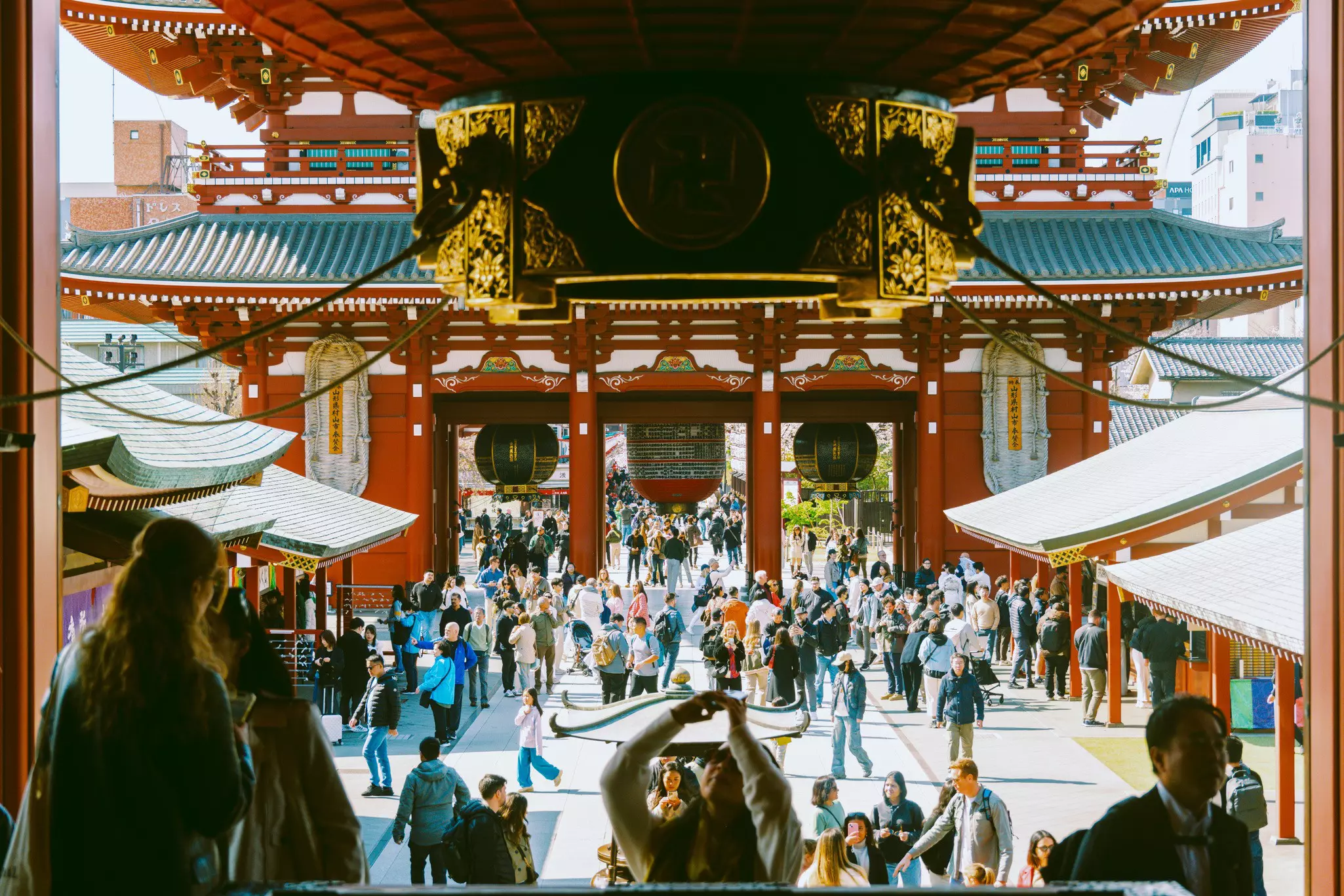
Follow in the footsteps of countless pilgrims by taking the long way to Sensō-ji, Tokyo’s most famous Buddhist temple, in Asakusa. The narrow passage is lined with colorful stalls selling all manner of souvenirs, from giant rice crackers to washi (handmade paper) fans.
Planning tip: Sensō-ji is Tokyo’s most-visited religious monument, so prepare for swarms of photo-snapping tourists and a smattering of locals decked out in traditional kimono. Visit at the crack of dawn – the temple is open from 6am – for a quieter excursion.
3. See the tuna-auction action at Toyosu Market
Want to witness Tokyo’s famous tuna auction at Toyosu Market? A limited number of visitors who apply in advance can watch the hour-long quick-fire bidding from a viewing platform near the market floor; check the website for details.
Although ultra-modern Toyosu may lack the rustic charm of its predecessor in Tsukiji, visitors are nevertheless welcome to wander the sprawling complex. Infographics and exhibition spaces detail the storied history of the world’s greatest fish market; scan the clearly indicated QR codes for interactive multilingual tours.
Planning tip: If you secure tickets for the auction, you’ll need to set your alarm early, because it kicks off around 5:30am
4. Have a jaunt through Harajuku
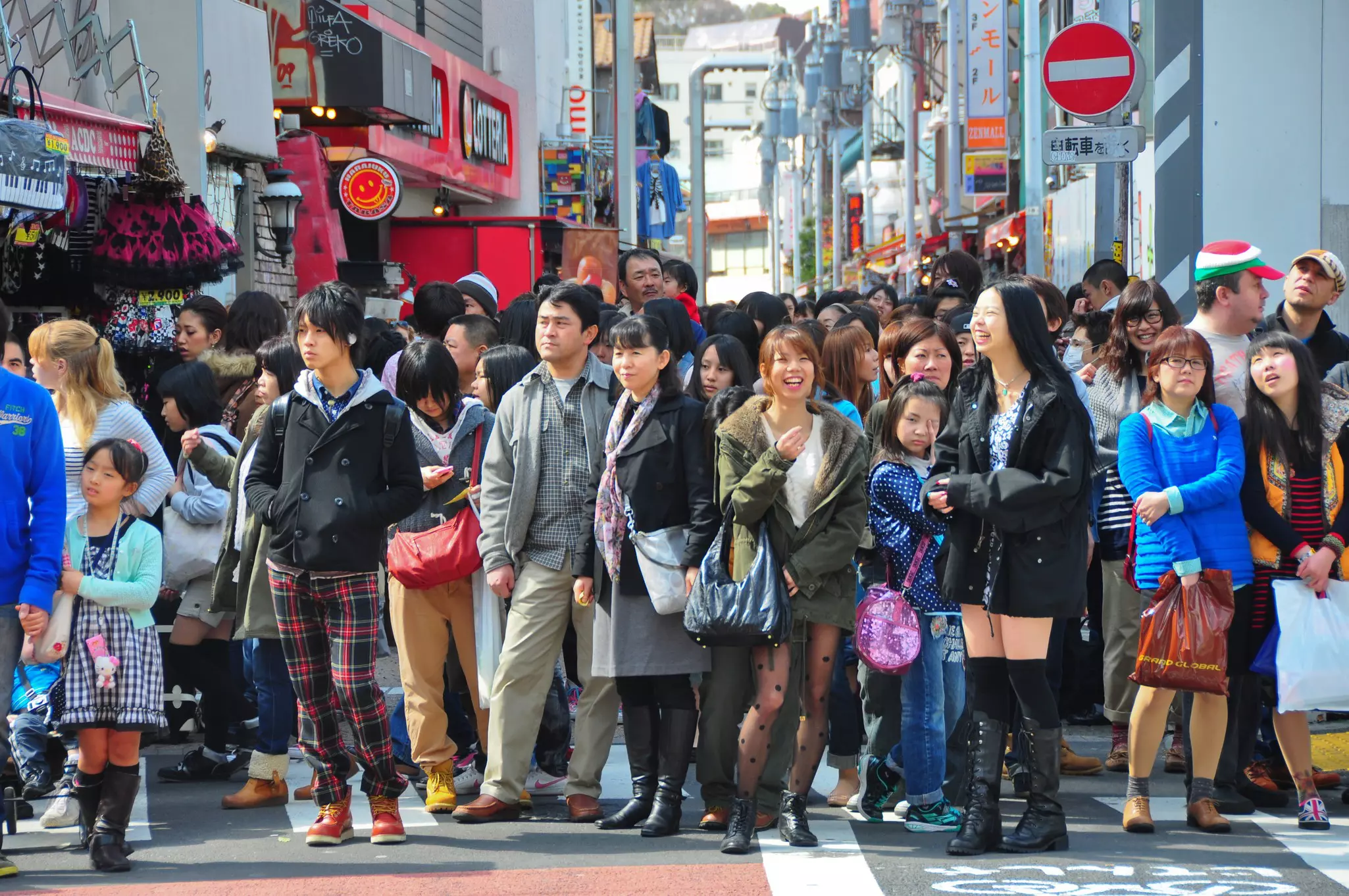
The Harajuku neighborhood serves up irresistible eye candy, with its main street, Takeshita-dōri, bursting forth in an explosion of vivid colors, kawaii (cute) motifs and the constant babble of frivolous consumers.
Stroll tree-lined Omote-sandō, a glam boulevard of upscale boutiques housed in contemporary buildings, or hang out in Yoyogi-kōen (Yoyogi Park). The sprawling green space hosts frequent international festivals celebrating cultures from Ireland to India, Spain to Thailand, Brazil to Sri Lanka – and beyond.
5. Watch sumo wrestlers training
Even if you can’t make it to a sumo tournament, you can see wrestlers going through their training drills at a sumo stable, such as Arashio Stable, where visitors can watch the morning practice session (asa-keiko) through windows on the street.
Practice typically takes place between 7:30am and 9am on weekday mornings, except in March, July, November and on the week following a major tournament. Check the stable’s website for the up-to-date training schedule.
6. Plunge into the crowd at Shibuya Crossing
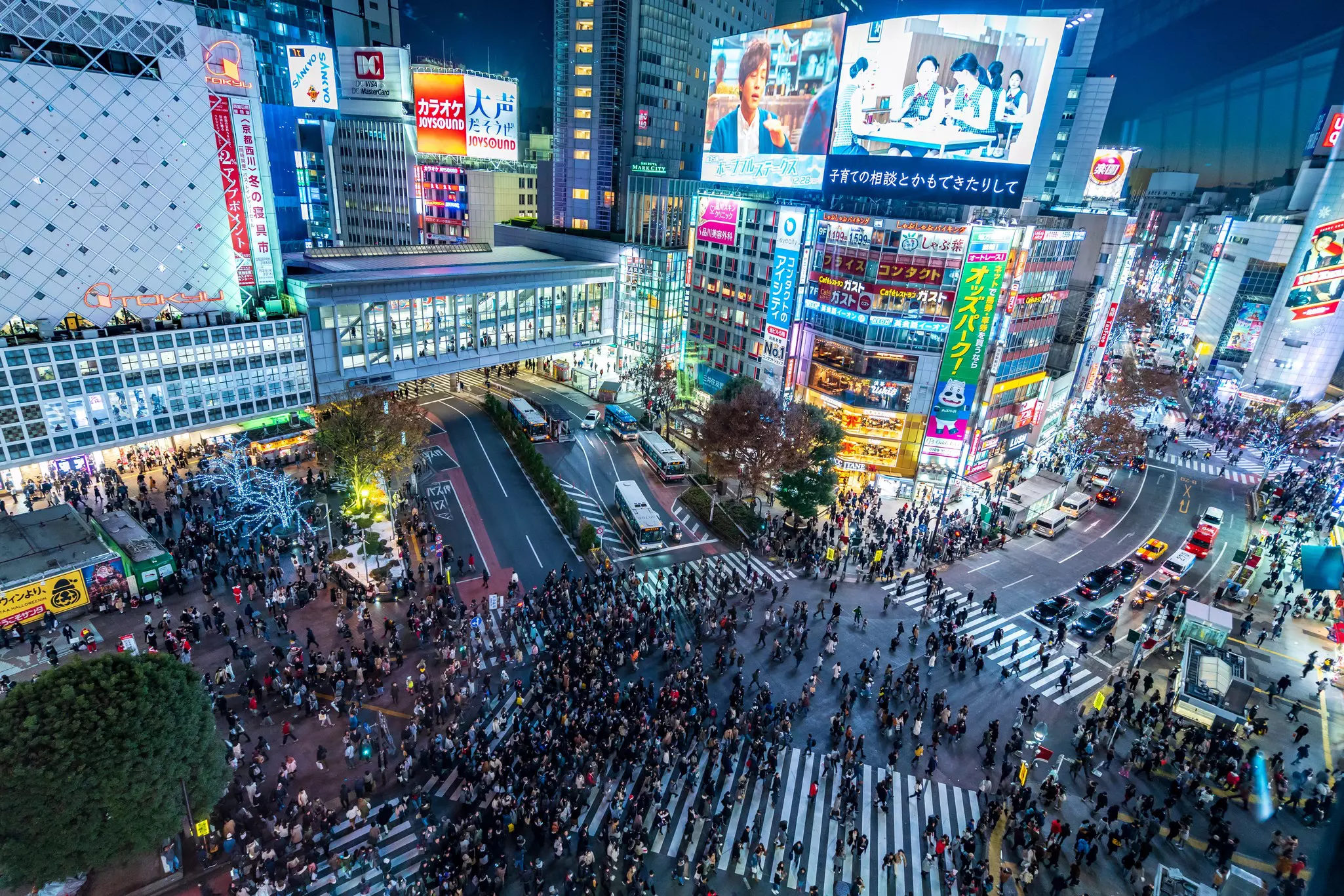
Every few minutes a wave of humanity washes across Shibuya Crossing, thought to be the world’s busiest intersection. Join the masses or stand back and watch.
An ideal vantage point is Mag’s Park, on the roof of the Shibuya 109 department store. A couple of floors down, at the entrance to Mark City, check out the Myth of Tomorrow, a monumental 1967 mural by artist Okamoto Tarō.
7. Hear Godzilla roar
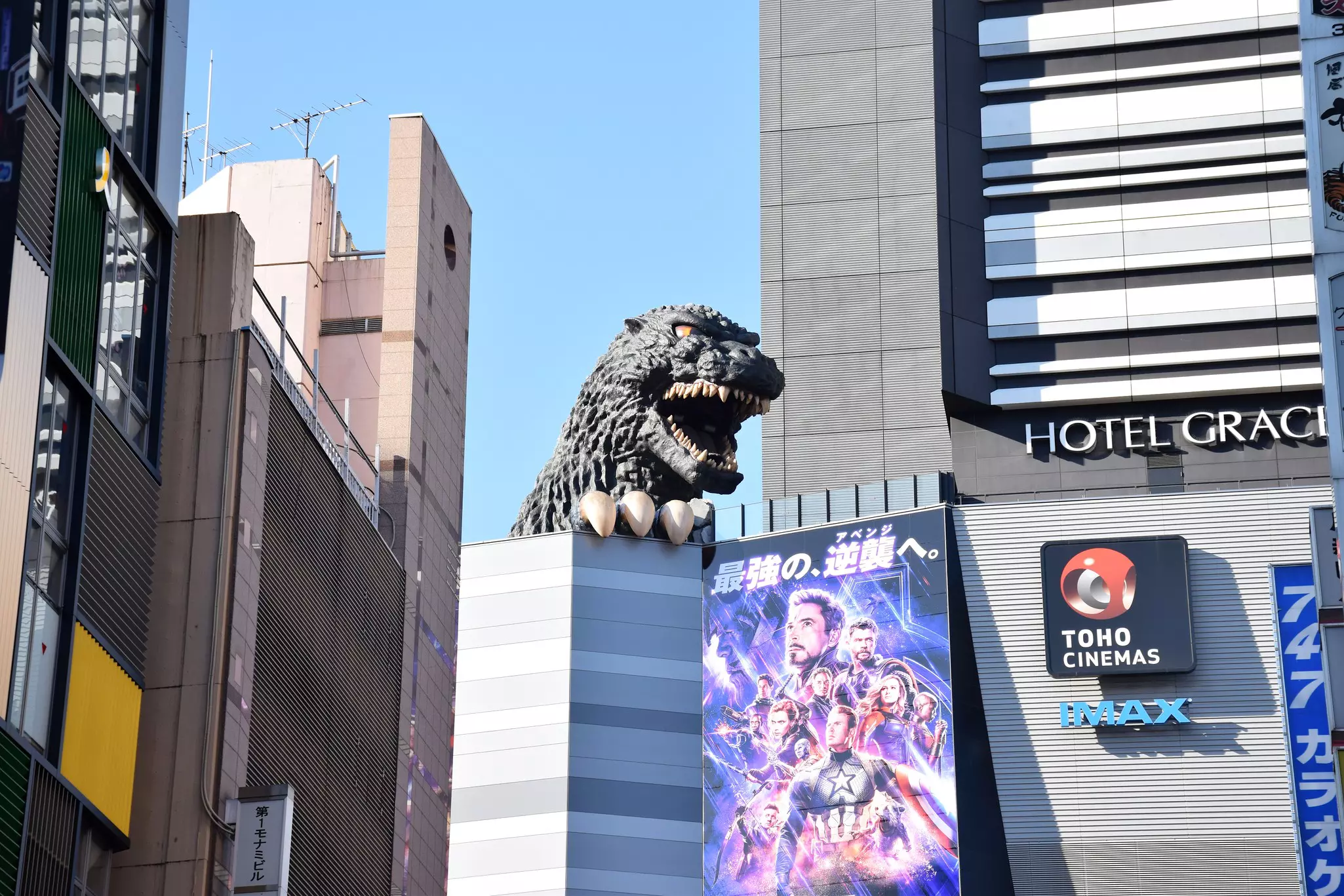
Fans of kaijū (strange beasts from Japanese monster flicks) will want to pay their respects to the giant Godzilla that lords over the Hotel Gracery Shinjuku. Amateur videographers should head down between noon and 8pm, when Godzilla belts out thunderous roars on the hour.
Planning tip: While you’re in the area, wander around the electrified Kabukicho neighborhood, Tokyo's red-light district, or head to nearby Golden Gai, a warren of Shōwa-period alleyways housing hundreds of shoebox bars.
8. Visit weird and wonderful free museums
Tokyo has some of the most bizarre museums in the world – and in a bid to attract curious eyes, many offer free admission, making them one of the best budget-friendly things to do in Tokyo.
Thought to be the only institution of its kind in the world, the Meguro Parasitology Museum displays a range of sinister parasites suspended in formaldehyde-filled casings. The Rainbow Sewerage Museum, meanwhile, delves into the engineering feats necessary to flush excrement from the world’s most populous metropolis – interactive exhibitions included.
Coin collectors and enthusiasts can head to the Bank of Japan Currency Museum, which is (perhaps ironically) also free. Or check out the Advertising Museum Tokyo, where montage displays of old ads illuminate the visual history of commerce in Japan over the last century.
9. Walk the forests of Meiji-jingū
Escape to the densely wooded grounds that envelop the capital’s premier Shintō shrine, Meiji-jingū. The walking path is particularly ethereal on misty and drizzly afternoons; if you’re lucky, you might spot a traditional wedding procession or robe-clad priest.
10. Cross the Rainbow Bridge to Odaiba
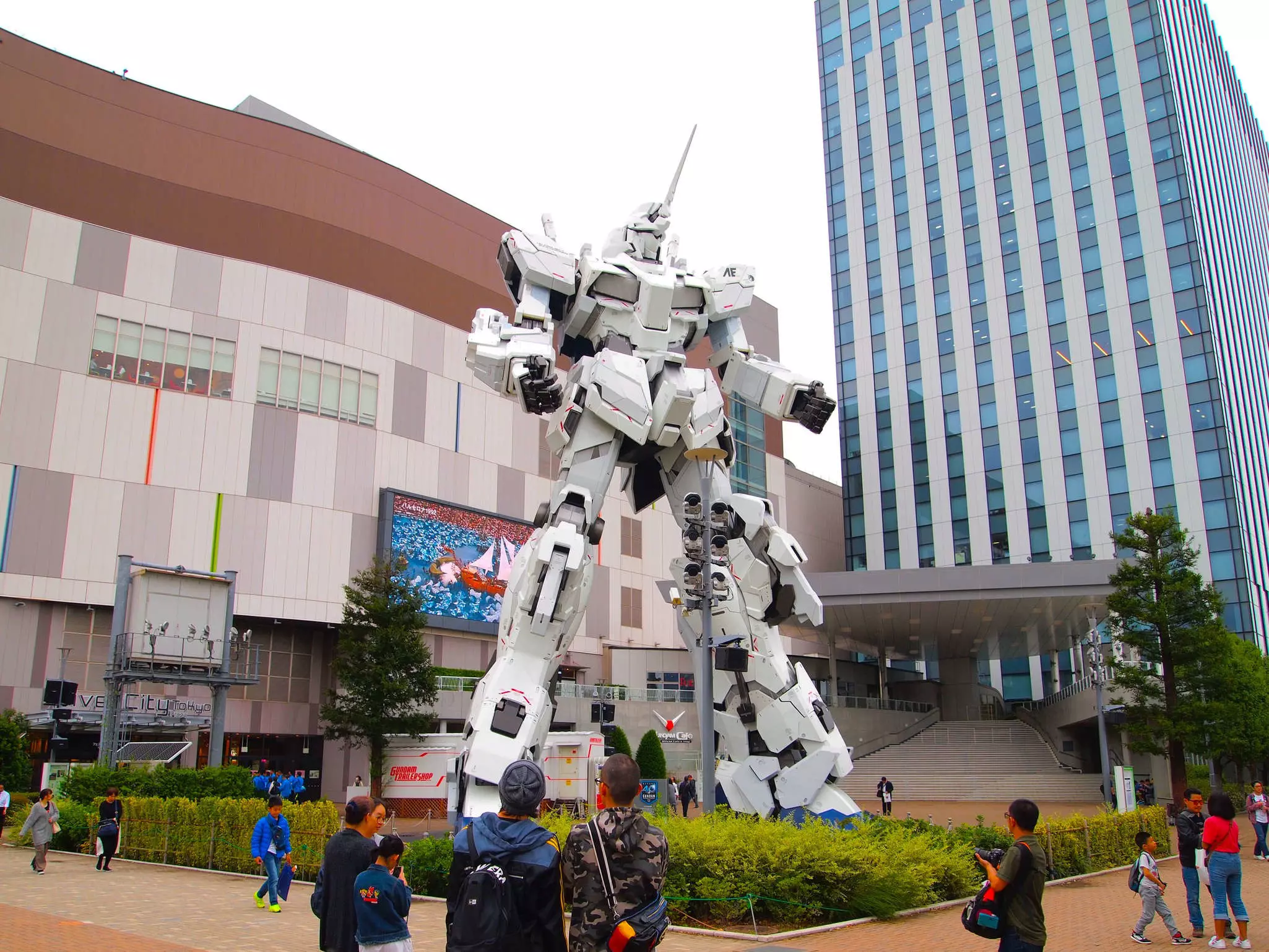
Odaiba, an island of reclaimed land in Tokyo Bay, is linked to the city by the Rainbow Bridge, which is illuminated in a spectrum colors come nightfall. Walk over the 798m-long span to discover an uber-modern commercial district. On the island, you can sunbathe on an artificial beach (weather permitting), see a Statue of Liberty replica and gaze upon a larger-than-life Gundam statue.
11. Take a tour of the National Diet
If you have a passion for politics, take a free tour of Japan’s seat of governance, the National Diet, to view the wood-paneled, leather-accented and gilded interiors, and gardens planted with species from across the country.
Planning tip: English tours take place on Mondays at 2pm, and Tuesday to Friday at 3pm (excluding national holidays). Reservations, with some stipulations, are necessary.
12. Admire the beauty (and maybe sip a beer) at Tokyo’s free parks and gardens
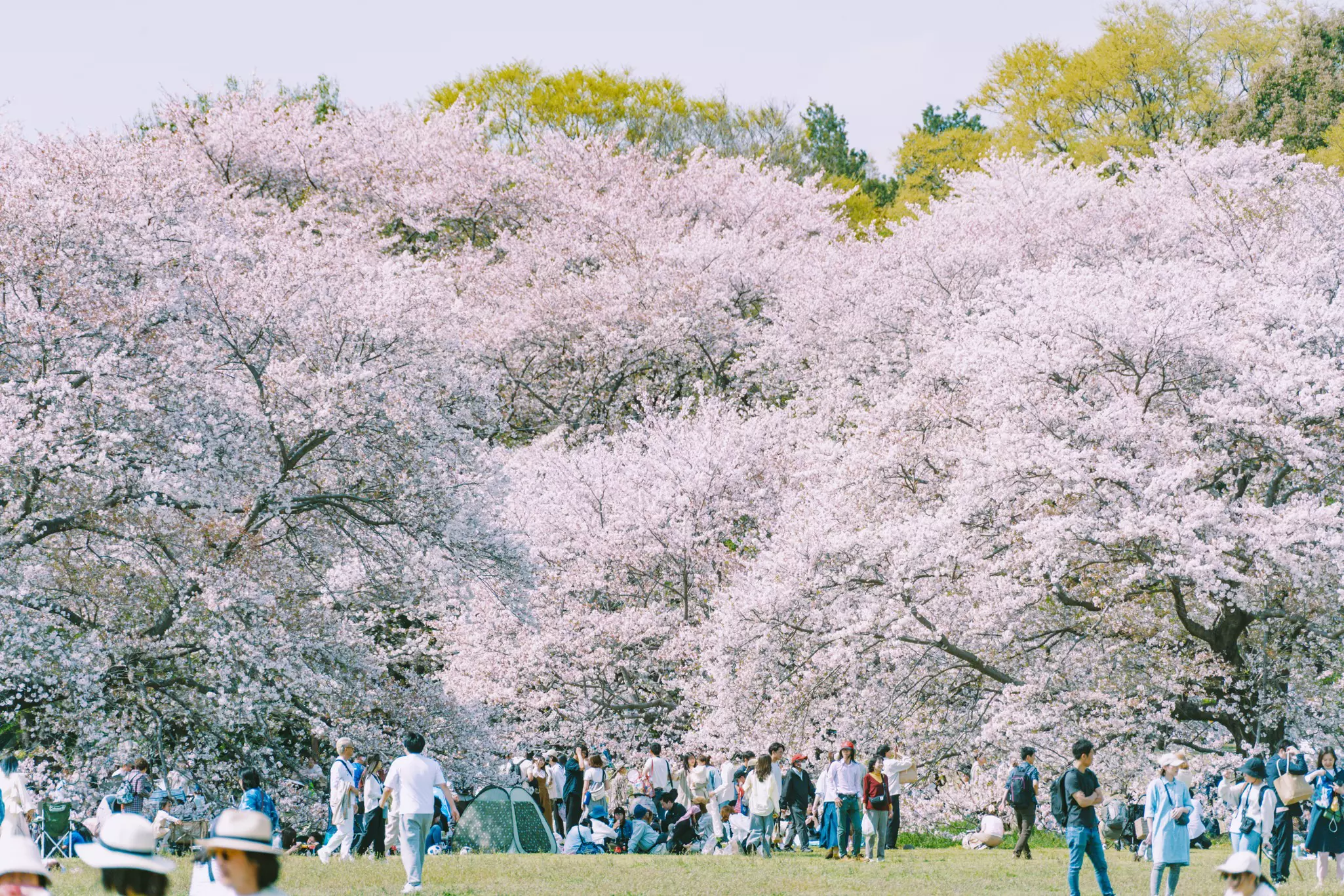
Admire beautiful foliage and horticultural skills in Tokyo’s countless traditional gardens, undoubtedly some of the top free attractions in town. Free-to-enter gardens include those attached to the Hotel New Ōtani in Akasaka and the Hotel Chinzanso, as well as the lush grounds of Happō-en, near Shirokanedai Station.
Tokyo also has excellent public parks, from Ueno-kōen in the north, to Inokashira-kōen in Kichijōji, also the home of the Studio Ghibli Museum (payment required).
Planning tip: Parks are prime spots for joining beer-fueled hanami (flower-watching) parties during the spring cherry-blossom season.
13. Get a glimpse of pre-WWII Tokyo in Yanesen
The streets of Yanaka, Nezu and Sendagi – three areas collectively known as Yanesen – offer a view into what Tokyo looked like before the destruction of World War II.
These areas were spared from firebombing, which means they stand apart from the rest of the modern city thanks to narrow walking streets; small temples and shrines; craft shops, galleries, and cafes; and Yanaka-reien, one of the city’s oldest graveyards. Interesting galleries include SCAI the Bathhouse, in a 200-year-old public bath.
14. Take in twinkling winter tableaux
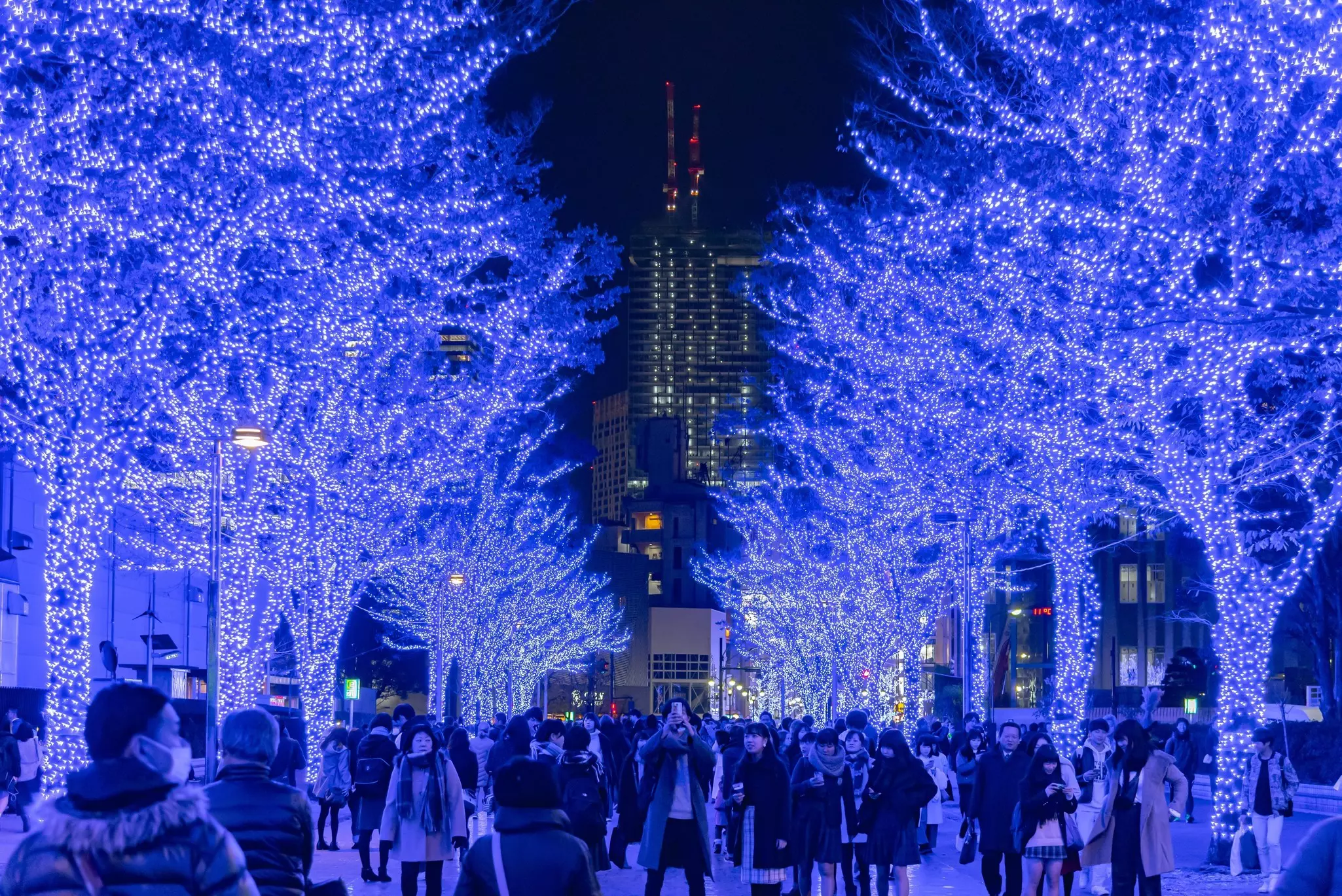
Tokyo embraces the festive spirit every winter with seasonal illuminations in parks and commercial complexes, many of which are free of charge.
Around 600,000 crystal blue lights create Shibuya's Ao no Dokutsu (blue cave) along a pedestrianized street leading to Yoyogi-kōen, while the barren Zelkova trees lining fashion-focused boulevard Omote-sandō are wrapped in gold.
Admire a glimmering LED display in view of Tokyo Tower from the observation bridge at Roppongi Hills. Or head to the Yebisu Garden Place Christmas Market, presided over by a 10m-tall Christmas tree and Baccarat crystal chandelier.
15. Get artsy in Roppongi
This fabled nightlife neighborhood is also a treat to explore in daylight. You’ll find plenty of public art scattered around the glitzy commercial complexes of Roppongi Hills and Tokyo Midtown, as well as dazzling contemporary architecture at the National Art Center Tokyo (free to enter).
Tokyo Tower, the Eiffel-esque symbol of the modern metropolis, is also nearby. While you’ll have to pay to ascend it, a free stroll around the base gives a sense of its imposing scale.
16. Take in the views from the Tokyo Metropolitan Government Building
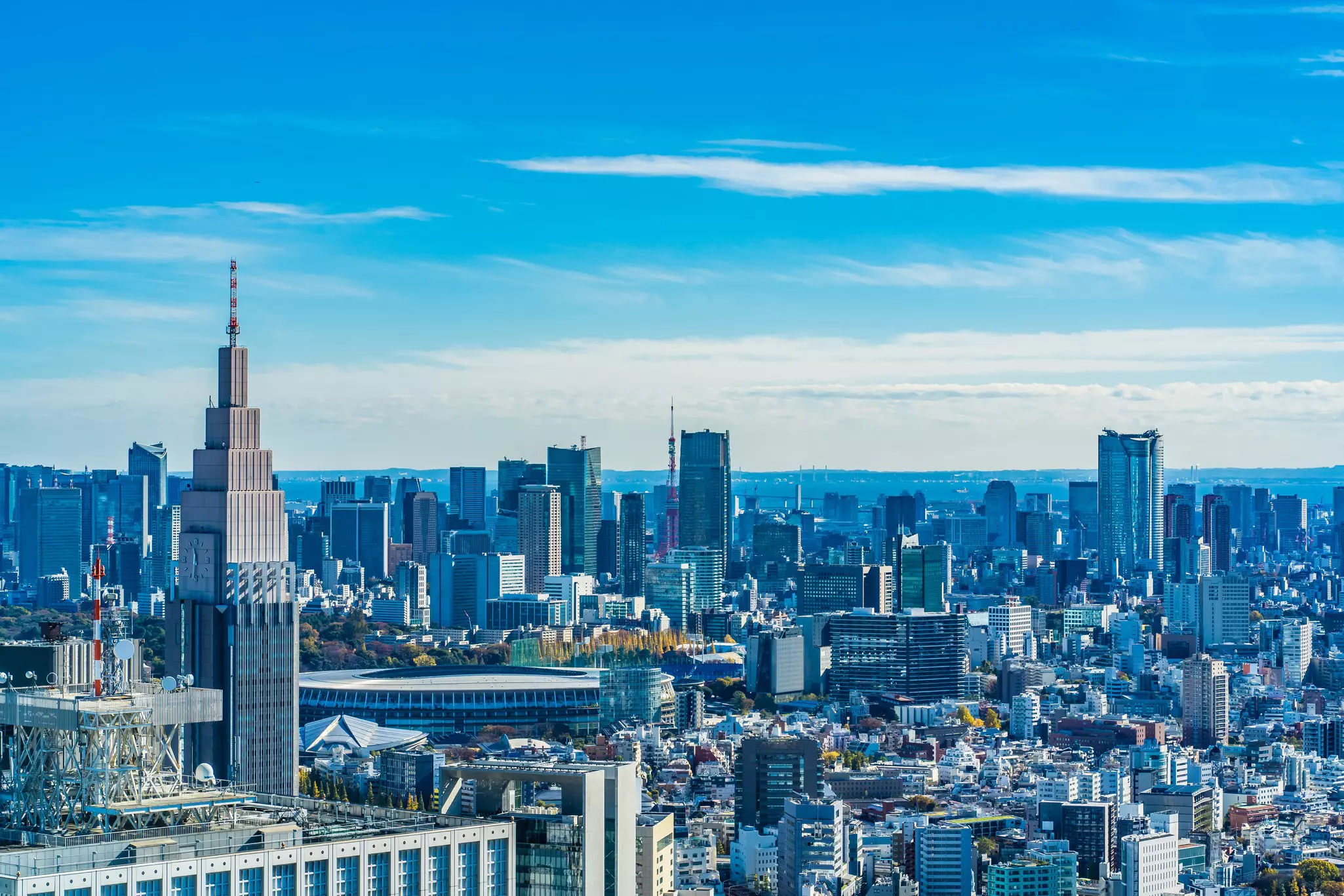
Survey the city 202m above ground from the 45th-floor observation deck of the Tokyo Metropolitan Government Building – on a clear day you may even catch a glimpse of Mt Fuji. Come at dusk to see spectacular sunsets and to witness the city bursting into neon-lit action.
17. Peruse the stalls and street food vendors at Tsukiji Market
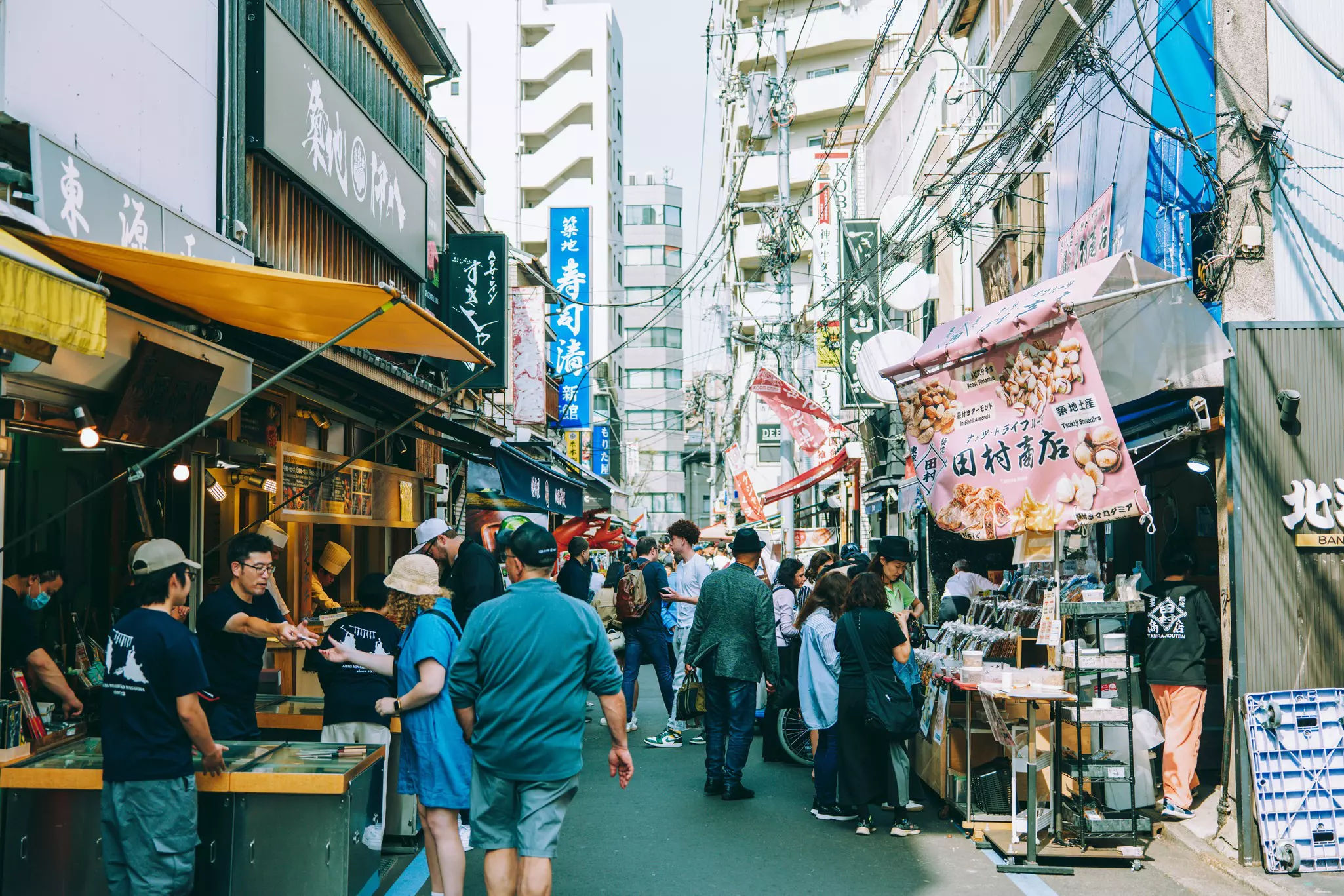
Though it’s no longer the city’s official fish market, Tsukiji still has a bunch of stalls selling culinary products such as dried aonori (edible seaweed), pickles, bamboo rolling mats, kitchen knives and more. Come early to get breakfast (at a price) from the food vendors and to bask in some old Tokyo ambience.
Planning tip: If the weather is on your side, embark upon a lengthy (approximately 6km) stroll along the Sumida River promenade north to Asakusa and Sensō-ji. Expect to find afternoon joggers, lone musicians practicing their craft and river taxis chugging along the way.
18. Climb Mt Takao
Deep in the west Tokyo suburbs sits Mt Takao, a 599m-tall peak topped by an observation area, beer garden and Buddhist temple. There are several walking trails to the top, all of which are manageable with a moderate level of fitness.
Planning tip: Head during kōyō (autumn foliage season) for the best views – but be prepared for crowds.