Sep 11, 20268 min read
How to See Barcelona by BicycleJan 8, 2026
5 MIN READ
Writer
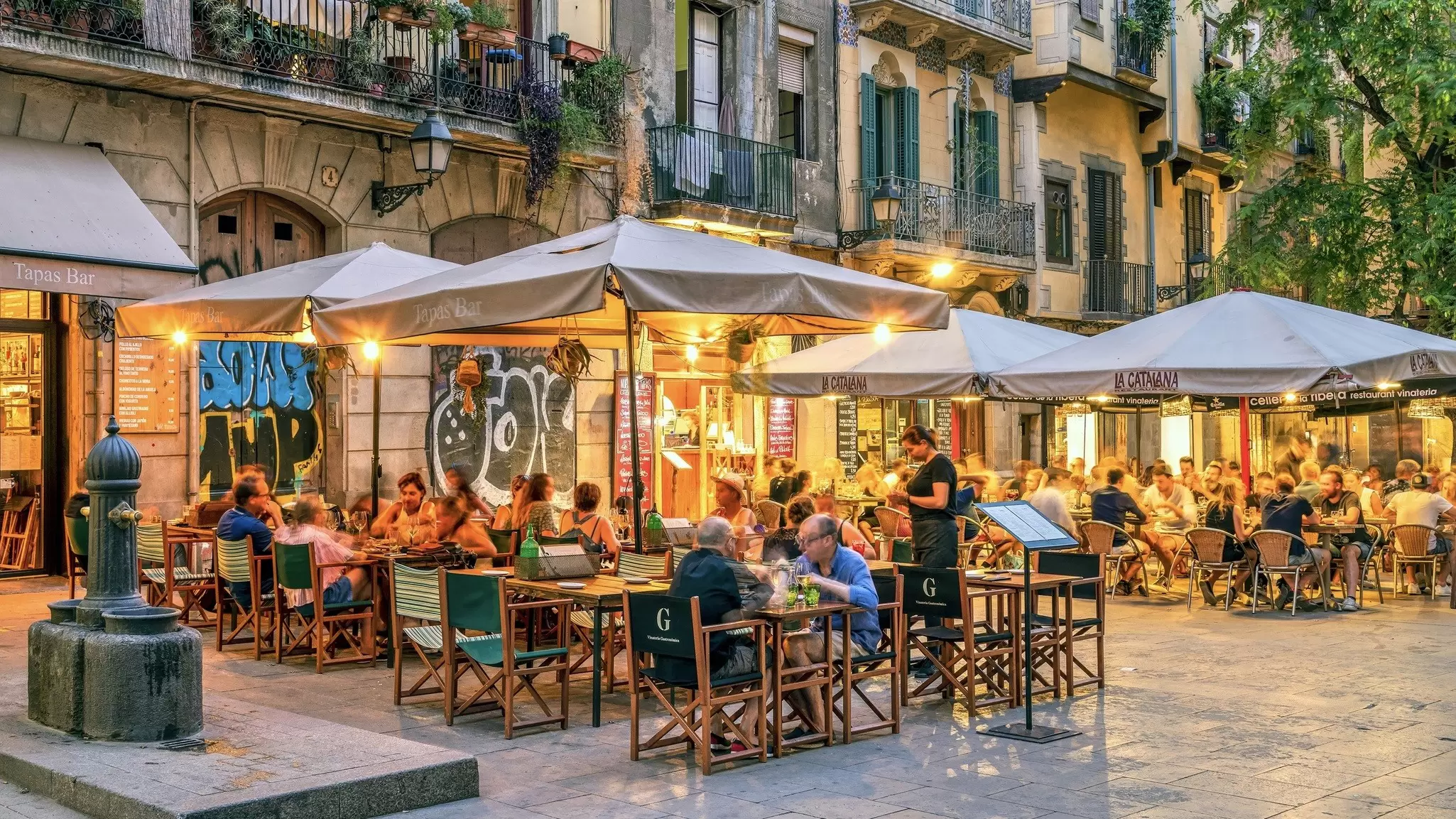
Outdoor dining in the Born district of Barcelona. Stefano Politi Markovina/Shutterstock
Writer
Lonely Planet may earn a commission from affiliate links on our site. All recommendations and reviews reflect our own independent opinions.
Home to dozens of Michelin-starred and list-topping restaurants, Barcelona is one of the best cities for dining out in Europe. Between the beaches and beautiful architecture, culinary traditions and boundary-pushing food movements meet on the plate. You’d be missing out not to incorporate into your itinerary an essential Barcelona food experience. For some, this might mean marveling over the latest molecular gastronomy innovations at bucket-list restaurants, while others will be happy to queue up for the newest viral gelato shop. However, with a bit deeper dig, you can meld the flavors of the city with your understanding of its history, culture and everyday charm. Plus, you may even pick up a few take-home skills and recipes to last a lifetime!
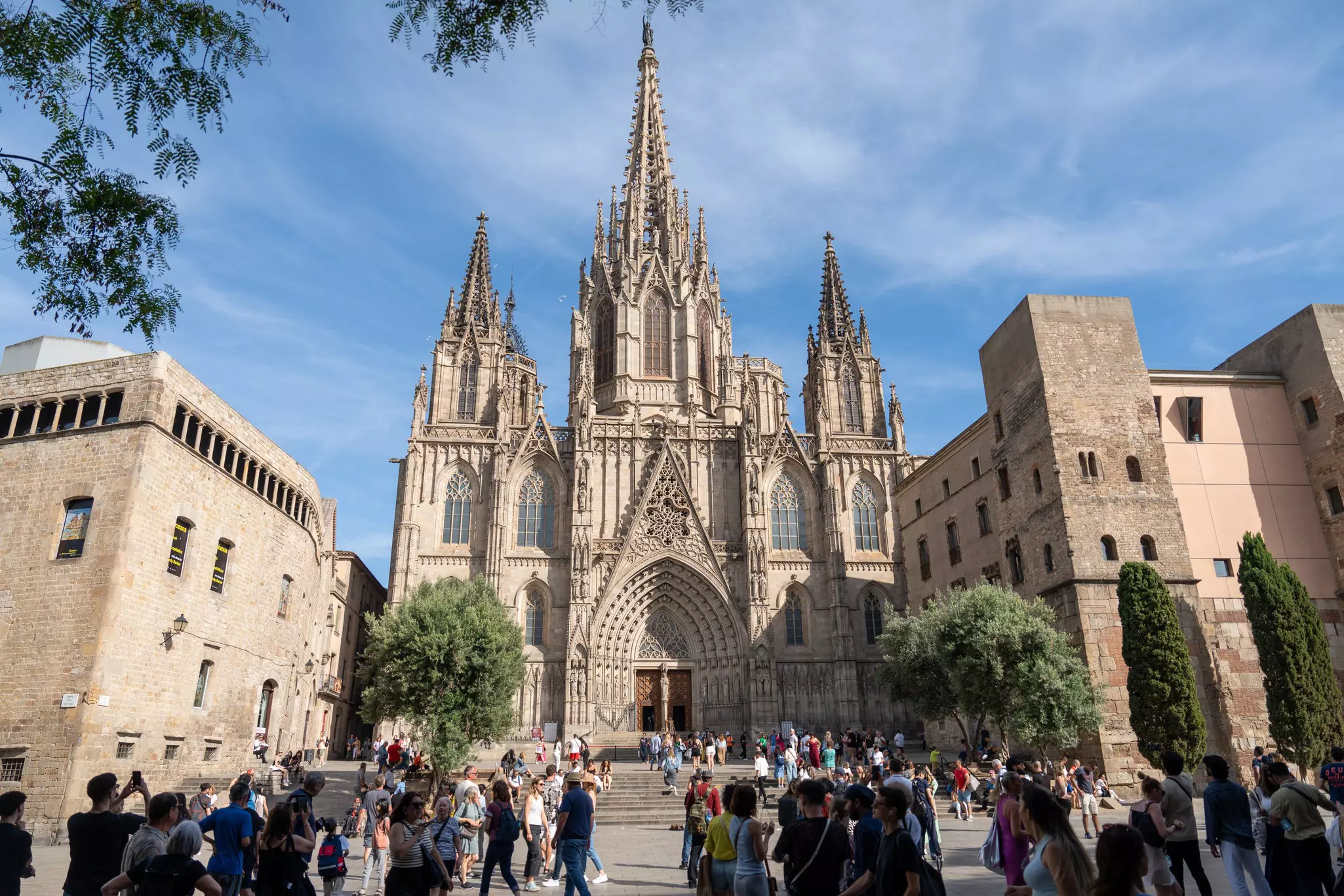
If you’re feeling jet-lagged, indecisive, and hungry, there is nothing better than starting your trip with a food tour. It's as though your well-read (and best-fed) friend takes you around to some favorite places. Many different food tours cater to different themes. For example, if you want to focus on wine or desserts, but also embrace the breadth of the city and get an introduction to the local tapas culture, try the Tapas, Taverns and History Tour from Devour. Beginning in the Gothic Quarter, you’ll get the full story of Barcelona’s Roman foundations to its Neo-Gothic architecture on a tour that includes 10 tapas and a glass of wine, cava and vermouth in three historic bars.
You’ll get the crash course in classic tapas like patatas bravas, a benchmark dish for judging any other bars you visit on your trip, and learn which colored labels to look for when shopping for jamón iberico at the markets. Because everything is included, a food tour is ideal for first-time visitors to try new dishes and drinks they might be apprehensive about, like sweet red vermouth (something very different from the dry martini ingredient most people think of) or boquerones (anchovies delicately filleted and marinated in vinegar and oil).
First things first, paella is a dish that hails from Valencia, and Catalans tend to prefer their noodle-based version, fideuà. However, when you’re in Spain, especially if Barcelona is your only stop, order this famous, flavorful and satisfying rice dish — or learn to make it yourself, along with a few other classic Spanish and Catalan recipes.
Search for paella cooking classes in Barcelona, and you will find dozens of kitchen classrooms designed for tourists to learn how to throw together a paella and maybe a jug of sangria. These are sometimes also combined with visits to Mercat de la Boqueria or a flamenco performance (also a tradition more associated with southern Spain). For something that feels authentic to present-day Barcelona, however, check out the cooking class with a mission at Mescladís.
With multiple locations, this restaurant has been providing opportunities for more than two decades to new arrivals in Barcelona. Not only does the brand provide free training and social programs to help people build their skills and find work, it also has a global menu influenced by the many cultures of people it welcomes into its program. During the class, you’ll learn how to make gazpacho, paella and crema catalana in a professional kitchen while supporting one of the city’s most exciting social projects.

The best time for curious foodies to visit Barcelona is between January and March during the season of calçots. This local vegetable looks like a giant spring onion and is traditionally served on a roof tile after being charred on an open fire with a side pot of tangy and thick romesco sauce for dipping. While you’ll find them on menus in authentic Catalan restaurants like L’Antic Forn in the city center, lean into the outdoor aesthetic of a traditional calçotada (winter barbeque) in Montjuïc for the full experience.
Located on the top of the historic mountain, El Xalet de Montjuïc offers views and a set calçotada menu for 50 euros (€50) that includes meat, dessert and red wine. This tradition is best enjoyed on a sunny winter day in the open air — and the sprawling city views aren’t too shabby either — but the menu is very popular, so reservations are a must.
In taverns all over the city, find in-house made vermouths poured from wooden barrels. In Barcelona, it’s a go-to order for many, but there’s a lot to be learned about the history and crafting of this flavor-shifting drink. Recieve your initiation into the “Republic of Aperitif” at Las Vermudas, a truly unique tasting experience where you'll learn more about the drink and blend your own bottle to take home. The space offers a wide array of options that also include wine and cheese tastings. Want even more vermouth? Morro Fi is a solid choice with multiple locations only in Barcelona, where the focus is on vermouth and small-bite pintxos.

Spain’s favorite sparkling wine is made not far from Barcelona in the Vall de Penedès, a wine region easily accessible within an hour of Barcelona. Book a day trip from the city, which usually involves a van transfer, and can be quite nice if you combine it with a visit to the impressive Monestir de Montserrat. Alternatively, if you opt out of a car, rent a bike to explore the Ruta del Vi wine trail.
To tour wineries on your own, make these arrangements in advance. Two of the most popular wineries in the region are Cordoníu and Pere Ventura Cava, while Llopart and Celler Eudald Massana are slightly more off the beaten path.
Explore related stories