Sep 30, 20266 min read
8 of the USA’s Best Christmas MarketsDec 10, 2025
4 MIN READ

Writer
Real ID airport signage. Ivan Marc/Shutterstock

Writer
Lonely Planet may earn a commission from affiliate links on our site. All recommendations and reviews reflect our own independent opinions.
Beginning on February 1, 2026, travelers in the US who wish to board a flight without a Real ID or other accepted identification will be able to pay $45 to use an alternative identity verification system.
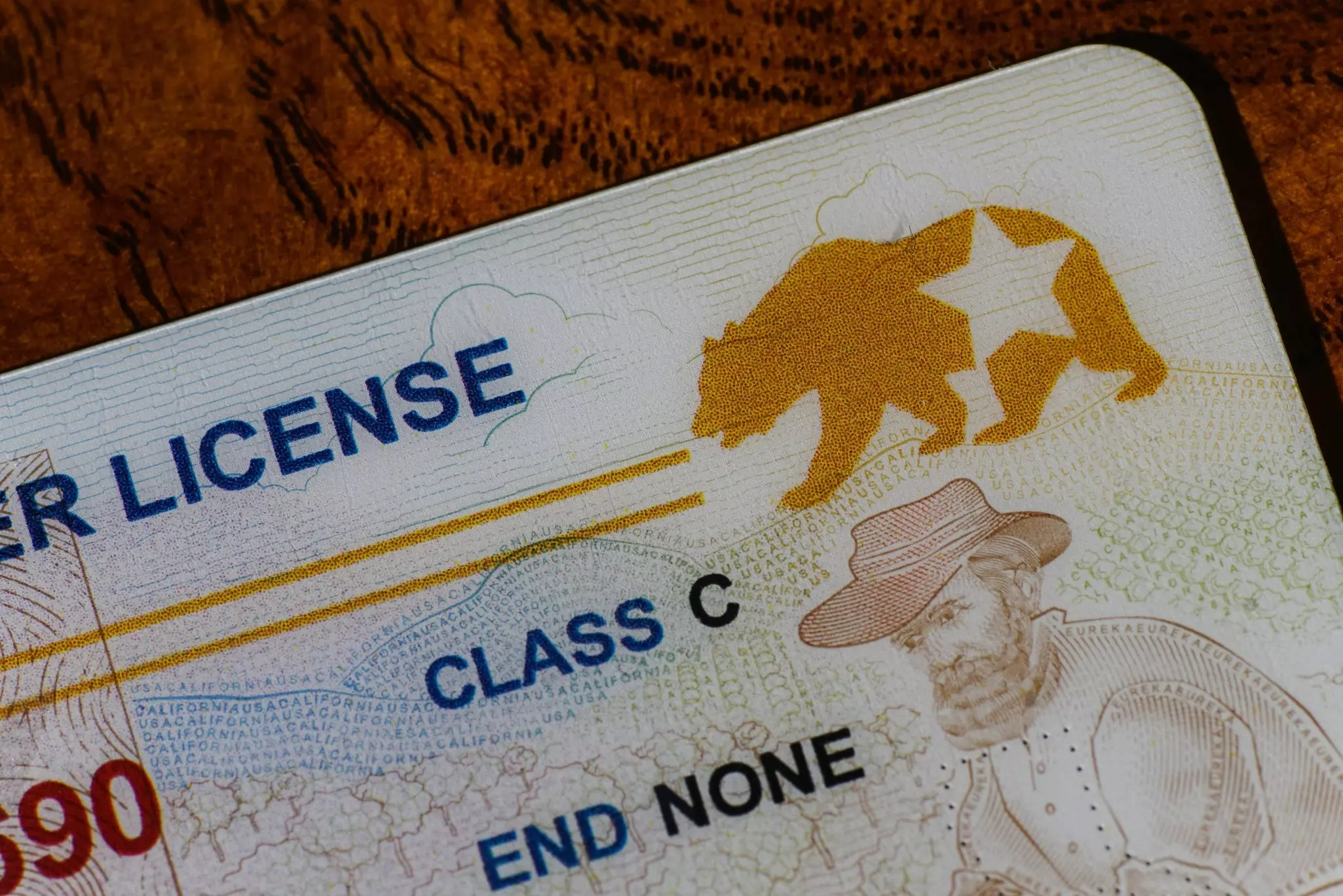
Real ID is an upgraded driver's license that meets new federal security standards at Transportation Security Administration (TSA) checkpoints. It looks like a regular ID card but has a star in black or gold (or, in the case of California, a gold grizzly bear with a star cutout) in the upper right-hand corner to indicate that it meets the requirements.
After numerous delays, the deadline for airline passengers to have a Real ID to board flights within the US finally arrived on May 7, 2025. However, TSA has just recently introduced another alternative called TSA Confirm.ID – but it will cost you. Here's everything US travelers need to know.
Beginning February 1, 2026, if you'd like to board a flight without a Real ID, passport or other accepted identification, you may opt into TSA Confirm.ID, another identity verification process that takes 10–15 minutes (though TSA warns it could take 30 minutes or more). After your identity is confirmed by TSA Confirm.ID, it will be valid for a 10-day travel period.
There's not much information available on what it will look like just yet, but travelers will be able to find more instructions on the TSA website once the system is in effect.
Congress passed the Real ID regulation in 2005 in response to a 9/11 Commission recommendation that the US government "set standards for the issuance of sources of identification, such as driver's licenses." This was to ensure stricter security for US flights.
While you don't need a Real ID for driving, voting, banking or accessing employee benefits, it is highly recommended that all American travelers over 18 who plan to board flights departing from US airports or visit certain federal facilities obtain a Real ID, even if your license is not yet due for renewal.
All 50 states, Washington, DC, and the five US territories covered by the Real ID Act and related regulations are Real ID compliant and have been issuing suitable driver's licenses and identification cards. Enhanced driver's licenses in certain states (Michigan, Minnesota, New York, Vermont and Washington) are also accepted by federal agencies like TSA and DHS.
Without a Real ID-compliant driver's license, airline passengers 18 and older have to provide alternative identification, like a passport or permanent resident card, to fly, and they could be subject to additional screening.
First, visit the website of the driver's license agency in your state or territory to determine what documentation you need (expired documents are not accepted). At a minimum, the documentation must provide your legal name, your date of birth, your Social Security number, proof of your address and proof of your lawful status (your right to be in the US). This may include providing your passport, birth certificate or green card; proof of legal residence if you're not a US citizen; your current driver's license if you are transitioning to a Real ID in another state; and your Social Security card, though a W-2 or pay stub with your Social Security number may be accepted in place of a Social Security card.
Most states require an in-person screening appointment at the DMV to obtain a Real ID. In certain states, like New York, you can complete a screening online to speed up the in-person appointment. If you come prepared with your paperwork, your scheduled appointment will likely last less than an hour, but set aside a morning or afternoon should you encounter any hiccups. You'll receive a temporary ID at your appointment until your permanent ID arrives in the mail around 2 weeks later.
All travelers boarding flights out of US airports – both domestic and international – can expect longer wait times at TSA. Passengers who present insufficient identification can expect delays, further screening and the possibility of not being allowed through security. Otherwise, you'll have to pay the $45 fee.
To ensure that your travels run as smoothly as possible, stay prepared and give yourself enough time at the airport to pass through TSA (the recommended time is 2 hours before domestic flights and 3 hours before international flights). Know the liquid rules, consult TSA's prohibited items list, and empty everything from your pockets into your carry-on before going through security. Have your accepted ID ready to go and listen closely to the TSA agents' instructions.
For more information about Real ID and to check the requirements, please visit the TSA website.
Book your United States trip with Lonely Planet Journeys
See United States how it's meant to be seen
Planned by local experts and tailored to you, Lonely Planet Journeys handles the logistics so you can just enjoy the trip. Tell us what you want and we'll build your United States itinerary from scratch, or browse our bookable trips to get inspired.


Explore related stories