Mar 5, 20269 min read
A Guide to the Dolomites, Northern Italy's Mountain RegionSep 2, 2020
2 MIN READ

Writer
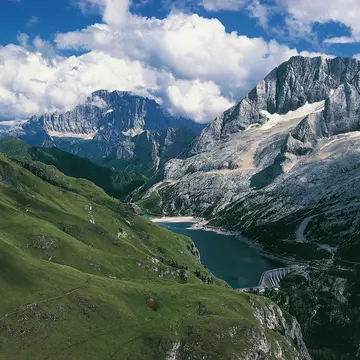
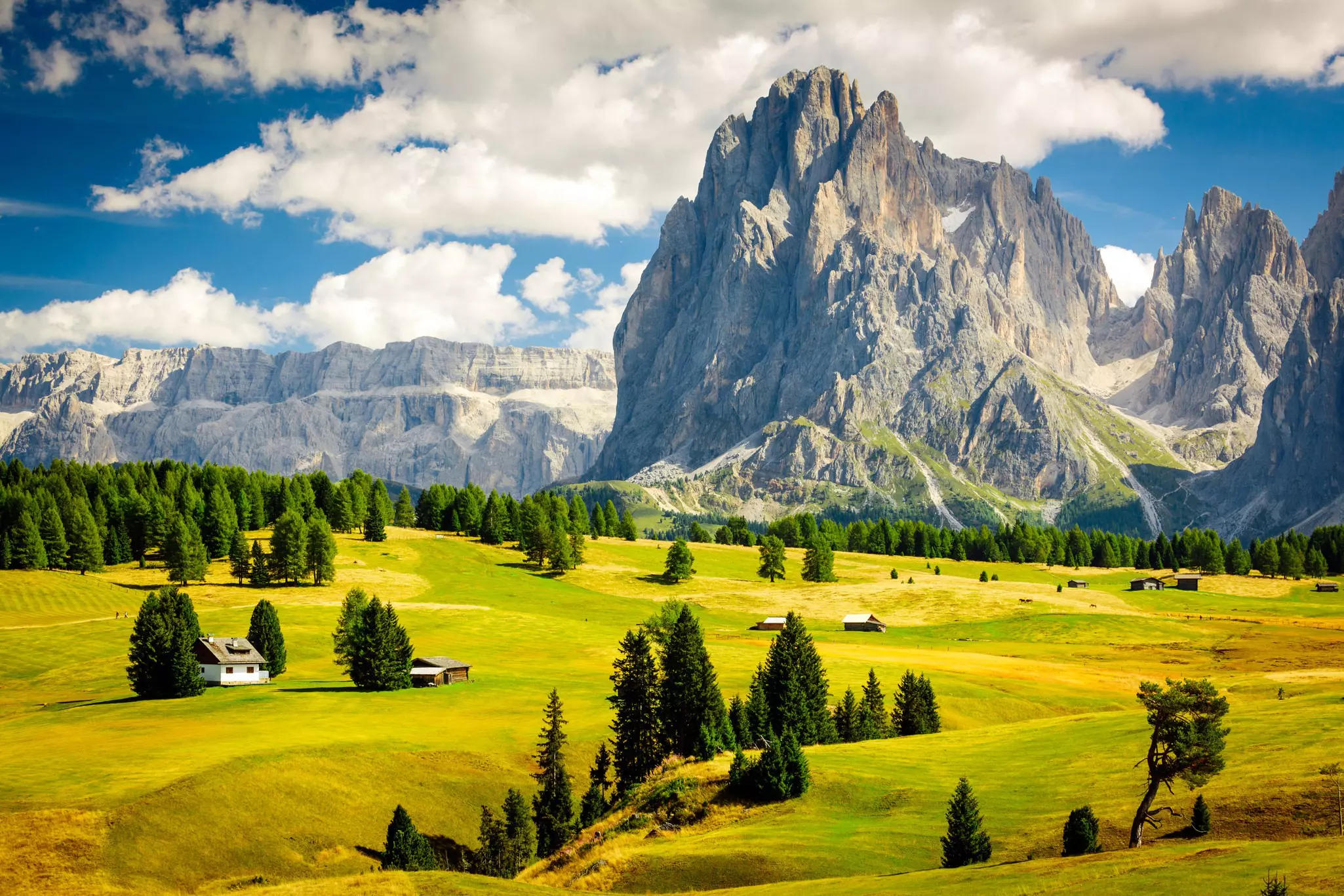
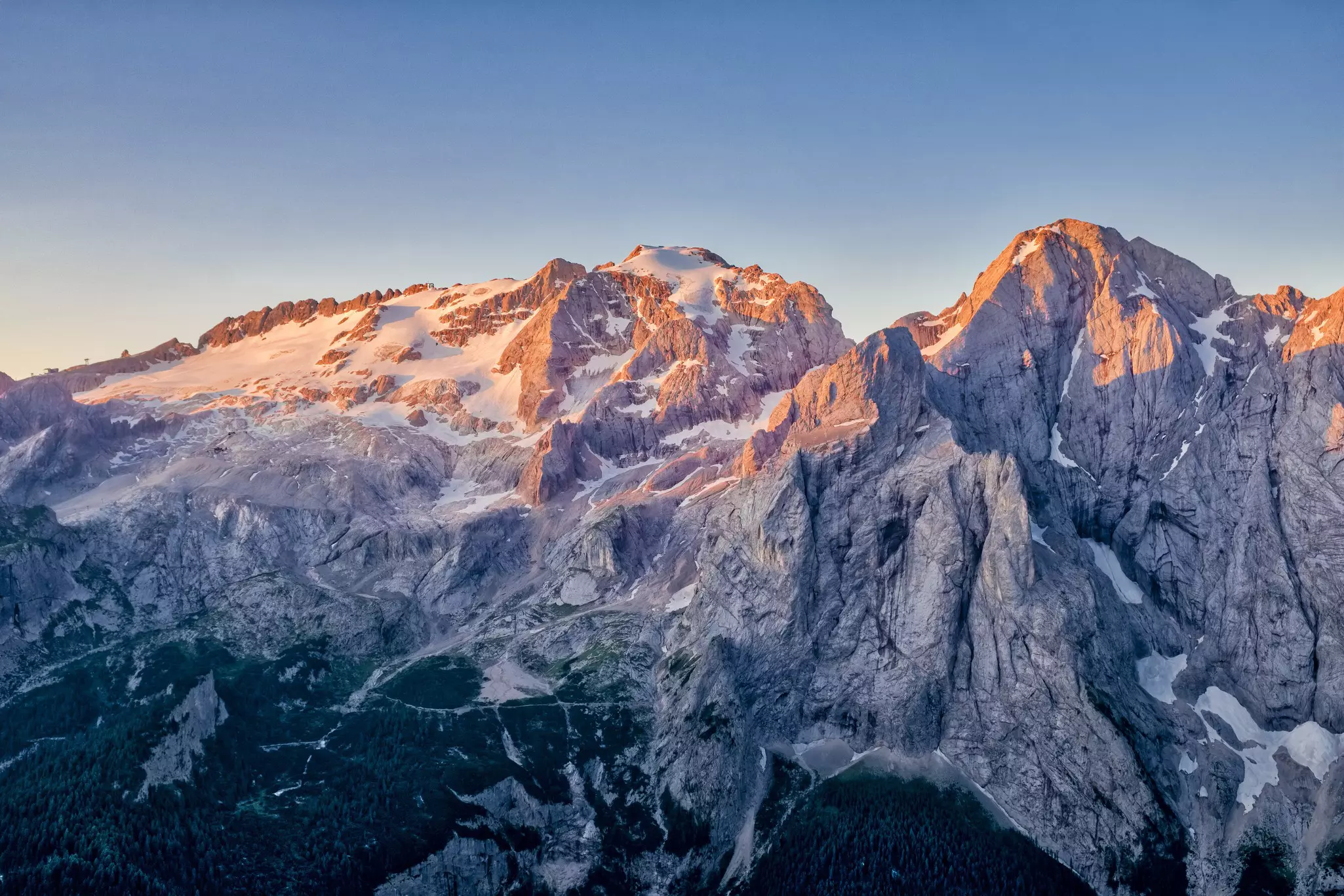
Marmolada glacier, the Queen of the Dolomites, could disappear in 15 years' time ©De Agostini/Getty Images

Writer
Lonely Planet may earn a commission from affiliate links on our site. All recommendations and reviews reflect our own independent opinions.
Italy' s famous Marmolada glacier, known as the Queen of the Dolomites, could disappear in 15 years, scientists have warned.
The glacier of Marmolada, at 3342 meters, is the largest glacier in the Dolomites. Thanks to its high altitude and northern Alpine exposure, it's one of the few glaciers in the scenic Italian mountain range that provides skiing at any time of year, even in summer. But in 15 years' time Marmolada may disappear, as a new study from the University of Padua confirms the iconic glacier is losing volume at an alarming rate.
Visiting the French Alps in the time of climate change
"The glacier in the last 70 years has now lost more than 80% of its volume, going from 95 million cubic meters in 1954 to 14 million today," Aldino Bondesan, Italian Glaciological Committee member and professor of geomorphology at Padua University, said in a statement. "Its disappearance approaches ever closer. It may have no more than 15 years of life left."
Marmolada is one of the most studied glaciers in the Dolomites and has been measured every year since 1902. Researchers attribute its rapid loss of volume to the steady increase in carbon emissions over the past few decades. Ten years ago, Marmolada was losing five hectares of ice per year, but now that has increased to nine hectares. If this trend continues, it "could lead to the disappearance of most of the glacier by 2031", added Professor Mauro Varotto, another glaciologist.
The study's findings echo results from other research indicating that climate change is causing the meltdown of glaciers around the world, which scientists say could raise sea levels, trigger flooding, and shrink water supplies in times of drought. According to the European Environment Agency, glaciers in the Alps have shrunk by about half since 1900. Another study from ETH Zurich in Switzerland warned that two-thirds of the ice in Alpine glaciers will melt by the end of the century if carbon emissions continue to rise.
The results of the University of Padua's study on Marmolada will be published in the Journal of Glaciology later this year.
You might also like:
NASA releases 48-year time-lapse of Earth’s changing glaciers Where (not) to go in 2100: sites under threat from climate change Artefacts uncovered from melting Arctic ice on display in London exhibition
Explore related stories