Oct 11, 20268 min read
A Nature Lover’s Itinerary to Sri LankaJul 21, 2026
7 MIN READ
Writer
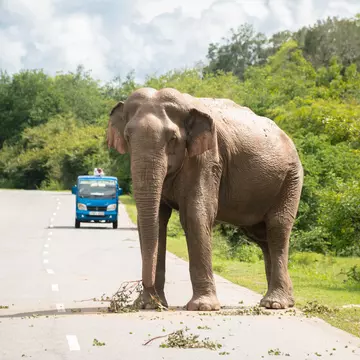
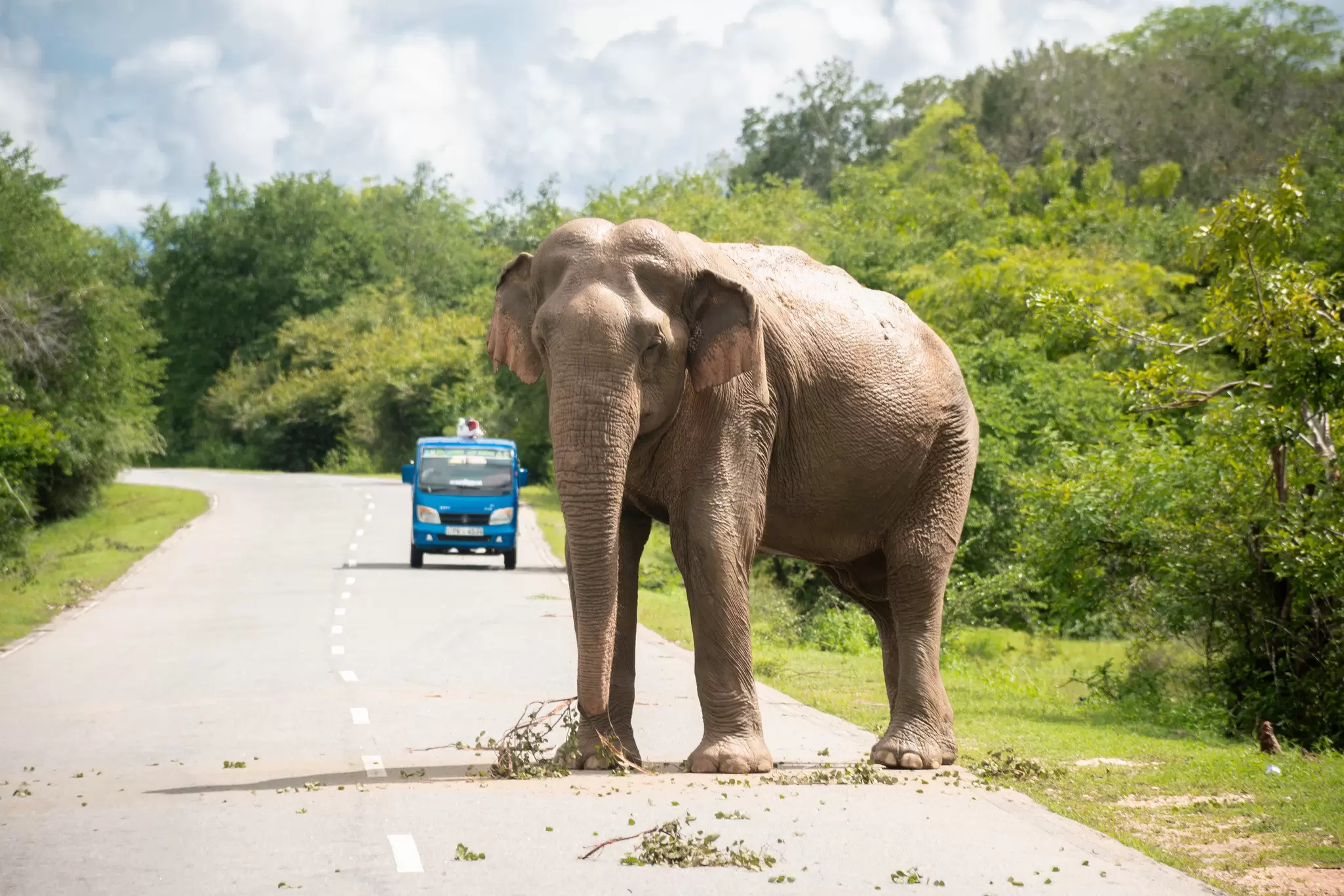
A tuk tuk on the road with a wild elephant near Yala National Park, Sri Lanka. Avantika Chaturvedi
Writer
Highlights
Writer Avantika Chaturvedi guides first-timers through a Sri Lanka tuk tuk road trip.
Carry three documents: a home licence, a physical IDP and an AAC recognition permit.
In Hill Country around Ella, Haputale and Nuwara Eliya, never go above second gear.
Beach-seekers should take the south coast loop; history buffs will love the Cultural Triangle.
Lonely Planet may earn a commission from affiliate links on our site. All recommendations and reviews reflect our own independent opinions.
In Sri Lanka, one moment you might be sputtering through rainforest roads in your tuk tuk, shrouded in low-hanging clouds, while being overtaken simultaneously by a bus, a bicycle and another tuk tuk. The next, you could be pulling over for a king coconut, only to be persuaded by the vendor to take a detour to a beach you've never heard of. Along the way, schoolchildren will wave enthusiastically from the roadside, because it's not every day they see a foreigner driving what many still call the "poor man's vehicle."
Over the years, renting a tuk tuk for a road trip through Sri Lanka has become a rite of passage. It’s cheaper than hiring private drivers, slower and more immersive than trains and infinitely more flexible than buses. The good news is that driving a tuk tuk is surprisingly manageable, even for first-timers. The better news is that Sri Lankans are generally forgiving of visibly confused foreigners attempting to restart a stalled three-wheel vehicle on a steep incline.
Start planning your tuk tuk-driving adventure in Sri Lanka. Here’s everything you need to know before setting off.
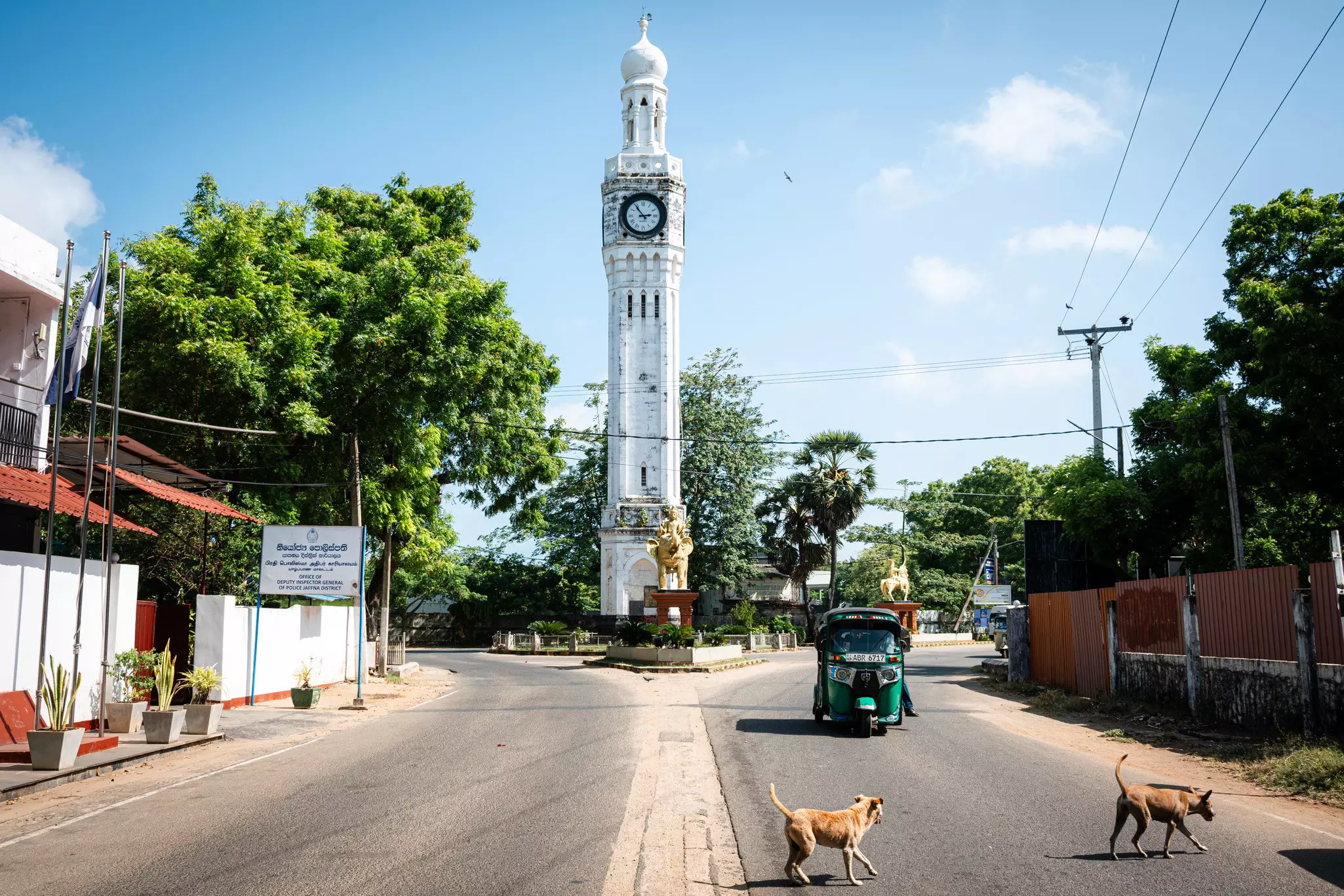
The short answer is yes, with the correct paperwork.
Given the boom of self-drive tuk tuks in Sri Lanka and, with that, often underprepared drivers on the road, the rules have been tightened up a bit in the last couple of years.
Currently, to legally drive a tuk tuk in Sri Lanka, foreign travelers need three documents:
A valid driving licence from your home country with an A or B endorsement
A physical International Driving Permit (IDP) issued under the 1949 Geneva Convention
And a Sri Lankan Recognition Permit (also called a “covering permit”) issued by the Automobile Association of Ceylon (AAC).
Most tuk tuk rental companies can help arrange the AAC permit against your licenses for an additional fee, saving precious time and the hassle of dealing with bureaucracy.
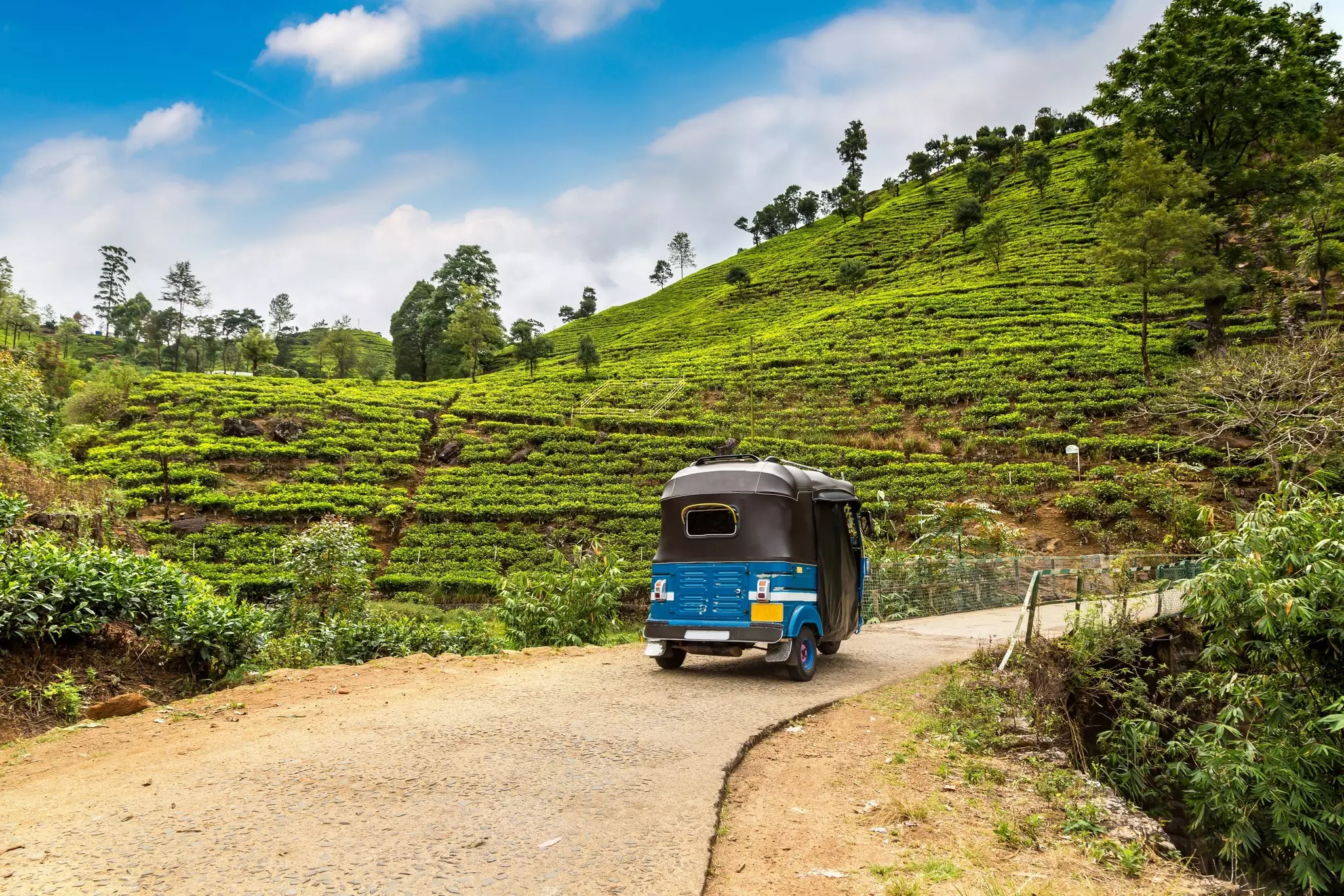
There are several reputable rental companies available to foreigners, but Tuktuk Rental helped pioneer self-drive tuk tuk travel back in 2016. This social enterprise operates a model that directly benefits local communities by leasing vehicles from local owners, instead of buying its own fleet. While the company’s main office is in Negombo, the sister city of the capital Colombo, and home to the international airport, the option to get your lessons and pick up your tuk tuk elsewhere also exists. This means you can avoid city traffic immediately after a long-haul flight.
Basic tuk tuk rental: From US$14/day at the budget end, though the cheapest options may come with poor maintenance or limited support.
Reputable rental companies: Expect to pay around US$22/day for a standard manual petrol tuk tuk or US$28/day for an automatic electric model, typically including roadside assistance, maintenance support and basic insurance.
Security deposit: Usually around US$150, refundable when the vehicle is returned in good condition.
Insurance excess waiver: Optional upgrade costing around US$50 per trip, eliminating the standard insurance deductible (typically US$150) and often adding extra coverage.
Travel insurance: Allow US$60–150 for several weeks of coverage, depending on age, nationality, trip length and policy details.
Sri Lankan Recognition Permit: Approximately US$40, often arranged through the rental company.
Optional extras: Items such as baby seats, Bluetooth speakers, coolers, ice boxes and surfboard racks generally cost around US$1 per day each.
Fuel costs: As of June 2026, 92-octane petrol costs Rs 434 (about US$1.30) per liter. A full 9-liter tank costs under US$12.
Fuel budget for a 2-week trip: Expect to spend roughly US$85–120 on fuel for around 1000km of driving.
Estimated overall total cost for 2 weeks: Around US$550–750, including rental, permit, premium insurance, travel insurance and fuel (excluding accommodations, food and activities).
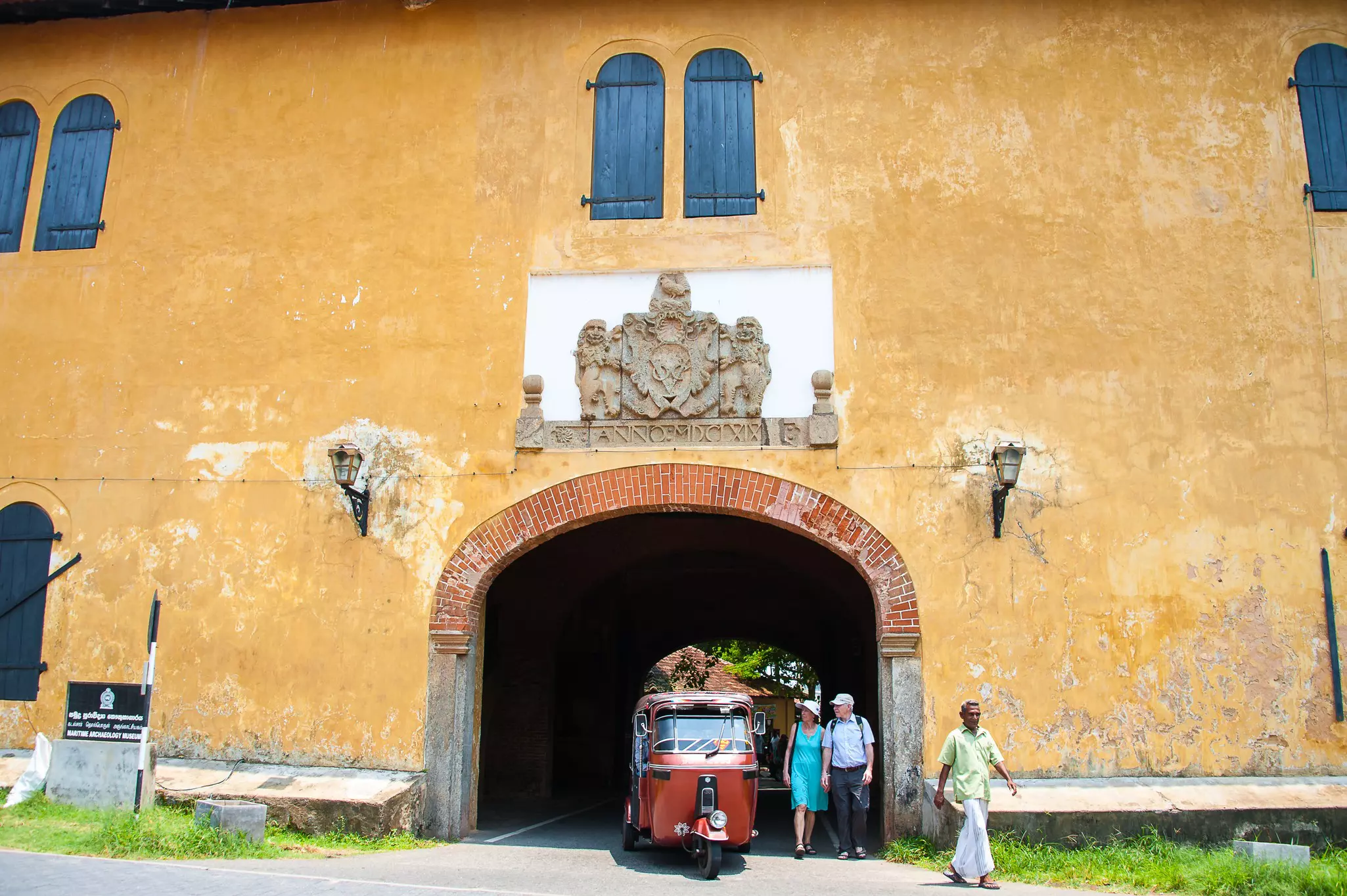
At first glance, Sri Lankan roads appear to operate on a complex blend of instinct and optimism. Overtaking is an enthusiastic sport, buses reign supreme in the hierarchy of the road, and even stray cows and dogs seem to have greater right of way than your tuk tuk. But those who persevere for a day or two will be rewarded with a rhythm that finally starts making sense. Most tuk tuks comfortably cruise between 40 and 50km/h, which is ideal for Sri Lanka’s constantly changing scenery: jungle-fringed roads, Buddhist shrines draped in prayer flags, sudden ocean views and roadside fruit stalls.
One of the first lessons I learned was that horns are less an expression of anger and more an essential form of communication. A short beep often simply means "hello, I'm behind you” – an important reminder when vehicles, pedestrians and livestock are all sharing the same stretch of road.
To navigate a tuk tuk journey with Google Maps, switch to "two-wheeler" mode to avoid expressways – they are off-limits to anything with less than four wheels – and add an extra hour or two to the suggested travel time to reflect your slower pace. A 3-hour drive can easily become 5 hours thanks to unplanned but welcome distractions like tea stops, train crossings and the inevitable roadside hopper break.
Sri Lanka also remains wonderfully communal if or when things go wrong, so if you find yourself broken down at the roadside, someone will usually appear within minutes offering assistance or advice. Most better rental companies (such as Tuktuk Rental) provide 24-hour support hotlines, and breakdown assistance is generally reliable in well-populated areas.
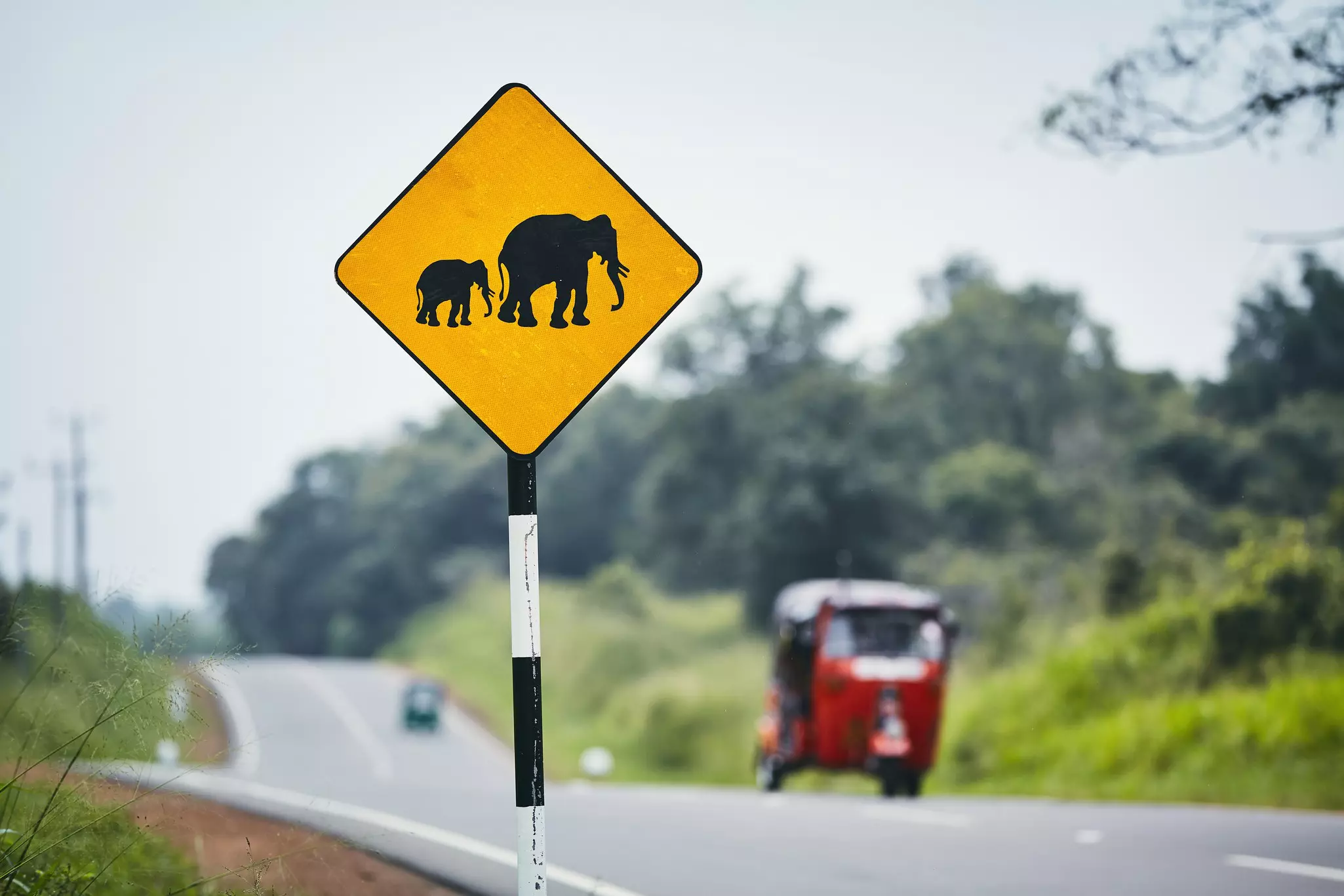
City traffic is nerve-racking but manageable, and flat coastal roads are relatively more smooth sailing. However, the Hill Country is where things become character-building. The routes around Ella, Haputale and Nuwara Eliya are stunning – winding through tea estates, waterfalls and cloud forests – but they also involve steep climbs that can test both engine power and driver confidence.
You might occasionally find yourself ascending at the speed of contemplative walking. The key is to never go higher than second gear, lest the engine give up entirely. Downhill driving also requires equal caution, since sharp mountain bends combined with rain can make things very slippery very fast.
Still, few travel moments rival rolling through Sri Lanka’s tea country in an open-sided tuk tuk while cold mountain air rushes through the cabin and the smell of wet pine drifts in from the hills.
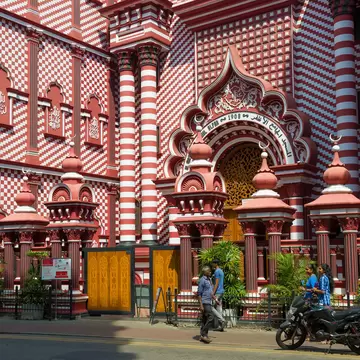
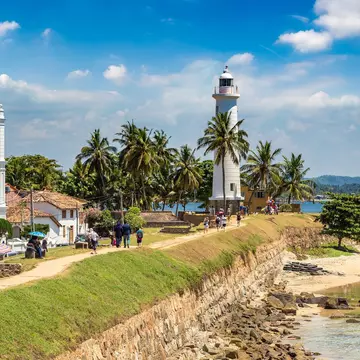
This is the classic first-timer route that runs from Colombo or Negombo down the A2 Road to the southern coast through Bentota, Hikkaduwa, Galle, Mirissa, Tangalle and then up north to Ella and further into the Hill Country through Yala National Park. The roads are relatively straightforward, fuel stations are common and there’s enough tourism infrastructure to recover easily from mistakes. This route combines beaches, surf towns, design and architecture, wildlife parks and Hill Country scenery without requiring extremely long driving days.
Driving through Kandy, Dambulla, Sigiriya, Anuradhapura and Polonnaruwa works well for a dose of culture, history and heritage. The roads are flatter and quieter than in the south, and the landscape shifts between dry forests, ancient reservoirs and archaeological ruins. Early morning drives here often also come with unexpected elephant sightings along the roadside.
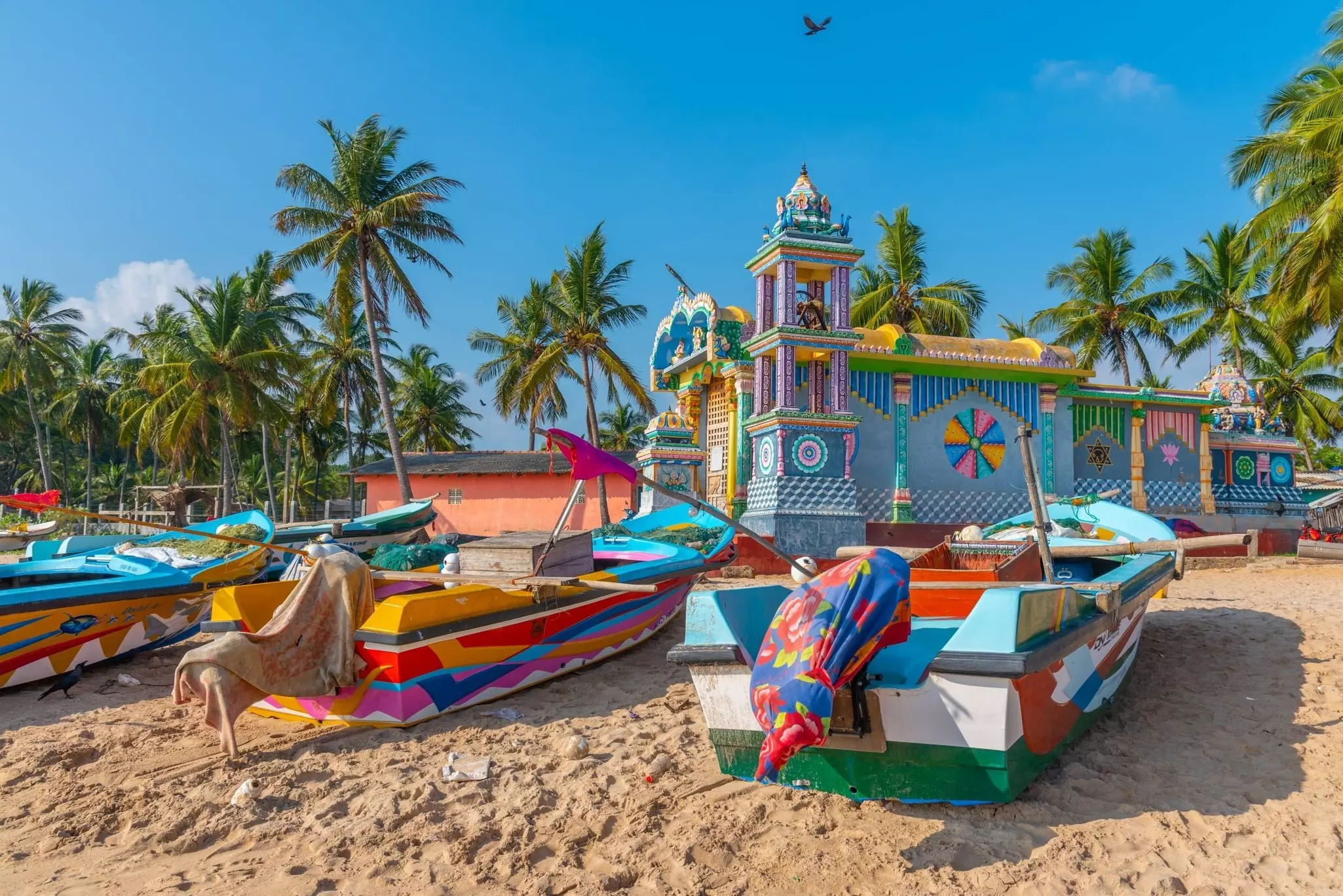
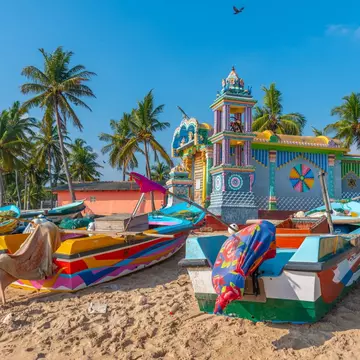
The north and east of Sri Lanka feel like a completely different world altogether, both in geography, culture and the number of tourists one might see around. It’s the right place to be if you are looking for a truly offbeat escape. Mannar’s long causeways and palmyra palms; Jaffna’s striking Tamil culture; and Trincomalee’s empty beaches and thriving marine life make this one of the island’s most atmospheric tuk tuk routes.
A petrol-powered tuk tuk is unlikely to be better than Sri Lanka's trains and buses when it comes to carbon emissions. However, there are ways to make a tuk tuk journey more responsible. While the concept is relatively new, some operators now offer electric tuk tuks, which can significantly reduce emissions.
Pairing a tuk tuk journey with locally owned accommodation, community-based experiences and longer stays is perhaps the best way to ensure that more of your tourism dollars remain in Sri Lankan communities. It can also help spread the benefits of tourism beyond the island's busiest hot spots, easing pressure on overcrowded destinations while supporting lesser-visited regions.
Book your Sri Lanka trip with Lonely Planet Journeys
See Sri Lanka how it's meant to be seen
Accommodations, activities and ground transportation all taken care of, so you can focus on the fun part. Tell us what your dream trip to Sri Lanka looks like, and our local experts will build it from scratch. Or start with one of our itineraries and make it your own.

Explore related stories