Oct 11, 20268 min read
A Nature Lover’s Itinerary to Sri LankaOct 11, 2026
12 MIN READ

Writer
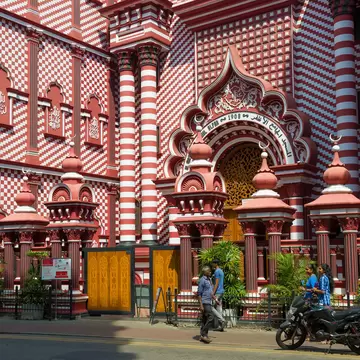
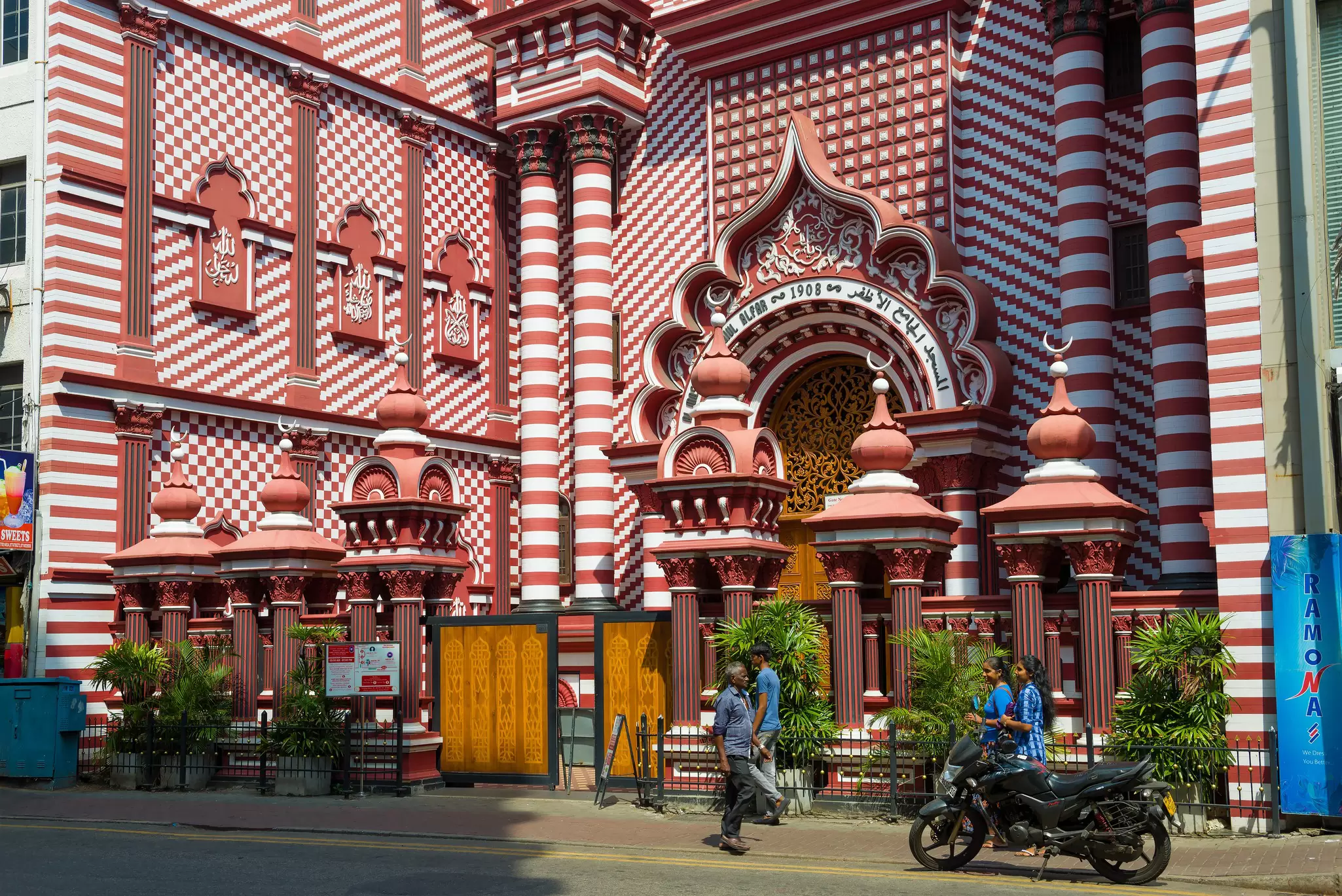
The entrance to the Jami Ul Alfar Mosque in Colombo, Sri Lanka. Karasev Viktor/Shutterstock
Writer
Highlights
Writer Demi Perera rounds up 13 of the best places to visit in Sri Lanka, from ruins to coastal surf.
Start in Colombo, then climb Sigiriya's ruin-topped rock or tour Anuradhapura's Buddhist ruins.
For culture, head to Tamil Jaffna or Kandy to visit the Sacred Tooth Temple.
Arugam Bay lures surfers, Kalpitiya kitesurfers, and Minneriya rewards wildlife fans with vast herds.
Lonely Planet may earn a commission from affiliate links on our site. All recommendations and reviews reflect our own independent opinions.
Forested mountains, sandy beaches and a rich history spanning centuries of maritime trade make Sri Lanka a true treasure for travelers. Even on a short trip, you can fit in days of basking on beautiful beaches, spectacular surfing, incredible safaris in wildlife-filled national parks, tea estate tours, and trips to some of Asia's most remarkable shrines and ancient ruins, not to mention stupendous cuisine.
Measuring just 240km across at its widest point, Sri Lanka fits a lot into a small space. Traveling by train, bus or hired car, you can roam from one coast to another in a single day – though you’ll likely want to take your time.
Whatever your budget, plan your visit with our pick of the best places to visit in Sri Lanka.
Looking for help planning your trip? Lonely Planet Journeys pairs you with a local expert who plans every detail - you just book the flights. Get started by messaging us here.
Best for food, culture and city sightseeing
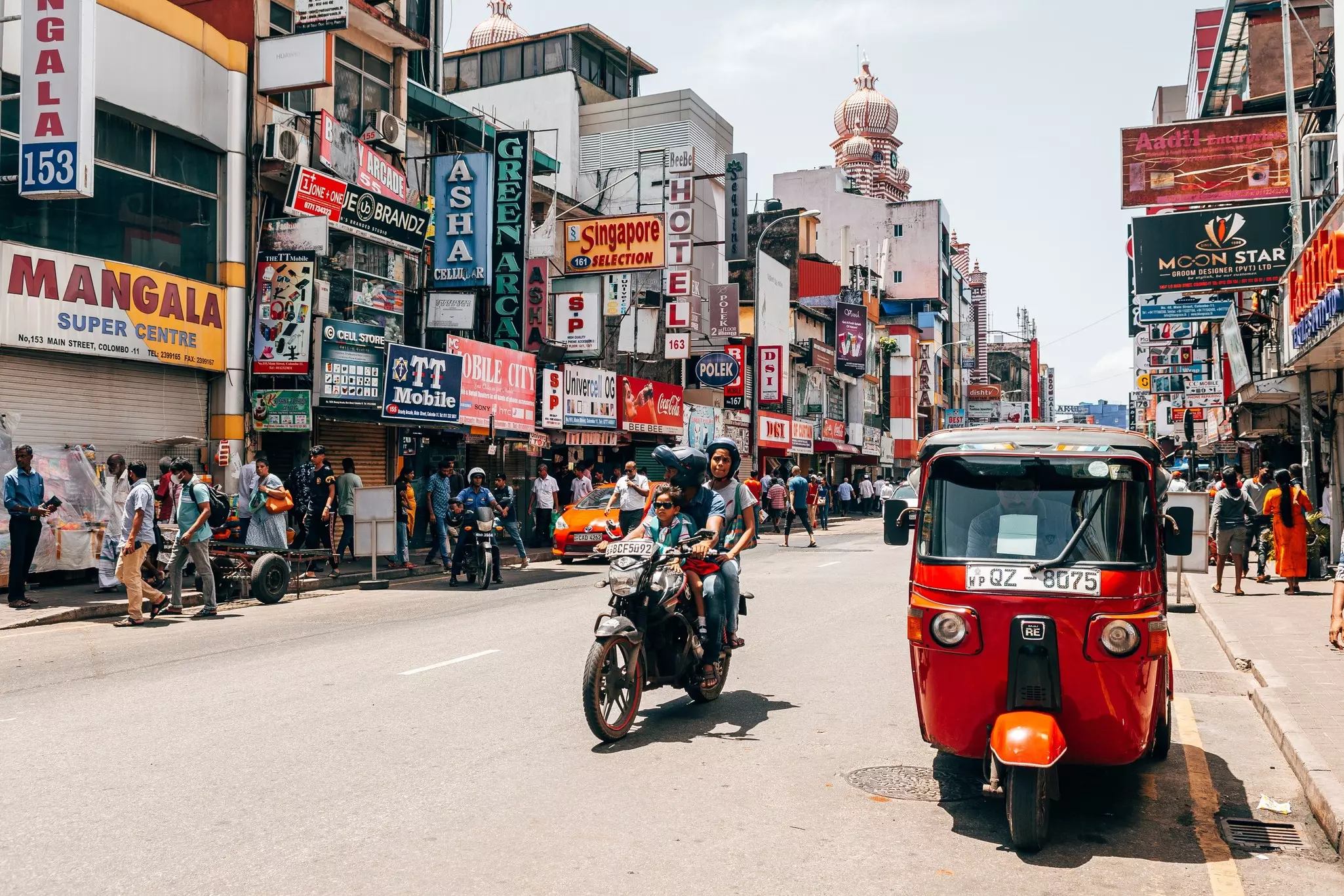
No Sri Lanka itinerary would be complete without a trip to Colombo, the country’s culturally diverse capital city. Offering an easy introduction to the Sri Lankan way of life, Colombo is centered on the cosmopolitan Fort district, dotted with landmark buildings from the colonial era, including the terracotta-roofed Dutch Hospital, founded in the 1600s. The Fort district also has some excellent places to eat.
Be sure to spend some time at Galle Face Green, Colombo’s main seaside promenade, where at sunset hundreds of families gather to munch on local snacks and dip their toes in the sea. Order yourself some isso vade – deep-fried prawn and lentil fritters, topped with spicy sambol (coconut and chili chutney) – and settle in for some great people-watching.
Planning tip: While Colombo is a walkable (and very safe) city, tuk tuks are inexpensive and convenient for getting around. Always check that your tuk tuk has a working meter before you get in to ensure you pay the correct fare for your ride.
Best historic site
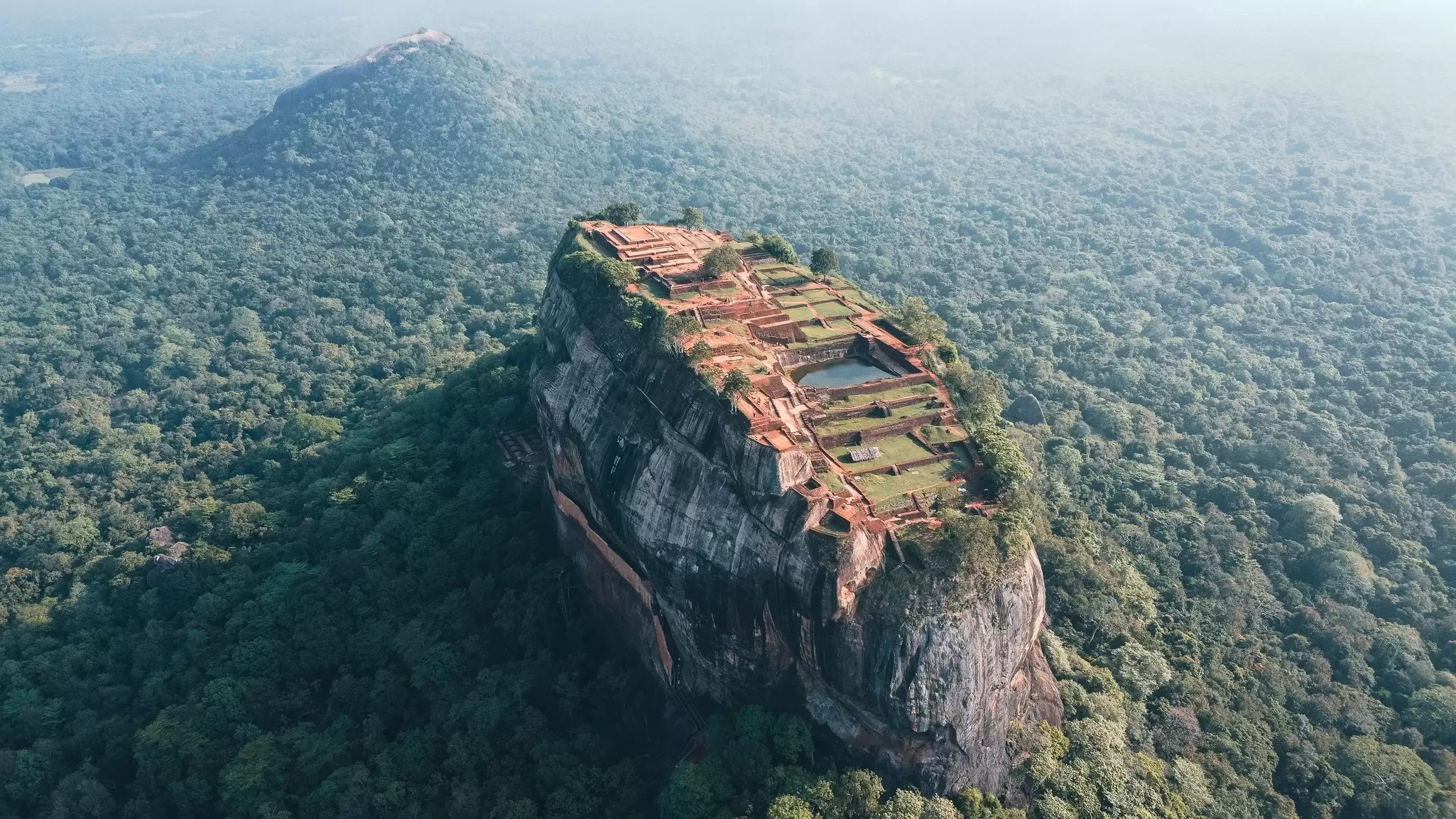
With ornate ponds, royal sleeping chambers and a majestic set of carved lion paws marking the start of its steep steps, the colossal, ruin-topped outcrop of Sigiriya is Sri Lanka’s most iconic site. Emerging from the lush canopy and visible for miles, this hilltop fortress offers a tantalizing glimpse of the ancient kingdom of Kassapa.
Frescoes featuring women adorned in jewelry with flowers in their hair might be the site’s most famous feature. Continue climbing, for a calm hush awaits at the terraced summit of the granite hill. Covering 1.6 hectares, the complex offers unparalleled 360° views of the Sri Lankan heartland.
Planning tip: Visit early in the day, around 7am; the cooler morning air makes it much more pleasant to walk up the 1200 steps (some of them rather ladder-like) to the top. Head back down by noon, before the rock's surface gets too hot; stay hydrated; and wear soft shoes with good treads.
Best for ancient Buddhist ruins
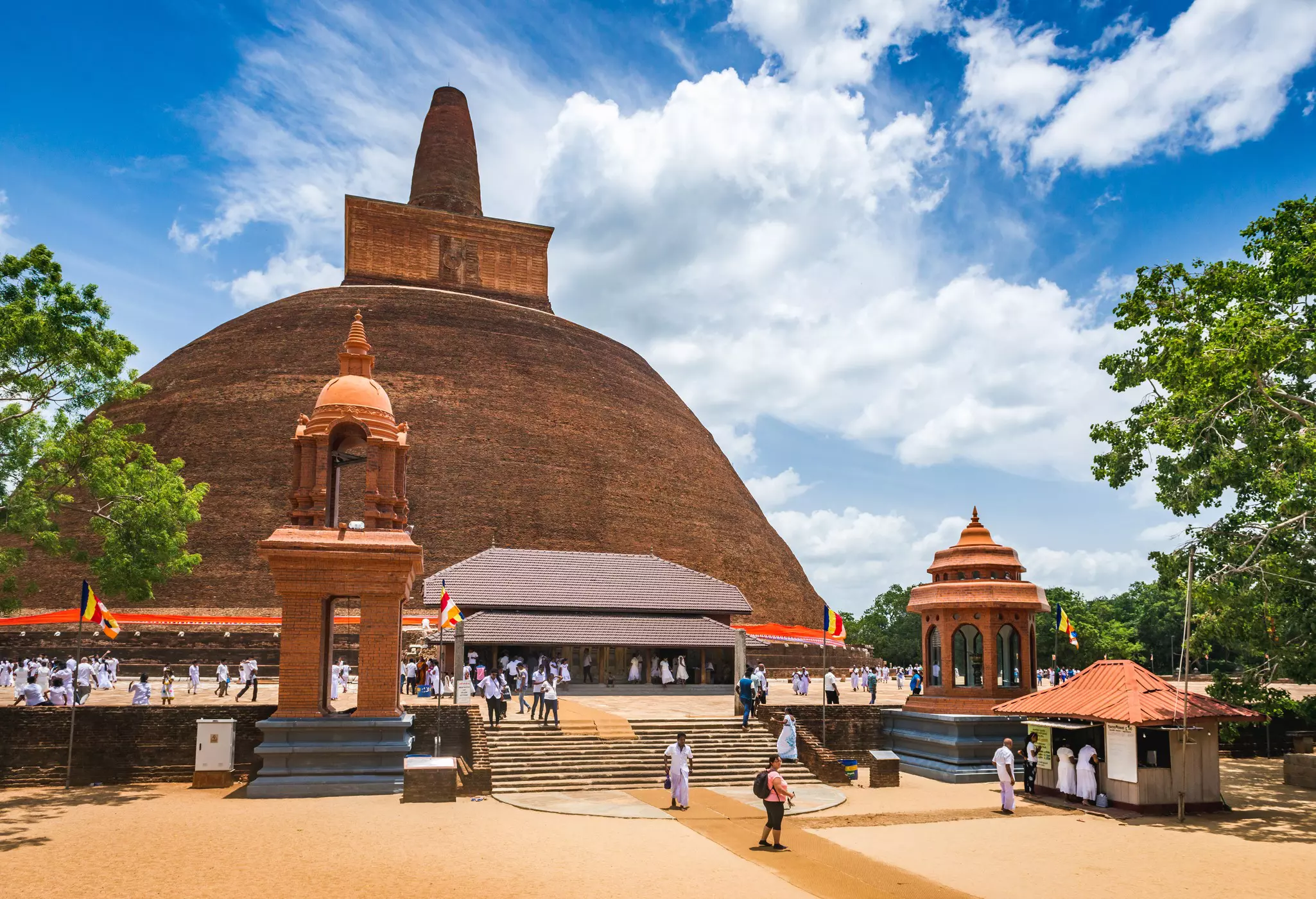
When you first arrive, Anuradhapura looks like any other middle-sized Sri Lankan town, with a clock tower, train station and small shops clustered along a busy main road. Yet the town’s simple appearance conceals the enormous scale of its heritage: on the outskirts of town are the ruins of one of ancient Sri Lanka's most important Buddhist sites.
The most sacred spot in this complex of ruined temples, towering dagobas (stupas) and palaces is the revered Sri Maha Bodhi tree, believed to have been grown from a cutting taken from the tree under which the Buddha attained enlightenment in Bodhgaya, India. Scattered through the surrounding jungles and villages are all sorts of archaeological wonders.
Planning tip: Comfortable shoes are a must for walking between the dagobas and temples. Even in ruins, Anuradhapura’s Buddhist shrines are places of worship, and footwear must be removed before entering. Carry a scarf or sarong to cover your legs and shoulders.
Best for ancient carvings and sculptures
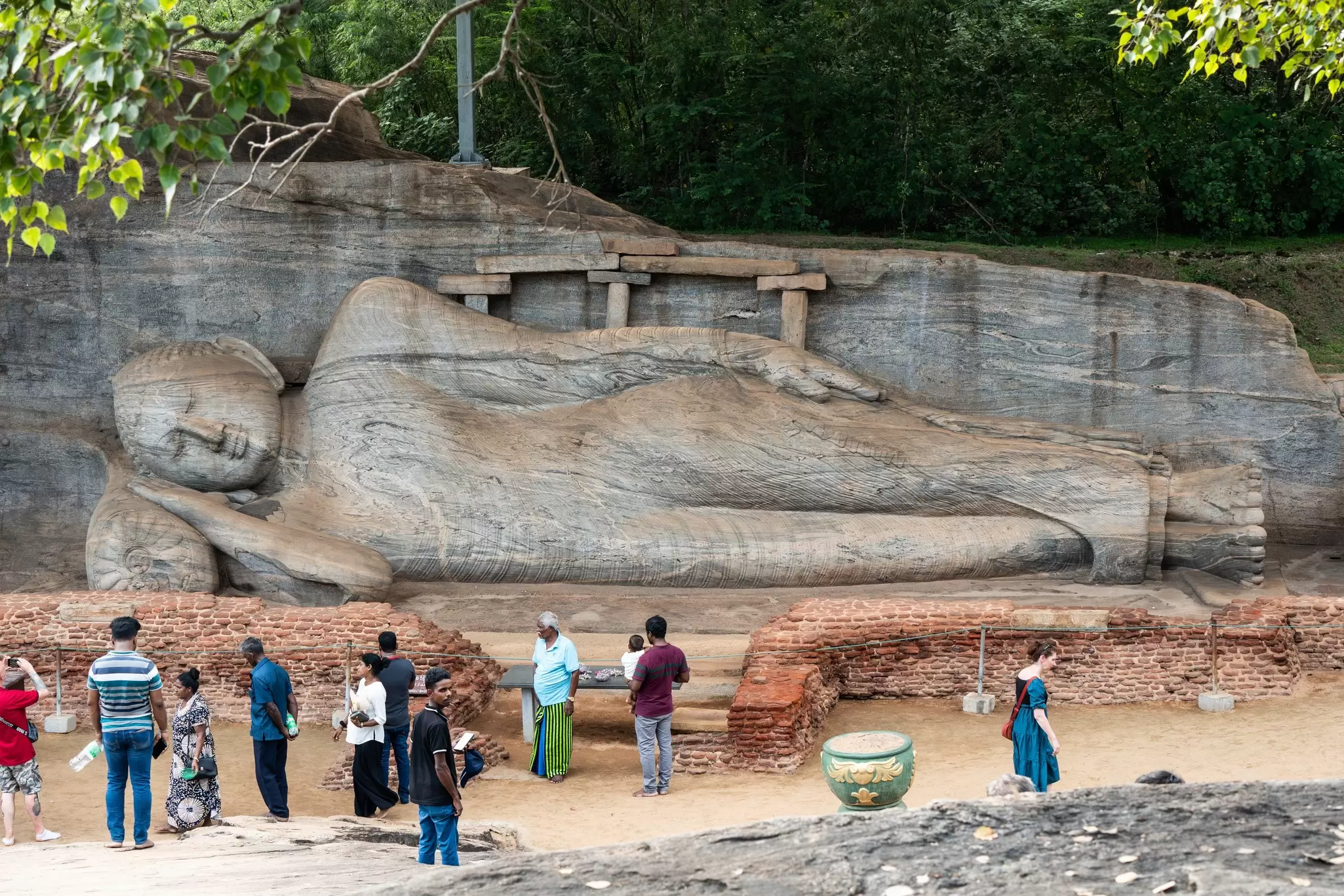
Often visited on an ancient cities circuit that includes Anuradhapura, Polonnaruwa is famed for its ancient ruins, carved temples and rich Buddhist heritage.
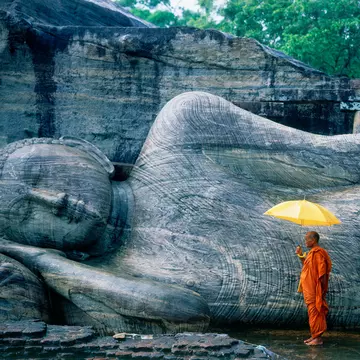
As you gaze upon the 14m reclining Buddha inside the Gal Viharaya, you can’t help but imagine the effort that went into creating these graceful figures. The white, gray and black granite brings out the details of these intricate carvings, as the scent of fresh flowers and incense, offered to the statues by devotees, floats through the air.
Don’t miss the other archaeological sites in the area, including the closely grouped temples and stupas comprising the Royal Ruins, which can be explored on a rewarding (if exhausting) day of sightseeing.
Planning tip: If you’re traveling north from Colombo toward Jaffna, both Anuradhapura and Polonnaruwa are great places to stay and break up the journey.
Best for Tamil culture
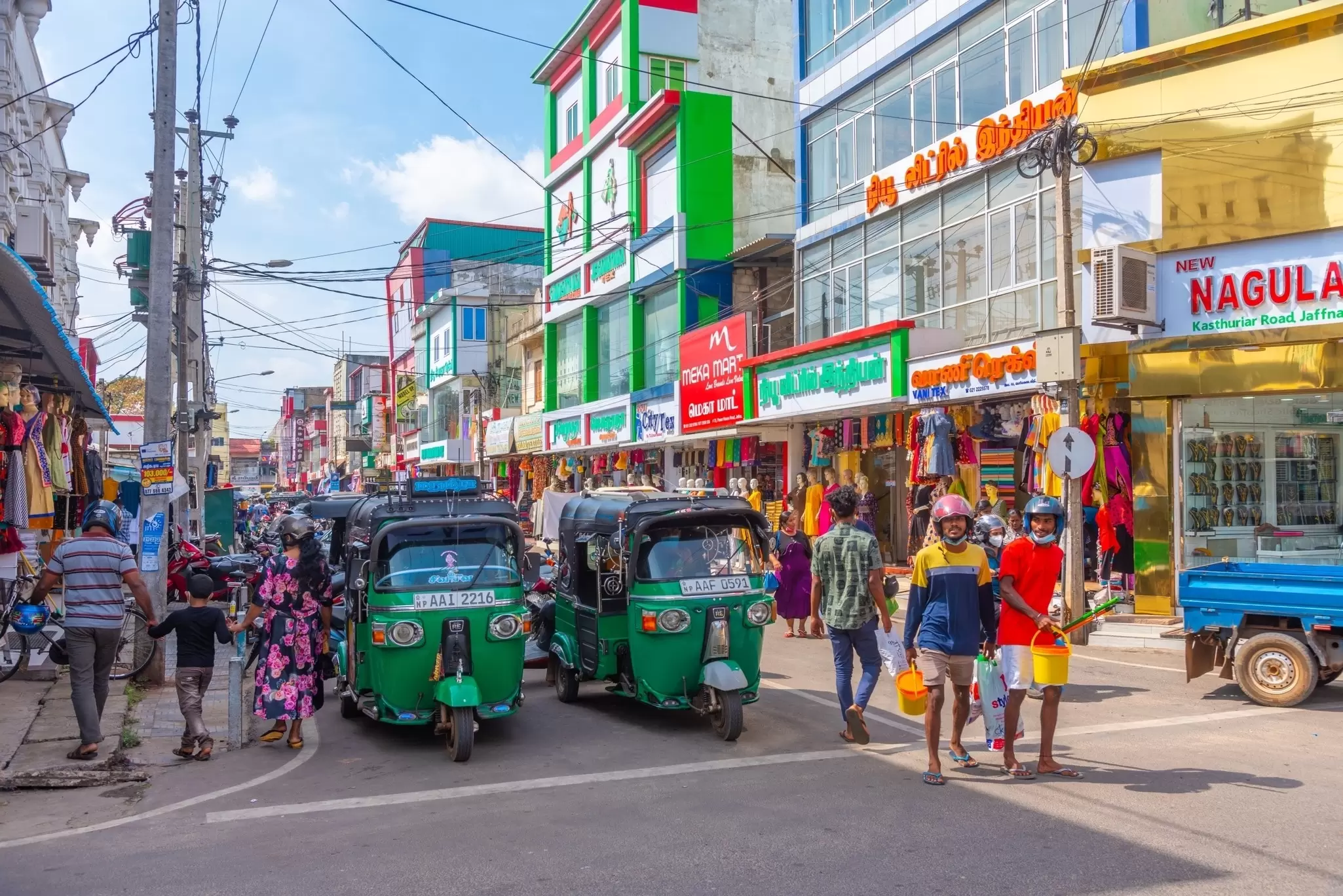
A trip to Jaffna in Sri Lanka’s far north offers a relaxed change from the rest of the country. There’s loads to see up here, from historic Jaffna Fort to the gleaming brasswork and staggering murals of the architecturally marvelous Nallur Kandaswamy Kovil Hindu temple. What’s more, Jaffna is where you can immerse yourself in the culture and heritage of Sri Lanka’s largest ethnic minority: the Tamil people.
Once caught up in conflict and colonial occupation, Jaffna has been revitalized by the return of peace, with excellent new restaurants serving the region’s spicy, Indian-influenced cuisine. Several islands off the coast of Jaffna are accessible by road or ferry. Kayts – a hauntingly beautiful, quiet island of fishing communities – and Delft, with its wild ponies descended from horses abandoned by Dutch colonists, are both well worth a visit.
Planning tip: The Tamil culture of Jaffna differs from the rest of the island. Be mindful of local customs, such as removing footwear when entering sites such as the Jaffna Public Library, where going barefoot is a sign of respect for the knowledge within the building.
Best for unspoiled beaches
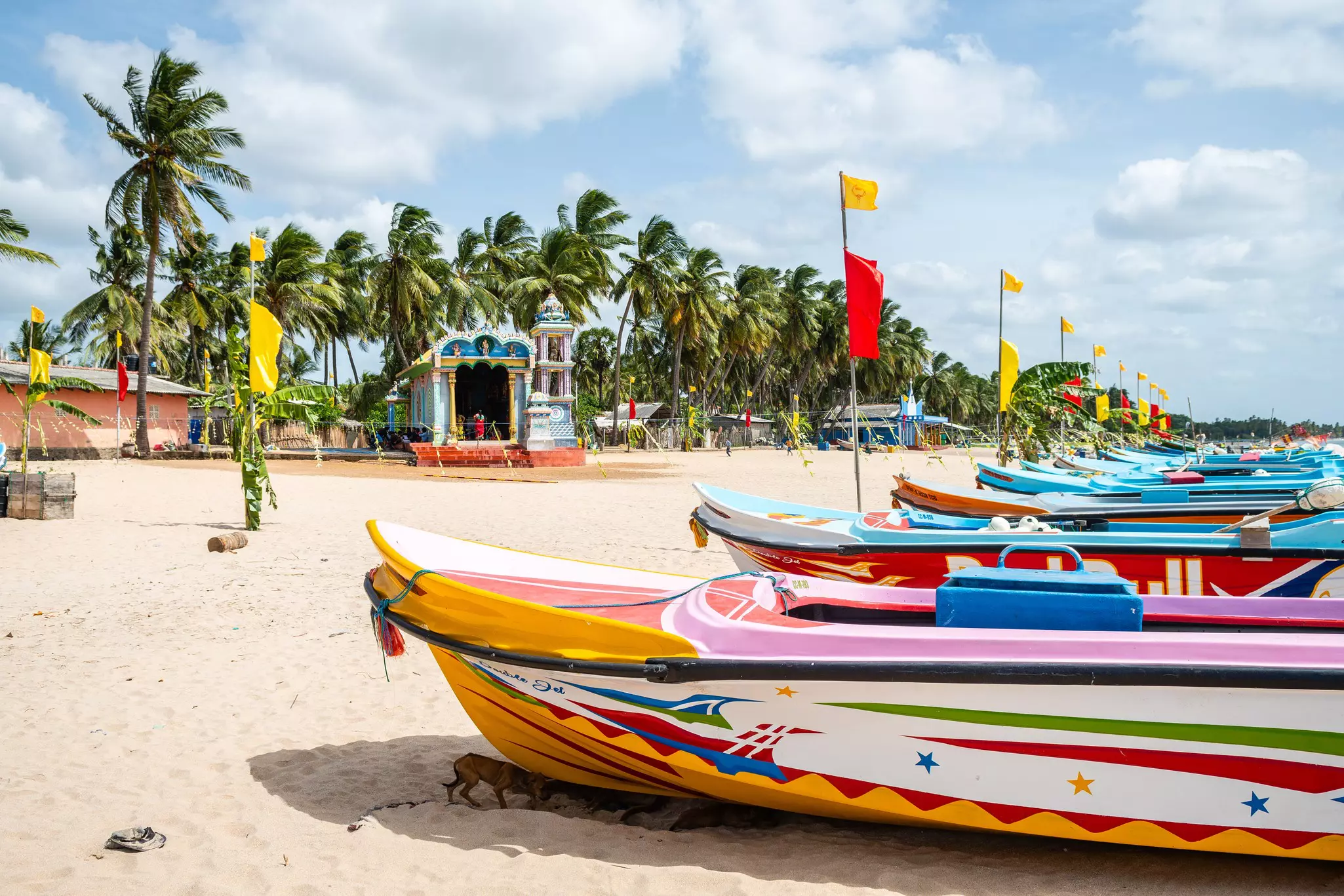
At Trincomalee, stretches of powdery soft sand and calm waters meld with dramatic cliffside Hindu temples – among them the famous Kandasamy Kovil, with its richly ornamental architecture and monumental statue of Shiva looking out to sea. Here, you’ll see a side to Sri Lanka that remains off the radar for most visitors.
The long beaches here are disturbed only by the occasional bit of driftwood or coconut husk washing ashore. The shallow waters are ripe for snorkeling, with miles of coral reefs and thriving marine life.
Planning tip: Public beaches here do not have lifeguards; take extra care when swimming and always set out snorkeling with a guide.
Best for a mini-pilgrimage
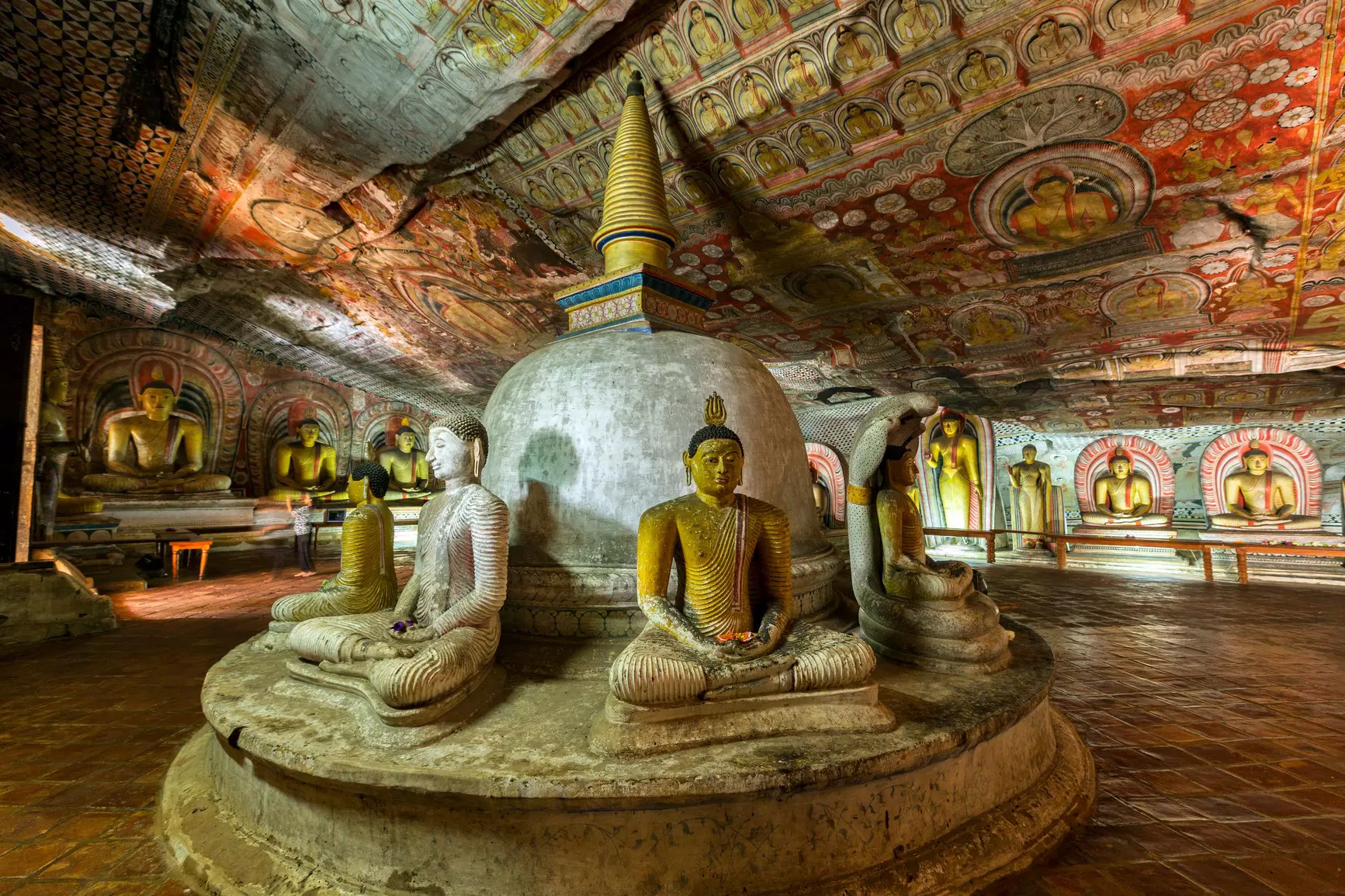
In a quiet jungle zone frequented by the native toque macaque monkeys, Rangiri Cave Temple in Dambulla is one of the most visited places in Sri Lanka. Indeed, the site was an important stop on the country’s ancient pilgrim trail.
Troops of monkeys will accompany you on the walk up to the temple, inside which you’ll find five caves containing 150 well-preserved statues of the Buddha alongside brightly painted religious carvings, sculpted into the rock surface.
Planning tip: Wear white or pale colors as a mark of respect, and expect crowds on poya days – special days on the Buddhist calendar that mark the full moon. While toque macaques are delightful to watch, they are wild animals – don’t get too close.
Best for wildlife spotting
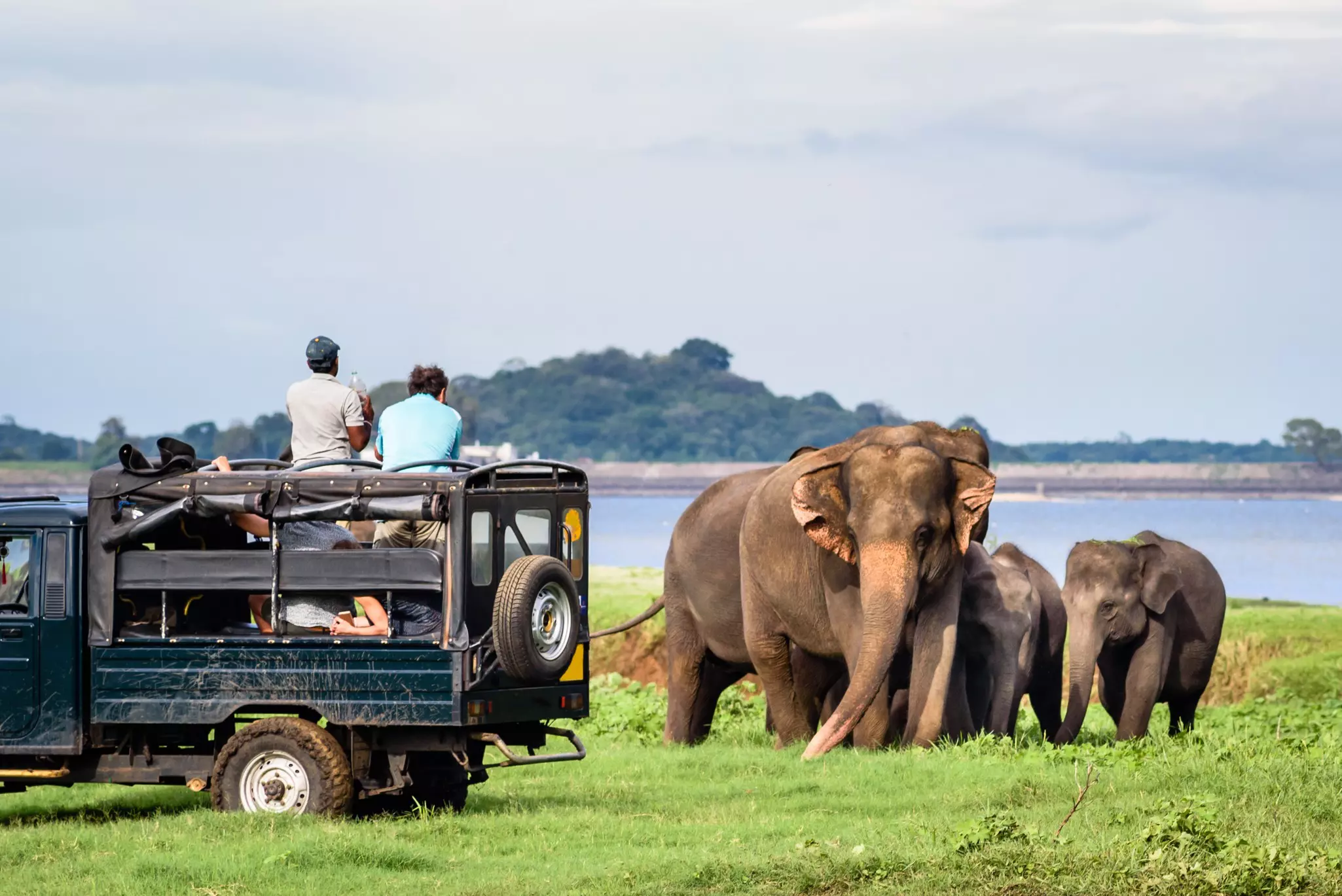
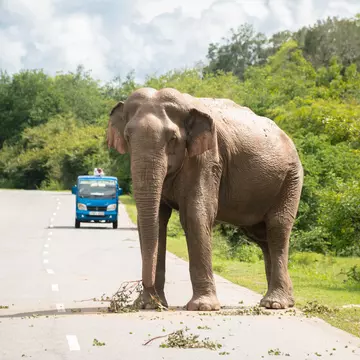
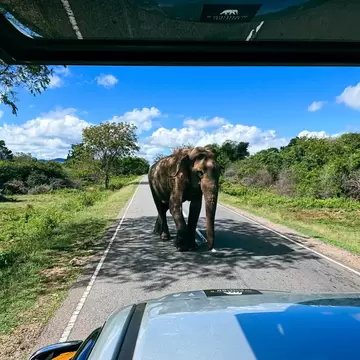
Vast herds of wild elephants graze across nearly 9000 hectares of forests and grassland in Minneriya National Park, centered on scenic Minneriya Lake. Watch in awe with cameras at the ready as long trunks are extended towards the water and elephant calves roll around on the banks in the wet mud.
Once a year, during the dry season between April and October, the park’s 300 or so elephants gather around the banks of the lake to graze in a marvelous natural event known as “the Gathering” – the largest such congress of Asian elephants in the world. Prebook your safari and share a 4WD with others to help reduce the number of vehicles entering the park during this busy period.
Best for lakeside temples
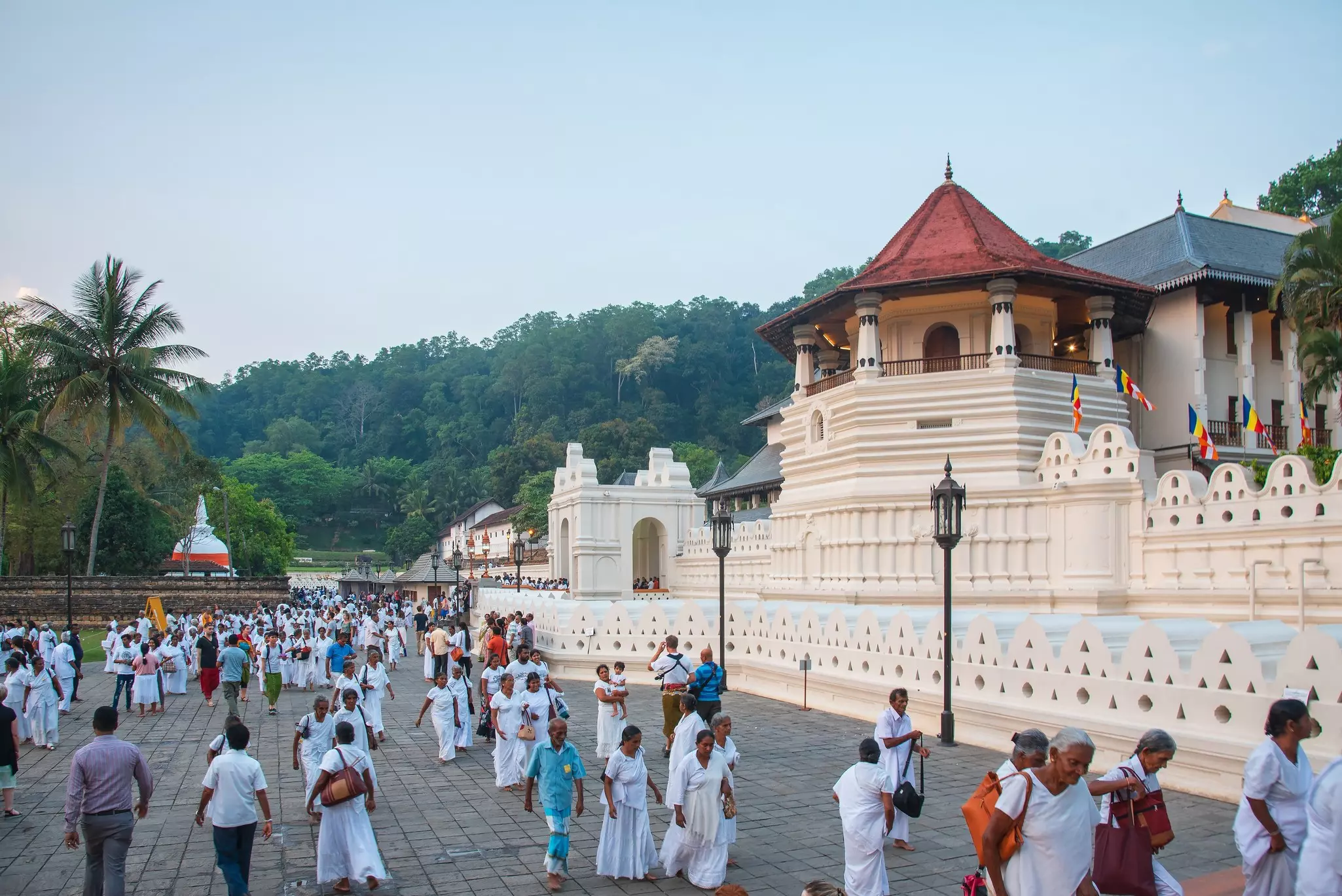
For a culture-filled trip from Colombo, take the train from Fort Railway Station to the heritage town of Kandy. The journey is a must for any train enthusiast – the railway lines curve and wind around mountains to connect rural towns, and wide windows frame views of deep ravines and hillsides densely covered in emerald-green forest.
The legendary Temple of the Sacred Tooth Relic – containing a tooth said to come from the historical Buddha – and Kandy Lake are essential attractions for anyone visiting Sri Lanka. Both are easily reached from the station by tuk tuk.
Planning tip: Visitors are required to cover their arms, legs and shoulders when visiting the Temple of the Sacred Tooth Relic, so wear long sleeves or bring a scarf or sarong. From Kandy, you can continue by train to Ella and other tea-growing towns in the hills.
Best for bird-watching
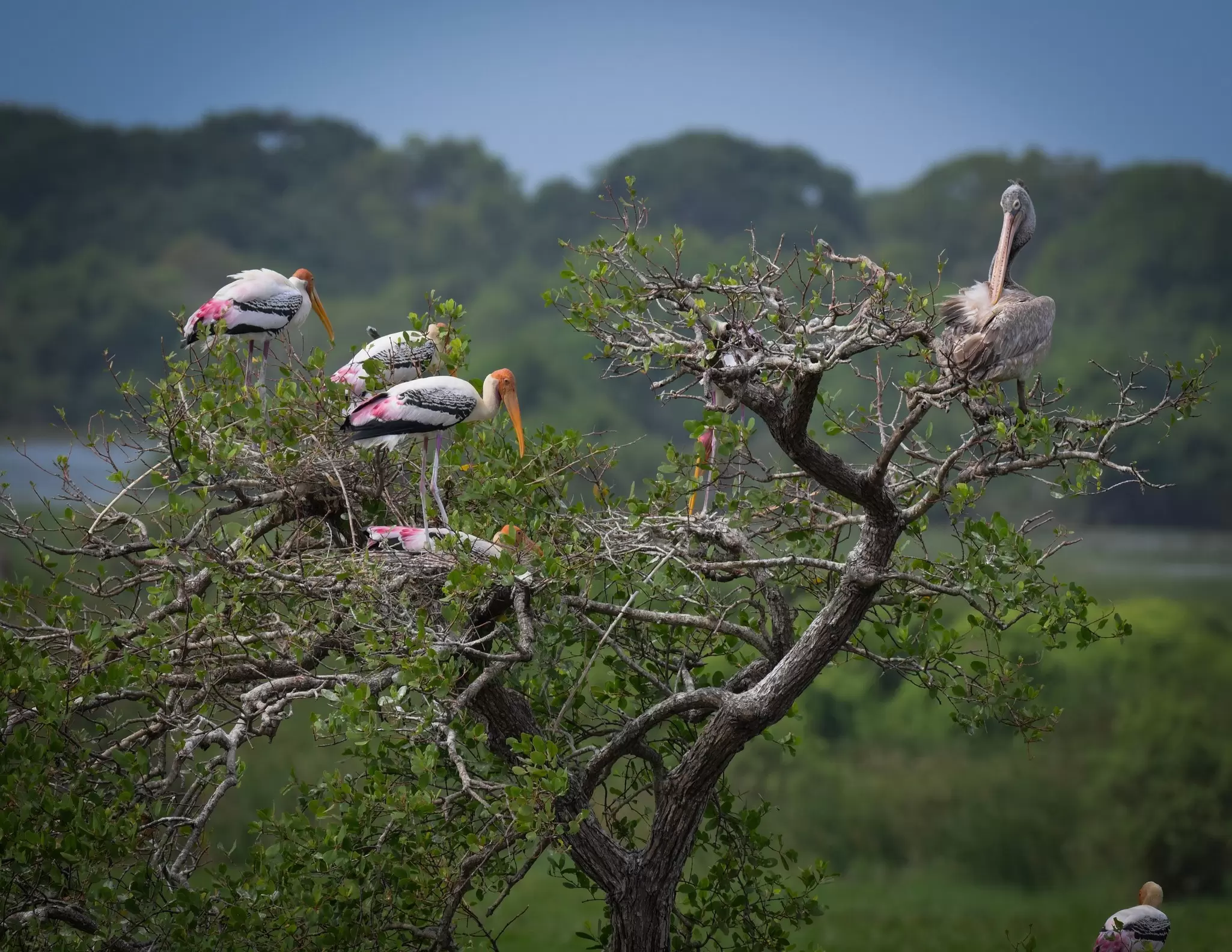
The 200-hectare Kumana National Park is a birder’s dream, home to throngs of vibrant kingfishers and jungle fowl alongside 255 other species of endemic and migrating birds, which find sanctuary in the park’s mangrove swamps and lagoons.
Expect to spot falcons and eagles as they soar overhead, with peacocks shimmying on the ground. Also frequently spotted here are cleverly camouflaged crocodiles, lying in wait on the sandy banks of the lake for chance encounters with buffaloes.
Cap off your trip here with a visit to the coastal village of Panama, which many visitors bypass in favor of such bigger towns as Pottuvil and Arugam Bay. In Panama, you’ll find a tiny monastery under a rock, thatched-roof homes and dirt tracks leading through paddy fields to hidden beaches.
Planning tip: Kumana National Park is accessed through the village of Okanda; prearranging a guided 4WD safari is the best way to enjoy the preserve.
Best for hikers
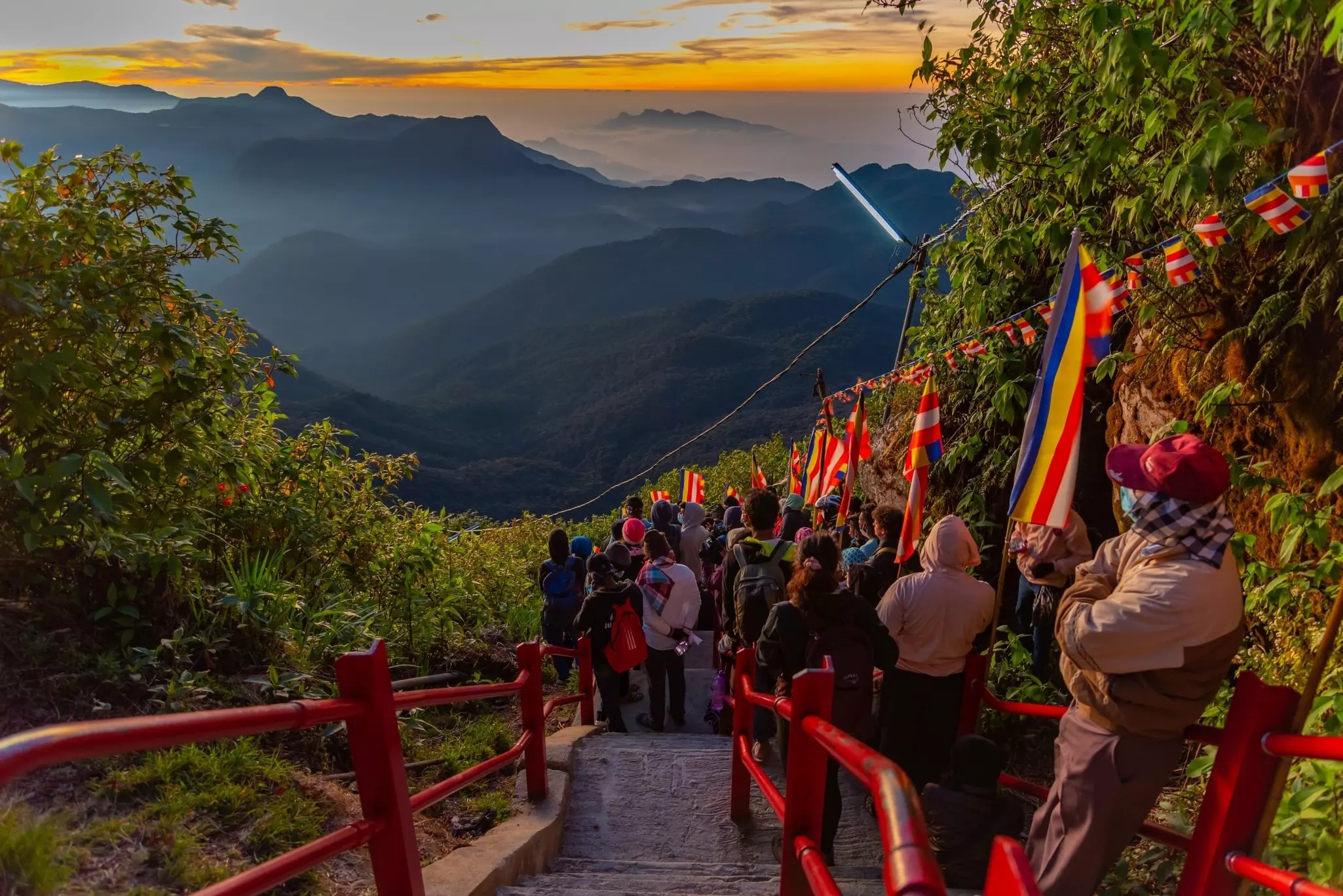
Sri Lanka’s holiest hill is considered sacred by all religions on the island. Muslims and Christians call the mountain Adam’s Peak in tribute to a footprint reputedly left in the stone by Adam himself. Buddhists believe the footprint was made by the Buddha, while Hindus attribute the print to Hanuman or Shiva. The peak is also known as Sri Pada (“Sacred Footprint”) or Samanala Kanda (“Mountain of the Butterflies” – also a reference to the local deity Saman).
Join thousands of pilgrims dressed in white in the early hours of the morning to hike slowly and quietly to the temple at the top. Humble teahouses, resting places and shrines dot the landscape as you ascend, as pilgrims greet each other, offering blessings for a good climb. The hike to the top takes 3 to 4 hours, depending on which trail you choose; aim to reach the summit at dawn to catch the first rays of sunrise wrapping around the mountain.
Planning tip: The hike to the 2243m summit of Adam’s Peak is moderate, and there are plenty of places to rest along the way. Ascending via the town of Hatton and descending via Ratnapura is the shortest route. The full-moon days in December and May mark the beginning and end of the climbing season. During this period, set off earlier to sidestep the crowds, or expect slow and packed trails. Climbing in the off-season is not recommended, as it coincides with the southeastern monsoon.
Best for kitesurfers
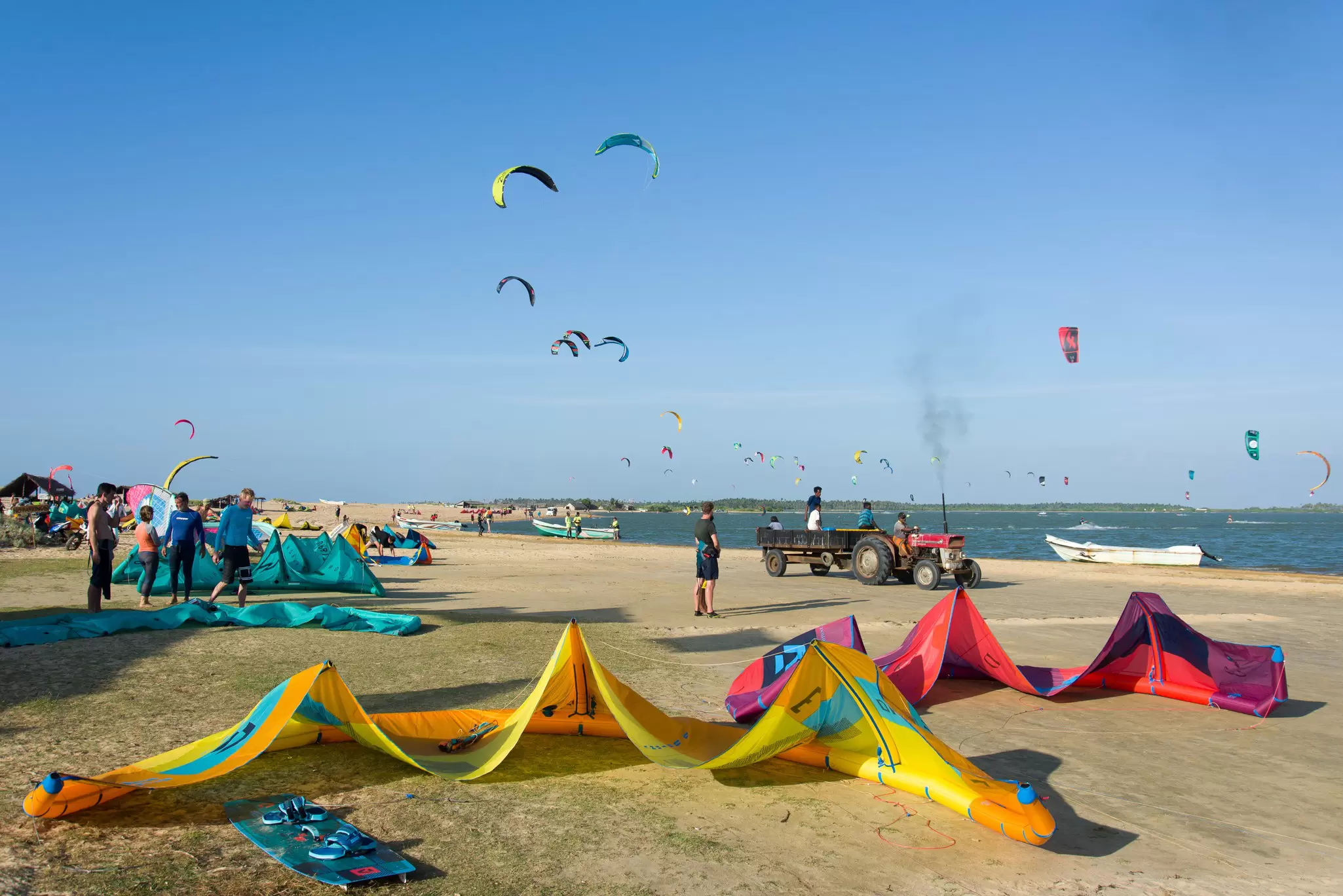
Even though it attracts thrill-seekers from around the world, Kalpitiya retains its quaint coastal charm – even though the Dutch-era fort near the end of the peninsula is occupied by the Sri Lankan navy. Cows, goats and donkeys stroll beside the road and villages buzz with local life, but the big lure for visitors is the world-class kitesurfing on offer in the Kalpitiya Lagoon.
Thatched-roof beach huts with outdoor showers offer a pleasing surf-shack vibe, and most mornings you’ll wake to a crowing rooster. Kitesurfing centers are dotted around the lagoon, and there's more impressive kitesurfing 30km north off the narrow sandbar known as Vella Island.
Planning tip: The weather for kitesurfing is ideal between October and May. You can hone your skills at numerous kitesurfing schools around Kalpitiya.
Best for surfers
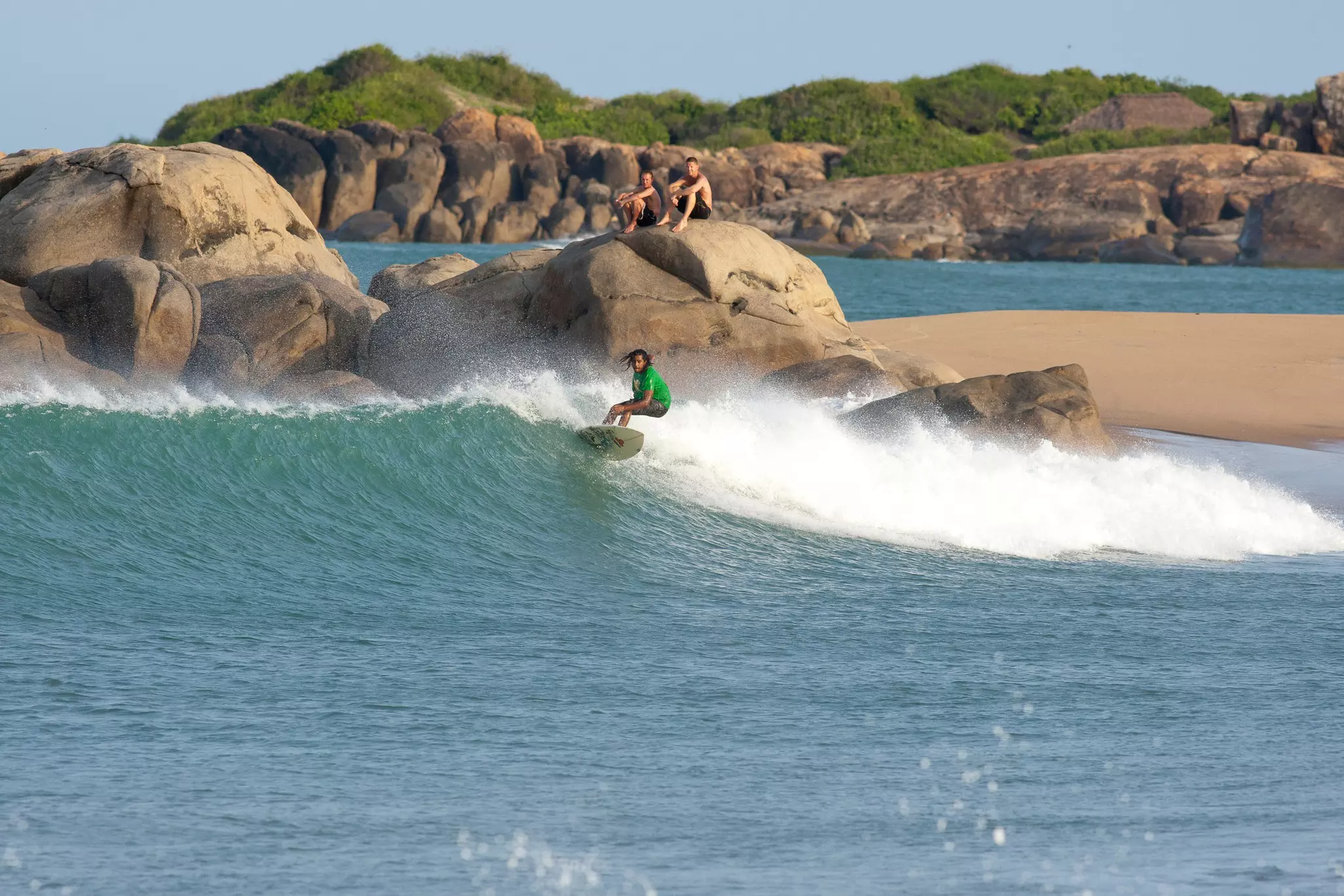
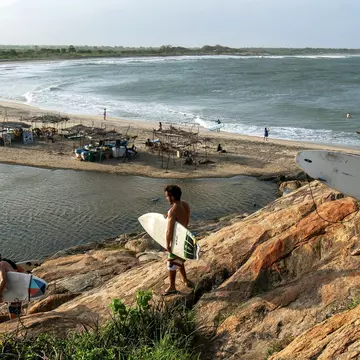
For aspiring surfers, there are few spots on the island more idyllic than Arugam Bay. With a famous point break and plenty of waves that are easy for newbie surfers to conquer, this is a great place to step off the conveyor belt of life and devote some quality time to sun, sand and surf.
Surf schools abound, and there are numerous, laid-back places to stay, eat and grab a drink in front of the view. While it’s easy to lose track of time here, should you want to add on some sightseeing, you’ll be close to national parks and the atmospheric tea-growing towns of the Hill Country.
Planning tip: The best months to surf Sri Lanka’s east coast are from April to October. Main Point is a consistent intermediate break, while Baby Point is a good choice for new surfers.
Book your Sri Lanka trip with Lonely Planet Journeys
See Sri Lanka how it's meant to be seen
Accommodations, activities and ground transportation all taken care of, so you can focus on the fun part. Tell us what your dream trip to Sri Lanka looks like, and our local experts will build it from scratch. Or start with one of our itineraries and make it your own.

Explore related stories